
The vintage watch market has transformed dramatically over the past five years. Japanese watchmaking, once dismissed by serious collectors as inferior to Swiss brands, has shifted from overlooked to fiercely collectible.
Auction houses now feature vintage Seiko models alongside Rolex and Patek Philippe, while specialist dealers who previously focused exclusively on European brands now dedicate serious inventory to Japanese timepieces.
Younger collectors are discovering that innovation and design matter as much as heritage and brand prestige, creating demand that has pushed certain vintage Seiko references to appreciation rates that rival or exceed their Swiss contemporaries.
The next decade is a critical accumulation window before vintage Seiko reaches full institutional collector recognition. The same patterns that drove appreciation in vintage Rolex, Omega, and other now-expensive categories are starting to show up in the Seiko market.
Auction house validation is building steadily. Condition premiums are widening. And the supply of truly original examples keeps shrinking.
Table of Contents
Key Takeaways & The 5Ws
- Vintage Seiko has moved from an overlooked enthusiast niche to a serious collectible category, with certain references now matching or beating Swiss peers on five- to ten-year performance.
- Early Grand Seiko and King Seiko models—especially 62GS, 61GS Hi-Beat, and 45KS—are quietly compounding, backed by multi-decade technical credibility while still pricing below comparable Omega, Longines, and Rolex references.
- Tool icons like the 62MAS, 6105 “Captain Willard,” and 6159 “Grandfather” diver show a classic cycle: hype-driven peaks, sharp corrections, and now an accumulation window where originality and condition create wide price dispersion.
- Auction validation from houses like Phillips and widening originality premiums are pushing top-tier vintage Seiko toward institutional attention, while parts swapping, fakes, and over-restoration are becoming bigger value traps for uninformed buyers.
- Who is buying?
- Serious collectors, value-focused investors, and younger enthusiasts who care about design and innovation as much as Swiss-brand prestige, and who are willing to pay up for documented, all-original Japanese examples.
- What is the opportunity?
- A rapidly maturing vintage Seiko ecosystem spanning early Grand Seiko, King Seiko, first-generation divers, and 1970s chronographs, where auction records, dealer focus, and shrinking supply are driving a structural repricing.
- When is the window?
- From now through roughly 2030–2036, as institutional recognition, auction visibility, and buyer education around originality accelerate—before prices fully converge with comparable Swiss tool and dress watches.
- Where is price discovery happening?
- In global vintage markets centered on major auction hubs such as Hong Kong, Geneva, New York, and London, plus specialist online platforms where top-condition Seiko pieces now sit alongside blue-chip Swiss lots and attract serious bidding.
- Why can returns be asymmetric?
- Because the quality and technical innovation were always there, but cultural bias kept prices suppressed. As that bias fades and the best, most original examples move into long-term collections, disciplined buyers can still capture upside—if they avoid restoration traps and verify originality.

Which Specific Vintage Seiko Categories And References Are Positioned For Maximum Appreciation?
Early Grand Seiko models from the 1960s and 1970s are dramatically undervalued compared to contemporary Swiss equivalents. That gap is not going to last.
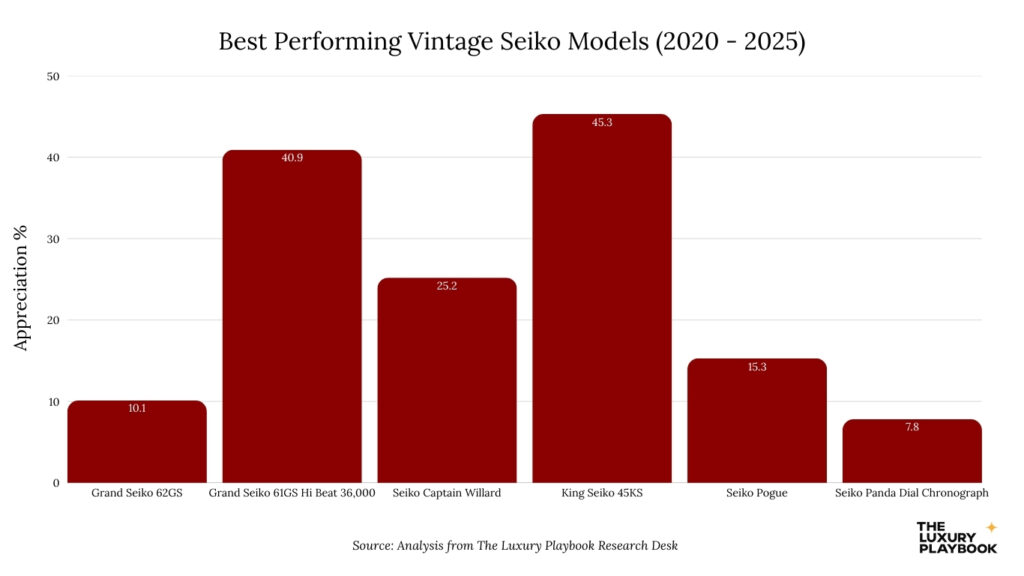
The 62GS reference 6245-9000 shows this dynamic clearly. Much like the Jaeger-LeCoultre Reverso, which collectors underestimated for years before prices moved, WatchCharts data shows this model appreciated roughly 10.1% over the past five years, outperforming the broader Grand Seiko brand index which actually declined over the same period.
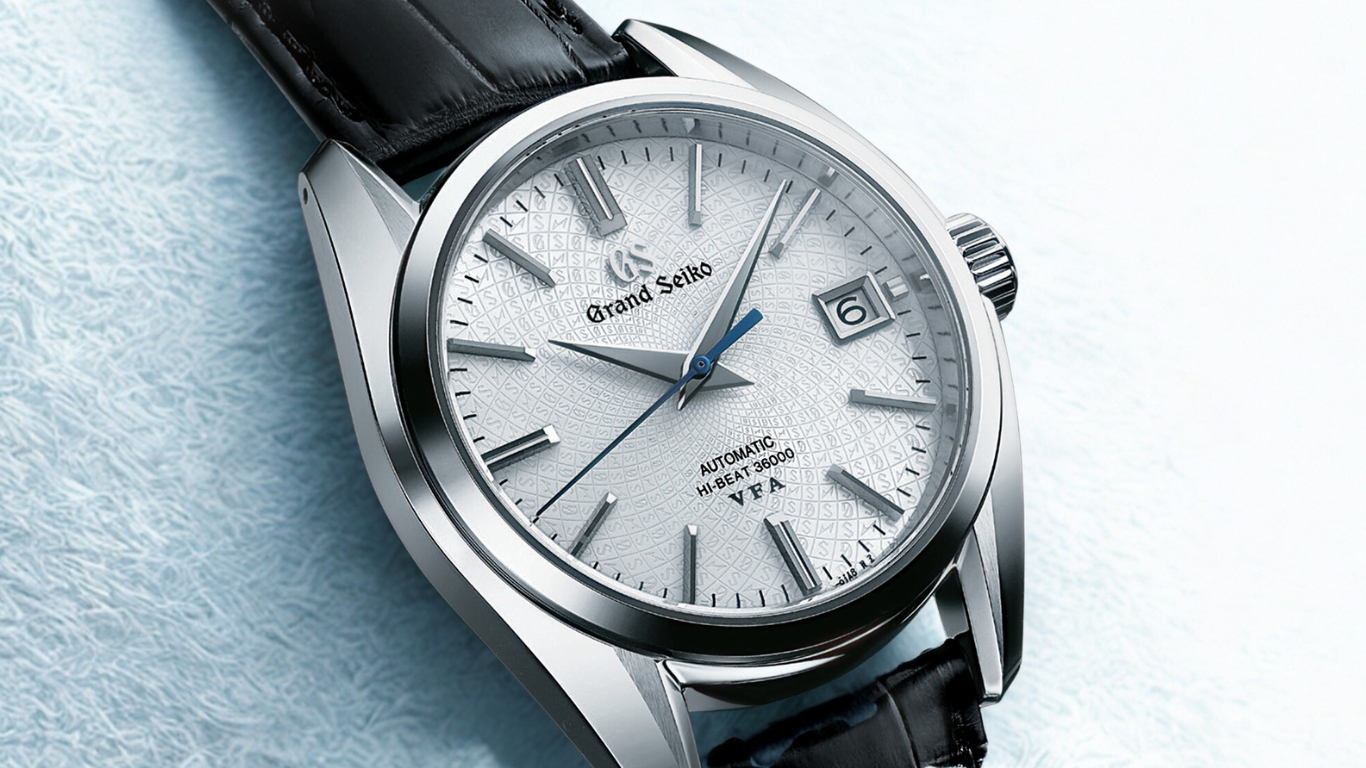
The 61GS Hi-Beat 36,000 reference 6145-8000 tells an even stronger story. Up approximately 40.9% over five years, that kind of performance surprises collectors who still think of vintage Grand Seiko as affordable alternatives rather than serious investments. The appreciation connects directly to a compelling technical narrative that Grand Seiko has been pushing hard. This was Japan’s first automatic high-beat movement, a genuine horological achievement that competed head-to-head with the best Swiss chronometers of the era.
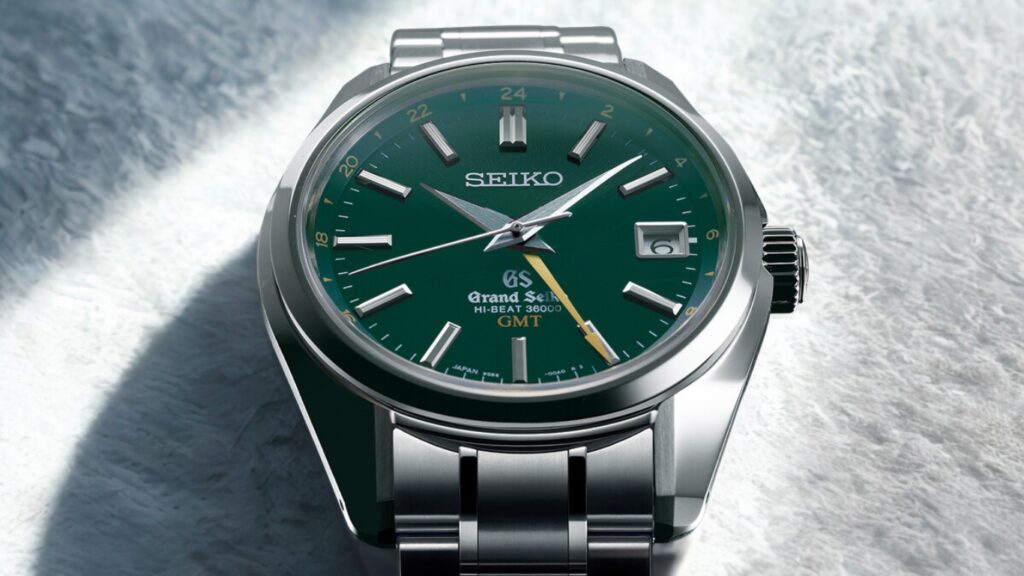
The valuation gap exists because many collectors still price early Grand Seiko references like enthusiast watches rather than recognizing them as technical peers to Swiss equivalents. A 1960s Omega or Longines chronometer with comparable specs and finishing trades at multiples of what a 62GS or 61GS commands. That mispricing is exactly where opportunity lives.
As this perception gap closes and collectors evaluate watches based on actual quality rather than country of origin, the appreciation potential for properly selected Grand Seiko references becomes substantial.
The 6217-8000 “62MAS” from 1965 was Seiko’s first proper dive watch and has achieved broad name recognition among enthusiasts. WatchCharts shows the reference down 30.5% over five years, which looks concerning until you understand it as a post-peak correction. The most recognized vintage Seikos experienced speculation-driven price spikes that were never sustainable, and the corrections that followed create real accumulation windows for disciplined buyers who focus on originality.
The 6105-8110 “Captain Willard” gained fame through its appearance in Apocalypse Now and its use by military personnel. WatchCharts data shows this reference up 25.2% over five years, while Chrono24 listings span roughly $1,300 to $3,700 with averages sitting around $2,300.
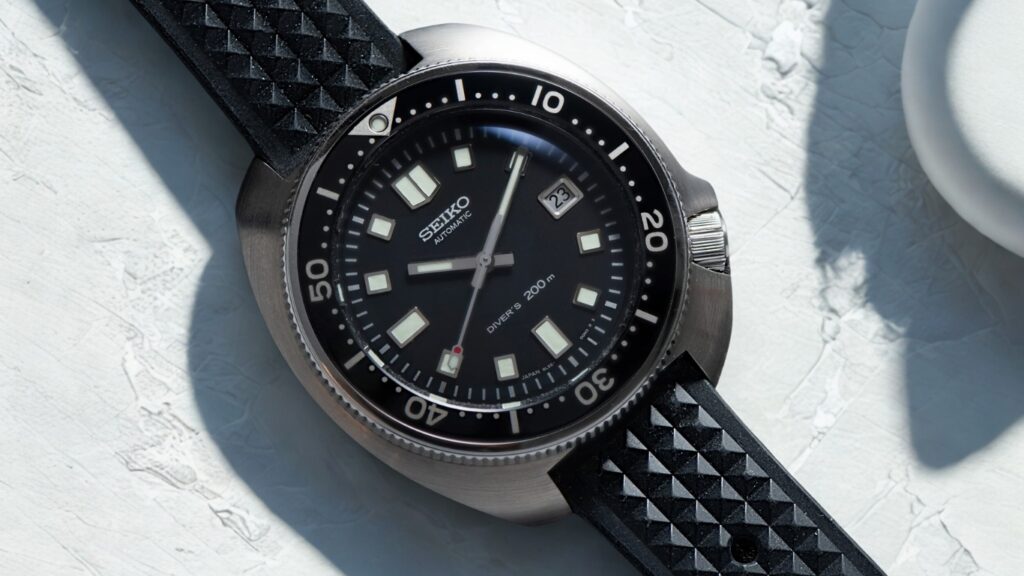
The 6159-7001 “Grandfather” hi-beat diver shows a similar correction pattern, down 35.7% over five years according to WatchCharts. But Phillips auction house has achieved strong results for exceptional examples, with one selling at HK$56,250. The correction is real. So is the ceiling for the right pieces.
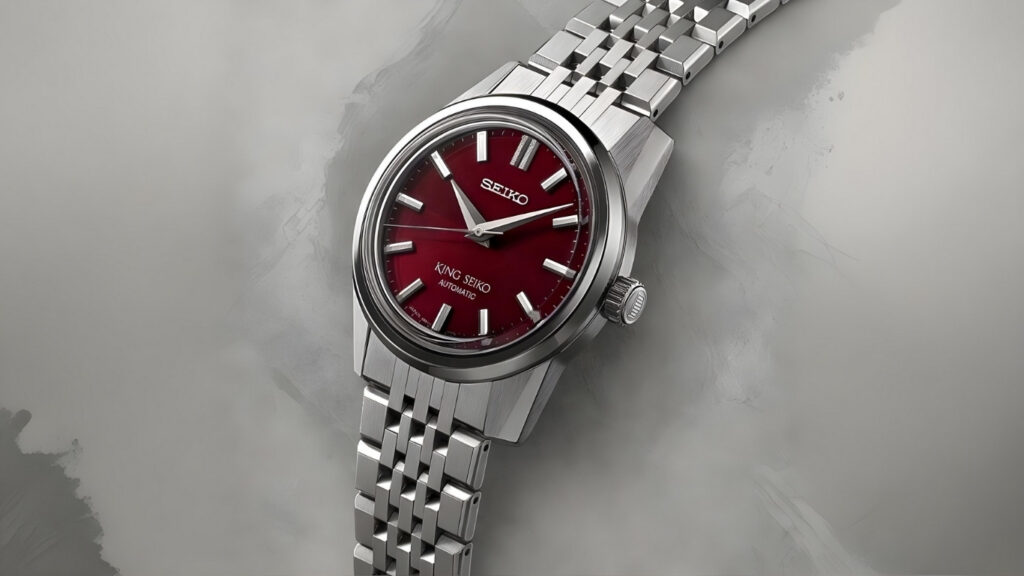
King Seiko was the parallel line to Grand Seiko that delivered comparable quality with distinct aesthetics, and it still prices like a secret among collectors who actually know what they’re looking at. The 45KS reference 4502-7000 shows exactly the appreciation profile that value-focused investors seek.
WatchCharts puts this model up 45.3% over five years, one of the strongest performers across the entire vintage Seiko market. That kind of quiet compounding without hype or speculation behind it points to genuine collector demand building before broader market recognition arrives.
Seiko’s 1970s automatic chronographs are another category that stays severely undervalued compared to Zenith, Heuer, and Omega chronographs from the same era, despite delivering comparable or in some cases superior technical specifications.
The 6139-6002 “Pogue” earned its nickname from astronaut Bill Pogue wearing it during the Skylab mission. It’s up 15.3% over five years, and Chrono24 listings range from roughly $530 to $1,800 with averages around $1,000. For a watch with genuine space history, that pricing still looks like a gift.
What Market Indicators And Factors Will Drive Vintage Seiko Appreciation Through 2036?
Auction house validation is transforming how serious collectors perceive vintage Seiko. Phillips has established meaningful public comparables that reframe the category from enthusiast collecting to institutional-grade collectibles territory.
A Seiko 6215-7000 early professional diver sold for HK$63,500, while a 4520-8020 Astronomical Observatory Chronometer achieved HK$444,500 according to Phillips auction results. Numbers like that place the right vintage Seiko models directly inside the serious watch auction conversation alongside Swiss brands that have commanded collector attention for decades.
When major auction houses feature vintage Seiko in their important watch sales and deliver strong results, it signals to collectors and institutions that the category deserves serious consideration. This validation creates a feedback loop where auction success attracts more collectors, which drives more consignments, which generates more visibility and higher prices.
Condition and originality premiums are widening fast as the market matures and collectors get more sophisticated about what they’re buying.
Time+Tide notes bluntly that it’s “not uncommon” for vintage Seikos to carry undisclosed replacement or reproduction parts, which explains exactly why truly all-original watches are pulling away from the pack in value. The same reference can trade across radically different price ranges based purely on originality.
The 6105-8110 “Captain Willard” spanning roughly $1,300 to $3,700 for the same reference number is essentially the market applying a multiplier to originality, correct case geometry, matching dial and hands, and proper service history.
That premium gap will likely widen further as collectors realize how few genuinely original examples actually survive. Replacement parts flood the vintage Seiko market because the brand’s popularity created aftermarket supply that simply doesn’t exist for many Swiss watches.
Distinguishing original from replacement requires expertise that most buyers lack, creating opportunities for knowledgeable collectors to acquire undervalued original pieces while the broader market still prices everything similarly.
Supply exhaustion works automatically here because these watches were manufactured 40 to 60 years ago and surviving examples in excellent, unmolested condition get rarer every single year. The scarcity is not just about total production numbers. It’s about how many survive with correct original parts, especially as restoration culture and modification culture pull original components out of circulation permanently.
Even within single references, short-run sub-variants like the April to June 1965 small-crown 62MAS create scarcity within scarcity. That’s exactly the dynamic where premiums tend to accelerate late in collecting cycles. You see the same scarcity premium logic playing out with Tudor references that serious collectors have been tracking closely.
Cultural and media influence is pushing younger collectors toward Japanese watchmaking in ways that simply didn’t exist a decade ago. Vintage watch content creators have built substantial followings by spotlighting design innovation and technical achievement over pure brand prestige.
The broader appreciation for Japanese design across fashion, architecture, and consumer products creates cultural tailwinds that benefit vintage Seiko directly. Younger collectors value the story of a Japanese brand competing with and often beating Swiss competitors on technical grounds, a narrative that lands more powerfully than traditional luxury branding built on heritage and exclusivity alone.
That said, risk factors require honest assessment because not every vintage Seiko represents a genuine opportunity. Reproduction parts flooding the market create value traps where buyers pay for what they believe are original watches but actually own heavily restored or modified pieces worth far less.
Counterfeit dials have become sophisticated enough that even experienced collectors can be fooled without detailed knowledge of correct fonts, printing techniques, and aging characteristics. Over-restoration is another quiet killer of value. Well-meaning owners who have watches refinished or replated destroy the natural patina and original surfaces that serious collectors prize above almost everything else.
Avoiding value traps means focusing on provenance, originality, and condition while being willing to pay fair prices for properly documented examples. The cheapest vintage Seiko is rarely the best investment, because low prices almost always reflect condition issues, replacement parts, or authenticity concerns that will prevent any real appreciation. Much like art collecting at the higher end, the documentation and provenance trail matters enormously to what you can ultimately realize.
Build relationships with reputable dealers and auction specialists. Learn to identify correct details for specific references. And accept that the best examples command premiums. Do those three things and you protect yourself from the common mistakes that turn vintage watch collecting from profitable into simply expensive.