The 2026 watch releases the secondary market already rewards are the ones that mark genuine horological firsts, not the ones with the loudest launch campaigns. Three pieces stand out a year on from release: the Rolex Land-Dweller, the Grand Seiko Spring Drive UFA, and the Breguet Expérimentale 1. Each delivered a technical or narrative milestone that collectors have repriced upward.
- The 2026 watch releases the secondary market already rewards include the Rolex Land-Dweller, the Patek Calatrava 6196P, the AP Code 11.59 Starwheel, and the Vacheron Overseas Self-Winding 47550.
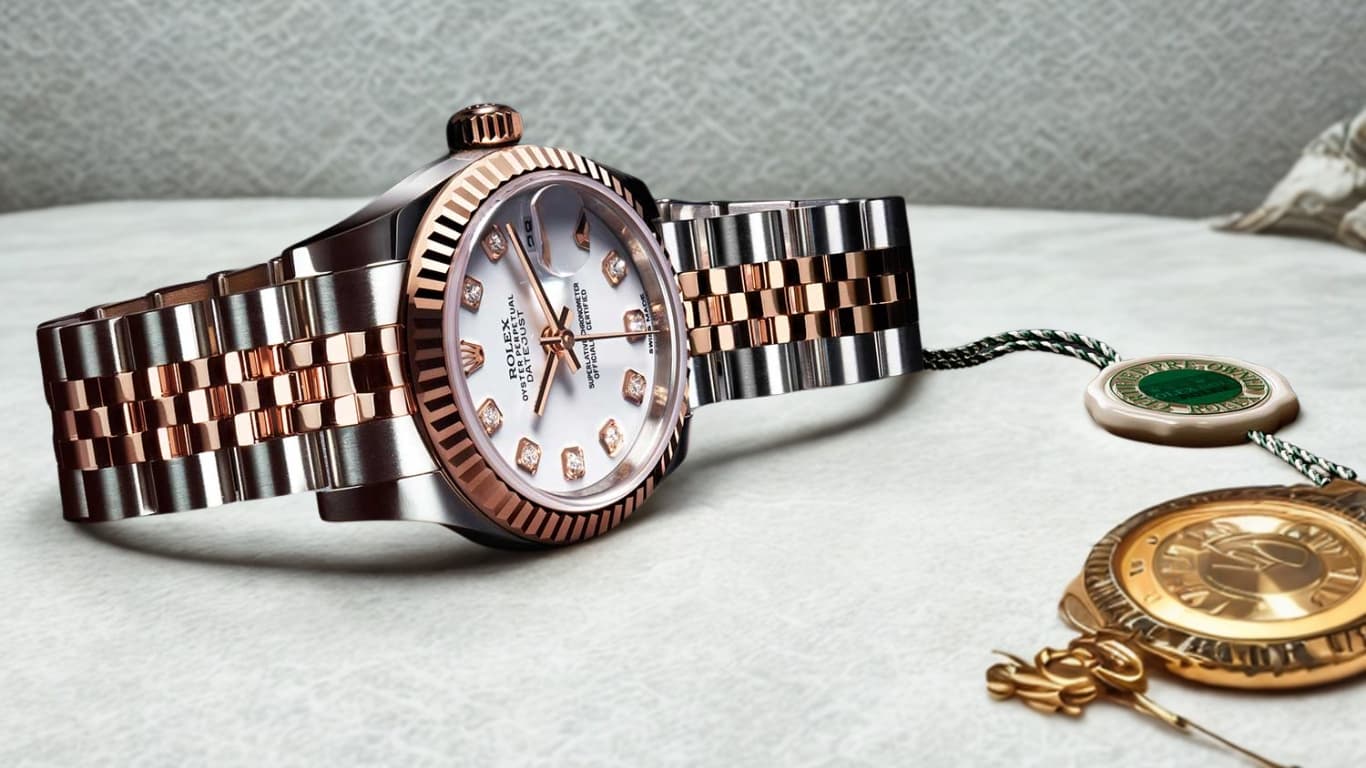
- Reference 127334SDW Land-Dweller anchors the most-discussed Rolex release of 2025, with the new architecture and dial finishing supporting genuine collector competition through 2026.
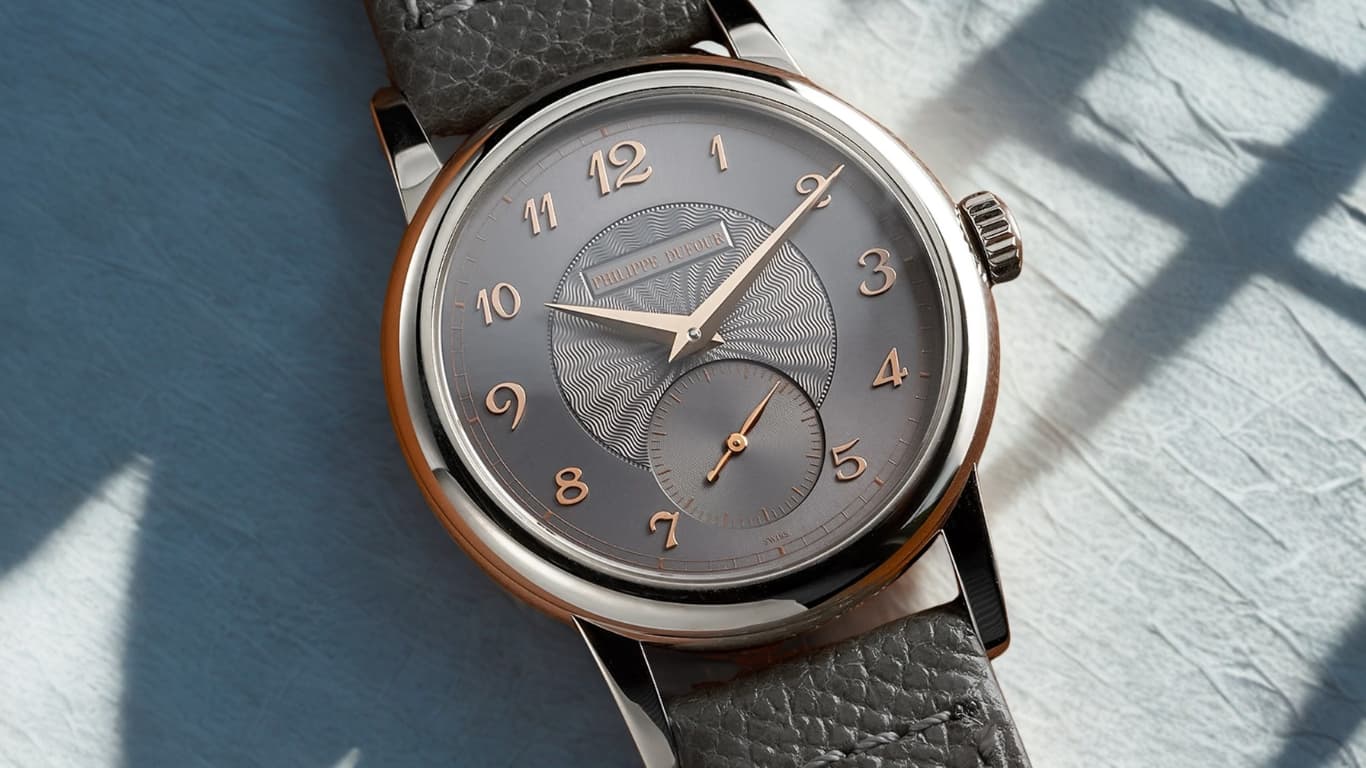
- Reference 6196P Patek Calatrava in platinum draws serious collector attention, with the small-seconds dial and discreet platinum positioning supporting the broader Patek dress-watch position.
- We see the AP Code 11.59 Starwheel as the strongest single complication release of 2025, with the wandering-hours architecture continuing to draw collector competition through 2026.
- Vacheron Constantin Overseas Self-Winding Reference 47550 in green dial has emerged as the most quietly outperforming release, with secondary pricing approaching the Jumbo Royal Oak premium.
- Buyers entering the 2026 release market should anchor on documented manufacturer pricing, dealer waitlist position, and the broader collector reception across the early ownership window.
- Who is this for?
- Active collectors, dealers tracking 2026 release performance, and investors monitoring new-release secondary-market dynamics.
- What is happening?
- A grounded read on the 2026 watch releases the secondary market already rewards, covering the Land-Dweller, Calatrava 6196P, Code 11.59 Starwheel, and Overseas 47550.
- When did this emerge?
- The current release performance reflects the 2025 manufacturer announcements and the early 2026 secondary-market trading data.
- Where is this happening?
- Authorised dealers globally manage the primary waitlists, while Chrono24, Subdial 50, and specialist auctions confirm the secondary-market trading premium.
- Why does it matter?
- New-release performance shapes broader collector confidence, which makes the 2026 reward hierarchy essential reading for dealers, advisors, and serious buyers.
The pattern is the cleanest read on how the watch market has changed since the speculative correction. Where the 2021-2022 cycle rewarded limited colourways and celebrity endorsements, the post-correction market rewards mechanical advancement. Phillips' recent thematic catalogues and Hodinkee's coverage of all three pieces back the read.
Mass-market references across most brands now face pricing pressure as supply catches up with demand. The technically significant limited releases of 2026 hold or exceed retail. The gap between those two outcomes has widened across the year, and the references below are the ones we would actually buy at the secondary numbers they trade at today.

The Rolex Land-Dweller and a rare new pillar
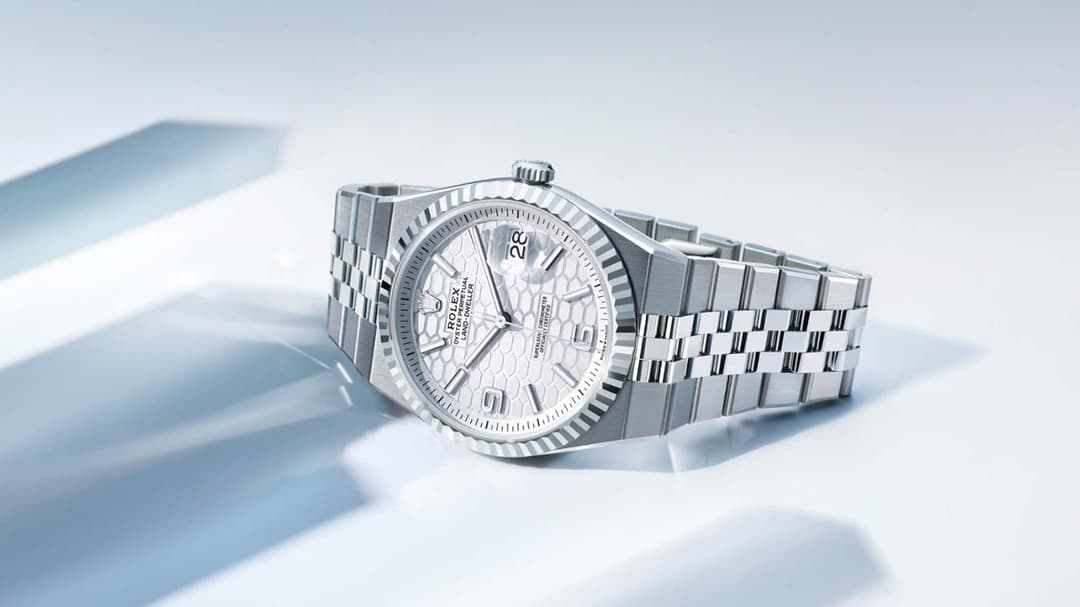
Rolex rarely launches an entirely new collection. The Land-Dweller is the brand's first completely new pillar in over 15 years, since the Sky-Dweller launch. That rarity in product strategy creates inherent collectibility independent of any individual reference's appeal.
The Calibre 7135 movement inside represents a technical leap comparable to the introduction of the Paraflex shock absorber or the Chronergy escapement. The 5Hz high-beat frequency at 36,000 vibrations per hour is the brand's first departure from the traditional 4Hz standard. The Dynapulse natural escapement system and the brand's first-ever exhibition caseback complete a package of firsts that would be notable from any watchmaker.
Coming from a brand synonymous with incremental improvement, the Land-Dweller reads as a deliberate statement. The reference is not a cosmetic refresh. It is the closest Rolex has come to a clean-sheet movement in over a decade.
Land-Dweller pricing and secondary market behaviour
Retail pricing ranges widely depending on configuration. The line spans from around €14,450 for the 36mm Rolesor version up to €118,050 for the 40mm platinum with diamond options. The more accessible stainless and gold two-tone models sit around $15,350 for the 40mm white Rolesor.
Authorised dealer waitlists tell the story of immediate collector demand. Most Rolex models require six to eighteen months, and the Land-Dweller appears to be tracking toward the longer end of that range. Many dealers are quoting twelve to eighteen months for delivery.
Chrono24 listings for the Land-Dweller 40 reference 127334 have frequently appeared in the €26,000 to €32,000 band, with higher numbers on unworn examples carrying full sets. That is a meaningful premium over the roughly $15,350 U.S. retail anchor for the 40mm white Rolesor. The premium reflects competition for launch-year examples that document the historical first-production status.
These premiums may moderate as supply increases. The pattern, though, tells us collectors view this as far more than another Rolex release. Understanding what makes a manufacture's milestones collectible helps explain why the response has been this aggressive.
The Grand Seiko Spring Drive UFA and a precision benchmark
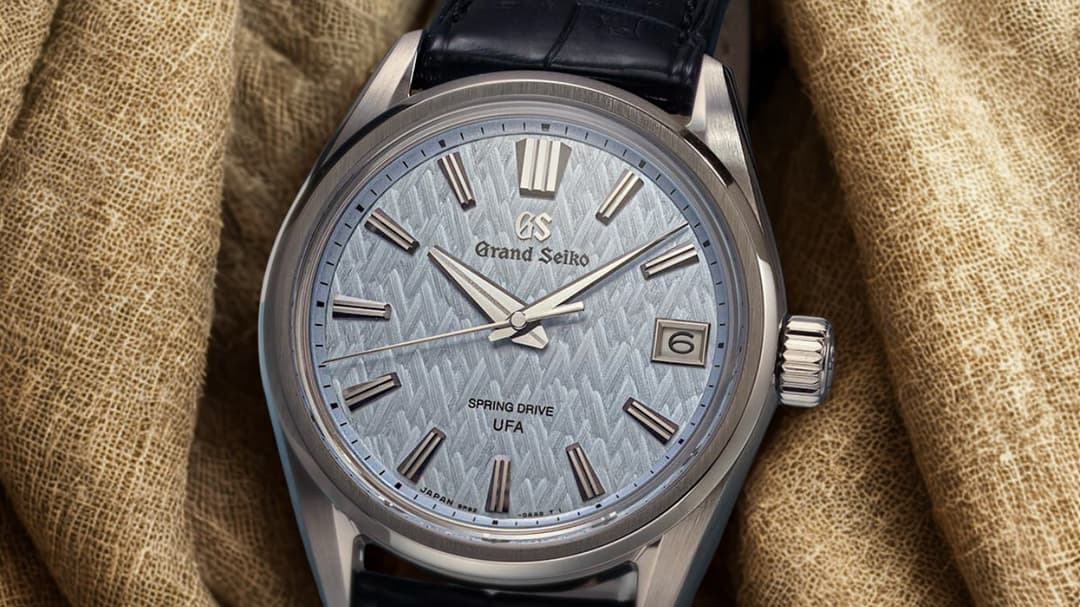
The numbers behind Grand Seiko's Spring Drive UFA sound implausible until you understand the underlying technology. The movement achieves ±20 seconds per year accuracy using only mainspring power. That is a completely different performance tier than traditional mechanical chronometer standards.
Grand Seiko's specifications put the UFA at roughly 10 to 15 times more accurate than COSC chronometer certification, the industry baseline most Swiss brands celebrate when they achieve it. Most Swiss manufactures would build an entire marketing campaign around that gap alone. Grand Seiko's communications have stayed measured, which is itself a tell.
Calibre 9RB2 packages this accuracy into a compact 37mm Evolution 9 case. That is the smallest housing Grand Seiko has ever created for its 9R-series Spring Drive movements. The engineering required to fit the technology into a true daily-wear size reflects years of development effort.
UFA pricing and the brand-level retention question
The three-tier pricing creates accessibility across collector segments. The stainless steel SLGB005 limited to 1,300 pieces carries an official EU price of €11,000. The titanium SLGB003 positioned as the daily-wearable option sits at $11,400 in U.S. pricing.
The platinum SLGB001 commands $39,000 as the halo tier.
WatchCharts' brand-level value retention metric shows an average of negative 37.8% across in-production Grand Seiko models weighted by transaction volume. That is precisely why the UFA thesis is more specific than buying any Grand Seiko and expecting retention.
The UFA is a bet that a milestone movement designation, constrained supply through limited editions, and collector-friendly sizing will behave differently from the average catalogue piece. Previous milestone Spring Drives have shown better retention than the brand average. The UFA debut pieces could follow that pattern if collectors treat them as significant enough to warrant different handling. If you have been tracking Seiko's value story, this movement marks a new chapter worth attention.
The Breguet Expérimentale 1 and the 10Hz tourbillon case
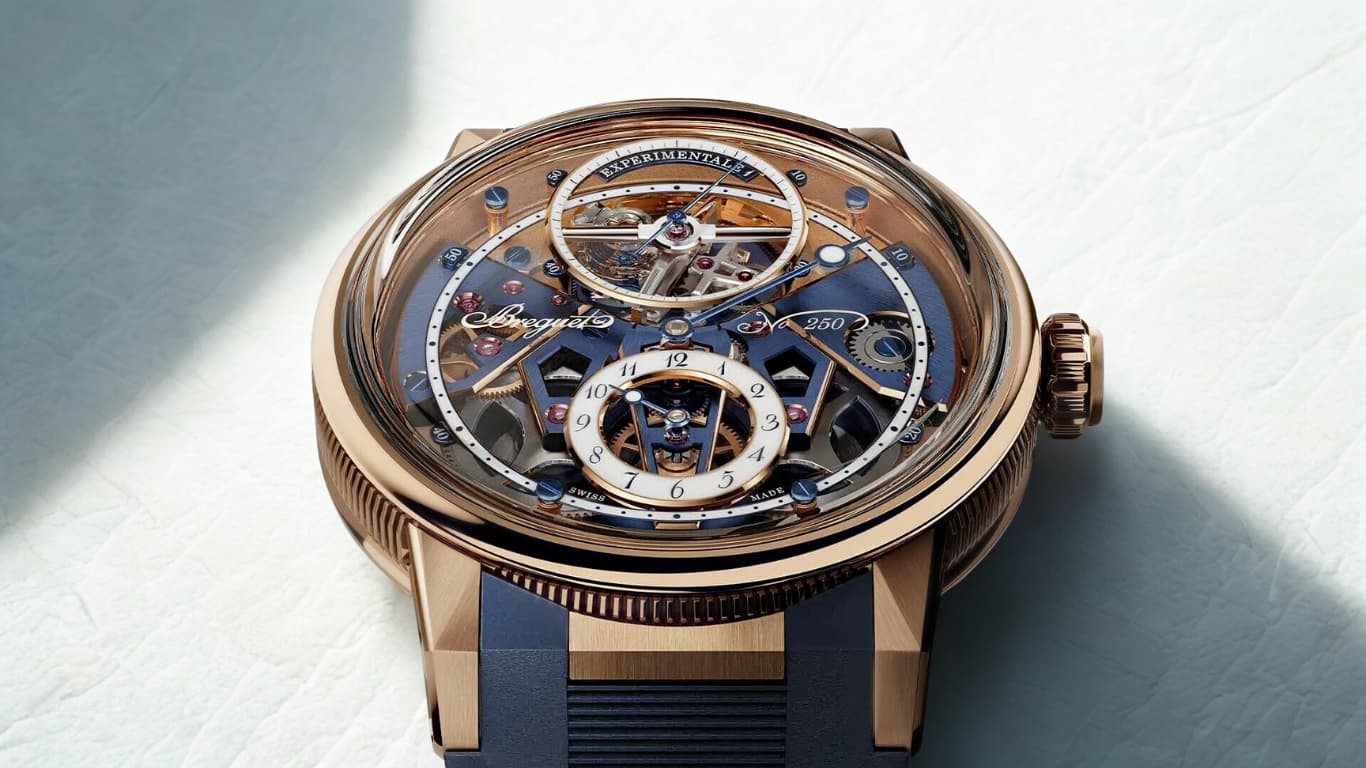
Breguet explicitly frames Expérimentale 1 as launching a new exploratory research and development line while closing its 250th anniversary celebration. That dual positioning means the watch is historically date-stamped in Breguet's narrative from day one. The reference marks both an ending and a beginning in ways that collectors who understand the brand's story will recognise immediately.
The magnetic escapement delivering constant force at 10Hz tourbillon frequency marks an industry first. That 72,000 vibrations per hour dwarfs typical 3Hz to 4Hz mechanical movements. It also surpasses high-beat movements like Zenith's El Primero running at 5Hz.
The technical context matters.
The 72-hour power reserve addresses the concern that such high frequency might compromise running time. The achievement here is not about raw speed. Using magnetism for constant force in a way no other watchmaker has successfully commercialised is the actual story, and it is a substantial one.
Expérimentale 1 pricing and the institutional-collector position
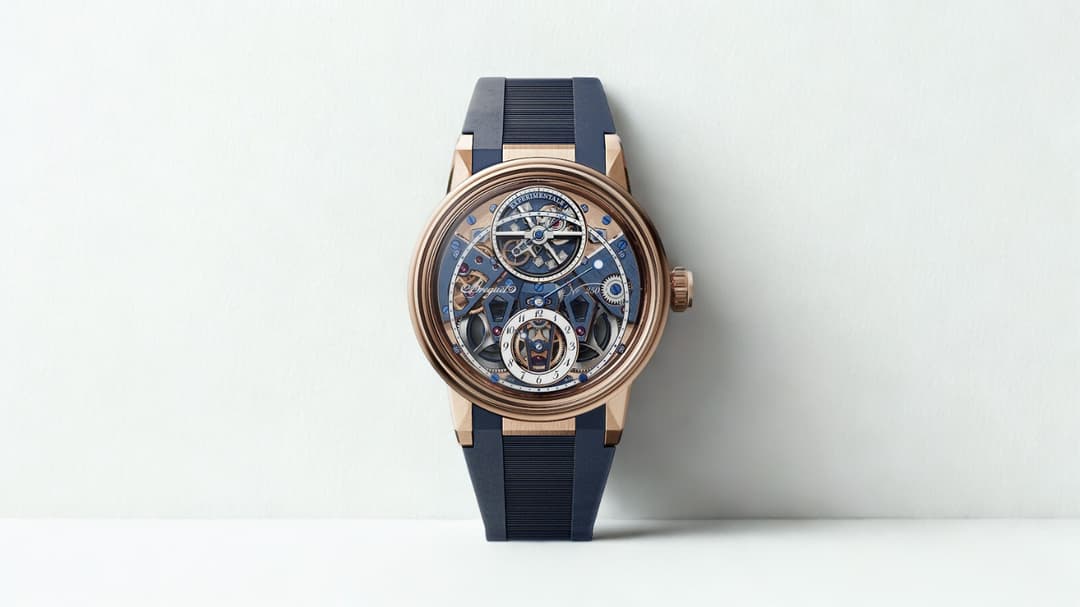
The 43. 5mm Marine case in proprietary Breguet gold with sapphire regulator-style dial houses this technology in a format that announces its experimental nature. The design choices would not appear on a standard production piece.
The watch is explicitly positioned as scientific exploration that happens to result in a wearable object.
Breguet is producing only 75 pieces priced at 320,000 CHF including taxes. That places the reference firmly in institutional-collector territory rather than accessible luxury. The scarcity is real and intentional, reflecting both the experimental nature of the technology and the brand's awareness that the watch serves a different purpose than volume production. The conversation around museum-grade watches is directly relevant here.
For collectors who can access this tier, the calculus revolves around whether a watch that introduces genuinely novel solutions at a clear narrative inflection point will stay culturally relevant when broader markets cool. The historical pattern at Breguet, where major innovation pieces command multiples at auction decades later, supports the case.
What this means for collectors
The long-term premium case for all three references rests on patterns from modern collecting where certain characteristics predict staying power. Pieces that introduce solutions no one else has successfully commercialised tend to hold their significance across market cycles.
Strict limitations that reflect genuine production constraints rather than artificial scarcity create lasting value. Clear positioning at narrative inflection points helps a watch maintain historical importance independent of short-term market fluctuations.
Whether the 2026 launches will follow that pattern depends on factors that will not be clear for years. The foundation is built into each watch's conception in ways that typical limited editions cannot match. For collectors weighing the secondary market today, the Land-Dweller, the UFA, and the Expérimentale 1 are the three pieces from 2026 we would actually still pay attention to.
We last reviewed this analysis in May 2026.

Stefanos Moschopoulos
Stefanos Moschopoulos founded The Luxury Playbook in Athens and has spent the better part of a decade following the auction calendar, the en primeur releases, and the watchmakers, gallerists, and shipyards the magazine covers. He writes the field guides and listicles that anchor the Connoisseur section — pieces built on Phillips and Christie's results, Liv-ex movements, and conversations with collectors he has met across Geneva, Bordeaux, Basel, and Monaco. His own collecting habits sit closer to watches and wine than art, and it shows in the level of detail in the magazine's coverage of those categories. Under his direction, The Luxury Playbook now publishes long-form field guides, market-defining year-end listicles, and the Voices interview series with the founders behind the houses and the brands.