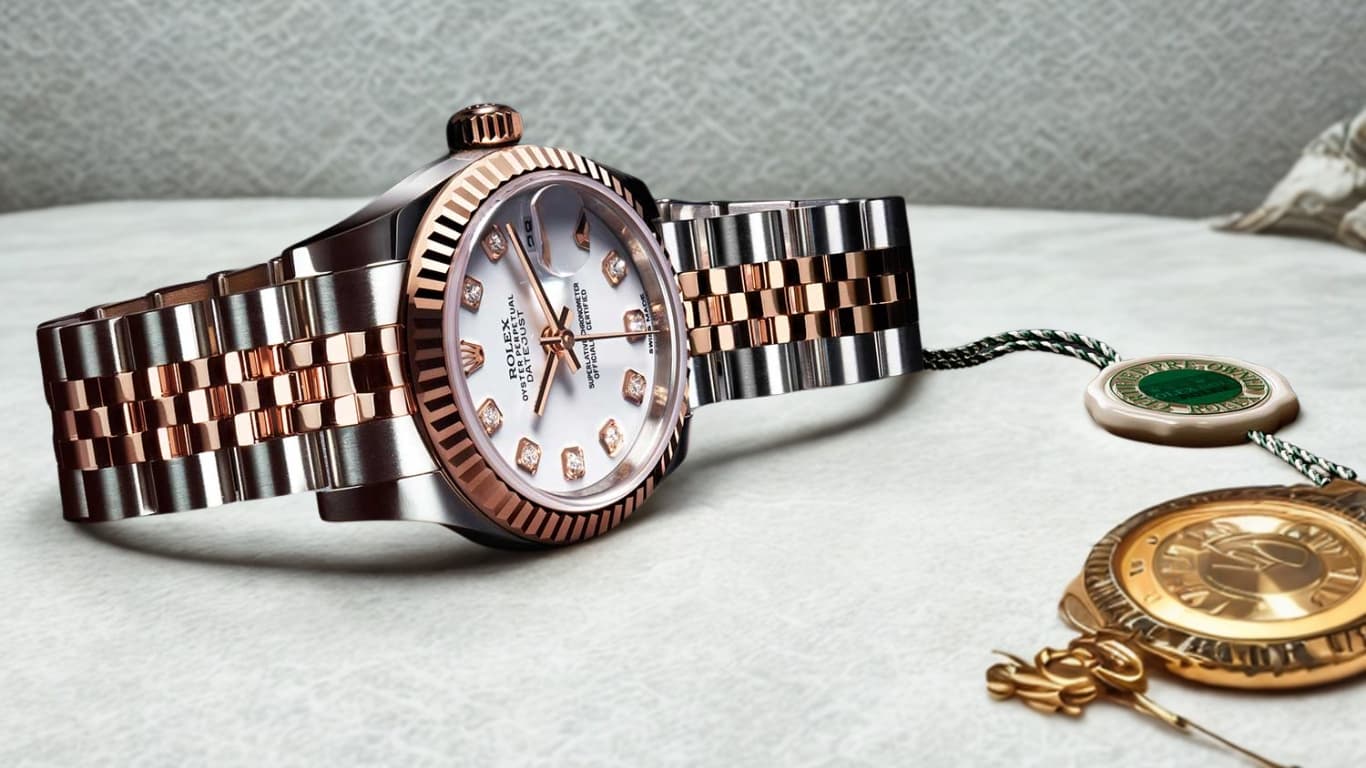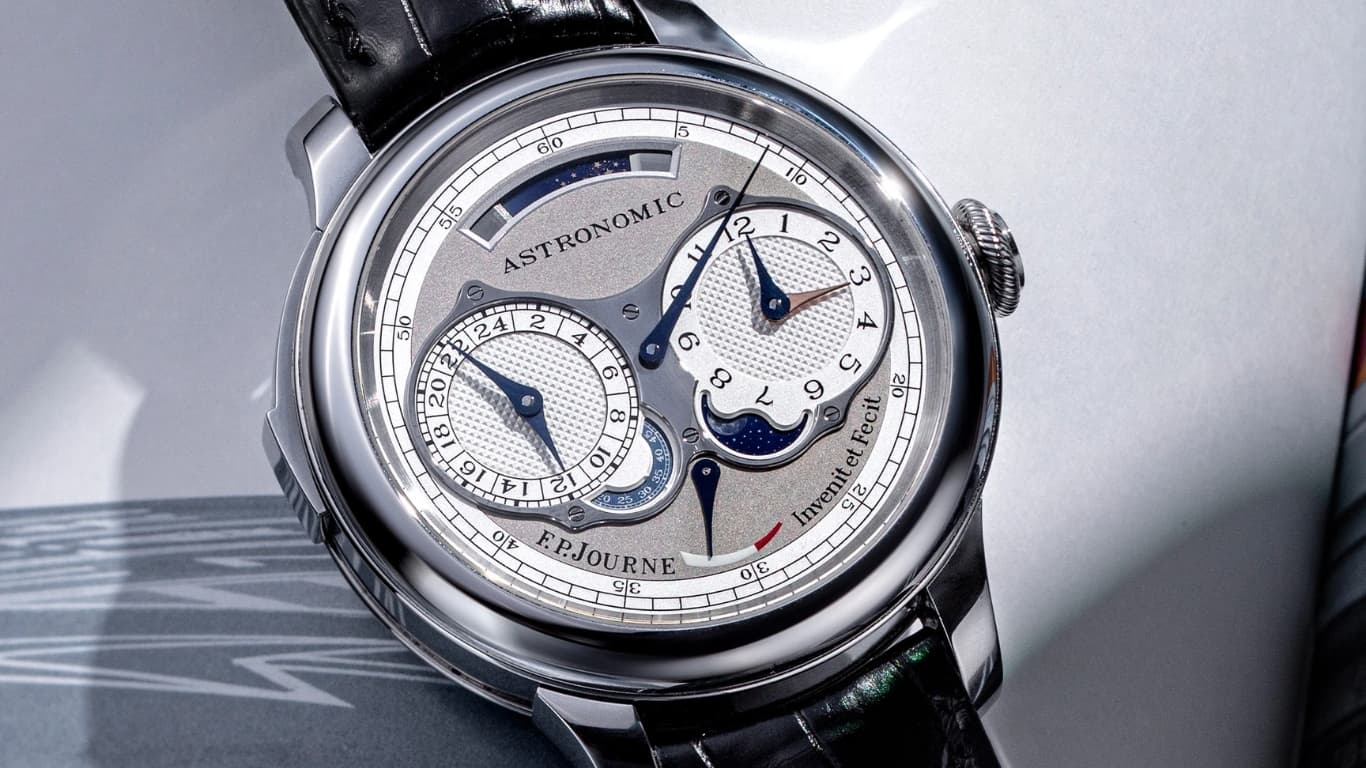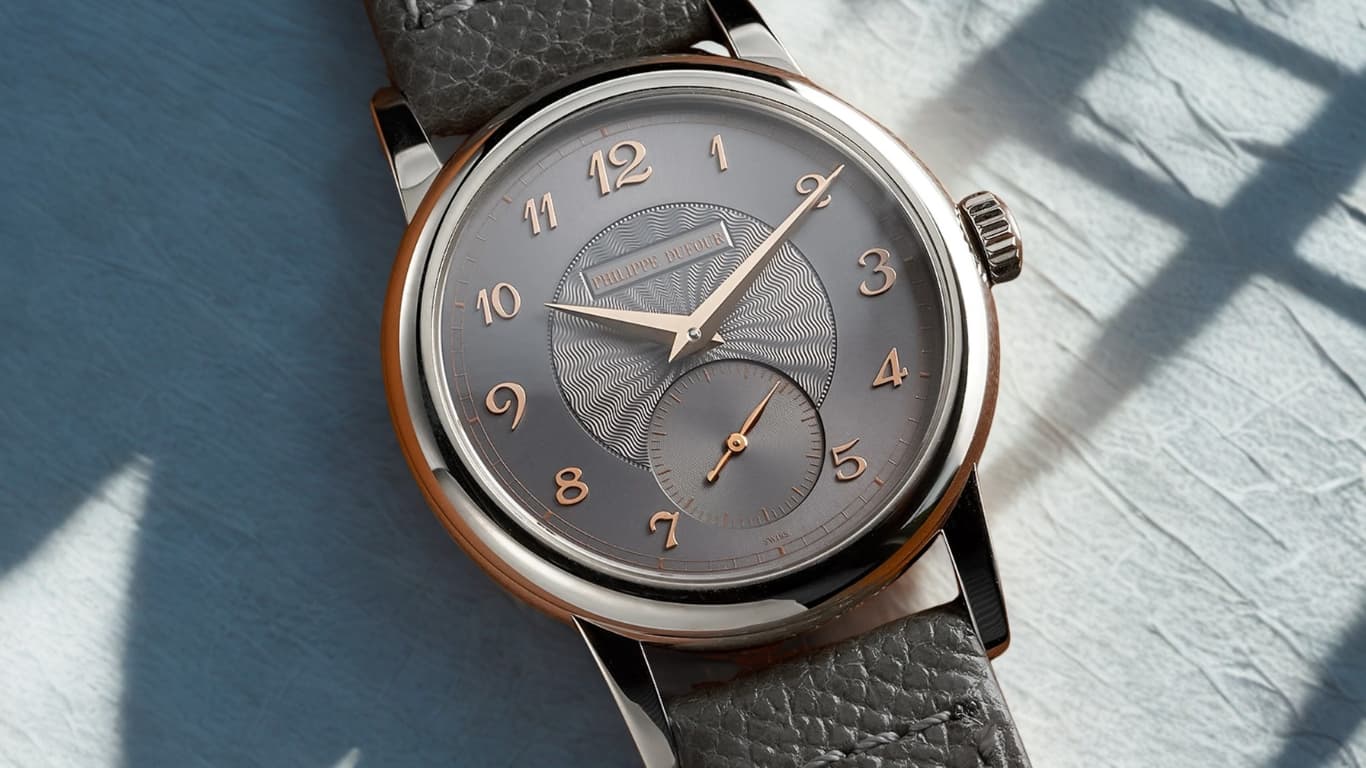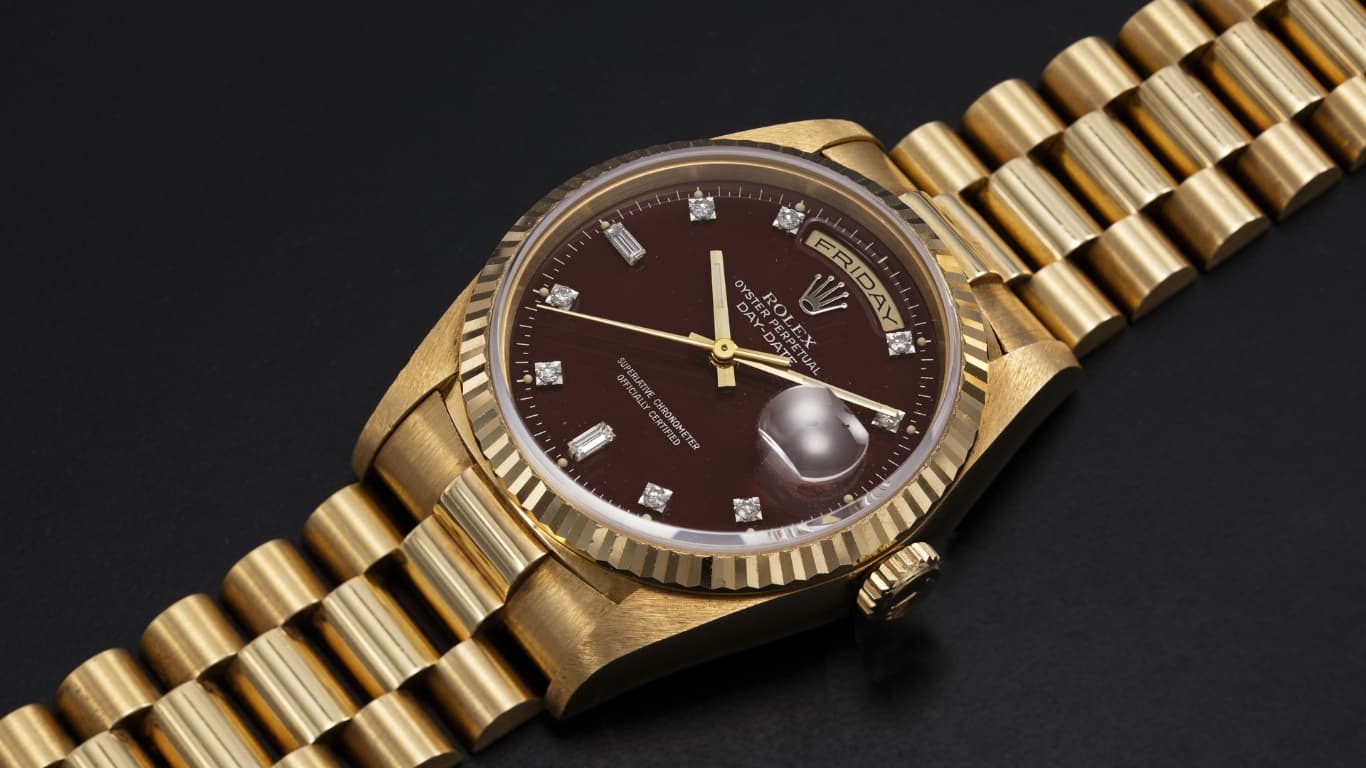
Museum-grade watches remain a quiet frontier for the most patient serious collectors. The category covers early-20th-century complications, mid-century chronographs and dress watches in exceptional condition with documented provenance, and the rare references the museum collections at the Patek Philippe Museum, the Beyer Clock and Watch Museum in Zurich, and the various other horological museums actively pursue.
- Museum-grade watches occupy a quieter collecting frontier, with the highest-quality pieces in private hands often exceeding the visible value of public auction results.
- Patek Philippe minute repeaters, Vacheron Constantin grand complications, and Audemars Piguet perpetual calendars from the early twentieth century anchor the category.
- Original boxes, certificates, and documented chain-of-custody provenance separate true museum-grade pieces from otherwise comparable references at the auction level.
- We see the Patek Philippe Museum in Geneva and the Beyer Watch Museum in Zurich as the institutional anchors that define museum-grade standards collectors privately reference.
- Recently surfaced vintage Patek 130, 1518, and 2499 chronograph references continue to set Phillips and Christie's auction records when museum-grade condition meets documented provenance.
- Buyers entering the category need both deep capital and patient sourcing, with most genuinely museum-grade pieces transacting through private channels rather than public auction rooms.
- Who is this for?
- Top-tier collectors building generational holdings, family office watch advisors, and serious students of horological history.
- What is happening?
- A grounded read on museum-grade watches as the next quiet collecting frontier, covering Patek minute repeaters, Vacheron grand complications, and AP perpetual calendars.
- When did this emerge?
- The category has grown materially through the last decade, with auction visibility on the rarest references continuing to validate the museum-grade collector pursuit.
- Where is this happening?
- Phillips, Christie's, Sotheby's, and dedicated specialists handle the visible market, while private sales handle the bulk of genuinely museum-grade transactions.
- Why does it matter?
- Museum-grade pieces represent the absolute peak of horological history, with both cultural and financial value compounding across generations of careful ownership.
The category sits beyond where most contemporary collecting reaches. The price tier is high; the supply is genuinely thin; the pieces themselves carry the kind of historical and cultural weight that contemporary watchmaking can't quite duplicate. In our coverage of Phillips, Christie's and Sotheby's watch sales over the past five years, the museum-grade tier has barely moved through the broader market cooling, and that resilience is one of the structural facts about the category.
What museum-grade actually means in serious collecting
Museum-grade in serious watch collecting means three things together. Reference rarity: the piece is one of a small known production run or a single-of-its-kind example. Condition exceptionalism: the case, dial, hands, movement and components are all in original or museum-restored condition with credible documentation.
Provenance documentation: the chain of ownership runs back to original purchase or to credible institutional collection holdings, with the documentation supporting the chain. All three conditions matter; missing any one drops a piece from museum-grade into the broader vintage tier, which trades at substantial discounts.
Where these pieces actually trade
The major auction houses handle the upper end of museum-grade collecting at their major sales. Phillips, Christie's, Sotheby's and Antiquorum's Geneva and New York watch sales clear the bulk of museum-grade pieces moving through the auction market. Lots come pre-authenticated and condition-reported; the pre-sale estimates are reliable indicators.
The Henry Graves Supercomplication (the 24-complication Patek pocket watch produced for the New York banker between 1925 and 1933) sold at Sotheby's Geneva in 2014 for CHF 23. 2 million, the second-highest auction result for any watch ever sold. The Paul Newman Daytona reference 6239 sold at Phillips New York in 2017 for $17.
8 million, the highest auction result for a wristwatch. Both transactions defined the upper end of the museum-grade market in their respective eras.
Specialist dealers operating at the museum-grade tier provide the private-sale layer of museum-grade trading. Eric Ku for vintage Rolex, A Collected Man for high-end independents, the established Vallée de Joux specialists for vintage Patek and other trinity work, the various Japanese specialist dealers for vintage Seiko at the highest tier: these transactions tend to happen quietly without auction-room visibility.
What collectors at this tier actually do
The collectors operating at the museum-grade tier tend to share characteristic habits. They specialise: most museum-grade collections are organised tightly around a vertical (vintage Patek complications, vintage Rolex sport references with documented provenance, vintage independents from a specific period).
They build relationships with the major auction-house specialists and the established specialist dealers over years. They request brand-archive extracts where applicable. They treat condition exceptionalism as load-bearing rather than incidental; they walk away from pieces that don't quite read right under specialist examination.
And they tend to operate quietly. Museum-grade collecting is rarely visible publicly; the most considered collections at this tier tend to be known only to the small circle of dealers, auction-house specialists and fellow collectors who actually engage with the work. The pieces themselves tend not to be photographed for social media; they tend to be lived with quietly across decades.
Why the frontier stays quiet
Two reasons. The price tier excludes most contemporary collecting; the genuinely museum-grade pieces start in the high-six-figure range and run into the seven and eight figures regularly. The patience requirement excludes most contemporary collecting too; the pieces surface rarely (a particular reference might appear at the major auction houses once every five to ten years), and the collectors who acquire them tend to hold them for decades rather than years.
The transaction tempo of the museum-grade tier moves at roughly one-tenth the pace of the broader vintage market. A serious museum-grade collector might add two or three pieces per year at most, and the patience required to navigate the supply pattern excludes anyone operating on a shorter time horizon.
The institutions that buy at this tier
The Patek Philippe Museum in Geneva, the Beyer Clock and Watch Museum in Zurich, the Musée International d'Horlogerie in La Chaux-de-Fonds, the British Museum's horological collection, and the Smithsonian's watch and clock holdings all actively pursue museum-grade pieces at the major auction houses. The institutional bidding sets a baseline floor at the upper end that the private collectors operate within.
The institutions tend to bid through the auction-house specialist channels rather than openly in the room, and the catalogue note for the pre-sale lots regularly references museum interest in the provenance documentation. The presence of credible museum interest in a lot is one of the structural signals that supports the upper-end bidding.
What this means for collectors below the museum-grade tier
The longer story collectors at the lower tiers recognise is that the museum-grade tier represents what contemporary collecting can become, with patience and discipline applied across decades. The collectors who reach this tier tend to have spent thirty or forty years building toward it; the work isn't acquired quickly.
But the frontier is real, and the pieces themselves represent some of the most considered work in the entirety of horological history. For collectors building toward the upper tiers gradually, the documentation discipline (provenance files maintained from acquisition forward, service-history records preserved, original purchase documentation retained) is the practical work that compounds across decades.
We last reviewed this analysis in May 2026.


Stefanos Moschopoulos
Stefanos Moschopoulos founded The Luxury Playbook in Athens and has spent the better part of a decade following the auction calendar, the en primeur releases, and the watchmakers, gallerists, and shipyards the magazine covers. He writes the field guides and listicles that anchor the Connoisseur section — pieces built on Phillips and Christie's results, Liv-ex movements, and conversations with collectors he has met across Geneva, Bordeaux, Basel, and Monaco. His own collecting habits sit closer to watches and wine than art, and it shows in the level of detail in the magazine's coverage of those categories. Under his direction, The Luxury Playbook now publishes long-form field guides, market-defining year-end listicles, and the Voices interview series with the founders behind the houses and the brands.