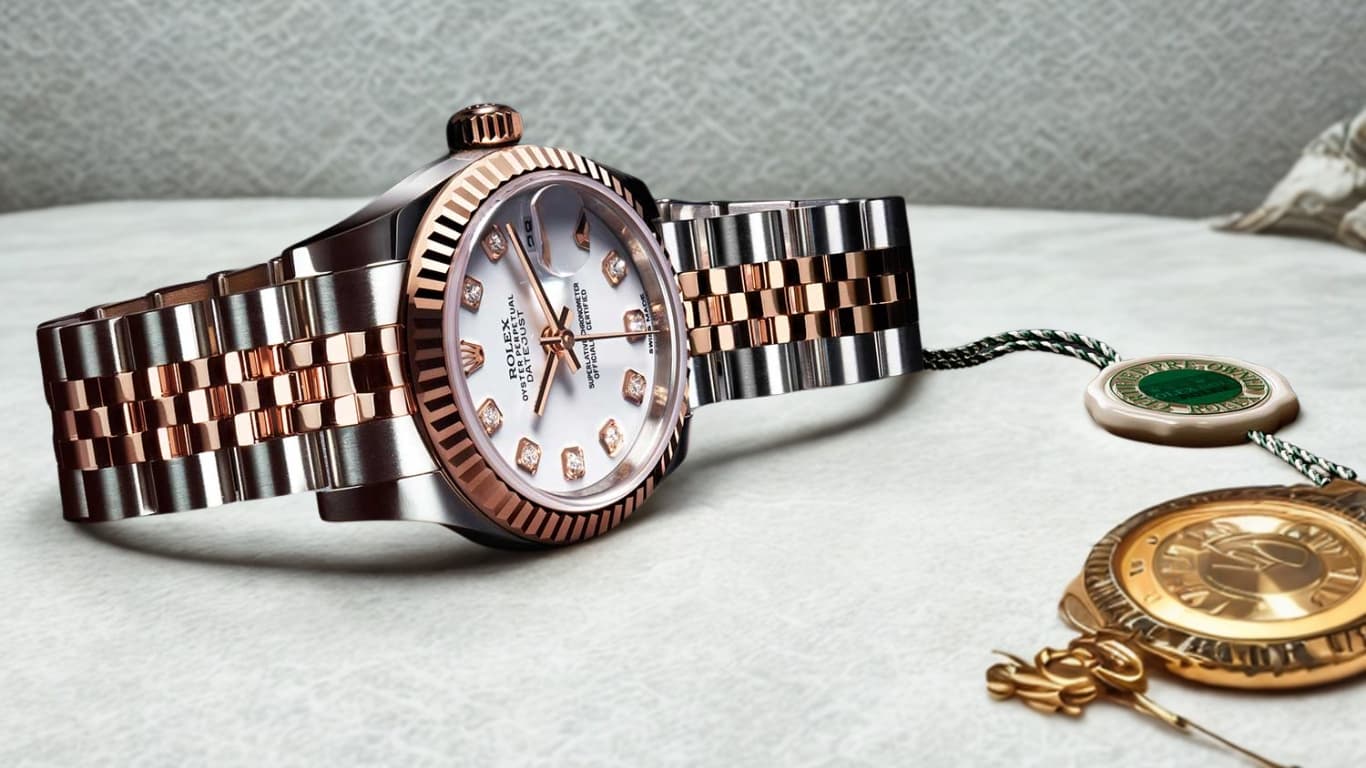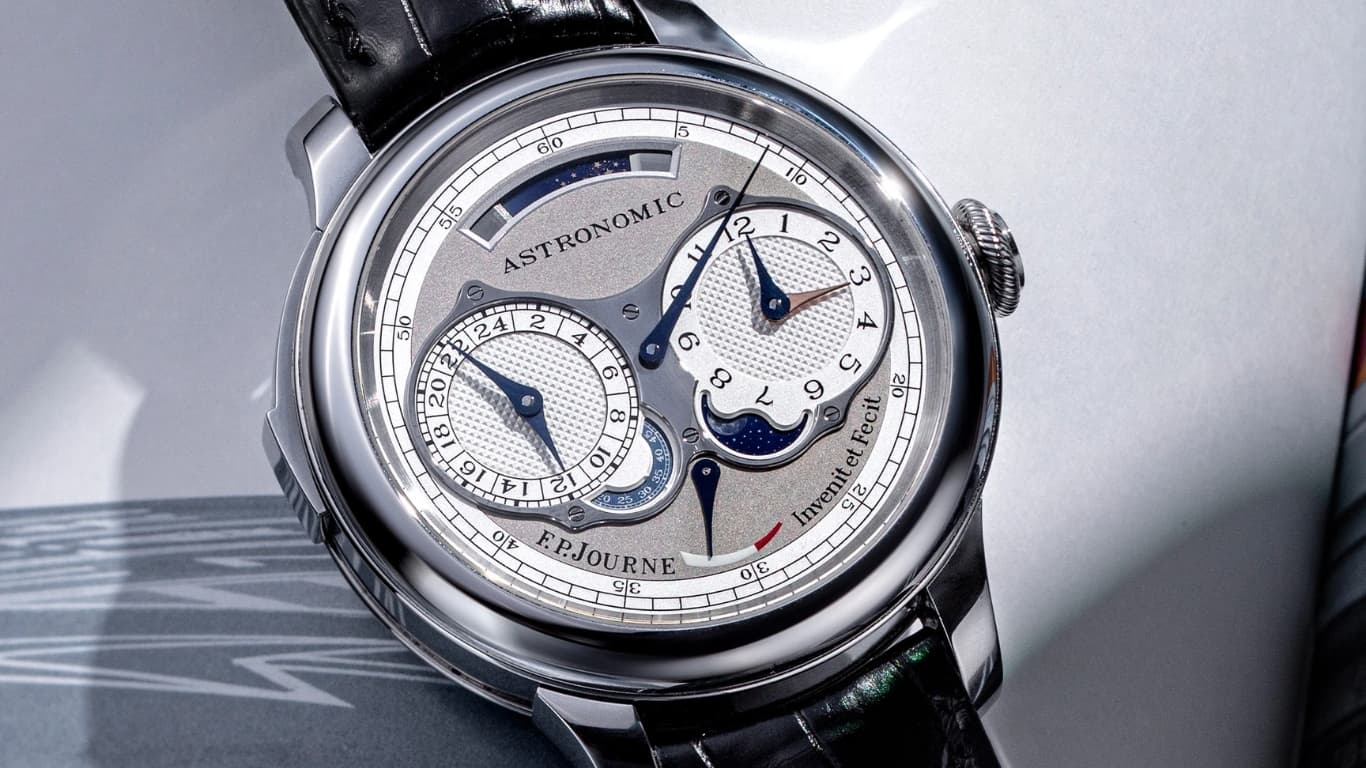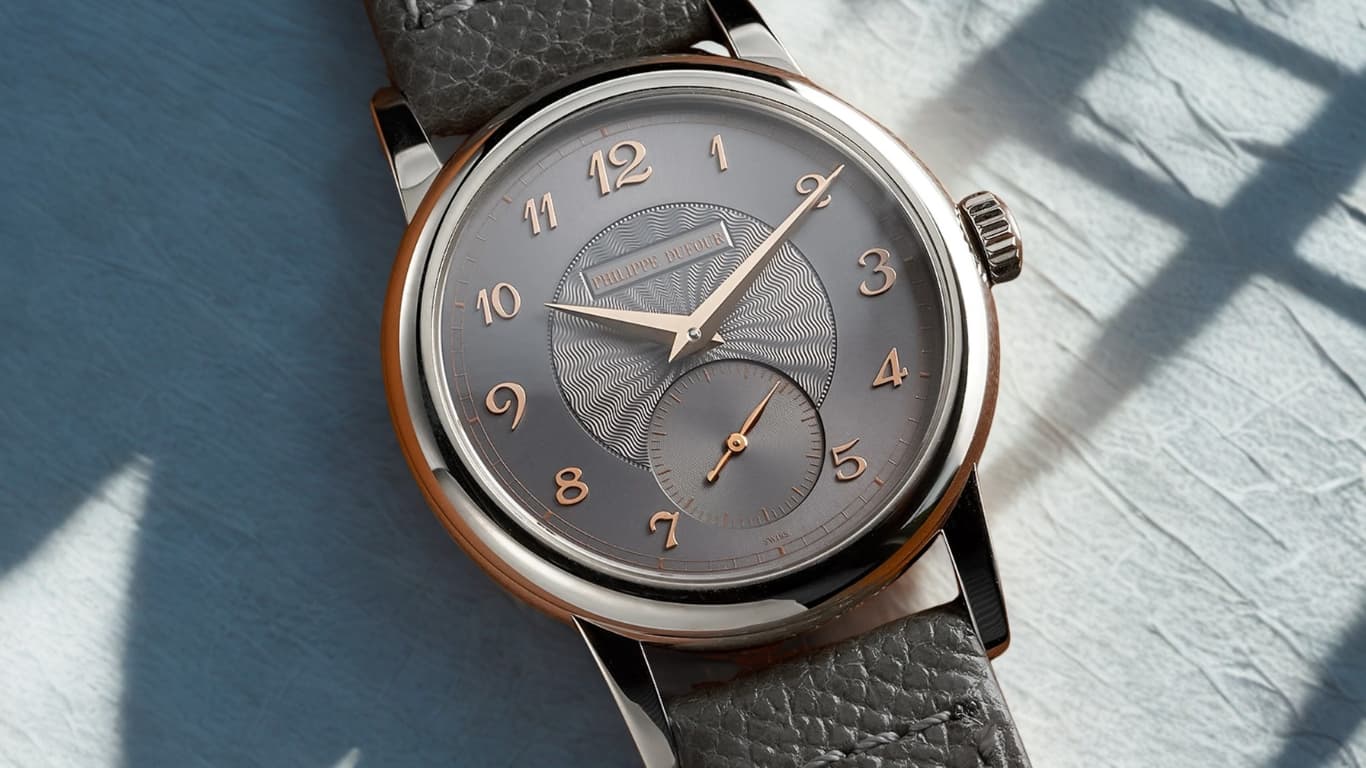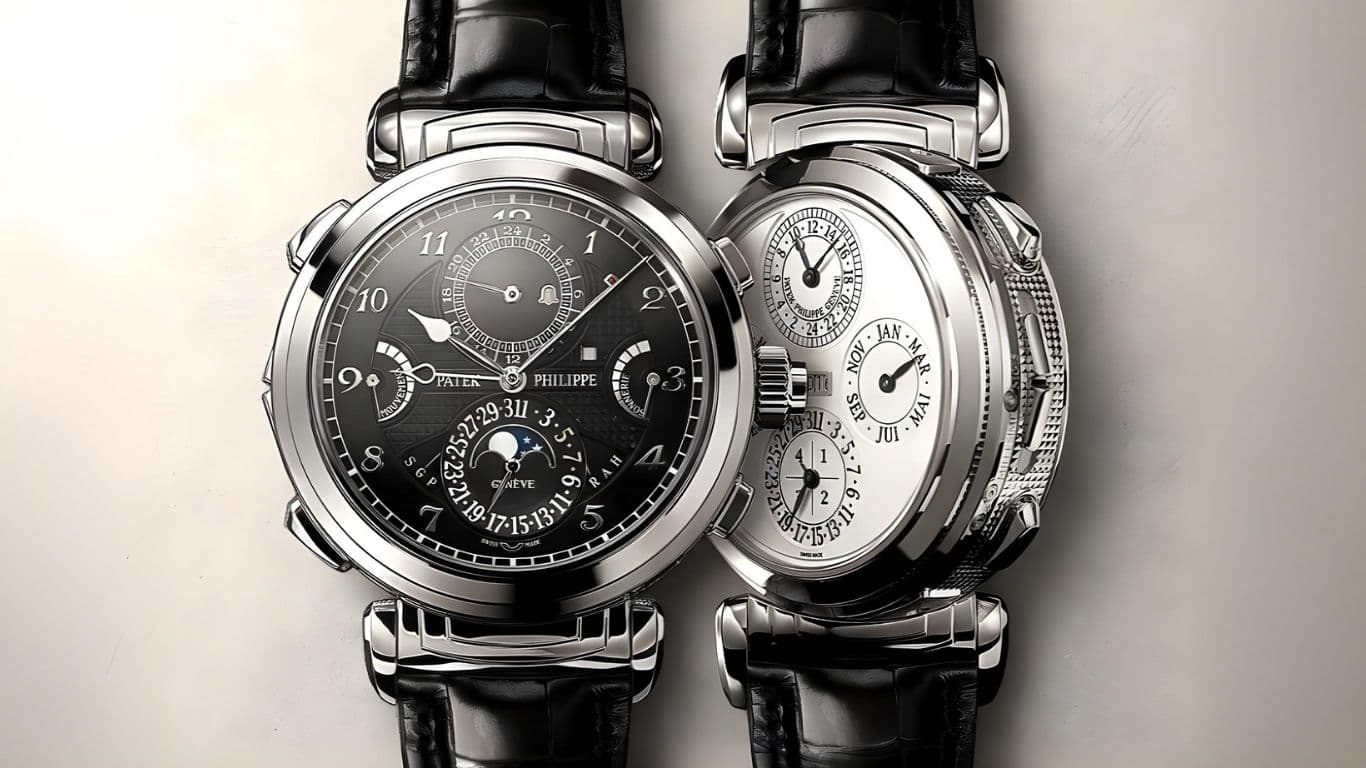
Why Patek Philippe stays a cornerstone of every serious collection is one of the few questions in modern watchmaking that has a structural answer rather than a marketing one. The brand founded in 1839 by Antoine Norbert de Patek and Jean Adrien Philippe is the only one of the Holy Trinity still controlled by a watchmaking family. The Stern family has now guided Patek across four generations.
- Patek Philippe stays a cornerstone of serious collecting through unmatched movement-making pedigree, complication depth, and the kind of manufacturer pricing discipline that supports decades of value retention.
- Reference 5167A Aquanaut, Reference 5196 Calatrava, and Reference 5811/1G Nautilus anchor the modern catalogue, with the broader collector competition reflecting the structural position.
- The Grand Complications including the Grandmaster Chime and the Sky Moon Tourbillon serve the absolute top of the Patek collector base, with auction results validating the trophy positioning.
- We see the Reference 5196P Calatrava in platinum as the strongest single Patek dress-watch purchase available, with the manufacturer movement and platinum positioning supporting long-term value retention.
- Vintage Patek references, including the Reference 1518, 2499, and 5970 perpetual calendar chronographs, continue to anchor the absolute top of the Patek vintage collecting category.
- Manufacturer pricing discipline has held through cycles, with Patek secondary values supported by the kind of finishing and complication work that no peer can match.
- Who is this for?
- Established collectors, family office watch advisors, and serious students of Swiss horological history.
- What is happening?
- A grounded case for Patek Philippe as a structural cornerstone of collecting, covering Aquanaut 5167A, Calatrava 5196, Nautilus 5811, and the Grand Complications.
- When did this emerge?
- Patek has anchored serious collecting since 1839, with the modern Nautilus 5811 and Calatrava 5196 lines continuing to drive collector momentum through 2026.
- Where is this happening?
- Authorised Patek dealers globally maintain quiet waitlists, while Phillips, Christie's, and Sotheby's handle the vintage and complicated Patek secondary market.
- Why does it matter?
- Patek offers unmatched movement-making pedigree, complication depth, and the kind of manufacturer discipline that supports the broader cornerstone collecting position.
That governance discipline is the cleanest tell on why Patek anchors the upper tier of contemporary serious collecting on grounds the broader market reads as structural rather than incidental. The Calatrava, the Nautilus, the various Grand Complications, and the Stern-family discipline that has guided the brand across nine decades all support the case.
Phillips and Christie's catalogues continue to anchor the major Geneva sales around vintage and modern Patek references. Production caps at roughly 68,000 watches annually globally enforce a scarcity discipline no other major manufacture sustains. The collectors we hear from building serious positions tend to treat the brand as the spine of the collection rather than as one option among several.
The Calatrava and the pure dress watchmaking anchor
The Calatrava reference 5196 is the quiet cornerstone of the brand's dress watchmaking. The 37mm classical dress reference with the manual-wind Calibre 215 PS, retail around €23,000, anchors what serious Patek collectors return to again and again. The reference 5227 with the off-centre date and the 5119 in the more ornate hobnail-bezel configuration extend the line.
The vintage Calatrava reference 96 from the 1930s and 1940s anchors the upper tier of vintage Patek dress collecting. Phillips and Christie's have handled clean reference 96 examples in dedicated lots at major Geneva sales more than once. The reference is the single most important dress-watch design in 20th-century watchmaking, and the auction-house tier has matured around that recognition.
The collectors we hear from at the dress-watch tier of Patek collecting tend to start with the 5196 in the standard configuration and build outward from there. The clean dial geometry, the manual-wind movement, and the disciplined 37mm case all read as the cleanest expression of what the brand still does best.
The Nautilus and the contemporary integrated-bracelet sport-luxury anchor
The discontinued Nautilus 5711/1A, the watch the brand stopped producing in 2022, anchors the contemporary integrated-bracelet sport-luxury collecting conversation. Original retail was approximately €30,000. Secondary market sits between €100,000 and €130,000 in clean condition.
The discontinued 5712 moonphase, the various complicated Nautilus references, and the contemporary 5811/1G replacement reference all extend the line.
The Tiffany Blue Nautilus (170 examples produced in 2021) sits at the upper tier of the modern Nautilus collecting register. Phillips' subsequent auction results on the Tiffany Blue confirmed the upper-tier limited-edition Nautilus collecting register has matured at a different scale from the broader catalogue.
The Nautilus discontinuation in 2022 is the cleanest modern example of how Patek's production discipline creates permanent collecting-tier resets. The reference traded close to retail through most of the 2010s. Within months of the discontinuation announcement, secondary numbers cleared $100,000. Even through the broader 2022-2024 watch market correction, the 5711 held its post-discontinuation tier.
The Grand Complications and the upper-tier classical watchmaking
Patek's Grand Complications catalogue anchors the upper tier of contemporary classical complicated watchmaking. The various perpetual calendar references (5320, 5327, 5970), the minute repeater references (5078, 5178), and the various tourbillon and grand complication references all read as the brand at its most ambitious.
The Calibre 89, the 33-complication piece that long held the title of most-complicated wristwatch, and the various subsequent grand complication releases continue to set the standard for contemporary classical complication ambition. The Sky Moon Tourbillon, the various perpetual calendar chronograph references, and the recent grand complication work all extend the line.
Phillips and Christie's have handled grand complication Pateks in dedicated lots at every major Geneva sale across recent years.
The vintage Patek complications from the 1940s through 1970s, the 1518, 2499, 2497, and 3970 references, anchor the upper tier of vintage classical complication collecting. Auction-house results consistently put the major vintage Patek complications among the upper records in the watch category. The reference 1518 in stainless steel cleared CHF 11 million at Phillips in 2016, which remains one of the headline auction results in modern watch collecting.
The Aquanaut and the modern catalogue extension
The Aquanaut reference 5167 in the standard configuration anchors the brand's entry-tier integrated-bracelet sport-luxury reference. The various Aquanaut variants, including the 5168 Travel Time and the various complication references, extend the line. The reference is the cleanest current entry into modern Patek collecting at retail.
The contemporary 5811/1G Nautilus replacement reference and the various current Calatrava references complete the modern Patek catalogue serious collectors actually engage with. Production caps and authorised-dealer allocation discipline continue to constrain supply across the line, which keeps the secondary market behaviour distinctive from the broader Swiss watchmaking sector.
What collectors look for across the Patek catalogue
For modern Patek, the references that come up most consistently in serious collector conversation are the Calatrava 5196 in the various dial configurations, the Nautilus 5711/1A in the discontinued blue-dial reference, the Aquanaut 5167 references, the various complicated references for collectors weighting complications, and the Grand Complications for collectors operating at the upper tier.
Box-and-papers documentation matters substantially. The brand's archive-extract service confirms provenance for vintage references, which is the load-bearing authentication tool at the upper tier of vintage Patek collecting. Service-network access through Patek's authorised facilities is the practical baseline.
For vintage, the Calatrava reference 96, the early Nautilus reference 3700 (the Jumbo), the various perpetual calendar references from the 1940s through 1970s, and the various complicated pieces from the brand's small-batch production years anchor the considered vintage Patek collecting tier. Phillips and Christie's both regularly clear strong numbers for vintage Patek complications at the major sales.
What this means for collectors
Patek occupies the structural top of contemporary serious collecting in a way no other manufacture quite duplicates. The combination of family-controlled operation across four generations, production-cap discipline at roughly 68,000 watches annually, the brand's archive depth, and the cross-generational recognition all support the case. The brand's place in the upper tier of serious collecting is structural rather than incidental.
The Stern-family discipline matters in a way that does not show up on the price tag. Patek does not chase quarterly volume. The brand does not produce limited editions for promotional purposes.
The catalogue refresh cycle is slower than every major competitor, and the production caps create the long-term scarcity discipline that anchors the brand's auction-house position.
For collectors building serious positions today, the Calatrava 5196, the discontinued Nautilus 5711, the Aquanaut 5167, and the various Grand Complications anchor the catalogue we would actually pursue. The vintage tier extends the conversation into reference 96 territory and the major complicated pieces from the 1940s through 1970s. The brand's place at the structural top of the trinity looks unlikely to shift for the foreseeable horizon. We last reviewed this analysis in May 2026.

Frequently Asked Questions
- Which Patek Philippe watch has the highest resale value?
- The Nautilus 5711/1A holds one of the highest resale values, often selling at triple its original retail price, while the Aquanaut 5167A, Grand Complications 5270+, and vintage references like the 3970 and 3940 also perform exceptionally well on the secondary market.<br><br>
- Do Patek Philippe watches always increase in value?
- While not every reference guarantees appreciation, most Patek Philippe watches retain significant value over time, with models that are limited, discontinued, or part of the Grand Complications or Nautilus/Aquanaut families having the highest probability of increasing in value.<br><br>
- Why are Patek Philippe watches so expensive?
- Each timepiece involves hundreds of hours of hand-finishing, strict quality controls, and limited production (60,000-70,000 annually), with the brand's commitment to innovation, finishing, and historical continuity—along with high demand—contributing to its premium pricing.

Stefanos Moschopoulos
Stefanos Moschopoulos founded The Luxury Playbook in Athens and has spent the better part of a decade following the auction calendar, the en primeur releases, and the watchmakers, gallerists, and shipyards the magazine covers. He writes the field guides and listicles that anchor the Connoisseur section — pieces built on Phillips and Christie's results, Liv-ex movements, and conversations with collectors he has met across Geneva, Bordeaux, Basel, and Monaco. His own collecting habits sit closer to watches and wine than art, and it shows in the level of detail in the magazine's coverage of those categories. Under his direction, The Luxury Playbook now publishes long-form field guides, market-defining year-end listicles, and the Voices interview series with the founders behind the houses and the brands.