
Yacht ownership can cost you anywhere from $100,000 to several million dollars a year just in upkeep. That number alone should give you pause before signing anything. Buying your first yacht is equal parts thrilling and overwhelming, and the surprises rarely come cheap. But when you get it right and watch that vessel become exactly what you envisioned, there’s nothing quite like it.
Table of contents
Starting your search as a first-time buyer means balancing genuine excitement with the discipline to find the right fit. You’re not just shopping for a boat. You’re choosing something that should match your life on the water, your ambitions, and your budget. Make sure your approach is thorough, covering everything from practical requirements to the finer details that turn a good purchase into a great one.
Key Takeaways
- Yachts fall into three primary categories: standard yachts, mega yachts, and super yachts.
- Starting yachts between 30 to 50 feet may cost $100,000 to $200,000, though prices can rise due to various factors.
- Annual maintenance for a yacht can be from hundreds of thousands to several million dollars. This depends on the yacht’s size and level of luxury.
- When purchasing a yacht, think about how often you’ll use it, docking preferences, and the possibility of future upgrades.
- It’s vital to know the different types of yachts, their categories, and features for an informed buying decision.
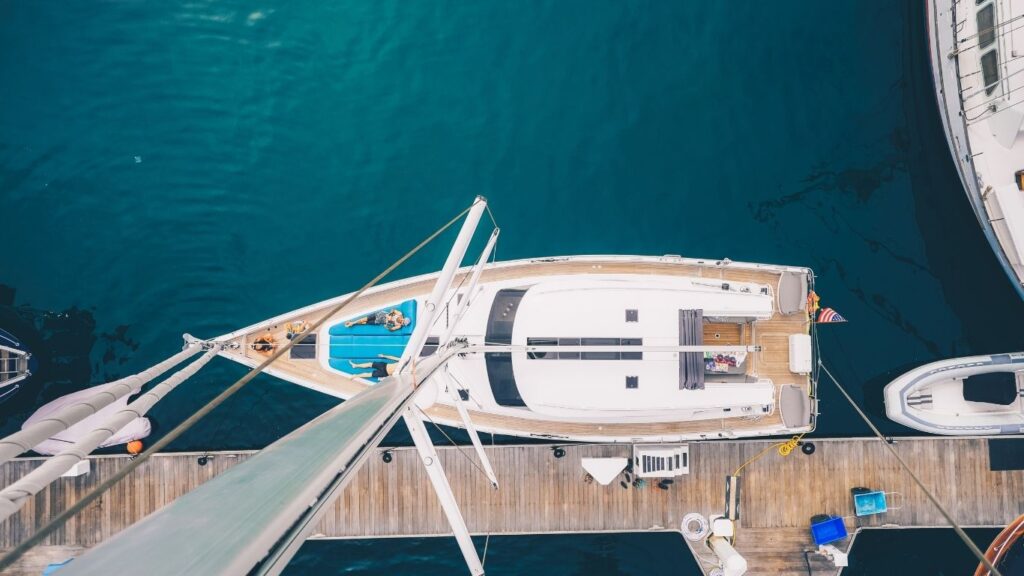
Understanding the Different Types of Yachts
The yachting world sorts vessels by size and capability, and each category promises a genuinely different experience on the water. Before you start making calls to brokers, it helps to know what you’re actually looking at. Here’s a breakdown of the primary yacht types to get you oriented, with insight drawn from people who know this market well.
Standard Yachts
Standard yachts run from 30 to 150 feet and suit a wide range of aquatic lifestyles. They come in both motor and sailing configurations, so your preference on how you move through the water will shape the choice. In the 45 to 65-foot range, you’re typically looking at up to four bedrooms and three bathrooms, comfortably hosting between 8 and 16 guests. These vessels are built for leisure or full-time living, with amenities like laundry units, dishwashers, and thoughtfully designed interiors. If you want serious comfort without going full superyacht, a standard yacht hits that sweet spot.
Mega Yachts
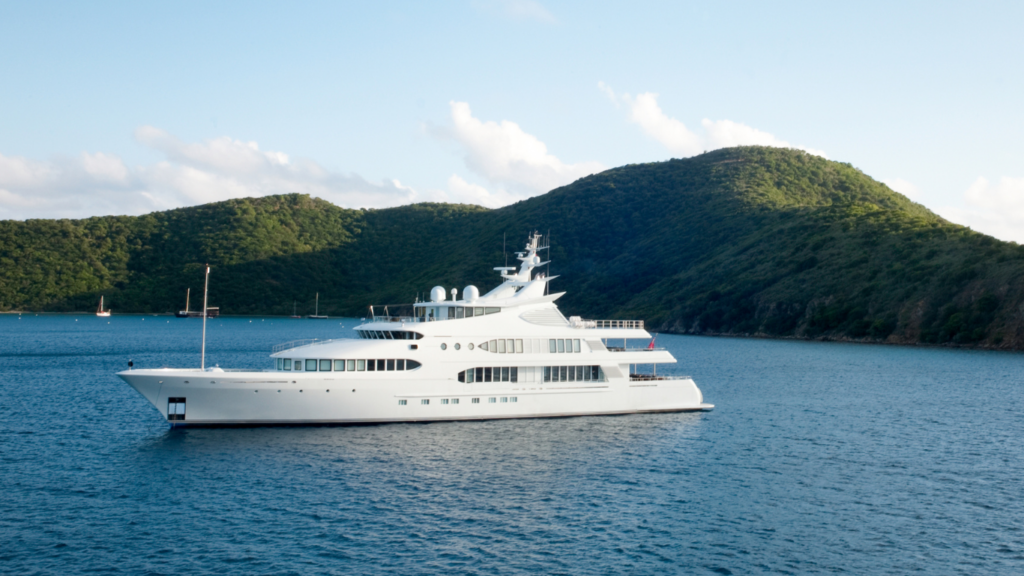
Mega yachts stretch from 100 to 200 feet and take onboard luxury to another level entirely. Think expansive staterooms, cinema-quality entertainment systems, private spas, and fully equipped gyms. The size comes with a price, though. Fuel and running budgets climb steeply. Still, these vessels hold their value well thanks to consistently high demand and limited availability. For those who want their time at sea to feel more like a five-star hotel than a boat trip, mega yachts deliver.
Super Yachts
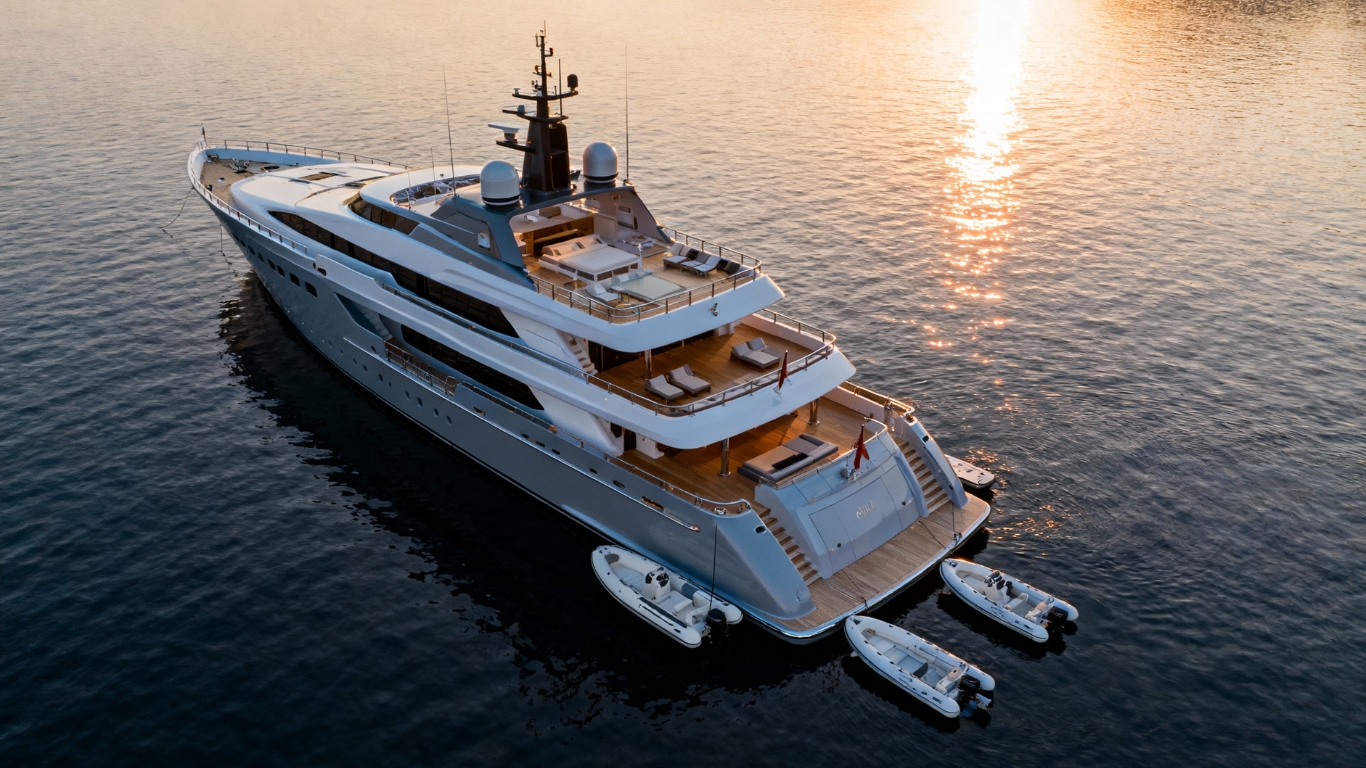
Super yachts push past 200 feet and enter territory where custom design and personal vision take over completely. Helipads, infinity pools, full cinema rooms, sprawling sun decks — whatever you can imagine, a super yacht can likely accommodate it. Fuel and maintenance costs rise sharply at this scale, but for personal use or entertaining guests who expect nothing less than extraordinary, a super yacht puts you at the very top of maritime luxury.
Each category offers a distinct experience, and understanding those differences early saves you time and money down the line. Knowing what each type delivers helps you zero in on the right vessel rather than getting lost in options that were never quite right for you.
Key Considerations for Choosing the Perfect Yacht
Choosing the right yacht takes more than gut instinct. You need to weigh several practical factors against your personal vision to make sure what you buy actually fits the life you want to live on the water. Getting informed before you commit is the smartest move you can make.
Size of the Yacht
Size shapes your entire experience, from how comfortable life onboard feels to how much it costs you every month. Smaller yachts are generally more manageable if you’re new to this world, and their maintenance and operating costs tend to stay lower. Go larger and you gain space, amenities, and a grander presence on the water, but the financial commitment grows considerably alongside it.
Yacht Usage Frequency
Think honestly about how often you’ll actually use your yacht. If weekend escapes are your primary goal, a smaller vessel with the right core features will serve you perfectly well. Planning longer voyages or extended time at sea? You’ll want something larger, built for endurance, with more robust systems and creature comforts to match.
| Usage Frequency | Recommended Yacht Size | Typical Activities |
|---|---|---|
| Occasional Use | 25-40 feet | Day Trips, Watersports |
| Regular Weekend Use | 40-65 feet | Fishing, Coastal Cruising |
| Extended Cruises | 65+ feet | Overnight Cruising, Long Voyages |
Purpose of the Yacht
Knowing exactly what you want your yacht for is the foundation of a smart purchase. Leisurely coastal cruising, serious bluewater exploration, weekend entertaining — each points you toward different specifications. Pay close attention to the equipment list, cabin comfort, and engine power during your search. These aren’t details to skim over.
Owning a yacht is a serious investment in its own right, not unlike buying a second waterfront property. Take the time to think through each of these factors carefully, and the ownership experience becomes far more rewarding than stressful. Understanding how luxury capital works across asset classes can sharpen your thinking here.
New vs. Pre-Owned Yachts: Which is Right for You?
Deciding between a new build and a pre-owned vessel means getting honest about what you value most. Both paths have real merit, and the right answer depends on your priorities, your timeline, and your budget.
Advantages of New Yachts
A new yacht gives you the latest in marine engineering, design, and onboard technology from day one. Nothing has been worn down, nothing needs updating, and everything reflects current standards. The build process typically takes two to three years, which sounds long, but that window gives you the chance to shape every detail of the vessel to your exact preferences.
That said, commissioning a new yacht asks for patience and a financial commitment upfront. You’ll typically put down 10% of the purchase price to kick things off, then wait out the build timeline before you ever step aboard.
- Customization: New yachts offer unmatched customization options, including interior layouts and cutting-edge electronics.
- Warranty: New yachts come with warranties, providing security against early repair costs.
- Advanced Materials: Modern materials in new yachts mean reduced maintenance and greater durability.
Pros of Pre-Owned Yachts
Buying pre-owned means spending less and getting on the water faster. Modern retrofitting options mean you can bring an older vessel’s navigation and onboard systems up to current standards without starting from scratch. For buyers who want a blend of speed, value, and modern capability, a well-chosen pre-owned yacht can be an excellent move. How the secondary luxury market is evolving is worth understanding before you make any significant pre-owned purchase.
- Immediate Availability: Pre-owned yachts are usually ready to use right away, ideal for those eager to start their yachting journey.
- Cost Savings: Buying a pre-owned yacht often results in more bang for your buck and lower depreciation risks.
- Established Track Record: It’s easier to assess a pre-owned yacht’s condition and history, aiding in the purchase decision.
Buying used does require more diligence, though. A thorough independent survey matters far more with an older vessel than a new one. Get that right, and you can unlock real savings while still leaving room to personalize the yacht after purchase. And because depreciation has already done its work, you’re also taking on less financial risk when the time comes to upgrade.
Essential Yacht Features to Look For
The features you prioritize will define your entire ownership experience. You’re looking for a yacht that balances cutting-edge technology, practical functionality, and genuine comfort. Get that balance right, and every voyage feels effortless.
Onboard Electronics
Your onboard electronics are your lifeline at sea, and you should never settle here. Look for state-of-the-art navigation systems including GPS, radar, autopilot, and multifunction displays that meet or exceed current standards. Equally important, make sure they’re built to accept future updates. Technology moves fast, and you want systems that can grow with it rather than become obsolete in a few years.
Engine and Systems Access
Easy access to your engine and core systems is non-negotiable. A well-designed yacht gives you properly laid-out compartments that make routine maintenance and unexpected repairs straightforward rather than nightmarish. This single feature has an outsized impact on the long-term reliability and lifespan of your vessel.
Living Space and Amenities
You’ll spend a lot of time in your yacht’s interior, whether you’re underway or anchored in a quiet bay. Make sure the layout genuinely suits how you live, from daily routines to hosting guests. Look closely at the quality of sleeping quarters, the galley, and shared spaces. Practical amenities like serious storage, comfortable seating, air conditioning, and reliable high-speed internet aren’t luxuries at this level. They’re essentials.
| Component | Key Elements | Benefits |
|---|---|---|
| Onboard Electronics | GPS, Radar, Autopilot, Multifunction Displays | Navigation Safety, Modern Technology |
| Engine and Systems Access | Easy Access Compartments | Maintenance Ease, Longevity |
| Living Space | Storage, Comfortable Seating, Air Conditioning | Enhanced Experience, Comfort |
The Yacht Selection Process Explained
A clear process makes the difference between a great purchase and an expensive regret. Understanding each stage from your initial research through to completing the transaction ensures you end up with a yacht that actually fits your life.
Research and Narrowing Down Options
Start by getting familiar with hull configurations. Monohulls, Catamarans, and Trimarans each have distinct characteristics around stability and performance. Then look at hull materials. Steel, fibre-reinforced plastics, and carbon fibre all carry different maintenance demands and insurance implications. Getting comfortable with these variables early lets you filter the market intelligently rather than getting overwhelmed by the sheer number of options.
Inspections and Surveys
Once you’ve identified a promising vessel, a thorough inspection and professional survey are essential. You need an accurate picture of the yacht’s condition and true market value before any money changes hands. As part of that process, examine the keel type carefully. Full, retractable, and bulb keels each affect stability, handling, and speed differently. Also assess the yacht’s draft, since that determines where you can actually take her.
Finalizing the Purchase
The final stretch involves negotiation, arranging financing, and navigating the legal transfer of ownership. An experienced yacht broker makes this considerably smoother. Keep future resale value in mind as you make your final call. Smaller yachts cost less to run but offer limited space. Larger yachts give you room and capability but come with higher ongoing expenses. Matching size to your actual usage patterns is one of the smartest decisions you’ll make. Financial Times coverage of luxury asset markets can give you useful context on how to think about this as an investment.
| Yacht Size | Pros | Cons |
|---|---|---|
| Less than 36ft | Lower cost, easier handling | Limited space, fewer amenities |
| 45ft+ | More space, more amenities | Higher cost, complex maintenance |
Throughout the entire process, make time for boating magazines, trusted blogs, and live boat shows. Conversations with experienced yacht brokers are invaluable. The combination of solid research, hands-on inspection, and expert guidance is what separates buyers who love their purchase from those who quickly regret it.
Maintaining Your Yacht: What to Expect
Keeping your yacht in peak condition takes consistent attention and a realistic budget. Routine upkeep, cleaning, and periodic improvements aren’t optional extras. They protect your investment and make sure every time you step aboard, the experience lives up to what you paid for.
Routine Maintenance
Regular maintenance keeps your yacht performing at its best and catches small problems before they become expensive ones. That means systematically checking the hull, engines, and all navigational and safety equipment. Different hull materials, whether steel, GRP, or carbon fibre, each demand specific care routines. And your onboard electronics and other critical systems need to be serviced on a consistent schedule to stay reliable when it matters most.
Crew and Cleaning Costs
Your running costs go well beyond mechanical upkeep. If you’re operating a larger yacht, you’ll need a dedicated crew, and those salaries add up fast. Cleaning is another ongoing line item you shouldn’t underestimate. For bigger vessels, proper exterior and interior maintenance is a professional operation in itself, and keeping your yacht looking the part takes real investment.
Yearly Upgrades and Repairs
Annual upgrades and repairs are part of the deal. Marine technology evolves, systems wear down, and tastes change. Whether you’re refreshing the navigation suite, overhauling the engines, or updating the interiors, budgeting for these improvements each year protects the vessel’s value and keeps the ownership experience feeling premium rather than dated.
| Maintenance Aspect | Frequency | Estimated Costs |
|---|---|---|
| Routine Inspections | Monthly | $500 – $1,000 |
| Crew Salaries | Yearly | $30,000 – $150,000 |
| Cleaning Costs | Weekly | $200 – $1,000 |
| Upgrades and Repairs | Yearly | $5,000 – $50,000 |
Understanding the full scope of what yacht ownership costs, from routine maintenance to crew wages and annual repairs, is what separates confident owners from stressed ones. Build these numbers into your budget from day one, and your yacht will reward you with reliability and lasting value for years to come.
Yacht Shopping Dos and Don’ts
Buying a yacht involves real complexity, and a few guiding principles can keep you from making costly mistakes. Here’s what to keep front of mind as you move through the process.
What to Avoid
One of the most common and expensive mistakes first-time buyers make is rushing into a purchase without a proper inspection of the engine, electrical systems, and fuel setup. If you don’t have the technical background to assess these yourself, bring in an independent marine surveyor. That cost is trivial compared to what you might inherit otherwise.
Never skip the sea trial. Around 72% of buyers say it’s the step that reveals how a vessel truly performs when fully loaded. Skipping proper insurance is another move that looks like a saving and ends up being anything but. And don’t underestimate the financial weight of dealer fees, storage, and ongoing upkeep. Those numbers compound quickly. Robb Report’s yachting coverage is a useful resource for getting a real-world sense of what ownership actually costs.
Important Questions to Ask
The questions you ask before buying are just as important as the inspection itself. Start with the yacht’s ownership history, full maintenance records, and any costs that aren’t immediately obvious. Doing this homework upfront protects you from surprises that only surface after the paperwork is signed. Understanding where serious wealth concentrates also gives you useful context on how the yacht market moves in different regions.
Get clear answers on ongoing costs covering insurance, registration, and all the extras that add up over a year. About 45% of yacht owners say they were caught off guard by the scale of upkeep expenses. Also think honestly about whether the vessel fits your actual plans. Around 60% of buyers end up prioritizing open-water capability over coastal cruising, so know your preference before you commit.
Ask specifically about boater education courses that might qualify you for insurance discounts. It’s a straightforward way to make ownership more cost-efficient. And before you close the deal, get full clarity on delivery logistics and lock in a comprehensive maintenance schedule with the seller.
FAQ
What should I consider as a first-time yacht buyer?
As a first-time buyer, build a clear checklist covering yacht size, how often you plan to use it, what you need it for, and what your real budget looks like across purchase price and running costs. Dig into the differences between yacht types before you start viewing vessels. The goal is to walk into every conversation knowing exactly what suits your lifestyle, so you’re evaluating options rather than being sold to.
What are the different types of yachts available?
Yachts fall into three main categories. Standard yachts run from 30 to 150 feet. Mega yachts cover 100 to 200 feet. Super yachts push past 200 feet. Each tier delivers a different level of luxury, capability, and onboard experience, tailored to very different ownership ambitions and budgets.
Why is yacht size important in the selection process?
Size affects everything from how comfortable your time aboard feels to what it costs you every month. A larger yacht gives you more space, more amenities, and a stronger presence on the water, but operational costs climb steeply with every extra foot. Let your intended use guide the decision. Short weekend trips call for a different vessel than extended bluewater cruising.
What ongoing costs should I prepare for as a yacht owner?
Look well beyond the purchase price. Dockage fees, fuel, routine maintenance, repairs, crew salaries, insurance, and registration all stack up quickly. Depending on the size and specification of your yacht, annual running costs can easily reach hundreds of thousands of dollars or climb into the millions. Budget for all of it from day one.
Should I buy a new or pre-owned yacht?
New yachts give you the latest design, materials, and technology, plus the ability to customize every detail from the ground up. Pre-owned yachts offer genuine savings, faster acquisition, and solid upgrade potential. The right choice comes down to your budget, your timeline, and how much you value having everything exactly as you want it versus getting on the water sooner.