
Yacht insurance is one of the most consequential annual lines in serious ownership, and the underwriting market has hardened materially over the past two cycles. Premiums on serious vessels typically run 0.75 to 2 percent of insured value, with named-storm cover, war-risk endorsements and crew cover all sitting on top of the base policy.
BOAT International, Reuters and the major marine brokers all track the same picture: the insurance line shapes operating economics more than most first-time owners expect. What follows is our practical read on the cover, the premium drivers and the structures that make sense at this tier. For owners thinking about the broader picture of comprehensive coverage for your maritime assets, the principles overlap.
Key takeaways
- Hull and Machinery cover plus Protection and Indemnity (P&I) are the structural baseline.
- Premium drivers include vessel age, value, location, owner profile, claims history and crew certification.
- Named-storm cover, war-risk and crew cover all sit as separate endorsements.
- Annual premiums on serious vessels typically run 0.75-2 percent of insured value.
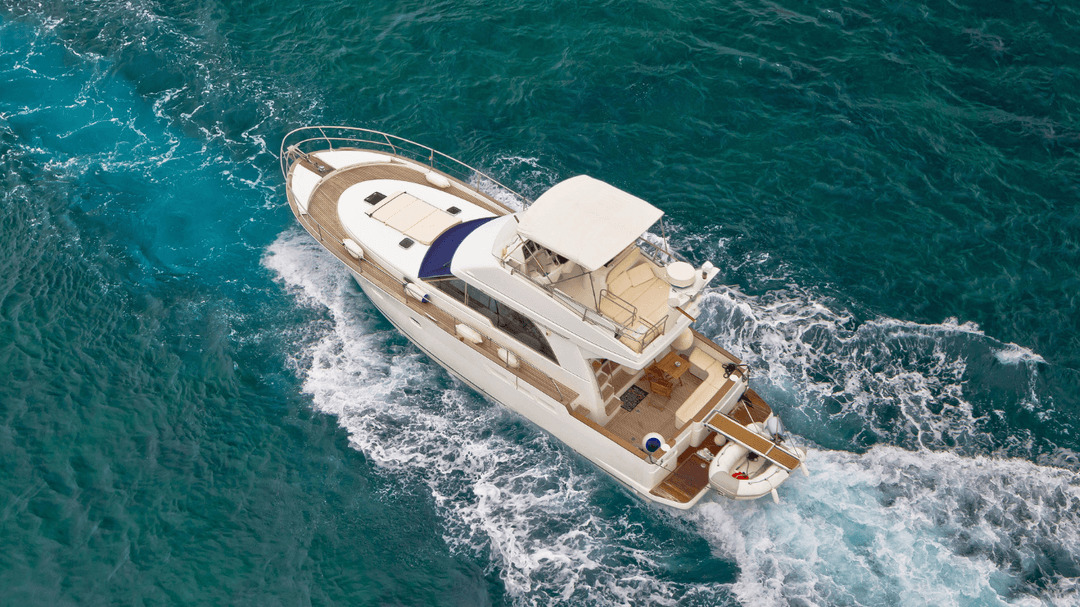
- Yacht insurance coverage typically combines hull and machinery, third-party liability and selected ancillary covers, with policy specification shaped by vessel use and cruising profile.
- We see Pantaenius, Sterling, Lloyds market and selected Mediterranean specialists as the established carriers in the upper-end yacht insurance market.
- Hull and machinery cover protects against accidental loss and damage, with the agreed value framework typically preferred over actual cash value for higher-specification vessels.
- Third-party liability cover addresses claims from other vessels, marina infrastructure and personal injury exposure, with limits structured by vessel size and cruising area.
- Charter operation, racing participation and extended cruising areas all require explicit policy extension, with carriers varying meaningfully in their treatment of these activities.
- For most considered yacht owners we view explicit policy review and broker engagement as foundational rather than discretionary across the typical multi-year ownership horizon.
- Who is this for?
- Yacht owners, captains and the insurance brokers, yacht management firms and maritime lawyers framing insurance coverage decisions across the global fleet.
- What is happening?
- A read of yacht insurance coverage, covering hull and machinery, third-party liability, agreed value framework and the charter operation and racing extensions.
- When did this emerge?
- The article reflects current market conditions through 2025 and 2026, with reference to the broader claims environment shaping carrier appetite.
- Where is this happening?
- The piece covers the global yacht insurance complex, including Pantaenius, Sterling, Lloyds market and the Mediterranean specialist carriers.
- Why does it matter?
- Insurance coverage shapes the practical risk transfer for yacht ownership, which is why explicit policy review matters more than reflexive renewal across the typical ownership horizon.
The basics
Marine insurance for serious yachts has two structural pillars. Both matter, and they cover different things.
Hull insurance
Hull and machinery cover protects the vessel itself against damage. The policy responds to grounding, collision, fire, theft and most weather-related damage outside the named-storm window. The cover is typically written on an agreed-value basis at this tier rather than actual-cash-value.
Protection and indemnity
P&I covers third-party liability: injury to crew or guests, damage to third-party property, pollution liability, wreck removal. The limits at this tier are typically meaningful (tens of millions of dollars), and the cover is one of the structural reasons serious vessels can operate at all.
What yacht insurance typically covers
The standard policy at this tier covers a broad set of risks. Owners and brokers tune the specific cover to the vessel's working profile.
Liability protection
Third-party bodily injury and property damage during normal operation. The cover usually runs alongside the P&I cover and addresses incidents in port, at anchor and underway.
Hull and machinery
The structural cover for the vessel itself. Most policies at this tier include both the hull and the propulsion, electrical and systems infrastructure under one head of cover.
Uninsured boater cover
Cover responding to incidents involving uninsured or under-insured third-party vessels. Particularly relevant in cruising grounds with high recreational traffic.
Search and rescue
Cover responding to the costs of search-and-rescue operations. These costs can be substantial and are often outside the standard P&I cover.
Pollution liability
MARPOL compliance does not eliminate the risk of accidental pollution. The cover responds to the clean-up costs, fines and third-party damages that can follow even a minor incident.
Agreed value versus actual cash value
Agreed value cover (the standard at this tier) pays the agreed sum in the event of total loss. Actual cash value cover pays the depreciated value of the vessel, which is materially less. The agreed-value structure is what serious owners and their brokers run.
Crew medical and personal
Crew cover is its own discipline. The MLC compliance regime requires crew medical, repatriation and personal cover at specified minimums. The serious yacht management firms run this work as standard.
Our companion read on factors influencing costs include the yacht's charter and operational risk profile sits alongside this picture.
Premium drivers
The premium calculation is part actuarial science and part underwriter judgement. Several drivers shape the line.
Age and value
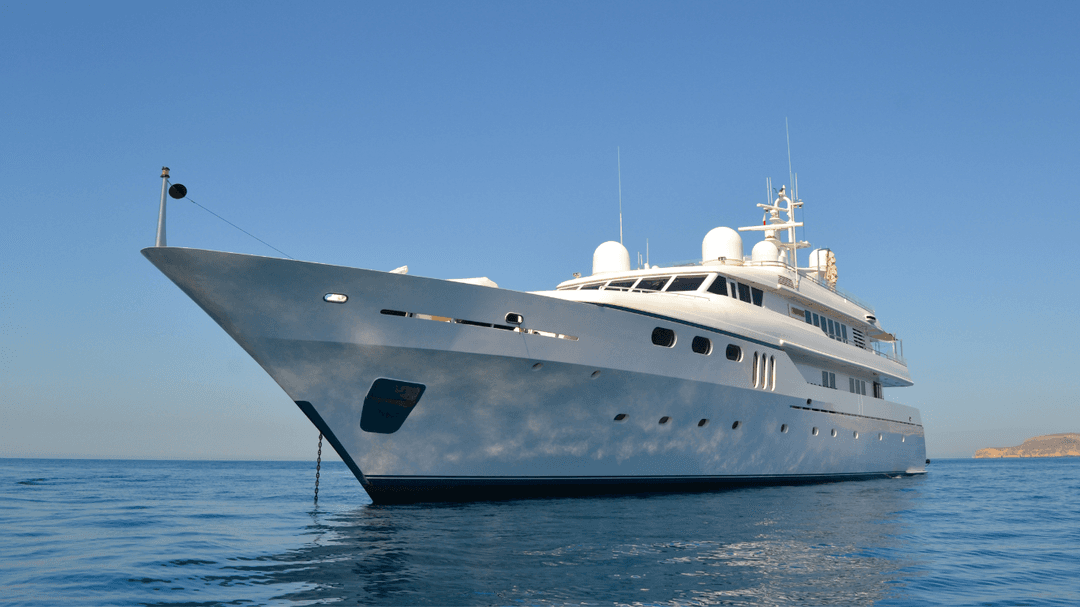
Older vessels and higher-value vessels both attract higher premiums. The age line accounts for accumulated wear; the value line accounts for the underwriter's potential exposure. Yacht insurance policies from the specialist marine underwriters are tuned to these structural drivers.
Speed and power
Higher-performance vessels carry higher premiums. The underwriting concern is straightforward: faster vessels have higher accident profiles.
Condition and build
Vessels from serious yards (Feadship, Lürssen, Benetti) typically attract lower premium per dollar of insured value than vessels from less-established builders. Documented service history materially affects the underwriting picture.
Cruising area
The intended cruising area is one of the largest single drivers of the premium. Mediterranean cruising attracts one rate; Caribbean cruising during hurricane season attracts a meaningfully different one. The serious operators structure their cover around the intended itinerary.
Common exclusions
Standard policies exclude several categories that require separate cover or specific endorsements.
War risk
War-risk cover is excluded from the base policy and written separately when needed. The market for this cover has expanded materially in recent years as cruising grounds have become more geopolitically complex.
Named-storm cover
Caribbean and Gulf of Mexico cruising during the hurricane season requires dedicated hurricane coverage. The cover has hardened over the past two cycles, with stricter laid-up requirements and higher premiums.
Marine life
Damage from marine life encounters is typically excluded from the standard policy. Specific endorsements address the risk for vessels operating in waters where the exposure is meaningful.
Pests and mould
Insect damage and mould are typically excluded. The cover responds to acute incidents rather than gradual deterioration, and prevention is treated as an owner responsibility.
| Exclusion | Reason for Exclusion | Possible Solutions |
|---|---|---|
| War Coverage | High-risk nature of conflict zones | Purchase special war coverage |
| Hurricane Insurance | Frequent and severe weather events | Get additional hurricane insurance |
| Marine Life Encounters | Unpredictable nature of marine life | Consider specific endorsements |
| Insects and Mold | High occurrence and prevention difficulty | Implement preventive measures |
Why insurance is essential
Yacht insurance is technically optional in many jurisdictions, but practically essential at the serious end of the market.
Accident exposure
The cost of an uninsured incident on a serious vessel can easily run into seven or eight figures. The economics of going uninsured are essentially impossible at this tier.
Marina and lender requirements
Most serious marinas require proof of P&I cover before allowing berthing. Marine lenders require hull cover at minimum, with specific limits, naming the lender as additional insured. The United States Coast Guard Auxiliary guidance covers some of the regulatory background.
Additional considerations
The fine print at this tier rewards careful reading and an engaged broker.
| Consideration | Details |
|---|---|
| Intended Cruising Area | Influences policy restrictions and coverage limits based on regions’ regulations and risks. |
| Deductibles and Premiums | Higher deductibles lower premiums but increase out-of-pocket expenses during claims. Annual insurance might cost around 1%-5% of yacht value. |
| Towing and Salvage Coverage | Covers high costs of towing, which can be $400 per hour or more, ensuring financial protection in emergencies. |
Yacht insurance versus boat insurance
Standard boat insurance is built for the recreational market. Yacht insurance is built for serious vessels and runs on different structural rails.
Coverage specifics
Yacht policies typically include broader cover for crew, charter use, named-storm exposure and higher third-party limits. Boat policies are typically simpler and lower-limit.
Cost
Yacht insurance premiums are typically a smaller percentage of vessel value than boat insurance, reflecting the lower claims frequency at the serious end. The absolute numbers are larger; the percentage is usually lower.
Risk profile
Serious yachts face different risk profiles: longer voyages, multi-jurisdictional cruising, crew employment exposure, charter-use overlays. The yacht cover is built around these realities.
Lowering premiums without compromising cover
Several structural moves reliably reduce the premium line without compromising the cover.
Safety certifications
Crew certifications (STCW, Master classes), advanced training and documented onboard safety procedures all support a lower premium. Underwriters reward the work.
Clean claims history
A clean claims record across multi-year ownership materially affects the renewal premium. The discipline compounds.
Bundled policies
Owners with multiple marine assets (vessel, tender, marine real estate) can frequently bundle the cover through one broker for a meaningful discount. The arithmetic is worth checking on every renewal cycle.
Seasonal lay-up
Vessels laid up for the off-season qualify for reduced premiums during the laid-up period. The serious operators structure the seasonal pattern around this discount.
| Methods | Benefit |
|---|---|
| Safety Courses | Lower premiums due to improved safety records |
| Good Driving Records | Reduced risk viewed by insurers |
| Bundled Policies | Discounts for combining multiple insurance policies |
| Seasonal Layup Discounts | Lower costs when the vessel is not in use |
What this means for owners
Yacht insurance is the structural backbone of serious ownership, and the underwriting market rewards disciplined operators with stable, well-priced cover. The owners who build credible relationships with their brokers, who maintain clean claims records, and who treat the cover as part of the working operating regime, are the ones who run the cleanest renewal cycles.
For buyers approaching the broader question of financing and structuring serious vessels, our note on structuring financial products around a major asset covers some of the parallel principles. We last reviewed this analysis in May 2026.

Stefanos Moschopoulos
Stefanos Moschopoulos founded The Luxury Playbook in Athens and has spent the better part of a decade following the auction calendar, the en primeur releases, and the watchmakers, gallerists, and shipyards the magazine covers. He writes the field guides and listicles that anchor the Connoisseur section — pieces built on Phillips and Christie's results, Liv-ex movements, and conversations with collectors he has met across Geneva, Bordeaux, Basel, and Monaco. His own collecting habits sit closer to watches and wine than art, and it shows in the level of detail in the magazine's coverage of those categories. Under his direction, The Luxury Playbook now publishes long-form field guides, market-defining year-end listicles, and the Voices interview series with the founders behind the houses and the brands.