The serious yacht-buying conversation in 2026 still runs on a handful of well-defined categories, and the public market positions them clearly. The 2025 Global Order Book published by BOAT International tracks more than 1,200 vessels above 24 metres in build or on order across the world's leading yards. Motor yachts dominate that count, with sailing yachts, expedition-explorer builds, catamarans, classic restorations, and gulets making up the rest of the cohort.
What follows is our editorial field guide to the categories worth knowing about, the builders working at the top of each, and the cruising grounds where the boats spend their time. The underlying builder cohort (Feadship, Lürssen, Benetti, Heesen, CRN, Sanlorenzo, Royal Huisman, Pendennis, Vitters, Baltic Yachts, Wally, Oceanco, Amels, Damen Yachting) sits across most of the categories, with naval architects including Espen Øino, Philippe Briand, Reymond Langton, Tim Heywood, Andrew Winch, Dubois Naval Architects, and German Frers anchoring most of the serious work. For owners tracking the freshly launched flagships, our look at the 2026 yacht launches worth a closer look sits alongside.
- Yacht categories worth knowing about in 2026 span motor yachts, sailing yachts, catamarans, explorer yachts, sport fishers and selected emerging hybrid configurations.
- We see motor yacht segments including displacement, semi-displacement and planing hulls as the foundational classification framework across the global fleet.
- Sailing yacht categories including monohull, catamaran and trimaran configurations offer distinctive performance and accommodation trade-offs across the global market.
- Explorer yacht categories including reinforced hull builds support long-range adventure cruising, with selected Damen, Bering and Inace builds anchoring the segment.
- Sport fisher categories including selected Hatteras, Viking and Bertram builds serve the offshore fishing market with distinctive specification profiles.
- For most considered yacht buyers we view category selection as a foundational decision that shapes every subsequent vessel-level acquisition discussion.
- Who is this for?
- Yacht buyers evaluating category selection, alongside the brokers, naval architects and yacht management firms framing acquisition decisions.
- What is happening?
- A read of the yacht categories worth knowing about in 2026, covering motor yachts, sailing yachts, catamarans, explorer yachts and sport fishers.
- When did this emerge?
- The article reflects 2026 market conditions, with reference to the multi-year category evolution across the global yacht fleet.
- Where is this happening?
- The piece covers the global yacht category complex, including European, North American and Asian primary yacht markets.
- Why does it matter?
- Category selection shapes the entire acquisition framework, which is why understanding the landscape matters before any specific vessel evaluation begins.
Motor yachts
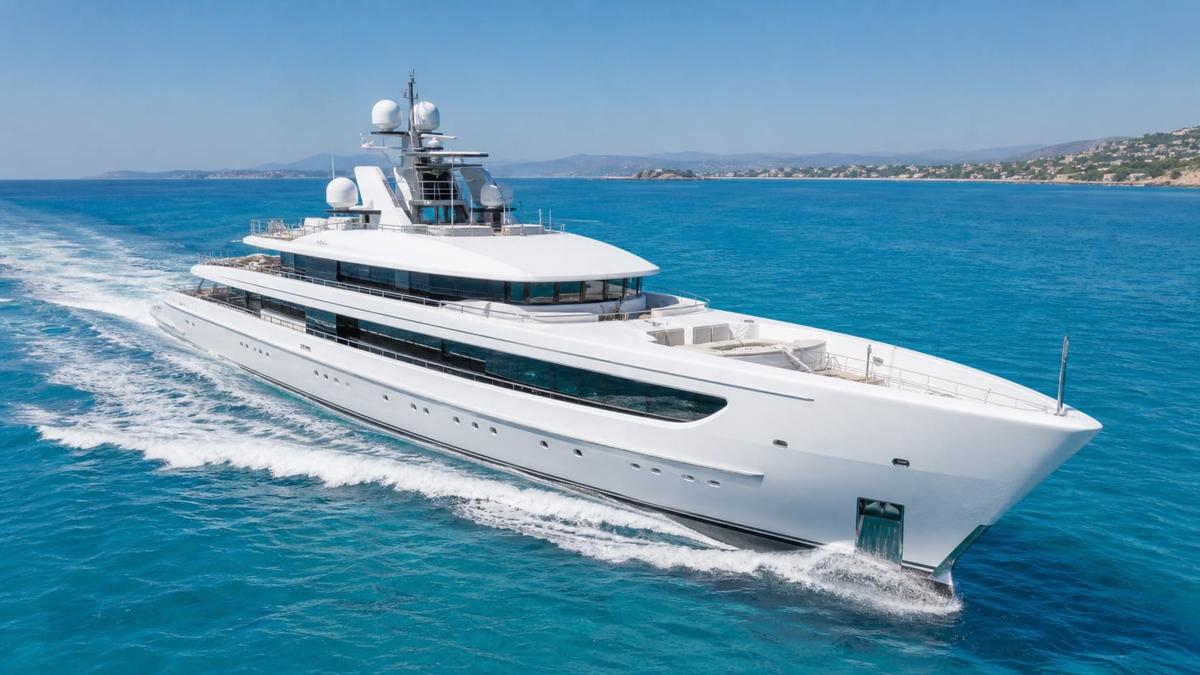
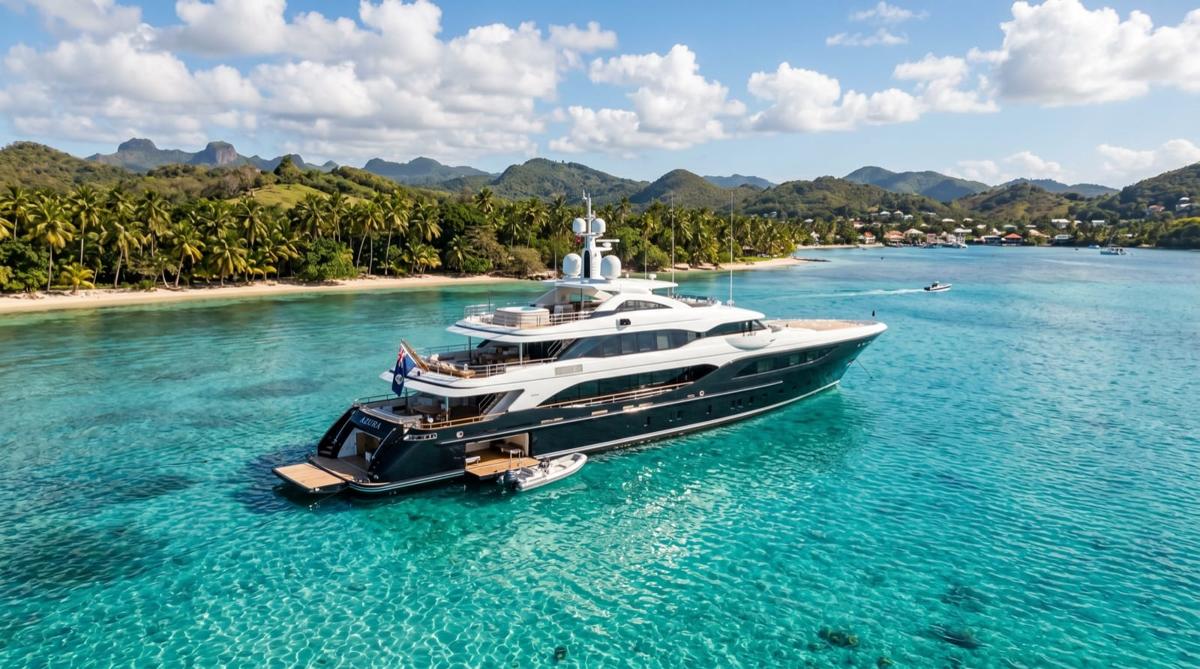
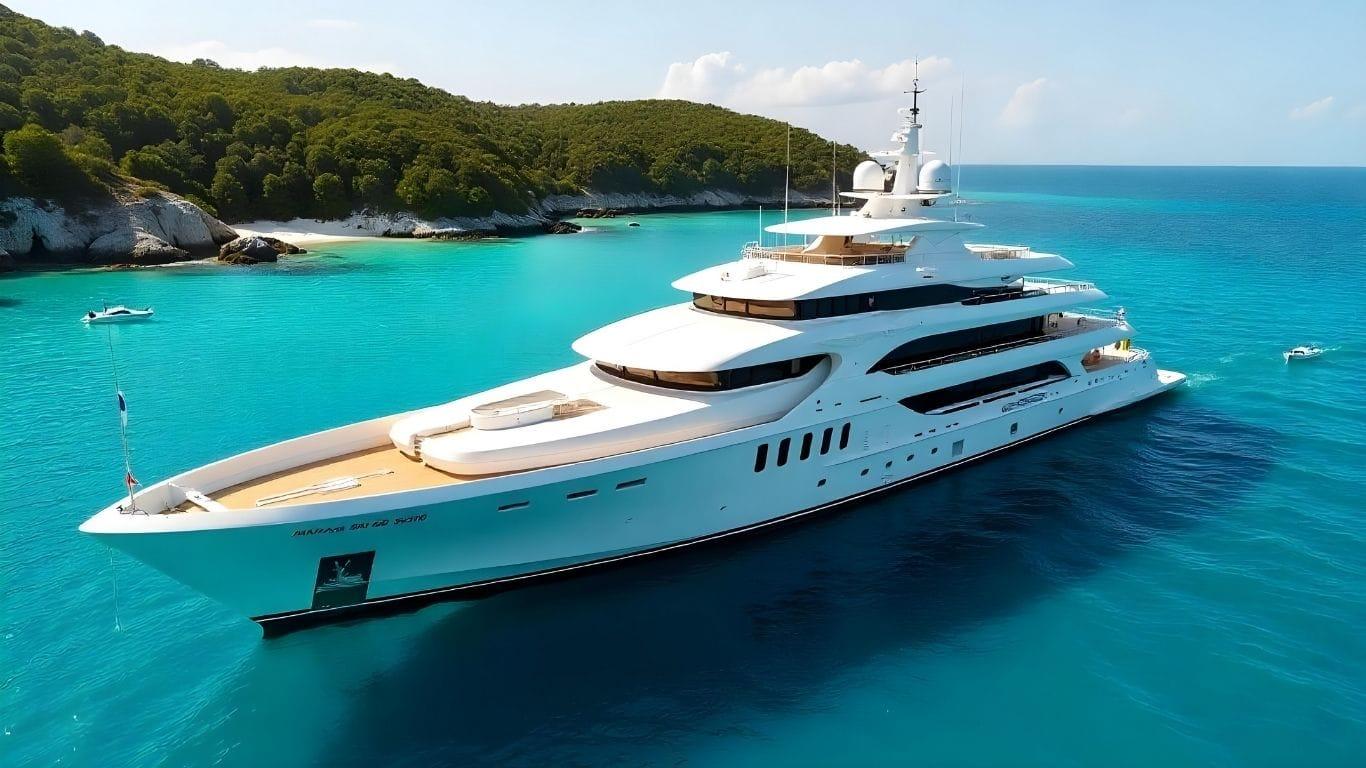
The motor-yacht cohort runs from the 24-metre entry threshold through to the 100-metre-plus flagship segment. Sub-30-metre boats anchor the family-owner end of the market and the early-charter cohort. The 30-to-40-metre band is the heart of broker-led private and charter rotation, with Sanlorenzo, Benetti, Heesen, and Princess covering the majority of orders.
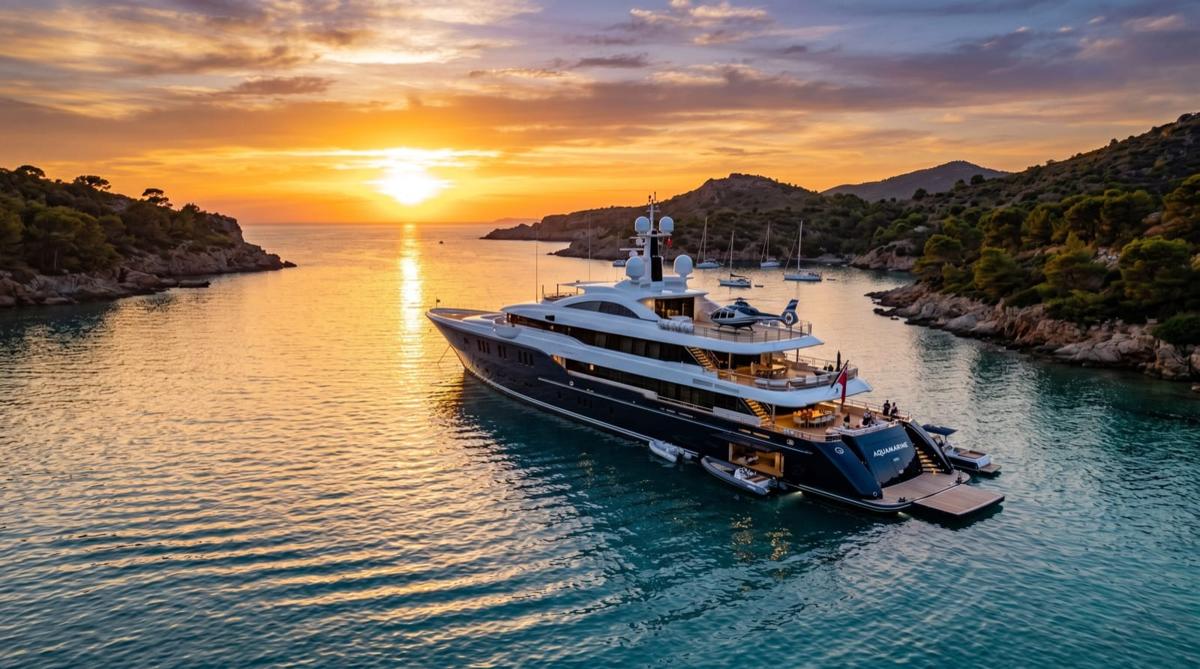
The 40-to-60-metre band is where the cultural conversation around superyacht ownership genuinely lives. Builds from Heesen, CRN, Sanlorenzo, Benetti Oasis-class, and the Amels Limited Editions line dominate the order book in this bracket. Engineering-led owners in this band typically work with Espen Øino, Tim Heywood, or Reymond Langton on the exterior styling.
The 60-to-90-metre superyacht segment is the Feadship and Lürssen tier, with Oceanco, Benetti, Amels, and CRN filling out the order book. Vessels above 90 metres LOA define the global flagship cohort. The Azzam, Eclipse, Dilbar, and Flying Fox builds (all in the public domain on BOAT International's flagship register) anchor the upper end of what serious owners actually have at sea.
Sailing yachts
Sailing yachts at the top of the market are still where naval architecture earns its money. Royal Huisman, Vitters, Baltic Yachts, Pendennis, and the Wally cohort are the names that come up first in any serious sailing-yacht conversation. Perini Navi has been part of that cohort historically and is now being rebuilt under Italian Sea Group ownership.
Philippe Briand, Dubois Naval Architects, German Frers, and Andrew Winch anchor most of the naval-architecture conversations across the segment. The recent Project Sea Eagle II from Royal Huisman (an 81-metre three-masted schooner, the largest aluminium sailing yacht in the world) is the public reference point for what the top of the sailing-yacht market now produces.
Sailing-yacht cruising sits across the Western Mediterranean, the Caribbean during winter season, the South Pacific (French Polynesia, Tahiti, the broader cohort), and the Norwegian Fjords during shoulder season. Charter pricing on the top-tier sailing flagships is broadly comparable to the equivalent motor-yacht segment per metre.
Expedition and explorer yachts
The expedition-explorer cohort is the fastest-growing category in the 2025 Global Order Book. Damen Yachting's SeaXplorer line, the Heesen explorer series, the Sanlorenzo Explorer cohort, the Bering Yachts builds, and Cantiere delle Marche together account for most of the steel-hulled expedition order book.
The category exists because the cruising grounds it serves (Antarctica, the Norwegian Fjords, the high Arctic, the South Pacific outside the standard Polynesian cohort) require range, ice-class capability, and fuel capacity well outside the standard Mediterranean motor-yacht specification.
The wider geographic frame is covered in our overview of the best yachting destinations across the globe. Antarctic-bound expedition cohort builds operate under the IMO Polar Code requirements and typically carry Lloyd's Register Ice-1A or Ice-1A Super classification.
The classification societies (Lloyd's Register, RINA, ABS, Bureau Veritas, DNV) all run substantial yacht and expedition desks and are the standard reference on commercial yacht code compliance and ice-class verification. Owners pricing an expedition build need to understand the difference between commercial-passenger code, large-yacht code, and Polar Code requirements early in the discussion with the yard.
Catamarans and multihulls
The catamaran segment has moved from a niche position into a serious part of the broker-led charter market, particularly above 25 metres LOA. Sunreef Yachts (Gdansk, Poland) is the name most associated with serious multihull builds in the 70-to-120-foot bracket, with Lagoon and Fountaine Pajot anchoring the production-builder cohort below them.
The category sells on three things: deck-space per metre, shallow-draft cruising-ground access, and lower running costs per guest than the equivalent monohull.
Sustainability has become a recurring thread across the multihull cohort. Solar-array integration and hybrid propulsion are easier to engineer on a catamaran platform than on a comparable monohull, and Sunreef's eco-line of pure-electric and hybrid builds has anchored that conversation. Our read on eco-friendly yachts and how they could outperform the market covers the wider direction of travel.
Classic and heritage yachts
The classic-yacht cohort sits distinct from the contemporary order book and runs on a different set of values. Pendennis Shipyard in Falmouth and Royal Huisman in the Netherlands lead the restoration market on the very top tier of pre-war and early post-war yachts. Spirit Yachts in Ipswich anchors the modern-classic build segment, where new boats are built to classic lines but with contemporary engineering.
The classic-regatta calendar is what gives the segment its cultural weight. Monaco Classic Week, Les Voiles de Saint-Tropez, the Régates Royales de Cannes, the Antigua Classic Yacht Regatta, and the historic America's Cup Jubilee at Cowes (run periodically) define the year for owners with vessels in this cohort. The interior craft tradition that sits behind these restorations is explored further in our piece on superyacht and luxury yacht interior design trends.
Gulets and traditional sailing
The gulet cohort is concentrated on the Turkish Aegean coast, anchored at Bodrum, Marmaris, Göcek, and Antalya. Traditional Turkish wooden boatbuilding still defines the segment, and the better gulets are bespoke commissions from established yards working with the same families for decades. The category serves the charter market more than the private-ownership market, and the Greek Aegean and Turkish Aegean cruising grounds are where the boats spend the season.
Charter rates on top-tier gulets in the 30-to-40-metre range run roughly €30,000 to €60,000 per week, materially below the equivalent motor-yacht segment but with a different cultural register entirely. Gulet charter is the relaxed, anchor-most-nights, longer-itinerary cousin of the more typical Mediterranean motor-yacht week.
The builder map by country
The build base is concentrated in four countries. The Dutch yards (Feadship, Royal Huisman, Heesen, Oceanco, Amels, Damen Yachting) anchor the engineering-led top tier of the market. The German yards (Lürssen, Abeking & Rasmussen, Nobiskrug) hold the largest-flagship segment.
The Italian yards (Benetti, CRN, Sanlorenzo, Riva, Perini Navi historically) cover the broadest range across all size categories and the heart of the broker-led mid-market. The British yards (Pendennis, Vitters Shipyard, Spirit Yachts, Wally for early-cohort builds) anchor the restoration market and significant parts of the sailing-yacht segment.
Turkey is the gulet base and increasingly a production-yacht origin as well, with builders such as Bilgin and Turquoise extending into the 40-to-80-metre band.
Naval architects work across borders. Espen Øino (Monaco), Philippe Briand (UK), Reymond Langton Design (UK), Tim Heywood (UK), Andrew Winch (UK), Dubois Naval Architects (UK, historically), and German Frers (Argentina-UK) anchor most of the serious external naval-architecture work across the global build base.
Cruising grounds the cohort sails
The Western Mediterranean (French Riviera, Italian Riviera, Croatian Adriatic, Greek Aegean and Ionian, Turkish Aegean, Spanish Balearic) remains the centre of the global cruising calendar. The peak season runs mid-May to mid-September with the strongest weeks in late July and August. The Caribbean (BVI, USVI, St Barths, Antigua and Barbuda, the Bahamas, the Turks and Caicos) is the December-to-April season for the same flagships during Atlantic crossings.
The South Pacific (French Polynesia, Tahiti, the wider cohort) and the Norwegian Fjords sit in the second tier of cruising calendar weight. Antarctic and high-Arctic expedition cruising is a distinct category that the expedition-explorer cohort serves exclusively.
What this means for owners and charter clients
The category lines are clear, and the builders, naval architects, and classification societies behind them are public knowledge for anyone serious about buying or chartering. The honest read is that the right vessel for a particular owner depends more on how the boat will actually be used than on which category sits highest in the global order book.
A 35-metre Sanlorenzo on the French Riviera is a different proposition from a 75-metre Lürssen flagship doing Antarctic expedition work the next season.
The categories are also genuinely converging on some dimensions. Hybrid propulsion is showing up across motor yachts, sailing yachts, expedition builds, and catamarans.
Ice-class capability is now an option on motor yachts above 50 metres for owners who want Norwegian Fjords access without a full expedition build. The category lines are sharper than ever, and the cross-category engineering is more porous than it used to be.
We last reviewed this analysis in May 2026.