There is a shift happening in Europe that many superyacht owners feel but few have fully quantified. It is not about design trends or propulsion marketing. It is about the arrival of extended regulation, multi-layered compliance, and how that translates directly into cost, operational flexibility and ultimately resale value.
The regulatory backdrop is concrete now, not speculative. The European Union's Fit for 55 package and the extension of the EU Emissions Trading System to maritime transport, which entered into force at the start of 2024, brought commercial vessels above 5,000 gross tonnes inside a carbon market for the first time. Phased fuel intensity rules under FuelEU Maritime layer additional obligations on operators through this decade. The threshold sits above most private yachts, but the downstream effect on marinas, charter operators, management firms and resale buyers reaches far below it.
For anyone cruising or planning to cruise in European waters this year, this is the conversation principals should be having with their advisors before the summer season opens.

Key Takeaways & The 5Ws
- European regulation has moved from loose interpretation to structured, phased enforcement, with the EU ETS maritime extension already in force and FuelEU Maritime obligations layering through this decade.
- The principal risk for owners is documentary and structural ambiguity, not emissions exposure on a single voyage.
- Compliance posture is becoming a quiet but powerful component of valuation; clean documentation trades at a premium to administratively messy hulls.
- Anchoring enforcement is tightening across France, Greece and Turkey, backed by rising fines in posidonia and marine-park zones.
- Owners building or refitting today should treat hybrid systems, silent-mode battery capacity and emissions reporting readiness as secondary-market survival tools.
- Who is this for?
- Existing and prospective superyacht owners, family offices managing yacht assets, and principals weighing new builds or refits for Mediterranean operation.
- What is it?
- A working overview of how Europe's tightening regulatory framework, from carbon mechanisms to VAT and anchoring rules, is reshaping the economics of superyacht ownership.
- When does it matter most?
- Now, ahead of the 2026 Mediterranean season, and at every decision point in a new build, refit, charter contract or resale.
- Where does it apply?
- Across the European Union waters and adjacent jurisdictions including France, Italy, Greece, Spain, Croatia and Turkey, with knock-on effects in non-EU charter markets.
- Why consider it?
- Because regulatory foresight is increasingly priced into resale value, charter access and operational range; ignoring it shrinks both liquidity and cruising flexibility.
The Era of Loose Interpretation Is Over
For years, environmental regulation sat in the background of the industry. It was discussed at conferences, interpreted loosely and managed day to day by capable captains and solid management firms. That has changed.
Fuel intensity rules, emissions monitoring and carbon exposure mechanisms are no longer theoretical policy papers. They are structured, phased and increasingly enforceable. The EU ETS maritime extension applies in full to shipping companies operating vessels above 5,000 gross tonnes on EU voyages, with a phased ramp from 40 percent of emissions covered in 2024 to 100 percent by 2026. FuelEU Maritime adds a separate fuel intensity standard on top of that. The largest private yachts sit close to the regulatory line; the rest of the fleet feels the policy through marina concessions, fuel surcharges, charter contracts and the documentation expectations of every counterparty.
The gap between a well-structured yacht and a casually managed one is widening every season. Industry coverage in SuperYacht Times and other trade press has tracked the same pattern across the past two cruising cycles: management firms tightening their intake criteria, banks asking for cleaner ownership chains, and charter brokers walking away from vessels whose paperwork no longer matches the destination.
The Real Risk Is Ambiguity, Not Emissions
The wealthiest owners are not afraid of regulation. They are afraid of uncertainty. The questions principals are now asking their brokers and lawyers have become far more pointed, and they cluster around five themes.
Ownership and VAT. Does the current structure expose the principal to unexpected VAT or reporting obligations? Can a foreign-flagged yacht actually be chartered in Greece under the country's current framework, which restricts commercial charters in domestic waters to EU-flagged vessels or to non-EU flags operating under specific bilateral arrangements? Ownership VAT, not just charter VAT, is becoming a meaningful drag at the larger-size value range.
Mobility. Is the vessel allowed to travel freely between neighbouring countries, or is there a wall of paperwork at every border? Cabotage rules, temporary admission regimes and post-Brexit movement between EU and UK waters are now part of every cruising plan.
Charter profile. If the owner charters occasionally, does that materially change the regulatory profile of the vessel? The line between private use and commercial activity has tax, flag and insurance consequences that compound over a season.
Resale value. Will future buyers discount a yacht that is not compliance-ready? The answer is increasingly yes. A vessel with clean documentation, current certificates and a coherent operating structure clears at materially better terms than one that is technically beautiful but administratively messy.
Liquidity. In a climate of geopolitical risk, is the asset's legal and financial framework durable enough to support a clean sale or relocation? A real estate asset is fixed; a yacht can move, but only if the paperwork allows it.
This is the quiet shift in the market. Compliance posture is becoming a core component of valuation. Owners who treated documentation as administrative housekeeping are discovering that it now sits inside the price.
Anchoring, Enforcement and Public Sentiment
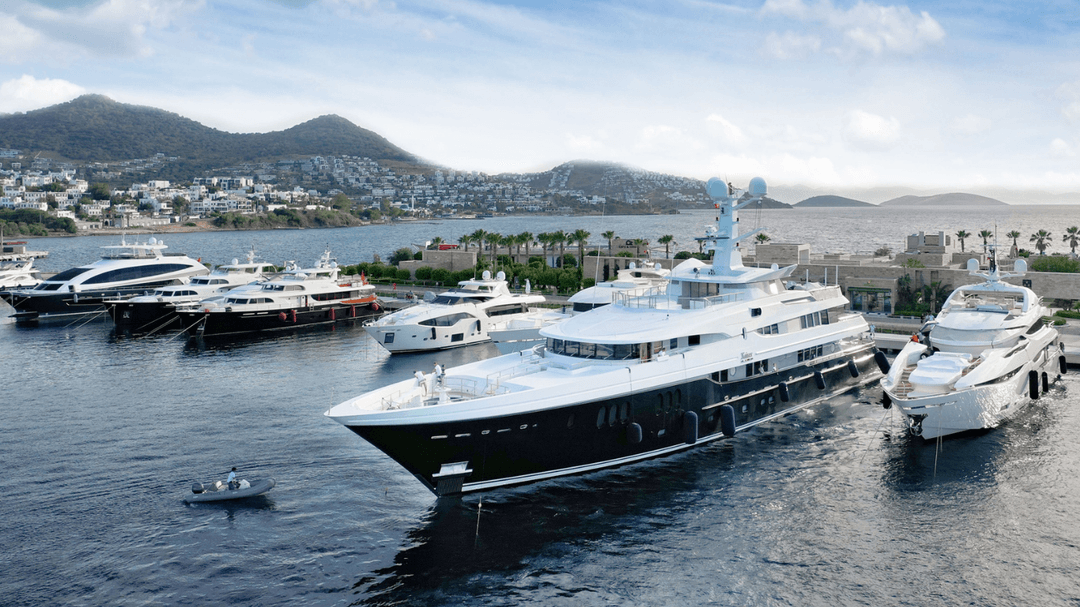
Beyond carbon, there is a European-wide tightening of enforcement in sensitive marine areas. France led with its Convention internationale pour la prévention de la pollution par les navires framework and posidonia-protection rules in the Calanques and along the Côte d'Azur, where unauthorised anchoring on seagrass meadows carries fines that have climbed sharply in recent seasons. Greece and Turkey have moved in the same direction, restricting anchoring in marine parks and adjacent zones and backing the rules with real enforcement.
This is not anti-yacht rhetoric. It is a new regulatory reality grounded in marine biology and growing public sentiment about coastal use. For owners who value discretion, the answer is not to avoid Europe. The answer is to plan for Europe properly, with itineraries that respect protected zones and a captain briefed on the latest local restrictions before the season opens.
Discretion and structure are converging. The yachts that move quietly through the Mediterranean in 2026 will be the ones whose paperwork, anchoring plan and emissions profile were all sorted before the lines were dropped.
Future-Proofing New Builds and Refits
For owners building or refitting today, regulatory foresight is the best investment line on the spec sheet. Hybrid propulsion, fuel efficiency, battery capacity for silent-mode operation and emissions reporting readiness are no longer experimental features. They are survival tools for the secondary market.
The smartest owners we see closest to the market are not chasing headlines. They are quietly ensuring that five years from now their yacht will not be administratively obsolete. They are building with an intentional eye on future liquidity and on staying inside the market for both sale and charter. That logic also explains the steady interest in fractional yacht ownership structures, which spread the regulatory and operating burden across multiple principals while keeping a clean usage record.
The same forward thinking applies to where the hull is commissioned in the first place. Yards with deep experience in EU compliance documentation deliver a vessel that arrives with the paperwork already aligned, which is one of the structural reasons Dutch shipyards continue to dominate at the largest sizes.
The Mediterranean Remains the Epicenter
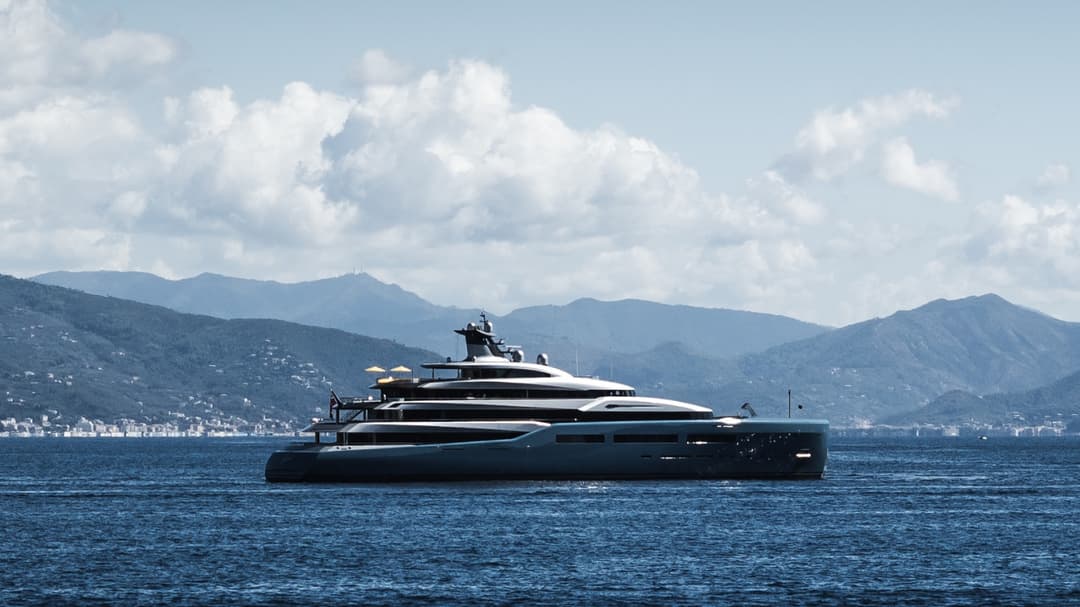
Europe, and the Mediterranean in particular, remains the heart of global yachting. The shipyards of Italy, Germany and the Netherlands are not going anywhere. The cruising grounds from the Balearics through the Côte d'Azur, the Ligurian and Tyrrhenian coasts, the Adriatic and the Aegean still draw the deepest demand in the global fleet. The operating framework around all of that is simply becoming more structured.
In this environment, structure favours those who prepare early. The most successful owners in 2026 are no longer reacting to regulation. They are staying ahead of it, with ownership vehicles, flag choices, charter arrangements and refit specifications that anticipate the next regulatory step rather than the last one.
That is the real meaning of luxury in European yachting now. Not the headline length on the build sheet. The quiet certainty that the vessel can go where the principal wants to go, when they want to go, and clear cleanly when the time comes to sell.
Frequently Asked Questions
- How does the EU ETS maritime extension affect private superyacht owners?
- The EU ETS extension applies directly to shipping companies operating commercial vessels above 5,000 gross tonnes on EU voyages, with a phased ramp from 40 percent of emissions covered in 2024 to 100 percent by 2026. Most private yachts sit below that threshold, but the downstream effects reach the whole fleet through marina policies, charter contracts, management firm requirements and resale documentation expectations.
- Can a foreign-flagged yacht be chartered in Greek waters?
- Greece restricts commercial charters in its domestic waters to EU-flagged vessels or to non-EU flags operating under specific bilateral arrangements that meet Greek charter VAT and operating-permit requirements. Owners considering Greek charter activity should validate flag eligibility, VAT registration and crewing rules with a specialist before committing to itineraries.
- What anchoring restrictions should owners plan for in the Mediterranean?
- France enforces strict rules on anchoring over posidonia seagrass meadows, particularly in the Calanques and along the Côte d'Azur, with fines that have climbed in recent seasons. Greece and Turkey have moved in the same direction across marine parks and protected zones. Captains should brief itineraries against the latest local rules before each season.
- Why does compliance posture now affect resale value?
- Buyers and their advisors increasingly price documentary quality into the bid. A yacht with current certificates, a coherent ownership structure, clean VAT history and emissions reporting readiness clears at better terms than one with administrative gaps. The discount on a messy hull has widened as the regulatory environment has tightened.

George Kontovassilis
George Kontovassilis is a professional yacht broker and the official representative for Bernard Gallay Yacht Brokerage (BGYB) in Greece. He brings a unique, 360-degree perspective to the luxury yachting sector, combining 30 years of legal expertise with deep operational experience as a skipper and former yacht owner. His background spans over three decades of maritime law and international tax planning, complemented by hands-on vessel management and the coordination of complex refit projects in Greek and Turkish shipyards. He leverages this entrepreneurial insight to manage high-end international portfolios and orchestrate large-scale commercial projects across the Mediterranean and Europe. At BGYB, he contributes strategic insights into the Eastern Mediterranean market, offering VIP clients secure and sophisticated brokerage services that bridge the gap between technical operational needs and complex legal frameworks.