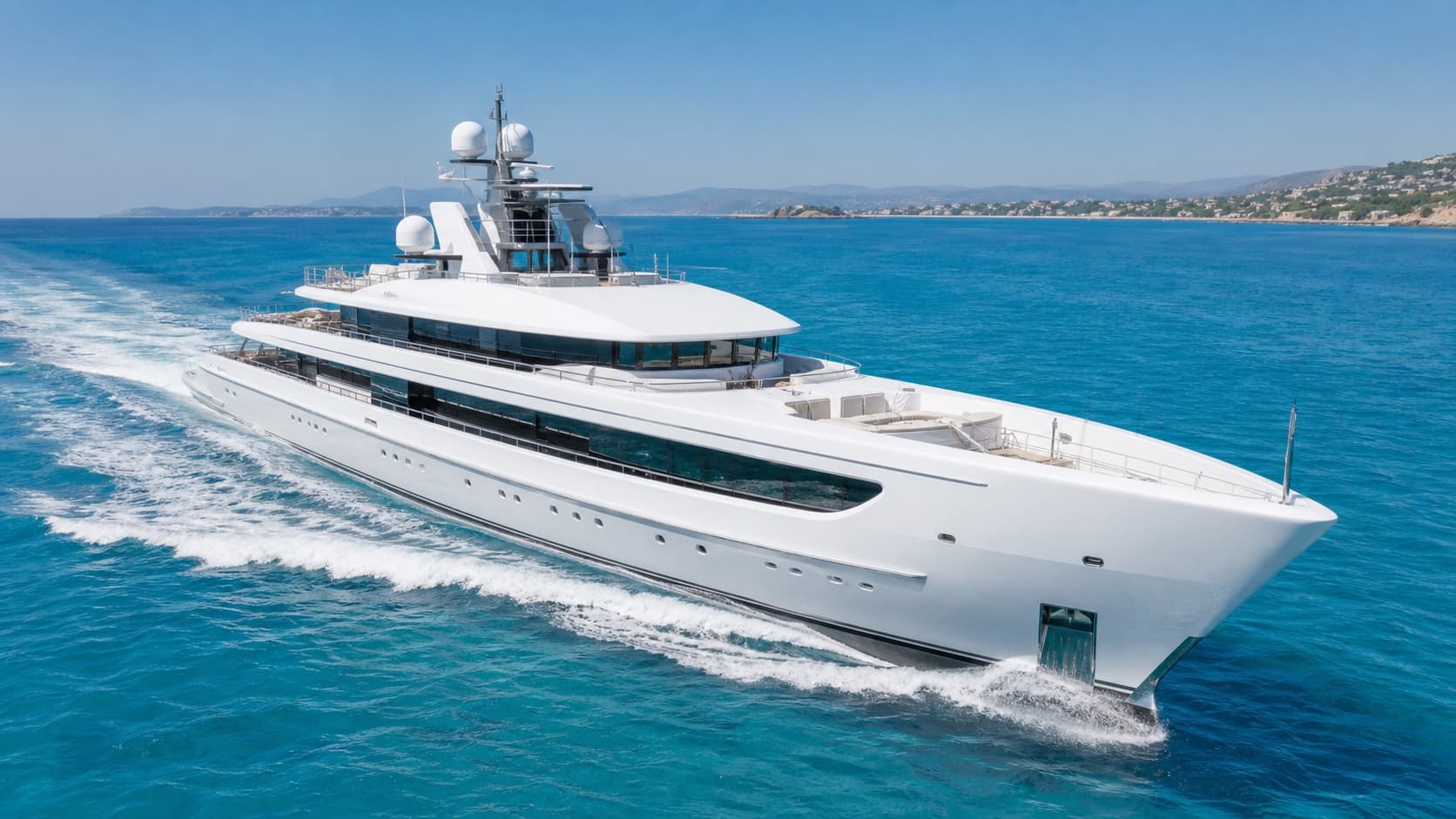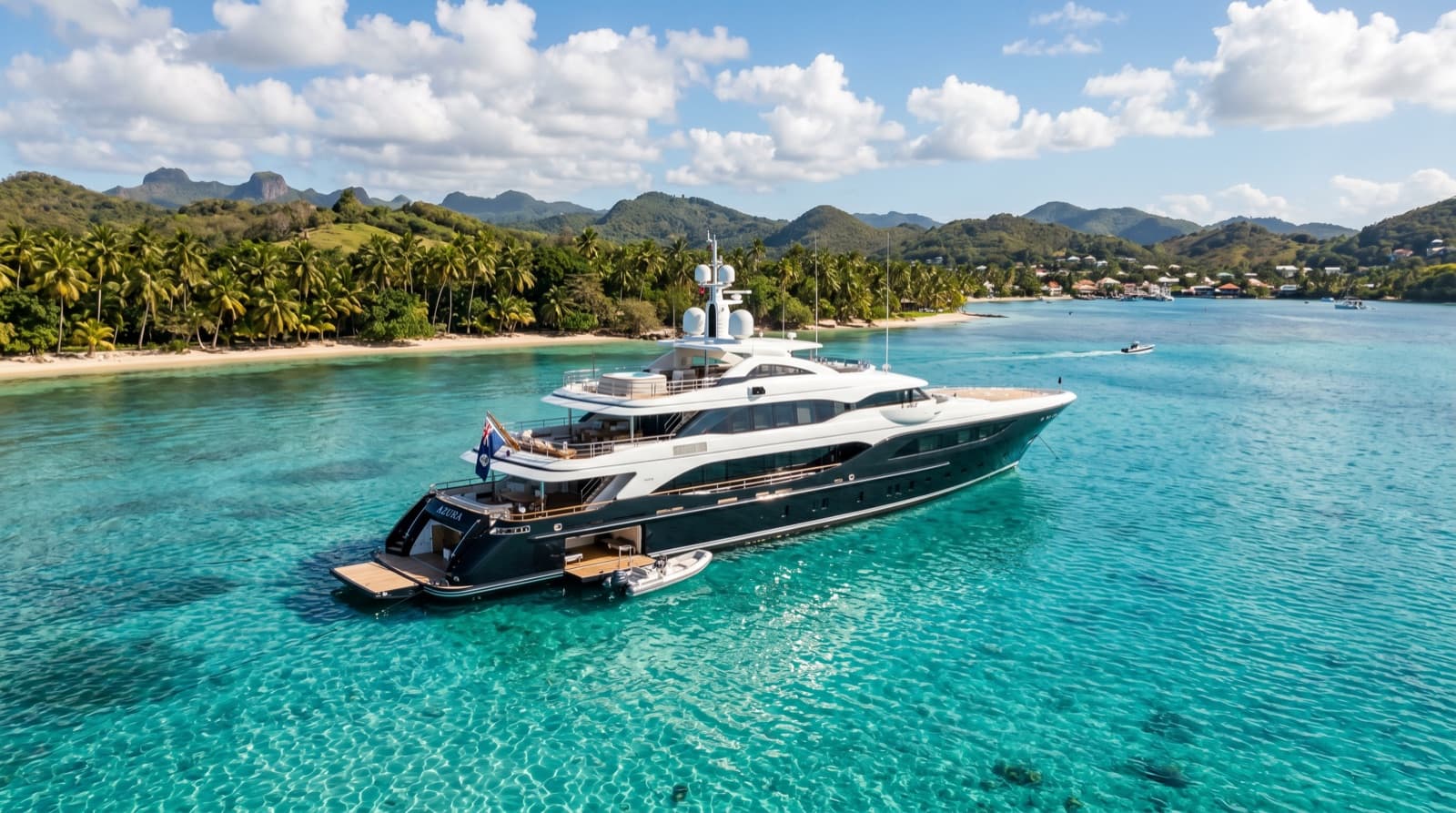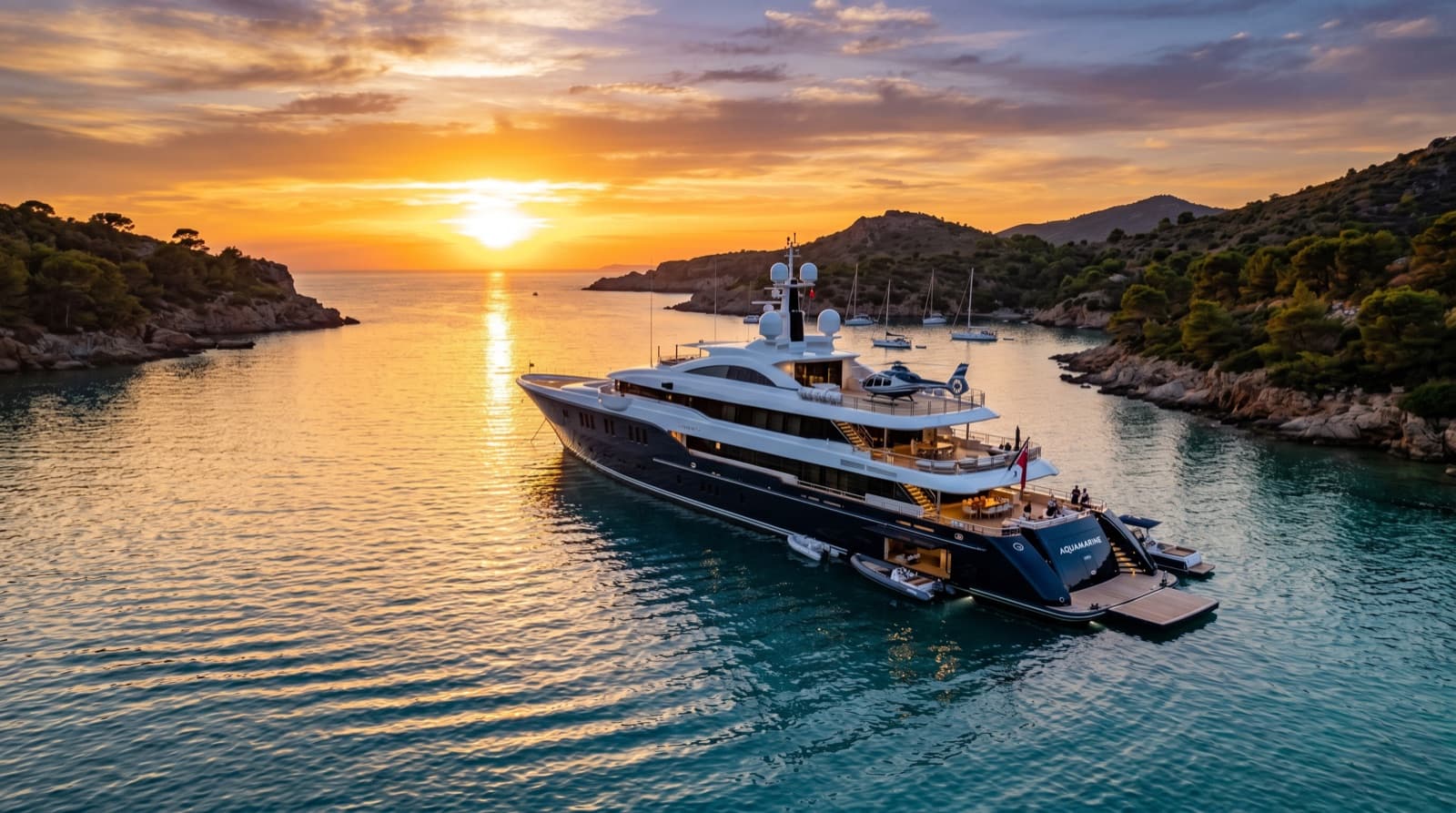
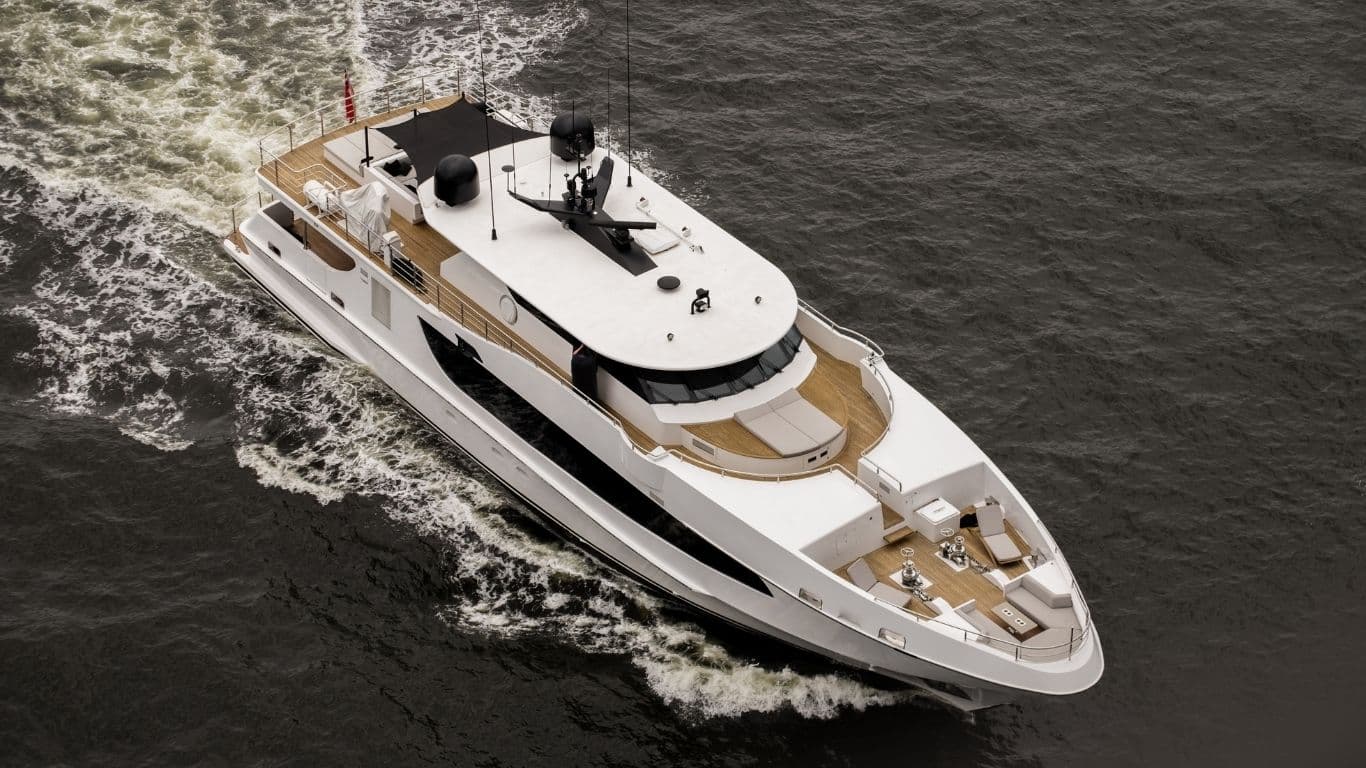
The 2026 yacht launches worth a closer look are the ones that signal where the upper end of the market is actually heading. Hybrid propulsion as standard, increasingly serious sustainability credentials, modular layouts and bespoke interior commissions that move past the showroom register. The build pipelines at Feadship, Lürssen Yachts and Benetti remain the structural reference points for serious owners.
The global yacht market is projected to keep expanding through 2026, driven by the ultra-high-net-worth demand cohort and the maturation of charter-ownership models. What follows is our editorial read on ten launches that have earned attention this cycle, with the practical detail buyers and charterers actually care about.
- The 2026 yacht launches worth a closer look span new builds from Feadship, Heesen, Oceanco, Lürssen, Sanlorenzo and selected emerging Asian yards.
- We see Feadship Project 821 and selected Oceanco launches anchoring the upper end of the new build calendar, with hybrid propulsion and alternative fuels featuring prominently.
- Heesen continues to deliver across the 50 to 80 metre segment, with the yard's steel and aluminium expertise supporting steady fleet renewal cycles.
- Sanlorenzo and Benetti continue to anchor the upper Italian segment, with comparable benchmarks across the Northern European yards.
- Asian shipbuilders including selected Turkish yards continue to advance in the international market, with quality and specification standards increasingly comparable to European benchmarks.
- For most considered yacht owners we view new build calendar tracking as foundational for understanding both market direction and acquisition opportunity.
- Who is this for?
- Yacht owners, charter operators and the brokers, naval architects and yacht management firms framing new build market intelligence across the global complex.
- What is happening?
- A read of the 2026 yacht launches worth a closer look, covering Feadship, Heesen, Oceanco, Lürssen, Sanlorenzo, Benetti and selected emerging Asian yards.
- When did this emerge?
- The article reflects 2026 launch conditions through Boat International, SuperYacht Times and yard reporting alongside our observations.
- Where is this happening?
- The piece covers the global new build yacht complex, including European builds in the Netherlands, Germany, Italy and selected Turkish and Asian yards.
- Why does it matter?
- New build market intelligence shapes both acquisition opportunity and broader market understanding, which is why launch calendar tracking matters for serious market participants.
1. Four Seasons Yacht
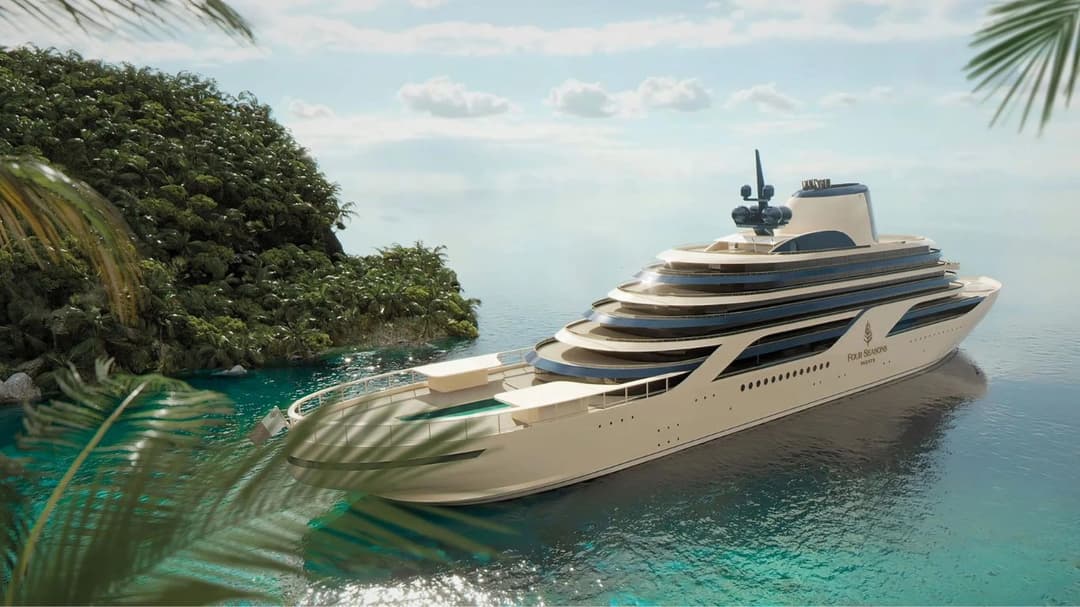
Four Seasons Hotels and Resorts announced its move into yachting as one of the most ambitious crossover projects of the cycle. Designed by Tillberg Design of Sweden, the vessel positions itself as a floating Four Seasons property in scale and service register.
Key details
Around 207 metres LOA, with 95 custom-designed suites and capacity for up to 200 guests across the platform. The interior brief emphasises floor-to-ceiling glazing, private terraces and modular suite layouts.
What sets it apart
The 1:1 crew-to-guest ratio anchors the service register Four Seasons is known for ashore. The hybrid propulsion specification and the modular interior approach both signal where the resort-yacht cohort is heading. Exclusive Experiences: From private island excursions to onboard events sit alongside the core hospitality programme.
Availability
The Four Seasons Yacht is targeted for a late-2026 debut, with charter rates positioned at the top of the market.
2. Project Blue Marlin
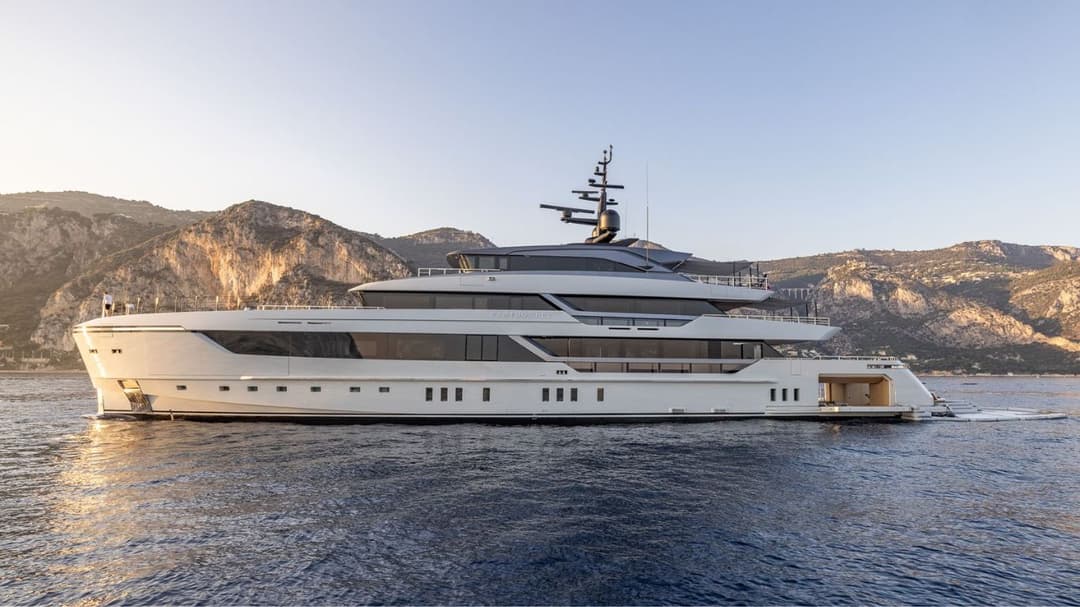
Project Blue Marlin sits in the Lürssen build pipeline as one of the more closely-watched projects of the cycle. The exterior naval architecture pushes the contemporary superyacht idiom forward without straying into the avant-garde.
What sets it apart
The hybrid propulsion specification, the interior commissioning programme and the sustained focus on quiet-running deserve attention. The serious credibility of a Lürssen build does the rest.
3. Aurora Borealis II
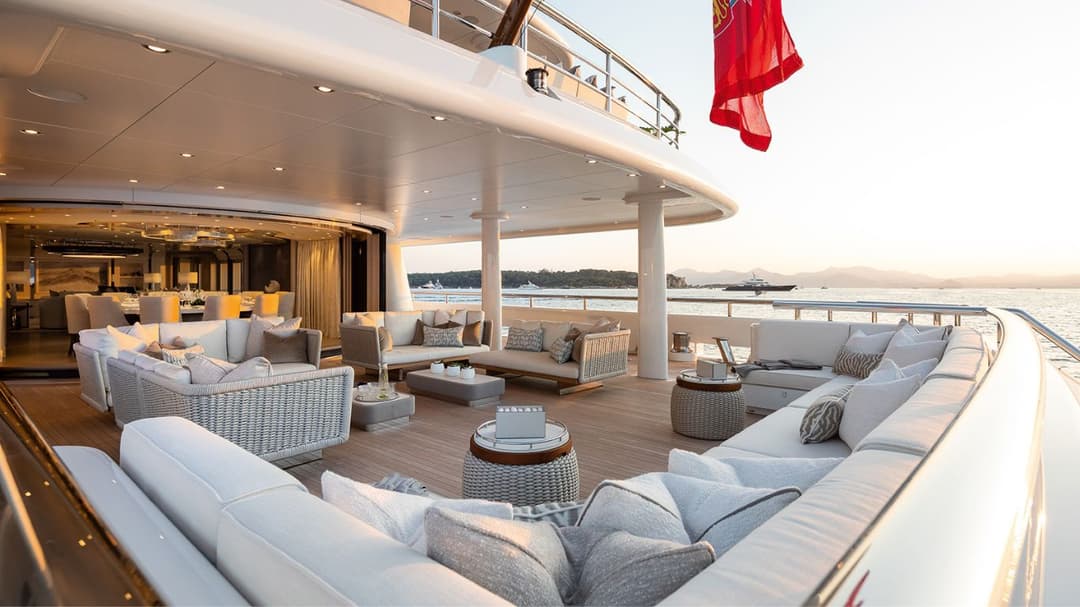
Aurora Borealis II positions itself as a long-range explorer build, with the structural ice classification and the autonomy that makes high-latitude itineraries credible. The interior is positioned for owners who actually want to cruise the polar grounds rather than pose with them.
Where the interest sits
The explorer cohort has been one of the strongest growth segments in the build pipeline this cycle. Aurora Borealis II is a serious example of the type and the fit-out reflects the working brief. Yacht's interior design trends across this cohort track the same shift toward authored rather than catalogue interiors.
4. Genesis G
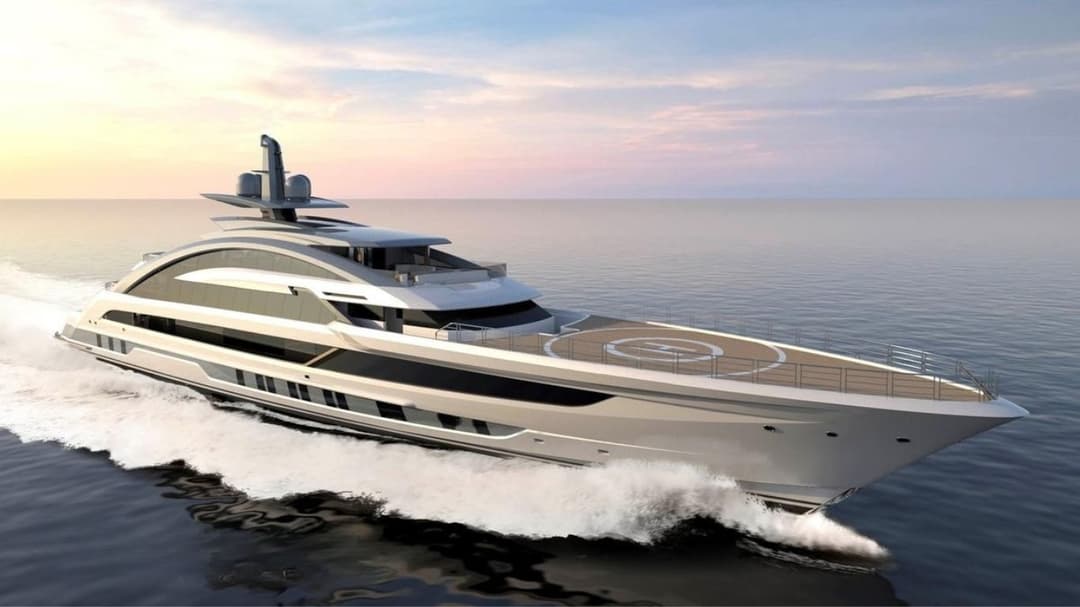
Genesis G sits in the family-cruising cohort with the layout, the toy garage and the spa programming that the segment increasingly expects. The vessel reads as a serious working build rather than a marketing exercise.
Where it lands
Genesis G's hybrid propulsion specification keeps it on the right side of the sustainability conversation. The fuel consumption profile across this size bracket has been a particular focus this cycle.
5. Infinity X
Infinity X carries the polished European-build idiom across an interior brief that's pitched toward owners using the vessel for entertaining. The spec emphasises onboard amenities and a deck programme that supports both day-cruising and longer voyages.
Where it sits
Production-yacht builds at the upper end of the cohort have increasingly converged on a similar spec language. Sunseeker and the British production cohort sit in the conversation alongside the Italian and Dutch yards.
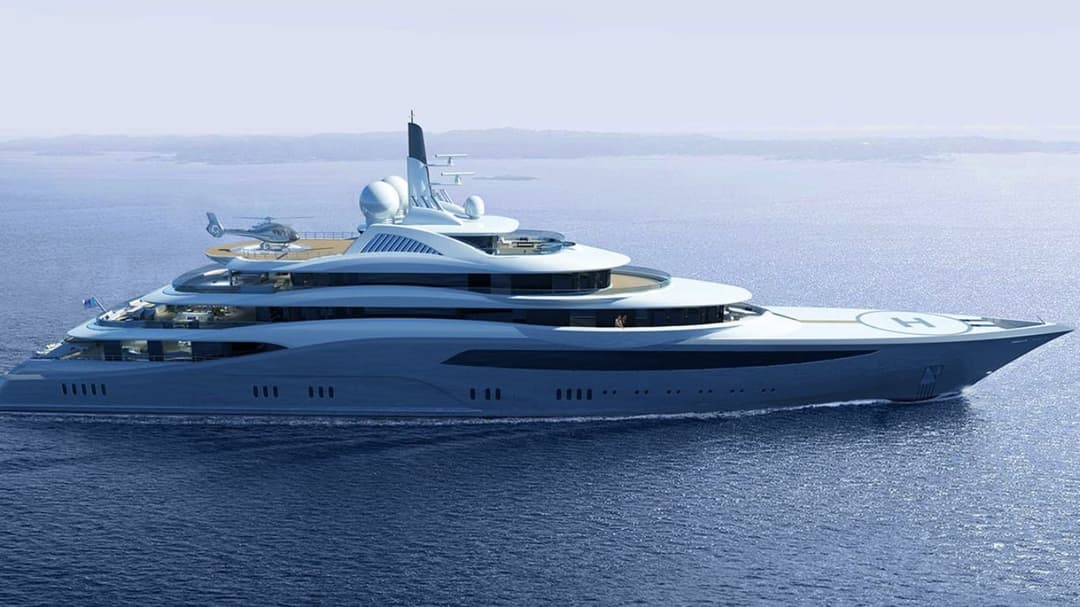
6. Serenity Star
Serenity Star pitches a quieter register. The brief emphasises wellness programming, sea-level lounges and the kind of interior commissioning that owners increasingly request for personal use rather than for charter rotation.
What sets it apart
The wellness layout is genuinely serious rather than a marketing afterthought. The vessel sits in the cohort that's redefining how the upper end thinks about onboard time. Coverage in alternative luxury asset classes tracks the same demand for genuinely authored rather than catalogue-spec assets.
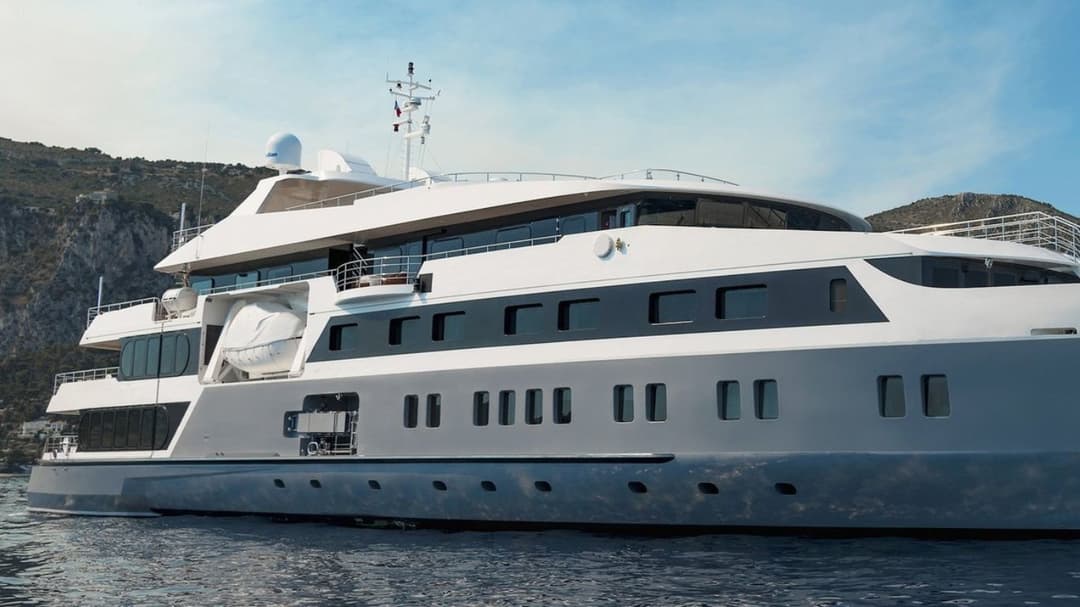
7. Aqua Luna
Aqua Luna is positioned for owners who want to actually live aboard for extended periods. The interior reflects a residential register rather than a hotel one.
Where the value sits
The owner's suite with a private deck access and the layout flexibility of the lower-deck guest cabins are the lines that buyers in this cohort actually evaluate.
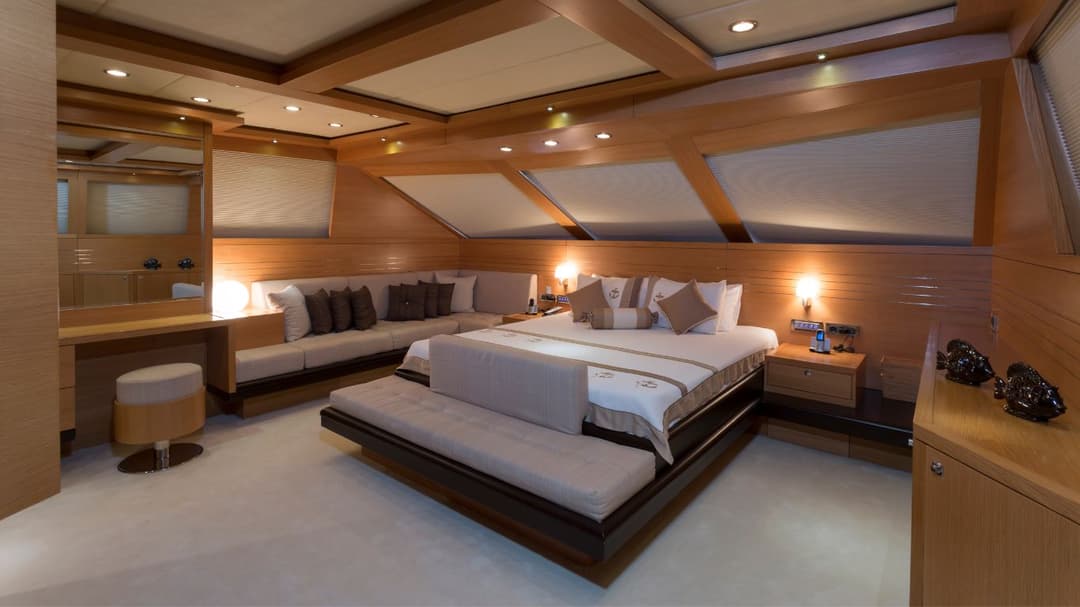
8. Eclipse II
Eclipse II reads as the contemporary update to one of the recognisable shapes in serious yachting. The brief retains the strong-presence aesthetic of the original Eclipse while incorporating the sustainability and electronics that the 2026 build cycle demands.
Why it matters
The original Eclipse remains one of the most visible vessels in serious yachting globally. Eclipse II will inevitably draw comparison and its credibility depends on how cleanly the brief is executed. The same authorship logic that drives how investors structure their portfolios applies to this kind of flagship commission.
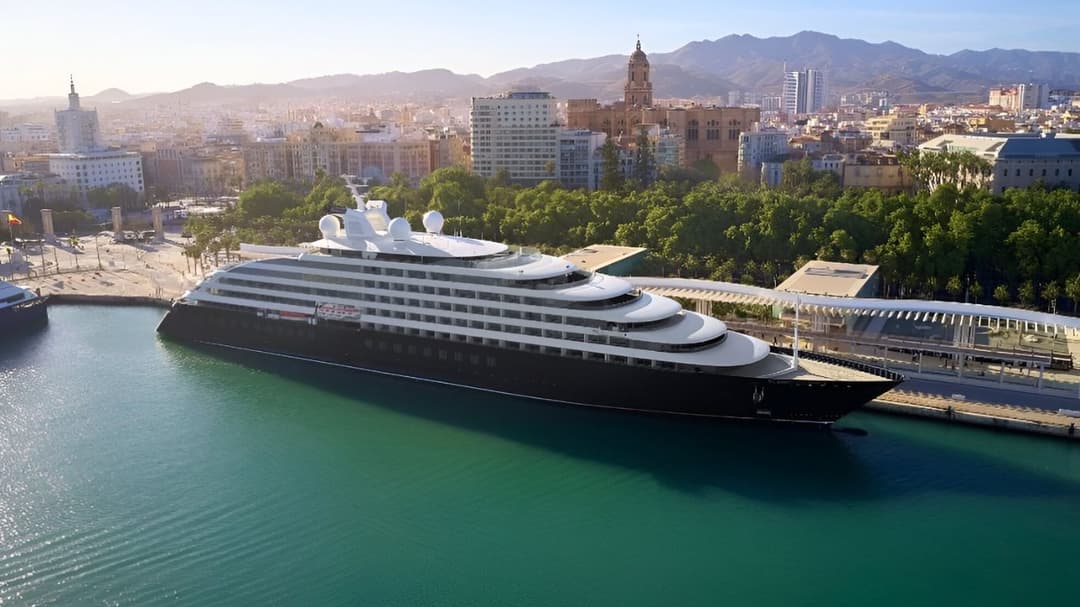
9. Odyssey
Odyssey sits in the long-range explorer cohort alongside Aurora Borealis II, with a similar brief to support genuine high-latitude and remote-water cruising.
What sets it apart
The autonomy figures and the deck programme designed for extended voyages set this vessel apart from the Mediterranean-focused cohort. The Italian and Dutch explorer-build programmes have matured into the most credible vessels in the segment.
10. Riviera Grande
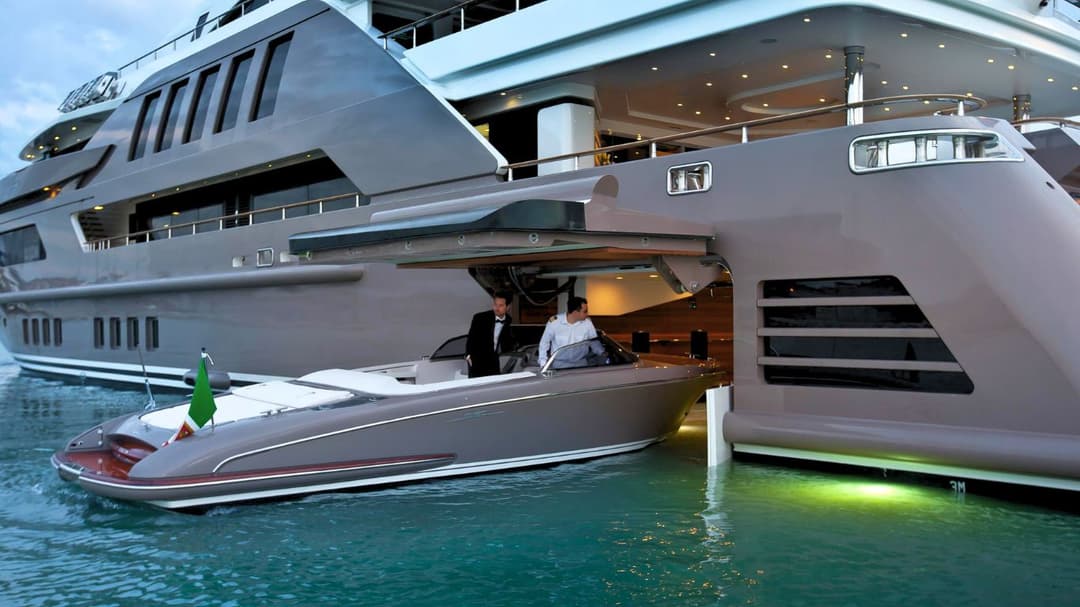
Riviera Grande closes the list with a brief pitched at the polished Mediterranean register: serious dining, deck programming for entertaining, the kind of layout that supports an owner running an event-centred operating year.
Where it sits
The Mediterranean-charter cohort remains structurally one of the biggest commercial-yacht segments globally. Vessels built for this register continue to attract serious commissioning interest, and Riviera Grande sits credibly in that conversation. The wider luxury-asset market parallels that conversation in the same way that the $17M Paul Newman Rolex Daytona that changed watch investing shifted the watch market.
What this means for buyers
The 2026 launches converge on a small set of structural shifts: hybrid propulsion as baseline, sustainability credentials that can be defended in public, authored interior commissions rather than catalogue specs, and modular layouts that reflect how owners actually use serious vessels.
The yards setting the pace remain Feadship, Lürssen, Benetti, Oceanco and the upper Italian cohort. Trade coverage at world-class yachting publications tracks the working pipeline in real time, and the cohort thinking about a serious new build should engage with shipyards early in the cycle. We last reviewed this analysis in May 2026.

Frequently Asked Questions
- What is the biggest yacht in 2025?
- The biggest yacht in 2025 is the <strong>Four Seasons Yacht</strong>, which spans 679 feet (207 meters) in length. Designed to offer unparalleled luxury and comfort, this yacht features 95 suites, multiple dining venues, and a range of amenities that cater to the most discerning clients.<br /><br />
- What is the most beautiful yacht?
- While beauty is subjective, many consider the <strong>Genesis G</strong> to be the most beautiful yacht of 2025. Its sleek lines, innovative design, and attention to detail make it a standout. The Genesis G's glass-bottomed swimming pool, panoramic views, and exquisite interiors offer an aesthetic appeal that is hard to match.<br /><br />
- What is the most expensive yacht in 2024?
- The most expensive yacht in 2024 is the <strong>Eclipse II</strong>, priced at $500 million. This yacht offers an array of high-end features, including two helipads, a submarine dock, a heated swimming pool, and advanced security systems. It combines luxury, privacy, and cutting-edge technology, making it the ultimate choice for high-profile clients.

Stefanos Moschopoulos
Stefanos Moschopoulos founded The Luxury Playbook in Athens and has spent the better part of a decade following the auction calendar, the en primeur releases, and the watchmakers, gallerists, and shipyards the magazine covers. He writes the field guides and listicles that anchor the Connoisseur section — pieces built on Phillips and Christie's results, Liv-ex movements, and conversations with collectors he has met across Geneva, Bordeaux, Basel, and Monaco. His own collecting habits sit closer to watches and wine than art, and it shows in the level of detail in the magazine's coverage of those categories. Under his direction, The Luxury Playbook now publishes long-form field guides, market-defining year-end listicles, and the Voices interview series with the founders behind the houses and the brands.