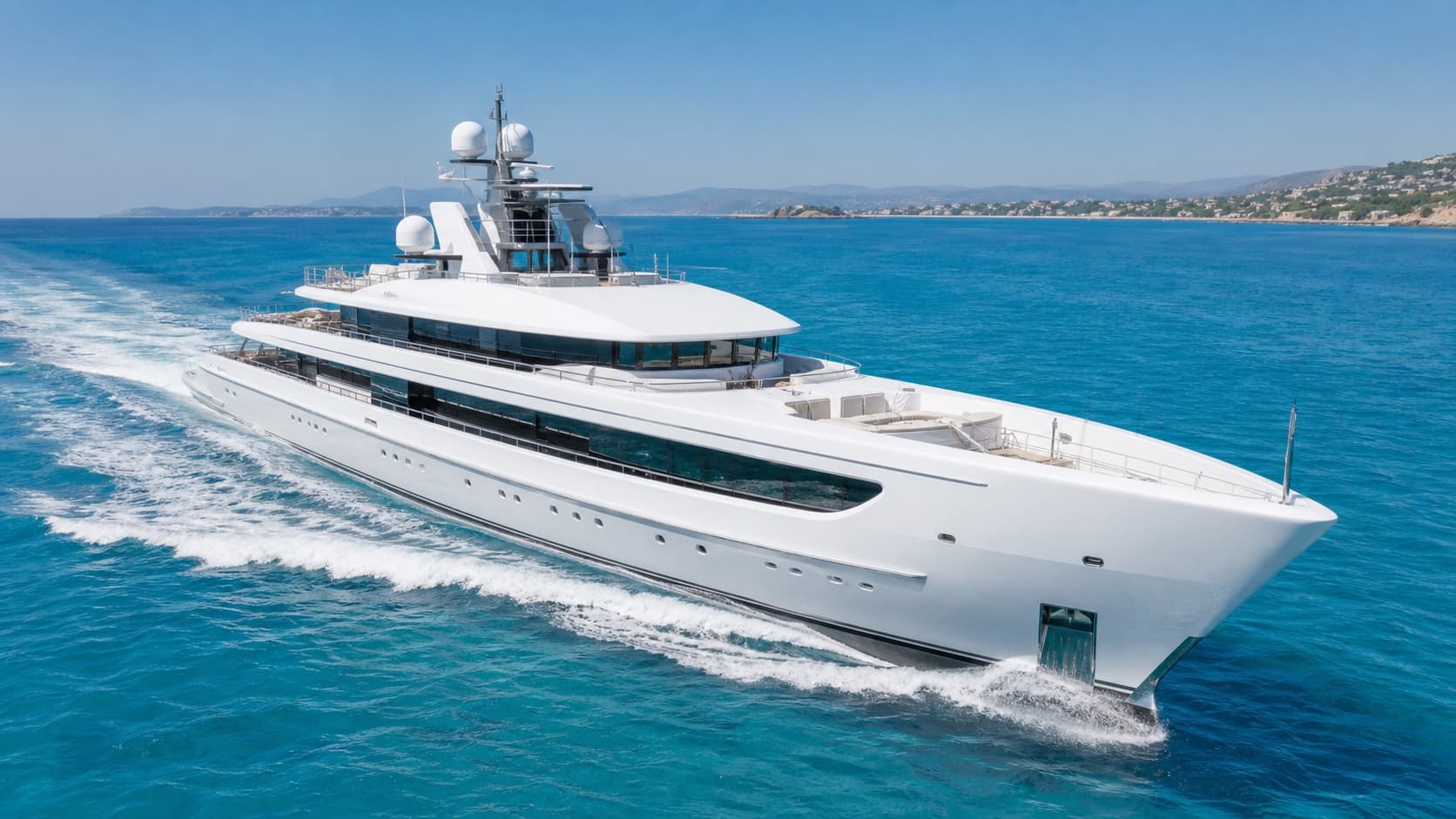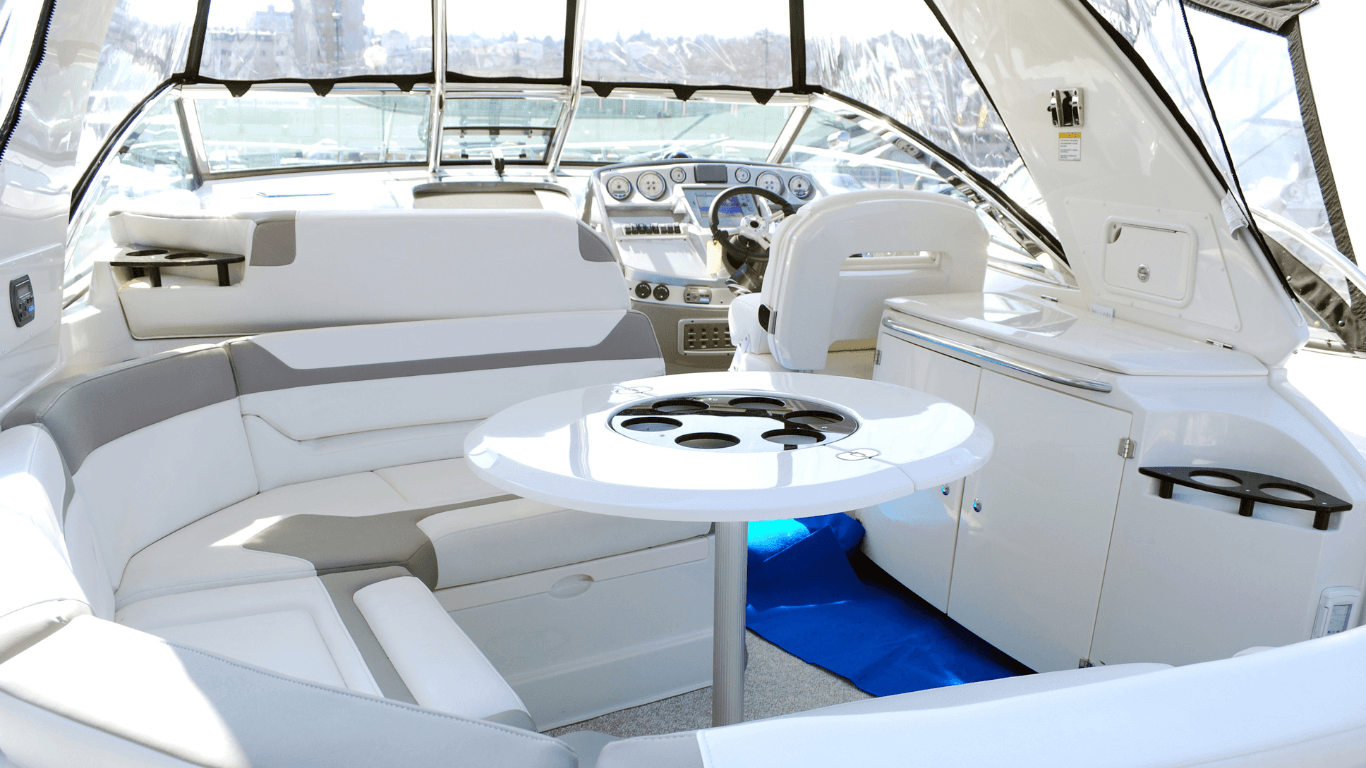
Recreational yachting safety is the unglamorous discipline that separates owners who finish every season intact from owners who don't. The equipment, the maintenance, the inspection routines and the weather discipline are all standard practice in serious cruising, and the consequences of skipping any of them compound fast.
The US Coast Guard's recreational boating safety guidance, BOAT International's safety coverage, and the major marine insurers all converge on the same picture: most incidents are preventable, and the prevention is procedural. What follows is our practical guide to gear, maintenance and the routines that keep a vessel ready for the water.
Key takeaways
- Proper PFDs, fire extinguishers and signalling devices are the non-negotiable safety baseline.
- Regular hull, engine and fuel-system inspections catch the issues that become emergencies offshore.
- Marine weather forecasts and the discipline to respect them is one of the most undervalued operational skills.
- Professional surveys, run on a scheduled cadence, are the working backbone of vessel readiness.
- Recreational yachting equipment and safety discipline form the foundation of responsible vessel operation, with proper preparation materially reducing the risk profile of typical cruising activity.
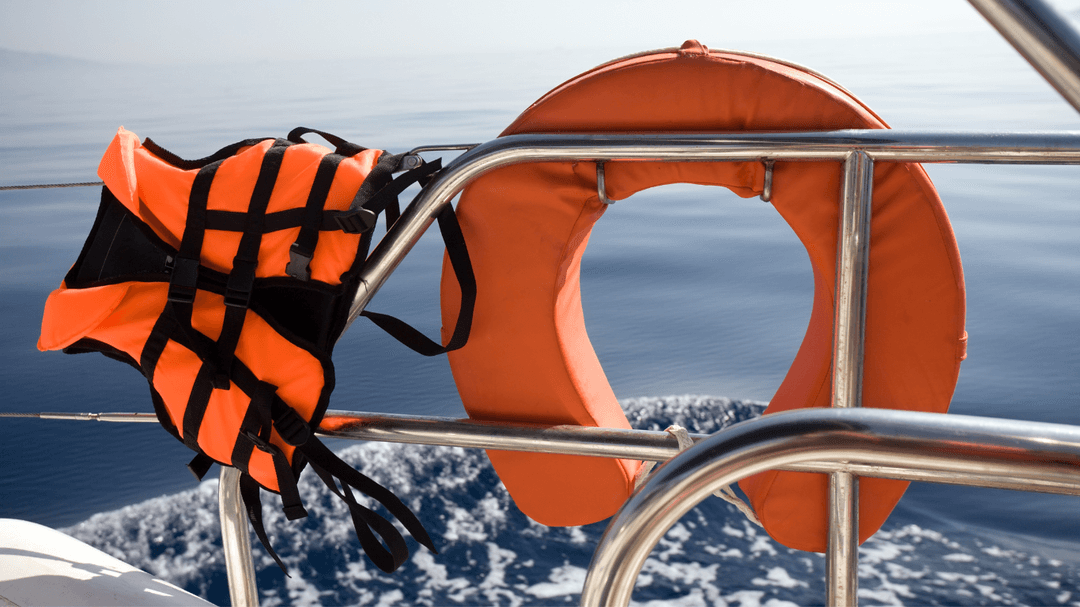
- We see life jackets, EPIRBs, flares, fire extinguishers and first aid kits as the foundational safety baseline across all recreational vessel sizes.
- Communication equipment including VHF radio, AIS and selected vessels carrying SSB or satellite communications supports both routine operation and emergency response.
- Navigation equipment including GPS chartplotters, radar, depth sounders and properly updated paper charts provides the redundancy essential for safe passage planning.
- Engine room equipment including bilge pumps, automatic fire suppression and properly maintained electrical systems addresses the most common emergency scenarios.
- For most considered recreational yacht owners we view equipment and safety preparation as more consequential than headline performance specifications across typical cruising operations.
- Who is this for?
- Recreational yacht owners, captains and the technical managers, brokers and safety equipment specialists framing equipment and safety decisions.
- What is happening?
- A read of recreational yachting equipment and safety, covering life-saving equipment, communication systems, navigation tools and engine room safety provisions.
- When did this emerge?
- The article reflects current best practice through 2025 and 2026, with reference to the ISO and Maritime Coastguard Agency standards shaping equipment specifications.
- Where is this happening?
- The piece covers the global recreational yachting complex, including the Mediterranean, Caribbean, North American and Asian cruising grounds.
- Why does it matter?
- Safety preparation drives the practical risk profile of yachting, which is why understanding the equipment baseline matters before any cruising departure.
The safety-gear baseline
Every serious vessel runs a baseline of safety equipment that the major maritime authorities agree on. The question is not whether to carry the gear; it is whether the gear is current, accessible and the crew knows how to use it.
Life jackets and PFDs
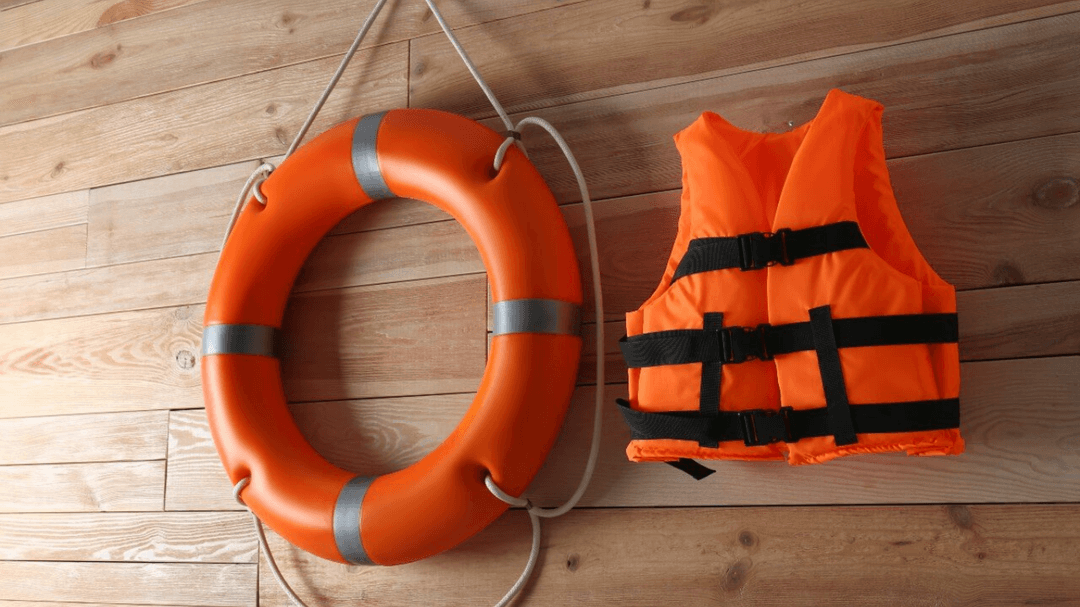
USCG-approved life jackets sized for every person aboard, with a dedicated inflatable PFD for each crew member working on deck in serious conditions. The PFDs need to be checked for serviceability before each season, and the gas cartridges replaced on the manufacturer's interval.
Children aboard need their own properly-sized PFDs, and the rule on a serious vessel is they wear them on deck under way. Adults can argue the call for themselves; children cannot.
Fire extinguishers
Marine-approved extinguishers (not domestic ones) sized for the vessel and located within reach of the engine room, galley and helm. Regular pressure checks, service intervals and crew familiarity with operation are the recurring routine.
The serious vessels run automatic fire suppression in the engine room as standard. The arithmetic on that single line is unambiguous: it is the difference between a manageable incident and a catastrophic one.
Signalling and emergency communication
Visual distress signals (flares, day-shapes, dye markers), audible signals (whistle, horn), and electronic systems (VHF, EPIRB, AIS). The serious vessels carry every layer because each one handles a different scenario.
Marine equipment maintenance
Equipment maintenance is the daily discipline that keeps a vessel safe. The serious owners and skippers run inspection routines on every system that matters.
Regular inspections and checklists
Pre-departure checks on engine, fuel, batteries, navigation electronics, safety gear, fluid levels and weather forecast. Post-arrival checks on docking lines, fenders, bilges and any anomaly noted underway. The routines feel pedantic until the morning they catch the issue that would have become an emergency offshore.
Engine care
The engine is the heart of the vessel and the most expensive surprise on the books. Routine oil changes on the manufacturer interval, filter replacements on the same cadence, cooling-system maintenance, fuel-system inspection. Boat International has tracked the same pattern across the cruising community: engines that fail at sea almost always show warning signs at the dock first.
| Marine Equipment Maintenance | Key Benefits |
|---|---|
| Keeping Boat Hull Clean | Increases fuel efficiency by 30%, lower operational costs |
| Inspecting Anodes | Prevents damage due to galvanic corrosion |
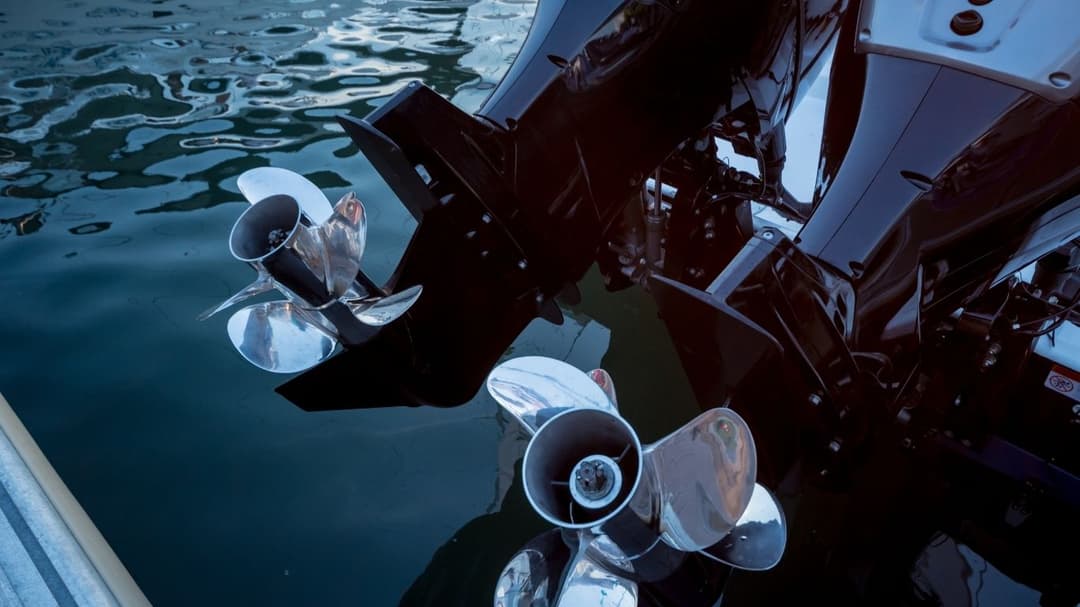
| Checking Propellers | Avoids excessive vibrations and potential damage |
| Testing Bilge Pump | Ensures proper water removal from the bilge |
| Replacing Safety Gear | Maintains safety compliance and preparedness |
| Cleaning Cooling System | Prevents engine overheating |
| Winterizing Engine | Protects engine from freezing |
Yacht engine practice
The serious vessels run a defined engine-care regime, not a casual one. The routines compound across the operating year.
Routine checks
Daily fluid checks (oil, coolant, transmission). Weekly belt and hose inspection. Monthly fuel-system inspection and battery health checks.
Every routine catches its share of issues. Together they catch most of what would otherwise become offshore problems.
Fuel systems
Fuel quality on a marine engine is everything. Fuel filtration, water-separator maintenance, polishing of the fuel where the vessel has been laid up, all matter. BoatUS has published extensive guidance on the recurring fuel-system issues that account for a disproportionate share of marine breakdown incidents.
Winterising
For vessels in colder cruising grounds, the winterising routine matters more than first-time owners expect. Freezing damage to engines, fuel systems and plumbing is one of the most expensive avoidable failures in recreational yachting.
Navigation
Navigation aids have multiplied over the past decade, and the working baseline at the upper end is now serious. GPS chartplotter, AIS, radar, depth sounder, autopilot, VHF, EPIRB. The redundancy matters.
The serious vessels carry paper charts and traditional navigation skills alongside the electronics. Electronic failure offshore happens. The crews who can navigate without it are the ones who finish their passages.
Seaworthy vessel inspections
Professional inspections sit alongside the daily routines. They catch what the routines miss.
Boat-readiness checklist
Hull condition, deck fittings, rigging where applicable, electrical systems, plumbing, propulsion, navigation, safety gear, compliance documentation. The checklist runs through every system that matters before the vessel is signed off for the season.
Professional inspection services
A marine surveyor on annual or biennial cadence catches what the captain and crew don't see day-to-day. The surveys also provide the documentation the insurance underwriters expect. The arithmetic is unambiguous: the surveys cost meaningfully less than the failures they prevent.
| Professional Marine Surveys | Benefits |
|---|---|
| Seaworthy Vessel Inspection | Ensures all safety and operational systems are compliant with regulations. |
| Safety Equipment Check | Confirms all necessary safety gear is present and functional. |
| Hull and Structural Integrity | Identifies any damages or weaknesses in the boat’s structure. |
| Environmental Compliance | Ensures your vessel meets environmental regulations, preserving marine ecosystems. |
| Operational Efficiency | Helps enhance voyage efficiency and fuel savings. |
Pre-launch and weather discipline
The pre-launch checklist and the weather discipline are the two routines that catch the most preventable incidents.
Inclement weather
The captains who lose vessels are almost never the ones who respected the forecast. Marine weather forecasts from authoritative sources, cross-referenced where possible, are the working baseline.
The serious skippers also build in margin. A forecast that holds at 15 knots can blow at 25 knots within the hour, and the vessel that left the dock anyway is the one that has the worst day.
Storms and rough seas
For owners caught out by deteriorating conditions, the routine is standard: heave-to or run downwind depending on the vessel, secure everything below, brief the crew, monitor electronics and stay in communication with shore or other vessels. The training and the drills matter more than the gear in this scenario.
What this means for owners
Recreational yachting safety is procedural. The owners who treat it that way (regular inspections, current gear, drilled crews, weather discipline) finish every season with the same vessel they started with. The owners who treat it casually eventually pay for the lapse.
For owners considering the broader picture of ownership economics, our companion read on the real costs of keeping a yacht ready for all conditions sits alongside this safety guide. For those thinking about Mediterranean basing specifically, our notes on the best Greek islands for property buyers and our HNWI relocation guide cover the wider lifestyle picture. We last reviewed this analysis in May 2026.


Stefanos Moschopoulos
Stefanos Moschopoulos founded The Luxury Playbook in Athens and has spent the better part of a decade following the auction calendar, the en primeur releases, and the watchmakers, gallerists, and shipyards the magazine covers. He writes the field guides and listicles that anchor the Connoisseur section — pieces built on Phillips and Christie's results, Liv-ex movements, and conversations with collectors he has met across Geneva, Bordeaux, Basel, and Monaco. His own collecting habits sit closer to watches and wine than art, and it shows in the level of detail in the magazine's coverage of those categories. Under his direction, The Luxury Playbook now publishes long-form field guides, market-defining year-end listicles, and the Voices interview series with the founders behind the houses and the brands.