The Mediterranean has always been the working stage for the world's elite, and Greece sits squarely on the route. But the picture I see week to week, brokering charters and watching the order books, is no longer the postcard version of yachting. The category has graduated from leisure curiosity into a measurable, fast-moving maritime sector with its own labour force, supply chain, and investment thesis.
The numbers back that up. According to projections published by Fortune Business Insights, the global superyacht market is on track to grow from roughly $10.3 billion in 2022 to about $25.7 billion by 2032 — more than double in a decade. That is not a froth number on a press release; it tracks with what we are seeing in shipyard backlogs, charter calendars, and crew demand across the Med.
For Greece — and for the wider European yachting cluster — this decade will decide who captures that growth and who waves it past.

Key Takeaways & The 5Ws
- The global superyacht market is forecast to grow from $10.3B in 2022 to $25.7B by 2032, more than doubling in a decade.
- The fleet of vessels over 24 metres has roughly doubled in ten years, with around 5,000 super and mega yachts now afloat.
- The industry supports approximately 160,000 jobs worldwide, from shipyard engineers to crew and hospitality teams.
- The average superyacht owner is now about ten years younger, with most buyers landing in the 30–50 age band.
- The Mediterranean still draws close to 70% of global yachting activity each summer, and Greece is uniquely placed to absorb that demand — if its infrastructure keeps pace.
- Who is this for?
- Owners, charter clients, brokers, shipyards, marina operators, and Mediterranean policy-makers tracking the next leg of yachting growth.
- What is it?
- A market read on the superyacht sector through 2032, covering fleet size, ownership demographics, the charter shift, and the European supply base.
- When does it matter most?
- Right now. Build slots into 2028 are tightening, and the 2026–2027 charter calendar is already being shaped by younger, repeat clients.
- Where does it apply?
- Globally, but with the centre of gravity firmly in Europe — Italian, Dutch, German and Turkish yards on the build side; the Mediterranean on the cruising side.
- Why consider it?
- The economic footprint, the demographic shift, and the charter pivot are reshaping where capital flows in luxury maritime — and which destinations win the long-stay clients.
A Fleet on the Rise
The clearest signal that yachting has moved past niche status is the size of the fleet itself. According to data tracked by SuperYacht Times and Boat International, the global population of "super and mega yachts" — defined as vessels over 24 metres — has roughly doubled over the past ten years. We are now looking at approximately 5,000 such yachts on the water, with order books at the major yards stretching multiple seasons deep.
This is no longer a hobby line item for billionaires, although it is still framed that way. It is a major global employer. Between high-tech construction in the yards, specialised crews, refit specialists, and luxury hospitality teams, the industry supports approximately 160,000 jobs worldwide. Behind every glossy hull and considered interior — the dining room you photograph, the galley turning out the menu — there is a network of naval architects, engineers, designers, chefs, and technicians who only ever appear in the credits.
The New Face of Ownership
The most striking shift, and the one that changes our briefs as brokers, is who is actually buying. The average superyacht owner today is about ten years younger than a decade ago, with the bulk of new buyers sitting in the 30–50 age window. The Knight Frank Wealth Report has flagged the same trend in adjacent categories: younger UHNWIs are turning toward experiential and mobile assets sooner in their wealth cycle than the generation before them.
This younger cohort is rewriting what a yacht is supposed to do. For them, the boat is not a trophy parked in Monaco for the photographers — it is a lifestyle platform. They are not asking us for gilded fixtures. They want high-bandwidth connectivity so they can keep running the business from the aft deck, proper gyms, wellness and spa space, world-class galleys, and a tender programme built around watersports rather than display. Privacy and hyper-personalised itineraries are the new currency. Some are also exploring fractional ownership models as a way to step onto the ladder without the full asset commitment.
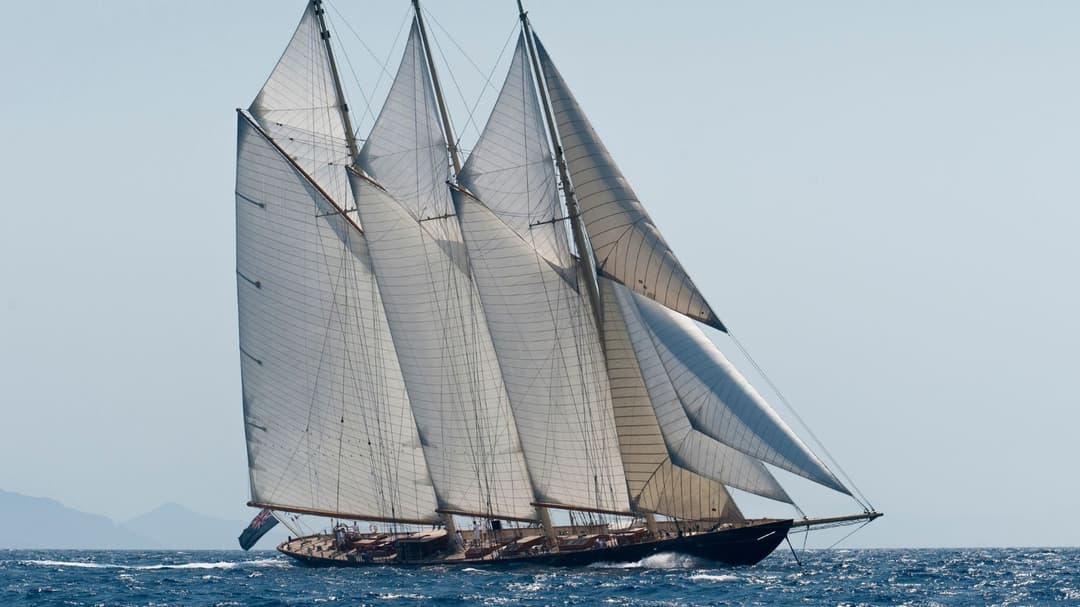
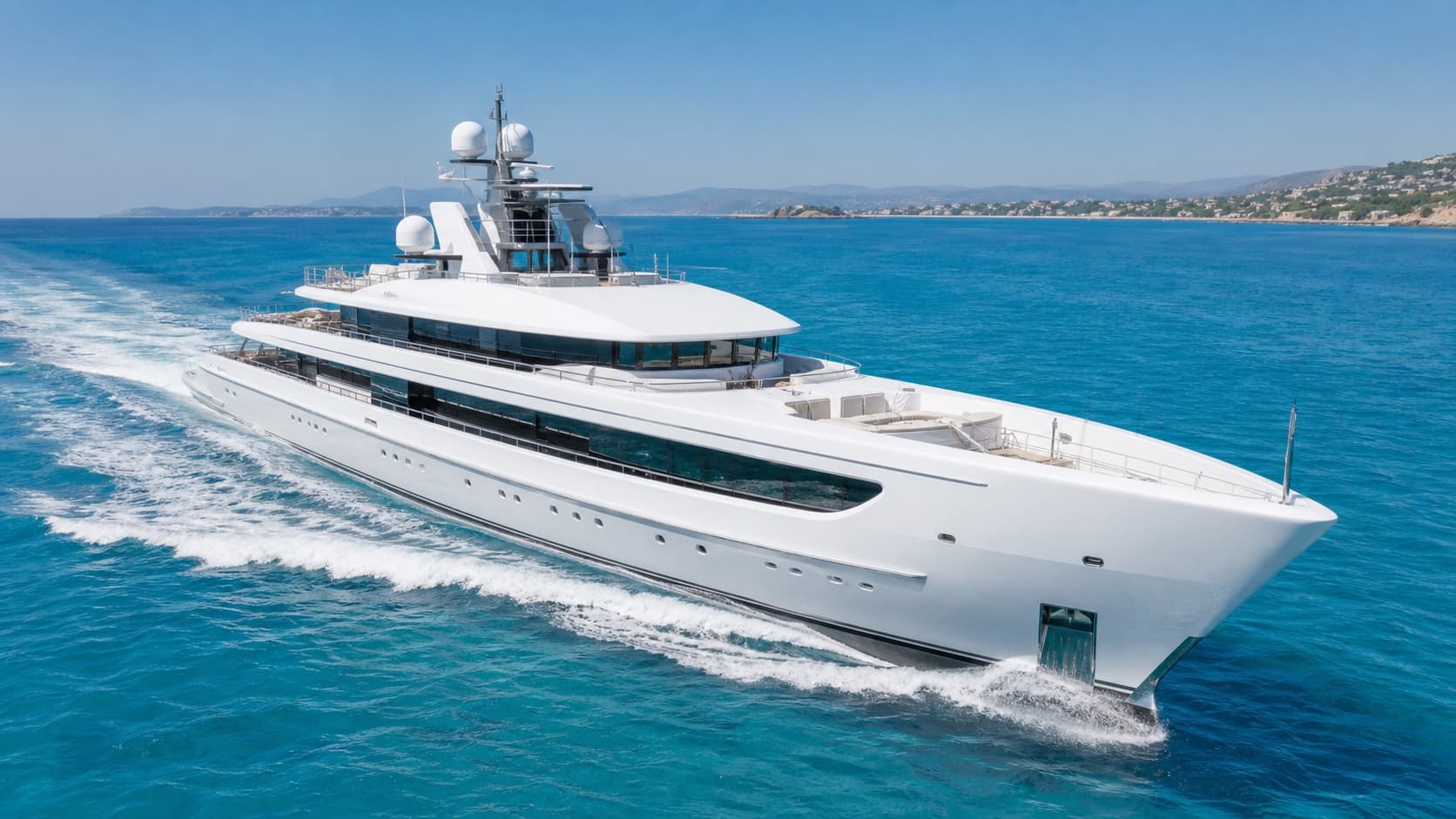
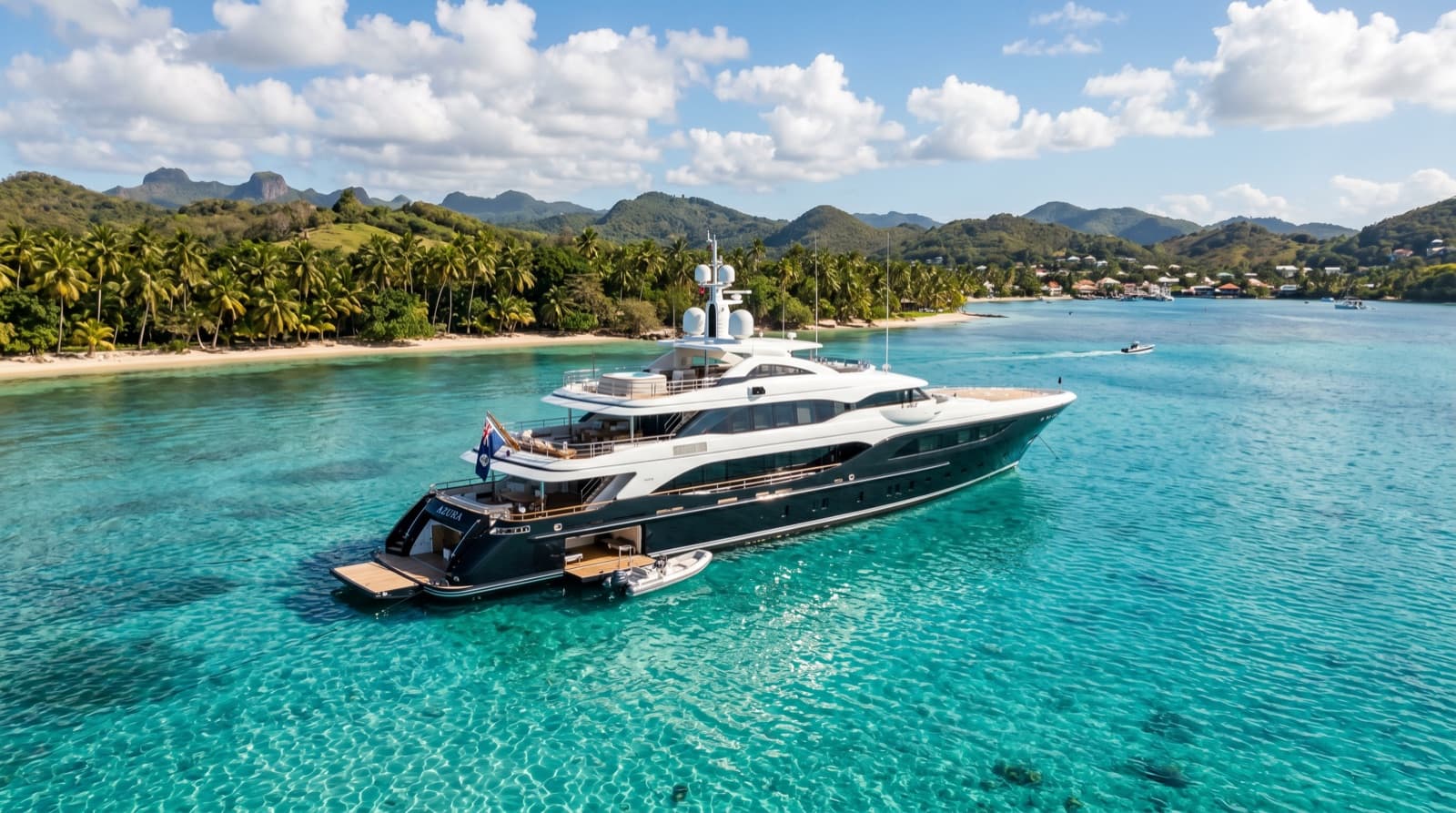
Image courtesy of BERNARD GALLAY Yacht Brokerage
Why Chartering is the New Owning
While new-build sales are healthy, the real engine of this decade's growth is charter. Many HNWIs and UHNWIs are openly moving toward what we hear pitched as the "OPM" mindset — other people's money, other people's maintenance. Instead of tying up capital in one hull, one home port, and one crew payroll, they prefer to charter.
Chartering buys them freedom. They can pick a different yacht for every trip and explore different corners of the map without the long-term liability of an asset that depreciates while sitting idle at the dock. They can charter to follow a particular chef, or a specific tender and toys package, or simply a captain they trust with their family. For this new client, the experience of the trip is more valuable than the deed to the ship.
The other quiet reason is operational. A 60-metre yacht is a small business — crew, flag state, classification, refit cycles, insurance — and a charter contract lets the client outsource all of that to an operator who already runs it as their day job.
Europe and the Greek Factor
Europe remains the undisputed centre of the yachting universe. The master builders of Italy, the Netherlands, and Germany — alongside the rising yards of Turkey — continue to set the standard for what a serious yacht is. The Dutch in particular have built a reputation that explains why every billionaire seems to want a yacht built in the Netherlands: long-range engineering, custom hulls, and a finish quality that holds resale value through cycles.
When summer arrives, the Mediterranean still draws close to 70% of all global yachting activity. Greece, with thousands of islands and a maritime culture older than most of its competitors, is a natural anchor. The opportunity here is obvious. The challenge is equally obvious: as yachts get bigger — many new orders are now hitting the 100-metre mark — local infrastructure has to keep up. Berths, fuel, provisioning, qualified crew, and refit yards capable of handling those hulls are the bottleneck, not demand.
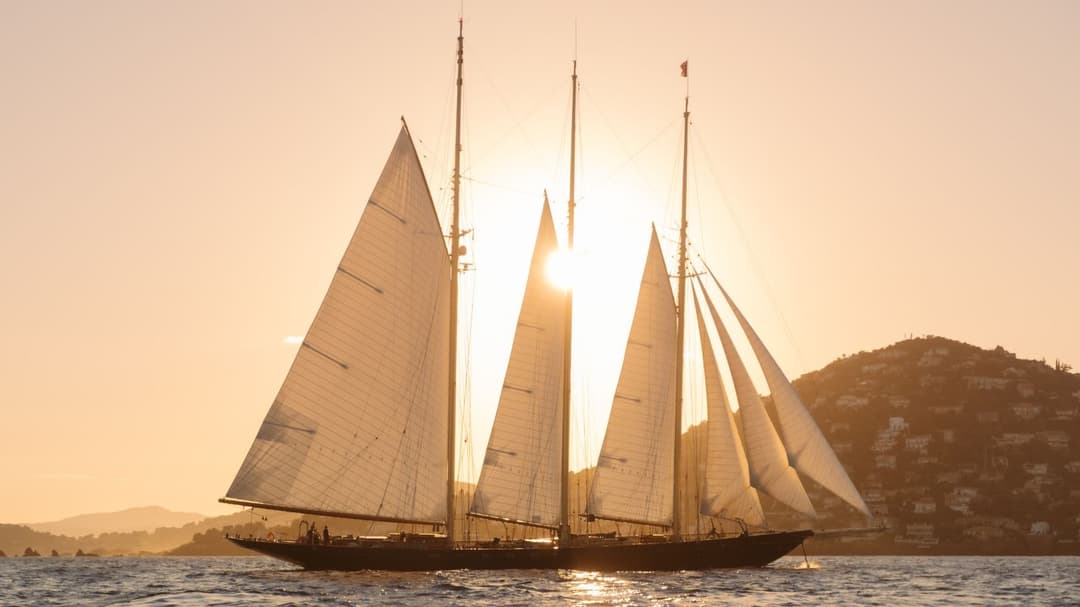
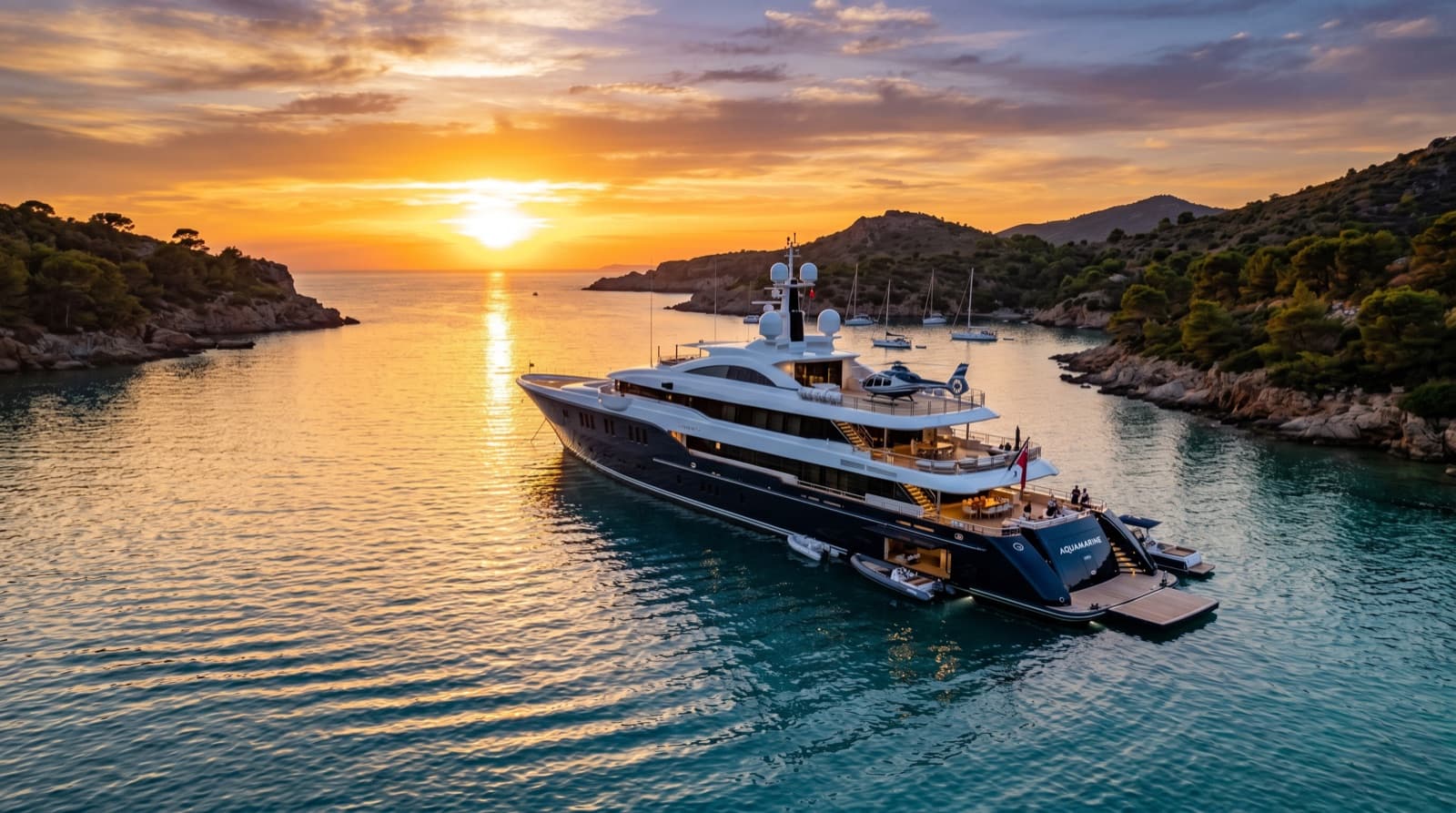
Image courtesy of BERNARD GALLAY Yacht Brokerage
Looking Ahead to 2032
If the $25.7 billion forecast holds, we are looking at a transformed industry by the end of the decade. The superyacht is becoming the ultimate tool for high-value, mobile, hyper-private travel — closer to a moving private estate than a leisure toy. New capital is also entering the supply side from outside Europe, with sovereign-scale projects on the horizon: see the work underway around Saudi Arabia's $30 billion yachting plan and what it could mean for the wider build map.
For destinations like Greece, the question is not whether the clients will arrive. They will. The question is whether our marinas, our service yards, and our crewing pipelines are ready to meet the standards of a younger, tech-fluent, fast-moving elite who expect Monaco-level service in a Cycladic anchorage. The tide is rising. The next decade looks set to be the most consequential chapter yet for life on the water — and the operators who prepare for it now will be the ones writing the invoices in 2032.
Frequently Asked Questions
- How big is the superyacht market expected to be by 2032?
- Projections published by Fortune Business Insights put the global superyacht market at roughly $25.7 billion by 2032, up from about $10.3 billion in 2022. That implies more than a doubling of the sector in a decade, driven by fleet expansion, stronger charter demand, and a younger generation of owners treating yachts as long-stay mobile platforms rather than occasional leisure assets.
- How many superyachts are there in the world today?
- There are now approximately 5,000 yachts over 24 metres afloat globally, a figure that has roughly doubled over the past ten years according to fleet trackers including SuperYacht Times and Boat International. The category covers everything from 24-metre crewed yachts up to the 100-metre-plus mega yachts that increasingly dominate the order books at the top European yards.
- Why are superyacht owners getting younger?
- The average superyacht owner is now about ten years younger than a decade ago, with most buyers in the 30–50 age window. Wealth Report data from Knight Frank shows younger UHNWIs are reaching liquidity events earlier and prioritising experiential, mobile assets sooner. They also expect connectivity, wellness, and personalisation as standard — so the boats themselves are being designed around a more active, work-anywhere lifestyle.
- Is it better to charter a superyacht or own one?
- It depends on usage and appetite for operating risk. Chartering gives clients flexibility — different yachts, different regions, no crew payroll, no refit cycles — which is why a growing share of HNWIs prefer it. Ownership still makes sense for clients who use a yacht heavily, want a fixed crew, or treat the hull as a long-term family asset. Fractional models are emerging as a middle path.
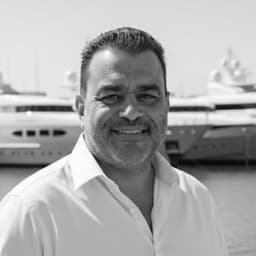
George Kontovassilis
George Kontovassilis is a professional yacht broker and the official representative for Bernard Gallay Yacht Brokerage (BGYB) in Greece. He brings a unique, 360-degree perspective to the luxury yachting sector, combining 30 years of legal expertise with deep operational experience as a skipper and former yacht owner. His background spans over three decades of maritime law and international tax planning, complemented by hands-on vessel management and the coordination of complex refit projects in Greek and Turkish shipyards. He leverages this entrepreneurial insight to manage high-end international portfolios and orchestrate large-scale commercial projects across the Mediterranean and Europe. At BGYB, he contributes strategic insights into the Eastern Mediterranean market, offering VIP clients secure and sophisticated brokerage services that bridge the gap between technical operational needs and complex legal frameworks.