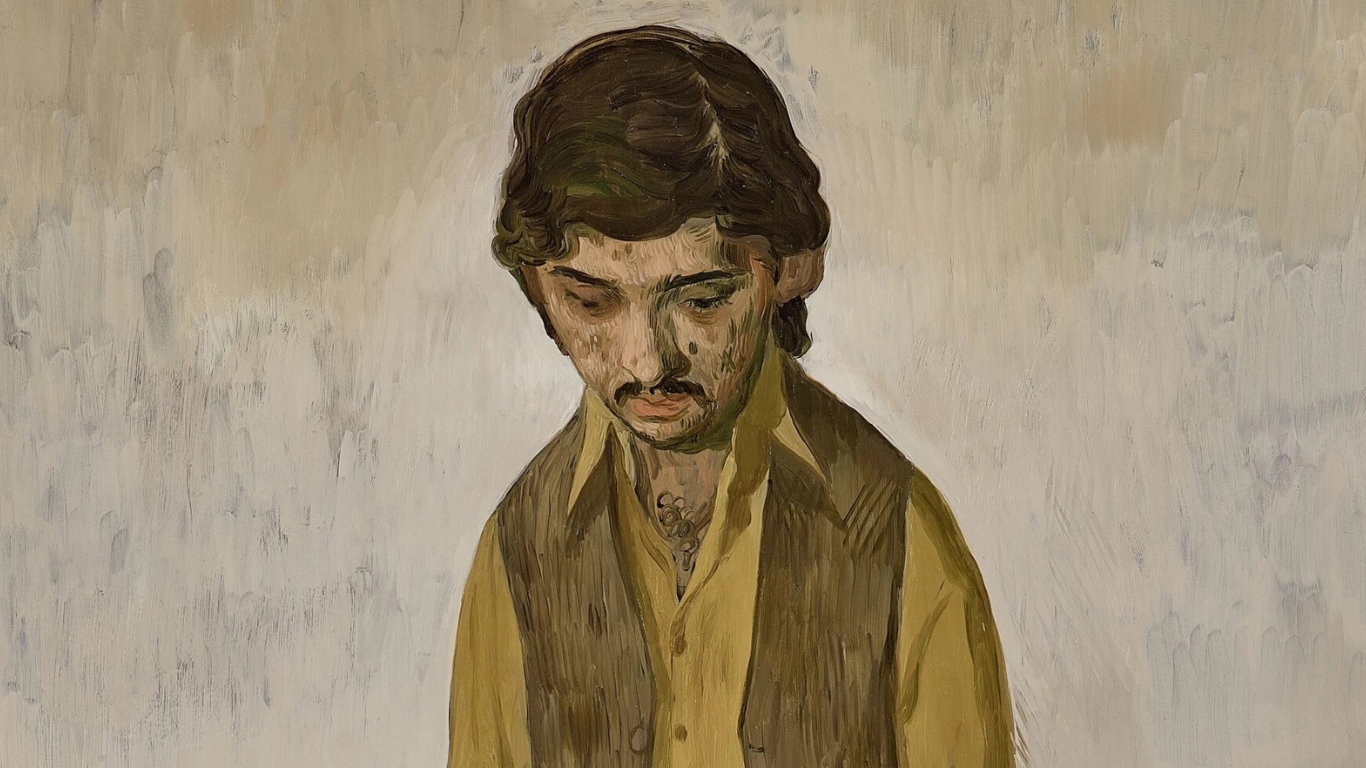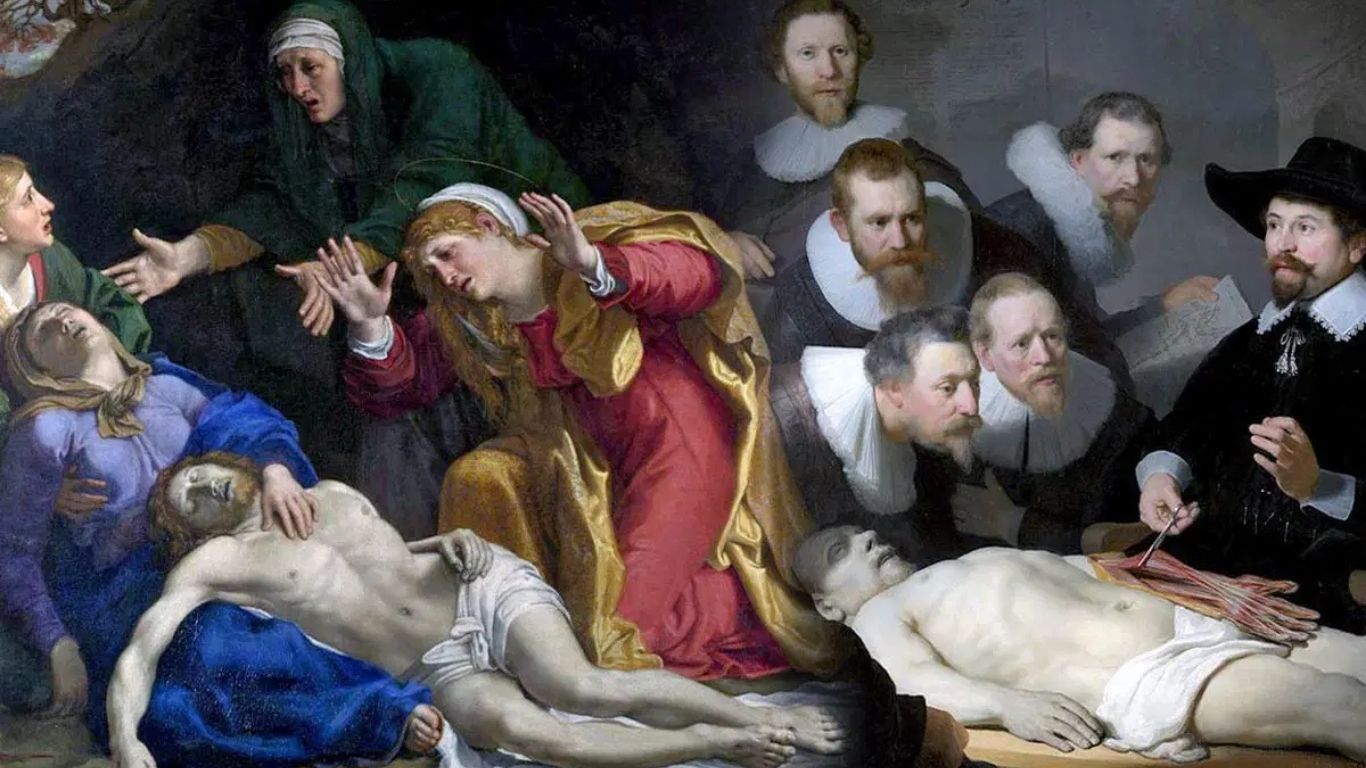
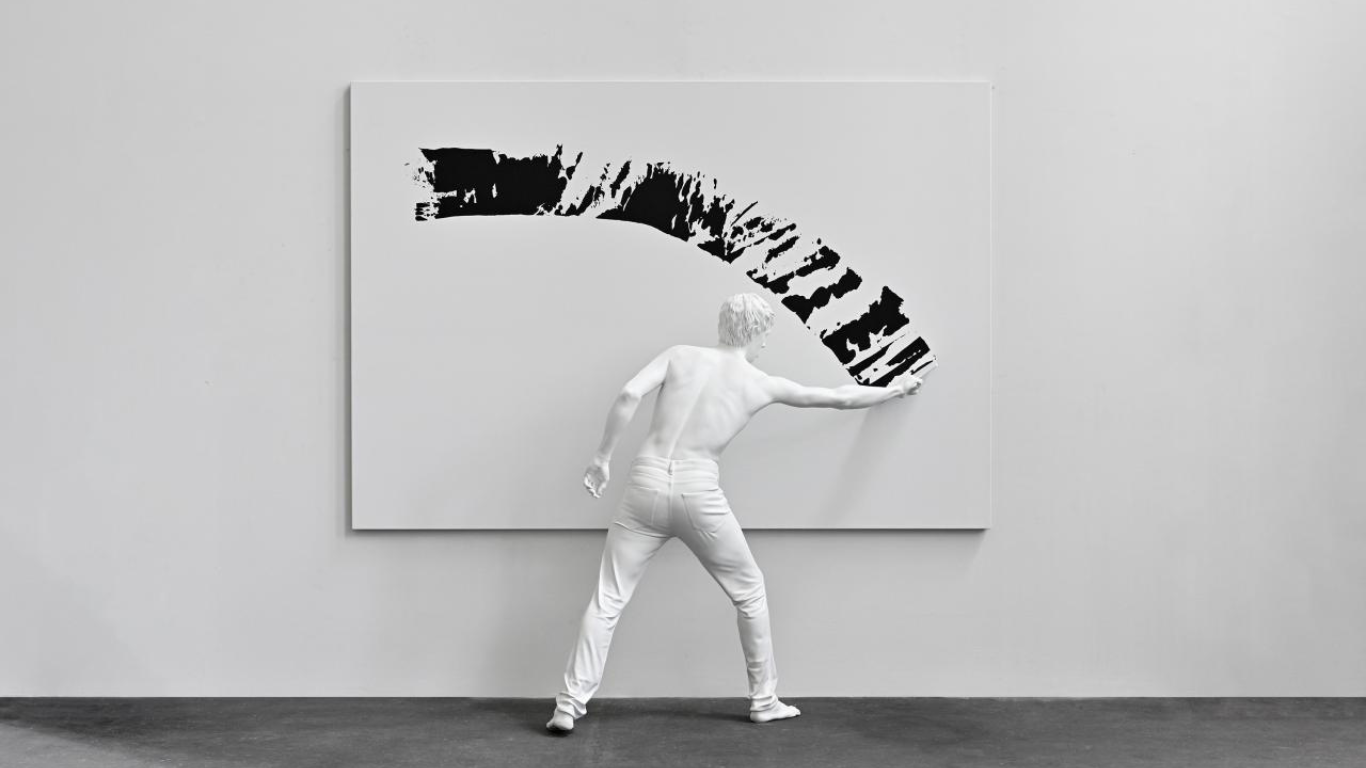

Contemporary art is more than just a visual expression. It captures the world you’re living in right now, holding up a mirror to cultural shifts, societal concerns, and technological change. The field never stands still, constantly pushing boundaries and redefining what art can actually be. And while contemporary art spans a breathtaking spectrum of styles and mediums, its significance reaches well beyond creativity into territory that should matter to you as an investor.
The contemporary art market has grown substantially over recent decades, driven by surging collector interest, record-breaking auction results, and the explosive rise of digital art and NFTs. As traditional assets swing through volatility, plenty of high-net-worth individuals and institutional investors have turned to art as a serious alternative. Some contemporary works have shown impressive long-term appreciation, with certain artists’ pieces fetching millions at auction and delivering returns that would make even seasoned stock pickers take notice. If you’re thinking about the best types of art to invest in, contemporary is a category worth understanding deeply.
Table of Contents
What Is Contemporary Art
Contemporary art refers to work created by living artists, or pieces produced from the mid-to-late 20th century through to today. Unlike earlier art movements, which were often locked into rigid stylistic conventions, contemporary art is defined by its diversity, innovation, and conceptual depth. It doesn’t follow a single aesthetic. Instead, it embraces a broad range of styles, themes, and mediums, making it one of the most dynamic and frankly unpredictable segments of the art world you’ll encounter.
At its core, contemporary art acts as a mirror to modern society, exploring identity, technology, globalization, social justice, and environmental concerns. It regularly challenges traditional notions of beauty, representation, and artistic intent, favoring conceptual approaches, interdisciplinary experimentation, and audience participation. Unlike classical or modern art, contemporary pieces frequently blur the lines between art, performance, technology, and social commentary in ways that can feel genuinely disorienting at first.
One defining feature of contemporary art is its willingness to engage with the present moment, reflecting political, cultural, and technological shifts as they happen. Artists working today draw not only from historical traditions but also from media, science, global events, and digital culture. The result is work that feels alive in a way that older movements simply can’t replicate.
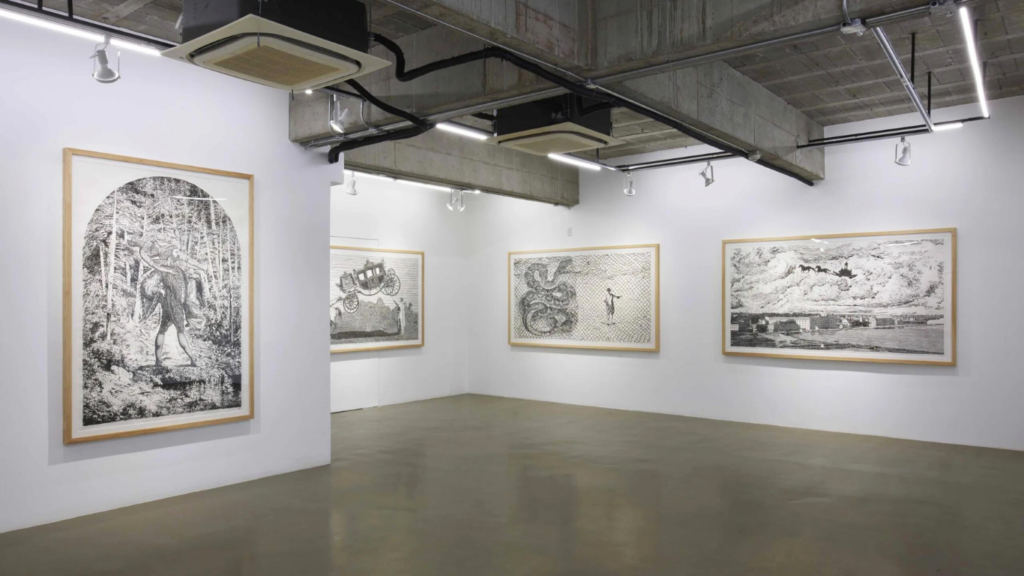
Historical Evolution of Contemporary Art
Contemporary art didn’t emerge in isolation. It evolved from a long history of artistic experimentation and cultural transformation. Its roots trace back to the mid-20th century, when modernist movements like Abstract Expressionism and Pop Art laid the foundation for a more experimental, concept-driven approach. These movements rejected rigid traditions and introduced a new emphasis on personal expression, abstraction, and mass culture that would shape everything that followed.
The 1960s and 1970s were pivotal decades, seeing the emergence of Conceptual Art, Minimalism, and Performance Art. Artists such as Marcel Duchamp, Donald Judd, and Marina Abramović challenged the notion of art as a physical object, shifting the focus toward ideas, processes, and audience interaction. This period also brought Land Art, Video Art, and Installation Art into the conversation, expanding artistic expression well beyond conventional painting and sculpture.
By the 1980s and 1990s, contemporary art had fully embraced globalization, digital technology, and new media. The rise of Postmodernism blurred the lines between high art and popular culture, opening the door to playful, ironic, and politically engaged works. Artists like Jeff Koons, Jean-Michel Basquiat, and Cindy Sherman challenged societal norms through appropriation, satire, and identity politics, and the art world’s commercial energy reached a fever pitch that echoes how earlier movements eventually shaped art markets.
The 21st century ushered in a new era defined by digital innovation, globalization, and the democratization of artistic creation. With the advent of NFTs, AI-generated art, and interactive installations, contemporary artists now explore themes like climate change, social justice, and technology’s impact on human experience. The art world has become deeply interconnected, with emerging artists from Africa, Asia, and Latin America gaining serious prominence on the global stage.
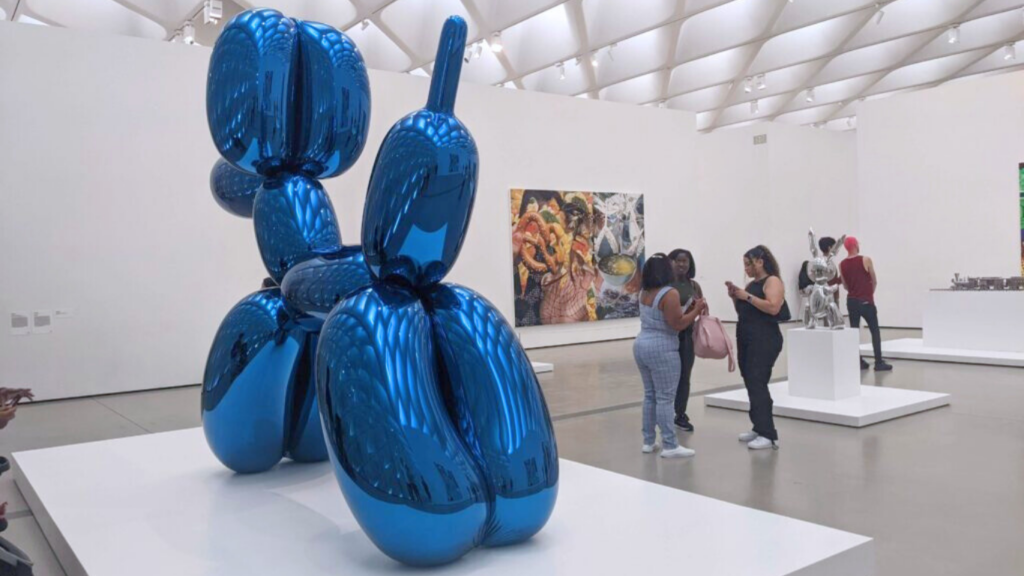
Types of Contemporary Art
Contemporary art is a vast and diverse field, encompassing multiple artistic styles, mediums, and approaches. Unlike earlier movements, which often followed specific guidelines, contemporary artists explore a wide range of techniques and materials. The result is a broad and sometimes bewildering classification of artistic forms that you’ll need to navigate if you’re serious about collecting or investing.
- 1. Painting and Drawing: Despite the rise of digital media, traditional forms of art like painting and drawing remain fundamental to contemporary artistic practice. Artists experiment with new techniques, unconventional materials, and mixed media, pushing the boundaries of how these mediums are perceived. Abstract, figurative, and hyper-realistic works all coexist, with artists such as Gerhard Richter and Cecily Brown redefining the possibilities of painting in the modern era.
- 2. Sculpture: Contemporary sculpture extends beyond classical stone and bronze to include industrial materials, found objects, and large-scale installations. Artists like Anish Kapoor and Ai Weiwei create works that challenge spatial perception, often incorporating reflective surfaces, unconventional shapes, or interactive elements that engage the viewer.
- 3. Photography: Photography has gained recognition as a legitimate fine art form, with artists using the medium to explore social, political, and personal themes. Contemporary photographers such as Cindy Sherman and Andreas Gursky manipulate images to create narratives that blur the line between reality and fiction, offering thought-provoking commentary on identity, consumerism, and global landscapes.
- 4. Digital and New Media Art: Advancements in technology have given rise to digital and new media art, where artists use AI, virtual reality (VR), augmented reality (AR), and generative algorithms to create immersive experiences. The recent explosion of NFT (non-fungible token) art has also revolutionized the art market, allowing artists to sell digital works with verifiable ownership. Artists like Beeple and Refik Anadol are at the forefront of this digital transformation.
- 5. Installation Art: Installation art is an immersive experience that transforms spaces into conceptual environments. These large-scale works invite viewers to engage with the artwork physically and emotionally. Notable artists like Yayoi Kusama and Olafur Eliasson create sensory-rich experiences, using light, mirrors, and organic materials to evoke deep introspection.
- 6. Performance Art: In performance art, the artist’s body becomes the medium, often exploring themes of endurance, identity, and societal critique. These works challenge the audience’s role in art and can be fleeting, existing only in documentation. Marina Abramović is one of the most well-known figures in this field, using her body as a canvas for psychological and physical experimentation.
- 7. Conceptual Art: Conceptual art prioritizes ideas over aesthetic form, often using text, diagrams, and found objects to challenge traditional artistic values. Artists like Sol LeWitt and Joseph Kosuth have emphasized that the artistic concept itself is the work, shifting focus from tangible objects to intellectual engagement.
- 8. Street Art and Graffiti: Once dismissed as vandalism, street art and graffiti have now gained acceptance as influential forms of contemporary expression. Artists like Banksy and JR use urban spaces to create powerful, politically charged works that address issues such as consumerism, war, and social injustice.
- 9. Video Art and Film: Video art emerged as an alternative to traditional cinema, allowing artists to experiment with narrative structures, visual distortion, and audience interaction. Contemporary video artists like Bill Viola use slow-motion imagery and digital manipulation to explore themes of time, spirituality, and human consciousness.
- 10. Environmental and Eco-Art: With growing awareness of climate change, environmental art has become an important movement in contemporary practice. Artists like Agnes Denes and John Gerrard create site-specific works that engage with the landscape, addressing issues of sustainability and human impact on nature.
Key Themes in Contemporary Art
Contemporary art is a constantly evolving field that reflects the complexities of modern life. Unlike earlier movements that followed distinct styles or schools of thought, what defines contemporary art today is its diversity and its willingness to engage with pressing social, political, and technological issues head-on. Artists working right now explore a wide range of themes, using every medium available to challenge perceptions and provoke thought.
One of the most prevalent themes is identity and self-expression, where artists examine race, gender, sexuality, and cultural heritage. Through photography, painting, and performance, they challenge traditional representations and redefine what it means to be seen. Artists like Kara Walker and Kehinde Wiley create works that highlight historical narratives and explore Black identity, while others use self-portraiture to navigate deeply personal questions of belonging.
The impact of globalization and migration has also shaped contemporary artistic practices in profound ways. With increasing cultural exchanges and transnational movement, artists address displacement, diaspora, and the blending of traditions. Works by artists like Ai Weiwei critique forced migration, border policies, and human rights violations, while others explore how cultural hybridity influences artistic expression in ways that resonate well beyond gallery walls.
Technology has become an inseparable part of contemporary life, and this is reflected in art that engages with digital culture and artificial intelligence. The rise of NFTs, generative art, and AI-assisted creativity has expanded the definition of art, raising genuine questions about authorship, originality, and ownership. Artists like Refik Anadol and Beeple incorporate machine learning and immersive digital installations, transforming how audiences interact with art in both physical and virtual spaces.
Environmental concerns have gained real prominence too, with many contemporary artists using their work to address climate change, sustainability, and the fragility of ecosystems. Large-scale installations by artists like Olafur Eliasson create immersive experiences that highlight the urgency of environmental crises, while others incorporate recycled materials to promote ecological awareness. These works don’t just raise awareness. They position art as a genuine vehicle for social responsibility.
Beyond environmental activism, contemporary art acts as a powerful platform for social and political critique. Artists challenge institutional power, government policies, and economic systems through works that expose corruption, inequality, and systemic injustice. Figures like Banksy and Barbara Kruger use satire and bold visual messaging to confront consumerism, media control, and state violence, making political statements accessible to audiences who might never set foot in a traditional gallery.
A growing fascination with consumerism and mass media has also influenced many contemporary works. Artists like Jeff Koons and Takashi Murakami blur the line between fine art and commercial culture, critiquing society’s obsession with luxury, branding, and celebrity influence. The role of social media in shaping perceptions of value and identity is another recurring theme, with many artists questioning the commodification of self-image and online personas.
Memory and history are equally powerful themes. Many artists use their work to examine historical trauma, war, and colonial legacies, bringing hidden narratives to light. Artists like Doris Salcedo and Anselm Kiefer create deeply evocative pieces that reflect on violence, loss, and the weight of history, ensuring that past injustices are neither forgotten nor quietly buried.
The human body itself has become a central medium in contemporary art, particularly in performance and endurance-based works. Artists like Marina Abramović push the limits of physical and psychological endurance, testing the boundaries between artist and audience in ways that can be genuinely unsettling. Through live performances, artists challenge norms around vulnerability, pain, and the relationship between the body and the space it occupies.
The impact of post-colonialism and cultural identity on contemporary art is profound, with artists from Africa, Latin America, and Asia reclaiming histories that were long marginalized. Figures like El Anatsui and Yinka Shonibare use traditional materials and symbols to recontextualize colonial narratives, merging past and present in powerful visual statements. Their work challenges Eurocentric perspectives and pushes hard on the question of representation in art.
Interactivity has also emerged as a defining characteristic of contemporary art, moving well beyond passive observation to create participatory and immersive experiences. Artists like Yayoi Kusama design installations where you literally step into infinite mirrored spaces, while others invite you to directly engage with their work. This shift toward interactivity reflects a broader cultural movement that values engagement, dialogue, and shared experience over quiet contemplation.
Influential Artists in Contemporary Art
Within contemporary art, certain artists stand apart. They’ve built reputations on genuinely innovative approaches and a measurable impact on how the market thinks about value and creativity. Their contributions have shaped modern artistic culture and created a diverse, dynamic environment that keeps serious collectors and investors paying close attention.
- Jackson Pollock: Jackson Pollock transformed abstract expressionism with his drip paintings. He introduced a new visual language that diverged from traditional forms. By dripping and splattering paint, Pollock opened new doors for artistic expression. He is now seen as one of the most influential figures of his era. His art allows viewers to dive into a world of colors and lines.
- Robert Irwin: Robert Irwin’s art makes us reconsider our perceptions of reality, focusing on light and space. His installations change environments into meditative experiences. These alter our perceptions of space and light. Irwin’s work shows the value of experience beyond the physical object. He is a key figure among artists exploring sensory perception.
- Yves Klein: Yves Klein is famous for his monochrome paintings and performance art. He explored the concept of art’s immateriality. His International Klein Blue (IKB) and anthropometry performances were groundbreaking. Through these, he used the human body as a brush. Klein’s work encourages artists to explore unconventional mediums and ideas.
When you look closely at the most significant artists working today, you find a remarkably diverse array of approaches and a real range of impacts on the broader art scene. Here are some standout figures and what makes their achievements worth knowing about.
| Artist | Notable Achievement |
|---|---|
| Liu Xiaodong | Known for his strong brushwork, rich colors, and precise forms |
| Cecily Brown | Influenced the resurgence of painting at the turn of the millennium |
| Miquel Barcelo | Broke his auction record with a sale for $2.2 million |
| Njideka Akunyili Crosby | Pieces sold for more than $3 million in a year |
| Zhou Chunya | Youngest artist to top the Hurun Art List in 2013 |
| Thomas Schütte | Opened his own private museum in 2016 |
Contemporary Art Trends
As artists experiment with new mediums and push creative boundaries, certain trends have emerged that are reshaping how art is created, consumed, and valued in the market. If you’re thinking about where to focus your attention as a collector or investor, these are the currents you need to understand.
One of the most significant trends is the rise of digital and NFT art. With blockchain technology enabling artists to sell digital works with verifiable ownership, NFTs have genuinely shaken up the art market in ways that even skeptics can no longer dismiss. Digital artists like Beeple and Refik Anadol are pioneering this space, creating works that incorporate AI, generative algorithms, and immersive visuals. While NFT markets have experienced real volatility, blue-chip digital artists continue to attract serious collectors and institutional investors, which signals the long-term viability of blockchain-based art as an asset class.
Another clear trend is the surging demand for experiential and immersive art. Audiences today want more than static works on a wall. They want art they can actually move through and interact with. Installations like Yayoi Kusama’s Infinity Rooms and Olafur Eliasson’s large-scale light installations transform gallery spaces into multisensory experiences. These works regularly become social media phenomena, boosting artist visibility and driving market demand. Museums and private collectors are now actively prioritizing immersive pieces, recognizing their power to engage audiences and enhance the overall value of a collection.
Eco-conscious and sustainable art has also gained real traction, reflecting the global conversation around environmental issues. Artists are increasingly using recycled materials, natural elements, and biodegradable substances to create thought-provoking works. Figures like Agnes Denes and John Gerrard highlight themes of climate change, deforestation, and industrialization. As sustainability becomes a focal point across industries, artworks that engage with environmental themes are well-positioned for continued relevance and investment appeal.
At the same time, the art world is experiencing a meaningful shift toward inclusivity and representation. Historically underrepresented artists, particularly those from African, Latin American, and Indigenous backgrounds, are receiving serious attention from collectors and institutions. Works by artists like Amoako Boafo, Tunji Adeniyi-Jones, and Zanele Muholi are driving increased demand and higher auction prices. As museums diversify their collections, these artists are becoming long-term fixtures in the market and genuinely valuable acquisitions. This is also a moment where policy changes affecting the art market could reshape how and where you acquire such works.
Another key development is the hybridization of art and technology, particularly in AI-generated and interactive art. Artists are using machine learning, data visualization, and virtual reality to explore new creative frontiers. AI-generated paintings and algorithmic compositions challenge traditional notions of authorship and originality, raising real questions about where technology ends and human creativity begins. As AI-driven art gains legitimacy in galleries and at auction, it presents fresh opportunities for collectors looking to get ahead of the next major wave.
Finally, there’s a renewed appetite for collectible contemporary photography and figurative painting. While abstract and conceptual art have long dominated the market, collectors are increasingly drawn to strong, narrative-driven works. Photography by artists like Cindy Sherman and Andreas Gursky continues to command serious prices at auction, while figurative painters like Amoako Boafo and Salman Toor are redefining portraiture with vivid storytelling and genuine cultural depth.
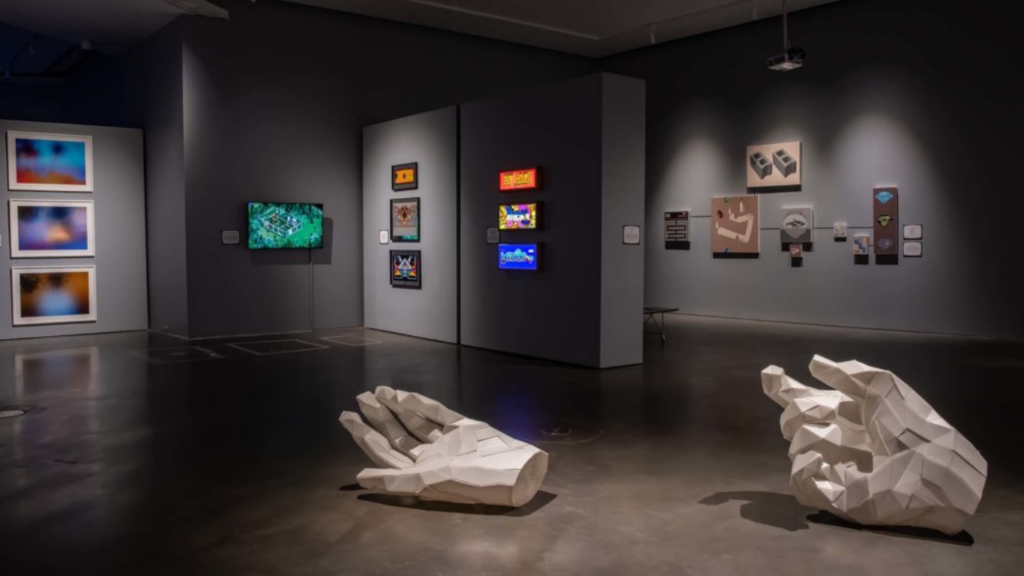
Contemporary Art Market Outlook
The contemporary art market has gone through notable transformations in recent years, presenting both real challenges and genuine opportunities for investors. Here’s an updated read on where the market stands, with a focus on what actually matters from an investment perspective.
In 2024, the global art market experienced a contraction. Auction sales for Old Masters, Impressionist, Modern, Post-War, and Contemporary Art at major auction houses totaled over $4 billion, reflecting a decline from previous years. Geopolitical uncertainties, economic headwinds, and a more cautious approach from collectors all contributed to that pullback.
But certain segments showed real resilience. The Prints and Multiples sector saw an 18% increase in sales, driven by the availability of works at more accessible price points. That tells you something important. There’s a growing appetite among collectors who want a foothold in the market without committing to the very top tier.
The digital transformation of the art market keeps reshaping how people invest and collect. Online platforms have expanded accessibility and pulled in a genuinely global audience. In 2024, the average total sales per gallery on Artsy increased by 15% year-over-year, reaching the highest mark since 2021. Digital channels are no longer a secondary option. They’re where a significant share of transactions are now happening.
After a 20 to 30% slowdown in the art market in 2024, private sales have emerged as a key growth driver heading into 2026. Valued for their discretion and flexibility, these transactions cater to the specific needs of both buyers and sellers in ways that public auctions simply can’t. Major houses like Christie’s and Sotheby’s have made private sales a clear priority, viewing them as the right way to retain high-end clientele while reducing the costs tied to public auction spectacle. If you’re serious about building a portfolio of alternative assets, understanding how private art sales work is worth your time.
The market has also become more fragmented due to geopolitical tensions and emerging trade barriers. Countries like Saudi Arabia, India, and China are strengthening their positions as regional art hubs, attracting local collectors and investors with real buying power. This fragmentation reflects a broader shift toward localized art markets shaped by regional economic and cultural dynamics that are worth tracking if you’re thinking globally.
Art keeps earning its place as a viable investment asset class. Over the past 25 years, Post-War and Contemporary Art have delivered an annual return of 13.8%, outperforming many traditional investments over that same stretch. Blue-chip artists, those with established reputations and consistent collector demand, offer more reliable returns with considerably lower risk than betting on emerging names.
That said, you should approach art investment with clear eyes. The market’s unpredictable nature, shaped by subjective judgments on exclusivity, authenticity, and desirability, means that the best art investments tend to come from genuine passion first and financial calculation second. Buy what moves you, understand what you’re buying, and let the returns follow.
FAQ
How does contemporary art differ from modern art?
Modern art (circa 1860–1970) focused on breaking away from classical traditions, embracing abstraction, and experimenting with color, form, and technique. Contemporary art, emerging from the 1970s onward, builds upon these innovations but incorporates new media, digital technology, and global cultural influences, often tackling themes such as identity, globalization, and environmental concerns.
Why is contemporary art valuable for investment?
Contemporary art has become a strong alternative investment asset, often delivering high returns due to its exclusivity and cultural relevance.
Which contemporary artists have the best investment potential?
Artists with strong market performance and institutional recognition tend to be the most promising investments. Names such as Gerhard Richter, Yayoi Kusama, Banksy, Jeff Koons, Kerry James Marshall, and Cindy Sherman have consistently shown value appreciation. Additionally, emerging artists like Amoako Boafo and Tunji Adeniyi-Jones have gained traction, making their works attractive to collectors seeking early-stage investments.