
Investing has come a long way from the days of simply picking stocks and bonds. Today, your options stretch far beyond traditional markets, and one of the most compelling corners of this world is fractional art investing. What was once a privilege reserved for the ultra-wealthy is now accessible to a much wider range of investors. Through fractional shares, you can own a stake in museum-quality masterpieces without needing a nine-figure net worth to get started.
Think of it this way. Instead of writing a single check for a multimillion-dollar Picasso or Basquiat, you buy in alongside other investors, each of you holding a proportional share of the piece. The barriers that once made fine art feel untouchable are coming down fast. And as the global art market keeps climbing, fractional ownership is reshaping how serious investors think about alternative assets.
Table of Contents
What Is Fractional Art Investing (Fractional Art Shares)
At its core, fractional art investing works a lot like owning shares in a publicly traded company. A single multimillion-dollar artwork gets divided into smaller equity stakes, and you buy in for the portion you can afford. These shares are typically securitized, meaning they go through a regulatory process overseen by financial authorities like the U.S. Securities and Exchange Commission, which adds a layer of transparency and investor protection that you would not get in a private art deal.
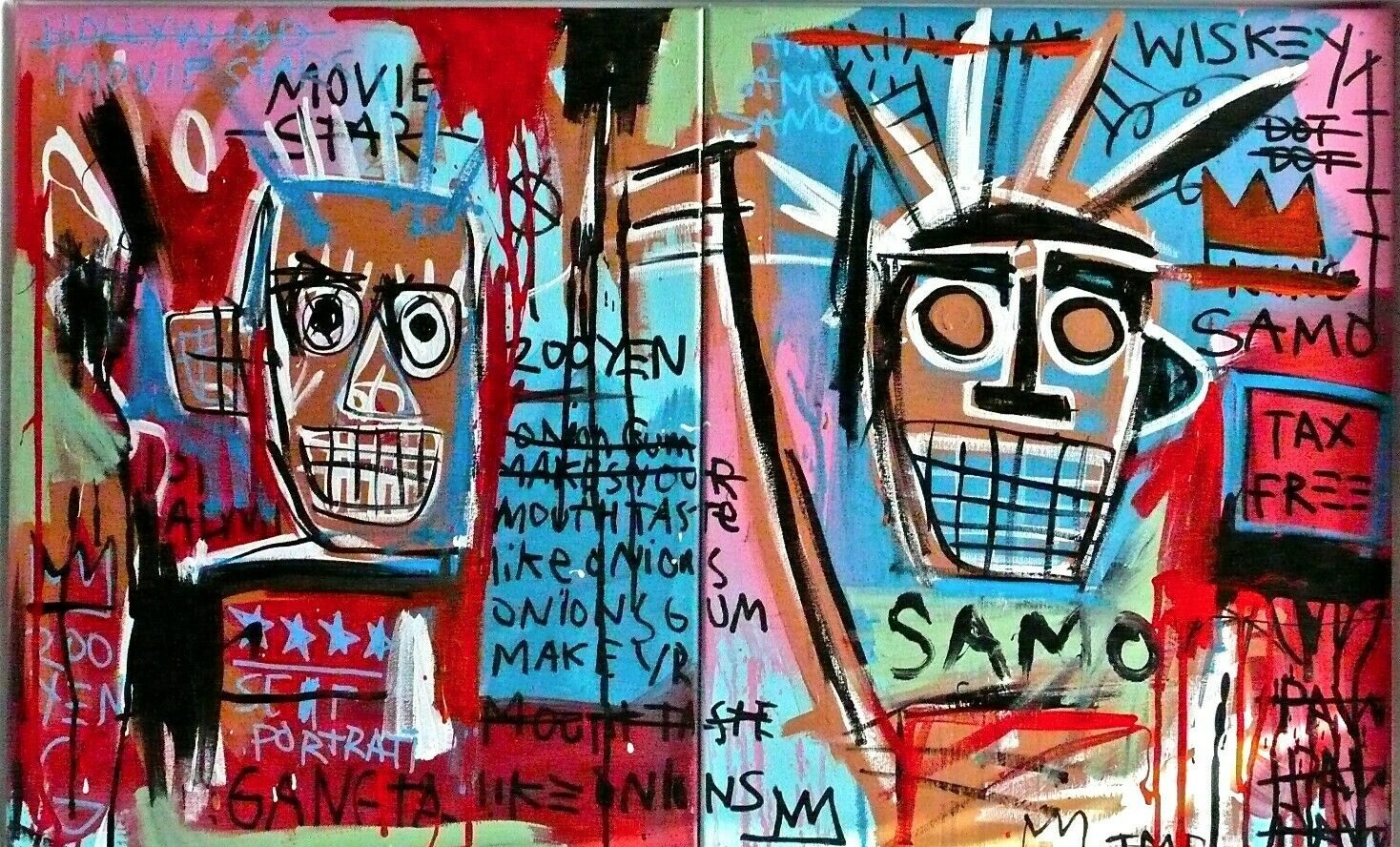
Picture a Jean-Michel Basquiat painting valued at $10 million. Rather than finding one buyer with $10 million to spare, a fractional investment platform acquires the artwork, breaks it into shares, and opens it up to investors. If that painting gets divided into 10,000 shares priced at $1,000 each, you can step in for as much or as little as you like, gaining exposure to the piece’s potential upside without needing to own the whole thing.
This model opens the art market to institutional investors, high-net-worth individuals, and retail investors alike. Art has historically delivered competitive long-term returns, with the right works appreciating dramatically over decades. That track record is exactly what makes fine art such an appealing addition to a diversified portfolio.
How Fractional Art Investing Works
Fractional art ownership follows a structured process that turns high-value artworks into regulated financial assets. Multiple investors purchase shares in a single piece, making fine art investment far more accessible while keeping everything legally compliant, professionally managed, and potentially liquid.
Here is how the fractionalization process actually unfolds, step by step.
1. Acquisition of Investment-Grade Artworks. The first stage is identifying and acquiring the right piece. Investment platforms work alongside art advisors and market analysts to select works based on a set of key criteria, covering provenance, artist reputation, auction history, and long-term demand.
- Artist Reputation: Works by blue-chip artists—such as Picasso, Warhol, and Basquiat—are preferred due to their strong track records of value appreciation.
- Market Demand: The artwork’s previous auction results and interest from collectors are considered indicators of its future performance.
- Provenance and Authenticity: The piece must have a verifiable history of ownership and certification to confirm its legitimacy.
- Condition and Rarity: Well-preserved artworks, especially those from notable periods in an artist’s career, tend to command higher prices over time.
Once the platform identifies a suitable piece, it purchases the artwork outright, typically through auction or a private sale.
2. Securitization and Fractionalization. After acquisition, the artwork goes through securitization, converting it into a regulated investment vehicle. This involves creating a legal entity around the asset, filing with the relevant financial regulators, and establishing the governance structure that protects your rights as a shareholder.
- Legal Structuring: The artwork is placed into a corporate entity (such as an LLC or trust), with shares representing ownership units in that entity.
- Regulatory Compliance: Many platforms file the investment offering with the U.S. Securities and Exchange Commission (SEC) or equivalent regulatory bodies to ensure transparency and investor protection.
Once securitized, the artwork gets divided into thousands of shares, which are then listed on the platform for sale. You purchase shares at a set price and gain proportional ownership of the piece from that point forward.
To make this concrete, say a $12 million Monet gets fractionalized into 12,000 shares. At $1,000 per share, you could pick up 10 shares for $10,000 and hold a small but real stake in the asset.
3. Holding Period and Asset Management. Once you own shares, the artwork enters a holding period, typically lasting 3 to 10 years depending on the platform’s strategy. The piece stays in a museum-grade storage facility under carefully controlled environmental conditions. During this time, you are not collecting dividends or passive income. The play here is capital appreciation, with profits realized when the artwork eventually sells at a higher valuation.
Some platforms offer a secondary market where you can trade your shares before the final sale event. That said, liquidity on these secondary markets varies widely depending on the platform and overall demand at any given time.
4. Sale and Profit Distribution. At the end of the investment term, the platform sells the artwork through a private sale, auction, or institutional acquisition. If the piece has appreciated, you receive a proportionate share of the proceeds after platform fees and commissions are deducted.
To put real numbers to it, say a $10 million painting sells for $14 million. An investor who originally put in $5,000 worth of shares would see a 40% return on investment before fees. That is a meaningful gain on a tangible, culturally significant asset.
This structured approach keeps fractional art ownership transparent and regulated, giving you genuine exposure to the high-end art market without the burden of physically owning or managing the work yourself.
Pros and Cons of Fractional Art Investing
Fractional art ownership gives you a real shot at the fine art market without needing deep pockets to get in the door. But like any investment, it comes with both genuine upside and real risks. Knowing both sides of the equation is what separates smart investors from ones who get caught off guard.
Advantages of Fractional Art Investing
- Accessibility to High-Value Art: Traditionally, fine art investment has been reserved for high-net-worth individuals, institutions, and private collectors with the financial resources to acquire entire artworks. Fractional ownership removes this barrier by allowing investors to purchase shares in blue-chip artworks, making art investment accessible to a broader audience.
- Portfolio Diversification: Art has historically demonstrated low correlation with traditional financial markets such as stocks and bonds, making it a valuable diversification tool. During periods of economic instability, the fine art market has often remained resilient, offering investors an alternative store of value.
- Professional Management: Unlike direct art ownership, which requires expertise in storage, insurance, and market timing, fractionalized art investments are managed by experienced professionals. These platforms handle acquisition, authentication, preservation, and eventual sale, ensuring that investors do not need to navigate the complexities of the art world themselves.
- Potential for Appreciation: Historically, artworks by established artists have demonstrated significant long-term value appreciation. According to market data, fine art has yielded an average annual return of 7–10% over the past several decades, outperforming some traditional asset classes in certain economic cycles.
- Secondary Market Liquidity: Some fractional art investing platforms provide a secondary market, where investors can trade shares before the final sale of the artwork. This feature enhances liquidity, allowing investors to exit their positions early if market conditions permit.
Disadvantages of Fractional Art Investing
- Limited Liquidity: While some platforms offer a secondary market, fractional art ownership remains less liquid than publicly traded assets such as stocks. Investors may need to wait several years for the final sale of the artwork to realize returns, and demand for secondary market trading can fluctuate.
- Market Volatility and Uncertainty: Art values are influenced by factors such as auction trends, collector demand, and broader economic conditions. While blue-chip art has historically appreciated, individual artworks can be subject to fluctuations in value, particularly in a changing economic landscape.
- Management Fees and Transaction Costs: Fractional art investment platforms typically charge management fees, storage fees, insurance costs, and transaction commissions. These expenses can reduce net returns, making it essential for investors to factor in costs before committing capital.
- Lack of Physical Ownership and Control: Investors in fractional art ownership do not receive physical possession of the artwork and have limited decision-making power regarding its sale. This differs from direct art ownership, where collectors can choose when and how to liquidate their assets.
- Regulatory and Compliance Risks: Since fractional art investing involves securitized financial assets, platforms must comply with regulatory frameworks, which vary by jurisdiction. Changes in securities laws, tax policies, or platform regulations could impact the investment landscape over time.
Popular Art Investment Platforms
As fractional art investing picks up speed, a handful of platforms have emerged as the ones worth paying attention to. These platforms handle the acquisition, securitization, and fractionalization of high-value works, giving you access to blue-chip art without needing to buy the whole piece. Each one operates under its own investment model, regulatory structure, and liquidity setup, so it pays to understand the differences before you commit.
Here are the most prominent platforms currently active in the fractional art investment space.
Masterworks. Masterworks is widely considered the leading name in fractional art investing. Founded in 2017, the platform focuses on acquiring blue-chip artworks and offering shares through SEC-regulated filings, which means your investment goes through a formal, audited process.
- Investment Focus: Modern and contemporary art from renowned artists such as Banksy, Basquiat, and Warhol.
- Minimum Investment: Typically starts at $10,000, though it varies depending on the artwork.
- Liquidity: Offers a secondary market, allowing investors to buy and sell shares before the final artwork sale.
- Fee Structure: Charges 1.5% annual management fees, plus 20% of profits upon sale.
Masterworks has built a community of over 800,000 registered users and manages close to $900 million in art assets, making it the largest platform in the space by a significant margin.
Artemundi. Artemundi is a boutique art investment firm focused on fractional ownership of museum-quality pieces. Unlike platforms aimed at retail investors, Artemundi targets institutional and accredited investors looking for a more selective, high-caliber approach to art as an asset class.
- Investment Focus: High-value art from Old Masters to contemporary blue-chip artists.
- Minimum Investment: Typically higher, catering to institutional investors.
- Liquidity: No secondary market; investors must wait until the final sale.
- Fee Structure: Custom investment terms depending on the artwork and investor agreement.
Artemundi has been a pioneer in blockchain-based art ownership, with standout projects including the fractionalization of Picasso’s Fillette au Béret, a move that drew global attention to the potential of tokenized fine art.
Rally. Rally started out as a fractional investing platform for classic cars and collectibles before expanding into fine art. The platform lets you invest in high-end artworks alongside a community of collectors and alternative asset investors.
- Investment Focus: Artworks, rare books, sports memorabilia, and collectibles.
- Minimum Investment: As low as $10 per share, making it one of the most accessible platforms.
- Liquidity: Offers a secondary trading platform, enabling investors to exit positions before the final sale.
- Fee Structure: No annual fees, but Rally takes a cut from asset appreciation upon sale.
Rally’s low entry cost makes it one of the more accessible options for retail investors who want exposure to alternative assets without a high minimum buy-in.
Mintus. Mintus is a UK-based fractional art investing platform with a sharp focus on institutional-grade artworks. The platform operates under a fully regulated investment structure, placing a strong emphasis on compliance, transparency, and investor protection.
- Investment Focus: High-value modern and contemporary art from Picasso, Richter, and Kusama.
- Minimum Investment: Typically starts at $3,000, making it more accessible than some institutional-focused platforms.
- Liquidity: No secondary market yet, but the platform is exploring future liquidity options.
- Fee Structure: Charges management and transaction fees based on the artwork.
Mintus has built a reputation as a serious platform for investors who treat fine art as a long-term asset, not just a cultural indulgence. If you want a platform that takes the regulatory side seriously, this one is worth a close look.
Fractional Art Ownership Market Outlook
The fractional art ownership market has grown at a pace that would have seemed ambitious just a decade ago. Fine art was once an asset class reserved for museums, institutions, and a small circle of ultra-high-net-worth collectors. But technology and financial innovation have cracked that exclusivity wide open, allowing a far broader range of investors to participate in the appreciation of high-value works. To understand the full picture, it helps to know how the primary and secondary art markets actually function before you deploy capital.
The global art market sits at roughly $65 billion in value, and fractional ownership is starting to claim a real slice of that. With inflation concerns and stock market volatility reshaping how people think about their portfolios, tangible assets like fine art are getting serious attention. Art has historically held its value well through periods of economic turbulence, which is exactly the kind of resilience that appeals to investors right now.
Financial Times reporting on art market trends and independent research both point to blue-chip artworks delivering average annual returns of 7% to 10% over the past five decades. Post-war and contemporary art have occasionally done even better, outpacing traditional benchmarks like the S&P 500 during certain periods. Between 2000 and 2022, contemporary art posted an average annual appreciation rate of 14%, a number that commands attention from any serious long-term investor.
Technology has been the engine driving this expansion. Fintech advances, especially in blockchain and digital securities, have brought greater transparency and operational efficiency to the market. Blockchain allows for secure, tamper-proof registration of ownership, which goes a long way toward addressing longstanding concerns around provenance and authenticity. If you are thinking about how digital infrastructure is evolving across asset classes, it is worth understanding how central bank digital currencies are reshaping financial systems alongside these developments.
Younger investors are also driving demand in ways that were not anticipated even five years ago. Millennials and Gen Z are approaching fine art as both a cultural asset and a financial instrument, blending passion with portfolio strategy. In South Korea, fractional art transactions accounted for 8% of the country’s total art market activity in 2022, up from just 4.3% the year before. That kind of acceleration signals a genuine shift in global appetite, not a passing trend.
That said, fractional art ownership is not without its friction points. Liquidity sits at the top of the concern list. Artworks simply do not trade with the same speed or frequency as stocks or bonds, and while some platforms have built secondary markets to give you an exit before the final sale, those markets are still maturing. Your capital can be tied up for years, and you need to be comfortable with that reality going in. You can also learn more about the tax implications of art investing before you commit.
Regulatory oversight is another factor shaping where this industry goes from here. Platforms offering fractionalized art investments must comply with securities regulations, and in the United States, the SEC requires these offerings to be registered as financial securities. As regulators in other jurisdictions catch up, the frameworks governing this space will tighten, which could cut both ways by adding credibility while also raising compliance costs for smaller platforms.
Looking ahead, the fractional art market is positioned for a strong growth phase as financial institutions and wealth management firms start weaving fine art into diversified investment strategies. Institutional investors are waking up to the fact that fine art carries low correlation to traditional financial markets, making it a credible hedge against volatility. Bloomberg’s alternative investment coverage has increasingly spotlighted art as a serious asset class rather than a lifestyle indulgence, a shift in editorial tone that reflects where institutional money is moving.
As more capital flows into this sector, the infrastructure around it is expected to mature considerably. Expect improvements in valuation standardization, a more developed secondary market, and clearer regulatory guidance across key jurisdictions. The foundations are being laid now, and the investors who understand this market early are the ones who will be best positioned when those improvements arrive.
FAQ
Is fractional art investing profitable?
Yes, but returns depend on market trends, artist reputation, and holding duration. Blue-chip artworks have historically appreciated 7–10% annually, but liquidity constraints and platform fees can impact profitability.
How long do fractional art investments last?
Typically, 3 to 10 years. Investors hold shares until the artwork is sold, with potential early exits if the platform offers a secondary market.
Can investors physically own or display the artwork?
No. Artworks remain in secure storage, and ownership is limited to financial shares, not physical possession.
What types of art are fractionalized?
Mostly blue-chip works by artists like Picasso, Warhol, and Basquiat. These artworks have strong historical appreciation and institutional demand.
Are fractional art investments taxed?
Yes. Investors may owe capital gains taxes on profits and, in some jurisdictions, luxury or sales taxes on transactions. Tax obligations vary by country.
Is fractional art investing regulated?
Yes. Platforms must comply with SEC and financial regulations, ensuring transparency and investor protection. Always verify a platform’s compliance before investing.