The case for serious art collecting in 2026 is not really about prices. Collectors stay drawn to art because it is one of the few cultural-asset categories where access, taste, and patience matter more than capital.
The Art Basel and UBS Global Art Market Report tracks the sector at around $65 billion in annual sales, but the more interesting figure is how concentrated that activity remains at the top, and how stable the multi-generational collector base has been through every economic cycle of the past forty years.
What follows is our editorial read on why serious collectors keep building art collections, even when other categories look more straightforward on paper. The pull is cultural, structural, and personal, and once you spend time inside the world it is hard to leave.
- Collectors are drawn to art in 2026 by a combination of aesthetic conviction, cultural participation and the long-term store of value the best work provides.
- Serious collecting is increasingly framed as cultural stewardship, with private holders effectively curating works that may eventually return to public institutions.
- Wealth-preservation logic has strengthened, with high-quality art offering exposure outside traditional equity and fixed-income markets through the long institutional cycle.
- Social and reputational benefits matter, with serious collectors gaining access to fairs, museum boards and the institutional networks that anchor cultural philanthropy.
- The deepest motivation remains personal, with the strongest collectors describing decades of engagement with work that shaped their reading of art history.
- Across all these drivers, the common thread is a long-term horizon, with credible collectors thinking in decades rather than in single auction seasons.
- Who is this for?
- Collectors, advisors and observers of the global art market interested in the motivations driving serious private and institutional collecting through 2026.
- What is happening?
- An editorial overview of why collectors are drawn to art in 2026, covering aesthetic conviction, cultural stewardship, wealth preservation, social access and personal engagement.
- When did this emerge?
- Always relevant as a backdrop to collecting decisions, with particular weight during the major fair and auction seasons when collector motivation shapes deal flow most visibly.
- Where is this happening?
- Collectors operate globally, with the deepest concentrations across New York, London, Paris, Hong Kong, Riyadh and the broader Middle Eastern and Asian institutional networks.
- Why does it matter?
- Understanding why serious collectors actually buy clarifies how the market behaves and supports collections built on conviction rather than on short-cycle fashion.
The cultural conversation is still where everything starts
Serious art collecting plugs you into a cultural conversation that has been running for centuries. Museum boards, exhibition loans, biennials, art fairs, gallery openings: the calendar is dense, international, and surprisingly intimate at the top.
The Venice Biennale, founded in 1895, still sets the contemporary curatorial agenda. Art Basel runs flagship fairs in Basel, Miami Beach, Hong Kong, and Paris each year, with sales figures that anchor the year's market commentary. Frieze London and TEFAF Maastricht complete the core circuit.
These are not trade shows; they are the rooms where the next decade's prices are negotiated.
Most categories of luxury collecting reward private connoisseurship. Art is the rare category that rewards public engagement just as much. A loan to a major Tate retrospective changes a work's value and its trajectory in a way that no private trophy can replicate.
The named museum-trustee tier still anchors the top
The serious collector base has been remarkably stable. Trustees at the Museum of Modern Art, the Tate, the Pompidou, the Met, the Whitney, LACMA, the Hammer, the Studio Museum in Harlem, and the growing tier of private museums (Glenstone, Crystal Bridges, the Pinault Collection, the Mori Art Museum, the Leeum Samsung Museum, the Louvre Abu Dhabi) make up the senior cohort that moves the market.
This cohort buys for keeps. Most pieces in serious private collections do not return to the market within the original collector's lifetime. That long hold is why supply at the top of the modern and post-war segments is so consistently tight, and why the right work appearing at auction can still generate the kind of evening-sale moment that headlines a season.
The categories serious collectors actually build around
The market does not operate as one block. Serious collectors build around named cohort tiers, each with its own dealers, advisors, and conservators. Old Masters and 19th-century European; Impressionism and post-Impressionism; modern (1900-1945); post-war; contemporary (1980 onward); and the specialist tiers of photography, prints and editions, and works on paper.
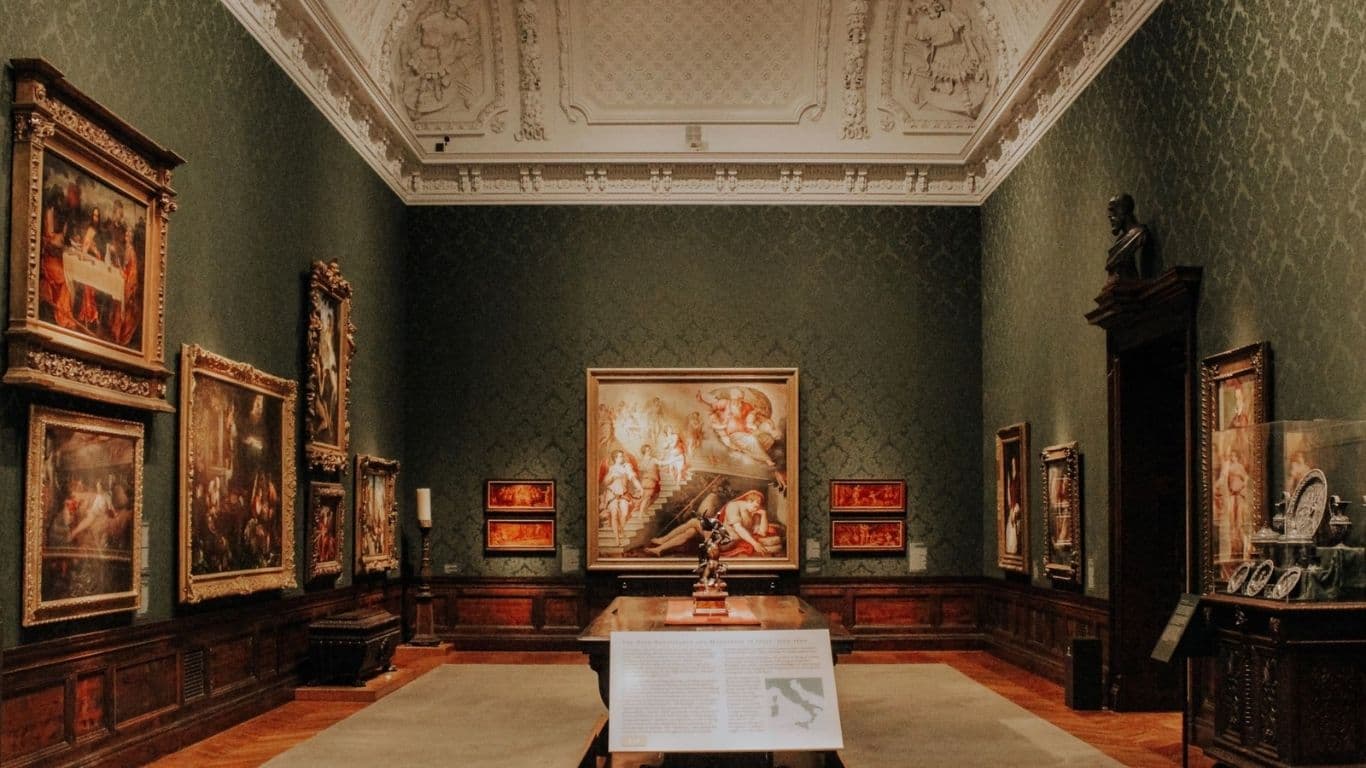
The historic and modern tier covers a closed canon, and that scarcity holds prices. The major-house Impressionist and Modern evening sales at Christie's and Sotheby's set the calendar; the Old Masters evening sales follow a related rhythm.
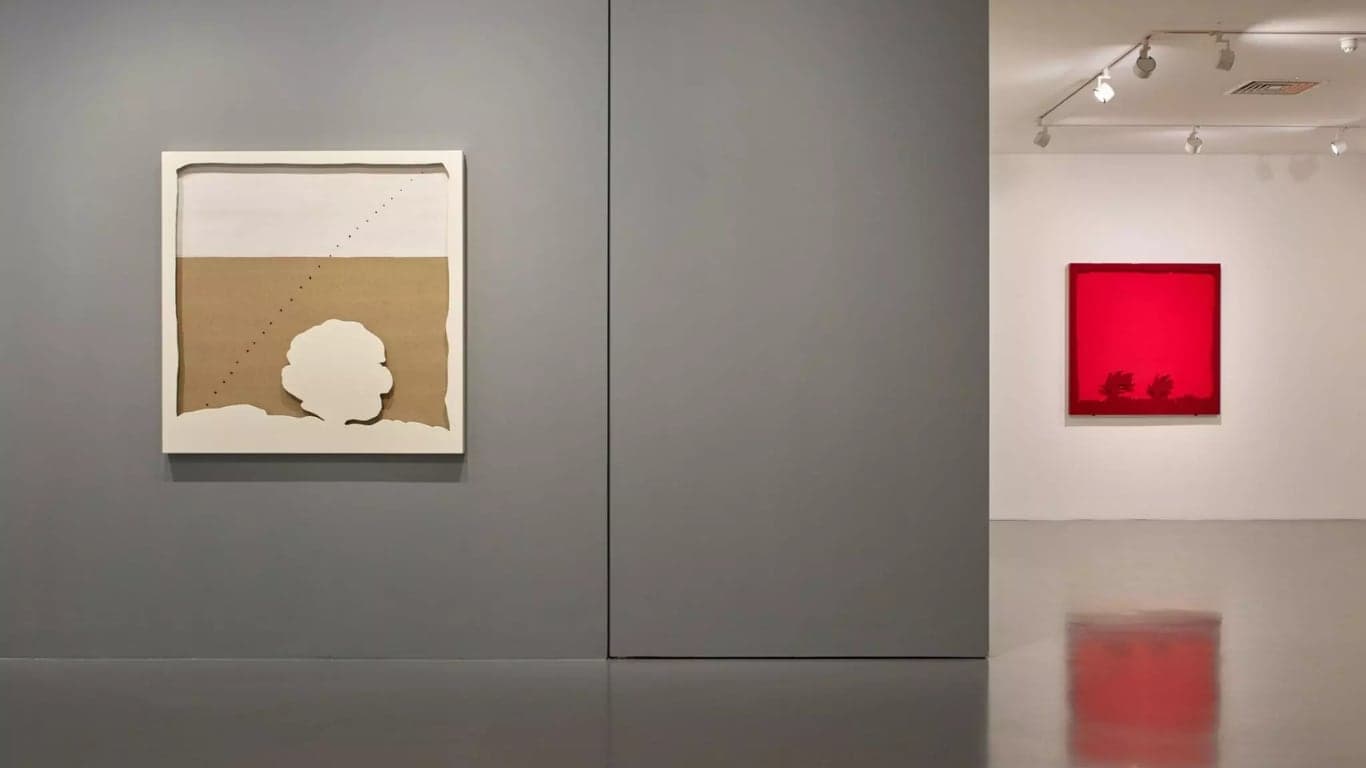
The contemporary tier is open and still being negotiated. Galleries like Gagosian, David Zwirner, Hauser and Wirth, Pace, White Cube, and Marian Goodman shape primary-market access. The contemporary evening sales at Christie's, Sotheby's, and Phillips test those prices in public, and the gap between primary and secondary can be one of the most informative numbers in the market.
The specialist tiers (photography, prints, and works on paper) offer serious entry below the painting top. They are a useful place to build seriousness before committing to major-house painting tickets.
The pulls that keep collectors building
Three structural pulls keep serious collectors engaged year after year. The first is curatorial: museum-board engagement and exhibition-loan activity give serious collections cultural visibility that pure private holdings cannot match. A piece that travels on a Tate or MoMA loan returns to its owner with a stronger provenance story than it left with.
The second is community. The international fair calendar (Art Basel, Frieze, FIAC, TEFAF) functions as a moving social and cultural network. Most senior collectors describe their fair-week schedules in the same terms a wine collector describes Bordeaux's en primeur week or a watch collector describes the Geneva sales: the calendar is the year.
The third is the catalogue raisonné conversation. Serious collectors engage with foundations, archives, and authentication committees in ways that shape the academic record of an artist. Holding a key work means having a voice in how that artist's story is told over the next century.
What newer collectors most often misunderstand
Art collecting rewards patience on a timeline that surprises most newcomers. The Hiscox Online Art Trade Report has tracked rising digital activity for years, but the meaningful collections still form through gallery relationships, advisor engagement, and conservator and appraiser cycles that operate on decade-scale rhythms, not season-scale ones.
The transactional view (buy now, sell in three years) is the wrong frame. Serious collections build through coherent focus on a defined cohort, disciplined provenance and condition work, and engagement with institutions where the cultural conversation actually happens. The Illiquidity Argument: Why Serious Art Collections Take Decades covers this rhythm in more depth.
Newer collectors also tend to underestimate the role of restitution and authentication research. The Art Loss Register, the Commission for Looted Art in Europe, and the relevant artist foundations are part of the discipline for any serious acquisition.
What we'll watch next
The 2026 cycle is genuinely interesting at the mid-market. The 2024 UBS/Art Basel report flagged resilience between $250,000 and $1 million while trophy lots softened, and that pattern has carried into the early 2026 evening sales at Sotheby's, Christie's, and Phillips. We expect the mid-market read to remain the most informative part of the market through this cycle.
We will also be watching the maturing private museum tier in the Gulf and East Asia. The Louvre Abu Dhabi, the Qatar Museums network, the Mori and Leeum, and the M+ in Hong Kong are increasingly setting curatorial direction for entire categories. That cultural conversation matters for collectors thinking about where the next institutional centers of gravity will sit.
What this means for collectors
Serious art collecting in 2026 still rewards the same disciplines it has rewarded for a century: focused cohort building, deep advisor and gallery relationships, condition and provenance discipline, and active engagement with the institutional cultural conversation. None of that has changed, and we do not expect it to.
For collectors approaching the category, the practical advice is consistent. Engage early with a strong advisor. Build coherent focus on one or two cohort tiers (named historic and modern, named post-war and contemporary, or one of the specialist tiers) rather than across the entire market.
Develop institutional engagement where appropriate, and treat the calendar (fairs, biennials, evening sales) as the working year.
Further reading
- How to Build a Serious Art Collection in 2026
- The Categories of Art Worth Collecting in 2026
- The Illiquidity Argument: Why Serious Art Collections Take Decades
We last reviewed this analysis in May 2026.


Stefanos Moschopoulos
Stefanos Moschopoulos founded The Luxury Playbook in Athens and has spent the better part of a decade following the auction calendar, the en primeur releases, and the watchmakers, gallerists, and shipyards the magazine covers. He writes the field guides and listicles that anchor the Connoisseur section — pieces built on Phillips and Christie's results, Liv-ex movements, and conversations with collectors he has met across Geneva, Bordeaux, Basel, and Monaco. His own collecting habits sit closer to watches and wine than art, and it shows in the level of detail in the magazine's coverage of those categories. Under his direction, The Luxury Playbook now publishes long-form field guides, market-defining year-end listicles, and the Voices interview series with the founders behind the houses and the brands.