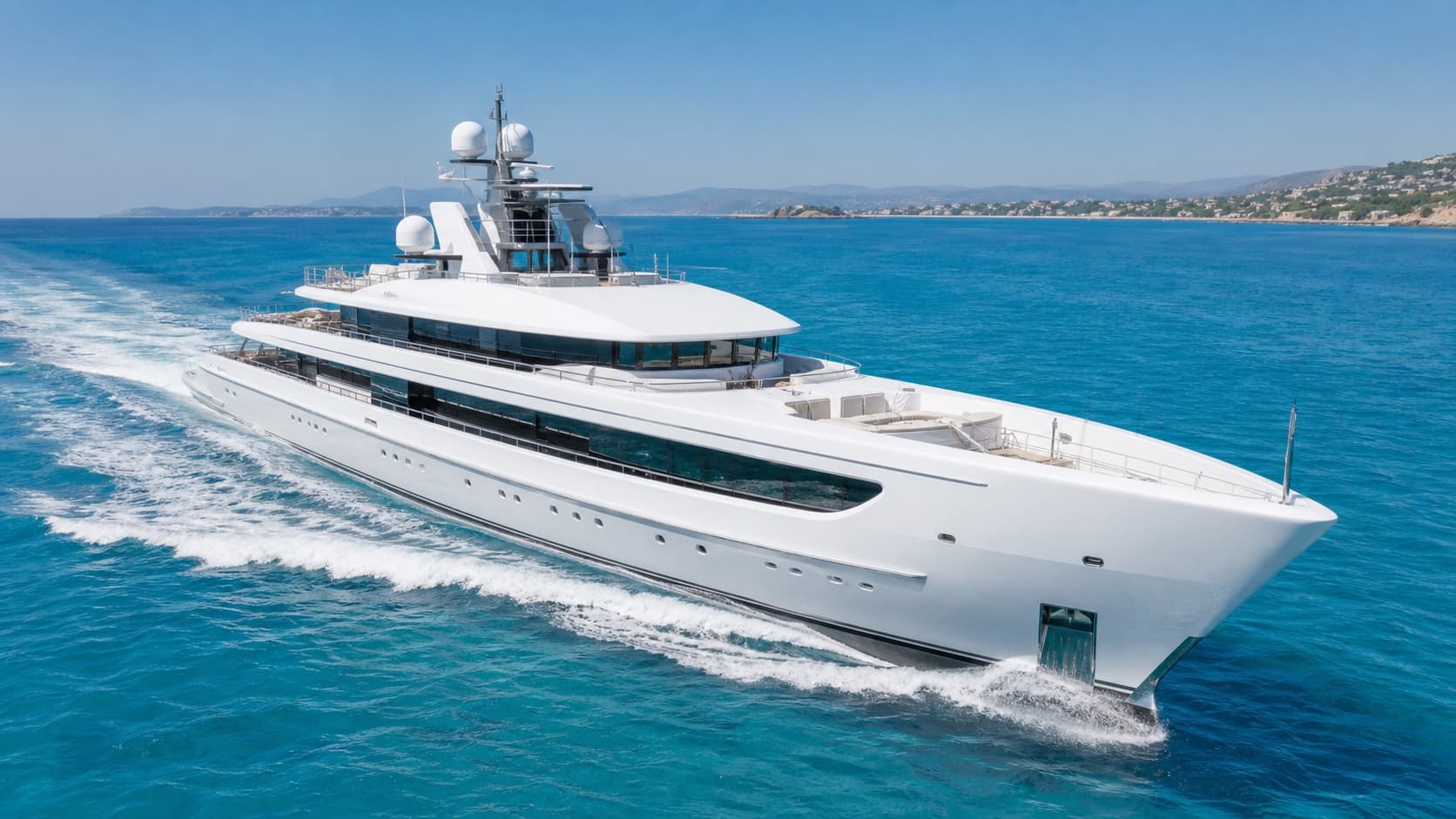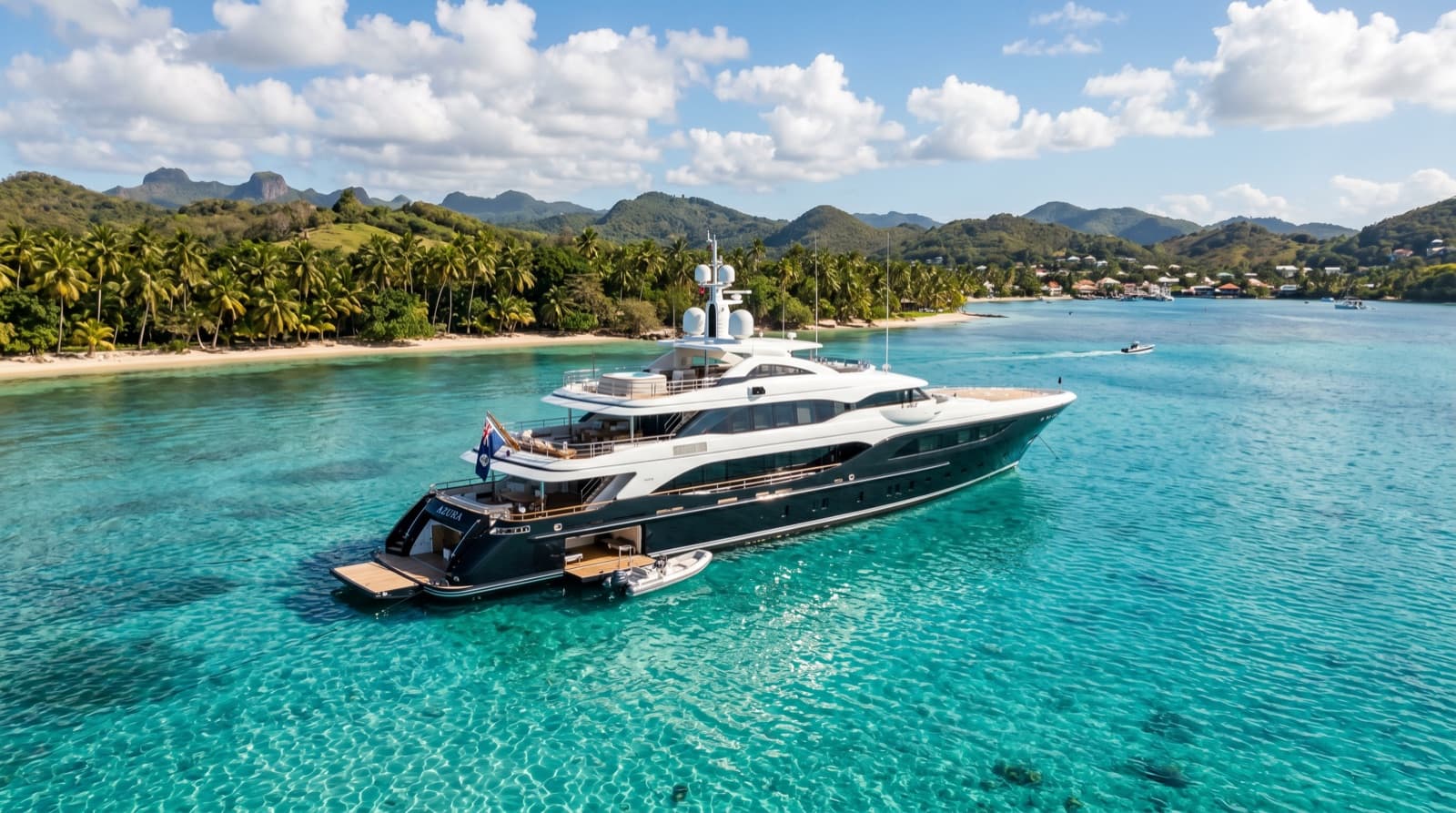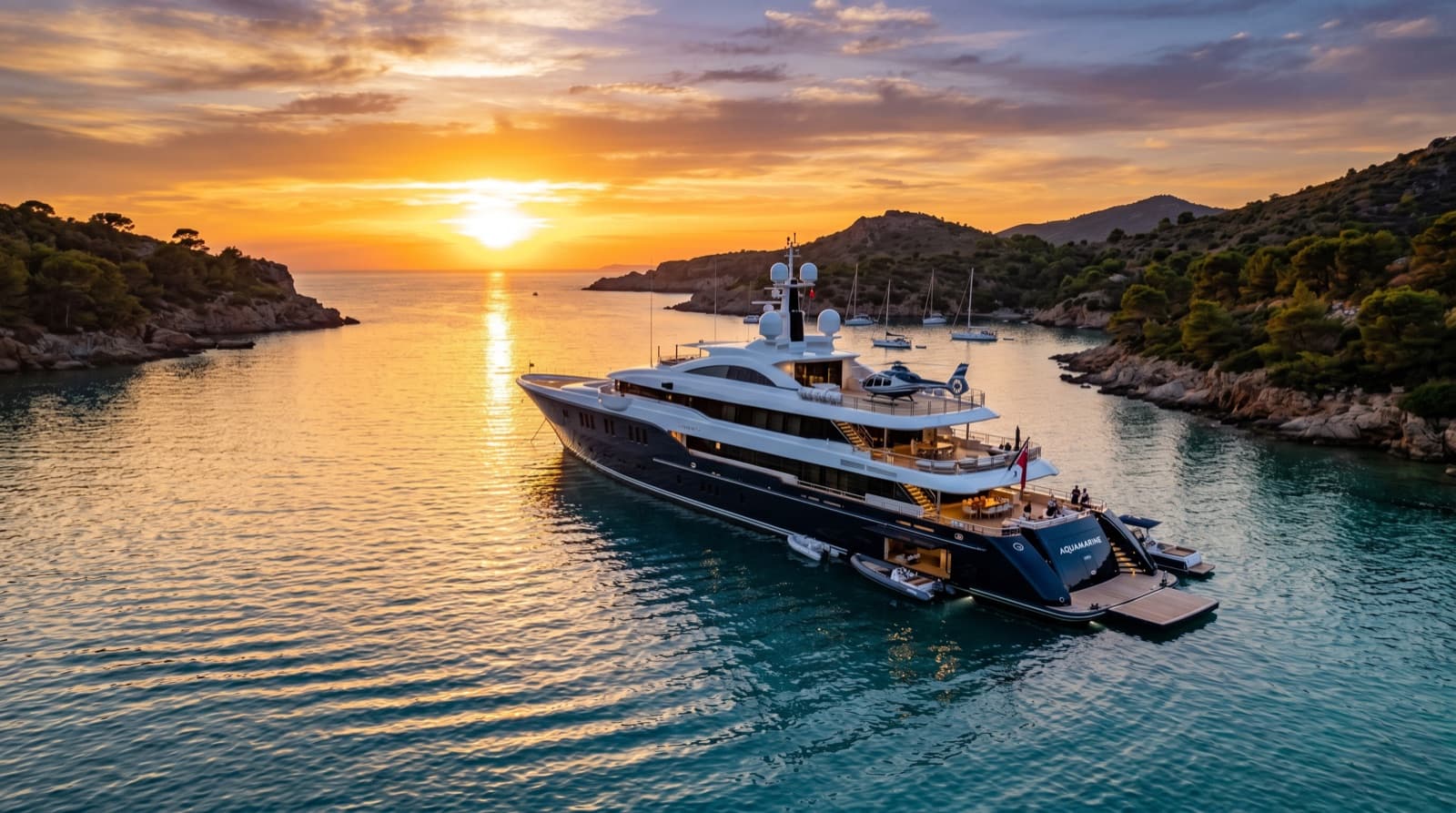
The benefits of buying a boat from charter companies aren't really about getting onto the water cheaply. They're about handing the operational load (the upkeep, the crewing, the marina relationships) to a professional outfit while still calling the vessel yours. For a category of owner this arrangement is the most practical entry point into Mediterranean and Caribbean cruising.
BOAT International's coverage of the charter-ownership model has tracked the same point: the structure works for owners who want the vessel as a lifestyle asset, not a hobby project. What follows is our editorial read on why this route makes sense, and the questions worth asking before you sign.
Key takeaways
- Charter-program ownership through specialists like YachtingMates typically allows 4-12 weeks of owner sailing per year.
- Professional maintenance under the charter agreement removes the operational burden that ends most casual yacht ownership.
- Income generated through charter helps offset slip fees, insurance, and routine running costs (subject to local tax treatment).
- Location selection (BVI, Mediterranean, Seychelles) materially affects charter demand and owner usage windows.
Choosing the right vessel matters more than first-time buyers realise. Larger multihulls remain consistently sought-after in charter markets, which translates into stronger usage and stronger owner economics.
The boat is only part of the equation. The charter company itself matters as much: financial stability, fleet condition, owner communication, and the level of personalisation it allows. Get those three right and the arrangement runs cleanly for years.
| Key Advantages | Description |
|---|---|
| Income Generation | Owners can potentially generate income through frequent charters. |
| Sailing Opportunities | Charter companies typically allow for 4 to 10 weeks of sailing per year. |
| Professional Maintenance | Turnkey, zero-cost maintenance under charter agreements. |
| Retirement Planning | Chartering can be a pathway towards retirement cruising plans. |
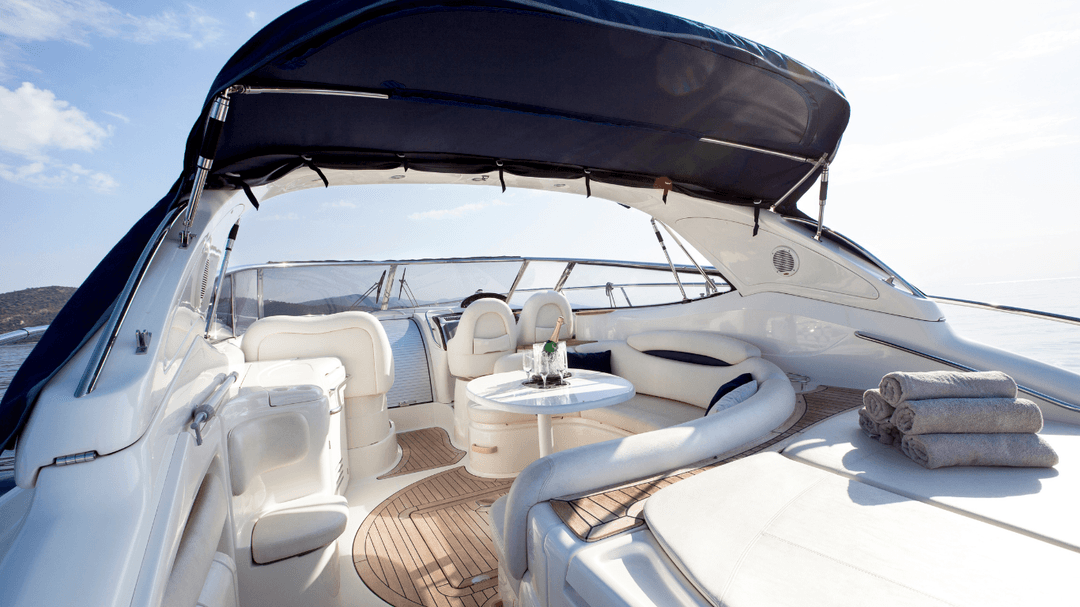
- Buying a yacht from an established charter company offers a distinctive entry route into ownership, with vessels typically maintained to commercial standards and detailed service records.
- We see Moorings, Sunsail, Dream Yacht Charter and selected regional operators offering ex-charter inventory at materially lower pricing than equivalent private-use vessels.
- Phase-out programmes typically place vessels in the market after three to five years of charter service, with the equipment specification reflecting commercial use intensity.
- Pre-purchase survey by an independent qualified surveyor remains essential, with the higher utilisation intensity of charter vessels requiring careful structural and systems assessment.
- Some charter operators offer ongoing charter management as part of the acquisition, allowing buyers to offset ownership costs through continued commercial operation.
- For most considered first-time buyers we view ex-charter acquisition as a credible entry route when paired with rigorous survey discipline and realistic operational expectations.
- Who is this for?
- First-time and value-focused yacht buyers evaluating ex-charter vessel acquisition, alongside the brokers, surveyors and charter operators framing those decisions.
- What is happening?
- A read of the benefits of buying a boat from charter companies, covering inventory access, pricing dynamics, survey requirements and the continued charter management option.
- When did this emerge?
- The article reflects current market conditions through 2025 and 2026, with reference to the typical charter fleet phase-out cycle.
- Where is this happening?
- The piece covers the global ex-charter market, including the Caribbean, Mediterranean and Southeast Asian charter fleet bases.
- Why does it matter?
- Ex-charter acquisition offers distinctive value when paired with rigorous diligence, which is why understanding the dynamics matters before any first-time yacht purchase decision.
The cost picture
Placing a new yacht into a charter programme unlocks some real cost offsets. Owners running this route often see meaningful savings on overall annual ownership costs compared with conventional private use, with the heaviest savings on maintenance, marina relationships and crew administration.
Guaranteed-income programmes
One of the most consequential features of serious charter programmes is the guaranteed-income structure, which chips away at the true cost of ownership in a meaningful way. Programmes like YachtingMates structure their owner-charter agreements with predictable revenue lines, which makes annual cash-flow planning materially easier than ad-hoc charter management.
Maintenance under the agreement
When the yacht sits in a charter programme, the maintenance burden shifts. The charter company takes on the bulk of upkeep, keeping the vessel in working condition across the operating year. That consistent care also protects condition for the eventual exit.
A range of expenses, including slip fees, insurance, repairs and taxes, can be set against charter revenue depending on local tax treatment. The actual rules vary materially by jurisdiction and structure, so a marine tax specialist is the right call before signing.
Sailing access
Charter programmes open up far more time on the water than most private owners manage independently. Many companies offer up to 12 weeks of personal sailing per year, with the rest of the year given over to paid charter.
The geographic flexibility is one of the genuine pleasures of the arrangement. One season the vessel might be working the British Virgin Islands cohort, the next the Seychelles. That kind of range is exactly what draws owners toward the charter ownership model rather than conventional private ownership.
The financial side keeps working in the owner's favour while the boat is out chartering. The yard relationships, crew rotations and marina blocks are all handled by the operator, not the owner.
Picking the right operator
Due diligence on the charter company is the single most important decision in this model. Look at their financial position, their operating history, fleet condition and the level of personalisation they allow on the build spec. Financial Times coverage on luxury assets has consistently flagged operator quality as the dominant variable in the long-run economics.
The owners we hear from who end up happiest with the model are the ones who treated the operator selection as the primary commercial decision, with the vessel choice as the secondary one. Get that ordering right and the rest follows.
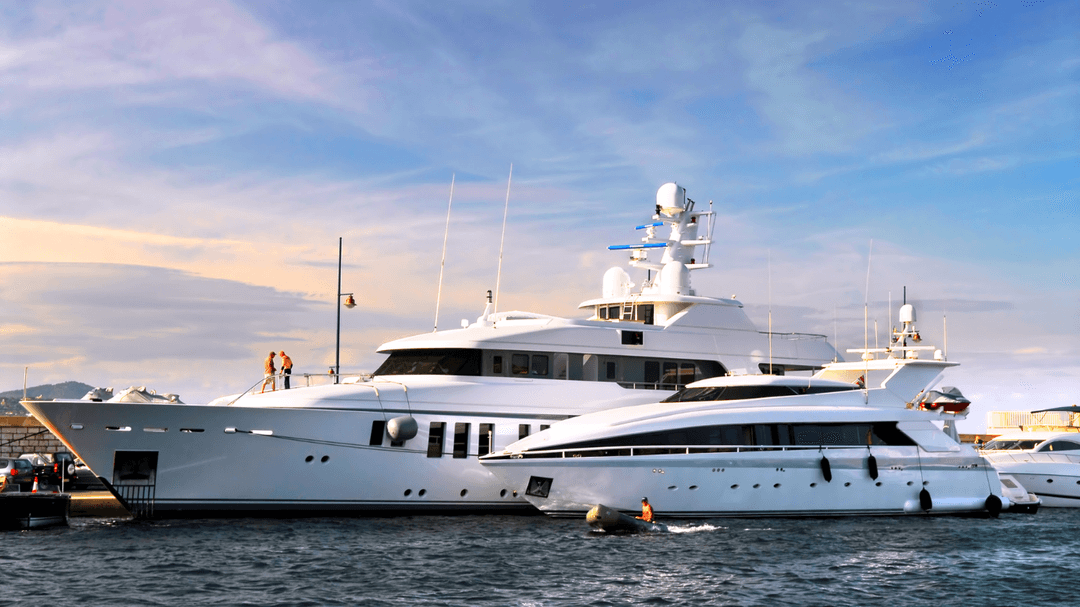
Professional maintenance and upkeep
Professional maintenance is the quiet pillar of the charter-ownership model. It protects the vessel across its working life and keeps the eventual resale conversation on the right side of the ledger.
Maintenance software and routines
The serious operators run sophisticated maintenance-management software that logs every routine, preventive and reactive task on each hull in the fleet. The result is a vessel that stays in working condition season after season, with documented service history that supports the resale narrative.
Residual value
Professional maintenance has a direct line into what the vessel is worth at sale. A well-kept boat holds its condition and mechanical integrity in ways that neglected vessels simply don't. The structured care that charter operators provide keeps the vessel as a working asset rather than a depreciating one.
Ownership simplified
Buying through a charter company strips out much of the operational complexity that ends conventional private ownership early. The programmes are designed to remove the typical friction points (marina relationships, crew administration, refit scheduling).
- Owners benefit from tax-advantaged income depending on flag and jurisdiction.
- Some charter owners scale into a second or third vessel on the same programme over time.
- Charter organizations manage maintenance at no cost for yachts under contract, simplifying ownership materially.
Picking the right partner means thinking through several key factors: financial stability of the charter company, operating track record and service offerings, customisation options for owners.
Premium-brand boats that are fully equipped and actively chartered tend to see higher usage and stronger owner economics. Aligning the vessel choice with the operating ground is one of the levers that separates a working programme from a frustrating one.
A clear exit strategy matters more than most buyers anticipate. Whether the plan is to eventually convert the vessel to personal use, sell into a private buyer, or roll up into a second hull, having that view from day one keeps everything aligned.
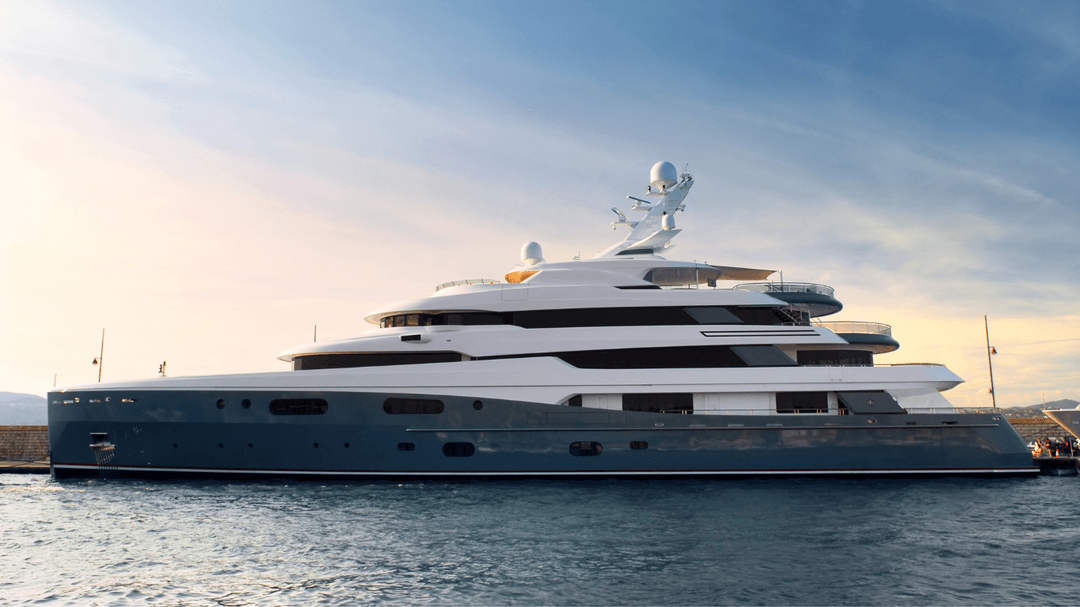
Access to the upper-tier vessel cohort
Charter platforms make it materially easier to find the right vessel for a specific cruising vision. The range on offer runs from pre-owned classics to brand-new builds, covering the size brackets and configurations that the serious operators run.
Personalisation and upgrades
Working with a quality charter company opens up real personalisation on the build spec. Owners can specify amenities, interior detailing, navigation systems and entertainment cover that reflect their preferences rather than a generic charter-fleet baseline. Robb Report's coverage of yacht customization regularly highlights how owner-directed upgrades land both on comfort and long-run resale.
Tax treatment
The tax conversation around charter-programme ownership is its own discipline, and the rules vary materially by jurisdiction. Working with a fiduciary advisor who specialises in marine assets is the right first move.
Donating a yacht to a recognised charity can open a deduction route. If the charity sells the vessel, a minimum deduction of $500 typically applies. If the charity uses the vessel, fair market value may be claimable.
A vessel with the right onboard facilities can qualify as a second home for US tax purposes, which makes it eligible for mortgage interest deductions where applicable. Business-use structures also exist for boats deployed in a charter operation, with deductions covering depreciation, maintenance and related costs.
In the United States specifically, Section 179 of the IRS code can be relevant for buyers structuring serious vessels through their businesses. The IRS Section 179 guidelines are worth reviewing with a qualified tax advisor before finalising any purchase structure. The rules change, and the consequences of getting them wrong are meaningful.
What this means for buyers
For owners who want the cruising lifestyle but not the operational load, the charter-ownership route is one of the more durable structures in this market. The key is choosing the right operator first, then the right vessel.
The owners who treat this as a serious commercial relationship rather than a leisure transaction tend to be the satisfied ones at year five and year ten. We last reviewed this analysis in May 2026.


Stefanos Moschopoulos
Stefanos Moschopoulos founded The Luxury Playbook in Athens and has spent the better part of a decade following the auction calendar, the en primeur releases, and the watchmakers, gallerists, and shipyards the magazine covers. He writes the field guides and listicles that anchor the Connoisseur section — pieces built on Phillips and Christie's results, Liv-ex movements, and conversations with collectors he has met across Geneva, Bordeaux, Basel, and Monaco. His own collecting habits sit closer to watches and wine than art, and it shows in the level of detail in the magazine's coverage of those categories. Under his direction, The Luxury Playbook now publishes long-form field guides, market-defining year-end listicles, and the Voices interview series with the founders behind the houses and the brands.