
CapitaLand has had a remarkable run. Starting from a $28 billion base, it has grown to exceed $100 billion in assets. Since its founding in 2000, it has stood as Southeast Asia’s top property firm, and this review takes a close look at what makes it tick. You’ll see the full arc from its earliest days to its current standing as a genuine global force in real estate.
When DBS Land and Pidemco Land joined forces, CapitaLand emerged as a serious player almost overnight. What sets it apart is a commitment to innovative, integrated developments that have genuinely redefined what a property company can be. From high-end residences to landmark commercial spaces, its projects lead the market in Singapore and well beyond.
CapitaLand’s CEO Lee Chee Koon commands a 92% approval rating on Glassdoor, which tells you something real about the culture he’s built. Add standout projects like One Pearl Bank and the acquisition of Liang Court, and you have a portfolio that speaks for itself. If you’re sizing up CapitaLand’s global footprint, the breadth of what they’ve built is hard to ignore.
Introduction to CapitaLand
CapitaLand is widely regarded as one of the premier property developers on the planet, known for inventive ventures that consistently push the industry forward. Founded in 2000, it expanded its reach fast. Today, if you’re looking at the real estate sector in Singapore or anywhere across Asia, CapitaLand is a name you simply can’t overlook.
With a footprint spanning over 40 countries and more than 220 cities, the company’s global reach is genuinely vast. A defining moment came when CapitaLand Investment (CLI) went public on the SGX-ST on 20 September 2021. CLI holds roughly S$61 billion in Funds under Management through various funds in Singapore and Malaysia, with an additional S$39 billion managed across more than 30 private entities.
CapitaLand manages a substantial S$134 billion in Real Estate Assets Under Management, backed by a team of more than 360 investment and asset management professionals worldwide. That kind of operational muscle is what cements its place at the top of the global developer rankings. If you’re evaluating where the serious capital in Asian real estate is concentrated, this is it.
The 2000 merger of DBS Land and Pidemco Land was the spark that started everything. From that point, CapitaLand grew into one of the industry’s most prominent names, with a workforce now surpassing 11,500 and properties held across numerous nations. That founding merger gave the company immediate control of around $18 billion in assets, setting off a trajectory of growth that hasn’t slowed since.
Company Background and History
CapitaLand announced itself as a dominant force in Southeast Asian real estate the moment DBS Land and Pidemco Land merged on 28 November 2000. That single transaction created a new entity with assets valued at roughly $18 billion, positioning the company as a serious player in property development from day one.
Founding and Early Years
The 2000 merger did more than boost CapitaLand’s financial firepower. It immediately extended the company’s geographic reach. Starting with a strong Singapore base, CapitaLand moved into more than 40 countries with speed and intention. That early push into diversification laid the groundwork for everything that followed in the real estate investment story across Asia.
Milestones and Growth
CapitaLand wasted no time establishing itself as a major figure in Southeast Asian property. By 2002, the listing of CapitaLand Mall Trust put the company leading Singapore’s Real Estate Investment Trust arena. Then in 2019, the acquisition of Ascendas-Singbridge from Temasek Holdings delivered a substantial boost to both its asset base and market presence.
September 2020 brought another defining move. The merger of CapitaLand Mall Trust and CapitaLand Commercial Trust created the CapitaLand Integrated Commercial Trust, instantly making it one of the leading REITs across Asia Pacific with assets worth S$22.4 billion. The subsequent rebranding in August 2021 as CapitaLand Investment saw the market capitalization of CLI’s listed funds reach S$32 billion by June 2023.
CapitaLand’s reach today spans more than 220 cities and cuts across virtually every real estate category you can name, from retail and office to lodging, business parks, industrial spaces, logistics, self-storage, and data centers. That breadth isn’t just impressive on paper. It reflects a genuine ability to read shifting market dynamics and position capital where it matters most.
| Year | Milestone | Impact |
|---|---|---|
| 2000 | Formation of CapitaLand | Started with $18 billion in assets |
| 2002 | Listing of CapitaLand Mall Trust | Pioneered REITs in Singapore |
| 2019 | Acquisition of Ascendas-Singbridge | Expanded global footprint |
| 2020 | Formation of CapitaLand Integrated Commercial Trust | Became one of Asia Pacific’s largest REITs |
| 2021 | Rebranding as CapitaLand Investment | Strengthened market capitalization to S$32 billion |
CapitaLand’s Impact on Real Estate
CapitaLand doesn’t just occupy space in the real estate sector. It actively shapes it. In the first quarter of 2021, a striking 97% of shareholders backed the creation of the ONE CapitaLand ecosystem, a show of investor conviction that’s rare at that scale. That level of support speaks directly to the confidence the market has in the company’s direction and its capacity to evolve.
The launch of CapitaLand Investment on September 20, 2021, on the Singapore Exchange was a pivotal moment. The goal was clear: cement its position as Asia’s leading Real Estate Investment Manager. CLI’s formation opened the door to deeper pools of capital, and the returns it promises its backers reflect the strength of the platform it was built on.
By November 2021, CapitaLand had raised S$1.4 billion through seven private funds. Among them was a S$400 million logistics fund focused on India, alongside others targeting Japan and South Korea. If you’re watching where smart capital is flowing in Asian real estate, those fund launches were a strong signal of where CapitaLand sees its best opportunities.
The company also made a series of sharp strategic exits, pulling in over S$2 billion from divesting stakes in six projects across China. Those proceeds were redeployed toward fresh opportunities in emerging economy sectors. It’s the kind of disciplined capital rotation that keeps a portfolio healthy and a company relevant for the long run.
CapitaLand’s commitment to sustainable real estate has earned it a place on the Dow Jones Sustainability Index and recognition from the Global Real Estate Sustainability Benchmark. On top of that, accolades like Design of the Year for Jewel Changi Airport and honors from the Urban Land Institute for Funan confirm that its architectural ambitions are landing exactly as intended.
Commercial Properties by CapitaLand
CapitaLand is one of the defining forces in Asian commercial real estate. Its properties sit in prime locations, and the designs behind them are built to serve the needs of today’s most discerning businesses. With a team of over 11,500 professionals, the company’s reach across the commercial property market is broad, deep, and growing.
Key Projects and Developments
Projects like the Raffles City series and Jewel Changi Airport are the ones that put CapitaLand’s commercial vision on the global map. These aren’t just functional spaces. They blend striking aesthetics with genuine utility, setting a standard that competitors spend years trying to match. With properties across more than 40 countries and listed fund assets of S$32 billion as of 30 June 2023, plus S$29 billion in private fund assets, the scale of what CapitaLand has built in commercial real estate is formidable.
Market Presence in Singapore
In Singapore, CapitaLand’s commercial presence is hard to miss. The company owns 20 malls and holds key assets including ION Orchard and Plaza Singapura. Its commercial arm has always been a core revenue engine. For the year ended 31 December 2000, the portfolio generated S$443 million, with 36% or S$158 million coming from Singaporean office properties alone. That early concentration on strategic urban assets shaped the template the company still follows today.
Beyond Singapore, CapitaLand manages 46 malls across China, including landmark properties like CapitaMall Xizhimen in Beijing and CapitaMall Hongkou in Shanghai. These developments are a evidence of how well the company has translated its Singapore playbook into one of the world’s most competitive property markets. If you want to understand how long-horizon real estate strategy pays off, CapitaLand’s Asian commercial portfolio is a compelling case study.
Residential Properties by CapitaLand
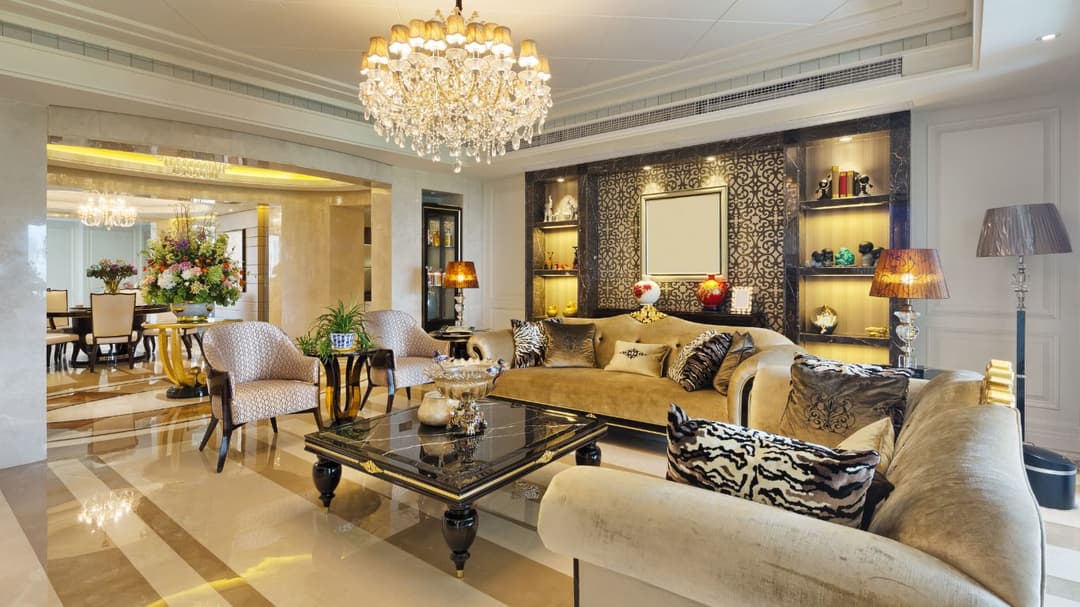
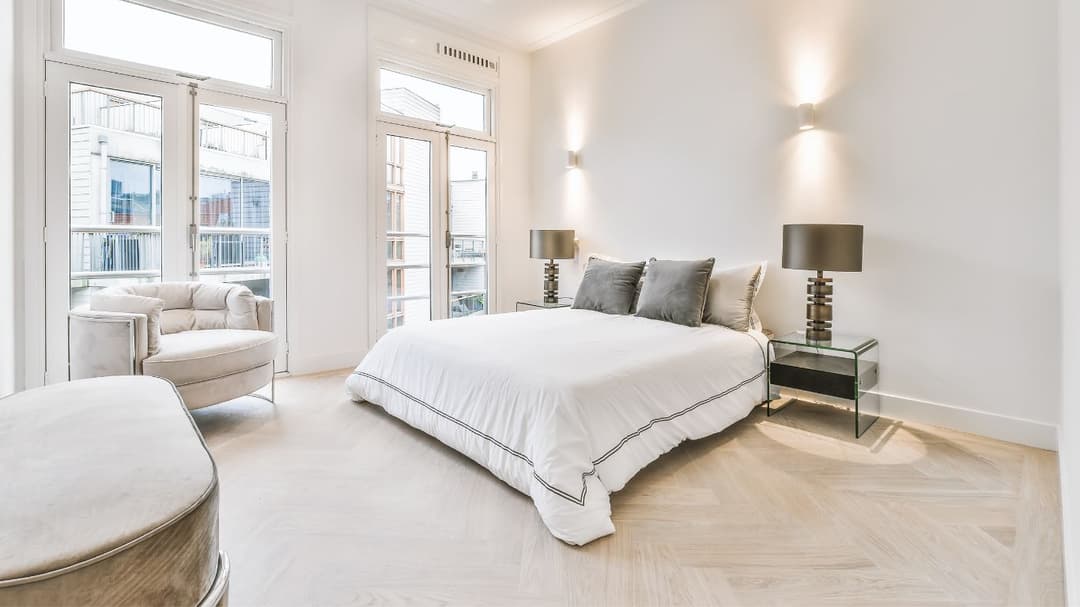
For residential real estate, CapitaLand has carved out a reputation built on quality and long-term value creation. Its focus on luxury condominiums that appreciate over time has made it a name that buyers across Asia actively seek out. That reputation didn’t happen by accident. It was earned project by project.
Feature Projects
The depth of CapitaLand’s residential ambition shows up clearly in its flagship projects. The Sycamore development in Binh Duong Province, Vietnam, offers 3,500 freehold units, while Lumi Hanoi delivers 4,000 units across multiple towers with a gross development value topping S$1 billion. These aren’t just large projects. They’re carefully designed communities built to hold their value and appeal for decades.
The Define project in Ho Chi Minh City sold out within two hours of its launch. That’s not marketing. That’s genuine market conviction. Heritage West Lake in Hanoi told a similar story, with units selling above market values and demand far outpacing supply. When you see that kind of response, you know a developer has genuinely connected with what buyers want.
Customer Satisfaction
CapitaLand’s residential track record shows up most clearly in how buyers respond after the sale. Heritage West Lake’s above-market pricing wasn’t a fluke. It reflected the trust that buyers place in the CapitaLand name when committing serious capital to a home. That trust, built over years of delivering on promises, is what drives property values upward and keeps demand ahead of supply.
What CapitaLand does particularly well in its residential projects is balance innovation with what the market actually needs. The result is a collection of developments that offer genuine luxury living while building long-term value for the people who choose to call them home.
Integrated Developments by CapitaLand
Integrated developments have fundamentally shifted what urban living can look like, and CapitaLand has been at the center of that shift. By weaving together residential, commercial, and retail spaces into cohesive neighborhoods, the company is answering a real and growing demand for versatile, walkable city living.
The Concept of Integrated Developments
CapitaLand’s approach to mixed-use development is grounded in a simple but powerful idea: bring the things people need closer together. Work, shopping, dining, and home all within a single, well-designed precinct. That model makes the most of limited urban land while lifting the quality of daily life and supporting the kind of dense, sustainable cities that urban planners and investors alike are increasingly prioritizing.
These mixed-use environments serve a wide spectrum of needs and make city living more efficient without stripping away the things that make neighborhoods feel alive. CapitaLand’s developments don’t just house people. They create places worth spending time in.

Shopping Malls Developed by CapitaLand
CapitaLand’s entry into the shopping mall business didn’t just add retail to its portfolio. It changed what retail could be in an urban context. Its malls are celebrated for original design and a genuine focus on the customer experience, which is why they consistently rank among the most visited shopping and leisure destinations across Asia.
Major Shopping Malls
ION Orchard and Jewel Changi Airport are the names that define CapitaLand’s retail vision. Both locations deliver something far beyond a place to shop. They’re architectural statements, social destinations, and luxury retail hubs that draw an extraordinarily diverse crowd. The mix of high-end brands, dining, entertainment, and public space is precisely what sets these malls apart from anything a conventional retail developer would produce.
| Mall Name | Location | Significant Features |
|---|---|---|
| Ion Orchard | Singapore | Luxurious retail spaces, F&B outlets, and panoramic views. |
| The Jewel | Singapore | Indoor waterfall, garden attractions, and a large shopping area. |
| Funan | Singapore | Tech and lifestyle themes, integrated retail, office, and co-living spaces. |
| Suzhou Center Mall | China | Vast retail area, international brands, and leisure facilities. |
Impact on Retail
CapitaLand’s retail projects have pushed urban shopping into new territory by embracing advanced technology and genuinely immersive experiences. The result is a retail environment that’s more competitive, more engaging, and more resilient than the industry average. Shoppers don’t just visit these malls. They keep coming back.
CapitaLand’s mall designs go well beyond meeting basic consumer needs. They’ve turned commercial space into genuine community anchors, places where people gather, celebrate, and spend time by choice. That’s a rare achievement in retail, and it puts CapitaLand in a category of its own among real estate developers.
Sustainable Practices in CapitaLand Projects
Sustainability at CapitaLand isn’t a checkbox. It’s baked into how the company builds and operates. The company has made real, measurable progress through its green initiatives, earning recognition from some of the world’s most respected environmental benchmarks. If you care about where your real estate capital is flowing from an ESG perspective, CapitaLand’s record is worth a close look. You can explore how sustainable real estate stacks up against other asset classes as part of a broader investment strategy.
Environmental Initiatives
CapitaLand’s sustainability strategy covers a genuinely broad range of practices, from energy efficiency and renewable adoption to water conservation and responsible waste management. These aren’t isolated efforts. They form an integrated approach to building and running properties in a way that reduces environmental impact at scale.
- The company aims to achieve Net Zero carbon emissions for scope 1 and 2 by 2050.
- Targets for cutting emissions, set by the Science Based Targets initiative, support a 1.5°C future.
- The CapitaLand Sustainability X Challenge targets low carbon transition, water resilience, waste, and more.
- It follows the CapitaLand Sustainable Building Guidelines closely for all new projects.
- CapitaLand’s 2030 Sustainability Master Plan sets clear goals for environmental, health, and safety.
Recognition and Awards
CapitaLand’s sustainability work has earned it recognition at the highest levels, including placement on the Global Real Estate Sustainability Benchmark and the Dow Jones Sustainability Index. These aren’t participation trophies. They reflect consistent, measurable performance across the metrics that matter most to institutional investors and ESG-focused capital.
- Being part of The Sustainability Yearbook and the Global 100 Most Sustainable Corporations.
- Securing places on the Dow Jones Sustainability Indices for the world and Asia Pacific.
- High rankings on the Global Real Estate Sustainability Benchmark and the FTSE4Good Index Series.
As a member of the UN Global Compact, CapitaLand holds itself to a high ethical standard across its operations. Its focus on sustainable supply chains and rigorous performance tracking across key environmental areas is setting a new benchmark for what a responsible property developer looks like in practice.
CapitaLand’s commitment to cutting energy consumption, scaling renewable energy use, and managing water and waste efficiently has earned it consistent industry recognition. These efforts aren’t just good for the planet. They’re good for the long-term performance of the assets in its portfolio.
CapitaLand’s Future Projects and Vision
CapitaLand isn’t sitting still. The company is pushing forward with a clear strategy built around innovation and sustainability, positioning itself to lead the next wave of real estate development rather than simply react to it. What comes next from CapitaLand will define expectations for the broader industry.
Upcoming Developments
The ambition behind CapitaLand’s upcoming projects speaks clearly about where the company is headed. Developments like CanningHill Piers and 1 Science Park Drive reflect a deliberate move toward sustainable, forward-thinking urban planning. These aren’t just buildings. They’re designed to foster genuine community well-being while meeting the highest standards of modern architecture. If you want to understand how premium real estate development trends are shaping global markets, keeping an eye on CapitaLand’s pipeline is a smart starting point.
For the full picture on CapitaLand’s portfolio, projects, and investment opportunities, you can explore everything directly on the official CapitaLand website.

Savvas Agathangelou
Savvas Agathangelou is Co-Founder and Strategy Lead at The Luxury Playbook, specializing in real estate investment, leadership, and marketing strategy. His work focuses on identifying high-value property markets, analyzing real estate investment opportunities, and structuring strategies that align with global economic and demographic trends. He is also responsible for the platform's Leadership Voice and marketing-oriented content, where he analyzes how founders, executives, and investors build scalable systems, brands, and revenue channels within the luxury and financial ecosystem. His expertise connects real estate intelligence with growth strategy, positioning him at the intersection of investment and media expansion.