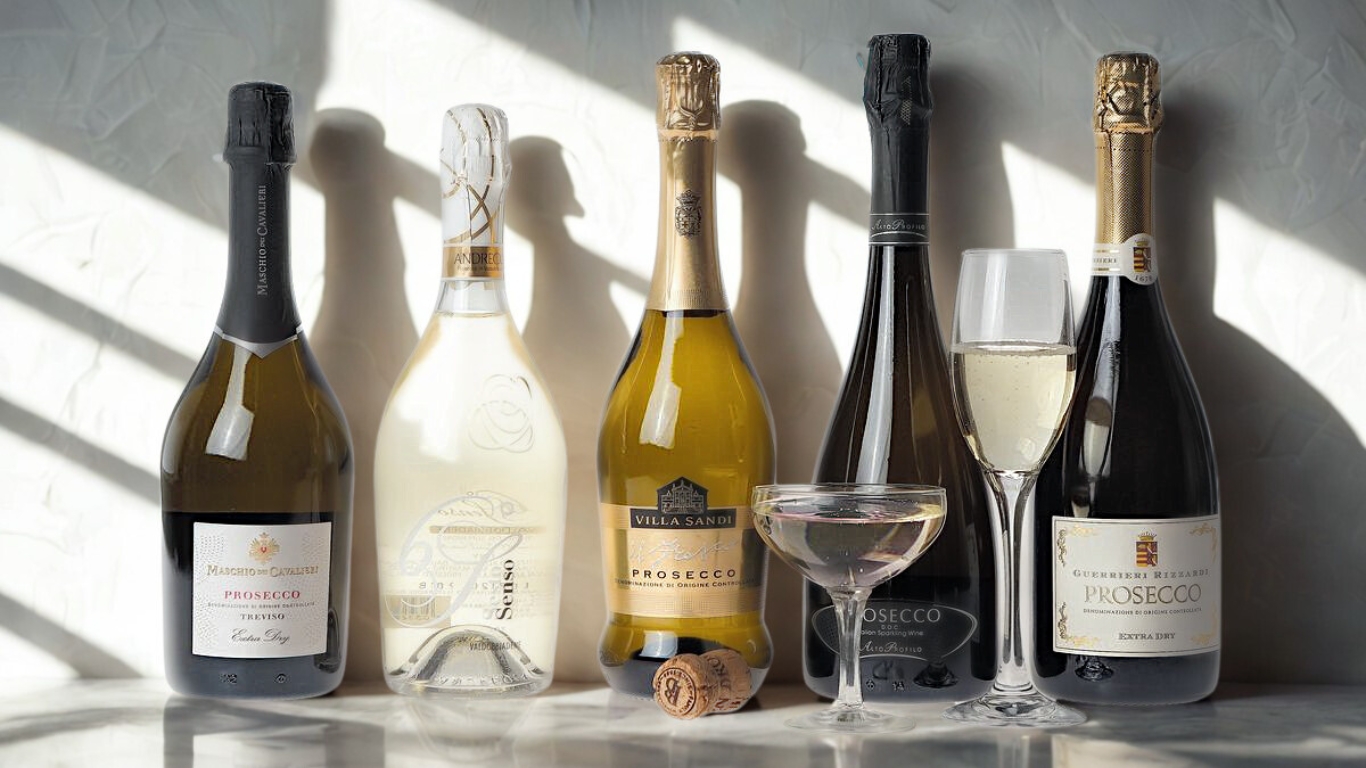

Prosecco Brands have long suffered from an image problem that no amount of sales volume could solve. In the popular imagination, it remains the cheap celebration bottle, the casual aperitivo sparkler, the fizzy alternative you order when Champagne feels too serious or too expensive.
This perception persists even as the category has undergone a quiet transformation over the past five years, one that has escaped the notice of most collectors still fixated on Burgundy allocations and Bordeaux futures.
While the wine world’s attention focused elsewhere, a small tier of premium Prosecco producers began doing something remarkable: they started making wines that could age, appreciate, and command serious prices in secondary markets.
The evolution accelerated dramatically between 2020 and 2025, driven by stricter DOCG classifications, the emergence of documented single-vineyard bottlings, and a new generation of producers treating Prosecco with the same terroir-obsessed rigor that Champagne houses brought to their grand crus.
According to Wine Spectator and Liv-ex data, premium Prosecco as a category has shown growth rates that outpace comparable Champagne segments in certain price bands, particularly in the $25 to $50 retail range where quality improvements have been most dramatic.
Table of Contents
Best Prosecco Brands For Collectors
| Brand | Best Bottle (Collector Pick) | Investment Score |
|---|---|---|
| Case Paolin | Pietra Fine (Asolo Prosecco DOCG, Extra Brut) | 5/10 |
| Bisol1542 | Rive di Campea (Valdobbiadene Prosecco Superiore DOCG) | 6/10 |
| Nino Franco | Grave di Stecca (single-vineyard, vintage) | 7/10 |
| Sorelle Bronca | Particella 68 (Rive di Colbertaldo) | 6/10 |
| Adami | Vigneto Giardino (Rive di Colbertaldo) | 5/10 |

What Separates Investment-Grade Prosecco from Grocery Store Bottles
Investment-grade Prosecco nearly always comes from hillside DOCG zones such as Conegliano Valdobbiadene or Asolo, often with Rive or Cartizze single-site designations, low yields, and longer lees aging (e.g. Charmat lungo). These wines show more texture, structure, and aging potential than mass-market DOC Prosecco, which is produced at higher volumes on flatter land, with simpler tank-fermentation aimed at early, casual drinking.
The foundation of any investment case for Prosecco begins with understanding the DOCG classification system, which functions as the first and most important filter for quality.
Conegliano Valdobbiadene Prosecco Superiore DOCG represents the gold standard, a geographically delimited zone with production restrictions that mass-market DOC Prosecco simply doesn’t face. The difference isn’t subtle. DOC Prosecco can be grown across a massive area spanning multiple regions, with higher yields and looser quality controls that prioritize volume over character.
DOCG Prosecco comes from steep hillside vineyards where mechanization is often impossible, where yields are lower, and where the regulatory framework more closely resembles Champagne’s appellation system than industrial beverage production.
Within the DOCG zone, two further designations separate the exceptional from the merely good. Cartizze occupies just 107 hectares of prime hillside, a tiny golden amphitheater where the combination of aspect, soil, and microclimate produces Prosecco with unusual depth and aging potential.
Bottles from this zone command price premiums of three to five times what standard DOCG Prosecco sells for, and the production limits mean that even if demand surges, supply cannot materially increase.
Rive designations, introduced to identify specific hillside sites within the broader DOCG, function similarly to Burgundy’s premier cru system. A Rive bottling tells you the grapes came from a single steep hillside commune, often from old vines worked entirely by hand. These are not marketing gimmicks. They’re meaningful quality signals that correlate directly with complexity, ageability, and secondary market performance.
Production methods create another crucial dividing line. Standard Prosecco undergoes Charmat method fermentation, where the second fermentation happens in large pressurized tanks rather than individual bottles. This isn’t inherently inferior, but it’s designed for wines meant to be consumed young and fresh. Premium producers have increasingly adopted Charmat Lungo, an extended lees aging process that can last six months or more versus the standard 30 days.
This additional time on the yeast contributes texture, complexity, and structure that allows the wine to develop in bottle rather than simply fade. The difference in the glass is immediately apparent to anyone who tastes them side by side. The difference in investment potential becomes apparent years later when one wine has evolved gracefully while the other has gone flat and dull.
Auction house recognition provides the ultimate validation for any wine category’s investment credentials. Christie’s and Sotheby’s wine auction results from 2023 and 2024 show premium Prosecco appearing with increasing frequency, though still in small lots that suggest the market is in its early formation stage.
The producers making these appearances aren’t random. They’re the same names that critics have been championing and that sommeliers have been placing on prestigious wine lists.
This institutional recognition creates a virtuous cycle where auction results boost producer reputations, which increases demand, which justifies higher release prices, which makes earlier vintages more valuable. It’s the same pattern that established Champagne and Burgundy as investment categories, just playing out on a much smaller scale with a product most collectors have yet to take seriously.
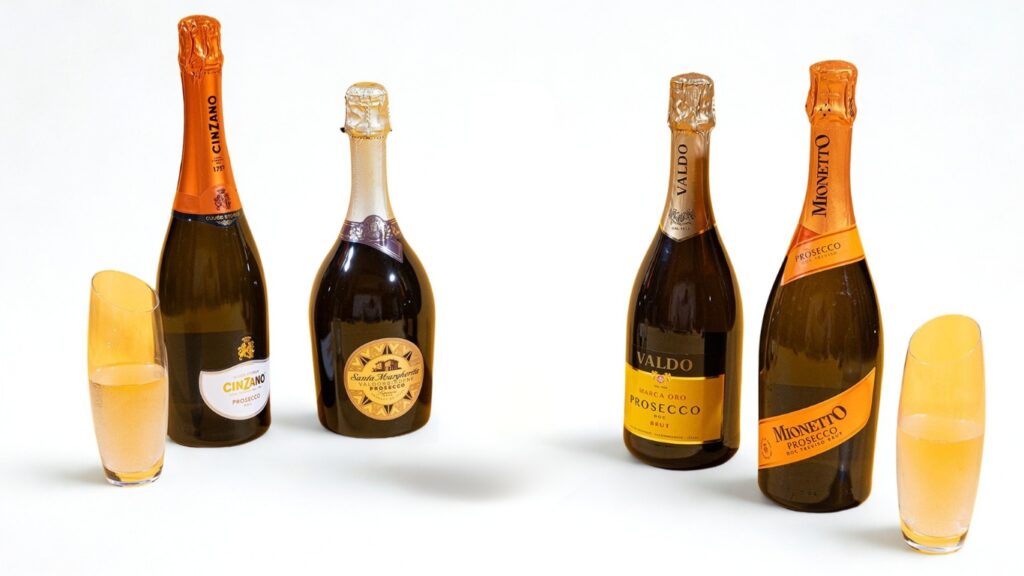
Which Prosecco Brands Are Serious Collectors Actually Buying?
Serious collectors focus on small, quality-driven DOCG producers whose single-vineyard bottlings already show price separation and strong critical backing. Names that keep recurring on top wine lists, in guides, and in early secondary-market activity include Case Paolin, Bisol1542, Nino Franco, Sorelle Bronca, and Adami, especially their Rive, Cartizze, and flagship single-vineyard wines where scarcity, terroir storytelling, and documented price creep all line up.
The investment-grade Prosecco market has consolidated around a handful of producers whose commitment to quality and terroir expression sets them apart from the hundreds of wineries making commercially viable but unremarkable wine.
These aren’t necessarily the biggest names or the most widely distributed. They’re the producers where scarcity, critical recognition, and demonstrated price appreciation converge to create something that looks increasingly like an investment thesis.
Case Paolin operates at boutique scale, producing roughly 70,000 bottles annually according to retailer profiles by WoodWinters. This is vanishingly small by Prosecco standards, where industrial producers measure output in millions of bottles. Their Asolo Prosecco Superiore “Col Fondo” sur lie bottling earned 90 points from Falstaff and sells for €14 direct from the producer, while their Pietra Fine Extra Brut commands £70 on restaurant wine lists despite UK retail prices around £17 to £18.
Bisol1542 has built its reputation around multiple distinct plots within the DOCG zone, with particular focus on Rive sites where steep slopes and hand labor define the production method. Their Crede bottling scored 95 out of 100 and won the Italian Sparkling Trophy at the International Wine Challenge in 2024 according to the producer’s own reporting.
The Molera Extra Dry 2023 earned Tre Bicchieri recognition in Gambero Rosso’s Vini d’Italia 2025 guide, adding institutional credibility that matters to collectors who need third-party validation. Food & Wine framed the 2015 Crede at roughly $21 in a discussion of high-end Prosecco, while recent US retail listings show prices closer to $28.99. That represents approximately 38% nominal appreciation over less than a decade, which begins to look like genuine price appreciation rather than simple inflation.
Nino Franco’s Grave di Stecca represents the closest thing to a truly collectible Prosecco SKU in the current market. The single-vineyard vintage expression has achieved broad distribution while maintaining critical respect, with consistent Wine Enthusiast and Wine Spectator scores appearing on major retail listings.
More importantly, specialist wine merchants now list multiple older vintages at meaningfully differentiated prices. The online retailer Wine Style shows 2009 trading around $77, while other vintages from 2013 and 2014 appear in the $59 to $62 range.
Sorelle Bronca’s Particella 68 from Rive di Colbertaldo offers perhaps the most compelling terroir story among premium Prosecco producers. The site features slopes approaching 60% grade where machinery cannot operate, vines averaging 40 years in age, and entirely manual viticulture according to the producer’s own descriptions.
The wine has accumulated an impressive stack of critical recognition, with Decanter awarding 96 points, Robert Parker’s Wine Advocate scoring it at 91, and Vinous reaching 92 points as aggregated by retailer XtraWine. The estate carries certified organic status noted by importers like Mezzogiorno Wines, adding another layer of premium positioning.
Current pricing shows €21 at the producer’s shop and €23 at EU retailers like XtraWine, while earlier Falstaff data from the 2019 vintage indicated a €10 to €20 price band. That suggests roughly 40% nominal repositioning as the wine’s reputation has grown, driven primarily by critical scores and the single-vineyard narrative.
Adami presents what insiders increasingly describe as the most undervalued opportunity in premium Prosecco. The Vigneto Giardino bottling is widely cited as an early landmark in single-vineyard Prosecco for the commercial market, earning repeated mentions in Food & Wine as a benchmark expression.
The long-run retail price trajectory tells a revealing story: $16 in 2006 according to Vinography, $22 in 2015 per Food & Wine, and $27 in 2023 also from Food & Wine. That represents approximately 23% growth from 2015 to 2023 and nearly 69% growth from 2006 to 2023.
These aren’t explosive returns, but they’re steady and documented appreciation over meaningful time windows. Current EU pricing shows roughly €19.50 for Vigneto Giardino and €15.70 for the value-positioned Bosco di Gica bottling, which earned 92 points from Falstaff. The combination of consistent mainstream critical endorsement, documented gradual price appreciation, and current pricing that remains accessible relative to the wine’s reputation creates the classic undervaluation setup.
The broader pattern across these producers reveals what serious Prosecco collecting actually looks like in practice. It’s not about buying cases for long-term cellaring and expecting auction house excitement. It’s about identifying producers where critical recognition, production scarcity, and premium on-premise placement create value that shows up in retail price appreciation over five to ten year windows.
The secondary market remains thin, the price increases are modest compared to top Burgundy or Champagne, and liquidity is a real concern for anyone thinking about eventual resale. But the fundamental structure of a collectible category is forming, built on the same foundations that established those other categories: genuine quality differentiation, meaningful scarcity, institutional recognition, and demonstrated willingness among sophisticated buyers to pay premiums for the best examples.
FAQ
What makes a Prosecco bottle “investment-grade” rather than just everyday fizz?
The best Posecco Brands usually come from DOCG hillside zones such as Conegliano Valdobbiadene or Asolo, often with Rive or Cartizze single-vineyard designations, lower yields, and longer lees aging. These wines show more structure, complexity, and aging potential, and they tend to attract stronger critical scores and early secondary-market interest.
Can Prosecco actually age, or should collectors drink it young?
Most mass-market DOC Prosecco is made for immediate drinking and starts to fade within a year or two. Premium DOCG and single-vineyard bottlings, especially Rive and Cartizze or extended-lees wines, can evolve positively for five years or more, gaining texture and tertiary notes rather than just losing fruit.
Which Prosecco producers are most interesting for collectors right now?
Collectors usually focus on small, quality-led DOCG estates with clear site expression and documented critical support. Names that come up repeatedly include Case Paolin, Bisol1542, Nino Franco, Sorelle Bronca, and Adami, with particular attention on their single-vineyard and flagship bottlings such as Grave di Stecca, Particella 68, and Vigneto Giardino.
How does the investment potential of premium Prosecco compare with Champagne or Burgundy?
Prosecco sits in a completely different tier: the secondary market is far thinner and price moves are generally modest rather than explosive. Where Champagne and Burgundy already behave like full-scale financial assets, Prosecco is still an emerging niche where a handful of producers show gradual, documented price appreciation but liquidity and depth remain limited.