Burgundy And Champagne Are Stealing Bordeaux’s Investment Spotlight
By Stefanos Moschopoulos··17 min
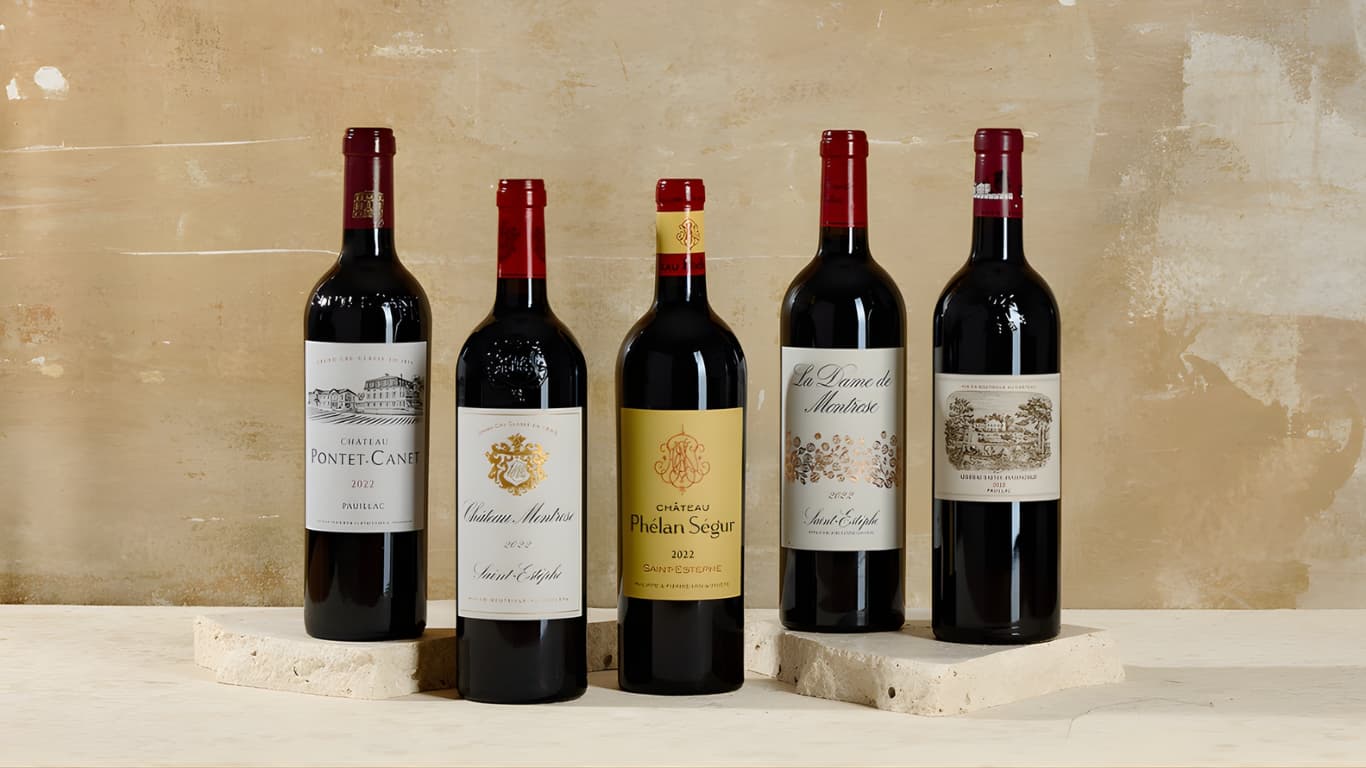
Two decades ago, Bordeaux essentially was the fine wine market. Back in 2010, it accounted for roughly 95% of traded value on Liv-ex, with First Growths alone making up about…
AuthorStefanos Moschopoulos
Published11 April 2026
Read17 min
SectionFine Wine
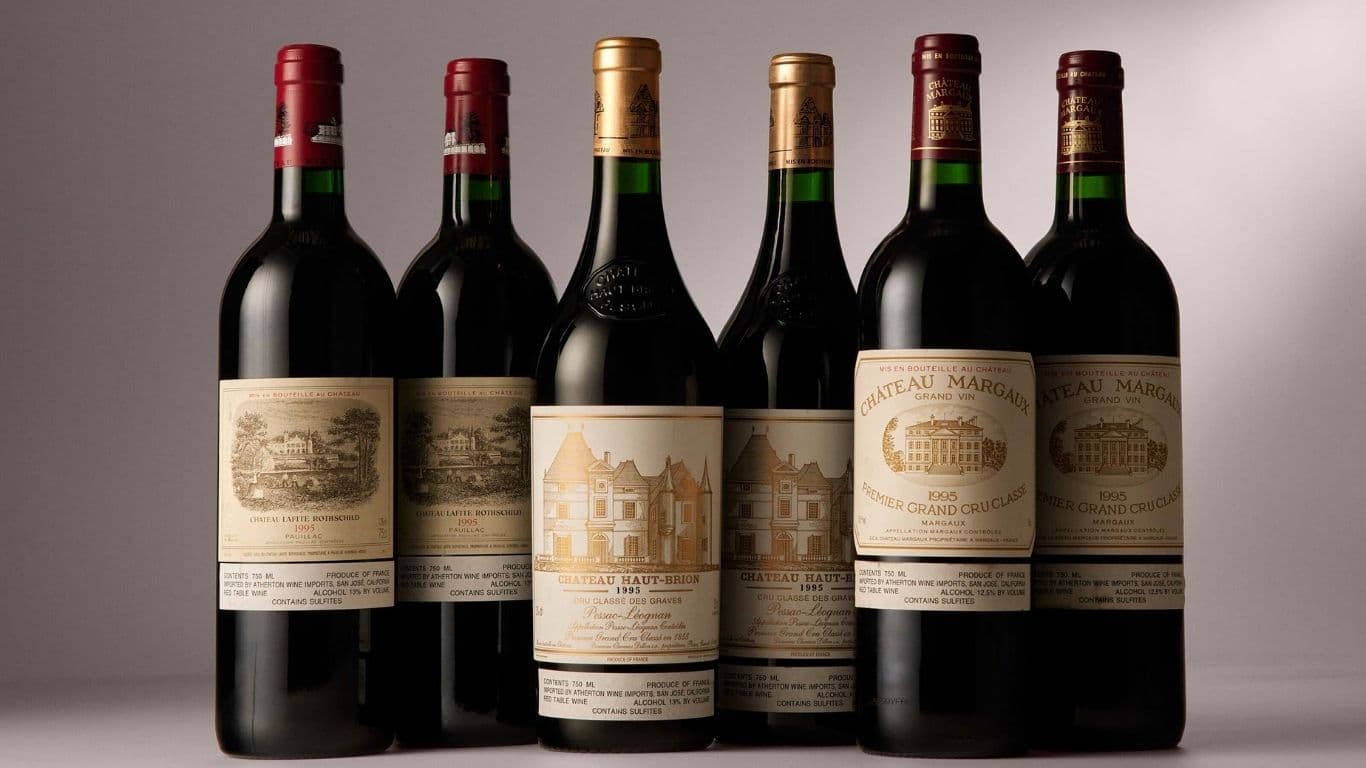
Two decades ago, Bordeaux essentially was the fine wine market. Back in 2010, it accounted for roughly 95% of traded value on Liv-ex, with First Growths alone making up about 60% of all Bordeaux flowing through the platform.
That dominance felt utterly permanent, built on centuries of reputation, classification systems that everybody understood, and deep liquidity that made Bordeaux the obvious choice for anyone treating wine as an asset rather than just something to drink at dinner.
But that world has vanished with startling speed. By late 2021, Bordeaux’s share had collapsed to somewhere between 35% and 40%, and weekly 2026 data often shows it sitting at just 32% to 33%, frequently getting overtaken by Burgundy or Champagne in any given week.
Table of Contents
Key Takeaways
Navigate between overview and detailed analysis
Key Takeaways
Bordeaux’s dominance is over. From around 95% of Liv-ex traded value in 2010 to just 32–33% in weekly 2025 data, Bordeaux has been eclipsed by Burgundy and often Champagne.
Oversupply and a broken en primeur system have dulled returns. Large production and ambitious release pricing erode confidence, with the Bordeaux 500 falling about 5.6% YTD in H1 2025.
Scarcity wins. Burgundy and Champagne now command roughly 40% of trade, with Burgundy’s value intensity per hectare about 3.6 times higher than Bordeaux.
Five-year outperformance is clear. Despite corrections in 2023–24, Burgundy 150 rose 12.4% and Champagne 50 climbed 16.7% to October 2025, outperforming Bordeaux by more than 25 percentage points.
Portfolio implications suggest balance. Expect access constraints in Burgundy and Champagne, while Bordeaux offers liquidity. Combining both provides stability and scarcity-driven upside.
The Five Ws Analysis
Who:
Collectors, funds, and merchants reallocating from Bordeaux toward Burgundy and Champagne.
What:
A structural shift in fine-wine investing, with scarcity regions outperforming Bordeaux’s large-scale production model.
When:
Acceleration from 2018 to 2025, with turning points visible by late 2021 and entrenched by 2025 trading flows.
Where:
Liv-ex and global secondary markets, where Burgundy and Champagne trade volumes frequently exceed Bordeaux.
Why:
Scarcity, stronger returns, and en primeur mispricing favor Burgundy and Champagne, while Bordeaux’s scale limits short-term performance but supports liquidity.
Why Collectors and Funds Are Moving Away From Bordeaux
The core problem with Bordeaux from an investment perspective has become precisely what makes it attractive for drinking. Put simply, there’s too much of it.
That abundance kills the volatility that speculative capital needs to generate interesting returns. Bordeaux’s production scale and sheer breadth dampen price swings in ways that make patient long-term holding sensible but rapid profit generation nearly impossible.
Liv-ex bid and offer readings through 2024 and into the first half of 2025 show increasingly tepid demand for younger Bordeaux releases, with buyers growing selective about what they’ll pay for anything outside the most prestigious names.
The en primeur system that once efficiently distributed new vintages has transformed from solution into problem. Commentary through 2024 and 2026 details ambitious release pricing from châteaux met with weak buyer appetite, creating the uncomfortable reality where First Growth futures actually trade at discounts in the secondary market. When Financial Times coverage calls recent en primeur campaigns among the toughest in years, with critics noting producers seem disconnected from market realities, you’re watching a system lose credibility in real time.
The entire logic collapses when you can buy allocated wine in the secondary market below what futures buyers paid months earlier.
Index performance tells this story more brutally than any anecdote. The Bordeaux 500 underperformed peers dramatically in the first half of 2026, falling 5.6% year to date before continuing to slip through summer. Multiple Liv-ex market roundups explicitly flagged Bordeaux as hit hardest during the mid-2026 correction, with weakness concentrated outside the very top tier.
While legendary names can still clear at strong prices, mid-tier châteaux have lagged badly. Weekly flow data shows money rotating out of Bordeaux and into Burgundy and Champagne with increasing conviction. Funds and merchants rebalanced meaningfully through 2024 and 2026, moving capital away from Bordeaux positions that simply weren’t generating the returns they needed.
And younger collectors building their first serious cellars equate authenticity and scarcity with value in ways that favor tiny-production domaines over industrially scaled châteaux, regardless of objective quality.
Labels with production runs measured in hundreds of cases carry prestige that broad, commoditized supply simply cannot match right now. Burgundy’s grower mystique and Champagne’s artisanal houses resonate with collectors who want stories and genuine scarcity rather than reliable availability from established brands, as Liv-ex trend analysis consistently documents. If you’re thinking about whether Bordeaux still deserves a place in your cellar, that cultural shift is worth weighing carefully.
Bordeaux vs Burgundy vs Champagne: Wine Investment Performance 2015 to 2026
Comparative investment analysis showing Burgundy’s 98% rise, Champagne’s 75% growth, and Bordeaux’s 37% decline based on Liv-ex trading volume and auction market data from Sotheby’s, Christie’s, and iDealwine. All regions indexed to 100 in 2015.
Data sourced from Liv-ex, Sotheby’s, Christie’s, and iDealwine, covering 2015 to 2026, indexed with 2015 as the baseline at 100.
Burgundy
Champagne
Bordeaux
Star Performer
+98%
Burgundy (100 → 198)
Strong Growth
+75%
Champagne (100 → 175)
Declining
-37%
Bordeaux (100 → 63)
Key Market Insights
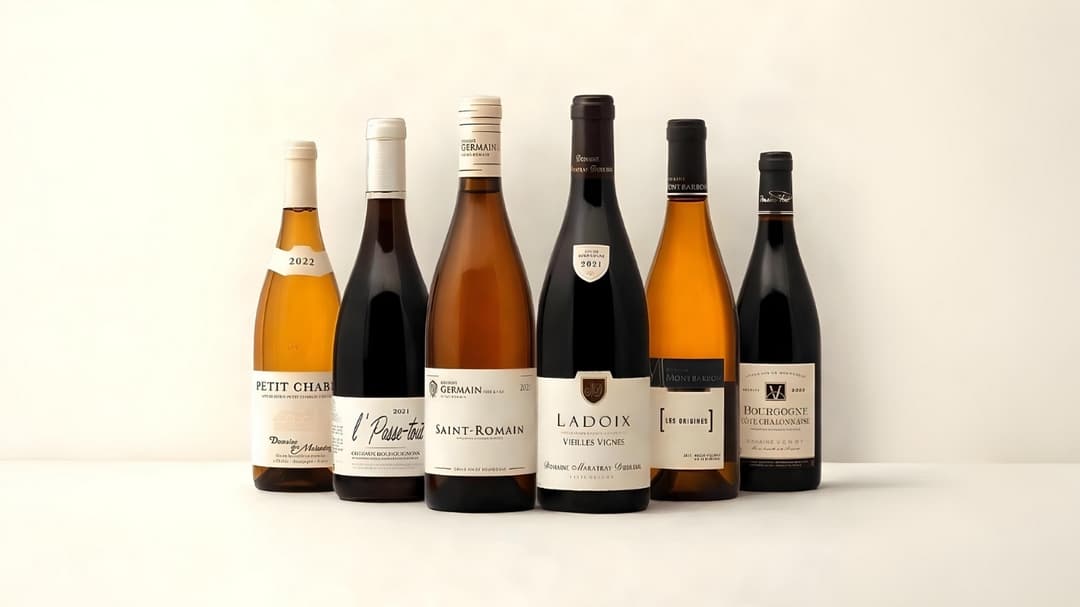
Burgundy Dominance: Burgundy emerged as the star performer, rising from 100 to 198 (+98%), driven by scarcity and high per-hectare value. Demand focused on prestigious names like Romanée-Conti and Leroy, now regularly surpassing Bordeaux in both auction and trade share.
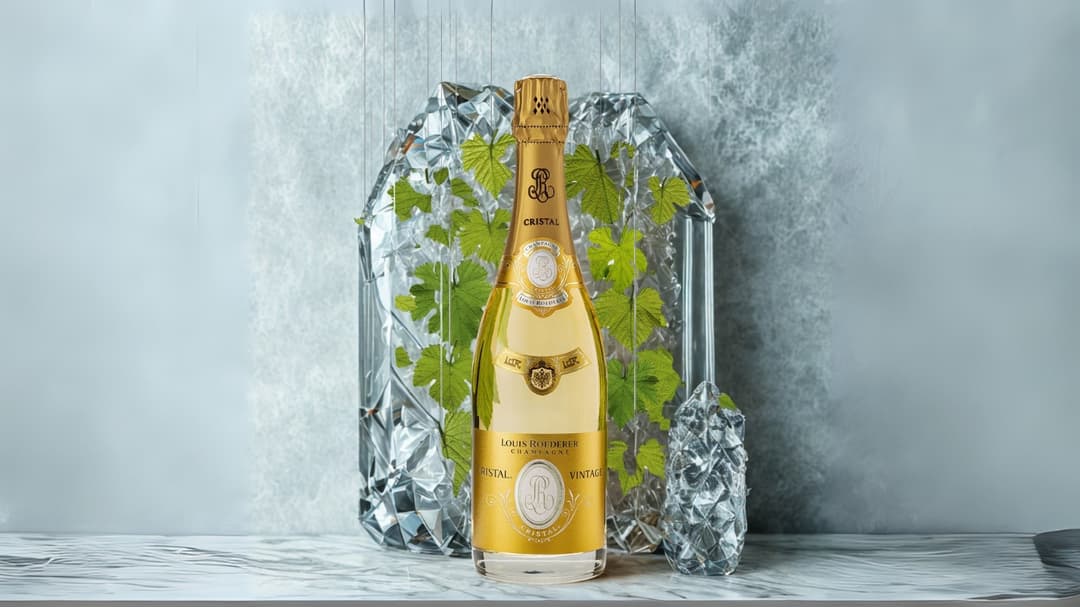
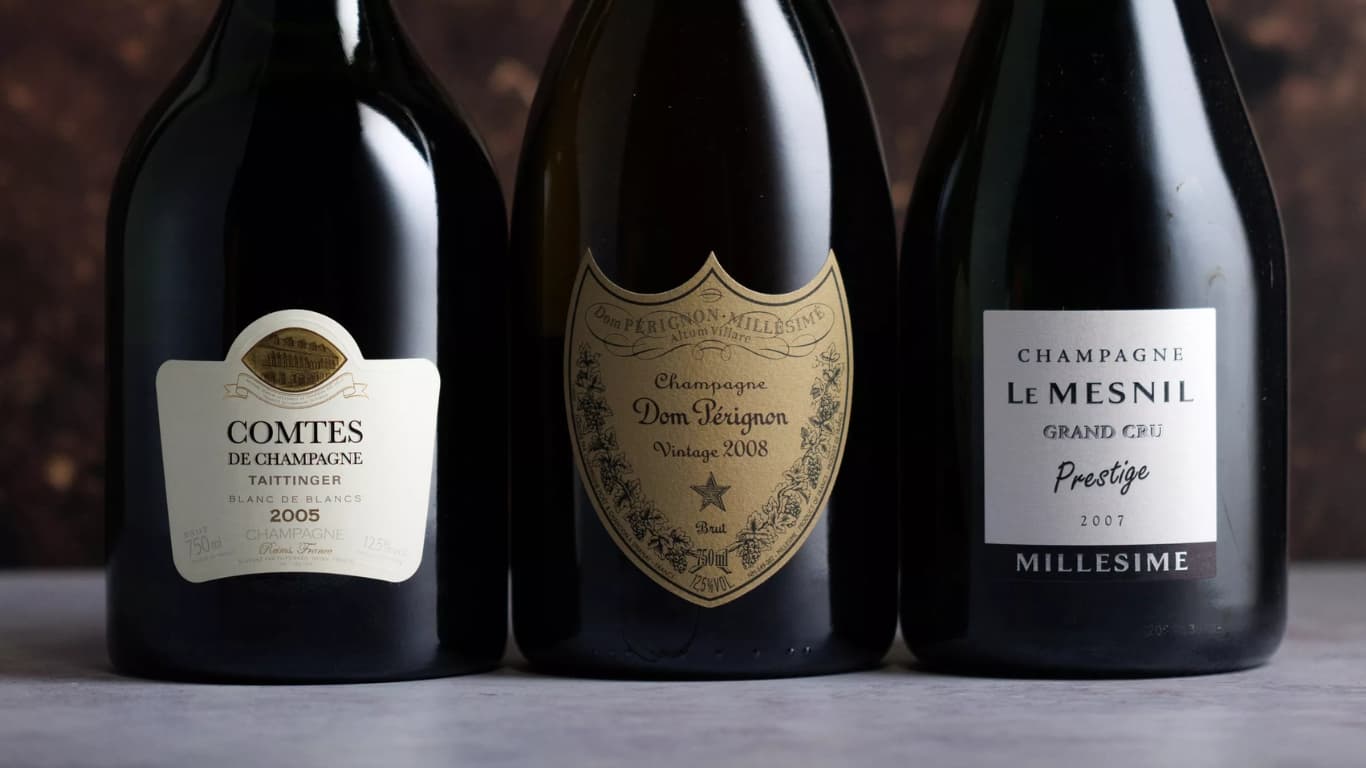
Champagne Ascension: Champagne transformed from niche to global collectible, climbing from 100 to 175 (+75%). Top cuvées like Dom Pérignon, Cristal, and Salon became auction favorites, particularly strong in US and Asian markets despite some cooling in 2023-24.
Bordeaux Decline: Once dominant Bordeaux fell dramatically from 100 to just 63 (-37%), reflecting steady decline in trade and auction relevance. Contributing factors include oversupply, weak en primeur campaigns, and slower returns compared to Burgundy and Champagne.
Regional Divergence: By 2025, Burgundy commanded nearly triple Bordeaux’s popularity index (198 vs 63), with Champagne holding strong at 175—a complete inversion from historical market patterns dominated by Bordeaux.
Methodology
This index compares the investment popularity of Bordeaux, Burgundy, and Champagne wines over the 2015 to 2026 period based on the following measures
Liv-ex traded volume share per region annually (weight: 60%)
Auction market volume and value share from Sotheby’s, Christie’s, and iDealwine (weight: 40%)
Each region indexed to 100 in 2015 baseline to allow direct comparison
Both market share shifts and investor buying patterns included in index construction
Burgundy and Champagne Are Outpacing Bordeaux in the Race for Returns
By 2022, Burgundy had reached 26.3% of Liv-ex trade value, surging from just 5.3% a decade earlier, while Champagne hit 13.7%.
Combined, those two regions commanded roughly 40% of the market and kept climbing. Weekly updates through 2026 frequently show Burgundy between 28% and 36% with Champagne in the teens, often relegating Bordeaux to second or third place in any given week.
Research from our analysts reveals just how dramatically scarcity translates into actual trade intensity. Their Value-Intensity Score measures trade value commanded per 10,000 hectares of vines and captures something telling about what the market actually values right now.
Early October 2025 data shows Burgundy generating roughly 3.6 times more trade value per hectare than Bordeaux.
Think about what that means in practice. Burgundy commanded 35.5% of weekly trade from just 32,300 hectares, while Bordeaux’s 29.1% share came from 95,000 hectares, nearly triple the vineyard area producing substantially less trade activity. That quantifies the scarcity premium in ways that make clear this isn’t just fashion but fundamental economic reality.
Even after the correction worked through 2023 and 2024, five-year gains through October 2026 stayed solidly positive for both regions. The Burgundy 150 index shows gains of 12.4% while the Champagne 50 climbed 16.7% over five years, with recent months showing stabilization and occasional upticks rather than continued bleeding.
Our analysts also track what they call the Outperformance Spread, comparing regional returns against Bordeaux as the baseline. Burgundy outperformed Bordeaux by 25.6 percentage points over five years, while Champagne’s premium reached 29.9 percentage points. These aren’t rounding errors. They represent completely different investment outcomes depending on which region you chose.
They also tracked something called the Volatility-with-Durability Check, and it highlights something worth knowing about Burgundy’s investment profile. Despite harvest swings of minus 33% in 2021 followed by plus 29% in 2023, the kind of production volatility that would devastate most agricultural investments, the Burgundy 150 still posted that 12.4% five-year return. That reinforces how scarcity compounds value over time for top domaines even when vintage quality and quantity fluctuate dramatically year to year.
Champagne’s evolution from celebratory beverage into serious collectible asset class happened faster than most market observers expected. The region’s trade share hit record highs in 2022 and sustained them through subsequent years, with houses like Cristal, Dom Pérignon, Salon, and Jacques Selosse dominating high-value trades through 2024 and 2026. You can see some of the same scarcity dynamics at play that drive the ongoing debate between red and white wine as investment vehicles.
The Champagne 50’s 16.7% five-year gain came despite cooling through the most recent two years, while frequent double-digit weekly trade shares reinforce ongoing global collector demand, especially from Asia and the United States where Champagne collecting has developed genuine depth.
Our analysts also measure what they call Trade-Intensity per 100 Million Bottles, adjusting for production scale to understand where collector focus truly sits. Even with Champagne shipments compressing from 326 million bottles down to 275 million between 2022 and 2024, with 2026 expected around 255 million, the region’s trade intensity stays remarkably elevated.
Champagne commanded 16.5% of weekly trade in early October 2026 despite producing vastly more wine than Burgundy. That supports the thesis that Champagne is genuinely transitioning into a collectible asset class rather than just riding temporary fashion before reverting to commodity status.
What This Shift Means for the Future of Fine Wine Investing
The positioning going forward suggests Burgundy and Champagne will likely maintain price resilience over multi-year horizons, though access constraints will intensify rather than ease as more collectors compete for essentially fixed supply.
Tiny allocations and rigid pricing from top domaines and houses mean getting access to the best bottles requires relationships and patience that newer collectors often lack, regardless of how much money they’re willing to spend.
Weekly flow data confirms persistent demand whenever quality stock appears on the market, with buyers competing aggressively for the limited supply that reaches secondary channels where most collectors must shop.
Bordeaux’s path back to relevance probably hinges on value-driven vintages priced realistically and broader recognition that back-vintages from strong years offer genuine relative value compared to current releases that feel overpriced. You can dig into the historical ROI data on wine investments to see how the regions stack up over longer cycles.
Liv-ex notes that mature Bordeaux finds support even as younger releases struggle, suggesting the market recognizes quality when pricing aligns with reality rather than producer hopes.
Our analysts track what they call the Recovery-Distance Gauge, measuring how far key Bordeaux indices sit from previous cycle lows.
In May 2026, the Bordeaux 500 sat roughly 5.8% below its 2020 low, but by September the Fine Wine 50 covering First Growths posted its first monthly rise in three years, climbing 0.7%. Stabilization appeared first in older back-vintages tracked by the Legends 40 index, while en primeur-linked baskets continue lagging behind. That pattern suggests value buyers are finding opportunities in mature bottles while avoiding overpriced futures.
Portfolio construction for serious fine wine investors now requires balancing the liquidity that Bordeaux blue chips still provide against scarcity premiums that Burgundy and Champagne command. Our analysts calculated that Burgundy’s trade share divided by its vineyard area shows it earning 77% more trade share than its physical footprint would suggest, while Bordeaux under-earns relative to its massive vineyard holdings. Bloomberg Wealth’s coverage of alternative asset allocation touches on exactly these kinds of scarcity-driven dynamics across collectible categories.
The transformation happening right now goes beyond cyclical rotation from one region to another that will eventually reverse when fashion changes. Something real has shifted about what collectors value and how they express those preferences through actual buying behavior.
Stefanos Moschopoulos is the Founder and Head of Editorial at The Luxury Playbook, specializing in fine assets and alternative investments. His work focuses on analyzing luxury asset classes such as art, watches, collectibles, and yachting as structured investment vehicles, aligning them with broader wealth-building strategies.
He leads the editorial direction of the publication, ensuring all content around alternative assets is data-driven, macro-aware, and investment-focused. His expertise lies in translating niche luxury markets into clear frameworks for portfolio diversification, long-term capital preservation, and asymmetric returns within non-traditional asset classes.