The German wine industry is collapsing under pressures that have been building for years but hit crisis levels in 2026. We are looking at an industry being squeezed from every direction at once: collapsing margins, shrinking domestic consumption, and climate volatility that has turned harvest planning into guesswork.
The broader European wine sector is dealing with declining consumption patterns that show no signs of reversing. Climate disruptions have become the norm. Consumer preferences are shifting toward everything except traditional wine.
According to Decanter, global wine consumption has fallen to a multi-decade low, driven by structural changes in how people drink and what they reach for when they do. Germany's producers are getting hit by all of these macro forces at once, while carrying unique disadvantages that make their position far more precarious than their Mediterranean competitors.
The 2026 harvest numbers reveal just how severe the immediate crisis has become. The German Wine Institute estimated production at roughly 7. 3 million hectoliters, about 16% below the 10-year average of 8.
7 million hectoliters and the smallest harvest since 2010.
Key Takeaways & The 5Ws
-
German wine production in 2025 is economically upside down: bulk wine prices around €0.
40–€0. 60 per liter versus average production costs near €1. 20 per liter imply structural losses of roughly €0.
60–€0. 80 per liter before selling costs.
- Climate volatility has become structural risk, with the 2025 harvest at about 7. 3 million hectoliters (around 16% below the 10-year average and the smallest since 2010) and repeated damage from heat, drought, hail, frost, and extreme rain.
-
The domestic market is squeezing producers from both sides: German market share has fallen to roughly 41%, imports are about €0.
75 cheaper per liter, and per-capita consumption has dropped close to 20% over a decade as younger consumers shift preferences.
- Steep-slope Riesling sites, the prestige engine of German wine, are structurally unprofitable due to non-mechanizable labor intensity, high regulatory costs, worker shortages, and rising wages, putting even iconic vineyards at risk of abandonment.
- The likely outcome is a smaller, more premium-focused industry: abandonment and consolidation accelerate, only top estates with strong direct-to-consumer pricing and tourism income endure, and “undervaluation” often reflects deep structural problems rather than a temporary mispricing.
- Who is affected?
- German winegrowers and family estates (especially steep-slope Riesling producers), domestic consumers buying more imports, Mediterranean and New World producers competing on cost and branding, and investors/collectors assessing German wine and vineyard assets in a structurally challenged sector.
- What is happening?
- A systemic crisis in German wine production where unit economics are negative, domestic demand is shrinking, and global competition and trade frictions pressure export channels, pushing the sector toward contraction and consolidation.
- When did it crystallize?
- The stress has built for years but became unmistakable in 2025, marked by the smallest harvest since 2010, multi-year weakness in global wine demand, and a decade-long slide in German per-capita consumption and domestic market share.
- Where is the pressure strongest?
- Across Germany’s wine regions, with the harshest impact on labor-intensive steep-slope sites in classic Riesling areas, while competitive pressure is intensified by Mediterranean exporters and New World producers supplying both Germany and international markets.
- Why is the sector breaking?
- Because production costs persistently exceed achievable selling prices, climate volatility undermines yields, German wine has lost the value-and-lifestyle battle at home to cheaper, better-branded imports, and policy tools cannot easily repair economics that are structurally loss-making.
How Did German Wine Production Become Economically Unsustainable?
German wine producers operate with cost structures their competitors simply do not face. Steep slopes along the Mosel, Rheingau, and Ahr Valley demand hand-harvesting that machines cannot replicate, while flat vineyards in southern France and Spain run on mechanised systems that cut labour costs by 60% or more.
Riesling, which makes up roughly 24% of Germany's planted area, requires meticulous canopy management to balance ripeness and acidity. That work is labour-intensive at every stage and cannot be cost-engineered away without compromising quality.
According to the Deutsches Weininstitut, average production costs for steep-slope German vineyards exceed 1. 20 euros per kilogram of grapes, against roughly 0. 40 euros per kilogram for mechanised flat-site Spanish bulk production.
The gap explains why every bottle of basic German wine struggles to clear positive economics.
Climate volatility compounds the margin problem
The 2025 harvest came in 30% below long-term averages because of late frosts and an early-summer drought, exactly the kind of compound climate event that has become more frequent across the past decade. Hail damage in the Pfalz region cost producers an estimated 80 million euros in single weather events between 2023 and 2025.
Climate insurance premiums have followed. Comprehensive vineyard coverage now sits 40% above 2020 levels, pushing fixed costs higher in exactly the years producers can least afford it. The 2026 harvest is on track to be the smallest in 16 years.
Why Are German Consumers Abandoning Domestic Wine for Imports?
The structural problem is not just supply. German consumers are walking away from German wine. Per-capita wine consumption has fallen from a 2010 peak of roughly 24.
5 litres to 19. 8 litres in 2025, with German wine ceding share to Italian, French, and Spanish imports at the supermarket tier and to non-wine alcoholic categories at the on-trade tier.
The on-trade pressure is particularly sharp. Younger German consumers are drinking spritzes, sparkling categories, and craft beer. The traditional Riesling-and-Pinot Noir dinner-table footprint has compressed.
Even at premium retail, Italian and Spanish producers are pricing below German equivalents because their underlying cost structure is lower.
The category positioning problem matters. German wine remains globally associated with sweetness from the 1970s and 1980s, despite three decades of structural shift toward dry styles. The reputation lag has cost named producers global shelf access at exactly the moment they need it most.
The export picture is not rescuing domestic pressure
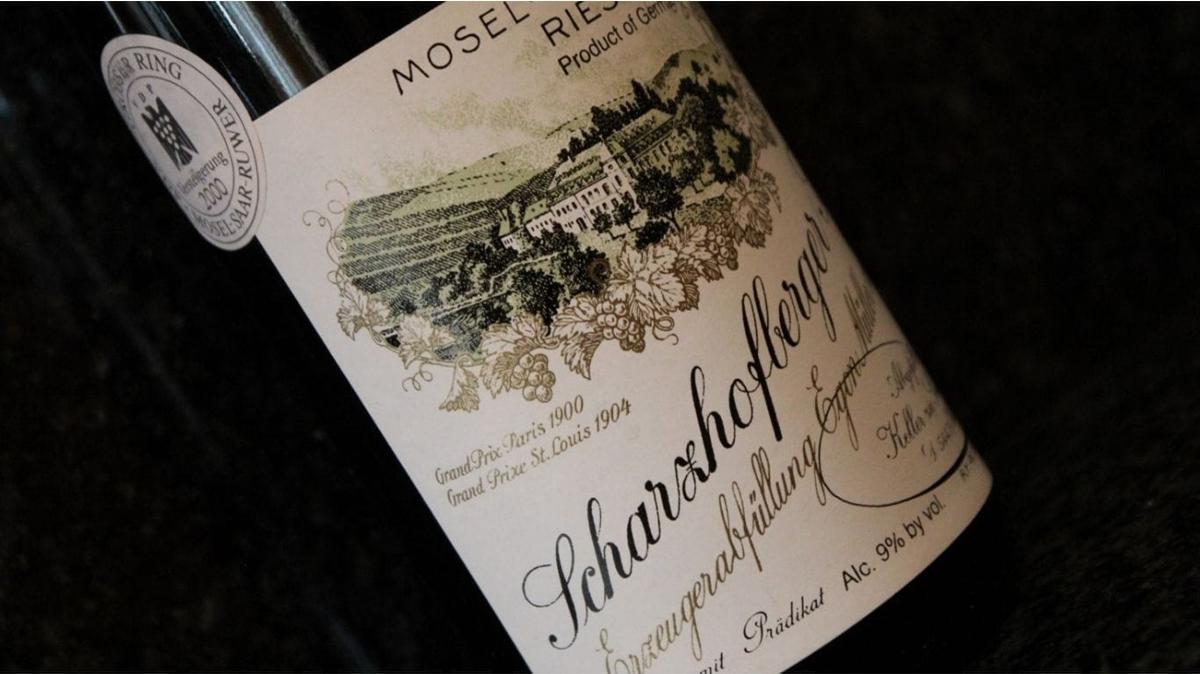
German wine exports have grown modestly in value terms across recent years but remain a small share of total production. The named producers (Egon Müller, Joh. Jos.
Prüm, Selbach-Oster, Dr. Loosen at the named-vineyard tier) command genuine global collector attention. Egon Müller's Scharzhofberger Trockenbeerenauslese remains one of the most expensive wines released annually anywhere.
But the named-producer tier is a tiny share of total German production. The structural mass of German wine sits in the middle and entry tiers, where the export story has not rescued domestic pressure.
Can German Wine Producers Survive, and What Does This Mean for Investors?
The honest answer is that the broader category will compress and the named-producer top tier will continue to function. Egon Müller, Joh. Jos.
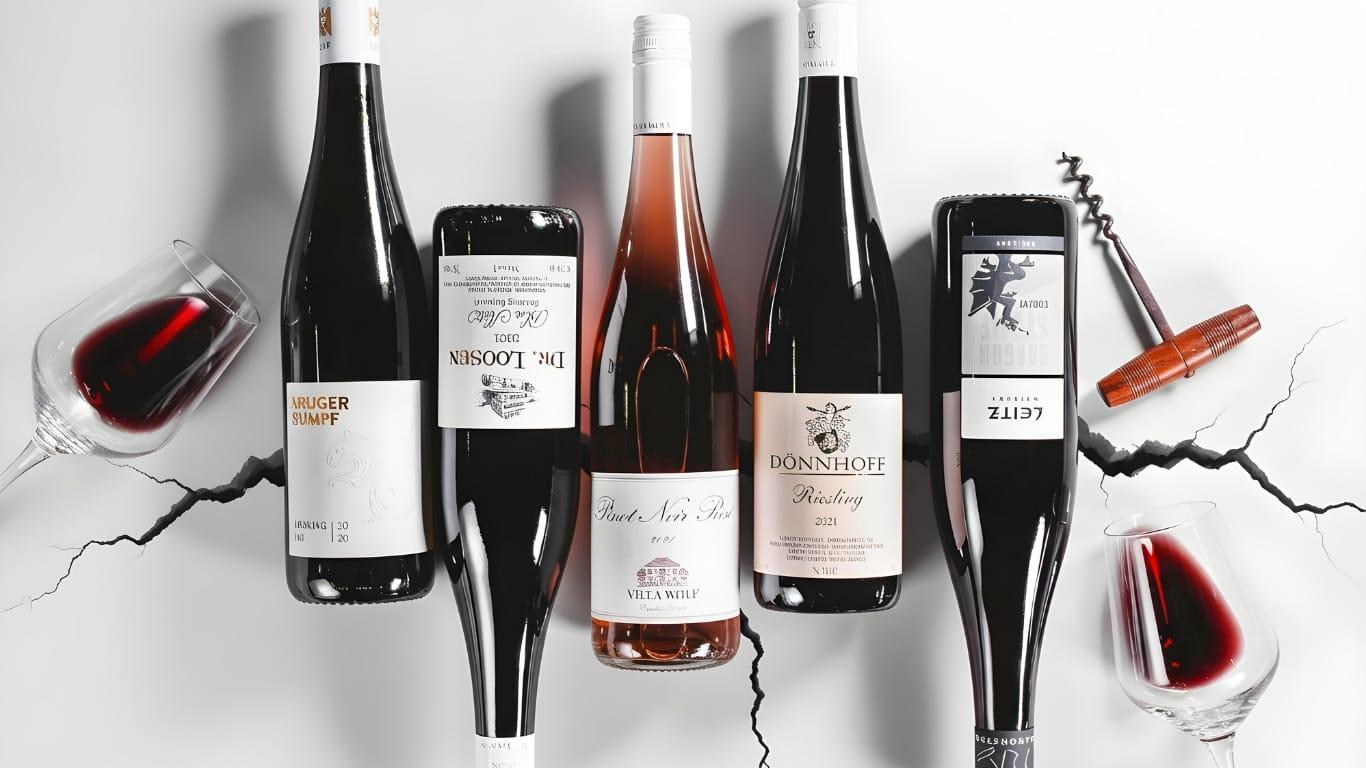
Prüm, Dr. Loosen, Robert Weil, Künstler, and the other top VDP producers will continue to release vintage wines that draw global collector attention and clear at meaningful prices. The structural mass of German wine, especially basic-tier and middle-tier producers, faces real consolidation pressure.
VDP membership and named-vineyard (Grosse Lage) designation have become structurally important as a quality signal. The VDP's classification system has clarified the named-producer landscape and helped collectors identify what to allocate cellar space to.
For collectors building positions, German Riesling at the named-vineyard tier deserves a meaningful share. The wines age remarkably well, the value-to-quality ratio is structurally favourable, and the named producers continue to invest in vineyard work that supports the long arc of the category. The broader collector context for thinking about wine alongside other alternative passion assets sits at exactly this kind of structural decision.
The broader European context
Germany's pressures sit alongside similar structural challenges across the European wine landscape. The cost structure pressure on smaller producers, the consumer shift away from wine in younger cohorts, and the climate disruption story all apply across the continent in different proportions. The story of Switzerland's real estate market pricing out its own investors shares an underlying dynamic: small-scale, structurally-constrained categories under pressure from larger, lower-cost competitors.
FAQ
Why are German wines losing money on every bottle in 2026?
The cost structure is the core issue. German steep-slope vineyards in the Mosel, Rheingau, and Ahr require hand-harvesting and intensive canopy management that costs roughly three times what mechanised flat-site production costs in southern Europe. Combined with declining domestic consumption, rising climate-insurance costs, and the smallest harvest in 16 years, basic-tier German wine struggles to clear positive economics.
Is the German wine industry going to disappear?
The named-producer top tier (Egon Müller, Joh. Jos. Prüm, Dr. Loosen, Robert Weil, Künstler) will continue to function.
They release vintage wines that draw global collector attention. The structural compression sits in the middle and basic tiers, where consolidation pressure is real. The named-vineyard (Grosse Lage) VDP system has become the dividing line.
Should serious collectors still build German Riesling positions?
Yes, at the named-vineyard tier. The wines age remarkably well, the value-to-quality ratio is structurally favourable, and the named producers continue to invest in vineyard work that supports the long arc of the category. A serious cellar with no German Riesling representation is missing one of the most age-worthy white wine categories in the world.
Why are German consumers buying more imported wine?
Imports from Mediterranean countries are cheaper on average and benefit from decades of strong branding around lifestyle and food culture. At the same time, German per-capita wine consumption is falling, and younger drinkers are gravitating toward beer, cocktails, alcohol-free drinks, and international grape varieties.
We last reviewed this analysis in May 2026.