If you want to make smart moves in the fine wine market, understanding what drives prices and quality is non-negotiable. From the soil beneath the vines to the critic who scores the bottle, every detail shapes a wine’s value and desirability. Terroir, grape variety, vintage conditions, brand prestige, critic ratings — each one plays a role in whether a wine appreciates or stagnates. This guide walks you through all the key factors so you can identify what makes a wine truly exceptional and where the real investment opportunities lie.
Table of Contents
Terroir
Terroir is the soul of fine wine. It refers to the unique combination of natural forces that shape a wine’s character — soil composition, climate, topography, and the human practices layered on top. These elements interact in ways that can never be fully replicated anywhere else on earth. And that irreproducibility is exactly what sets iconic wine regions apart and makes their bottles worth serious money.
Soil Composition
The soil beneath a vineyard is far more than just dirt. It determines how water drains, which nutrients reach the vine’s roots, and how deeply those roots can penetrate. Different soils produce dramatically different wines.
- Limestone Soils: Found in regions like Burgundy and Champagne, limestone enhances minerality, elegance, and structure in wines. For example, the chalky limestone soils in Champagne’s Côte des Blancs provide the acidity and freshness vital for world-class sparkling wines.
- Gravel Soils: Bordeaux’s Left Bank is famous for its gravelly soil, which allows excellent drainage and retains heat, aiding the ripening of Cabernet Sauvignon. This soil contributes to the region’s robust, tannic wines.
- Volcanic Soils: Regions like Sicily’s Mount Etna and Hungary’s Tokaj have volcanic soils that yield wines with distinct smokiness and bold minerality, making them highly sought after for their unique profiles.
Regions celebrated for exceptional soil consistently command premium prices. Buyers recognize these wines as genuine expressions of their terroir, and that recognition translates directly into investment value.
Climate and Microclimates
Climate is one of the most defining dimensions of terroir. Temperature swings, annual rainfall, and hours of sunlight all shape the style of a region’s wines at the macro level. But it’s the microclimates — the localized conditions within a vineyard — that fine-tune the nuances in every bottle.
- Cool Climates: Regions like Burgundy or Germany’s Mosel Valley produce wines with bright acidity and nuanced flavors due to their cooler temperatures. These wines often have higher aging potential, appealing to collectors.
- Warm Climates: Warm regions such as Napa Valley or Barossa Valley produce bold, fruit-forward wines with concentrated flavors, ideal for immediate enjoyment or mid-term investment.
- Diurnal Range: A significant diurnal temperature range—common in high-altitude vineyards like Mendoza or the Douro Valley—enhances grape complexity. Cooler nights preserve acidity, while warm days ensure ripeness, creating balanced wines with both finesse and intensity.
Proximity to water bodies is a classic example of microclimate influence. In Bordeaux’s Médoc, the Gironde estuary acts as a natural temperature regulator, smoothing out extremes that could otherwise stress the vines. That moderating effect shows up in the glass, vintage after vintage.
Topography and Elevation
Where a vineyard sits on a hillside — and how high up — shapes everything from sun exposure to drainage to the direction of prevailing winds. Steep slopes in Burgundy or the Douro Valley force vines to work harder, concentrating flavors in ways that flatland vineyards simply cannot match.
- Slopes: Steep vineyards, such as those in Germany’s Mosel Valley or Côte-Rôtie in France, receive optimal sunlight and drainage. These conditions yield grapes with concentrated flavors, resulting in highly prized wines.
- Elevation: High-altitude vineyards, such as those in Argentina’s Uco Valley, produce grapes with thicker skins, leading to intense flavors and structured tannins. These wines often age well, increasing their investment appeal.
Regional Identity and Appellations
Terroir is not purely about nature. Cultural heritage and centuries of practice are baked into the concept too. Appellation systems across France, Italy, and Spain exist precisely to protect and define these regional identities, creating a quality framework that buyers and investors can trust.
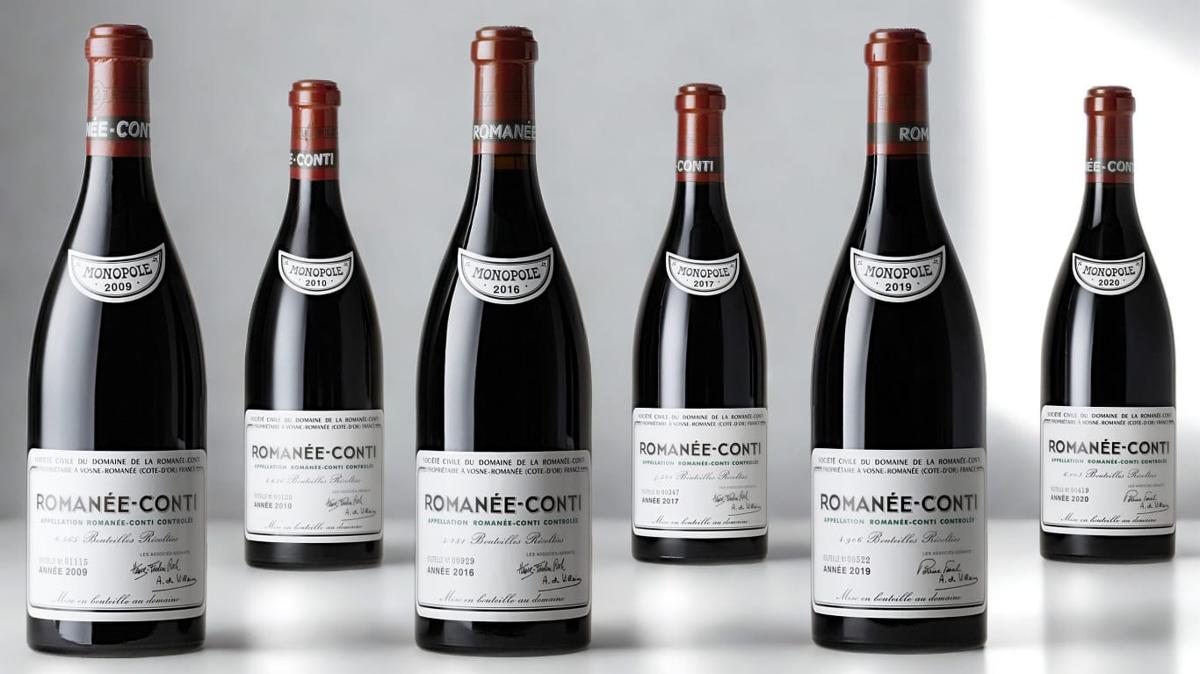
- Burgundy: With its centuries-old emphasis on terroir, Burgundy divides its vineyards into meticulously classified parcels, such as Grand Cru or Premier Cru. This dedication to terroir ensures that wines from prestigious vineyards like Domaine de la Romanée-Conti are among the most expensive and collectible in the world.
- Bordeaux: The Bordeaux classification system (e.g., Médoc’s 1855 Classification) highlights the region’s commitment to terroir-driven quality. These classifications add significant value to wines, creating demand among investors.
Human hands matter here as well. Pruning, irrigation choices, and farming philosophy — whether organic, biodynamic, or conventional — all influence how clearly a wine expresses its terroir. Biodynamic farming in Alsace, for instance, strips away anything that might obscure the vineyard’s natural voice. That purity appeals strongly to eco-conscious collectors, and increasingly, it shows up in the price.
Why Terroir Influences Pricing and Quality
- Distinctiveness: Wines that reflect their terroir offer a sense of place, making them more desirable to collectors and connoisseurs.
- Limited Supply: High-quality terroirs often have restricted production, driving scarcity and increasing prices.
- Historical Prestige: Regions with established reputations for exceptional terroir, like Burgundy or Champagne, can charge a premium for their wines.
Terroir is what makes fine wine an art form rather than a commodity. When soil, climate, and tradition align perfectly, the result is a wine that could only come from one place on earth. That specificity is the foundation of collectibility — and it is what secures the best bottles as genuinely valuable assets in the global market.

Grape Variety and Vintage
When you are evaluating a fine wine as a collector or an investor, two factors will demand your attention above almost everything else — grape variety and vintage. These are not just winemaking details. They directly shape the taste, the aging trajectory, and ultimately the price a bottle commands on the open market. Get a handle on both, and you will make far sharper decisions about where to allocate your capital.
Every grape variety carries its own fingerprint. Flavor profile, structural characteristics, aging potential — these are baked into the DNA of the grape itself. Some varieties, like Cabernet Sauvignon from Napa Valley or Pinot Noir from Burgundy, enjoy consistent global demand and a proven track record as long-term investments. Others are more regional in appeal but can offer outstanding value for the savvy buyer.
- Cabernet Sauvignon: Known as the “king of red grapes,” Cabernet Sauvignon is prized for its bold structure, deep tannins, and exceptional aging potential. It dominates prestigious regions like Bordeaux’s Left Bank and Napa Valley, producing iconic wines such as Château Lafite Rothschild and Screaming Eagle. Its broad appeal and proven track record make it one of the most reliable varieties for both collectors and investors.
- Pinot Noir: Pinot Noir is a delicate and challenging grape to grow, but when cultivated successfully, it produces some of the world’s most sought-after wines. Found primarily in Burgundy, it is the backbone of legendary wines like Domaine de la Romanée-Conti. Its limited production, combined with high demand, ensures consistent appreciation in value, making it a staple in fine wine portfolios.
- Chardonnay: As one of the most versatile white grape varieties, Chardonnay is cultivated in prestigious regions such as Burgundy, Champagne, and California. From the crisp minerality of Chablis to the luxurious richness of Blanc de Blancs Champagne, Chardonnay offers something for every palate. Its versatility and global recognition solidify its place as a cornerstone of wine investments.
- Sangiovese: Central to Tuscany, Sangiovese is the foundation of world-famous Super Tuscans like Sassicaia and traditional Chianti. Its ability to deliver complex flavors and high acidity makes it suitable for long aging, enhancing its value and appeal among investors.
- Syrah/Shiraz: Known for its bold and spicy profile, Syrah thrives in regions like the Rhône Valley and Australia’s Barossa Valley. Wines such as Côte-Rôtie and Penfolds Grange are iconic examples, highly valued for their depth and potential to age gracefully over decades.
Vintage refers to the year the grapes were harvested. Think of it as a snapshot of the growing season — the weather, the conditions, the decisions made in the vineyard. All of that feeds directly into the wine’s ripeness, flavor balance, and structure. An exceptional vintage is not just a talking point. It is a genuine quality indicator that collectors are willing to pay a serious premium to own.
The weather during the growing season is where vintage quality is won or lost. Rainfall timing, sunlight hours, temperature patterns across spring, summer, and autumn — these variables determine whether grapes reach ideal ripeness or fall short. A single hailstorm at the wrong moment can devastate a crop. A perfectly warm, dry autumn can produce a wine destined for decades of aging and price appreciation.
- Outstanding Vintages: Years like Bordeaux 2010, Burgundy 2005, and Napa Valley 2016 are celebrated for their perfect balance of weather conditions. Wines from these vintages consistently achieve higher prices and maintain strong demand in the secondary market.
- Challenging Vintages: Adverse conditions, such as excessive rain or frost, can lead to lower yields and less balanced wines. However, top producers often mitigate these challenges through precise vineyard management and expert winemaking.
How Grape Variety and Vintage Impact Price and Quality
- Flavor and Structure: Grape varieties define the core characteristics of a wine, from the bold tannins of Cabernet Sauvignon to the delicate finesse of Pinot Noir. When combined with an excellent vintage, these qualities are enhanced, resulting in superior wines.
- Aging Potential: Varieties like Cabernet Sauvignon and Chardonnay excel in longevity, increasing their value as they mature. Exceptional vintages further amplify this aging potential, making the wine more desirable over time.
- Market Demand: Certain grape varieties, such as Pinot Noir and Sangiovese, enjoy perennial demand due to their association with prestigious regions and iconic wines. Pairing these with a celebrated vintage elevates their market appeal and price.
Weather Conditions in a Specific Year
The weather in any given growing season is one of the most powerful forces shaping both fine wine quality and price. Every stage of grape development — from flowering through to harvest — is at the mercy of that year’s climate. Get it right, and you have the foundation for an extraordinary vintage. Get it wrong, and even the most talented winemaker is working against the odds.
Temperature’s Role in Quality
Temperature is arguably the most critical variable in the vineyard. Warm days drive sugar accumulation in the grapes, while cool nights preserve the acidity that gives wine its freshness and structure. Strike that balance, and you produce wines with genuine aging potential. But extremes in either direction cause problems. Excessive heat accelerates ripening too quickly, leaving wines flat and overblown. Unseasonal cold snaps can wipe out a harvest before it ever gets started.
- Optimal Temperatures: Moderate weather ensures grapes ripen gradually, preserving their complexity. For instance, Bordeaux’s legendary 2010 vintage benefited from warm days and cool nights, producing wines with exceptional structure and longevity.
- Excessive Heat: Heat waves can over-ripen grapes, leading to high alcohol levels and diminished acidity. This was observed in some parts of California during particularly hot years, where wines became overly concentrated with limited aging potential.
Rainfall and Its Timing
Rainfall is equally consequential, and timing is everything. Adequate moisture during spring and early summer supports healthy vine development. But heavy rain just before harvest is a winemaker’s nightmare — it dilutes grape sugars, invites rot, and strips the concentration that premium wines depend on. Conversely, drought stress in the right measure can push vines to produce smaller, more intensely flavored berries.
- Early Season Rainfall: Beneficial rainfall at the beginning of the growing season nourishes vines, promoting healthy growth.
- Late Season Rainfall: Rain close to harvest dilutes grape flavors and increases the risk of mold and rot, significantly reducing quality. For example, Bordeaux’s 2013 vintage faced challenges due to heavy rains during harvest, resulting in softer wines that lacked structure and command lower prices.
Sunshine and Grape Development
Sunlight drives ripeness and flavor concentration. Without enough of it, grapes struggle to reach full maturity, and the resulting wines tend to be thin and underpowered. Regions like Napa Valley, blessed with reliable sunshine across the growing season, consistently produce fruit-forward, full-bodied wines that drinkers and collectors respond to immediately.
The interplay between sunshine and shade is beautifully illustrated in Burgundy. Vineyard exposures vary plot by plot across the Côte d’Or, and those differences in light exposure create distinct quality and flavor variations even within a single appellation — sometimes within a few hundred meters.
Frost and Hail
Frost and hail are the more dramatic threats. A late frost in spring can kill tender buds before they develop, slashing yields dramatically. Hailstorms can shred leaves and damage fruit in a matter of minutes. Both events reduce supply sharply, and when quality holds despite low yields, prices move significantly higher.
- Frost: Spring frost damages young vine shoots, reducing yields and increasing the scarcity of that year’s wines. For instance, Burgundy’s 2021 vintage saw severe frost, leading to reduced production and a subsequent rise in wine prices.
- Hail: Hailstorms destroy clusters of grapes, affecting both quality and quantity. In Burgundy and the Rhône Valley, hail has caused substantial losses in recent years, with affected wines commanding higher prices due to their rarity.
Wind’s Dual Role
Wind is a double-edged force in the vineyard. On one hand, a steady breeze reduces humidity and lowers the risk of fungal disease — an important benefit in damper climates. On the other, strong winds can physically damage vines, stress the fruit, and interfere with the flowering that determines yield. The best vineyard sites tend to catch enough wind to stay healthy without being exposed to its worst effects.
- Cooling Effect: Gentle breezes from nearby water bodies, such as the mistral winds in the Rhône Valley, keep grapes dry, preventing mold and disease while promoting healthy ripening.
- Destructive Impact: Strong winds can damage vines, especially during flowering, reducing yields and compromising grape quality.
How Weather Affects Fine Wine Prices
Vintage weather shapes both quality and availability, and those two variables together drive prices. A year with ideal growing conditions and strong winemaker execution produces wines that critics rate highly and collectors rush to acquire. A year shortened by frost or hail reduces supply, and when quality remains intact despite the adversity, scarcity pushes prices sharply upward. The finest vintages become benchmarks — wines that collectors hold for decades and investors track as appreciating assets.
- Exceptional Growing Seasons Drive Demand: Ideal weather conditions, such as the warm and dry summer of Bordeaux 2010, produce outstanding vintages with superior structure and balance. Wines from such years command premium prices, both at release and on the secondary market.
- Adverse Weather Creates Scarcity: Poor weather conditions often lead to reduced yields, making wines from affected vintages rarer. For example, the frost-impacted Burgundy 2016 vintage saw limited production, driving up prices as collectors scrambled to secure scarce bottles.
- Regional Variations in Weather: Different regions experience varying impacts from the same weather trends. While Champagne might thrive in a cooler year, Napa Valley could face challenges. This regional variability creates opportunities for investors to diversify across climates and regions.
Case Studies of Weather’s Impact
Bordeaux 2010 is the standard that collectors measure against. Warm, sunny days paired with cool nights produced wines of exceptional balance — high tannins, precise acidity, and extraordinary aging potential. Château Margaux and Château Latour from this year became instant collector benchmarks, and prices have held firm ever since. You would struggle to find a serious wine portfolio today that does not include at least one bottle from this vintage.
Burgundy 2016 tells a different story. Severe frost and hailstorms hammered yields, cutting production by nearly 30% in some areas. And yet the quality of what survived was remarkable. Producers like Domaine Leroy saw their already scarce output shrink further, driving secondary market prices sharply higher. Scarcity and quality combined — that is when prices really move.
Champagne 2002 was about as close to perfect as a growing season gets. Consistent sunshine and well-timed rainfall produced grapes with exceptional acidity and complexity. The resulting wines are widely regarded as among the finest Champagne has produced in a generation, making them a natural focus for collectors and investors seeking long-term appreciation.

Oak Aging
Oak aging is one of those winemaking decisions that quietly transforms everything. The type of barrel, the duration of aging, and the skill of the cooper all leave their mark on the final wine. Done well, oak aging adds complexity, refines structure, and enhances long-term aging potential — all qualities that collectors and investors actively seek out when they are building a serious portfolio. If you want to understand how Bordeaux compares to Burgundy as an investment, oak aging philosophy is one of the key differences to examine.
How Oak Aging Enhances Quality
Flavor Development. Oak barrels impart a range of flavors that add genuine depth to a wine. French oak contributes subtle notes of vanilla, spice, and cedar — qualities associated with elegance and finesse. American oak takes a bolder approach, introducing flavors of coconut, dill, and sweet vanilla that suit the fruit-forward styles produced in Napa Valley and Rioja. These distinct flavor profiles cater to different collector preferences, and the best producers choose their oak accordingly.
Tannin Integration. Tannins give wine its body and grip, but they need time and the right environment to soften and integrate. During barrel aging, the wine absorbs tannins from the oak, which interact with the wine’s natural compounds to create a smoother, more refined texture. This process is what gives wines like Cabernet Sauvignon, Brunello di Montalcino, and Rioja Gran Reserva the structured elegance that makes them ideal candidates for long-term cellaring.
Micro-Oxygenation. Oak is porous, which allows a slow, controlled exchange of oxygen between the wine and the outside air. This gradual exposure softens harsh tannins, stabilizes color, and pulls the wine’s various elements into harmony. The result is a polished, balanced wine — the kind that earns high critic scores and attracts serious collector interest.
Types of Oak and Their Influence
French Oak. French oak is the benchmark for premium wine production. Its fine grain means a more subtle, restrained influence on the wine — exactly what you want when the goal is elegance and complexity rather than bold flavoring. Barrels from top French coopers cost well over $1,000 each, and that investment shows in the finished wine. Burgundy and Bordeaux producers rely on French oak almost exclusively, and their wines’ market prices reflect both the quality of the oak and the skill with which it is used.
American Oak. American oak brings more assertive flavors to the table — sweet vanilla, coconut, and a characteristic boldness that suits wines from Napa Valley and Rioja particularly well. The barrels cost less than their French counterparts, but they still add a layer of character that resonates with a broad audience of collectors and consumers.
Hungarian and Eastern European Oak. These options sit comfortably between the delicacy of French oak and the intensity of American. They are gaining traction among producers who want nuanced flavors without the premium price tag, making the resulting wines accessible to a wider range of investors and collectors without sacrificing quality.
The length of time a wine spends in barrel matters just as much as the type of oak. Shorter aging periods of six to twelve months add gentle oak character and suit wines intended for relatively early consumption. Extended aging of twelve to thirty-six months builds richer complexity and structural depth, producing wines that are genuinely built for the long term and far more attractive to serious collectors.
Château Margaux ages its wines for eighteen to twenty months in new French oak, a process that creates the extraordinary depth and refinement the estate is famous for. Rioja’s Gran Reserva category requires a minimum of two years in barrel — a commitment that results in layered, complex wines with price tags that reflect their craftsmanship.
Economic and Market Impact of Oak Aging
Cost of Production. New French oak barrels run upwards of $1,200 each, and they can only be used for a limited number of vintages before their flavoring properties diminish. For producers using 100% new oak across hundreds of barrels per vintage, those costs are significant — and they feed directly into the bottle price. When you pay a premium for a top Bordeaux or Grand Cru Burgundy, part of what you are paying for is the oak.
Perceived Quality. Collectors and critics associate oak-aged wines with craftsmanship and luxury. The complexity that comes from careful barrel aging regularly translates into higher critic scores, and those scores drive demand. Wines like Château Latour and Penfolds Grange have built their global reputations in part through the quality and consistency of their oak-aging programs.
Scarcity of Resources. Demand for premium French oak barrels outpaces supply, which makes oak-aged wines from the finest producers inherently more exclusive. Not every winery can afford to use new barrels for every vintage, and that constraint is reflected in both the wine’s character and its price.
Case Studies: The Role of Oak Aging in Iconic Wines
Château Lafite Rothschild ages every wine for eighteen to twenty months in 100% new French oak. That commitment to the barrel is central to the wine’s legendary complexity and its standing as one of the most collectible wines in the world. When you are paying for a bottle of Lafite, you are paying for those months of meticulous barrel time just as much as you are paying for the vineyard.
Penfolds Grange takes a different approach, blending American and French oak to create a bold, fruit-forward profile with exceptional depth. That combination of oak styles gives Grange a distinctive character that appeals to traditionalists and forward-thinking investors alike, driving consistent global demand and reliably strong market prices.
Rioja Gran Reserva wines spend a minimum of five years in total aging, including at least two years in oak. That extended commitment introduces rich flavors of vanilla, spice, and leather — qualities that make these wines genuinely desirable for collectors seeking both quality and long-term price appreciation.
Oak aging is not just a winemaking choice. It is a strategic decision with direct investment implications. Wines aged in quality oak tend to have longer aging trajectories, stronger critic scores, and greater collector appeal. They also tend to come from producers with established reputations — which means you are not just buying a wine, you are buying into a track record.
Scarcity and Rarity
If you want to understand what truly drives fine wine prices, start with scarcity. Rarity is not just a marketing concept in this market — it is a fundamental economic force. Limited production, challenging vintages, and unique attributes make certain wines genuinely hard to acquire, and that difficulty is precisely what makes them valuable. Collectors want what others cannot have, and investors understand that finite supply combined with growing demand is a reliable path to appreciation.
Small vineyard plots naturally cap what a producer can make. Burgundy is the clearest example. Domaine de la Romanée-Conti operates on just 1.8 hectares of vineyard land, producing around 6,000 bottles annually across its grand cru sites. When global demand for those bottles runs into the tens of thousands of potential buyers, prices move — and they move hard. Bottles from DRC regularly exceed $20,000, and the most sought-after labels push well beyond that.
Some producers take scarcity further by deliberately capping output. Screaming Eagle in Napa Valley produces fewer than 10,000 bottles per year. That deliberate restraint creates intense competition for every bottle, pushing secondary market prices above $5,000 for the finest vintages. The winery could make more. It chooses not to. And that choice is worth a great deal.
Impact of Vintage-Specific Conditions
Weather can impose scarcity on even the most prolific producers. Frost, hail, and drought shrink yields sharply, turning a normal vintage into a rare one almost overnight. Burgundy’s 2016 vintage is a compelling case study — severe frost and hailstorms cut production by nearly 30% in some zones. The wines that survived were exceptional. The combination of reduced supply and high quality sent prices climbing rapidly, and they have not looked back.
In contrast, when ideal conditions produce a celebrated vintage, demand can be equally extreme. Bordeaux’s 2010 vintage, recognized as one of the finest in recent memory, saw overwhelming collector interest from the moment the wines were released. Château Margaux crossed $1,000 per bottle quickly after release and kept appreciating from there. That is what happens when scarcity of quality intersects with global demand.
Unique Features That Enhance Rarity
Single vineyard designations add another layer of exclusivity. When grapes come from a precisely defined plot with unique terroir characteristics, the wine becomes an expression of that specific piece of earth and nothing else. La Tâche in Burgundy, owned entirely by Domaine de la Romanée-Conti, is the archetype — a wine that collectors prize precisely because no other producer can make anything like it.
Limited-edition releases work similarly. Penfolds G3, a blend of three historic Grange vintages, was released in such small quantities that it became a collector’s item almost immediately after launch. Large-format bottles add yet another dimension. A jeroboam of Château Mouton Rothschild 1945 achieved record-breaking auction prices not just for its age and quality, but for the extreme rarity of that specific format.
Historical narrative adds a premium that goes beyond winemaking. Bottles produced during significant moments in history — a wartime vintage, a coronation year, a founding era — carry cultural weight that translates into auction competition. A bottle of 1914 Château d’Yquem is not just wine. It is a tangible artifact from a specific moment in time, and serious collectors understand the difference.
Defunct producers are another category worth watching. When a winery ceases operations, its existing stock becomes permanently finite. California’s Inglenook Cask Wines from the mid-twentieth century are a good example — exceptional quality, legendary winemakers, and a supply that will only ever shrink. That kind of rarity has only one direction to travel.
Scarcity is the engine behind some of the most dramatic price movements in fine wine. The 2009 Château Lafite Rothschild launched at around $1,000 per bottle. Within a few years, driven by extraordinary demand from Asian markets, secondary market prices climbed past $3,000. That kind of appreciation does not happen without a genuine constraint on supply.
Global demand is reshaping the scarcity equation further. As collectors in China, India, and Southeast Asia enter the market with serious purchasing power, competition for limited bottles intensifies. What was already scarce becomes even harder to acquire, which means the price appreciation potential for truly rare wines is greater now than it has ever been. If you want to understand how US buyers are adapting their fine wine strategy in response to this global competition, that shift tells you a great deal about where the market is heading.
Why Scarcity and Rarity Matter to Investors
Rarity is one of the clearest signals of investment potential in fine wine. Collectors are drawn to exclusivity. Investors appreciate the structural advantage of limited supply against expanding global demand. Rare wines attract speculative interest, create urgency among buyers, and tend to be built for aging — which means their quality and value can compound over decades. If you are building a serious wine portfolio, scarcity is not a bonus. It is a prerequisite.

Production Techniques
What happens in the vineyard and the cellar is not incidental to a wine’s value — it is central to it. The production choices a winemaker makes, from how the vines are pruned to how long the wine rests in barrel, separate the extraordinary from the merely good. And for collectors and investors, those differences show up directly in quality, critic scores, and long-term price performance.
Everything begins with the vineyard. The finest producers treat their land as a precision instrument, managing every variable with the kind of attention that mass-market wineries simply cannot afford or sustain.
Hand-harvesting is the clearest expression of that commitment. Machinery is faster and cheaper, but it cannot distinguish a perfectly ripe cluster from a damaged one. Top estates in Burgundy hand-pick every grape, often making multiple passes through the vineyard to collect fruit at precisely the right moment. That labor-intensive approach costs significantly more, and it shows in the quality of the wine.
Yield reduction is another key lever. Pruning vines hard so they carry fewer clusters concentrates sugar and flavor intensity in the fruit that remains. It is a straightforward quality-over-quantity philosophy, widely practiced in Bordeaux and Tuscany, and it consistently produces wines with greater depth and market appeal.
Sustainability and biodynamic farming are becoming increasingly important — not just for environmental reasons, but for quality and commercial reasons too. Château Pontet-Canet’s transition to biodynamic farming in Bordeaux is a well-documented example. The estate’s critic scores improved, its environmental credentials attracted a new generation of affluent buyers, and its market position strengthened as a result.
Techniques in Winemaking
The winemaking process itself is where raw grape quality is either preserved and elevated or lost. The finest producers combine deep respect for tradition with a willingness to adopt techniques that genuinely improve the wine. Sorting tables to remove substandard fruit, temperature-controlled fermentation, gentle extraction methods to avoid harsh tannins — each decision shapes the final product.
- Fermentation Choices: Fermentation techniques can influence a wine’s flavor, structure, and aging potential. For instance, some producers use natural, wild yeasts instead of commercially prepared strains, which can add complexity and unique characteristics to the wine. Regions like Burgundy and Piedmont are renowned for their use of native yeasts in fermentation.
- Temperature Control: Precise temperature control during fermentation is critical to preserving delicate aromas and balancing flavors. In regions like Champagne, where sparkling wines require meticulous care, temperature-regulated tanks ensure consistent quality across each vintage.
- Aging and Barrel Selection: The aging process is a hallmark of fine wine production. Choices such as the type of barrel, aging duration, and the percentage of new oak used can dramatically alter a wine’s taste and texture. For instance, Bordeaux’s first-growth producers use high percentages of new French oak, which adds nuanced spice and vanilla notes to their wines.
- Extended Maceration: Extended maceration involves leaving grape skins in contact with the juice for a prolonged period, enhancing tannin structure and color intensity. This is particularly important for age-worthy reds like Barolo and Napa Valley Cabernet Sauvignon.
Innovative Production Techniques
Some producers push beyond established methods to create wines with genuinely distinctive profiles. Extended maceration, whole-cluster fermentation, and the use of amphora or concrete tanks are all approaches gaining traction among forward-thinking winemakers. These techniques can add complexity and character that set a wine apart in a crowded market, which is exactly the kind of differentiation that generates collector interest and premium pricing.
- Cryoextraction: This process involves freezing grapes to extract more concentrated juice, enhancing sweetness and flavor intensity. Used for high-end dessert wines like Sauternes, cryoextraction adds to the wine’s uniqueness and value.
- Carbonic Maceration: This technique, commonly used in Beaujolais, creates wines with vibrant, fruity aromas and a softer texture. While typically associated with youthful wines, carbonic maceration has been adapted for fine wine production to appeal to modern palates.
- Blending Expertise: Blending is an art in regions like Bordeaux, where multiple grape varieties are combined to achieve balance and complexity. Winemakers carefully select proportions of Cabernet Sauvignon, Merlot, and other varietals to create harmonious wines that can age for decades.
Every production choice feeds into the factors that determine a wine’s final price and quality. Labor-intensive methods signal to buyers that the producer has made an uncompromising commitment to excellence. That commitment builds reputation, attracts critical attention, and creates the kind of trust that sustains long-term price appreciation.
- Labor-Intensive Practices: Hand-harvesting, low yields, and small-batch fermentation require significant time and labor, increasing production costs. These efforts result in wines with greater depth and precision, justifying their higher market value.
- Consistency Across Vintages: Advanced techniques, such as temperature-controlled fermentation and blending, help producers maintain consistency even in challenging years. This reliability enhances the reputation of wineries like Château Margaux or Domaine Leroy, whose wines remain desirable regardless of vintage conditions.
- Consumer Perception: The perception of high-quality production methods often drives consumer interest. Wines that are known for meticulous techniques, such as Screaming Eagle or Château d’Yquem, attract both collectors and investors willing to pay premium prices.
Brand Prestige
Brand prestige is one of the most powerful forces in fine wine pricing. A winery’s reputation does not just influence perception — it actively shapes market value, drives collector demand, and determines how aggressively a wine appreciates on the secondary market. The name on the label matters enormously, and the most prestigious names in wine have spent decades or even centuries earning that status.
The legacy of a great wine estate is worth real money. Châteaux like Lafite Rothschild in Bordeaux and Domaine de la Romanée-Conti in Burgundy have been building their reputations across generations, combining innovation with an unwavering commitment to quality. That accumulated credibility is not easily replicated, and buyers pay a premium for it.
Château Lafite Rothschild, founded in the seventeenth century, has long stood at the pinnacle of Bordeaux. Its wines trade at some of the highest prices in the region — not solely because of what is in the bottle, but because of what the name represents to collectors worldwide. Penfolds Grange, far younger but equally focused in its ambition, has achieved comparable global recognition through consistent excellence and bold winemaking, cementing its place as a luxury benchmark in the southern hemisphere.
Prestigious brands also benefit from a powerful feedback loop with critics. When your wines consistently score in the high nineties, those scores attract buyers who might not yet know your estate — and then the estate’s reputation amplifies the impact of those scores further. A 100-point Robert Parker score for a wine from an already prestigious producer does not just boost that vintage. It reinforces the brand’s entire catalog.
Consistency Across Vintages
What separates truly prestigious estates from merely good ones is consistency. Any producer can make a great wine in an exceptional vintage. The elite estates deliver at or near the top of their game regardless of what the weather throws at them. That reliability is what collectors and investors are really paying for, because it means the brand functions as a dependable store of value rather than a speculative bet.
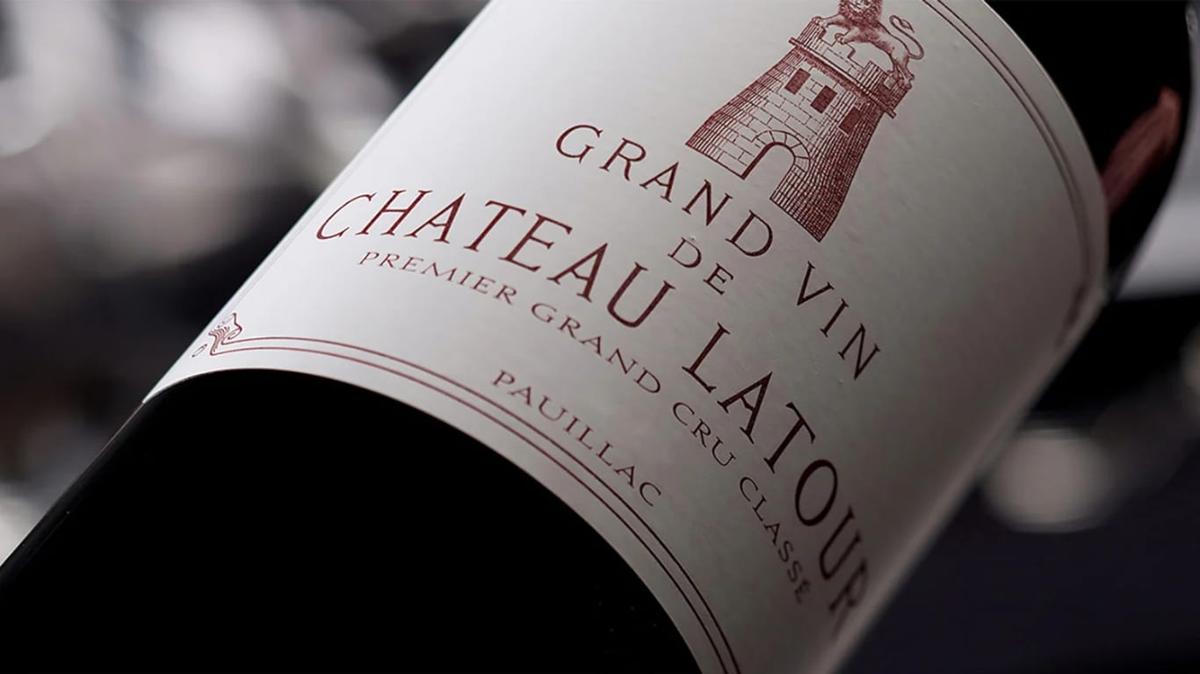
Château Latour is the example everyone points to. Even in difficult vintages, Latour delivers wines of extraordinary quality — wines that age gracefully and hold their value with remarkable stubbornness. That consistency is baked into its market position, and it is why Latour remains a cornerstone holding in the world’s most serious fine wine portfolios.
Limited Accessibility
Prestige and exclusivity reinforce each other. The most sought-after estates often control their distribution tightly, limiting who can buy and how much they can purchase. This allocation-based model creates a sense of rarity around bottles that might not be scarce in absolute production terms, but become scarce in practice because so few buyers can access them directly.
Screaming Eagle operates one of the most famously restrictive allocation lists in the world. Getting on it can take years. That enforced scarcity is a deliberate brand strategy, and it works — the winery’s bottles are among the most expensive and collectible in Napa Valley, driven as much by inaccessibility as by the quality inside.
From an investment perspective, prestigious brands offer a structural advantage. Their wines maintain strong demand regardless of broader market fluctuations, and their track records act as a buffer against volatility. You are not just buying a wine — you are buying into a brand with decades of proven price resilience.
New regions are beginning to build the kind of prestige that was once exclusively the domain of Bordeaux and Burgundy. South Africa’s Swartland and China’s Ningxia are producing wines that are gaining genuine critical recognition. These regions cannot yet match the centuries of accumulated prestige behind a Domaine Leroy or a Château Pétrus, but for investors willing to take a longer view, getting in early on an emerging prestige story can deliver exceptional returns.
Brand prestige is one of the most reliable indicators of a wine’s investment trajectory. Focus on producers with strong, established reputations and a proven ability to command prices through both quality and narrative, and your portfolio will have a foundation that holds up through market cycles.

Critic Ratings and Reviews
In fine wine, a single score can shift a market. Critic ratings are not just opinions — they are commercial events. The right score from the right voice sends buyers rushing to secure bottles, drives secondary market prices higher, and can transform an obscure producer into an overnight sensation. If you are investing in fine wine, understanding how this scoring ecosystem works is not optional.
The most influential figures in wine criticism — Robert Parker, James Suckling, and publications like Decanter and Wine Spectator — wield outsized power over the market. Their evaluations assess flavor, structure, aroma, balance, and aging potential against rigorous standards. A strong score from any of them functions as a quality certification that buyers, merchants, and auction houses all pay close attention to.
Robert Parker pioneered the 100-point scoring system that now defines how wine is evaluated globally. Wines that earn a Parker score of 96 to 100 are considered exceptional by the market’s consensus, and prices typically respond immediately. His endorsement of Bordeaux’s 1982 vintage is the most famous example — those wines experienced exponential value growth following his praise, and the vintage remains one of the most celebrated and sought-after in collector circles today.
James Suckling evaluates thousands of wines each year, with an emphasis on balance and immediate drinkability that resonates across a wide audience. A 98-point Suckling score for a Tuscan or Napa Valley wine can trigger rapid spikes in demand, particularly in markets where his influence is strong. Both critics reward quality, but their stylistic preferences differ — understanding those nuances helps you anticipate which wines they are likely to champion.
How Scores Impact Prices
The correlation between critic scores and price is well established. Wines rated 95 points or higher routinely see price increases of 10% to 30% within weeks of a review going public. Screaming Eagle 2012 earned a perfect 100 from Parker and immediately traded at over $5,000 per bottle on the secondary market — more than double its release price. That kind of movement is not unusual when a score of that magnitude lands on an already prestigious label.
Scores can also elevate wines that initially flew under the radar. Ridge Monte Bello 2010 originally retailed at $160. After a run of high scores from Parker and Wine Enthusiast, it traded at $500. The wine did not change. The market’s perception of it did.
Scores are not the whole story, though. Different critics favor different styles — what scores brilliantly with one palate may receive a more modest rating from another. Robert Parker historically championed bold, powerful, fruit-forward wines. Critics who favor restrained, terroir-driven styles might score the same bottle quite differently. Smart investors look across multiple sources rather than anchoring to a single critic’s view.
Digital platforms are adding another layer to this picture. Vivino and CellarTracker aggregate consumer ratings from thousands of users, giving you a broader sense of how a wine performs across diverse palates. These platforms will not replace the authority of established critics, but they offer useful supplementary signals — particularly for identifying wines that are gaining grassroots momentum before the major critics take notice.
High critic scores do more than generate short-term demand. They build a wine’s long-term investment case. Consistent high ratings across multiple vintages signal that a producer has figured something out — that their quality is structural rather than accidental. That consistency attracts both short-term traders looking for price momentum and long-term collectors building portfolios designed to appreciate over decades.
Market Demand and Trends
The fine wine market is not static. Demand shifts, new buyers enter, consumer tastes evolve, and economic forces reshape what collectors are chasing. If you want to build a wine portfolio that genuinely appreciates, you need to stay ahead of these currents — not just react to them after the fact.
Established markets in the United States, the United Kingdom, and across Europe still anchor global demand for the great appellations — Bordeaux, Burgundy, and Napa Valley. But the most dramatic growth is coming from Asia. China has become a dominant force, with collectors drawn to prestigious Bordeaux labels as symbols of status and wealth. Château Lafite Rothschild became something of a cultural icon among Chinese buyers, with certain vintages posting double-digit value growth within just a few years of release. That demand surge reshaped prices across the entire Bordeaux market.
India and Brazil are the next wave. Rising disposable incomes and a younger generation discovering fine wine are creating genuine new demand pools in both markets. These buyers are still building their knowledge and preferences, but the trajectory is clear — and for investors who position early, that trajectory is an opportunity.
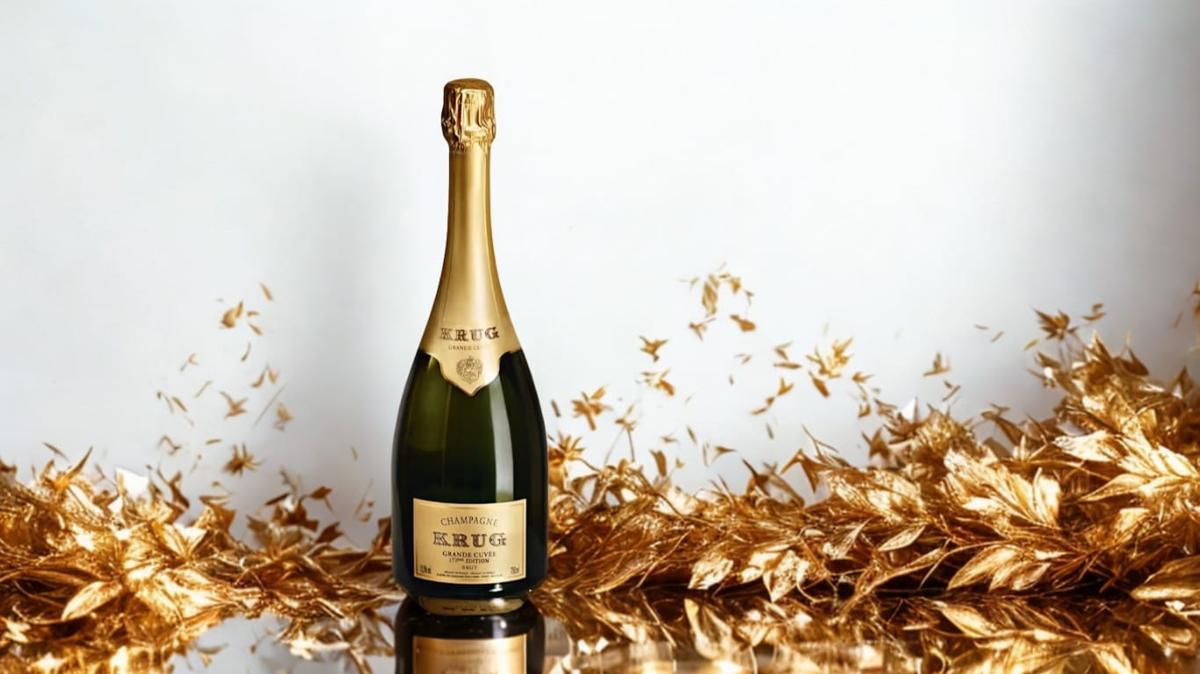
Burgundy is capturing a growing share of collector attention that was once almost entirely directed at Bordeaux. Its limited production and exceptional quality have made it increasingly compelling, and the Burgundy 150 Index rose by approximately 12% in 2024, driven by surging interest in producers like Domaine de la Romanée-Conti and Domaine Leroy. Champagne is undergoing a similar reassessment. Prestige cuvées like Dom Pérignon and Krug Clos du Mesnil are being taken seriously as investment assets rather than simply celebration wines — and prices are reflecting that shift.
Economics shape demand in ways that are easy to overlook but impossible to ignore once you understand them. Exchange rates matter enormously. After Brexit weakened the British pound, fine wine stored in London became considerably more affordable for buyers in the US and Asia, stimulating international demand. During periods of broader economic uncertainty, fine wine attracts investors seeking an inflation hedge with a proven appreciation track record. Understanding the economic indicators that drive alternative asset markets gives you a real edge when timing your wine investments.
Sustainability is becoming a genuine purchasing criterion, not just a talking point. Affluent younger buyers — the collectors who will define the market over the next two decades — are actively seeking out wines produced with environmental integrity. Château Pontet-Canet’s biodynamic credentials have strengthened its market position meaningfully, attracting buyers who want to feel good about what they are drinking and what they are investing in.
Digital platforms are lowering the barriers to entry and expanding the buyer pool. Tools like Vivino and Wine-Searcher give first-time collectors the confidence to research and purchase without relying entirely on a merchant’s recommendation. That transparency is drawing in younger, digitally native investors who might never have considered fine wine as an asset class before. For the established market, this broadening of the buyer base is unambiguously good for prices.
The numbers bear out the impact of demand. Château Latour 2010 appreciated by more than 50% over five years as global collector interest intensified. Champagne prestige cuvées from Krug and Salon posted record sales figures in recent years as the category’s investment credentials became widely recognized. These are not anomalies — they are what happens when genuine quality meets expanding global demand.
Emerging wine regions are adding a new dimension to the demand story. South Africa’s Swartland, China’s Ningxia, and Mexico’s Valle de Guadalupe are producing wines that are earning real critical attention at prices that still reflect their relative obscurity. These regions lack the centuries of prestige behind a Pomerol or a Chambolle-Musigny, but their growing reputation suggests meaningful appreciation potential for investors willing to take a longer view.
Market demand is one of the most dynamic forces in fine wine pricing. It responds to economic shifts, cultural trends, generational change, and the emergence of entirely new buyer communities. Stay close to these movements, align your investments with where demand is heading rather than where it has been, and you will be positioned to benefit from the next wave of price appreciation before the broader market catches on.

Authenticity and Provenance
In fine wine, a bottle is only as valuable as its history. Authenticity and provenance are not administrative details — they are core determinants of a wine’s worth in both the primary and secondary markets. Before any serious collector or auction house commits significant capital, they need to know exactly where the wine came from, how it was stored, and who has owned it. Without that clarity, even the finest label carries unacceptable risk.
Importance of Provenance in Wine Investment
Provenance is what separates a genuine investment-grade bottle from a liability. A wine with documented, verifiable provenance — sourced from trusted hands, stored under optimal conditions, with a clear chain of ownership — commands a premium that wines with murky histories simply cannot justify. This matters most for older wines that have been aging for decades, where the gap between perfect provenance and uncertain storage history can be the difference between a six-figure auction lot and an unsellable bottle.
The secondary market is unforgiving about provenance gaps. Counterfeiting has grown more sophisticated alongside rising prices, and merchants, auction houses, and collectors have all sharpened their scrutiny as a result. A wine with questionable origins will struggle to find a buyer at fair value — and in some cases, it will not find a buyer at all.
The Role of Certification and Documentation
Certification from a recognized institution adds a powerful layer of credibility. Auction houses like Sotheby’s and Christie’s produce detailed provenance reports for the wines they handle, documenting production details, storage history, and ownership records. For buyers, those reports are not just reassuring — they are a commercial guarantee that protects the investment’s resale value.
Platforms like Liv-ex and Vinovest have built their businesses around provenance transparency. By tracking wine histories within their systems and offering buyers access to verified records, they provide a level of confidence that private transactions often cannot match. If you are buying outside established channels, the absence of this kind of documentation should give you serious pause.
Wine Authentication Methods
Technology is transforming how authenticity gets verified. DNA testing, laser etching, and microtagging are all now in use across the industry, giving producers and buyers tools that counterfeiters struggle to defeat. Some wineries embed microscopic tags directly into their bottles, creating an unbroken digital trail from production to your cellar.
Laser etching is particularly elegant in its simplicity. A unique identifier engraved onto the bottle — a code or microchip — can be scanned and traced back to the originating winery in seconds. Fake that, and you have undertaken a level of technical complexity that makes the fraud more expensive than it is worth.
DNA profiling goes further, analyzing the genetic composition of the grapes themselves to confirm varietal identity and regional origin. For rare and high-value vintages where fraud incentives are greatest, this kind of verification provides the kind of irrefutable proof that protects both buyer and seller.
Provenance and the Impact on Wine Prices
Impeccable provenance is a price amplifier. Wines from estates like Domaine de la Romanée-Conti or Château Lafite Rothschild already trade at premium levels — but when those bottles come with flawless, documented ownership histories, buyers compete even harder to acquire them. As fine wine matures as an investment class, provenance is only going to matter more, not less.
The 1945 Château Mouton Rothschild is the clearest illustration of this principle. A bottle with a pristine, documented provenance recently sold for over $1.5 million at auction. The wine’s age, rarity, and quality all contributed. But it was the verified history — the certainty that the bottle had been handled perfectly across eight decades — that gave bidders the confidence to push the price to that level.
Counterfeit Wine and the Risk It Poses
Counterfeiting is one of the most serious risks in fine wine investment. As prices for sought-after bottles have climbed, the financial incentives for fraud have grown with them. Wine fraud cases have exposed how sophisticated the counterfeiting operations can be, with fake labels, recycled bottles, and forged documentation all deployed to deceive even experienced buyers. The reputational and financial damage from purchasing a counterfeit wine can be severe.
Protection starts with provenance. If a bottle arrives without clear documentation of its history, or comes through a channel that cannot provide verifiable records, treat that as a red flag. Buying through reputable auction houses and established merchants with rigorous vetting processes is the most reliable way to avoid exposure to counterfeit wine.
The Impact of Provenance on Wine Liquidity
Liquidity matters in any investment. The ability to sell a wine quickly and at a fair price depends heavily on how confidently a buyer can assess its history. A bottle with strong provenance can move efficiently through auction or private sale channels. A bottle without it can sit unsold for months or be forced through at a significant discount.
Wines with clear provenance attract competitive bidding. They can be traced with confidence back to the estate, which gives buyers the certainty they need to act decisively. On the other side, gaps in provenance translate directly into price discounts — or a failure to sell at all. That asymmetry should sharpen your focus on documentation from the moment you acquire any bottle.
Case Studies of Provenance and Authenticity Impact
- Château Lafite Rothschild 1869: In 2010, a bottle of Château Lafite Rothschild 1869 with a proven history of ownership was sold for a record price at Sotheby’s, setting a precedent for rare wines. This sale was a significant testament to the value of provenance, as the bottle had clear documentation of ownership history and storage.
- Domaine de la Romanée-Conti: Romanée-Conti wines are highly sought after, with their prices continually rising. Wines with impeccable provenance, such as bottles that have been stored in the estate’s cellars or have been passed through reputable collectors, command premium prices. The estate’s established reputation and impeccable history further elevate these wines’ market value.
- Screaming Eagle: A cult Napa Valley wine, Screaming Eagle has a reputation for producing very limited quantities. Bottles from highly rated vintages, such as 2012 Screaming Eagle, with verified provenance, can fetch upwards of $5,000. This price is further bolstered by the wine’s scarcity and documented history of being stored properly, ensuring its authenticity and quality.
For serious investors, provenance is not a bureaucratic formality. It is a core part of how you protect and enhance the value of your collection. Buy from reputable sources, insist on documentation, take advantage of modern authentication technology, and your portfolio will be both safer and more liquid than those built without that discipline.
Is Price the Best Indicator of Quality?
The relationship between price and quality in fine wine is more nuanced than it first appears. Price is a useful signal, but it is not a perfect one — and relying on it alone will lead you to overpay for some wines and overlook others. The smartest collectors and investors look at price as one data point among many, not as a definitive verdict on what is in the bottle.
In many cases, price and quality do track each other reliably. High-priced wines from prestigious producers typically embody exceptional craftsmanship, outstanding terroir, and production methods that genuinely justify the premium. Bottles from Domaine de la Romanée-Conti or Château Lafite Rothschild command extraordinary prices because their historical reputation, limited production, and consistent critical acclaim all point in the same direction. These are wines where price reflects real, intrinsic quality.
Critical recognition amplifies this pattern. A 100-point score from Robert Parker or James Suckling tends to drive prices significantly higher — and for wines that genuinely earn those scores, the price increase is defensible. Bordeaux’s 2010 Château Margaux, celebrated for its flawless balance and aging potential, initially retailed at around $1,000 per bottle. Secondary market demand pushed it past $1,500 fairly quickly, and the wine’s quality has continued to justify that trajectory.
But price does not always tell the whole story. Brand prestige, manufactured scarcity, and speculative market trends can push prices well above what the wine actually delivers in the glass. Some wines from emerging regions offer quality that rivals established names at a fraction of the cost — simply because they have not yet built the brand recognition that commands a premium. For investors willing to look beyond the famous labels, those gaps between price and quality represent genuine opportunity.
Market hype creates its own distortions. Limited-edition releases or high-profile collaborations can generate prices driven almost entirely by exclusivity and buzz rather than the liquid inside the bottle. If you pay a $3,000 premium for a wine because of its packaging and story, you are speculating on narrative, not investing in quality.
Blind tastings cut through the noise in ways that market prices cannot. When labels are hidden and tasters have to rely purely on what is in the glass, mid-priced wines frequently outperform exorbitantly priced alternatives. These experiments do not prove that expensive wine is overrated — but they do confirm that price and quality are not the same thing, and that subjective factors like flavor profile, aroma, and balance deserve equal weight in any serious evaluation.
The most instructive example is a well-known blind tasting where a mid-range California Cabernet Sauvignon outscored several prestigious Bordeaux bottles that cost many times its retail price. The market had priced in prestige, provenance, and reputation. The tasters, stripped of all that context, simply responded to what was in the glass — and the less expensive wine won.