

Tudor’s 2026 lineup looks set for meaningful updates across its core collections. The brand appears positioned to finish key technical upgrades and it may also use 2026 to lean harder into heritage, potentially tied to a centenary narrative.
For collectors deciding where to place their budget, the details of the Tudor Watches that will be released in 2026 will matter because the brand values are driven by a mix of wearability, technical credibility, and production reality.
Recent momentum has come from METAS certification, improved bracelets, and cleaner design execution. In 2026, the key question is which Tudor Watch releases combine everyday usability with the strongest chance of long term value retention.
Table of Contents
Key Takeaways & The 5Ws
- Tudor’s 2026 lineup is shaping up as an inflection year, combining METAS upgrades, bracelet improvements, and centenary-style heritage stories that can meaningfully lift long-term collectibility.
- A full METAS rollout across the Black Bay 58 range—especially classic black and blue—looks like the safest value-retention play, pairing everyday wearability with independent technical validation.
- Any true centenary Tudor Submariner or Big Block-style reissue would be a high-risk, high-reward bet, with outcomes driven primarily by production volume, design execution, and how clearly it is differentiated from the core catalog.
- Ranger expansions and a refreshed 1926 line are more “steady hold” than speculation, making Tudor in 2026 best approached as a long-term, wearable allocation where you selectively lean into scarcity, METAS movements, and clean heritage narratives.
- Who is this for?
- Tudor as Rolex’s value-focused sister brand, and collectors operating in the €5,000–€10,000 band who want modern specs and credible upside without full Rolex premiums—especially buyers watching Black Bay 58 upgrades, potential Submariner or Big Block-style reissues, and practical Ranger or 1926 refreshes.
- What is likely in 2026?
- A release cycle likely centered on METAS-certified Black Bay 58 variants, a sharpened 1926 dress line, possible centenary-linked heritage reissues (Submariner or Big Block-style chronographs), and potential Ranger family expansion—mixing safer daily-wear references with a few higher-conviction speculative plays.
- When does it matter?
- Across the 2026 model year, with key announcements expected around Watches & Wonders Geneva in mid-April 2026, and the real investment story playing out over multi-year holds as supply, demand, and secondary pricing stabilize.
- Where will pricing form?
- First through Tudor boutiques and authorized dealers worldwide (with early allocations concentrated in major markets), then through secondary platforms and specialist dealers once initial retail demand and availability become visible.
- Why is the risk–reward attractive?
- Because Tudor’s push toward METAS certification, tighter design language, and possible centenary heritage releases offers one of the stronger risk–reward setups in mid-tier Swiss sports watches—if buyers stay selective, prioritize clear scarcity and narrative strength, and treat Tudor as a long-term wearable position rather than a quick-flip trade.

Will the Black Bay 58 Complete Its METAS Transformation in 2026?
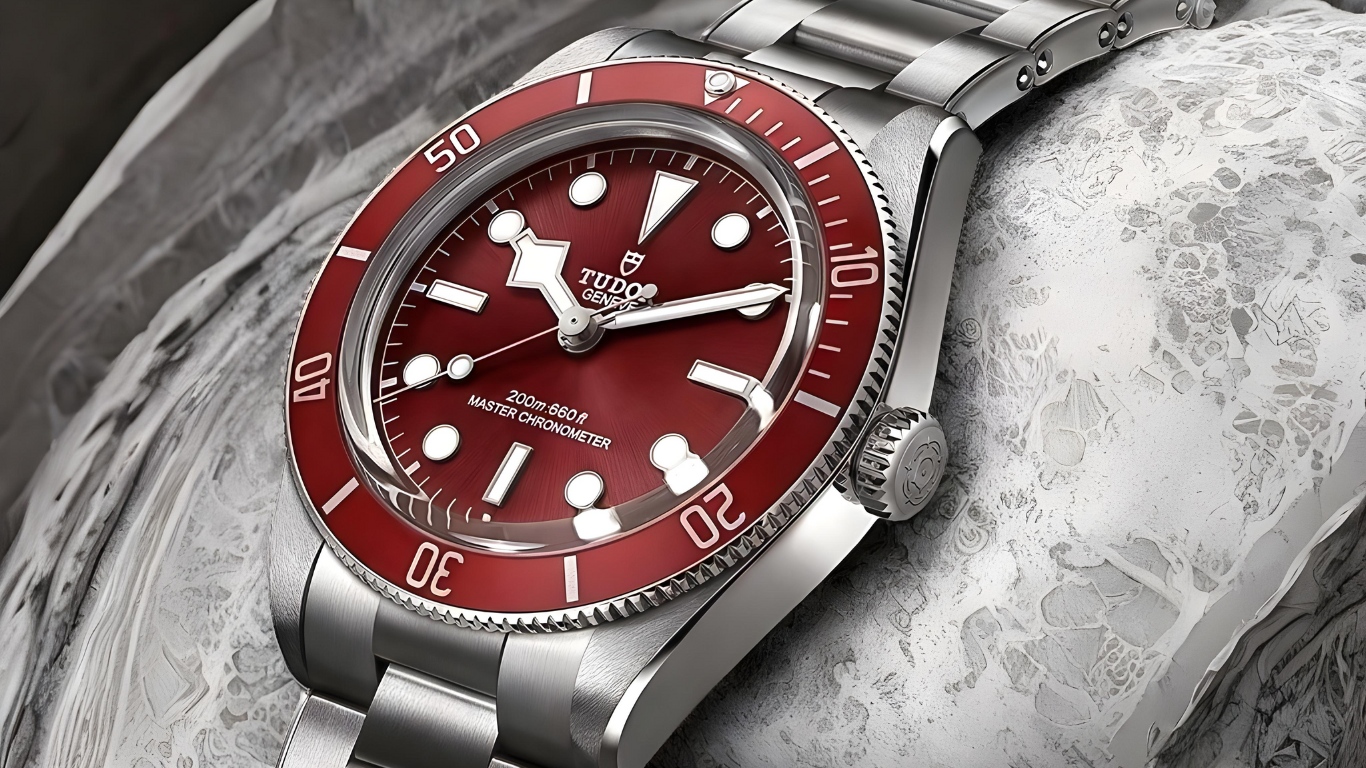
The Black Bay 58 burgundy already introduced METAS certification and a refined five link bracelet. A logical next step in 2026 is rolling those upgrades across the remaining core BB58 colorways.
On Tudor’s product page, the watch is explicitly tied to a prototype Tudor Submariner ref. 79190 with a burgundy concept that “never saw production,” now revived as a modern BB58.
If Tudor updates the classic black dial and the popular blue variant with the upgraded movement, that will matter because METAS certification gives independent confirmation of accuracy and magnetic resistance. The five link bracelet also changes how the watch wears, making it feel more versatile across casual and dress contexts.
From a value standpoint, the BB58 line has generally shown solid secondary market behavior for a Tudor. References that combine vintage inspired proportions with modern specs tend to hold value better than watches that lean purely on nostalgia.
A METAS upgraded BB58 also strengthens Tudor’s position as a technically credible alternative to comparable Rolex priced far higher.
If a black dial BB58 gains METAS and the new bracelet, it could become the default reference that most buyers want. Blue dial variants also draw strong collector interest in many product lines, and a technical upgrade can concentrate demand even further.
Early buyers may benefit if initial availability stays tight, but long term pricing will still depend on how many Tudor ships.

What Changes Are Coming to the Tudor 1926 Series?
The 1926 line sits as Tudor’s entry level dress oriented option, but it currently lacks a sharp identity that separates it from similarly priced competitors. If Tudor wants the 1926 to matter in 2026, it likely needs clear upgrades buyers can feel and see.
The most plausible improvements include stronger dial work, better case finishing, and a slimmer overall profile. Tudor could also introduce a more interesting complication set than a simple date, as long as it fits the price tier and keeps the watch coherent.
The investment case here depends entirely on execution. Dress watches usually appreciate slower than sports models, but a distinctive design or a genuinely limited production run can create collector pull. If Tudor delivers a standout dial, a meaningful complication, or a tightly produced special variant, early examples could gain attention.
The downside risk is obvious. If the 1926 remains generic, it will likely track inflation at best. This is the line where waiting for confirmed specifications matters most.

Could Tudor Reissue the Submariner or Big Block Chronograph for Its Centenary?
This is the most interesting possibility for 2026 because Tudor’s heritage includes models that already trade strongly in the vintage market, especially the Tudor Submariner family and the Big Block chronographs.
A modern reinterpretation, or a short run heritage release, would likely attract immediate collector attention. Vintage Tudor Submariners already command premium prices, and some references trade above 10,000 euros depending on configuration and condition. A faithful modern release with contemporary reliability could appeal to collectors who want the story without the vintage risk.
The value logic here is driven by scarcity plus heritage. Anniversary linked releases often do well when production is genuinely constrained and the watch has distinct features that separate it from the standard catalog.
Caution matters, because production volume can make or break the investment case. If Tudor produces large quantities, prices may settle near retail, or even below, once initial excitement fades. The strongest scenario is a tightly controlled run with clear identifiers, strong packaging, and documentation that makes the watch easy to authenticate and trade.
The Big Block angle could be even more interesting because it is less mainstream than the Submariner story. If Tudor executes it well, market recognition could expand over time, which is where opportunity can exist.

Will the Ranger Collection Expand Beyond Its Current Single Model?
The Ranger is Tudor’s clean expedition themed watch, and it currently sits in a simple 39mm format. Expansion in 2026 would make sense if Tudor wants the Ranger to become a broader platform rather than a single reference.
Possible directions include a smaller case size, new dial colors, or an added complication. A GMT style Ranger would be the most market moving option because it would add functionality and place the watch in direct conversation with established explorer style GMT watches.
Value behavior will depend on desirability and supply. The current Ranger tends to hold value steadily, but it has not been a breakout appreciation piece. New variants will likely behave the same unless Tudor creates real scarcity, introduces a highly wanted complication, or delivers a design that clearly outclasses alternatives in its price band.
For most collectors, this line is a steady hold category rather than a speculation category.

What Investment Strategy Makes Sense for Tudor’s 2026 Releases?
Different releases suit different approaches.
A fully METAS updated BB58 lineup would likely be the most reliable path for value retention. These watches are easy to wear, easy to understand, and typically easier to resell than niche references.
A heritage reissue tied to a major anniversary would be higher risk and higher reward. If Tudor keeps production tight and the watch is clearly differentiated, early buyers could see meaningful appreciation over three to five years. If production is broad or the execution feels ordinary, the watch may not outperform standard Tudor behavior.
The 1926 line remains the most uncertain until final specifications are public. A great execution could surprise, but the baseline expectation for dress models remains slower appreciation and weaker liquidity than sports lines.
Ranger expansion should be viewed as stable and practical. It may offer reliable retention, but it is less likely to deliver sudden secondary market spikes unless Tudor introduces a variant that becomes a clear fan favorite.
Should You Buy Tudor Watches as Investments in 2026?
Tudor sits in a strong middle position. It offers serious build quality, credible heritage, and increasingly strong technical credentials, but it does not have the extreme demand dynamics that drive rapid Rolex appreciation.
For buyers with budgets around 5,000 to 10,000 euros, Tudor can represent better overall value than stretching for entry level Rolex, especially when Rolex availability and pricing distort the experience. Tudor also offers designs that often feel fresher and more wearable day to day.
The most sensible approach is to treat Tudor as a long term hold. Buy references you want to wear. Let any appreciation be a bonus rather than the sole objective.
The 2026 lineup could shift the usual Tudor pattern if the brand releases truly limited heritage pieces with real collector identifiers and disciplined production. If that happens, a centenary themed Submariner style release could outperform normal Tudor appreciation rates.
Pay close attention to the actual launch details. Production quantities, movement specs, bracelet updates, and early market reception will decide which 2026 releases deserve serious consideration. Not every Tudor will appreciate, but selective choices based on scarcity, desirability, and tradability can produce strong outcomes within the brand’s typical risk profile.
Tudor’s broader move toward METAS certification also strengthens the long term value argument. As independent certification becomes more important to collectors, modern Tudor references with stronger technical proof can gain an advantage over earlier models without it.
The best way to view Tudor in 2026 is as a smart component inside a diversified watch collection. You get enjoyment, quality, and generally strong value retention, with upside potential if Tudor executes scarcity and heritage correctly.
FAQ
When will Tudor New Watches for 2026 be announced?
Most Tudor 2026 Watch Releases are typically revealed around Watches and Wonders Geneva. For 2026, the event is scheduled for 14–20 April 2026, with public days 18–20 April—making mid-April the key window to watch for official drops.
How can I increase my chances of buying Tudor New Watches for 2026 at retail?
The most reliable approach is to go through an authorised retailer or Tudor boutique and register interest early, then follow major release-week opportunities. Tudor has previously run a Watches & Wonders-week pop-up in Geneva designed for early viewing (and sometimes purchasing) of new releases, which signals how the brand supports launch-week retail access.