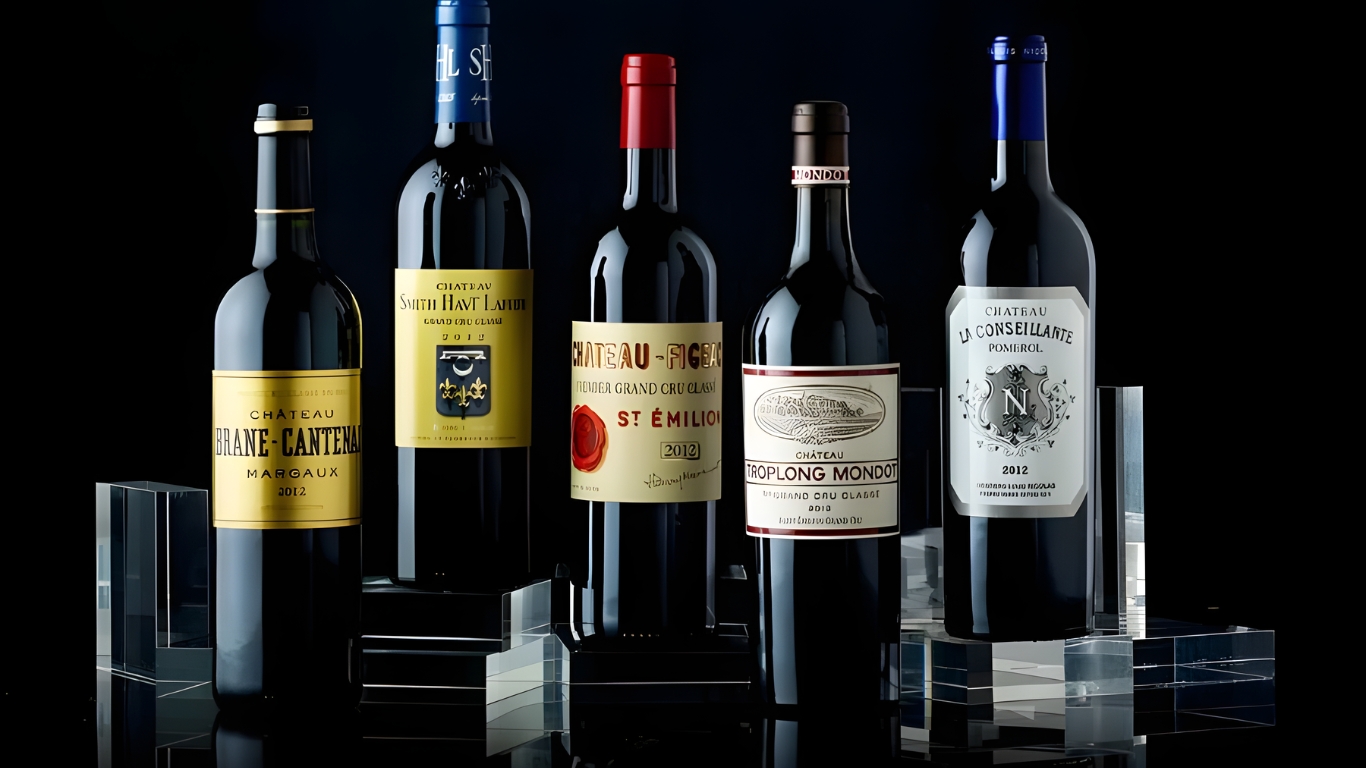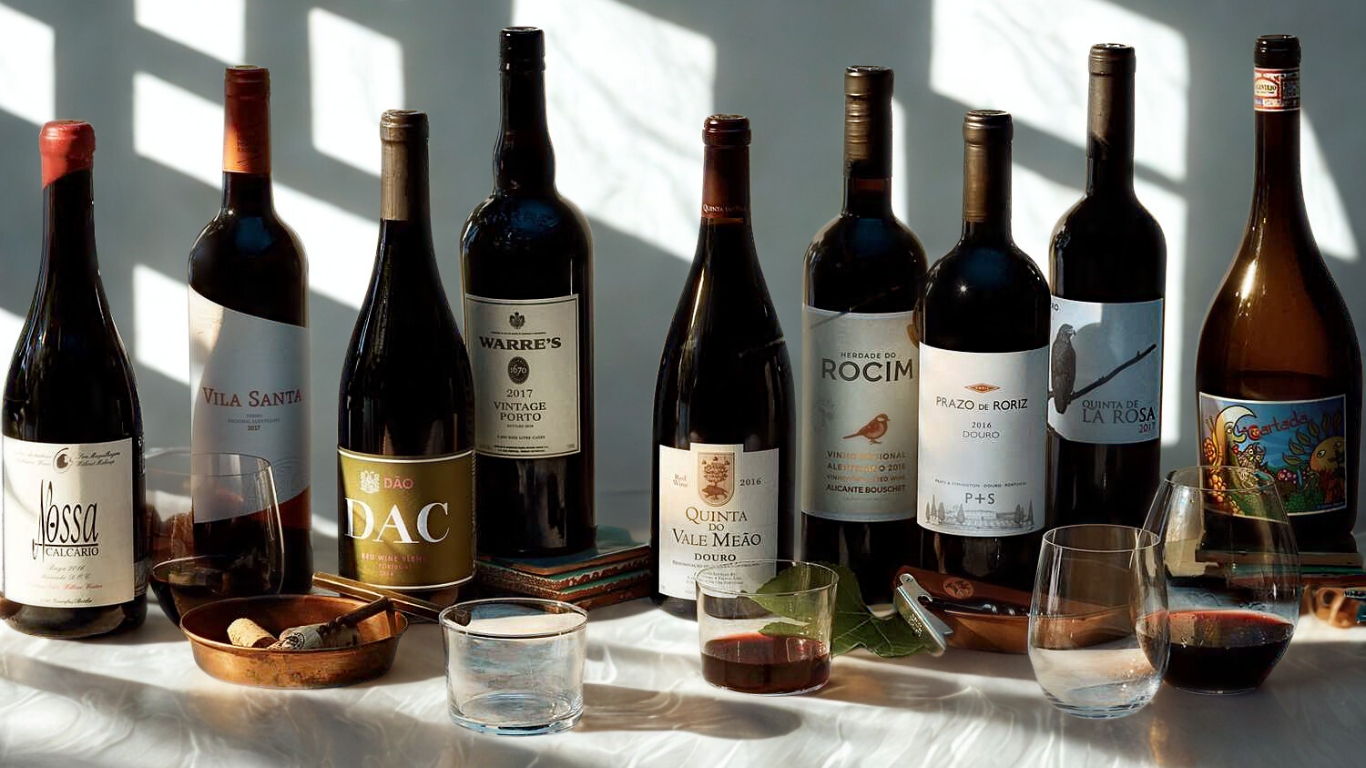
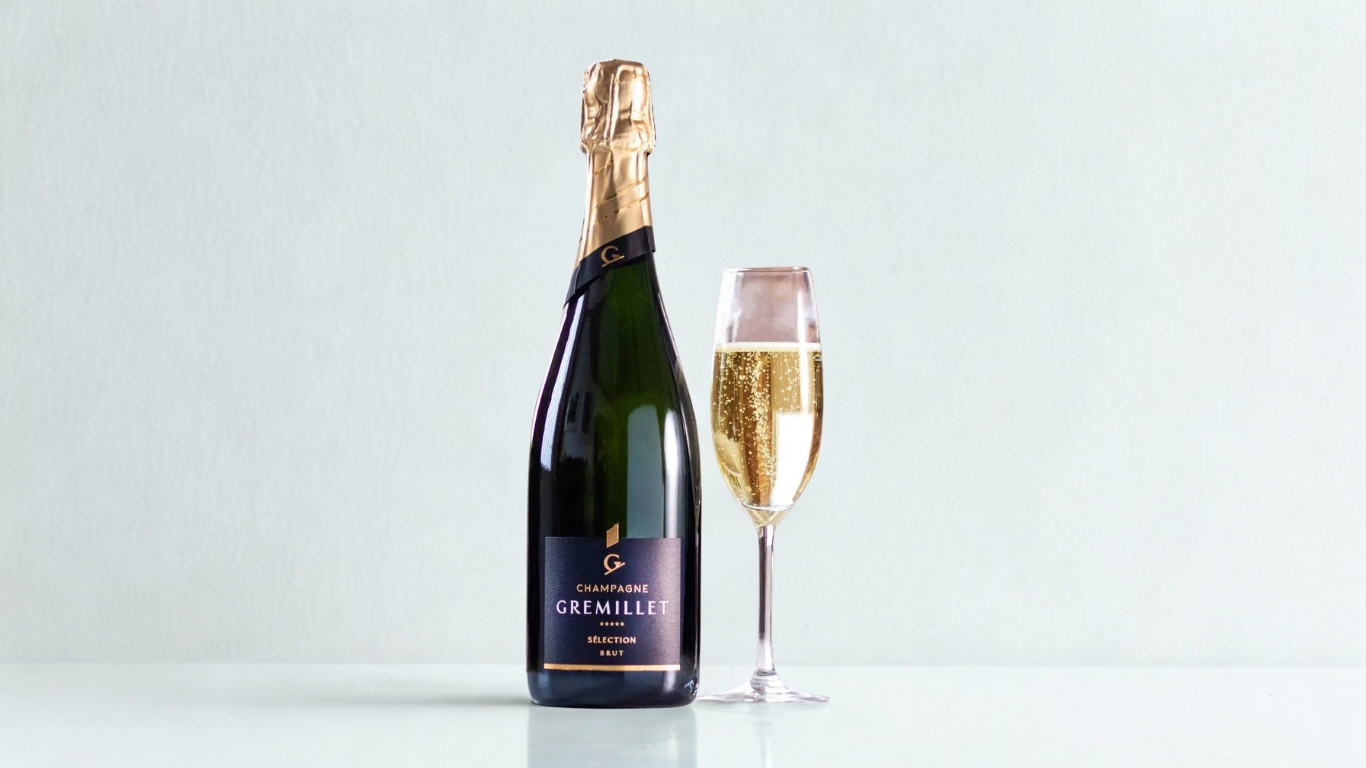

The wine industry is in trouble. California wineries are sitting on millions of gallons of unsold inventory. Mid-tier Bordeaux and Burgundy estates are struggling to move bottles at prices they held comfortably for decades. Younger generations are drinking less wine overall. Health-conscious consumers are cutting back.
This isn’t a rough patch. It’s a structural shift, and if you hold wine as an investment, you need to understand what it means.
But there’s one category that doesn’t fit this picture. Sparkling wine is projected to grow from $23 billion in 2025 to over $30 billion by 2030, a 5.5% compound annual growth rate while the rest of the market contracts.
That’s $7 billion in new demand over five years in an industry otherwise defined by decline. The divergence is real, it’s measurable, and it creates a clear opportunity if you know where to position.
Table of Contents
Key Takeaways & The 5Ws
- The global wine market is structurally weakening—except sparkling. While still wine demand declines across California and Europe, sparkling wine is projected to grow from ~$23B in 2025 to $30B+ by 2030 (5.5% CAGR), creating a rare growth pocket in a contracting industry.
- Sparkling wins on versatility and pricing psychology. Champagne, Prosecco, and Cava work across casual and formal occasions, allowing producers to defend premium pricing in ways mid-tier Bordeaux and Burgundy increasingly cannot.
- Asia-Pacific demand is the key growth engine. Rising incomes and luxury consumption trends across China, Japan, Singapore, Thailand, and Vietnam are driving incremental demand that still wine categories lack exposure to.
- Sustainability and low-alcohol innovation expand the addressable market. Organic viticulture, lighter packaging, and 5–9% ABV or zero-alcohol sparkling products bring in health-conscious and younger consumers without eroding premium positioning.
- Portfolio reweighting toward sparkling is increasingly rational. A 15–25% allocation shift from still wine to sparkling (or 40–60% for new allocations) captures structural growth while reducing exposure to stagnating segments.
- Who is this for?
- Wine investors, collectors, and portfolio managers reassessing allocations amid structural decline in traditional still wine markets.
- What is it?
- A strategic shift toward sparkling wine investment—including Champagne, Prosecco, and Cava—as the only major category delivering sustained global growth.
- When does it matter most?
- The divergence is visible now (2025) and projected through 2030, with a 5.5% annual growth rate in sparkling versus stagnation or contraction elsewhere.
- Where does it apply?
- Growth is concentrated in Asia-Pacific consumption markets, while production strength remains in France (Champagne), Italy (Prosecco), and Spain (Cava), with emerging upside in England, New Zealand, and premium California producers.
- Why consider it?
- Because sparkling wine combines occasion versatility, premium pricing power, e-commerce scalability, sustainability appeal, and demographic alignment, positioning it as the strongest long-term segment in an otherwise challenged wine industry.

Premium Positioning, E-Commerce Access, and Generational Shifts
The reason sparkling wine keeps growing while still wine stagnates comes down to one thing. It works for every occasion.
You open Champagne at a wedding and Prosecco at a Tuesday lunch. You drink Cava at a cocktail party and grower Champagne at a formal dinner. No other wine category operates across that range without feeling out of place.
Still wine carries occasion-specific associations that fragment when and how people consume it. Sparkling wine doesn’t have that problem. It’s festive enough for celebrations and casual enough for a Wednesday evening, which means consumption opportunities multiply in ways that drive volume without undermining premium positioning.
The pricing psychology reinforces this. A $50 bottle of still wine competes mentally against a $15 version that most people find perfectly acceptable for everyday drinking. The quality difference is real but hard to justify across a 3x price gap for casual consumption.
A $50 bottle of quality Champagne or premium Prosecco sits in a different mental category entirely. The bubbles, the production method, the association with celebration, all of it creates perceived value that still wine at the same price simply can’t match.
You’re more willing to pay for sparkling because the format itself feels like a treat, even when you’re drinking it on a weeknight.
E-commerce has amplified this advantage in ways that disproportionately benefit sparkling wine. Direct-to-consumer channels have opened up access to grower Champagnes, artisanal Cavas, and natural sparkling wines that were impossible to find outside major cities just a few years ago. And sparkling wine travels better than most still wines. The pressure and carbonation protect the wine during transit.
Temperature fluctuations that would damage a delicate Burgundy affect sparkling wines far less. For producers, this reduces shipping risk enough to make online sales viable. For you, it means access to quality and diversity that simply didn’t exist before.
Generational preferences are also moving in sparkling wine’s favor. Younger consumers want immediate enjoyment, not a wine that needs five years in a cellar before it’s ready. They want something they can open spontaneously without worrying about decanting, serving temperature rituals, or whether they’ve timed the bottle correctly. Sparkling wine delivers all of this.
You open it, you pour it, and it’s already doing what it’s supposed to do. Investment-grade Bordeaux requires knowledge, patience, and planning that fewer people in their 30s and 40s are willing to invest in. Sparkling wine removes every barrier and still delivers a premium experience.
The fastest-growing market for all of this is Asia. Rising incomes across China, Japan, Singapore, Thailand, and Vietnam are creating entirely new consumer bases for premium sparkling wine, and the growth rates in these markets dwarf anything happening in Europe or North America.
European Champagne houses and Italian Prosecco producers have spent years building distribution networks and brand awareness in these countries, and that groundwork is beginning to pay off. For you as an investor, this matters because it means sparkling wine isn’t just capturing a larger share of a flat market. It’s accessing growth that still wine investments simply don’t have exposure to.
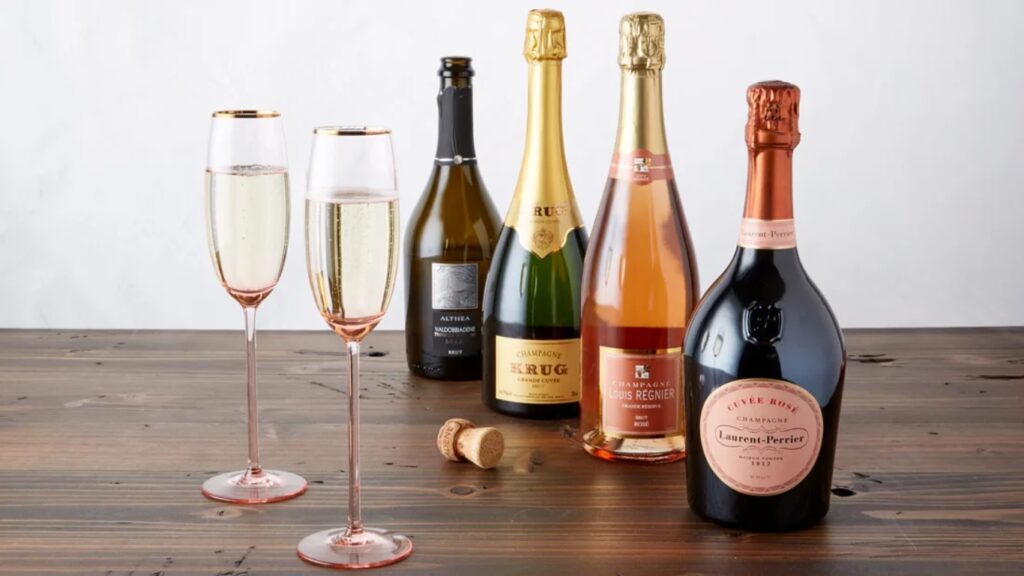
Social media is doing quiet but meaningful work here too. Sparkling wine photographs beautifully. Bubbles, flutes, the visual language of celebration, all of it translates naturally into content that younger consumers create and share. Still wine in a standard bottle offers nothing comparable. This kind of built-in visual appeal functions as free marketing at scale, normalizing premium sparkling consumption across demographics faster than any advertising campaign could.
Sustainability, Innovation, and Regional Opportunities
The sustainability conversation is reshaping who wins in the sparkling wine market. Producers adopting organic viticulture, biodynamic farming, and renewable energy in their wineries are commanding price premiums and building the kind of brand loyalty that holds through economic cycles. Lighter glass bottles, reduced water usage, solar-powered cellars, these aren’t just marketing points.
They create differentiation that resonates with a growing segment of buyers who factor environmental considerations into purchasing decisions alongside quality.
Sparkling wine producers with strong ESG credentials are better positioned for the next decade than those competing purely on price or tradition. Brand equity built around sustainability is durable in a way that vintage reputation alone is not.
The low-alcohol and zero-alcohol segment deserves particular attention. Producers are creating sparkling wines at 5% to 9% alcohol using techniques that preserve flavor and character at reduced intensity. Zero-alcohol versions using advanced dealcoholization technology are opening the category to consumers who want the sparkling experience without the alcohol content, pregnant women, designated drivers, people optimizing for health.
This isn’t a niche. It’s an expansion of the addressable market that still wine can’t replicate as easily, because removing alcohol from a still wine tends to compromise it more severely.
Regional arbitrage creates another angle worth considering. Europe dominates production while Asia-Pacific leads consumption growth. That geographic imbalance supports pricing power and export growth for producers with the right distribution infrastructure already in place.
LVMH’s Champagne portfolio benefits from luxury goods networks across China and Southeast Asia that took decades to build. Italian Prosecco consortiums are pushing hard into Asian markets. Spanish Cava producers are following the same path. If you’re positioning within sparkling wine, overweighting producers with strong Asian distribution exposure captures the geographic growth dynamic, not just the category trend.

Within that positioning, the craft and artisanal segment offers the most interesting return potential. Grower Champagnes from small family estates regularly outperform large houses at similar quality levels because scarcity and authenticity narratives command premiums that industrially produced bottles cannot.
Traditional method sparkling wines from emerging regions like England, New Zealand, and the best parts of California carry early-stage upside if quality and authenticity hold up before broader market recognition drives prices higher. You’re identifying value before the story becomes obvious to everyone else.
Producers building direct-to-consumer models with estate visits, membership clubs, and genuine customer relationships are insulating themselves from commodity pricing pressure in ways that wholesale-dependent producers cannot. By owning the customer relationship, they capture margin that would otherwise go to distributors and retailers, while building communities of buyers who aren’t price shopping.
For investment purposes, this kind of pricing resilience through market cycles matters more than short-term growth rates.
Putting this together for portfolio construction, sparkling wine’s 5.5% annual growth trajectory alongside still wine’s structural decline makes a clear case for meaningful reweighting. If you already hold significant still wine positions, an allocation of 15% to 25% toward sparkling wine provides category diversification and growth exposure.
If you’re building wine investment exposure from scratch, a heavier weighting of 40% to 60% toward sparkling captures the growth trajectory while limiting exposure to categories heading in the wrong direction.