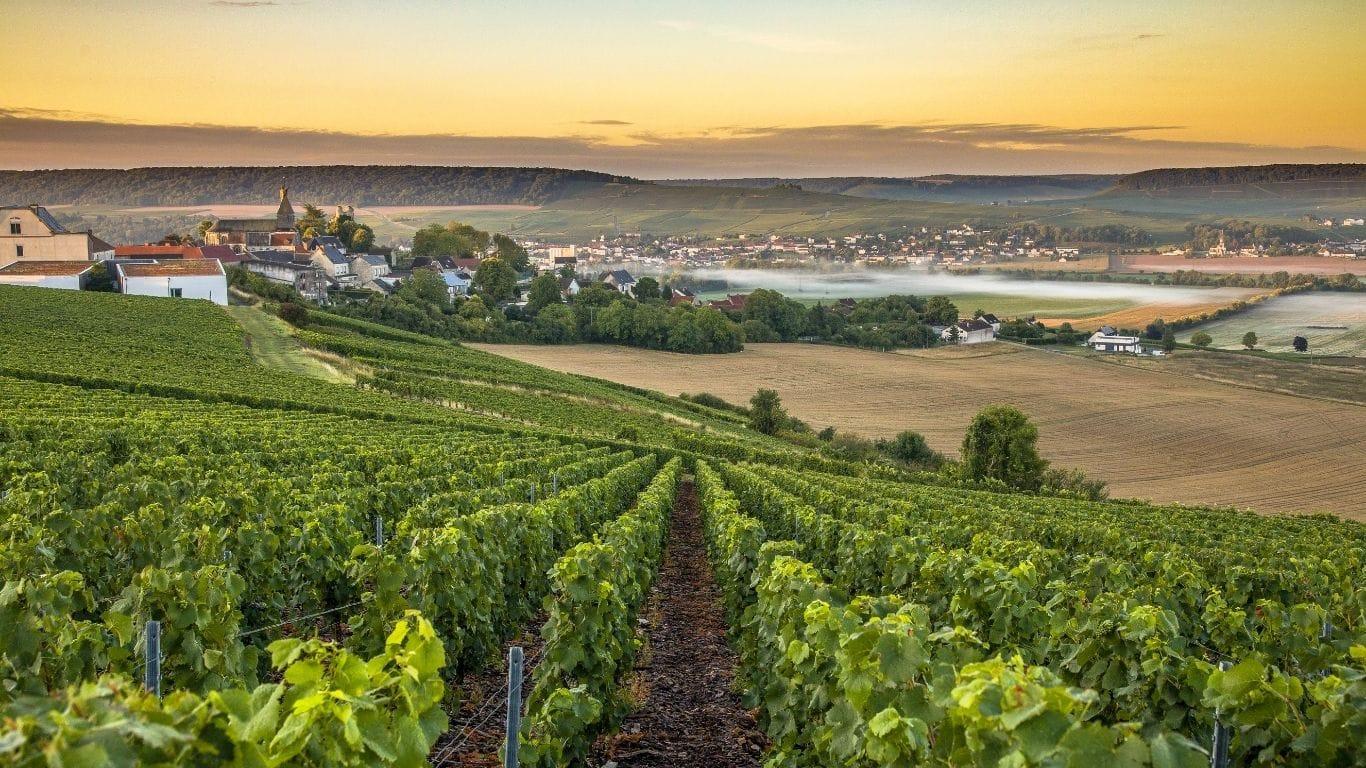
The global wine market is going through a fascinating shift right now. Emerging regions are stepping up to challenge the old guard, and Bordeaux, Burgundy, and Tuscany no longer have a monopoly on serious collector attention. These up-and-coming areas bring something genuinely fresh to the table, from rare indigenous grape varieties and singular terroirs to winemaking techniques that feel nothing like what you’d find in a traditional cellar. Whether you’re eyeing Asia, South America, or Eastern Europe, each of these regions tells its own story and offers its own edge for the savvy investor. If you’ve been watching wine as an alternative investment category, this is exactly where the next wave of opportunity is forming.


Ningxia, China

Ningxia gets called the “Bordeaux of China” a lot, and the comparison isn’t just marketing. Sitting on the eastern edge of the Helan Mountains, this region pulls in over 3,000 hours of sunshine annually, which is the kind of number that makes viticulture straightforward. Its continental climate pushes grapes to ripen fully, while the high-altitude vineyards and sandy, free-draining soils give the wines a structure that serious collectors notice immediately.

Cabernet Sauvignon is the region’s anchor, producing wines with bold, structured profiles, ripe black fruit, well-integrated tannins, and the kind of aging potential that makes investors pay attention. But Ningxia isn’t a one-trick region. You’ll also find well-crafted blends that bring in Merlot and Syrah, and a growing white wine program that’s putting out some genuinely impressive Chardonnay.

Ningxia’s international reputation started building in the 2010s when its wines began winning at global competitions. The establishment of the Ningxia Wine Bureau gave the region a formal structure for growth and international promotion, and today it counts over 80 active wineries with serious expansion plans underway. For anyone looking at wine investment in Asia, this is the region that’s already past the experimental phase and into something much more credible.

Ningxia Emerging Wine Investment Regions

Shandong, China

Shandong sits on China’s eastern coast near the Bohai Sea and holds the title of the country’s largest wine-producing region. The maritime climate does what coastal climates do best, moderating temperature extremes and giving both red and white varieties a comfortable growing environment. Mineral-rich soils and consistent rainfall round out the picture, keeping vines healthy across a long growing season.

You’ll find excellent Chardonnay, Riesling, and Cabernet Sauvignon coming out of Shandong. The whites are sharp and vibrant, with the kind of crisp acidity that makes them work beautifully at the table, while the reds deliver ripe fruit and a smooth, satisfying finish. Producers like Changyu Pioneer Wine and Tsingtao have done real work lifting the region’s profile in both Chinese and international markets, and that credibility matters when you’re thinking about long-term investment.

Geography works in Shandong’s favor too. Its proximity to major economic centers like Beijing and Shanghai gives it a built-in consumer base that most emerging regions can only dream about. Add strong government investment in viticulture and infrastructure, and you have a region that’s been given serious tools to compete globally.

Xinjiang, China

Xinjiang sits in China’s far west and feels like a completely different world from the eastern wine regions. The landscape is arid and vast, and the vineyards are planted at high altitudes where the temperature swings sharply between day and night. That diurnal variation is exactly what winemakers look for when they want grapes that develop complex flavors without losing their acidity.

The region leans hard into Cabernet Sauvignon, Syrah, and other robust red varieties. These are bold, fruit-forward wines with a distinctive spice character and earthy undertones that set them apart from their eastern Chinese counterparts. White wine experimentation is also underway, with some early results showing good aromatic intensity and bright acidity.

Xinjiang is still early in its global story, but the momentum is real. Government-backed initiatives and growing export interest are driving expansion fast, and the terroir here is genuinely unique. If you like getting into a region before it peaks, Xinjiang is worth putting on your radar now.

Kakheti, Georgia

Kakheti is where wine as we know it arguably began. Georgia’s winemaking tradition stretches back over 8,000 years, and Kakheti, tucked into the country’s eastern lowlands, is the beating heart of it all. Diverse microclimates and fertile alluvial soils make it naturally suited to cultivating a wide range of grape varieties, and the producers here know how to work with what nature has handed them.

Saperavi is the grape you need to know. It’s a deep, dark-skinned variety that gives you rich, full-bodied wines with intense dark fruit flavors and the kind of aging potential that makes collectors want to lock bottles away for years. Kakheti also produces beautiful aromatic whites from Rkatsiteli, fresh and floral with a clean acidity that cuts through. And then there’s the qvevri tradition, where wine is fermented and aged in clay vessels buried underground, creating flavor profiles that are genuinely unlike anything you’ll find elsewhere in the world.

What makes Kakheti compelling as an investment target is the combination of depth and momentum. Ancient winemaking techniques give the wines authenticity and a backstory that resonates with sophisticated collectors, while a wave of modern innovation is steadily lifting quality. This is a region that rewards those who look beyond the obvious.

Imereti, Georgia

Head west from Kakheti and you arrive in Imereti, a lush, subtropical region that takes a lighter, fresher approach to wine entirely. Where Kakheti dominates with robust reds, Imereti specializes in wines made from indigenous varieties like Tsolikouri and Krakhuna that are aromatic, delicate, and genuinely alive.

Minimal intervention is the philosophy here. Winemakers let the terroir speak, and many still use qvevri fermentation, which gives their wines a textural quality that modern, tank-fermented wines simply can’t replicate. The result is something that feels ancient and current at the same time.

Imereti’s commitment to sustainable and organic production also aligns with where global wine consumption is heading, particularly among younger, affluent buyers. Its rising international profile makes it a region that collectors and investors are starting to take seriously, and the window to get in early is still open.

Kartli, Georgia

Kartli occupies central Georgia and has carved out a distinct identity built around sparkling wines and dry whites. The moderate climate and fertile soils here favor indigenous grapes like Chinuri and Tavkveri, varieties that aren’t grown anywhere else on earth with quite the same results.

The sparkling wines from Kartli are made using the traditional method, which means extended contact with the lees, fine persistent bubbles, and a complexity that puts them in a different league from most sparkling wines you’ll encounter outside of established regions. The dry whites, often fermented in qvevri, deliver flavor profiles that stop experienced tasters in their tracks.

Recent investment activity in Kartli has elevated the quality bar noticeably. As more consumers discover that Georgia offers far more than Saperavi, Kartli’s reputation as a producer of serious fine wine is strengthening fast. For investors who appreciate the value of rarity and authenticity, this is a region that deserves attention.

Istria, Croatia

Istria is Croatia’s crown jewel, a sun-drenched peninsula that draws comparisons to Tuscany for good reason. Rolling hills, a Mediterranean climate, and limestone-rich soils create exactly the kind of growing environment that produces wines with genuine character. The winemaking history here goes back to Roman times, and that deep-rooted culture is now being channeled into some of the most exciting bottles coming out of Central Europe.

Malvazija Istarska is the white grape that defines the region. It produces fresh, aromatic wines with citrus and herbal notes that pair beautifully with the local seafood and cuisine, and international critics have taken real notice. On the red side, Teran is the one to watch, an indigenous grape that yields bold, tannic wines loaded with dark berry flavors and earthy spice. These aren’t wines that try to imitate anything. They are entirely their own thing.

Istria’s wineries have made sustainability a priority, and that shift is resonating with the environmentally conscious buyers who increasingly drive the premium wine market. Domestic and international investment has followed the quality upward, and as collectors look beyond Bordeaux for value, Istria keeps coming up in the conversation.

Dalmatia, Croatia

Dalmatia stretches down Croatia’s breathtaking Adriatic coastline, where steep, sun-drenched vineyards meet the sea in a way that shapes every bottle produced here. The proximity to the water moderates temperatures and brings a salinity to the growing environment that shows up in the wines as a distinctive mineral tension.

Plavac Mali is Dalmatia’s signature red, a grape closely related to Zinfandel that produces full-bodied wines packed with black cherry, plum, and Mediterranean herb complexity. If you haven’t tried a great Plavac Mali, you’re missing one of the genuinely undervalued reds in the world right now. The region’s whites, led by Pošip, are equally impressive, delivering bright citrus and a clean mineral finish that reflects the coastal terroir beautifully.

A new generation of boutique wineries has shifted Dalmatia’s profile from a regional curiosity to a credible fine wine destination. As consumers actively seek out wines that feel different and taste of a specific place, Dalmatia is increasingly on the shortlist for investors who want to diversify into something with real upside.

Nemea, Greece

Nemea sits in the northeastern Peloponnese and carries one of the oldest winemaking histories in Greece. High-altitude vineyards, a warm climate, and limestone-rich soils combine to produce bold red wines that have been turning heads in international markets. If you haven’t been paying attention to Greece as a wine investment story, Nemea is a good place to start.

The grape here is Agiorgitiko, sometimes called the Blood of Hercules, and the name tells you something about its character. This is a versatile variety that spans a wide stylistic range, from lighter, fruit-driven expressions to deep, structured, age-worthy wines with soft tannins and layered flavors of red fruit and warm spice. The best bottles hold and reward patience in the cellar.

Modern winemaking techniques have sharpened quality across the board in Nemea, and the region’s bottles are gaining real traction in international markets. As demand for Greek prestige assets grows alongside the country’s rising profile, Nemea’s investment case strengthens with every vintage.

Nemea wine

Naoussa, Greece

Naoussa in northern Greece is where you go if you want to understand why serious collectors are starting to treat Greek wine as a genuine fine wine category. The region produces Xinomavro, a grape that gets compared to Nebbiolo constantly, and not without reason. High acidity, firm tannins, and a complex aromatic profile built on red fruits, olives, and earthy spice make this one of the most distinctive red varieties grown anywhere.

The cool climate and diverse terroirs across Naoussa give winemakers real tools to work with, and aging potential here is exceptional. You’ll find producers working in both traditional and modern styles, which means the region offers something for the purist and the progressive collector alike.

Global interest in Greek wine is building fast, and Naoussa sits at the top of that conversation. The wines have cultural depth, distinctive flavor profiles, and a scarcity that keeps prices interesting. As an investment region, it checks a lot of the right boxes.

Mantinia, Greece

Mantinia sits high in the central Peloponnese and has built its reputation entirely around Moschofilero, an indigenous white grape that produces wines of exceptional aromatic intensity. Light-bodied, floral, and refreshingly crisp, these bottles hit a stylistic sweet spot that modern wine buyers respond to immediately.

The high-altitude vineyards keep temperatures cool enough to preserve the natural acidity and freshness that make Moschofilero wines so appealing. Quality-focused producers and a growing commitment to sustainable viticulture have helped Mantinia carve out a clear identity in the international market.

If white wines are part of your investment thinking, Mantinia deserves a serious look. Demand for aromatic, food-friendly whites with a strong sense of origin is growing, and Mantinia is positioned to benefit from that trend in ways that more established white wine regions simply can’t replicate at the same price point.

Valle de Guadalupe, Mexico

Valle de Guadalupe in Baja California is Mexico’s most serious wine address, and the “Napa Valley of Mexico” comparison, while a bit well-worn, actually holds up when you look at the fundamentals. Warm days, cool nights, and a genuinely Mediterranean climate create optimal growing conditions, while a diverse mix of granite, clay, and sandy loam soils adds layers of complexity to what ends up in the glass.

The range of varietals here is broader than most people expect. You’ll find Cabernet Sauvignon, Tempranillo, Syrah, and Nebbiolo producing bold, fruit-forward reds with a signature spice note, alongside fresh, vibrant whites from Chenin Blanc and Sauvignon Blanc. The experimental spirit of the winemakers here means blends often push in unexpected and rewarding directions.

Wine tourism has been a serious growth driver for the valley, with events like the Festival de las Conchas y el Vino Nuevo and the Guadalupe Valley Wine Harvest Festival pulling in enthusiasts from across the globe. Forbes has highlighted Valle de Guadalupe’s rise as one of the most exciting wine destinations in the Americas. A strong sustainability ethos and a willingness to experiment make this region one of the most compelling emerging investment stories in the wine world right now.

Querétaro, Mexico

Querétaro sits in central Mexico at elevations ranging from 1,800 to 2,100 meters above sea level, and that altitude is the key to everything the region produces. Cool temperatures at height preserve acidity and amplify aromatic intensity in ways that lower-altitude vineyards simply cannot achieve. The result is a wine profile that feels precise and refined.

Sparkling wine is where Querétaro really shines. Using the traditional method, producers here are crafting wines with fine persistent bubbles, crisp acidity, and complexity that genuinely rivals what you’d find in established sparkling wine regions. Chardonnay and Pinot Noir are the workhorses, and both thrive in the cool-climate conditions the highlands provide.

Wine tourism is a significant part of what drives Querétaro’s growth, with producers like Finca Sala Vivé by Freixenet Mexico drawing visitors from around the world and building brand recognition that translates directly into market demand. Robb Report has flagged Mexico’s sparkling wine scene as one to watch, and Querétaro leads that story. For investors focused on sparkling wine, this is a region with real momentum and undervalued upside.

Coahuila, Mexico

Coahuila has been making wine longer than almost anywhere else in the Americas, with some vineyards tracing their roots back to the 16th century. The northern desert climate sounds like a difficult environment, but underground aquifer irrigation and extreme diurnal temperature variation have created a surprisingly productive home for robust red varieties.

Cabernet Sauvignon, Shiraz, and Petit Verdot are the standout varietals, delivering bold flavors and the kind of structured backbone that rewards cellaring. And then there’s Casa Madero, the oldest winery in the Americas, which has anchored Coahuila’s credibility as a serious fine wine producer for decades. That kind of institutional history matters when you’re building an investment case.

Coahuila combines historical depth with a modern ambition that keeps quality moving forward. For investors looking to diversify into wines that carry both a compelling story and genuine cellar potential, this is a region that earns its place in a serious portfolio.

Coahuila wine

Canelones, Uruguay

Canelones wraps around Uruguay’s capital, Montevideo, and acts as the backbone of the country’s entire wine industry. The temperate maritime climate keeps temperatures moderate year-round, while clay-rich soils provide excellent water retention and structure for vine roots. The growing conditions here are quietly exceptional.

Tannat is Uruguay’s signature contribution to the wine world, and Canelones is where it performs best. Deep color, high tannins, and rich flavors of dark fruit and spice produce wines that age beautifully and have earned genuine international acclaim. But the region isn’t just a Tannat story. Elegant whites from Albariño and Sauvignon Blanc are building their own following among global buyers who are discovering Uruguay’s breadth.

Sustainability and organic farming have become embedded in Canelones’ production culture, which aligns perfectly with where premium wine consumers are heading. As Uruguay’s wines gain more consistent exposure in international markets, Canelones looks like a region with meaningful growth potential that hasn’t been fully priced in yet.

Swartland, South Africa

Swartland, in South Africa’s Western Cape, has undergone a transformation over the past decade that turned it from a bulk wine region into one of the most talked-about addresses in the global natural wine conversation. Warm, dry conditions and a diverse mix of granite and shale soils create an environment where Syrah, Chenin Blanc, and inventive blends thrive with a distinctiveness that’s hard to find elsewhere.

The winemaking philosophy here is built around restraint and honesty. Dry farming, natural fermentation, and minimal intervention in the cellar have become the defining characteristics of Swartland’s top producers. The wines that result are expressive, terroir-driven, and increasingly sought after by collectors who have grown tired of heavily manipulated bottles. As our deeper look at South Africa’s wine investment picture explores, the country’s market has nuances worth understanding before you commit capital.

A new generation of ambitious winemakers has been the fuel behind Swartland’s rise, and their commitment to quality over volume is exactly what drives long-term investment value. The region’s reputation is still building, which means the opportunity window for smart investors is very much open.

Hemel-en-Aarde, South Africa

Hemel-en-Aarde translates to Heaven and Earth in Afrikaans, and once you’ve been there, you understand why someone chose that name. Nestled near South Africa’s southern coast, the region benefits from Atlantic Ocean breezes that keep temperatures cool and clay-rich soils that bring texture and depth to every grape grown here.

Pinot Noir and Chardonnay are the region’s calling cards, and the comparison to Burgundy comes up constantly among serious tasters. Hemel-en-Aarde Pinot Noir shows bright red fruit, subtle earth, and refined tannins that speak to a cool-climate terroir working at its best. The Chardonnays carry vibrant acidity, real minerality, and a citrus complexity that develops beautifully with time in the bottle.

Producers like Hamilton Russell Vineyards and Creation Wines have established benchmarks for quality that have drawn attention from the Financial Times wine desk and other serious critical outlets. Sustainable farming and natural winemaking practices are standard here, not a marketing line. For investors seeking fine wines with both character and a credible appreciation story, Hemel-en-Aarde is one of the most compelling addresses in the Southern Hemisphere.

Vale dos Vinhedos, Brazil

Vale dos Vinhedos sits in southern Brazil and holds the country’s most celebrated wine address. Temperate conditions, rolling hills, and basalt-rich soils create a growing environment that favors both red and white varieties, and the region carries a strong European identity, shaped by Italian immigrants who arrived here in the late 19th century and planted the first serious vineyards.

Merlot, Cabernet Sauvignon, and Chardonnay are the pillars of production, and the region also turns out high-quality sparkling wines using the traditional method. What impresses tasters is the balance. These aren’t wines trying to imitate somewhere else. They’re honest expressions of a unique terroir with freshness and complexity in equal measure.

In 2012, Vale dos Vinhedos became the first Brazilian region to receive DOC certification, a move that signaled the country’s arrival as a serious wine-producing nation. Bloomberg has tracked Brazil’s wine ambitions as the country’s producers push further into international markets. With a growing presence in global competitions and a certification structure that underpins quality, Vale dos Vinhedos is an emerging region with a solid investment foundation.

Campanha, Brazil

Campanha runs along Brazil’s southern border with Uruguay and is attracting increasing attention as an up-and-coming region with genuine potential. The sandy soils and moderate climate here provide a natural environment for cultivating a wide range of varieties across a landscape that feels more like Uruguay’s wine country than the tropical image Brazil often projects.

Robust reds are the strength, with Tannat, Cabernet Franc, and Cabernet Sauvignon producing wines that carry bold flavors, balanced acidity, and real aging potential. Aromatic whites from Sauvignon Blanc and Riesling round out the portfolio and add stylistic diversity that makes the region interesting to a broad range of buyers.

As Brazil’s wine industry grows in confidence and ambition, Campanha is increasingly the region that serious observers point to as the next chapter. Local and international investors are paying attention, and the combination of favorable climate, quality focus, and cross-border appeal with Uruguay gives Campanha a distinctive position in South America’s emerging wine map.

Melnik, Bulgaria

Melnik sits in southwestern Bulgaria and carries a winemaking tradition that stretches back to ancient times. The warm Mediterranean climate and distinctive sandy soils create a growing environment unlike anything else in Eastern Europe, and the indigenous grape varieties that have evolved here over centuries are the direct result of that singular terroir.

Broadleaf Melnik is the region’s flagship grape, a medium-bodied red that delivers ripe red fruit, herbs, and spice in a style that’s uniquely local. International varieties like Cabernet Sauvignon and Merlot have also found a home here, broadening the stylistic range and giving buyers more entry points into what the region has to offer.

Melnik’s appeal isn’t just in the glass. The wines carry the weight of a rich cultural heritage that resonates with collectors who value provenance and story as much as flavor. As Bulgaria’s wine industry builds international recognition, Melnik stands out as a compelling early-mover opportunity for investors who know what to look for.

Melnik wine

Thracian Valley, Bulgaria

The Thracian Valley covers southern Bulgaria and holds the title of the country’s largest wine-producing region. Fertile plains, a warm climate, and diverse soil profiles give producers access to a wide range of growing conditions across the valley floor, which translates directly into stylistic variety across the portfolio.

Mavrud is the grape that defines Thracian Valley at its best. This indigenous red brings bold tannins, dark fruit intensity, and a spice complexity that rewards those willing to cellar it. The region also turns out quality whites from Chardonnay and Sauvignon Blanc that show real aromatic freshness and food-friendly appeal.

Awards at global wine competitions have started to follow the quality improvements here, and international buyers are taking notice. The Thracian Valley has the scale to supply serious volume and the quality ceiling to compete with established European regions. For investors looking at Eastern Europe as the next frontier in fine wine investment, this is where the numbers and the bottles both make sense.

Dealu Mare, Romania

Dealu Mare is Romania’s most prestigious wine address, and the comparison to Tuscany gets made often enough that it’s worth paying attention to. Rolling hills, a warm continental climate, and limestone-rich soils come together in a region where the grapes get long sunshine hours that push ripeness and richness in ways that simpler growing environments simply can’t deliver.

Fetească Neagră is the indigenous red grape that puts Dealu Mare on the map. Deep ruby in color, with bold tannins and a flavor profile built on dark fruit, spice, and chocolate, it’s a variety that holds its own against better-known international grapes at a fraction of the price. Merlot, Cabernet Sauvignon, and Pinot Noir also perform well in the warm climate, and the white wine side is equally credible, with Fetească Albă and Sauvignon Blanc showing fresh acidity and real aromatic lift.

The investment in modern technology and sustainable practices by Dealu Mare’s wineries is translating into wines that appeal to both traditionalists and the new generation of quality-conscious buyers. The region’s international profile is building steadily, and those who identify the opportunity now are well ahead of where the broader market conversation will be in a few years.

Murfatlar, Romania

Murfatlar occupies a unique position near Romania’s Black Sea coast, and that proximity to the sea shapes everything about how the grapes ripen here. Mild winters and long, hot summers push grapes to full maturity, while the chalky soils add a mineral tension to the wines that gives them a distinctiveness you won’t easily confuse with anything else.

Muscat Ottonel is Murfatlar’s most celebrated white variety, producing intensely aromatic wines with floral and citrus character that are genuinely appealing to modern buyers. Sweet dessert wines made from Riesling and late-harvest grapes are another specialty, and they carry the kind of natural concentration that the climate here delivers effortlessly. On the red side, Cabernet Sauvignon and Pinot Noir offer smooth tannins and ripe fruit in a style that trades on accessibility without sacrificing complexity.

Murfatlar sits at the intersection of history and ambition, and that combination gives it a profile that investors in Eastern European wine are increasingly finding attractive. As global interest in this part of the wine world grows, Murfatlar’s diverse offerings and strategic coastal location make it one of the more underrated opportunities on the emerging wine investment map.

FAQ


What makes emerging wine regions attractive for investment?

Emerging regions often offer unique terroirs, innovative winemaking techniques, and untapped market potential. Their wines are typically priced lower than those from traditional regions, providing opportunities for value appreciation as global recognition grows.


How do these regions compare to traditional wine regions like Bordeaux or Burgundy?

While traditional regions offer established reputations and consistent performance, emerging regions provide higher growth potential, unique varietals, and opportunities for diversification in wine portfolios.


How can I invest in wines from emerging regions?

Investors can acquire wines through direct purchases from wineries, specialized auction houses, or platforms focused on fine wine investment. Building a diversified portfolio with emerging wines can enhance long-term returns.

Is Now The Right Moment To Reinvest In Bordeaux Wine?

Is Now The Right Moment To Reinvest In Bordeaux Wine?

Fine wine markets rarely correct as sharply as Bordeaux did between 2022 and 2024, when…
Is China The Future Of Italian Sparkling Wine?
Is China The Future Of Sparkling Wine?

Is China The Future Of Sparkling Wine?

China imported over 500 million litres of wine in 2026, yet sparkling wine accounted for…
Is Italian Fine Wine The Most Underpriced Category In Europe?

Is Italian Fine Wine The Most Underpriced Category In Europe?

A bottle of 2016 Barolo from a top producer can cost you £80 at retail.…