Fine wine investment funds have quietly become one of the most sophisticated and resilient corners of the alternative asset world, giving you a rare blend of financial returns, tangible assets, and genuine cultural prestige. When traditional markets get choppy and unpredictable, fine wine tends to hold its ground with the kind of historical stability that serious investors respect. These funds let you step into the lucrative world of fine wine without the headaches of sourcing, storing, and trading individual bottles yourself. Run by seasoned professionals with deep roots in wine markets, they open doors to exclusive vintages, smart portfolio diversification, and market insights you simply can’t get on your own. Whether you’re a veteran investor looking to broaden your holdings or someone just beginning to explore the fine wine investment market, these funds offer a genuinely compelling way to mix passion with profit.
Table of Contents
What Are Wine Investment Funds
Wine investment funds are specialized collective investment vehicles that pool capital from multiple investors to purchase, manage, and trade fine wine portfolios. The whole idea is to generate financial returns by riding the increasing value of rare, high-demand wines over time. Managed by professionals with serious expertise in the wine market, these funds hand you access to a lucrative alternative asset class that has traditionally been the exclusive territory of connoisseurs and collectors.
Going it alone in fine wine often demands significant knowledge, infrastructure, and capital. To invest directly, you’d need to handle all of the following on your own.
- Identify the Right Wines: Knowing which vintages and wineries will appreciate over time is crucial.
- Storage and Maintenance: Fine wines require optimal storage conditions to maintain quality and value.
- Liquidity Challenges: Selling individual bottles or cases can be time-consuming and challenging without access to the right buyers.
Wine investment funds strip away those barriers entirely. They manage every aspect of the process for you, from selection and authentication to storage, insurance, and eventual sale. By operating at scale, they negotiate better purchase prices and storage solutions, giving you cost-efficient access to a market that would otherwise be out of reach.
Wine investment funds build profits through a few core methods worth understanding before you commit your capital.
- Capital Appreciation: Wines become rarer as they are consumed, driving up the value of existing bottles.
- Market Trends: Increased global demand for luxury goods, including fine wines, has led to consistent price growth.
- Portfolio Diversification: Wine funds often hold diversified portfolios across vintages, regions, and producers, reducing risk while optimizing returns.
Historically, fine wine has delivered stable, uncorrelated returns compared to traditional financial markets. The Liv-ex Fine Wine 100 Index, which tracks the 100 most-traded fine wines, has shown consistent upward momentum even during broader market downturns. That kind of resilience is rare and worth paying attention to.

In recent years, wine investment funds have picked up real momentum among serious investors, and there are a few clear reasons why that’s happening.
- Stable Returns: Fine wine has shown resilience during economic downturns.
- Tangible Asset: Wine is a physical asset with intrinsic value, unlike paper-based investments.
- Portfolio Diversification: Fine wine offers low correlation with equities and bonds, reducing overall portfolio risk.
- Global Demand Growth: Emerging markets, particularly in Asia, have significantly increased demand for premium wines.
By offering transparency, professional management, and genuinely reduced barriers to entry, wine investment funds give you an attractive path into a market that once required serious insider access to navigate.
Best Wine Investment Funds
Wine investment funds have earned their place as a favored asset class among investors chasing diversification, stability, and something they can actually hold in their hands. Here are some of the most reputable options available, each bringing its own distinct strategy for delivering returns.
1. WineFortune
WineFortune is an accessible wine investment platform built for both first-time and experienced investors. With a minimum investment starting as low as €1, it removes the traditional financial gatekeeping that keeps most people out. Managed by seasoned wine experts, WineFortune builds diversified portfolios around wines from iconic regions like Bordeaux, Burgundy, and Napa Valley. You benefit from professional curation, strategic purchasing, and efficient storage, all engineered to maximize long-term returns. Transparency sits at the core of how WineFortune operates, with regular performance reports keeping you fully in the loop. The fund has shown consistent growth in recent years, a clear reflection of the fine wine market’s resilience and upward trajectory.
2. The Wine Investment Fund
Specializing exclusively in Bordeaux wines, The Wine Investment Fund is a textbook example of a focused investment strategy done well. Bordeaux has long been considered one of the most stable and valuable asset categories in fine wine. The management team leans on decades of experience and rich historical data to handpick vintages with the strongest appreciation potential. Investment horizons typically run from five to ten years, with the goal of capitalizing on natural scarcity and increasing value. Historical data points to annualized returns in the range of 8 to 12%, making it a compelling choice if you’re after long-term stability and consistent growth.
3. Cult Wine Investment
Cult Wine Investment blends data analytics, deep industry expertise, and personalized portfolio management into tailored wine investment strategies. You can choose from various portfolio plans designed to match your specific risk appetite and financial goals. The platform uses advanced analytics to spot undervalued wines and track emerging market trends, giving you a real competitive edge. With global operations across London, Hong Kong, and Singapore, Cult Wine Investment taps into diverse wine markets and producers worldwide. Over the past five years, the fund has delivered an impressive 17.80% return, equivalent to a compound annual growth rate of 3.33%. That performance speaks to the platform’s ability to balance risk and reward with genuine skill.
4. Vinovest
Vinovest has reshaped wine investment by offering a fully digital, user-friendly platform you can navigate without any prior knowledge of the wine market. It combines artificial intelligence with human expertise to select wines genuinely poised for growth. Beyond buying and managing your wine assets, the platform handles authentication, professional storage, insurance, and logistics end to end. You track everything through an intuitive dashboard that keeps performance clear and transparent. Historical performance data points to annual returns averaging between 10 and 15%, depending on the portfolio you choose and prevailing market conditions.
5. Vint
Vint takes a genuinely different approach through fractional ownership. Rather than buying individual bottles or full cases, you purchase shares in expertly curated wine collections. These collections often focus on specific themes, whether that’s rare Bordeaux vintages, Napa Valley classics, or exclusive Champagne releases. Vint operates as a regulated platform, which gives you real confidence in its transparency and compliance standards. By fractionalizing ownership, Vint lets you gain exposure to high-value wines without requiring serious upfront capital. Returns depend on how individual collections perform, but historical trends point to steady value appreciation in line with the broader fine wine market.
Each of these wine investment funds brings distinct advantages depending on your financial goals, risk tolerance, and how hands-on you want to be. WineFortune and Vint prioritize accessibility and affordability. The Wine Investment Fund bets on Bordeaux’s proven historical stability. Cult Wine Investment leans hard into data-driven decisions and personalized strategies. Vinovest simplifies everything through digital tools and fully managed end-to-end services. Take the time to assess your own objectives and do your due diligence before picking the fund that genuinely fits your situation.
What Are Alcohol ETFs
Alcohol Exchange-Traded Funds, or ETFs, are investment funds traded on stock exchanges much like individual stocks. They’re designed to track the performance of companies involved in producing, distributing, and selling alcoholic beverages, including wine, beer, and spirits. By holding a portfolio of stocks from across these companies, alcohol ETFs give you diversified exposure to the alcohol industry without the need to bet on any single brand or producer.
An ETF functions like a mutual fund but trades on an exchange, giving you the flexibility to buy and sell shares throughout the trading day. Alcohol ETFs specifically focus on companies that pull a meaningful portion of their revenue from alcoholic beverages. They track industry indices such as the MSCI Consumer Staples Index and typically include major global producers like Diageo, Pernod Ricard, and Constellation Brands.
You benefit from built-in diversification, since alcohol ETFs spread risk across multiple companies within the sector. They also offer solid liquidity, letting you move in and out of positions with ease. And many alcohol ETFs give you exposure to emerging markets where alcohol consumption is climbing fast, particularly across Asia-Pacific and Latin America.
Why Invest in Alcohol ETFs?
The alcohol industry has historically been one of the more resilient sectors you can invest in, with steady demand persisting even through economic downturns. Alcohol ETFs bring several concrete benefits to the table.
- Diversification: Exposure to multiple companies reduces single-stock risk.
- Stability: Alcohol demand remains consistent, even in volatile markets.
- Global Reach: Many ETFs include international alcohol producers, offering geographic diversification.
- Dividend Potential: Many alcohol companies pay regular dividends, enhancing investor returns.
Risks Associated with Alcohol ETFs
Alcohol ETFs carry genuine advantages, but they’re not without risks you need to understand before committing.
- Regulatory Challenges: Alcohol is heavily regulated, and changes in government policies or taxation can impact profits.
- Market Competition: Increased competition from emerging beverage trends (e.g., non-alcoholic alternatives) can affect market share.
- Social Responsibility Concerns: Ethical concerns surrounding alcohol consumption can influence investor sentiment and brand perception.
Alcohol ETFs offer a structured and efficient way to gain exposure to a historically resilient industry, combining diversification, stability, and liquidity in a single vehicle. That said, you need to weigh regulatory risks and shifting market dynamics carefully before putting capital to work here.

Best Alcohol ETFs
Alcohol ETFs give you a structured, diversified way to tap into the global alcohol industry. Through 2024, these ETFs demonstrated real resilience amid economic uncertainty, delivering stable returns backed by consistent global demand and strong financial performance from the sector’s major producers.
1. Fidelity MSCI Consumer Staples Index ETF (NYSE: FSTA)
The Fidelity MSCI Consumer Staples Index ETF (FSTA) tracks the MSCI USA IMI Consumer Staples Index, giving you exposure to major alcohol companies alongside other consumer staples. With a year-to-date performance of roughly 8% in 2024, FSTA benefited from steady growth in the alcohol sector, fueled by robust demand for premium spirits and wine.
FSTA’s diversified portfolio spans major global alcohol producers including Anheuser-Busch InBev, Constellation Brands, and Diageo. Its low expense ratio makes it a cost-effective choice for long-term investors. The ETF’s defensive character has also made it a reliable anchor during periods of market volatility, delivering both growth potential and regular dividend payouts.
2. Vanguard Consumer Staples ETF (NYSE: VDC)
The Vanguard Consumer Staples ETF (VDC) mirrors the MSCI US Investable Market Consumer Staples Index, giving you exposure to leading alcohol producers within the broader consumer staples sector. Through 2024, VDC posted a year-to-date return of 7.5%, reflecting solid performance across its key alcohol holdings, including Pernod Ricard, Brown-Forman, and Heineken.
VDC stays attractive for investors who prioritize cost efficiency, thanks to Vanguard’s traditionally low expense ratios. Its defensive characteristics and reliable dividend payouts keep it a cornerstone in income-focused portfolios.
3. AdvisorShares Vice ETF (NYSE: ACT)
The AdvisorShares Vice ETF (ACT) targets what the industry calls vice industries, including alcohol, tobacco, and cannabis. This actively managed ETF posted a 6% year-to-date return in 2024, driven by rising global demand for premium alcoholic beverages and expanding market share for craft spirits.
ACT stands out for its active management approach, allowing the portfolio to adjust dynamically based on market conditions. It stays popular with investors looking to capitalize on the long-term profitability of this sector while benefiting from tactical rebalancing.
4. iShares Global Consumer Staples ETF (NYSE: KXI)
The iShares Global Consumer Staples ETF (KXI) provides international exposure to the alcohol industry by tracking the S&P Global Consumer Staples Sector Index. Through 2024, KXI achieved a year-to-date return of 7%, driven by strong performance from global producers such as Diageo, Pernod Ricard, and Anheuser-Busch InBev.
This ETF is particularly compelling if you want geographic diversification, offering exposure to developed markets across Europe and North America alongside fast-growing emerging markets in Asia-Pacific. That global footprint builds resilience against regional economic shocks.
5. Consumer Staples Select Sector SPDR Fund (NYSE: XLP)
The Consumer Staples Select Sector SPDR Fund (XLP) concentrates on U.S.-based consumer staples companies, including key players in the alcohol industry. Through 2024, XLP delivered a year-to-date return of roughly 7.2%, supported by consistent performance from leading alcohol brands like Constellation Brands and Brown-Forman.
Known for its high liquidity and low expense ratio, XLP stays a favorite among both institutional and retail investors. It delivers a balanced mix of growth and income, with reliable dividend payouts strengthening long-term returns.
Comparing the Best Alcohol ETFs
Each alcohol ETF brings distinct strengths that make it a better fit for certain investment strategies than others. Here’s how they stack up.
- FSTA and VDC: Ideal for investors seeking broad exposure to consumer staples, with significant alcohol industry representation.
- ACT: Suited for those looking to target vice industries with active management.
- KXI: Perfect for investors seeking global diversification across both developed and emerging markets.
- XLP: Best for those prioritizing U.S.-focused exposure with high liquidity and consistent dividends.
Through 2024, alcohol ETFs proved their resilience and appeal as part of a diversified investment strategy. Their defensive nature, steady dividend yields, and global exposure make them a compelling option when you’re navigating uncertain economic conditions.
How Does a Wine Investment Fund Work?
A wine investment fund operates as a collective vehicle where multiple investors pool their capital to acquire, manage, and trade fine wines. Professional fund managers with deep specialization in the wine market handle everything, identifying wines with strong investment potential and managing them through to sale. Unlike going it alone, a wine fund gives you access to expert curation, secure storage, insurance, and established sales channels. The goal is to generate returns through capital appreciation over a defined period, typically running somewhere between 5 and 10 years.
Capital Raising. Wine funds start by raising capital from individual and institutional investors. Each investor commits a specific amount, and the fund pools that capital to make bulk purchases of high-potential wines.
Wine Selection. Fund managers carefully select wines based on historical performance, brand reputation, vintage quality, and market trends. Rarity, critic scores such as Robert Parker ratings, and global demand all factor into the decision. Bordeaux, Burgundy, and Champagne wines tend to be the primary focus, given their proven track record of value appreciation.
Acquisition. Once selections are confirmed, wines are purchased in bulk at wholesale prices or during initial release stages, known as en primeur sales. Funds typically maintain established relationships with vineyards, wholesalers, and auction houses, giving them access to exclusive deals and rare bottles that individual investors simply can’t reach.
Storage and Insurance. Fine wines demand optimal storage conditions, meaning temperature-controlled environments with tightly managed light and humidity. Professional storage facilities preserve the wine’s integrity and protect its long-term appreciation potential. Comprehensive insurance policies cover the collection against damage, theft, or spoilage.
Portfolio Management. Wine portfolios are actively managed, with continuous monitoring of market trends and individual wine performance. Fund managers make strategic decisions throughout the holding period to optimize the portfolio’s overall returns.
- Hold wines for long-term value appreciation.
- Sell specific bottles when market conditions are favorable.
- Reinvest proceeds into newly identified opportunities.
Exit Strategy and Profit Realization. Wine funds operate within a pre-defined investment horizon, generally running from 5 to 10 years. At the end of that term, wines are sold through private sales, auctions, and secondary markets. Profits are then distributed among investors after management and performance fees are deducted.
Wine investment funds generate revenue through several channels, and understanding those channels helps you evaluate how well a fund’s interests align with yours.
- Capital Appreciation: Wines become rarer as they are consumed, increasing their market value over time.
- Strategic Selling: Managers capitalize on market peaks, selling wines when demand is highest.
- Secondary Market Dynamics: Premium vintages often command higher prices in auctions and private sales.
Wine funds typically charge two types of fees. The first is a management fee, an annual charge covering operational costs. The second is a performance fee, taken as a percentage of the profits generated above a certain benchmark.
- Management Fee: Usually ranges between 1% to 2% annually and covers administrative costs, storage, and operational expenses.
- Performance Fee: Fund managers often charge a 10–20% share of the profits once certain return thresholds are achieved.
These fees incentivize fund managers to prioritize profitable investment decisions while maintaining the transparency and accountability you deserve as an investor.
Key Advantages of Wine Investment Funds Over Individual Wine Investment
- Professional Expertise: Managed by wine market specialists with decades of experience.
- Diversified Portfolio: Investments spread across regions, vintages, and wine styles to reduce risk.
- Secure Storage and Insurance: Wines are stored in optimal conditions with comprehensive coverage.
- Access to Exclusive Wines: Funds often have privileged access to rare or limited-edition releases.
- Liquidity Management: Funds can strategically time sales to optimize returns.
Investor Eligibility and Minimum Investment
Wine investment funds have traditionally catered to high-net-worth individuals and institutional investors. Minimum investment thresholds vary but generally start somewhere between $10,000 and $50,000. That said, modern platforms like Vinovest and Vint have genuinely democratized access, allowing smaller investments through fractional ownership models that bring fine wine within reach for a much broader group.
Example of a Typical Fund Cycle
- Year 1-2: Capital raising, wine acquisition, and portfolio assembly.
- Year 3-7: Portfolio management, strategic acquisitions, and selective sales.
- Year 8-10: Final asset liquidation, distribution of profits to investors.
Wine investment funds simplify the complexities of wine investing, offering you a professionally managed path into a historically resilient and profitable asset class. If you’re after tangible assets, stable returns, and real portfolio diversification, wine funds are worth a serious look. You can also explore the best individual wines for investment to understand what’s driving value at the bottle level.

How To Invest In Wine Investment Funds
Investing in wine investment funds can be a genuinely rewarding financial decision, but it rewards those who approach it with careful planning and real due diligence. Wine has its own rules, and understanding them before you commit capital makes a meaningful difference. Here are the key steps to guide you through the process.
1. Understand Your Investment Goals
Before committing to a wine investment fund, get clear on your financial objectives, risk tolerance, and investment horizon. Wine is a long-term asset, with holding periods typically running from 5 to 10 years. You need to be genuinely comfortable locking up your capital for that duration if you want to see meaningful returns.
Ask yourself:
- Are you investing for diversification, wealth preservation, or high returns?
- Can you commit to the long-term holding period required for wine funds?
- How does wine investment fit into your overall portfolio strategy?
2. Research Wine Investment Funds
Not all wine funds are built the same way, and their strategies, regional focus, and fee structures can vary widely. Do thorough research on the options available to you, and pay close attention to the factors that will most directly affect your returns.
- Track Record: Historical performance and returns.
- Investment Strategy: Focus on Bordeaux, Burgundy, Champagne, or a diversified approach.
- Minimum Investment: Entry thresholds can range from $10,000 to $50,000 or higher.
- Fee Structure: Understand management and performance fees, typically 1–2% management fees and 10–20% performance fees.
- Liquidity: Some funds offer early exit options, while others require commitment until maturity.
3. Choose a Reputable Wine Fund Manager
The success of a wine fund lives or dies on the experience and expertise of the person running it. A genuinely strong manager will bring a well-defined edge to the table.
- A deep understanding of fine wine markets and historical trends.
- Strong relationships with wine merchants, vineyards, and auction houses.
- A proven track record of delivering consistent returns.
- Transparent reporting practices and regular portfolio updates.
Look for managers who provide detailed, honest insights into fund performance, wine selection strategies, and how they handle risk. Vague reporting is a red flag you shouldn’t ignore.
4. Diversify Your Wine Investments
Diversification matters just as much in wine as it does in any other asset class. Some funds focus on a single region like Bordeaux, while others build geographically diverse portfolios. Consider funds that cast a wider net across multiple wine-producing regions to reduce your concentration risk.
- Bordeaux: Known for stability and global demand.
- Burgundy: Offers rare wines with significant appreciation potential.
- Champagne: Increasingly recognized for investment potential.
- Emerging Regions: Tuscany and Napa Valley are gaining investor attention.
5. Evaluate the Fund’s Infrastructure
The logistics behind wine investment are just as important as the wine itself. Make sure the fund you’re considering has the right infrastructure in place to protect your investment.
- Professional Storage Facilities: Temperature and humidity-controlled environments.
- Comprehensive Insurance: Protection against damage, theft, or natural disasters.
- Authentication and Provenance Checks: Ensures the wine is genuine and its origin is well-documented.
These operational factors directly influence the quality and long-term value of the wine assets your capital is tied to.
6. Analyze Historical Performance and Market Trends
Review the fund’s historical returns and benchmark them against indices like the Liv-ex Fine Wine 100 Index. Pay close attention to how the fund held up during market downturns and periods of broader economic stress. Past performance won’t guarantee future results, but it tells you a lot about how the fund is run.
Through 2024, the Liv-ex 100 Index showed a 9.2% decline year-to-date, while funds like Cult Wine Investment managed to maintain a positive CAGR over five years. Understanding those performance metrics helps you set expectations that are grounded in reality.
7. Start Small (If Possible)
Some modern wine investment platforms, including Vinovest and Vint, allow fractional ownership and smaller initial investments. If you’re new to wine investing, starting with a smaller position lets you learn the market dynamics without overexposing yourself while you build confidence.
- Start with a smaller capital commitment.
- Observe how the fund operates and performs over time.
- Gradually increase your investment based on your confidence and returns.
8. Monitor Your Investment
Once you’re invested, stay engaged. Request periodic performance updates and keep yourself informed about the factors that move the wine market.
- Changes in wine market dynamics.
- New acquisitions or portfolio adjustments by the fund.
- Global wine trends, auctions, and major wine events.
Fund managers handle the day-to-day operations, but that doesn’t mean you should check out entirely. Staying informed keeps you in a position to make smart decisions at key moments.
9. Be Patient
Wine investments reward patience above almost everything else. The asset class appreciates over time, and market peaks for highly sought-after vintages can take years to materialize. Investors who stay the course and resist the urge to liquidate early consistently see the strongest returns.
Wine funds typically run on pre-defined investment horizons of 5 to 10 years. When the fund reaches maturity, profits are distributed based on your share. Make sure you fully understand the exit terms before you sign anything, including what happens if you need to exit early.
- Can you exit early, and if so, are there penalties?
- How are returns distributed—lump sum or staggered payouts?
- What happens if market conditions are not favorable at the fund’s maturity?

Things to Consider With a Wine Investment Fund
Wine investment funds open up genuinely interesting opportunities, but like any investment, they come with their own set of considerations you need to think through carefully. Before you commit, weigh both the financial and operational factors that will shape your experience as an investor.
1. Investment Horizon
Wine investment is a long-term game. You’re typically looking at a holding period of 5 to 10 years before fine wines deliver their full appreciation potential. Growth is real, but it doesn’t happen overnight, and you need to be genuinely comfortable with that timeline before committing.
If you need liquidity or are drawn to short-term gains, wine funds are probably not the right fit. Premature exits can result in lower returns or outright penalties that eat into your profits.
2. Market Volatility and External Factors
Fine wine has historically earned a reputation as a low-volatility asset, but it isn’t bulletproof. Several external factors can move wine prices in ways you might not expect.
- Global Economic Conditions: Economic downturns can reduce demand for luxury goods, including fine wine.
- Geopolitical Instability: Disruptions in major wine-producing regions can affect supply chains.
- Regulations and Tariffs: Trade policies and import/export restrictions can impact wine prices and liquidity.
The Liv-ex Fine Wine 100 Index posted a 9.2% decline in 2024, driven by global economic pressures. Wine markets tend to recover well over the long term, but you should be mentally prepared for short-term turbulence along the way.
3. Liquidity Constraints
Wine is an illiquid asset, and wine funds carry that same characteristic. You can’t exit a wine investment the way you’d sell a stock. Getting out early is genuinely difficult, and many funds impose lock-in periods or charge early redemption fees that make it even harder.
Before investing, make sure you have clear answers on the fund’s liquidity terms and what your options actually look like if your circumstances change.
- What are the fund’s redemption policies?
- Are secondary markets available for selling fund shares?
- Are there exit fees for early withdrawal?
4. Storage and Insurance
Proper storage conditions aren’t optional in wine investment. They’re what keeps your asset in a condition worth selling. Wine funds typically use professional storage facilities that control temperature, humidity, and security to the required standard. But those facilities cost money, and those costs flow through to you.
Comprehensive insurance is equally essential to protect against damage, theft, or natural disasters. Confirm exactly what coverage the fund carries and who bears the risk if something goes wrong.
- Where the wines are stored.
- If the storage facilities are third-party audited.
- The extent of insurance coverage provided.
5. Fees and Costs
Wine investment funds layer in multiple fees, and those fees can meaningfully reduce your net returns if you’re not paying attention. Understanding the full cost structure upfront is non-negotiable.
- Management Fees: Typically 1–2% annually of the invested capital.
- Performance Fees: Often 10–20% of the profits when certain return thresholds are achieved.
- Storage and Insurance Costs: These may be included in management fees or charged separately.
High fees can erode profits quickly, especially in funds that deliver moderate performance. Always review the fee structure in detail and calculate what your net return actually looks like after everything is taken out.
6. Expertise of Fund Managers
A wine investment fund is only as good as the people running it. A genuinely skilled fund manager brings deep knowledge across multiple dimensions of the wine market.
- Wine market dynamics and emerging trends.
- The historical performance of different wine regions and vintages.
- How to time purchases and sales to maximize returns.
Research the fund manager’s track record thoroughly. Look at past performance, their reputation within the wine investment community, and how transparent they are in their reporting. These factors tell you more about a fund than its marketing materials ever will.
7. Market Access and Exclusivity
One of the strongest arguments for using a wine investment fund rather than going it alone is the access they can provide to wines and deals that individual investors simply can’t reach on their own.
- En Primeur Wines: Purchasing wine while it’s still aging in barrels at a discounted price.
- Rare or Limited Editions: Acquiring highly sought-after bottles directly from wineries.
That said, not every fund delivers the same level of access. Ask directly how the fund sources its wines and whether the team genuinely benefits from privileged relationships with top producers. The answer matters.
8. Diversification Within the Fund
A well-managed wine fund should hold a balanced portfolio across multiple wine types, vintages, and regions. Diversification inside the fund itself reduces your concentration risk and smooths out the impact of any single wine underperforming.
- Wines from different regions (e.g., Bordeaux, Burgundy, Tuscany, Napa Valley).
- A mix of established vintages and emerging wine producers.
- Exposure to different wine styles (e.g., red wine, white wine, Champagne).
Funds that concentrate too heavily in a single region or wine style can expose you to risks that a broader portfolio would absorb more comfortably.
9. Tax Implications
Wine investments can come with complex tax implications that vary significantly depending on where you’re based. In some jurisdictions, gains from wine sales are treated as capital gains. In others, different rules apply entirely.
- Profits from wine investments may be subject to capital gains taxes.
- Tax treatment can vary depending on whether the investment is classified as a collectible or financial asset.
Talk to a qualified tax advisor before you invest. Understanding your potential tax liabilities upfront can meaningfully change how you structure your investment and how much you actually keep at the end.

Benefits of Wine Investment Funds
Wine investment funds bring a compelling set of advantages that make them worth serious consideration, whether you’re a veteran investor or someone exploring alternative asset classes for the first time. Fine wine combines tangible value, historical resilience, and a market dynamic that sets it apart from virtually every traditional financial asset you’ll encounter.
Portfolio Diversification. Wine investment funds introduce an asset class with genuinely low correlation to traditional financial markets like stocks and bonds. When economic conditions tighten and stock markets drop, fine wine tends to hold its value or even appreciate. During the 2008 financial crisis, for example, the Liv-ex Fine Wine 100 Index held steady while global stock indices were in freefall, which is exactly the kind of defensive behavior you want from an alternative asset. Diversification across multiple wines, regions, and vintages within a wine fund pushes that protection even further.
Spreading your exposure across different wines, regions, and vintages within a single fund adds another layer of protection against any one asset dragging down your overall performance.
Tangible Asset with Intrinsic Value. Wine is a physical, tangible asset with real intrinsic value, something that sets it apart from most paper-based investments. Each bottle of fine wine carries cultural, historical, and aesthetic significance that goes well beyond a number on a screen. That tangibility offers a form of security you don’t get with equities, since wine cannot lose all of its value the way a stock can.
Historical Price Appreciation. Fine wines have delivered consistent long-term value appreciation over decades. Premium wines have outperformed many traditional investment assets over the past twenty years, and the Liv-ex Fine Wine 100 Index has shown an average annual growth rate of 8 to 10% over the past 15 years. Those are numbers worth sitting with.
Bordeaux, Burgundy, and Champagne have delivered some of the most impressive returns within that broader trend, driven by growing global demand colliding with a supply that can never truly be replenished.
Inflation Hedge. Fine wine acts as an effective hedge against inflation. When prices rise across the economy, tangible assets like fine wine tend to hold or grow in value. Wine carries a built-in scarcity dynamic too. Once a vintage is consumed, the remaining supply becomes rarer, and rarer supply at steady or growing demand means higher prices.
Professional Management and Expertise. Wine investment funds are run by experienced professionals who live and breathe fine wine markets. They bring access to industry intelligence, market data, and purchasing relationships that you simply couldn’t build on your own.
- Exclusive en primeur (pre-release) purchases.
- Established relationships with wineries and distributors.
- Data-driven insights and predictive analytics on vintage performance.
That depth of expertise meaningfully reduces the risks that come with individual wine selection and storage, and it translates directly into better outcomes for you as an investor.
Access to Exclusive Wines and Markets. Many of the world’s finest wines are effectively off-limits to retail investors. Rarity, limited releases, and auction-only availability keep individual buyers out. Wine investment funds have the relationships and buying power to access those rare vintages and exclusive releases before they hit the open market.
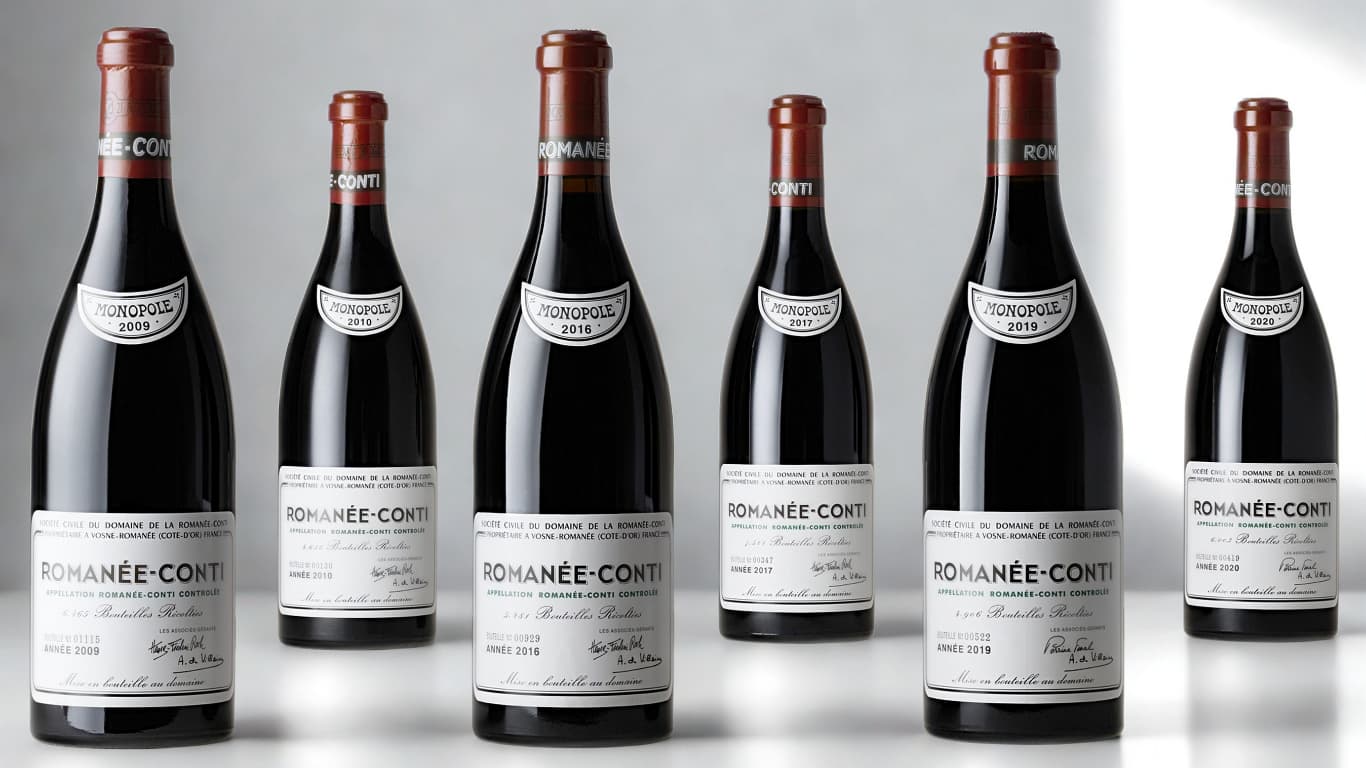
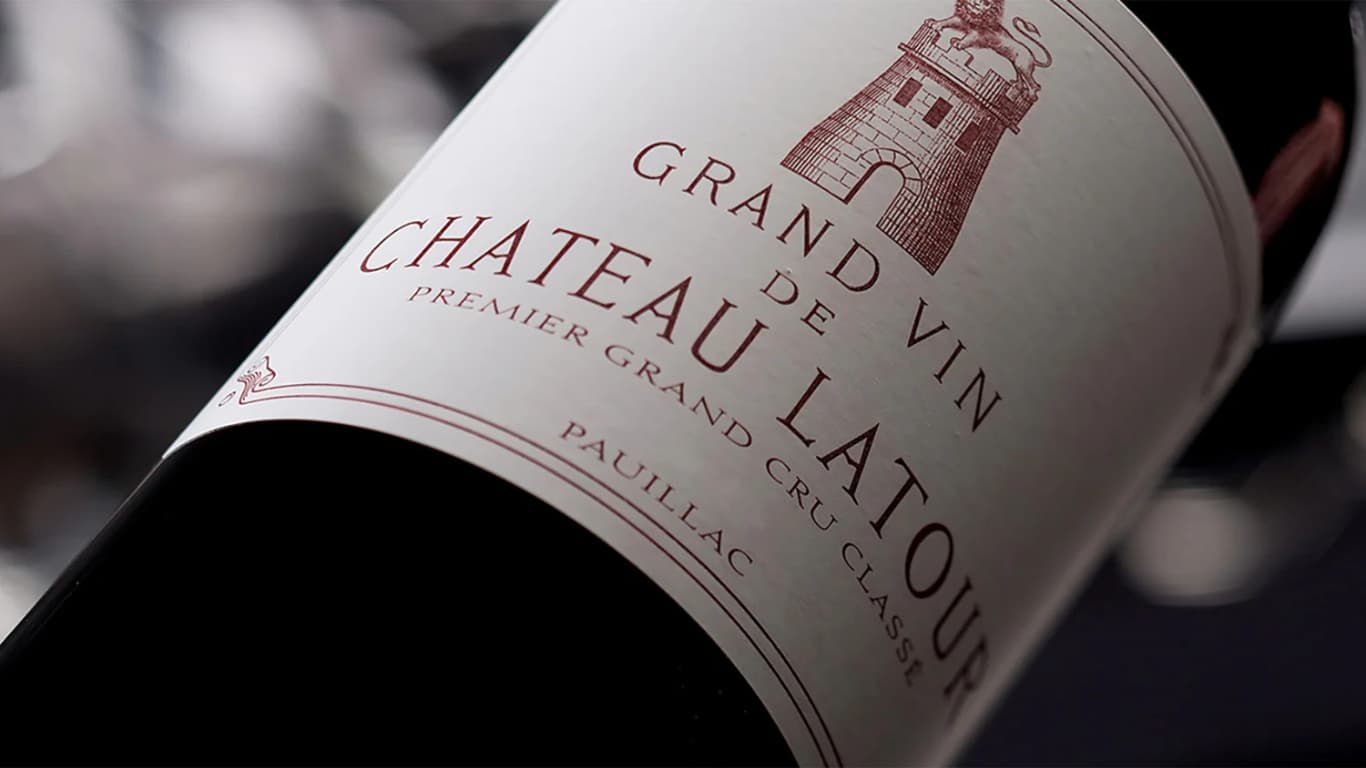
Renowned vintages from producers like Château Lafite Rothschild or Domaine de la Romanée-Conti are often purchased en primeur by wine funds, securing early access at prices that look very favorable a decade later. You can learn more about the top wine regions driving that kind of appreciation.
Simplified Logistics and Storage. Wine investment funds take the entire operational burden off your shoulders, handling storage, authentication, insurance, and logistics so you don’t have to. Keeping wine in optimal condition requires precise temperature, humidity, and light control. By centralizing that infrastructure, funds ensure your wines stay in the condition that protects their value.
Global Market Exposure. Wine funds give you exposure to fine wine markets across the globe, covering key regions in France, including Bordeaux, Burgundy, and Champagne, as well as Italy’s Tuscany and Piedmont, and California’s Napa Valley. You get both regional specialization and geographic diversification in a single investment, which reduces the risk that any one market’s weakness drags down your whole portfolio.
Emotional Satisfaction and Prestige. Investing in fine wine carries an emotional appeal and a sense of prestige that almost no other asset class can match. Beyond the financial returns, there’s genuine satisfaction in owning or being associated with some of the world’s most iconic wines.
For many investors, wine investment creates an engaging experience that bridges passion and profit in a way that traditional assets never could. If you’re also considering other collectible asset classes, contemporary portrait art is another tangible category worth your attention.
Steady Demand from Emerging Markets. Growing affluence in emerging markets, especially across Asia, has driven a meaningful surge in global demand for fine wine. China, South Korea, and Japan are becoming serious consumers and collectors of premium wines, and that demand is pushing prices higher in ways that benefit well-positioned wine funds.
Tax Benefits in Certain Jurisdictions. In some jurisdictions, fine wine investments qualify for favorable tax treatment. In the UK, for example, wine is classified as a wasting asset, which can potentially exempt it from capital gains tax if certain conditions are met. Talk to a qualified tax advisor to understand what applies specifically to your situation and jurisdiction.
Potential for Stable Returns. Despite short-term fluctuations, wine funds have consistently delivered stable returns over longer investment horizons. Funds that combine well-researched portfolios with strategic timing around sales have often outperformed broader financial markets, especially during periods of elevated volatility.
Drawbacks of Wine Investment Funds
Wine investment funds bring real advantages to the table, but they come with limitations you need to understand clearly before putting your money in. Getting realistic about the potential downsides is what separates smart investing from wishful thinking.
Long-Term Investment Horizon. Fine wine investment demands a long-term commitment. Unlike stocks or bonds, you can’t sell wine quickly without potentially compromising your returns. Most wine funds run for 5 to 10 years, and early liquidation usually comes with penalties or reduced profits. If you need access to your capital or are chasing short-term gains, wine funds are probably the wrong vehicle for you.
Limited Liquidity. Wine is an illiquid asset, and wine funds carry that same reality. Unlike publicly traded assets, wines can’t be sold instantly on secondary markets. Even within structured funds, selling wine assets at short notice is genuinely difficult. Lock-in periods and early exit penalties limit your flexibility in ways that equity investments never would.
Market Volatility and External Risks. Fine wine generally shows low correlation with traditional financial markets, but that doesn’t make it immune to external forces. Several factors can hit wine prices hard and fast.
- Economic Downturns: Recessions and financial crises can reduce demand for luxury assets.
- Geopolitical Instability: Political tensions, tariffs, and trade restrictions can disrupt wine exports and imports.
- Climate Change: Weather conditions, natural disasters, and vineyard diseases can affect grape harvests and wine production, impacting supply and prices.
Through 2024, the Liv-ex Fine Wine 100 Index recorded a 9.2% year-to-date decline, a clear reminder that wine markets are not entirely sheltered from global economic uncertainty.
High Fees and Costs. Wine investment funds layer in multiple fees that can meaningfully erode your profits if you’re not paying close attention. These typically stack up across several categories.
- Management Fees: Usually range between 1–2% annually.
- Performance Fees: Often 10–20% of profits once certain return benchmarks are achieved.
- Storage and Insurance Costs: Ongoing expenses for proper wine storage and insurance are either built into management fees or charged separately.
Factor all of these costs into your return expectations from the start. Fees that seem modest individually can significantly reduce your net profit when added up over a full fund cycle.
Dependency on Fund Managers. The performance of a wine investment fund rests heavily on the expertise and judgment of the people running it. Poor wine selection, mistimed sales, or mismanaged storage can lead to underperformance or outright losses. When you invest in a fund, you’re placing real trust in the management team to deliver. That trust needs to be earned through track record and transparency, not just marketing.
Vulnerability to Counterfeit Wines. The fine wine market has battled counterfeit wines for decades, and even experienced collectors and professional investors can be deceived by fraudulent bottles. Wine investment funds are not entirely immune to this risk. Professional authentication processes reduce it significantly, but a residual risk always exists, and acquiring a counterfeit bottle can result in serious financial losses.
Regulatory and Tax Complexity. Wine investment funds often occupy a regulatory gray area that varies considerably from one jurisdiction to another. The rules around fund regulation, investor protections, and tax treatment can be complex and sometimes work against your expected returns.
- Capital Gains Tax (CGT): Depending on local laws, profits from wine sales might be subject to high capital gains taxes.
- Classification Ambiguity: In some regions, wine is classified as a “collectible,” while in others, it is treated as a financial asset.
Tax treatment in particular can have a real impact on your overall returns, and it’s worth getting professional tax advice before you make any commitments.
Limited Transparency in Some Funds. Most reputable wine funds provide regular updates and detailed performance reports. But not all of them do. Some funds operate with limited visibility into how wines are selected, how performance is calculated, and what the real fee impact looks like over time.
- How wines are selected.
- Portfolio diversification strategies.
- Storage and logistics arrangements.
That lack of transparency creates a genuine challenge for you as an investor trying to assess performance and understand your actual risk exposure. Always ask for detailed reporting before committing.
Sensitivity to Consumer Trends. The value of fine wines is closely tied to consumer preferences and cultural shifts. Bordeaux and Burgundy have shown remarkable historical stability, but shifting tastes can influence demand in ways that affect prices. Growing interest in New World wines from regions like Napa Valley or South Africa, for instance, can temporarily redirect attention and spending away from traditional European vintages.
Storage and Logistics Risks. Professional storage facilities and comprehensive insurance policies do a lot to protect your wine assets, but fine wine still carries exposure to a range of physical risks that you should be aware of before investing.
- Improper Storage: Small errors in temperature or humidity can damage wine quality.
- Shipping Risks: Transportation mishandling can affect wine condition and reduce value.
- Long-Term Maintenance Costs: Proper storage comes with recurring costs, which can eat into profits over time.
Emotional Bias. Wine carries a romantic appeal that few other assets can match, and that’s exactly what makes it a potential trap for investors and fund managers alike. Holding onto a particular wine longer than the market data supports, out of sentiment or overconfidence in its appreciation potential, can cost you returns that a more disciplined approach would have captured.
Limited Historical Data Compared to Other Assets. Fine wine indices like the Liv-ex 100 provide meaningful performance data, but the historical datasets are still relatively shallow compared to what you have access to in traditional financial markets. That limited data history makes rigorous risk analysis harder and future performance predictions less reliable. It’s a real constraint that any serious investor in this space needs to factor into their thinking.