
White wines have carved out a serious niche in the fine wine world, offering you diversity in flavor, origin, and genuine investment potential.
Among the most compelling varietals are Pinot Grigio and Sauvignon Blanc, two globally recognized names that consistently move volume and capture collector attention.
Both are celebrated for their crisp, refreshing profiles, yet they speak to different palates and suit very different investment strategies.
As the fine wine market picks up momentum heading into 2026, knowing the nuances between these two varietals is what separates a sharp investment decision from a costly guess. If you want a deeper foundation before diving in, our complete guide to investing in fine wine is worth your time.
Pinot Grigio is known for its light, approachable style. Born in Italy but thriving in regions like Oregon and Alsace, it wins over casual drinkers while offering premium expressions that genuinely attract serious collectors.
Sauvignon Blanc plays a bolder game, built on zesty acidity and a flavor spectrum that keeps things interesting.
Originating in France, it has found a passionate following in New Zealand and California, producing wines that swing from grassy and herbal all the way to tropical and fruit-driven.
What follows is a close look at the key differences between Pinot Grigio and Sauvignon Blanc, covering their regions of origin, grape characteristics, winemaking styles, and investment track record.
By the time you finish reading, you’ll have a clear picture of which varietal fits your investment strategy in 2026, backed by real data and market trends.
Table of Contents
Pinot Grigio vs Sauvignon Blanc: Regions & Origins
Where a grape is grown shapes everything about it. The regions behind Pinot Grigio and Sauvignon Blanc directly influence their flavor profiles, market appeal, and the kind of returns you can realistically expect.
Getting familiar with these regional differences is one of the smartest moves you can make as an investor looking to maximize returns in 2026.
Pinot Grigio: Regions & Origins
Pinot Grigio, also known as Pinot Gris in certain regions, traces its roots to France’s Alsace and is technically a mutation of the Pinot Noir grape.
Over the centuries, it became deeply tied to Italian winemaking, particularly in Veneto and Friuli-Venezia Giulia, where it gets crafted into light, zesty wines that fly off shelves worldwide.
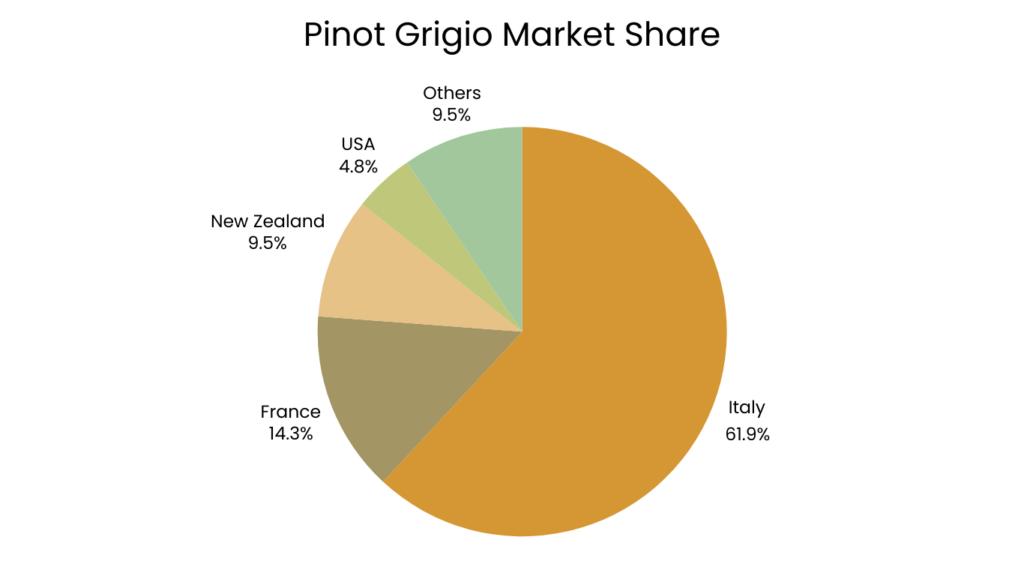
The key regions producing Pinot Grigio worth knowing about are spread across Italy, France, and the American Northwest.
- Italy (Veneto, Friuli-Venezia Giulia, Alto Adige): Italy accounts for a significant portion of Pinot Grigio production, with Veneto producing mass-market options and Friuli offering premium, complex styles.
- France (Alsace): Known as Pinot Gris here, it is richer, fuller-bodied, and often slightly sweet, appealing to collectors.
- United States (Oregon): Oregon Pinot Grigio offers vibrant acidity and depth, mirroring Alsace’s style but with its own regional character.
- New Zealand: Produces bright, tropical Pinot Grigio with a focus on acidity and freshness.
Sauvignon Blanc: Regions & Origins
Sauvignon Blanc has its roots in France’s Loire Valley and Bordeaux, where it is often blended with Sémillon to produce wines with real elegance and aging capability.
But its global footprint has expanded well beyond France, and today it ranks among the most widely planted white grape varieties on the planet.
The key regions producing Sauvignon Blanc span multiple continents, each bringing its own distinct stamp to the grape.
- France (Loire Valley, Bordeaux): The Loire Valley produces iconic single-varietal Sauvignon Blancs like Sancerre and Pouilly-Fumé, characterized by minerality and citrus notes. Bordeaux often blends it with Sémillon to create complex, age-worthy wines.
- New Zealand (Marlborough): New Zealand Sauvignon Blancs are celebrated for their bold, tropical flavors and herbaceous notes, leading to immense global popularity.
- United States (California): Napa Valley and Sonoma County produce rich, oaked styles of Sauvignon Blanc, often referred to as Fumé Blanc.
- South Africa: Known for producing balanced Sauvignon Blancs with a mix of tropical fruit and grassy characteristics.
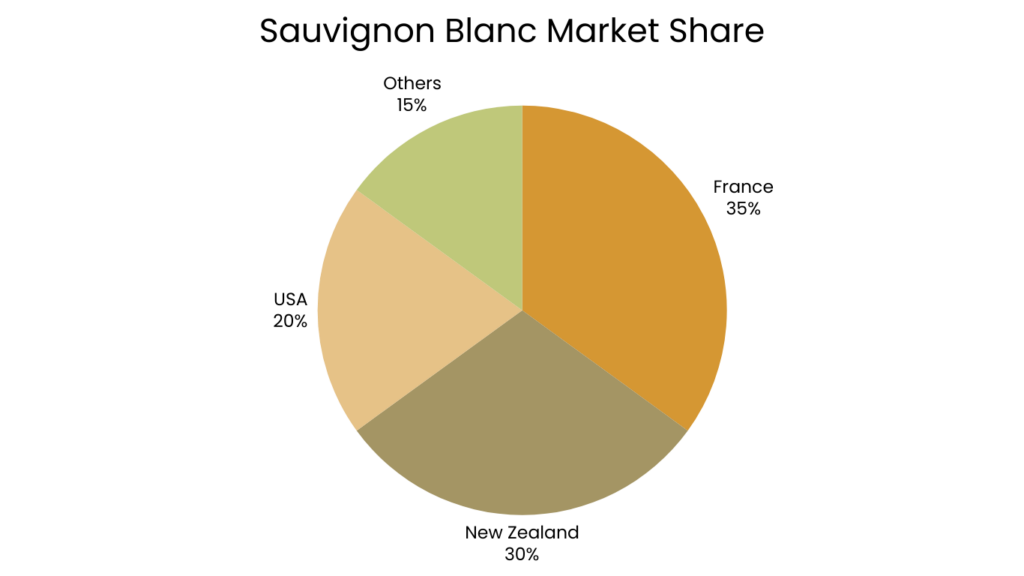
The regional breadth of both varietals opens up real opportunities for you as an investor. Italian Pinot Grigio holds the entry-level market firmly, while premium Pinot Gris from Alsace and Oregon speaks to a more discerning collector base.
Sauvignon Blanc benefits from its global reach in a different way, with Sancerre and New Zealand offerings generating consistent, sustained demand year after year.
If long-term growth is your goal, zeroing in on premium regions like Alsace for Pinot Grigio and Sancerre or Marlborough for Sauvignon Blanc is where you’ll find the strongest ROI.

Pinot Grigio vs Sauvignon Blanc: Grape Characteristics
The grape itself tells you a lot. Understanding the core characteristics of Pinot Grigio and Sauvignon Blanc gives you a much clearer read on their flavor profiles, aging potential, and how they perform across different markets.
These characteristics shape everything from the wine’s taste to its appeal among collectors, which in turn drives investment performance.

Pinot Grigio: Grape Characteristics
Pinot Grigio is a white mutation of the Pinot Noir grape, producing medium-sized berries with thin skins and a grayish-blue hue, which is precisely where the name comes from (“grigio” being Italian for gray).
It thrives in cooler climates, where lower temperatures preserve its natural acidity and aromatic subtlety.
The key characteristics you should know about lean toward delicacy, high acidity, and early ripening.
- Skin and Color: Thin-skinned with grayish tones, the juice is clear and contributes to its light, refreshing profile.
- Acidity: Naturally high acidity, which is a hallmark of its zesty and crisp style.
- Sugar Levels: Moderate, producing predominantly dry wines but capable of off-dry and late-harvest styles, particularly in Alsace.
- Flavor Potential: Subtle citrus, green apple, and floral notes dominate its flavor profile.
Pinot Grigio grapes ripen early, making them a natural fit for cooler zones like Alto Adige or Alsace, where they develop real balance and complexity rather than just straightforward fruit.
Push them into warmer climates and you get more fruit-forward styles with slightly softer acidity.
Sauvignon Blanc: Grape Characteristics
Sauvignon Blanc is a green-skinned grape defined by its aromatic intensity and an impressive ability to adapt across a wide range of climates.
That adaptability is what makes it so commercially powerful, producing styles that run the full spectrum from grassy and herbal to tropical and ripe.
Its defining characteristics center on bold aromatics, bright acidity, and an almost chameleonic quality that different terroirs bring out in different ways.
- Skin and Color: Thin-skinned and green-hued, contributing to its vibrant and aromatic juice.
- Acidity: High acidity, which provides the bright, zesty backbone of its wines.
- Aromatic Intensity: One of the most aromatic grape varieties, producing pronounced flavors and aromas even in cooler climates.
- Flavor Potential: Herbaceous notes like grass and bell pepper are prominent, complemented by citrus, passion fruit, and gooseberry in warmer climates.
Winemakers typically harvest Sauvignon Blanc early to lock in that signature acidity, especially in regions like Marlborough and Sancerre where the grape hits its purest expression.
Pinot Grigio’s subtlety and high acidity make it a global favorite for everyday drinking, while its premium expressions from Alsace and Oregon attract investors who are chasing niche market appeal.
Sauvignon Blanc’s bold aromatics and natural versatility give it serious marketability, with Sancerre and Marlborough generating the kind of consistent demand that keeps secondary market prices healthy.
For investment purposes, Sauvignon Blanc offers you broader global reach, while premium Pinot Gris from cooler climates suits those targeting a more specialized collector audience.
Pinot Grigio vs Sauvignon Blanc: Taste & Alcohol
Taste and alcohol level are two of the first things consumers and collectors notice, and they directly shape market demand for both varietals.
Both wines deliver distinct flavor experiences that appeal to very different preferences, and understanding those differences helps you position your investment correctly.
Pinot Grigio: Taste & Alcohol
Pinot Grigio is built around being light, crisp, and easy to love. That accessibility is what makes it a reliable staple for casual wine drinkers and a natural match with food.
The flavor profile and alcohol content shift depending on where the grapes are grown and how the wine is made.
Taste Profile:
- Primary Flavors: Citrus fruits (lemon, lime), green apple, pear, and subtle floral undertones.
- Regional Variations: Italian Pinot Grigio tends to be light-bodied with a mineral-driven palate, while Alsace Pinot Gris offers richer, spicier notes with hints of honey and apricot.
- Finish: Clean and refreshing, with a crisp acidity that makes it ideal for warm-weather drinking.
Alcohol typically runs between 11.5% and 13.5%, keeping it on the lighter end of the spectrum.
- Pinot Grigio typically has a moderate alcohol level ranging from 11.5% to 13%.
- Wines from cooler regions like Alsace or Oregon may have slightly lower alcohol levels, while warmer climates like California can produce Pinot Grigio with a fuller body and higher alcohol content.
Sauvignon Blanc: Taste & Alcohol
Sauvignon Blanc makes an immediate impression. Its bold aromatics and zesty acidity hit the palate with energy, making it a go-to for wine lovers who want something expressive rather than understated.
Taste Profile:
- Primary Flavors: Herbaceous notes like grass, green bell pepper, and nettle dominate cooler-climate expressions, while warmer regions produce tropical flavors like passion fruit, mango, and guava.
- Regional Variations: Sancerre wines are known for their minerality and citrus-driven profile, while Marlborough Sauvignon Blancs are famous for their bold tropical and herbal characteristics.
- Finish: Bright and tangy, with a racy acidity that enhances its food-pairing versatility.
Alcohol levels generally land between 12% and 14%, slightly fuller-bodied than most Pinot Grigio expressions.
- Sauvignon Blanc typically has an alcohol level ranging from 12.5% to 14%.
- New Zealand and California wines tend to have slightly higher alcohol levels due to the warmer climate, while French expressions like Sancerre are often more restrained.
Pinot Grigio’s light profile ensures steady demand in the entry-level segment, while richer styles like Alsace Pinot Gris pull in buyers who are willing to pay a premium for something more complex.
Sauvignon Blanc, with its boldness and aromatic character, attracts a wider market, especially from powerhouse regions like Marlborough and Sancerre that consistently produce wines collectors seek out.
From a pure investment standpoint, the dynamic flavor range and diverse alcohol spectrum of Sauvignon Blanc give it a stronger foothold in global markets and better secondary market performance.
Pinot Grigio vs Sauvignon Blanc: Winemaking Methods
How a wine is made matters as much as where the grapes come from. The winemaking techniques applied to Pinot Grigio and Sauvignon Blanc shape their complexity, aging capacity, and ultimately their market value.
Regional traditions and stylistic ambition both play a role, and knowing the difference helps you spot which bottles carry real investment upside.
Pinot Grigio: Winemaking Methods
Pinot Grigio winemaking is largely about preservation. Freshness, acidity, and those subtle delicate flavors are what you are trying to protect from grape to bottle.
Most Pinot Grigio is designed for early drinking, but premium styles, especially from Alsace, employ more elaborate techniques that layer in complexity and build genuine aging potential.
The key techniques worth understanding include temperature-controlled fermentation, minimal oak contact for standard expressions, and extended skin maceration or late-harvest methods for premium tiers.
- Harvest Timing: Grapes are typically harvested early to retain acidity and produce light, crisp wines. In regions like Alsace, later harvests create richer and more aromatic wines.
- Fermentation: Most Pinot Grigio is fermented in stainless steel tanks to preserve its delicate fruit and floral notes. In Alsace, neutral oak barrels may be used for added texture and complexity.
- Lees Aging: Premium Pinot Gris, particularly from Alsace, is often aged on lees to enhance body and flavor depth, contributing nutty and creamy notes.
- Sweetness Variations: While most Pinot Grigio is dry, Alsace produces late-harvest styles, including Vendanges Tardives and Sélection de Grains Nobles, which are sweet and capable of aging.
Sauvignon Blanc: Winemaking Methods
Sauvignon Blanc winemaking is about capturing aromatic intensity while holding onto vibrant acidity. Its natural adaptability means producers can take it in very different stylistic directions, from clean and unoaked to richly barrel-aged.
The techniques that define the best expressions include stainless steel fermentation to preserve freshness, barrel fermentation and lees aging for Fumé Blanc-style complexity, and careful harvest timing to protect that signature acidity.
- Harvest Timing: Grapes are often harvested at different ripeness levels to balance acidity and flavor development, especially in regions like Marlborough.
- Fermentation: Most Sauvignon Blanc is fermented in stainless steel tanks at cool temperatures to maximize aromatic expression. In Bordeaux and California, some winemakers ferment in oak barrels for a richer, more textured style.
- Barrel Aging: Known as Fumé Blanc, barrel-aged Sauvignon Blanc (common in Napa Valley) gains complexity, with notes of vanilla, toast, and cream complementing its fruity and herbal character.
- Blending: In Bordeaux, Sauvignon Blanc is often blended with Sémillon to create more complex, age-worthy wines. This blend is the foundation of the region’s famous dry whites and dessert wines like Sauternes.
Pinot Grigio’s clean, efficient winemaking keeps quality consistent in the affordable tier, while Alsace and Oregon producers who push the envelope create premium styles that genuinely reward patience and storage.
Sauvignon Blanc’s flexibility in the cellar is a real competitive advantage. High demand exists for both the fresh fruit-forward styles coming out of Marlborough and the more complex barrel-aged Fumé Blanc expressions from California.
If you are targeting the best opportunities for growth in 2026, focus on wines that showcase distinctive production techniques or come from premium regions like Sancerre or Marlborough, where winemaking ambition and terroir align.
Pinot Grigio vs Sauvignon Blanc: Appearance, Aromas, and Tasting Notes
The sensory experience a wine delivers is what drives collector desire and consumer demand. Understanding how Pinot Grigio and Sauvignon Blanc look, smell, and taste gives you valuable insight into their market positioning.
Their differences in appearance, aromatics, and flavor reflect everything from grape genetics to winemaking choices and regional terroir, all of which factor into how they perform as investments.
Pinot Grigio: Appearance, Aromas, and Tasting Notes
Pinot Grigio is built on lightness and elegance. Its sensory profile reflects that delicate character, and it has earned a loyal following among consumers who want something clean and uncomplicated.
In the glass, Pinot Grigio shows a pale straw to light yellow, sometimes with a faint greenish edge. Premium expressions from Alsace can lean toward a richer golden tone, particularly when extended aging or late-harvest techniques come into play.
The aromatics are understated and precise, often revealing green apple, pear, white peach, citrus blossom, and a touch of almond or mineral lift.
- Primary Notes: Citrus fruits like lemon and lime, green apple, and white pear dominate.
- Secondary Notes: Delicate floral nuances, including honeysuckle and white blossoms, add complexity in cooler-climate wines.
- Premium Aromas: Alsace Pinot Gris often exhibits richer notes of honey, spice, and apricot.
On the palate, expect something light, crisp, and refreshing, with high acidity pulling everything to a clean, focused finish.
- Flavors: Citrus, pear, and subtle almond notes are common, with mineral undertones in wines from regions like Alto Adige.
- Finish: Dry and zesty, with a smooth mouthfeel that enhances its food-pairing versatility.
Sauvignon Blanc: Appearance, Aromas, and Tasting Notes
Sauvignon Blanc is a different animal entirely. Its sensory presence is bold and expressive, delivering an experience that is far more assertive than Pinot Grigio and built to command attention.
The color ranges from pale yellow with greenish reflections in unoaked styles to a deeper, warmer gold in barrel-aged versions like Fumé Blanc. Either way, the wine tends to look bright and alive in the glass.
The aromatics are where Sauvignon Blanc really announces itself. Expect passion fruit, grapefruit, cut grass, elderflower, white currant, and occasionally a flint or smoky edge in the finest Sancerre expressions.
- Primary Notes: Grassy and herbaceous aromas like fresh-cut grass, green bell pepper, and nettle are prominent in cooler climates.
- Secondary Notes: Citrus (grapefruit, lime), gooseberry, and tropical fruits (passion fruit, mango) dominate in warmer regions like Marlborough.
- Aged Aromas: Barrel-aged Sauvignon Blanc adds vanilla, toast, and creamy notes.
On the palate, you get a vibrant, racy ride driven by that characteristic zesty acidity alongside bold fruit and often a long, layered finish.
- Flavors: Lemon, lime, tropical fruits, and herbaceous notes define its flavor profile, with mineral-driven complexity in Sancerre wines.
- Finish: Crisp, tangy, and long-lasting, with a refreshing quality that enhances its popularity.
Pinot Grigio’s light and approachable character keeps demand solid in the affordable tier, while standout expressions like Alsace Pinot Gris pull in niche collectors who appreciate something more structured.
Sauvignon Blanc’s bold aromatics and flavor intensity, particularly from Marlborough and Sancerre, generate a wider market pull that translates directly into stronger investment fundamentals.
For your portfolio, Sauvignon Blanc stands out for its aromatic power and international name recognition, making it a natural first choice for collectors targeting globally traded wines.
Pinot Grigio still delivers reliable returns at the premium tier, especially from well-regarded producers in Alsace and Oregon.
Pinot Grigio vs Sauvignon Blanc: Storage
Proper storage is not optional if you are serious about protecting the quality and resale value of your wine investment.
Both wines are typically enjoyed young, but select premium expressions and specific styles can age beautifully, gaining complexity and increasing their appeal on the secondary market.
Pinot Grigio Storage
Most Pinot Grigio is made to be opened within a few years, but premium styles, especially from Alsace, age with surprising grace. Their delicate nature means storage conditions need to be right from day one.
The key storage guidelines to follow include maintaining a consistent temperature between 10 and 14 degrees Celsius, keeping humidity around 70%, storing bottles horizontally to preserve the cork, and avoiding light and vibration entirely.
- Temperature: Store Pinot Grigio at a consistent 45°F to 55°F (7°C to 13°C) to retain its bright acidity and clean flavors.
- Humidity: Maintain humidity levels between 60% and 70% to prevent corks from drying out and allowing oxidation.
- Light Protection: Exposure to UV light can degrade Pinot Grigio’s delicate profile, so store it in a dark environment.
- Lifespan: Most Pinot Grigio is best consumed within 1 to 3 years of production. However, premium Alsace Pinot Gris can age for 8 to 10 years, developing richer honeyed and nutty notes.
While most Pinot Grigio does not reward long-term cellaring, premium Alsace bottles and late-harvest styles are the exceptions worth holding for future appreciation.
Sauvignon Blanc Storage
Sauvignon Blanc shares similar baseline storage requirements but gives you more flexibility when it comes to aging timelines, depending on the style and region in question.
Most Sauvignon Blanc is best young, but aged expressions like barrel-fermented Fumé Blanc or a serious Sancerre can develop striking depth and complexity with the right cellaring.
The storage guidelines mirror those for Pinot Grigio in terms of temperature and humidity, but barrel-aged styles can tolerate slightly longer holding periods, often a decade or more for top producers.
- Temperature: Store Sauvignon Blanc at 45°F to 55°F (7°C to 13°C) to preserve its aromatic intensity and crisp acidity.
- Humidity: Keep humidity levels between 60% and 70% to protect the cork and prevent spoilage.
- Light Protection: Like Pinot Grigio, Sauvignon Blanc should be stored in a dark environment to avoid light damage.
- Lifespan: Standard Sauvignon Blanc is best consumed within 2 to 5 years of release. Premium-aged styles like Sancerre or barrel-aged Fumé Blanc can mature for 10 to 15 years, revealing complex flavors like vanilla, toast, and minerality.
Pinot_Grigio_vs_Sauvignon_Blanc_Storage.csv
Sauvignon Blanc edges ahead of Pinot Grigio on aging potential, particularly for Sancerre and Fumé Blanc, where time in the cellar translates into genuine collector appeal and stronger resale prices.
Pinot Grigio’s more limited aging window makes it better suited to short-term investment plays, with storage focused primarily on preserving freshness rather than building complexity.
Sauvignon Blanc, especially in its premium and barrel-aged forms, gives you greater flexibility for a longer-term strategy, which is a meaningful advantage when building a diversified wine portfolio.
Pinot Grigio vs Sauvignon Blanc: Pricing
Price is a direct reflection of market positioning, regional prestige, and production quality. Both wines reach across a wide audience, but their premium tiers are where the real investment conversation begins.
Knowing where each varietal sits on the price spectrum helps you identify which segments offer the most compelling opportunities for collectors and serious investors.
Pinot Grigio Pricing
Pinot Grigio has a well-earned reputation for affordability, but that story gets more interesting at the premium end. Wines from Alsace and Oregon command meaningfully higher prices thanks to their complexity and limited output.
- Entry-Level Pricing: Most Italian Pinot Grigios fall within the $10–$20 range. These wines are light, crisp, and mass-produced, appealing to casual consumers.
- Mid-Tier Pricing: Higher-quality options from regions like Friuli-Venezia Giulia and Alto Adige are priced between $20–$50. These wines often exhibit greater complexity and minerality.
- Premium Pricing: Premium Alsace Pinot Gris or late-harvest styles can range from $50–$150+, depending on the producer and vintage.
- Ultra-Premium: Rare late-harvest or Vendanges Tardives styles from Alsace may exceed $200, appealing to niche collectors.
Sauvignon Blanc Pricing
Sauvignon Blanc spans a broad price range, powered by its global popularity and the prestige attached to top regions. Wines from Sancerre and Marlborough consistently command premium prices and hold them well.
- Entry-Level Pricing: Standard Sauvignon Blanc from regions like South Africa or Chile is widely available for $10–$20, offering excellent value for everyday drinking.
- Mid-Tier Pricing: Popular expressions from Marlborough or California fall between $20–$40, with bold flavors and consistent quality.
- Premium Pricing: High-end wines from Sancerre or barrel-aged Fumé Blanc styles range from $50–$150, reflecting their superior craftsmanship and complexity.
- Ultra-Premium: Rare and highly rated vintages from top producers in Sancerre or Napa Valley can exceed $200, making them prized additions to fine wine collections.
Pinot Grigio’s affordability keeps it dominant at the entry level, where turnover is steady and demand rarely wavers.
That said, the premium expressions, particularly from Alsace, offer more compelling investment potential thanks to limited availability and genuine aging capability. Sauvignon Blanc opens up bigger opportunities in the premium and ultra-premium tiers, with Sancerre and Marlborough bottles delivering consistent appreciation across both primary and secondary markets. You can learn more about how wine ratings affect investment returns before committing to either varietal.
- Entry-Level Wines: Pinot Grigio is more widely consumed at the entry-level price point, appealing to casual drinkers seeking affordable options.
- Premium Segments: Sauvignon Blanc outperforms Pinot Grigio in the premium category due to its global appeal and complex flavor profiles. Sancerre and Marlborough wines, in particular, are favored by collectors.
- ROI Opportunities: While Pinot Grigio offers steady returns in its niche premium market, Sauvignon Blanc’s diverse styles and broader recognition make it a stronger contender for long-term investment.
If you are building a wine investment position, focusing on high-quality Pinot Gris from Alsace and prestigious Sauvignon Blancs from Sancerre or Marlborough gives you access to bottles with real resale traction and genuine collector interest.
Pinot Grigio vs Sauvignon Blanc: Historical ROI
ROI tells the real story. The returns on Pinot Grigio and Sauvignon Blanc diverge based on market positioning, regional prestige, and production quality, and those differences are worth understanding before you commit capital.
Both perform steadily at the entry level, but their premium expressions are where significant appreciation potential comes into focus.
Pinot Grigio holds its own thanks to global popularity and consistent demand, especially in the mass market where volume keeps values stable.
Entry-level Italian Pinot Grigio holds its value without much drama, but rarely appreciates in any meaningful way, given its mass production and focus on early consumption.
The premium tier tells a different story. Alsace Pinot Gris has posted annual appreciation rates of around 5 to 7%, driven by limited production, real aging potential, and a collector base that values richer, more complex styles.
Late-harvest Alsace wines, such as Vendanges Tardives, are among the most valuable expressions, with rare vintages capable of outpacing even those averages.
Oregon Pinot Grigio is also gaining traction on the global stage, which is gradually strengthening its investment case as awareness grows.
Sauvignon Blanc has delivered stronger ROI at the premium level, particularly for bottles from Sancerre and Marlborough, where quality and reputation align to drive consistent appreciation.
Entry-level Sauvignon Blanc offers minimal upside given its mass-market focus, though high-quality producers in emerging regions like South Africa are beginning to hold value more reliably.
Premium Sancerre has shown annual appreciation of roughly 7 to 10%, built on limited production, a sterling reputation for quality, and strong collector demand that does not seem to be cooling off.
Barrel-aged Fumé Blanc, especially from top Napa Valley producers, occupies a smaller niche but delivers outsized returns, with select vintages appreciating by 10 to 12% per year. Climate change is also reshaping fine wine investment, which is worth factoring into any long-range projections for either varietal.
New Zealand’s Marlborough Sauvignon Blanc rounds out the picture with its bold tropical flavors and signature herbaceous profile. It dominates global demand and offers reliable value retention alongside moderate appreciation.
Comparing the two directly, Pinot Grigio performs well for short-term plays, particularly in premium Alsace expressions that appeal to niche collectors willing to pay for quality.
Sauvignon Blanc is the stronger long-term bet, with top Sancerre and Fumé Blanc producers demonstrating real appreciation over decades rather than just a few years.
Sauvignon Blanc also benefits from broader name recognition and a secondary market that keeps performing, especially for Marlborough wines that have become a global benchmark for the varietal.
Looking at the overall picture, Pinot Grigio’s historical ROI makes it a solid short-term play, especially from Alsace and Oregon. Sauvignon Blanc offers better long-term growth across a wider range of styles and markets.
To capture the best returns, focus on limited-production vintages and top-rated wines from Sancerre, Marlborough, and Napa Valley’s Fumé Blanc producers. That is where growing collector demand is creating the most consistent upside.
Which Is Better for Investment: Pinot Grigio vs Sauvignon Blanc?
When you put Pinot Grigio and Sauvignon Blanc side by side from a pure investment standpoint, the answer comes down to your goals, your timeline, and how much risk you are comfortable carrying.
Both wines bring real strengths to the table. Pinot Grigio excels in niche markets, while Sauvignon Blanc commands global recognition and a much broader collector base.
Pinot Grigio’s investment case is built almost entirely on its premium expressions, particularly Alsace Pinot Gris and select Oregon producers. These wines earn their value through limited production, genuine aging potential, and a complexity that sets them apart from the mass-market tier.
Entry-level Pinot Grigio dominates the casual market but offers minimal returns, given its focus on early drinking rather than cellaring. For short-term investment, premium Pinot Gris from Alsace delivers steady appreciation of around 5 to 7% annually, making it a smart choice if you are targeting niche collectors and quality-focused markets.
Sauvignon Blanc outperforms on long-term growth and global reach. Its top wines, especially from Sancerre and Marlborough, show robust appreciation that is difficult to match at the equivalent tier of Pinot Grigio.
Sancerre Sauvignon Blanc has posted annual ROI of 7 to 10%, supported by tight supply, a well-earned quality reputation, and collector demand that holds up across economic cycles.
Marlborough Sauvignon Blanc, with its bold tropical character, has become a fixture in international wine markets, offering you consistent value retention and moderate appreciation that compounds over time.
Barrel-aged styles like Fumé Blanc from Napa Valley occupy a smaller segment but punch well above their weight, with some vintages appreciating by 10 to 12% annually.
Sauvignon Blanc also benefits from stylistic range that few white varietals can match. From fruit-forward everyday bottles to complex, barrel-aged collector pieces, it speaks to a wide audience, which translates directly into stronger secondary market activity.
That widespread demand is what keeps its long-term value trajectory pointed in the right direction. You can also explore how Super Tuscan wines compare as an investment if you want to diversify your fine wine exposure beyond white varietals.
On the market dynamics front, Sauvignon Blanc’s strength in the premium category gives it a clear edge over Pinot Grigio when you are comparing like for like.
Pinot Grigio delivers reliable short-term ROI in specific regions, but Sauvignon Blanc’s broader appeal and stylistic diversity make it a more versatile and ultimately more rewarding investment.
When all the evidence is on the table, Sauvignon Blanc is the stronger investment choice, driven by global demand, premium-tier performance, and a long-term appreciation story that holds up under scrutiny.
That said, if you are looking to diversify your wine portfolio or tap into niche market dynamics, premium Pinot Grigio is an attractive and reliable complement rather than a rival.
Balancing positions across both varietals gives you a smart combination of short-term liquidity and sustained long-term growth.
Best Pinot Grigio Collections to Invest In 2026
Best_Pinot_Grigio_Collections_to_Invest_In_2025 (1).csv
Concentrating on premium regions like Alsace and Oregon is the right move for anyone serious about ROI, given the aging potential and strong collector appetite these areas consistently generate.
Renowned producers including Zind-Humbrecht, Jermann, and King Estate bring the kind of reputation and secondary market demand that enhances both desirability and resale performance.
Your best opportunities in 2026 lie in targeting limited-production offerings from these producers, where growing demand for serious Pinot Grigio is starting to outpace supply.
Best Sauvignon Blanc Collections to Invest In 2026
Best_Sauvignon_Blanc_Collections_to_Invest_In_2025.csv
FAQ
Which is a better investment: Pinot Grigio or Sauvignon Blanc?
Sauvignon Blanc is the better investment for long-term growth due to its global recognition and premium-tier performance, especially from regions like Sancerre and Marlborough. Pinot Grigio, while popular in the mass market, excels in niche premium expressions like Alsace Pinot Gris, making it suitable for short- to medium-term investments.
What regions should I focus on for each wine?
For Pinot Grigio, focus on Alsace (France) and Oregon (USA) for premium, collectible wines with aging potential.
For Sauvignon Blanc, prioritize Sancerre (France), Marlborough (New Zealand), and Napa Valley (USA) for high-value, long-term investments.
Do Pinot Grigio and Sauvignon Blanc age well?
Pinot Grigio: Most wines are consumed young, but premium styles from Alsace or late-harvest versions can age for up to 8–10 years.
Sauvignon Blanc: While most are enjoyed within 5 years, barrel-aged Fumé Blanc and high-quality Sancerre can mature for 10–15 years, enhancing their value.