
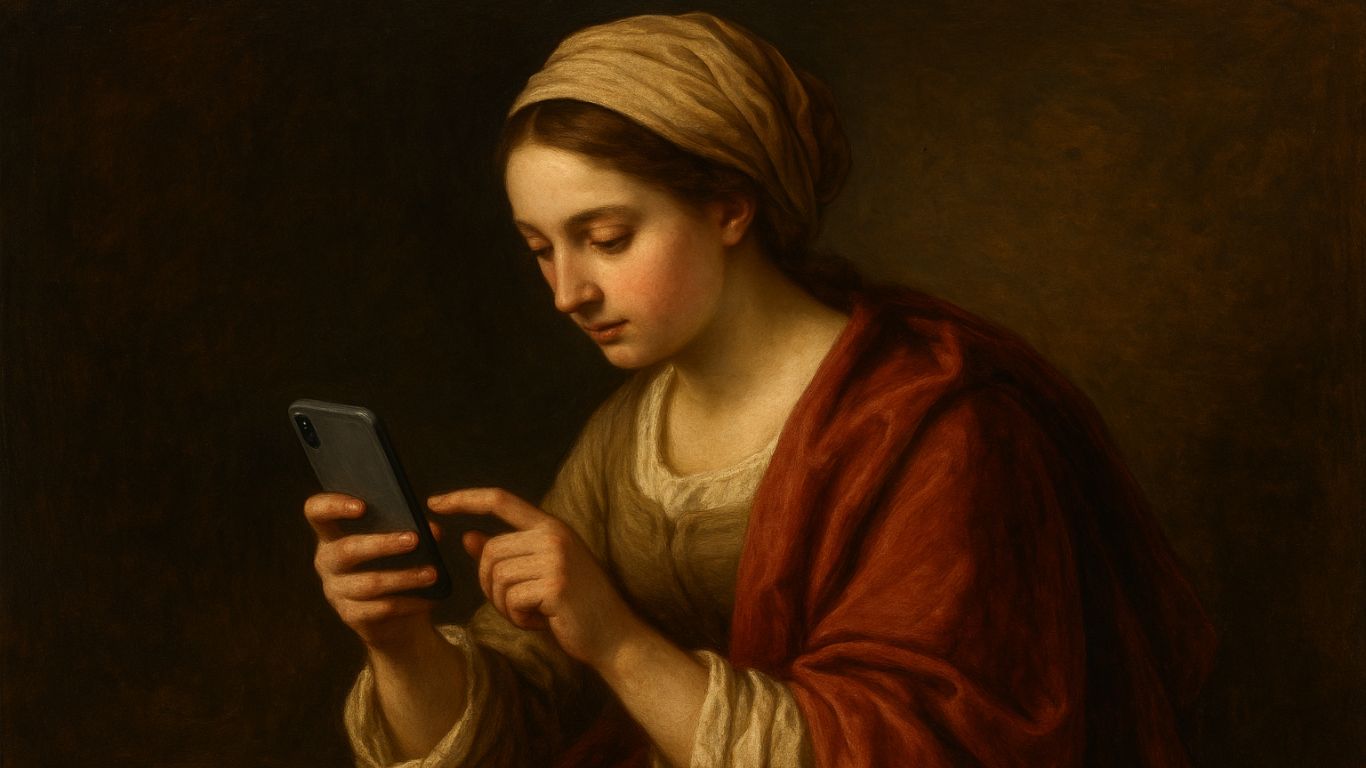

The art world is going through a generational shift, and millennials are at the center of it. For decades, high-value art collecting belonged almost exclusively to baby boomers and older generations with deep, inherited wealth. But that’s changing fast. A combination of economic forces, cultural preferences, and technological access is giving millennials unprecedented influence over the global art market.
A big part of this transformation ties back to the Great Wealth Transfer, one of the largest generational shifts in modern history.
According to a UBS and PwC study, millennials are expected to inherit around $68 trillion globally by 2045, with much of that capital already starting to change hands. And this isn’t just about money. It’s about how that money gets spent.
Unlike their parents or grandparents, millennial art buyers are directing serious resources toward contemporary art, often blending passion, personal values, and clear investment goals into a single buying decision.
Contemporary art, with its bold visuals, socially relevant themes, and direct cultural resonance, lines up closely with millennial tastes. These collectors aren’t shopping for decorative pieces. They want works that reflect their worldview.
As art advisor Maria Brito puts it, “This is a generation that wants art to be part of the conversation, not just decoration.”
Technology has lowered the barriers to entry as well. Online auctions, Instagram galleries, and digital art platforms now make it possible to view, bid on, and purchase high-value works from anywhere in the world. This accessibility, paired with growing wealth, is turning millennials into one of the most active and influential buyer groups in the art world today. If you want to understand where collectors are placing their bets right now, the millennial shift is the story you need to follow.
Table of Contents
The Rise of Millennial Art Collectors
Over the past decade, millennials have moved from being peripheral buyers to a core force in the global art market. Auction houses, galleries, and art fairs are now tailoring their entire strategies around this demographic, because they know the buying power is only going to grow.
A 2024 Art Basel and UBS Art Market Report found that collectors under 40 accounted for 34% of global high-end art transactions, a sharp rise from just 18% a decade ago. Even more telling is the average spend. Millennial collectors in top markets like the U.S., U.K., and Hong Kong reported average annual art purchases exceeding $600,000, putting them in a spending league that rivals far older, more established buyers.
And this isn’t just inherited money at work. Many millennials have built their own fortunes through entrepreneurship, tech startups, finance, and cryptocurrency investments. The post-2020 boom in alternative assets also created a generation of investors who see art not only as a cultural statement but as a viable long-term store of value.
Auction houses have taken notice. Sotheby’s reports that over 50% of their new bidders in the last three years have been under 40, with contemporary and ultra-contemporary works driving much of that interest. Galleries are following suit, curating exhibitions and marketing strategies designed for millennial buyers who prioritize accessibility, storytelling, and transparency in pricing.
As this trend gains momentum, the art market is adjusting to serve a younger, digitally savvy clientele, one that is redefining what it means to be a collector in the 21st century.

Economic and Cultural Factors Behind Millennial Art Spending
Millennials’ growing footprint in the art market isn’t simply a matter of age. It’s the result of unique economic and cultural conditions that set them apart from every previous generation of collectors.
From an economic standpoint, many millennial buyers have benefited directly from the tech boom and digital economy. Careers in software, fintech, e-commerce, and digital marketing have generated serious wealth at a relatively young age.
The rise of cryptocurrency and blockchain investments also created new pockets of liquidity, with some early adopters channeling profits into tangible assets like art. This has driven a fascinating cross-pollination between digital and traditional art worlds, with NFT culture playing a surprising role in pulling millennials into the physical art space. If you’ve ever wondered about the pitfalls waiting in the digital art world, it’s worth understanding before you commit capital.
Culturally, millennial art buyers value personal connection and identity-driven collecting. Unlike previous generations who may have focused on Old Masters or Impressionist works as a mark of prestige, younger collectors gravitate toward pieces that reflect contemporary issues like diversity, sustainability, technology, and social justice. This mirrors broader consumer behavior, where purchases are seen as an extension of personal values and lifestyle.
Social mobility also plays a role. With a larger share of millennial wealth concentrated in urban hubs like New York, London, Los Angeles, and Hong Kong, exposure to galleries, art fairs, and cultural events is more accessible than ever before.
The democratization of art information through online databases, price-tracking platforms, and social media has further empowered this demographic to make informed buying decisions without relying on traditional gatekeepers.
As economist Clare McAndrew noted in the Art Basel report, “Millennials are not just acquiring art. They are actively reshaping the art economy with different values, tools, and expectations.”
That combination of financial capability and cultural intentionality has positioned millennials as both trendsetters and serious market movers.
Why Contemporary Art Appeals to Millennials
Contemporary art has emerged as the natural choice for millennial collectors, not only because it aligns with their cultural values but because it reflects the world they actually live in. The themes, mediums, and narratives found in contemporary works often speak directly to the experiences and challenges of a generation shaped by globalization, technology, and social change.
One of the biggest draws is relevance. Contemporary art frequently addresses climate change, identity politics, digital culture, and urban life, issues that resonate deeply with younger buyers. Rather than seeing art purely as a decorative or status symbol, millennials tend to view it as a conversation starter, a way to engage with and even influence cultural discourse.
Aesthetics also play a role. Large-scale, visually bold works suit modern living spaces well and, critically, they perform on social media. Many millennial collectors are active on platforms like Instagram, where art isn’t just enjoyed privately but shared widely, often creating a ripple effect in demand for specific artists.
This “Instagrammable” factor has helped launch the careers of contemporary artists whose work captures online attention as effectively as it does the eye in person.
And there’s a clear investment rationale. Contemporary art offers the potential to discover emerging artists before they reach peak market value. Millennials are often willing to take calculated risks on lesser-known names, hoping to identify the next market star. This contrasts sharply with older collectors who tend to gravitate toward blue-chip stability.
Finally, direct engagement with artists, whether through studio visits, social media, or art fair meetups, creates a personal connection that older, more hierarchical art markets rarely offered.
As art dealer Maria Brito put it, “Millennials want to be part of the story, not just own the product.” That emotional link strengthens loyalty to contemporary art and reinforces its dominance in millennial portfolios.
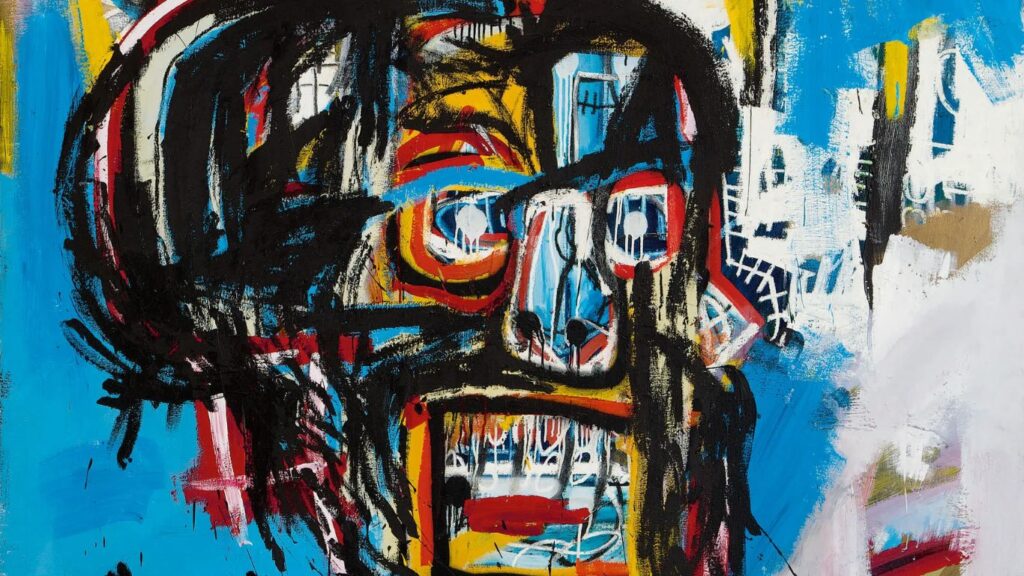
The Role of Social Media in Shaping Millennial Art Preferences
Social media has become one of the most powerful forces driving millennial interest in contemporary art. Platforms like Instagram, TikTok, and Pinterest have turned art discovery into an everyday experience, letting collectors encounter new artists without ever setting foot in a gallery.
For many millennials, Instagram is the new gallery wall.
Artists, curators, and dealers post high-quality images and behind-the-scenes videos, giving followers a direct view into the creative process. This level of access has broken down the traditional walls between artist and collector, creating a more personal, informal relationship that simply didn’t exist a generation ago.
According to a 2024 Hiscox Online Art Trade Report, over 70% of millennial art buyers said they had discovered artists they later purchased through social media. That’s not a minor footnote. That’s a structural shift in how the market operates.
TikTok has added another dimension, offering quick, engaging content that demystifies the art market. From videos explaining how to bid at auction to tours of artists’ studios, short-form content has made the art world feel far less intimidating for first-time buyers. And that’s been especially effective in attracting people who once thought fine art was simply out of reach.
Social media has also accelerated the hype cycle. A single viral post can catapult an emerging artist into international recognition overnight, driving demand and prices well beyond initial estimates. While that’s a boon for early collectors, it also introduces real risks of speculative bubbles when demand is fueled more by visibility than by long-term artistic value.
These platforms have also given rise to a truly globalized art market. A millennial collector in Singapore can discover and buy from an artist in Mexico City, sometimes without any intermediaries involved.
As art advisor Megan Phillips noted, “The market is no longer defined by geography. It’s defined by visibility.”
Social media hasn’t just changed what millennials buy. It’s transformed how they buy, turning art collecting into an interactive, digital-first experience that’s as much about engagement and community as it is about ownership.
Impact on Emerging and Established Artists
The influx of millennial buyers into the art market is reshaping the career trajectories of both emerging and established artists. For emerging artists, this demographic acts as a powerful catalyst for rapid exposure and financial success. Millennials tend to take risks on lesser-known names, especially when an artist’s work aligns with their personal values or speaks directly to contemporary social themes.
This openness has led to faster career accelerations than anything seen in previous generations, with some artists moving from debut exhibitions to six-figure auction sales within just a few years.
Platforms like Instagram and Artsy have allowed young artists to bypass traditional gatekeepers entirely, connecting directly with collectors. Artist Jadé Fadojutimi’s rise from local London galleries to international recognition, for example, was driven in part by social media visibility, attracting millennial buyers who were actively seeking fresh voices.
For established artists, millennial demand is creating entirely new market dynamics. Buyers in this age group are often less concerned with long-standing hierarchies and more focused on relevance. Mid-career artists who adapt their work to engage with current cultural dialogues, whether about identity, technology, or environmental issues, are seeing renewed interest as a result.
Even household names like Yayoi Kusama and Banksy have seen their appeal grow among millennials thanks to their strong visual identities and highly shareable, social-media-friendly aesthetics.
But this generational shift is also altering pricing trends. Works by emerging artists can sometimes outpace the price growth of historically established names, especially when driven by online buzz. While this benefits artists in the short term, it can also create volatility, because demand fueled by viral attention doesn’t always translate into lasting value.
As art dealer Thaddaeus Ropac observed, “The younger generation is creating a parallel market, one that rewards immediacy, connection, and cultural relevance over tradition alone.”
This doesn’t replace the established art world. It forces it to evolve, making the market more dynamic, more competitive, and far more open to new narratives.
Investment Strategies Millennials Use in Art Collecting
Millennial collectors are rewriting the rulebook on art as an investment. Unlike previous generations, they blend passion with financial strategy, viewing art not just as a cultural asset but as a genuine vehicle for wealth building. Their approach is more flexible, more data-driven, and often more opportunistic.
One key difference is portfolio diversification. Many millennials treat art as one component of a broader investment mix that can also include equities, real estate, cryptocurrencies, and alternative assets like fine wine or rare watches. This mindset reduces over-reliance on art’s sometimes unpredictable returns while still capturing its long-term appreciation potential. If you’re thinking about how art fits into a broader strategy, the core-satellite investment approach is worth understanding.
Another defining feature of their strategy is buying earlier in an artist’s career. Instead of chasing blue-chip names, millennials often target emerging artists with strong potential for institutional recognition. This approach can deliver outsized returns when an artist’s career takes off, a pattern seen clearly in recent years with figures like Amoako Boafo, Jadé Fadojutimi, and Christina Quarles, whose works have jumped in value within just a few auction cycles.
Technology plays a central role in their decision-making. Many use online price databases like Artprice or Artnet to track auction trends, compare sales, and evaluate whether a work is fairly priced. Social media also acts as a real-time market indicator, with viral buzz around an artist often leading to a quick spike in demand and secondary market activity.
Resale timing is another strategic consideration. While older collectors might hold onto works for decades, millennials are often more willing to sell within a shorter time frame if market conditions are favorable. This active trading mentality aligns directly with their experience in fast-moving investment markets like crypto and tech stocks.
And there’s a strong emphasis on liquidity planning. Since art is an illiquid asset, many millennials structure their collections so that part of it is easily sellable through auctions or private sales, ensuring they can unlock capital when needed without dismantling their entire portfolio.

Potential Risks and Challenges for Millennial Art Investors
Millennials are bringing fresh energy and record-breaking sales to the contemporary art market. But their approach is not without real risks. The very traits that make their strategies dynamic, speed, trend awareness, and early-stage bets, can also expose them to volatility and financial setbacks if not carefully managed.
One of the biggest risks is overvaluation driven by hype. Social media can accelerate demand for an artist overnight, but prices inflated by viral attention often correct just as quickly. Works that sell for six figures at the peak of a trend can lose serious value once the market cools or attention shifts to the next must-have artist.
Another challenge is market illiquidity. Even in a hot market, finding a buyer for a specific work can take months, especially if it’s not from a top-tier name. This makes art fundamentally different from liquid investments like stocks or ETFs, where you can exit almost instantly.
If you’re used to faster turnover in crypto or tech shares, the slow pace of the art market can catch you off guard.
Authenticity and provenance risks are also serious concerns. As younger buyers enter the market, they can become targets for sellers offering misattributed works or pieces with incomplete ownership history. Without thorough due diligence, including working with reputable galleries, auction houses, and art advisors, you risk losing both money and credibility. The Art Newspaper regularly covers provenance disputes and authentication controversies worth following.
Speculative concentration is another danger. Many millennial collectors build portfolios heavily weighted toward a small number of trending artists or contemporary genres. While this can amplify gains in the short term, it can magnify losses just as quickly if those artists fall out of favor. Spreading risk across different artists, periods, and asset classes is the smarter long game.
And macroeconomic conditions always play a role. Rising interest rates, geopolitical tensions, or recessions can dampen art sales, especially in speculative segments of the market. Blue-chip works tend to hold value better during downturns. The same can’t be said for emerging artists whose markets rely heavily on momentum.
As art economist Clare McAndrew notes, “The art market rewards patience, knowledge, and timing. Younger collectors who master all three will stand the test of market cycles.”
The lesson for millennial investors is straightforward. Blending passion with discipline is the key to building a resilient, high-performing collection that can thrive long after the current hype fades. If you want a deeper lens on how different art categories compare as investments, the historical data tells a compelling story.