
NFTs have opened up a genuinely exciting world of digital ownership, creative investment, and new asset classes worth paying attention to. But the same speed that drove the NFT market’s explosive growth also drew in a wave of bad actors looking to separate you from your money. Phishing attacks, counterfeit tokens, exit scams, the tactics are getting more sophisticated every month.
So before you put real capital into this space, you need to know exactly what you’re up against and how to protect yourself.
- Phishing sites and lookalike marketplaces remain the highest-volume vector for draining NFT wallets across major chains.
- Wash trading inflates volume and floor price perception, masking the actual liquidity available to a real exit attempt.
- Rug pulls typically begin with aggressive minting hype, anonymous teams and discord-driven scarcity narratives.
- Fake bids and impersonation accounts target high-value holders directly, exploiting the public ownership data on chain.
- Counterfeit collections copy art and metadata of legitimate projects, then ride search and social channels for visibility.
- Hardware wallets, isolated browsing sessions and transaction simulation tools are the simplest defences for active collectors.
- Who is this for?
- NFT collectors, family offices with digital art sleeves and advisors managing operational security for HNW crypto holdings.
- What is happening?
- We are cataloguing the most common scam patterns targeting NFT collectors and the practical defences that meaningfully reduce exposure.
- When did this emerge?
- Scam volumes have risen as the broader crypto cycle has recovered, with attackers following liquidity back into the segment.
- Where is this happening?
- The activity spans Ethereum, Solana, Bitcoin Ordinals and emerging L2 marketplaces, with no single dominant venue.
- Why does it matter?
- A single signing error can liquidate years of collecting work, and operational hygiene is the only meaningful protection.
Understanding NFT Scams
For the volume and pattern of crypto fraud, we cross-check Reuters investigations against Bloomberg digital asset coverage. The two outlets independently flag many of the same wallets and schemes.
Industry analysis from McKinsey and reporting in the Financial Times sets the broader market context. Reading both keeps us grounded in how institutional capital is actually treating the NFT category.
NFT scams are fraudulent schemes designed to trick you into handing over your digital assets or hard-earned money. Global losses from NFT fraud have already surpassed $100 million, and that number keeps climbing as the market matures and scammers sharpen their techniques. They rely on social engineering, malware, and fake marketplaces to get what they want, and they’re disturbingly good at it.
If you’re navigating decentralized finance platforms alongside your NFT activity, the risk exposure only multiplies.
Key Statistics on NFT Scams
- $100 million+ in total losses due to NFT scams in 2023.
- Over 50% of NFT scams involve phishing attacks targeting wallet information.
- 30% of reported scams involve fake or counterfeit NFTs.
- 20% of scams are related to compromised marketplaces or fake listings.
Once you understand how the most common NFT scams actually work, you put yourself in a far stronger position. Knowledge is your first line of defense here, and it costs you nothing.
1. Phishing Scams
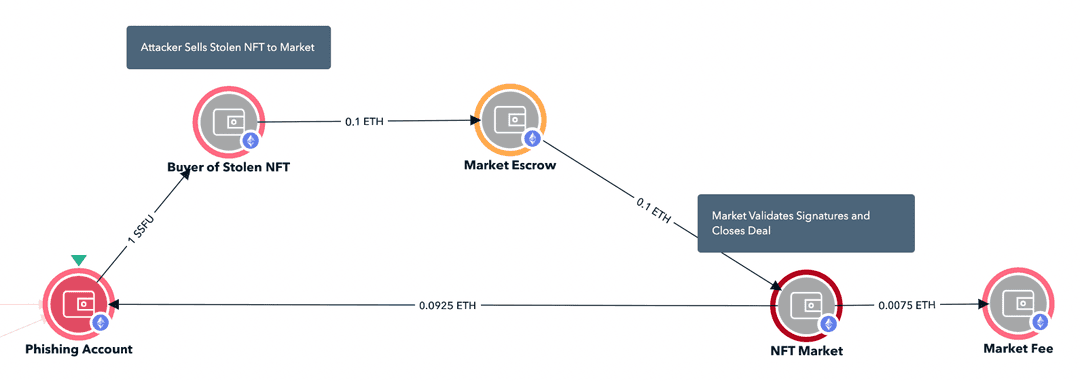
Phishing scams sit near the top of the NFT fraud playbook. Scammers pose as legitimate platforms, well-known marketplaces, or wallet providers, and their goal is simple, get your private keys, seed phrases, or login credentials. They run these attacks through fake websites, convincing emails, and social media messages that look almost identical to the real thing. Reuters has covered how these attacks have grown more targeted and harder to detect as the NFT market has expanded.
Picture this. You receive an email that looks exactly like it came from a top NFT marketplace, asking you to verify your wallet by entering your private key. The moment you hand over that information, the scammer has full access to everything inside.
Your wallet is gone. This isn’t a rare edge case, it happens to experienced collectors who simply let their guard down for a moment.
How to Avoid Phishing Scams
- Double-Check URLs: Always check the URL of the website you are visiting. Scammers often create URLs that look similar to legitimate ones.
- Use Official Channels: Only use official apps, websites, or communication channels to access your NFT marketplaces or wallets.
- Enable Two-Factor Authentication (2FA): This adds an extra layer of security, making it harder for scammers to access your accounts even if they have your password.
- Never Share Your Private Key or Seed Phrase: No legitimate platform will ever ask for your private key or seed phrase.
2. Fake or Counterfeit NFTs
Fake NFTs are fraudulent tokens that scammers mint and sell by impersonating well-known artists or established brands. What makes these scams so dangerous is how convincing they look. The artwork can be pixel-perfect, the listing professional, and the price just low enough to feel like an opportunity. That’s the trap.
Say a scammer creates a collection that looks identical to a celebrated digital artist’s work and lists it on a lesser-known marketplace at a tempting discount. You think you’re picking up a bargain. What you actually bought is a worthless, unauthorized copy with zero resale value and no connection to the original creator.
This kind of fraud is worth understanding alongside how art authentication works in traditional markets, where provenance checks are everything.
How to Avoid Fake NFTs
- Verify the Seller: Check the seller’s profile and look for verified badges or indicators on reputable marketplaces like OpenSea or Rarible.
- Research the Collection: Investigate the NFT collection’s history, including its creation date, transaction history, and social media presence.
- Check for Red Flags: Be cautious of sellers offering NFTs at prices significantly lower than their market value. Always ask why the price is unusually low.
- Use Reputable Marketplaces: Stick to well-known NFT marketplaces that have verification processes in place to help identify legitimate creators.
3. Rug Pulls
Rug pulls are exit scams built around a simple, brutal playbook. A project launches with real momentum, the creators build hype, investors pour money in, and then the team vanishes overnight with all the funds. These scams hit NFT collections and new blockchain projects hard, especially when they come loaded with promises of high returns or exclusive community perks. The Financial Times has reported extensively on how rug pulls have eroded retail confidence in the NFT space.
A new NFT collection drops with serious social media buzz. Influencers are talking about it. The Discord is active.
Investors buy in expecting the floor price to climb. Then one morning, the website is gone, the Twitter account is deleted, and the creators have disappeared with millions in mint revenue. The tokens left in your wallet are worth nothing.
That’s a rug pull, and it moves fast.
How to Avoid Rug Pulls
- Research the Team: Look into the background of the project’s creators and developers. If they are anonymous or lack a verifiable track record, exercise caution.
- Read the Whitepaper and Roadmap: A legitimate project will have a detailed whitepaper and a clear roadmap outlining its goals and development plans.
- Check for Smart Contract Audits: Legitimate projects often undergo third-party audits to verify the security and reliability of their smart contracts.
- Be Skeptical of Unrealistic Promises: If a project promises extremely high returns or guaranteed profits, it’s likely too good to be true.
4. Pump and Dump Schemes
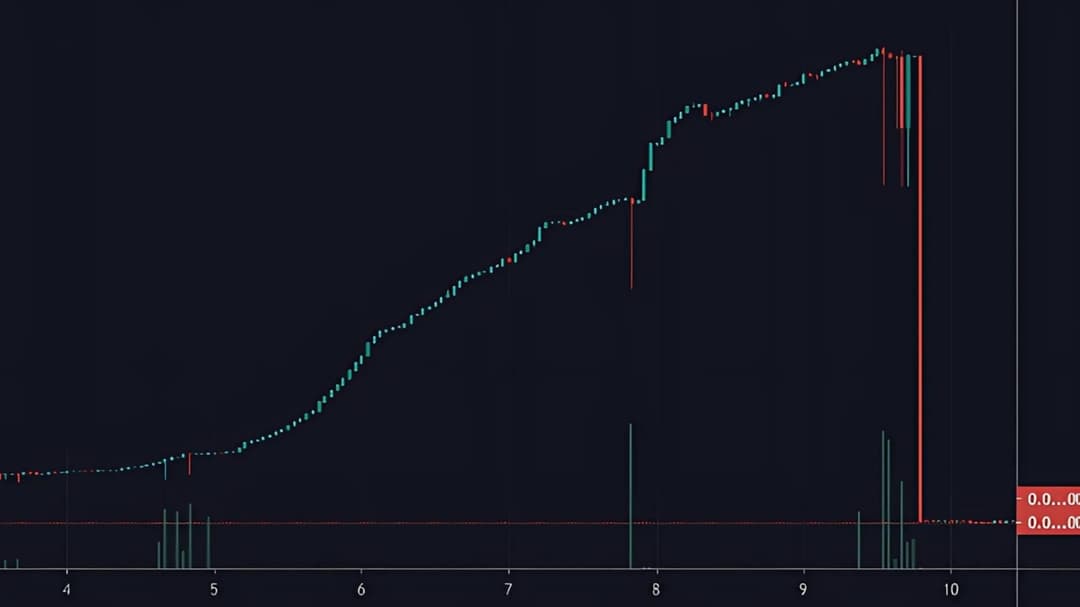
Pump and dump schemes work by artificially driving up the price of an NFT or collection through coordinated buying and misleading promotion. Once the price peaks, the people behind the scheme sell everything at once. The floor collapses. And anyone who bought in during the hype phase is left holding assets worth a fraction of what they paid. It’s one of the oldest financial frauds in the book, now running on blockchain rails.
A coordinated group starts quietly accumulating a low-value NFT collection, then floods social media with hype and fake whale activity. The price climbs fast. New buyers rush in, afraid to miss the move.
Then the organizers sell their entire holdings in a single wave, the price craters, and anyone who bought near the top is sitting on a painful loss. Bloomberg’s crypto desk has tracked several high-profile cases following exactly this pattern.
How to Avoid Pump and Dump Schemes
- Avoid FOMO (Fear of Missing Out): Don’t rush into buying an NFT based on hype alone. Conduct your research and due diligence.
- Look for Transparent Trading Volume: Genuine collections will have steady and organic trading volumes. Be wary of sudden spikes in activity.
- Monitor Social Media Channels: Be cautious of projects heavily promoted by influencers or groups with little transparency or accountability.
5. Impersonation Scams
Impersonation scams are exactly what they sound like. Scammers clone the identity of well-known NFT creators, prominent artists, or major brands, then use that fake credibility to push buyers toward fraudulent purchases or to extract sensitive wallet information. If you’re also thinking about protecting your broader capital from bad actors, the same vigilance applies here.
A scammer builds a fake social media profile that mirrors a well-known NFT creator down to the profile photo, bio, and posting style. They announce a surprise limited-edition drop with a tight deadline to create urgency. Followers who believe they’re dealing with the real person send payments or hand over private keys.
By the time the deception is discovered, the money is gone.
How to Avoid Impersonation Scams
- Verify Social Media Accounts: Look for verification badges on platforms like Twitter, Instagram, and Discord.
- Cross-Check Announcements: Always cross-check any NFT drop or sale announcement with official websites or channels.
- Report Suspicious Accounts: If you encounter a suspicious account or message, report it to the platform and warn others in the community.

How to Protect Yourself from NFT Scams
- Use Secure Wallets and Keep Your Private Key Safe:Always use reputable wallets, such as MetaMask, Trust Wallet, or Coinbase Wallet, which offer robust security features. Never share your private key or seed phrase, and store them securely offline.
Consider using hardware wallets like Ledger or Trezor for added security, as they store your assets offline and reduce the risk of online attacks.
- Enable Two-Factor Authentication (2FA):Set up 2FA on all accounts related to your NFT transactions, including wallets, email, and marketplace profiles. This step adds an extra layer of security, making it more difficult for scammers to access your accounts even if they have your password.
- Stay Updated on Common Scams:Regularly read updates from trusted sources about the latest NFT scams. Joining NFT communities, following reputable news outlets, and subscribing to security blogs can help you stay informed.
- Only Use Reputable Marketplaces:Stick to well-established NFT marketplaces like OpenSea, Rarible, and Foundation that have stringent security protocols and verification processes in place. Avoid dealing on lesser-known platforms without a proven track record.
- Verify Smart Contracts:Before purchasing an NFT, check the smart contract details. Verify that the contract is from a reputable source and has undergone audits from third-party firms. Websites like Etherscan can provide contract addresses and transaction histories.
- Be Skeptical of Unsolicited Offers:Be cautious of unsolicited offers, whether they come via email, social media, or private messages. Scammers often use direct messages to lure victims with fake offers or exclusive deals.
- Use Browser Security Tools:Install browser extensions like MetaMask’s phishing detector or use a secure browser like Brave to help identify potentially malicious sites.
FAQs About NFT Scams
How to handle malicious or unknown NFTs?
If you receive an unknown or suspicious NFT in your wallet, do not interact with it in any way. Scammers often send malicious NFTs that contain hidden smart contracts designed to steal your assets.
Simply ignore or hide these NFTs from your wallet view, and consider reporting them to the platform or wallet provider.
Why are there random NFTs in my trust wallet?
Random NFTs may appear in your Trust Wallet due to airdrop scams where scammers send unsolicited tokens to lure users into interacting with them.
These NFTs are often malicious and can compromise your wallet if interacted with. It’s best to avoid clicking on or transferring these NFTs and hide them from your wallet display.
What is the most secure wallet for NFTs?
The most secure wallets for NFTs are hardware wallets like Ledger or Trezor, which store your private keys offline, reducing the risk of hacking.
For software wallets, MetaMask and Trust Wallet are popular options, especially when used with 2FA and strong passwords.
We last reviewed this analysis in May 2026.


Stefanos Moschopoulos
Stefanos Moschopoulos founded The Luxury Playbook in Athens and has spent the better part of a decade following the auction calendar, the en primeur releases, and the watchmakers, gallerists, and shipyards the magazine covers. He writes the field guides and listicles that anchor the Connoisseur section — pieces built on Phillips and Christie's results, Liv-ex movements, and conversations with collectors he has met across Geneva, Bordeaux, Basel, and Monaco. His own collecting habits sit closer to watches and wine than art, and it shows in the level of detail in the magazine's coverage of those categories. Under his direction, The Luxury Playbook now publishes long-form field guides, market-defining year-end listicles, and the Voices interview series with the founders behind the houses and the brands.