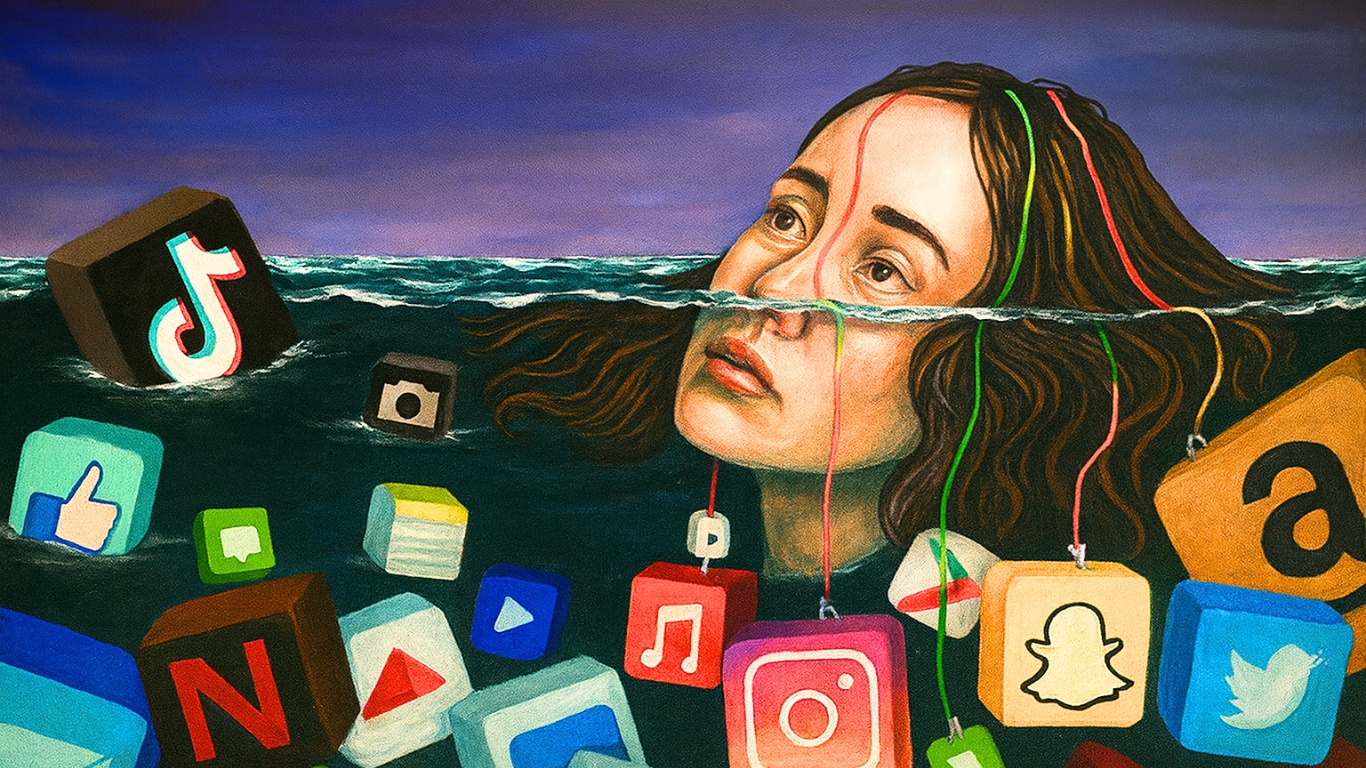

The art world is going through its most dramatic shift in decades. And it’s not happening in white-walled galleries or prestigious auction houses. It’s happening on the glowing screens of smartphones being scrolled by a new generation of collectors.
Instagram stories, TikTok videos, and viral art moments are now driving purchasing decisions worth millions of dollars, completely upending how art gets discovered, valued, and sold. Your feed has become the new gallery wall, whether the old guard likes it or not.
This isn’t just a temporary shift in marketing tactics but a complete reimagining of how the next generation approaches art collecting, where peer validation through social media carries more weight than traditional curatorial expertise.
For an entire generation that has never known life without social platforms, discovering art through anything other than their feeds feels antiquated and unnecessarily gatekept. The rules changed, and most traditional institutions are still catching up.
Table of Contents
Key Takeaways
Navigate between overview and detailed analysisKey Takeaways
- Social media has shifted from being a promotional tool to becoming the primary marketplace where younger collectors discover and purchase art.
- Gen Z values peer validation, authenticity, and artist storytelling more than traditional gatekeepers like galleries or curators.
- The psychology of digital collecting blends emotional connection with seamless, frictionless purchasing through platforms like Instagram and TikTok.
- Social media trends are creating new collector segments and reshaping demand, though questions remain about the long-term sustainability of hype-driven valuations.
- The future art market is moving toward a hybrid model where digital platforms, viral culture, and traditional institutions will coexist and compete for influence.
The Five Ws Analysis
- Who:
- Gen Z and Millennial collectors, social-media-savvy artists, and traditional galleries adapting to digital-first behaviors.
- What:
- Social media platforms like Instagram and TikTok that now function as discovery engines, marketing tools, and direct marketplaces for art.
- When:
- The shift accelerated post-2020 but has become fully mainstream by 2025 as younger generations dominate new collector demographics.
- Where:
- Global platforms accessed primarily on mobile devices, reaching buyers in both traditional art hubs and emerging markets.
- Why:
- Social media offers authenticity, accessibility, and immediacy—qualities that resonate with a generation skeptical of gatekeeping and eager for direct connections with artists.
How Social Media Became the New Art Marketplace
The migration from gallery walls to digital screens has accelerated fast. contemporary art collecting was already shifting before the world was forced online, but now there’s no going back. Over 55% of galleries increased their digital content offerings in 2026, including livestreams and virtual exhibitions, according to Art Infoland Magazine. That shift reflects something deeper than a pandemic workaround. It reflects a fundamental change in how younger collectors prefer to discover and engage with art.
TikTok has become a powerful force for contemporary art exposure. MDPI research shows how artists use the platform for self-positioning and gaining visibility in ways that bypass traditional gatekeeping structures entirely. You no longer need a Chelsea dealer or a Frieze booth to build an audience.
Analysts point to what they call “influencer power” as one of 2026’s defining digital trends, where viral moments and social media attention translate directly into sales and career momentum for artists. One well-placed post can do what a year of gallery submissions cannot.
The seamless blending of discovery and commerce has quietly turned social platforms into virtual galleries. You scroll, you see, you buy. The friction that once protected the old market has largely disappeared.
Artsy’s “Art Market Trends 2025” reveals that 43% of galleries now prioritize online sales, while 59% of collectors purchased art online in 2024, with 73% of those buyers maintaining or increasing their digital purchases compared to the previous year.
Online art buying has moved from experimental to mainstream among serious collectors. What once felt like a workaround now feels like the obvious way to build a collection.
Instagram’s reach underpins much of this transformation. Forbes coverage of social commerce trends aligns with Sellfy’s data showing over 2 billion monthly active users on Instagram globally, with roughly 83% of users discovering new products through the platform. Nearly 70% of Instagram users are under 35, which means you’re looking at a platform perfectly positioned to reach emerging collectors during their wealth-building years.
Why Gen Z Trusts Social Media Over Traditional Gatekeepers
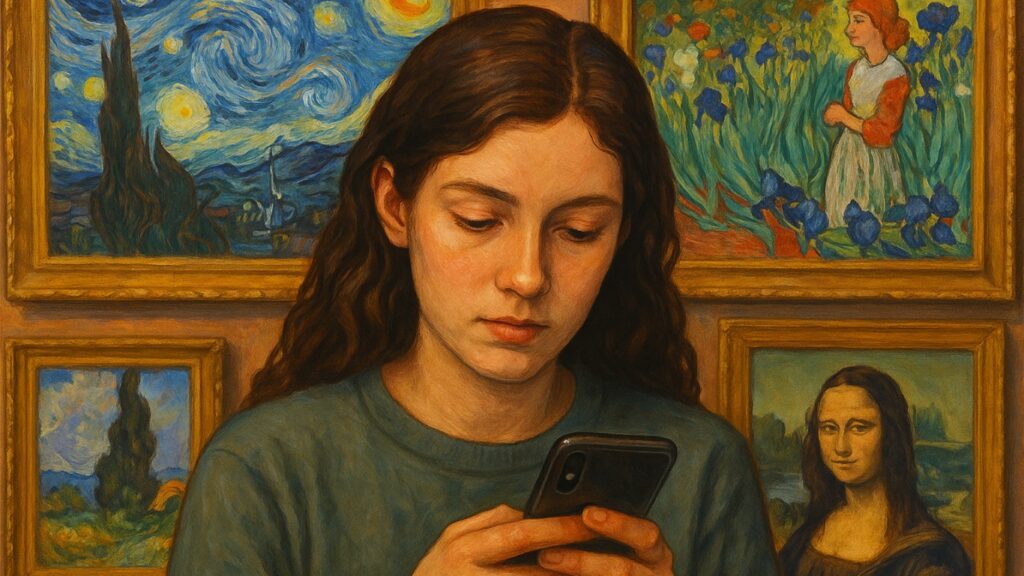
Gen Z’s platform preferences create natural pathways for art discovery that traditional institutions simply struggle to replicate. Sprout Social data shows 89% of Gen Z uses Instagram, 84% YouTube, and 82% TikTok. These are their primary spaces for discovery and engagement across every category, not just art.
The preference for authenticity and peer validation over institutional authority drives much of this behavior. the tension between authenticity and institutional control is something younger collectors feel acutely. Art Marketing News notes that Gen Z and Millennial collectors prefer works reflecting their values around sustainability and identity, and they’re sourcing them through Instagram, TikTok, and digital galleries rather than traditional venues.
The new wave of global collectors, predominantly Gen Z and Millennials, are reshaping how discovery, value, and narrative function in art. These younger buyers want to understand artists’ stories, see behind-the-scenes content, and form genuine emotional connections with both the work and the person who made it.
The democratization aspect appeals strongly to a generation skeptical of traditional hierarchies. Rather than accepting curatorial authority at face value, Gen Z collectors prefer crowdsourced validation through likes, comments, and shares that signal genuine enthusiasm over institutional approval.
The Psychology of Digital Collecting
The scroll-to-purchase pathway has become remarkably efficient. Gen Z uses social media as a seamless discovery and acquisition tool where the process flows naturally from scrolling to seeing to buying. This psychological flow removes the friction that traditional art buying once required through appointments, gallery visits, and extended consideration periods.
Algorithm-driven visibility shapes what collectors see and desire in ways that were simply not possible in traditional art markets. The Art Newspaper notes that galleries and institutions have increased their use of social and AI tools to target niche audiences, refine content, and push works toward viral status, creating feedback loops where popularity breeds more popularity.
The emotional component often outweighs financial considerations for Gen Z collectors.
These buyers frequently value story, emotional resonance, and identity connection over speculative or purely financial returns. That marks a real departure from traditional collecting motivations built around status, investment potential, or art historical significance.
Case studies of viral success make this psychology tangible. Devon Rodriguez, widely cited as the most followed visual artist on TikTok with millions of followers, shows exactly how social media can rapidly build an artist’s career and generate collector demand. His rise bypassed traditional gallery representation and critical validation entirely, building directly on audience engagement and social proof.
Are Social Media Trends Creating Lasting Value in Art?
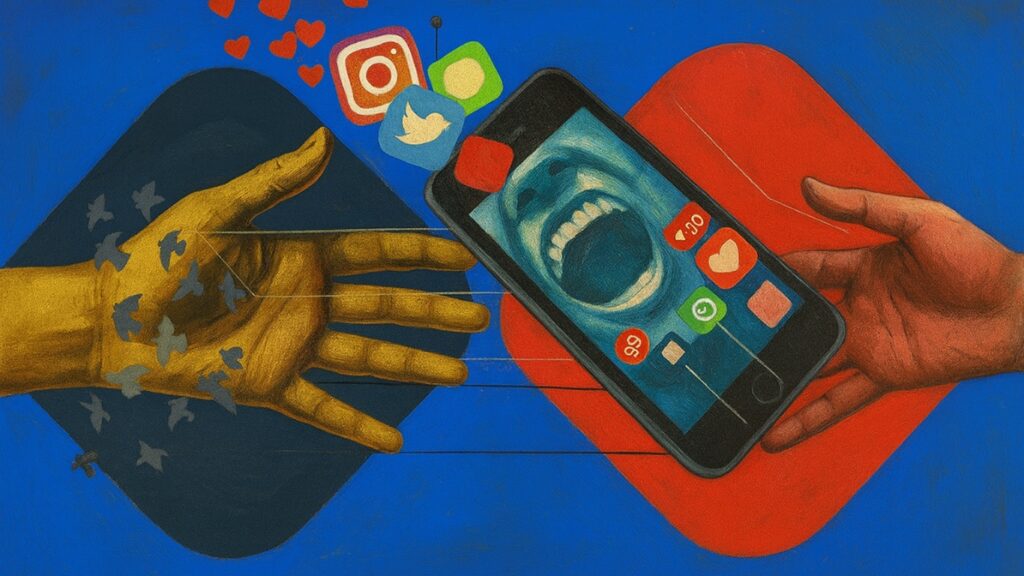
The sustainability question is genuinely complex, and the signals are mixed. Contemporary Art Now reports that 2024 saw a 4% drop in overall art sales, with a strategic rebalancing toward mid-range works and reduced speculative buying. That suggests some cooling in hype-driven segments, which is worth watching closely if you’re building a collection with long-term value in mind.
That said, Big Time Arts notes that even as digital and emerging artists gain traction through social media, blue-chip art holds strong in auctions and valuations. Social media may actually be expanding the market rather than replacing traditional categories, creating new collecting segments while established areas maintain their footing. If you want to go deeper on the investment angle, the best art funds of 2026 offer a useful breakdown of where serious money is moving.
Hashtag data offers some indication of sustained interest rather than fleeting trends. Accio’s TikTok Art Trend data for 2026 shows #digitalart with over 30.3 million posts across TikTok and Instagram, pointing to substantial ongoing engagement rather than temporary viral moments.
Market transparency issues do complicate value assessment, though. Prices for social media-discovered artists can spike fast and retreat just as quickly, and provenance standards are still catching up with the speed of digital commerce.
Artsy’s research reveals that while 62% of galleries say transparency is “very important” to collectors, only 44% actually share prices online, creating information asymmetries that may artificially inflate or deflate perceived values for social media-driven works.
What This Means for the Future of the Art Market
Traditional institutions are adapting fast to social media-native collecting behaviors. Bloomberg’s arts and culture coverage has tracked how Instagram and TikTok now function as virtual galleries, enabling artists to reach audiences directly and bypass traditional gatekeepers entirely. For established players, that creates both real opportunities and genuine threats. Evolve or risk becoming irrelevant.
The Art Gorgeous reports that galleries and auction houses are adopting viral content formats like “Frame Jump” and “Glow Up” posts to make art more digestible and shareable, essentially learning to speak Gen Z’s visual language. These are real shifts in how some of the most prestigious institutions present themselves and what they offer.
Big Time Arts’ overview of the art market in 2026 describes widespread integration of digital, AI, and NFT strategies as institutions adapt to changing collector demographics. The future art market will be hybrid, combining traditional expertise with social media fluency and technological sophistication. If NFTs are part of your collecting strategy, it’s worth knowing how to navigate the risks around common NFT scams before you commit capital.
The wealth trajectory of Gen Z collectors will likely amplify their market influence over the coming decades. As this generation accumulates more disposable income and investment capital, their preference for social media-driven discovery and values-based collecting could reshape the entire art market ecosystem rather than staying a niche segment. This is not a trend you want to dismiss. It may well be the market you’re navigating for the next thirty years.