
If you follow the fine wine world at all, you already know something big has shifted. Burgundy wine market share has hit a record high on Liv-ex, the leading platform for fine wine trading, and the numbers are turning heads across the industry.
For years, Bordeaux sat at the top of the table without much challenge. That era is fading. What you are watching now is a structural change in how collectors, merchants, and investors think about fine wine.
The region you buy from, the producer you trust, and the wines you hold in your cellar all carry different weight today than they did a decade ago.
Table of Contents
Key Takeaways & The 5Ws
- You should monitor Liv-ex data regularly to understand how regional market share shifts can directly affect the value of your fine wine holdings.
- You need to reconsider any portfolio that is heavily weighted toward Bordeaux given its dramatic decline from over 90 percent to roughly 30 percent market share.
- You can strengthen your collecting strategy by recognizing that Burgundy scarcity combined with rising global demand creates powerful long-term value conditions.
- You should factor generational buying trends into your decisions because younger collectors are actively driving demand away from Bordeaux toward Burgundy and other regions.
- You can use the structural shift happening on Liv-ex right now as your signal to diversify into Burgundy before its market share and prices climb even further.
- Who is this for?
- Fine wine collectors, investors, and merchants who want to make informed decisions about where to allocate their buying power in a changing market.
- What is it?
- Burgundy wine market share has reached its highest ever recorded level on Liv-ex while Bordeaux has experienced a dramatic long-term decline in its share of global fine wine trade.
- When does it matter most?
- Right now—this shift should inform your buying and portfolio decisions immediately as the structural change in fine wine trading continues to accelerate.
- Where does it apply?
- Most visible and measurable on Liv-ex, the leading global fine wine trading platform, affecting merchants and collectors operating in international fine wine markets.
- Why consider it?
- Because understanding this realignment signals where long-term value is building, helping you protect existing investments and position your cellar for stronger future returns.

Burgundy Wine Market Share Has Hit a Record High on Liv-ex
Liv-ex, which stands for the London International Vintners Exchange, is the global marketplace where fine wine is bought and sold by merchants and trade professionals. Its data is considered the gold standard for tracking how different wine regions perform over time. When Liv-ex publishes regional market share figures, the industry pays close attention.
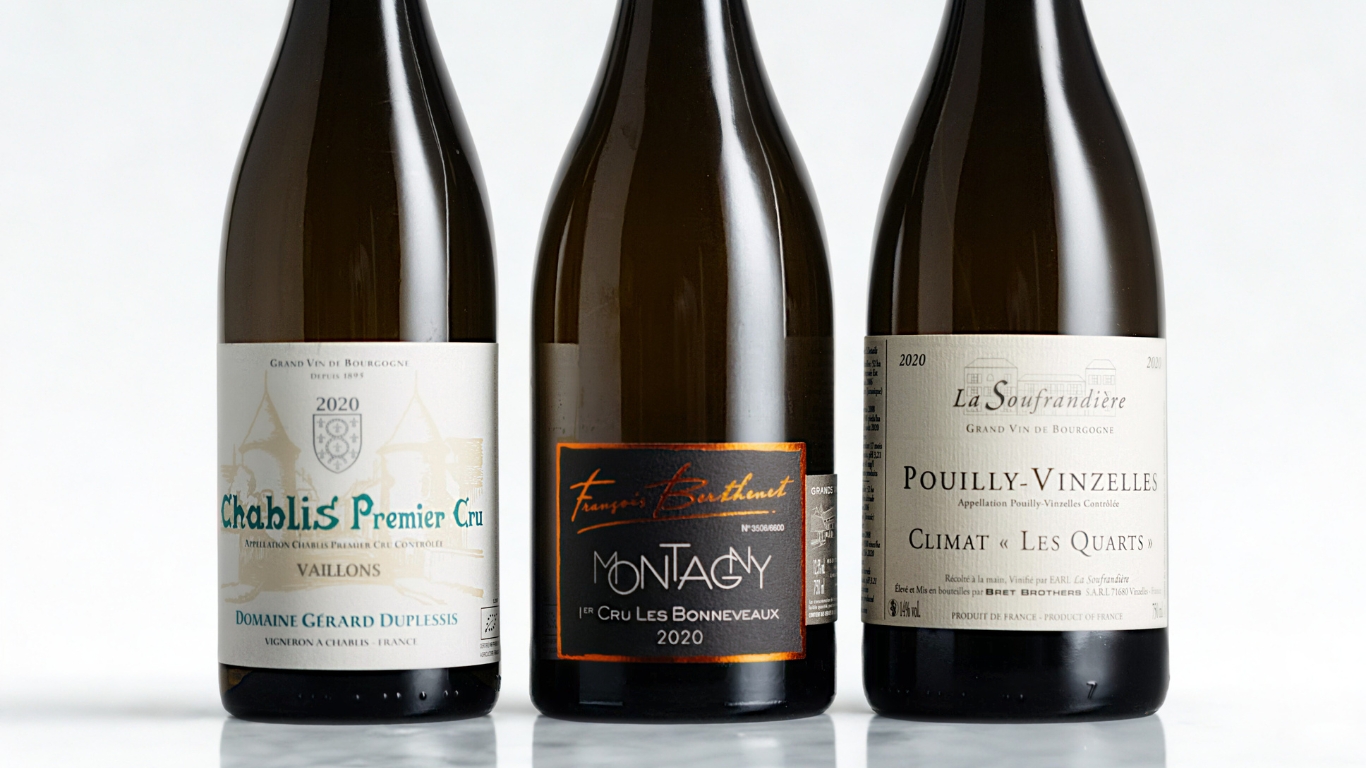
According to Liv-ex data, Burgundy’s share of the fine wine market has grown steadily over the past several years and recently reached its highest recorded level. Burgundy now accounts for roughly a third of all fine wine trade value on the platform, a figure that would have seemed impossible fifteen years ago. Year on year, its growth has outpaced every other region on the exchange.
Liv-ex calculates market share by looking at the total value of trades completed on its platform and breaking that down by producing region. So when you see Burgundy’s share rising, it means more money is flowing into Burgundy bottles relative to everything else being traded.
This is not just about volume. It is about the value that buyers place on each bottle. Because Burgundy prices are so high per unit, even a modest increase in trading activity can move the share figure significantly.
Bordeaux Market Decline
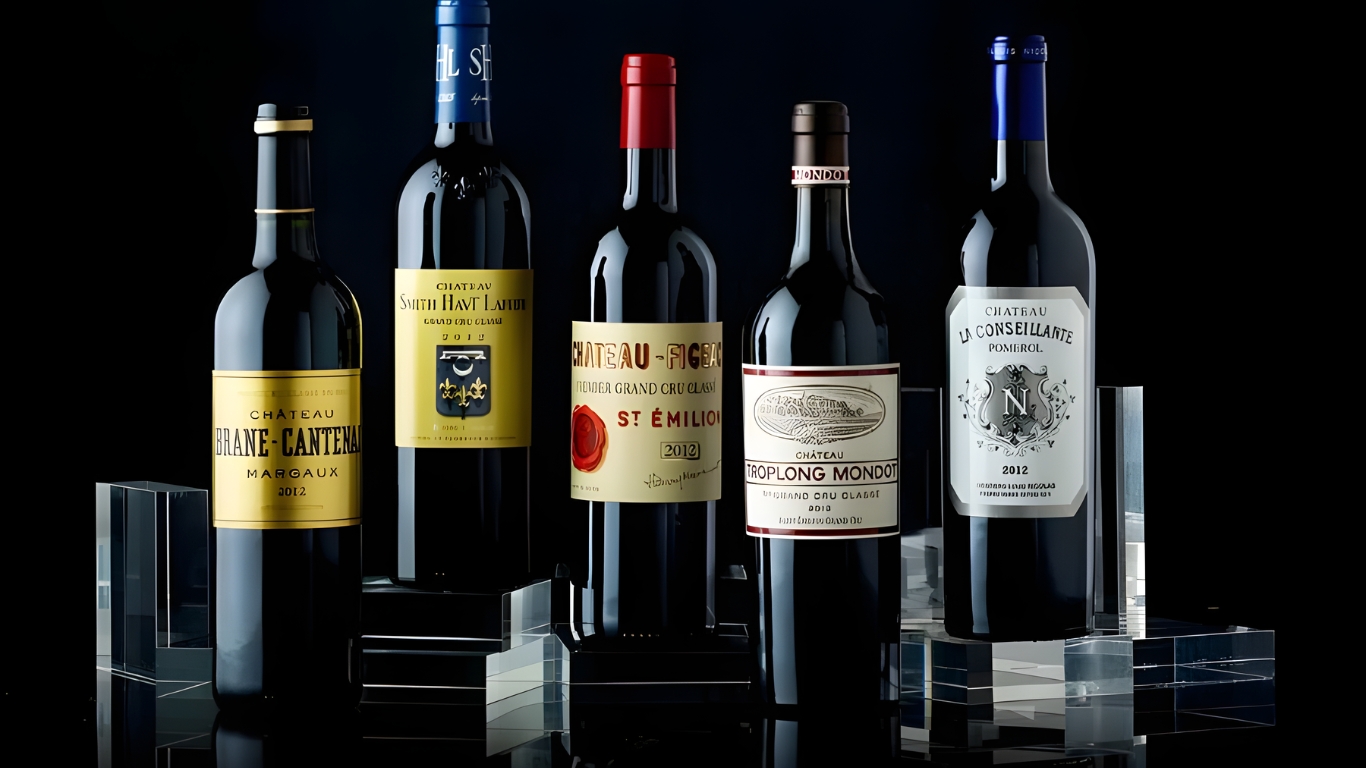
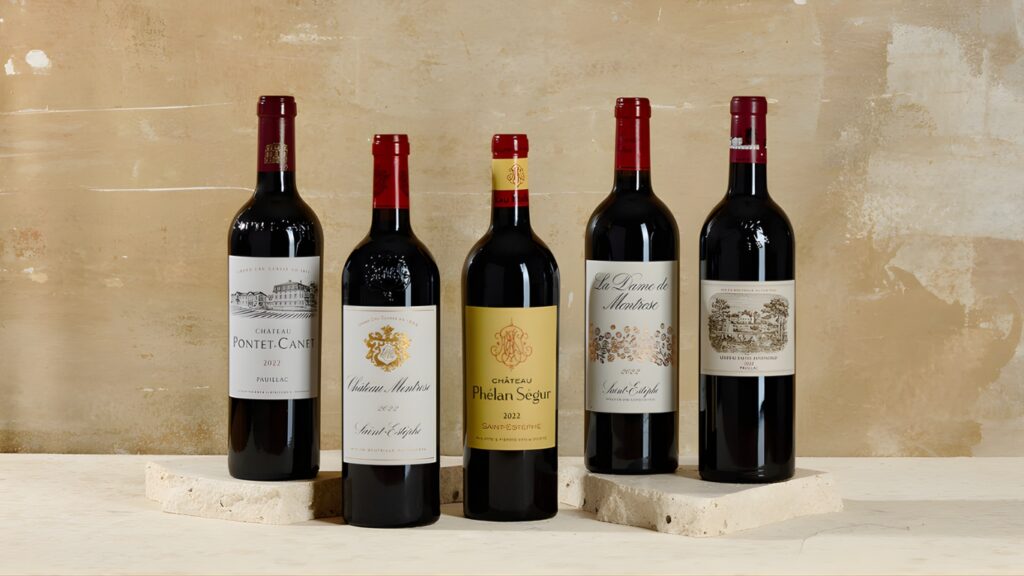
Bordeaux once owned the Liv-ex fine wine market in a way no other region came close to matching. In the early 2000s, Bordeaux commanded upward of 90 percent of all trades on the platform. That figure reflected a world where fine wine investment essentially meant buying classified growth Bordeaux and waiting. Things look very different today.
Bordeaux’s share has dropped to somewhere in the range of 30 to 35 percent in recent years, down from those towering highs. That is a dramatic fall over two decades. The wines are still high quality. The problem is a combination of pricing, perception, and generational change in who is buying.
The 2011 and 2012 en primeur campaigns are often cited as moments when buyer confidence cracked. Prices were set too high, demand fell short of expectations, and a lot of buyers felt burned. That experience planted seeds of doubt that never fully went away. On top of that, a younger generation of collectors entered the market with different tastes and a desire to explore beyond the classic Bordeaux names.
These buyers wanted Burgundy, Champagne, and Italian wines. Bordeaux was no longer the automatic first choice, and the data from the Liv-ex fine wine market reflects that shift clearly.
Collector Demand and Scarcity Are Driving Burgundy to the Top
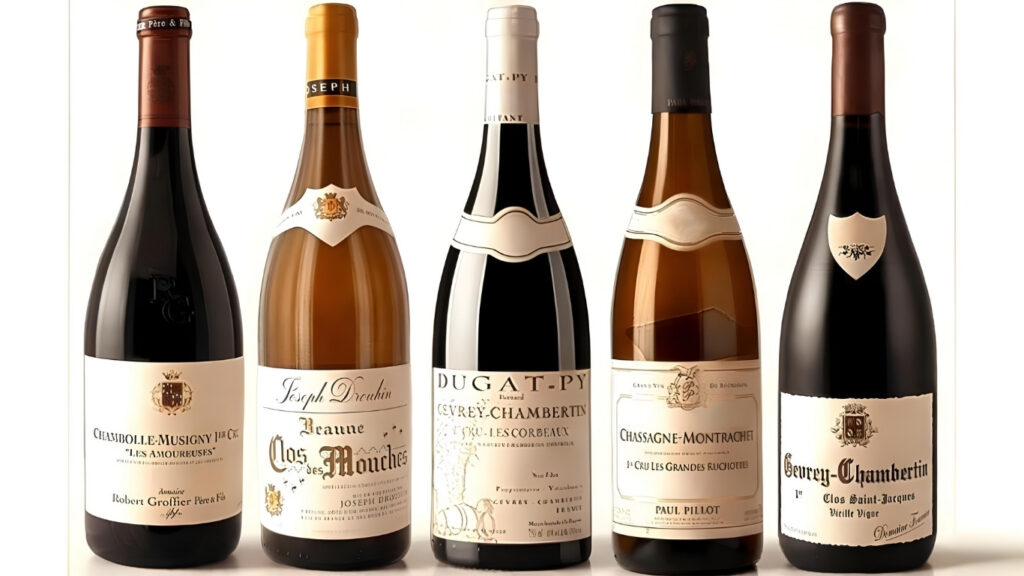
You cannot talk about Burgundy’s rise without talking about how little of it exists. The vineyards of the Côte de Nuits and Côte de Beaune are tiny compared to those of Bordeaux. A top domaine might produce just a few hundred cases of its most sought after wine each year. When global demand for those bottles grows while supply stays the same, prices rise and trading activity intensifies.
Producers like Domaine de la Romanée Conti, Domaine Armand Rousseau, and Domaine Leroy have become names that serious collectors around the world compete fiercely to access. A single bottle of DRC’s Romanée Conti can sell at auction for tens of thousands of pounds.
These are not wines that sit still in price. They move upward, and that movement attracts both passionate collectors and return focused investors alike.
The secondary market for top Burgundy is also genuinely liquid. You can sell a great bottle of Rousseau or Leroy relatively quickly through Liv-ex or at auction because demand consistently outpaces supply. That liquidity is a meaningful factor for anyone thinking about fine wine as part of a broader investment approach.
Fine Wine Investment Trends Show a Clear Regional Diversification Away from Bordeaux
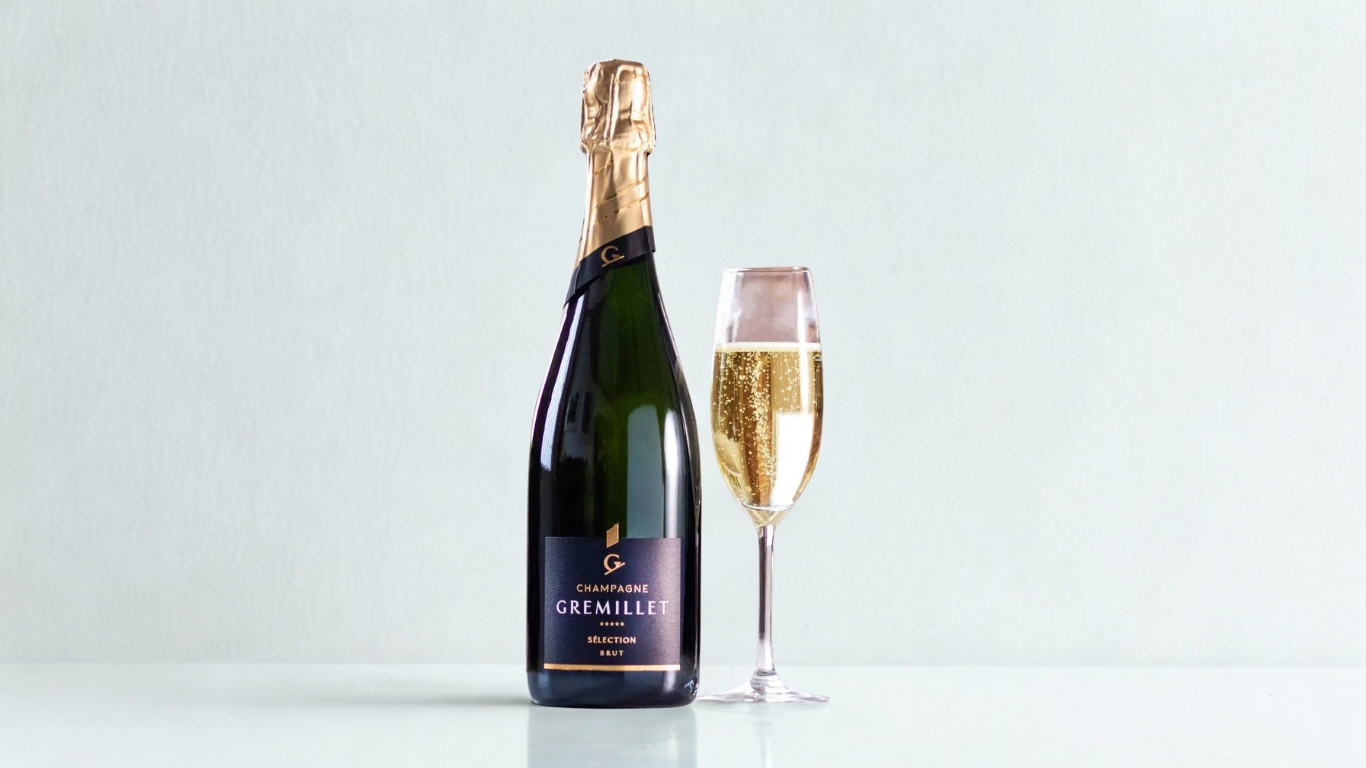
Burgundy is not the only region gaining ground. If you look at the full picture of fine wine investment trends over the past decade, you will see a platform that has become far more diverse. Champagne has grown its share substantially, driven by demand for prestige cuvées from houses like Krug, Salon, and Dom Pérignon. Tuscany, led by names such as Sassicaia and Masseto, has carved out a meaningful slice of the market.
The Rhône Valley, particularly wines from Château Rayas and top northern Rhône producers, has also attracted serious collector attention.
According to Liv-ex annual reports, Champagne’s market share grew from low single digits to close to 10 percent over roughly a decade. Italy has followed a similar path. These gains have not happened by accident. Merchants have actively diversified their sourcing, and collectors have responded enthusiastically.
For you as an investor or collector, this regional broadening means more opportunities and also more complexity when building a portfolio. You are no longer just choosing between left bank and right bank Bordeaux. You are weighing up regions, vintages, and producers across the entire fine wine world.
Investors and Merchants Should Reassess Their Fine Wine Portfolios in Light of These Trends
If you hold a fine wine portfolio that is still weighted heavily toward Bordeaux, the trends described here deserve your attention. That does not mean you should panic or sell everything at once. Bordeaux still produces exceptional wine and still trades actively.
But the direction of travel in the Liv-ex fine wine market suggests that Burgundy and other regions will continue to grow in importance for some time.
The main risk with Burgundy is the price of entry. Top bottles from DRC or Leroy cost extraordinary amounts, and not every collector or investor has the capital to build a meaningful Burgundy position. At those price points, you also face greater downside if sentiment shifts.
A wine that costs fifteen thousand pounds per bottle has further to fall than one that costs three hundred.
Liquidity is another factor worth your time. While the very top Burgundy wines trade freely, mid range Burgundy can be harder to move quickly. You should understand the specific wines you are buying and whether there is genuine secondary market demand for them before committing serious capital.
The broader lesson here is diversification. The fine wine market is telling you loudly that concentrating entirely in any single region carries real risk. A thoughtful portfolio today looks across Burgundy, Champagne, Tuscany, and yes, still some Bordeaux for balance.
The shift you are seeing on Liv-ex is not a temporary blip. It reflects real changes in collector taste, global wealth distribution, and how people think about fine wine as a store of value. Burgundy has earned its record share through genuine desirability and genuine scarcity.
If you engage with this market, staying informed about these trends is not optional. It is the foundation of making smart decisions about what you buy, what you hold, and what you eventually sell.