

In 2026, the United States leads the startup world, fueled by an economy that puts science and tech front and center. The United Kingdom claims second place, with China and Israel not far behind. India rounds out the top five, showcasing a startup scene that has been growing at a breathtaking pace. What sets these countries apart is their shared commitment to investing in people, research, and the kind of infrastructure that lets bold ideas actually scale.
The U.S. keeps pulling ahead by attracting angel investors and venture capital at a scale no other country can match. Its sheer volume of startups, combined with a knowledge-driven culture, cements its role as the world’s go-to hub for innovation. And across all five of these nations, you’ll find the same pattern: smart investment in talent and ecosystems that give entrepreneurs a real shot at building something world-changing.
If you’re serious about understanding where the next wave of innovation is coming from, you need to look at the United States, the United Kingdom, China, Israel, and India. These ecosystems offer advantages that most other markets simply can’t replicate, from deep venture funding networks to regulatory environments that actively welcome risk-taking. Recognized globally for their innovation output, these five countries are where the most ambitious founders choose to build.
- The 2026 startup landscape places the United States in clear first position, with the United Kingdom in second and China, Israel and India rounding out the top five globally.
- We see venture capital access, regulatory environment, talent pool depth and risk-celebrating culture as the four converging factors defining a credible startup ecosystem.
- The OECD publishes detailed entrepreneurship indicators and venture-capital flow data, with IMF staff research tracking how innovation policy translates into productivity growth.
- The US attracted over 230 billion dollars in venture capital in 2022, with Israel and China both benefiting from strong investor ecosystems that fuel high-growth startups.
- Government support tools including tax incentives, grants and accelerators play a pivotal role, with the UK Enterprise Investment Scheme a representative example of such frameworks.
- For most considered observers we view startup ecosystem analysis as requiring careful attention to the interaction between funding, regulation, talent and culture.
- Who is this for?
- Founders, investors, policy observers and readers tracking global startup ecosystem dynamics, alongside the analysts framing cross-border venture and policy comparisons.
- What is happening?
- A read of where the startup energy is in 2026, covering the US, UK, China, Israel and India alongside the funding, regulatory, talent and cultural drivers underneath the rankings.
- When did this emerge?
- The article reflects 2026 conditions through OECD, IMF, Financial Times and Reuters coverage, with reference to the multi-year arc of global venture ecosystem development.
- Where is this happening?
- The piece covers the global startup ecosystem complex, with focus on the US, UK, China, Israel and India alongside reference to broader benchmark markets.
- Why does it matter?
- Ecosystem dynamics shape founder and investor decisions, which is why understanding the structural drivers matters for anyone navigating cross-border venture or policy questions.
What Makes a Country Ideal for Startups
The serious cross-border data on entrepreneurship lives at the macro institutions. The OECD publishes detailed entrepreneurship indicators and venture-capital flow data, and IMF staff research tracks how innovation policy translates into productivity growth across major economies.
The financial-press lens fills in the country-specific texture. The Financial Times and Reuters both maintain dedicated startup desks that cover the funding rounds, regulatory shifts, and talent migrations underneath the headline rankings.
A thriving startup ecosystem takes more than just entrepreneurial energy. The countries that consistently produce the most successful startups get a very specific combination of factors right, and understanding those factors tells you a lot about where to invest your attention, your capital, or your next venture.
The key ingredients include access to funding, a regulatory environment that doesn’t strangle early-stage businesses, a deep pool of skilled talent, and a culture that celebrates calculated risk. Get all of those working together, and you have a country that doesn’t just launch startups but helps them grow into global companies.
- 1. Access to Funding and Investment Opportunities: Funding is the lifeblood of startups. Countries with active venture capital markets, angel investor networks, and access to global funding sources are more likely to attract and nurture innovative businesses. For example, the United States saw over $230 billion in venture capital investments in 2022, making it the top destination for startup funding globally. Similarly, countries like Israel and China benefit from strong investor ecosystems that fuel high-growth startups.
- 2. Supportive Government Policies: Governments play a pivotal role in fostering startups through policies that encourage innovation and entrepreneurship. Tax incentives, grants, subsidies, and startup accelerators are common tools used by governments to support early-stage businesses. For instance, the United Kingdom offers the Enterprise Investment Scheme (EIS), which provides tax reliefs to investors in high-growth startups, while countries like India have introduced initiatives like Startup India to streamline business registration and reduce bureaucratic barriers.
- 3. Skilled Workforce: A skilled and educated workforce is essential for driving innovation. Countries with access to top-tier universities, robust STEM (Science, Technology, Engineering, and Mathematics) education, and ongoing professional development opportunities are often startup hubs. For example, Israel’s focus on technology and military training has created a deep pool of tech talent, making it one of the most dynamic startup ecosystems in the world.
- 4. Market Size and Access: Countries with large domestic markets or strong international trade connections provide startups with opportunities to scale rapidly. The United States, China, and India are prime examples, offering access to massive consumer bases. Conversely, smaller countries like Estonia and Denmark leverage access to regional markets such as the European Union to enable startup growth.
- 5. Culture of Innovation: Innovation thrives in environments where failure is not stigmatized but seen as a stepping stone to success. The United States’ “Silicon Valley culture” is a evidence of the power of an open-minded and risk-taking entrepreneurial ethos. Similarly, countries like Israel have embraced a “startup nation” mentality, fostering a culture of experimentation and resilience.
- 6. Infrastructure and Technology: Reliable infrastructure, including high-speed internet, efficient logistics, and access to technology, is crucial for startups to operate efficiently. Countries like South Korea and Singapore stand out for their advanced digital infrastructure, which enables startups to innovate and compete on a global scale.
- 7. Ecosystem Support: Startups thrive in well-connected ecosystems that include accelerators, incubators, co-working spaces, and mentorship programs. For example, India’s Startup Hub, managed by the Ministry of Commerce and Industry, connects entrepreneurs with investors, mentors, and service providers to help them scale their ventures. Similarly, Denmark offers numerous government-backed incubators and accelerator programs designed to guide startups through early growth stages.
United States
The United States consistently ranks at the top of any serious list of startup-friendly nations, and the numbers back that up. Its dominance comes from a rare mix of innovation, one of the world’s most robust investment ecosystems, and a culture that treats entrepreneurship as a legitimate path to greatness. Iconic hubs like Silicon Valley, New York City, Los Angeles, and Boston each play a distinct role in giving founders the tools, capital, and community they need to build at scale.
Understanding how capital gets deployed across asset classes helps explain why the U.S. continues to attract so much of the world’s startup funding.
Silicon Valley, widely regarded as the global epicenter of tech innovation, accounts for roughly 59% of the total ecosystem value within the U.S., which tells you just how much weight it carries. The region has built its reputation on emerging technologies like artificial intelligence, blockchain, and biotechnology, drawing billions in venture capital funding year after year.
New York City brings a different kind of energy. The convergence of finance, technology, and media has created a fertile ground for fintech and digital innovation. The city’s financial infrastructure and access to an enormous talent pool make it a magnet for startups at every stage. Los Angeles, meanwhile, leverages its dominance in media, entertainment, and e-commerce to give startups opportunities that are genuinely unique to the market.
Boston plays its own game entirely. With institutions like Harvard and MIT sitting in its backyard, the city excels in healthcare, biotechnology, and education technology. Startups there get direct access to top-tier academic talent and groundbreaking research, which is a combination you simply can’t manufacture elsewhere.
One of the most underrated strengths of the U.S. startup ecosystem is its commitment to research and development. The country allocates roughly 3.5% of its GDP to R&D, putting it among the highest spenders in the world. That investment flows directly into better technology infrastructure, more advanced tools, and an environment where innovation isn’t just encouraged but expected.
The venture capital network in the U.S. is, frankly, in a league of its own. In 2024 alone, VC investments surpassed $250 billion, which means American entrepreneurs have access to a level of financial backing that founders in most other countries can only dream about. Startup equity has increasingly caught the eye of alternative asset investors looking for outsized returns.
Key Advantages of the U.S. Startup Ecosystem
- Strong Investment Infrastructure: Billions in annual VC funding across various sectors.
- Innovation Hubs: Silicon Valley, New York, Los Angeles, and Boston driving global trends.
- Access to Talent: A highly skilled workforce backed by world-class educational institutions.
- Government Support: Tax incentives, grants, and startup-friendly policies.
- Global Market Reach: Access to one of the largest consumer markets in the world.
When you look at the full picture, the United States stands in a category of its own. Its financial ecosystem, innovation culture, and established infrastructure combine to create an environment where great ideas get the resources they deserve. Whether you’re building a tech unicorn in Silicon Valley or an EdTech platform in Boston, the U.S. gives you more tools, more capital, and more pathways to scale than anywhere else on the planet.

United Kingdom
The United Kingdom has built one of the most compelling startup environments in the world, and it earns its place among the global leaders in sheer startup volume. At the heart of this ecosystem sits London, a city that functions as both a global financial hub and one of the world’s most active startup capitals. The combination of financial depth, regulatory clarity, and access to world-class talent makes the UK a serious contender for any founder choosing where to build.
London’s geographic position is a genuine strategic asset. It bridges Europe, North America, and Asia in a way that few cities can, making it a natural base for startups with international ambitions. UK startups pulled in over $20 billion in venture capital in 2024, and that number reflects real investor conviction.
The city’s financial infrastructure is battle-tested, its legal system provides the kind of transparency that investors trust, and its fintech sector, led by names like Revolut, Monzo, and Wise, has set a global standard for digital finance innovation. The Financial Times has tracked the UK’s rise as a startup powerhouse over the past decade.
The UK government doesn’t just talk about supporting startups. It backs that commitment with real financial mechanisms. The Enterprise Investment Scheme and the Seed Enterprise Investment Scheme offer meaningful tax relief to investors who back early-stage companies, which keeps capital flowing into new ventures. Innovate UK adds another layer by providing funding, mentorship, and resources to businesses pushing the boundaries of technology.
The academic infrastructure in the UK is extraordinary. Oxford, Cambridge, and Imperial College London produce a steady pipeline of highly skilled graduates, and they do much more than that. They function as incubators for research that spills over into commercial ventures. DeepMind, now part of Google, started as an academic project. That kind of university-to-startup pipeline means founders in the UK have access to both intellectual firepower and financial capital from day one.
The UK startup ecosystem doesn’t put all its eggs in one basket. You’ll find serious activity across fintech, health technology, artificial intelligence, and clean energy, which means the ecosystem has multiple engines running at the same time rather than depending on a single sector to carry everything.
- FinTech: London leads the global FinTech space, home to startups revolutionizing digital banking, payments, and financial analytics.
- HealthTech: Startups in biotechnology and digital health are thriving, backed by advanced research from top-tier universities.
- GreenTech: With increasing focus on sustainability, the UK supports numerous startups in renewable energy, carbon reduction technologies, and sustainable agriculture.
- EdTech: The UK’s education sector embraces technology-driven startups offering innovative learning platforms and tools.
Doing business in the UK is genuinely straightforward compared to many other major economies. Business registration is streamlined, the legal framework is transparent, and access to financial markets is as good as it gets anywhere in the world. The Startup Visa program has also made it easier for international founders to plant their flag in the UK, which keeps fresh talent and ideas flowing in.
Venture capital activity in the UK has been on a consistent upward trajectory. In 2023, the UK accounted for close to 30% of Europe’s total VC funding, a figure that tells you investors see the UK as the strongest bet on the continent. Angel investor networks, crowdfunding platforms, and government-backed grants give founders at every stage multiple paths to capital.
Why the UK is Ideal for Startups
- Global Financial Hub: Access to international investors and financial institutions.
- Government Incentives: Tax relief schemes and innovation grants.
- Top Universities: Leading research institutions producing skilled graduates.
- Sector Diversity: Thriving FinTech, HealthTech, and GreenTech sectors.
- Ease of Doing Business: Transparent legal framework and business-friendly policies.
- International Connectivity: Strategic geographical location for global trade.
The United Kingdom brings together financial muscle, intellectual resources, and a globally connected business environment in a way that’s hard to find elsewhere. Whether you’re launching a fintech startup in London, a health technology solution in Cambridge, or a clean energy initiative in Manchester, the UK gives you the foundation to build something that lasts. For ambitious founders looking at where to set up in 2026, it remains one of the strongest choices available.
China
China’s position as a startup powerhouse is not up for debate. With over 200 unicorn startups and a technology ecosystem that spans everything from artificial intelligence to renewable energy, China offers entrepreneurs and investors a scale of opportunity that few countries can match. The combination of a massive consumer market, aggressive government support, and world-class infrastructure makes China one of the most dynamic startup environments on the planet.
China’s startup ecosystem is built on a foundation of rapid growth and technological ambition. Beijing, Shanghai, Shenzhen, and Hangzhou each play a distinct role in the broader ecosystem, and together they give China a geographic depth of innovation that most countries lack.
- Beijing: Known as the “Silicon Valley of China”, Beijing is home to tech giants like Baidu, JD.com, and ByteDance. The city is a leader in AI, Big Data, and FinTech innovations.
- Shanghai: A global financial hub with a growing tech startup scene, Shanghai focuses on FinTech, E-commerce, and Smart Technologies.
- Shenzhen: Known for its hardware manufacturing expertise, Shenzhen serves as the epicenter for IoT (Internet of Things), robotics, and hardware startups. It’s also home to global brands like Tencent and Huawei.
- Hangzhou: A hub for e-commerce and digital payments, Hangzhou houses companies like Alibaba and Ant Group, pioneering in digital finance and logistics.
Each of these cities brings its own strengths to the table, from deep venture capital access to world-class engineering talent and infrastructure that lets startups move fast and scale without friction.
The Chinese government takes an active hand in shaping the startup environment, using financial incentives, subsidies, and regulatory tools to steer investment toward the sectors it sees as strategic priorities.
- Mass Entrepreneurship and Innovation Initiative: A nationwide campaign aimed at fostering a culture of innovation and entrepreneurship.
- Special Economic Zones (SEZs): Areas like Shenzhen and Shanghai offer tax benefits, reduced regulatory hurdles, and infrastructure support to startups.
- Startup Grants and Subsidies: Various provincial and national grants offer financial assistance to early-stage startups, particularly in tech and research-driven sectors.
- Simplified Business Registration: The Chinese government has streamlined the process of registering a business, significantly reducing bureaucratic red tape.
These policies reflect a long-term commitment to building an ecosystem where startups don’t just survive but actively contribute to China’s broader economic ambitions. When a government is this deliberate about fostering entrepreneurship, founders feel it.
China leads the world in several of the most consequential technology categories. Artificial intelligence, blockchain, e-commerce, fintech, and renewable energy are all areas where Chinese startups are not just participating but often setting the pace for the rest of the world.
- Artificial Intelligence (AI): China aims to become the global leader in AI by 2030, with significant investments in AI research and development.
- E-commerce: Platforms like Alibaba, JD.com, and Pinduoduo dominate the global e-commerce industry.
- FinTech: Companies like Ant Group and WeChat Pay revolutionize digital payments and financial services.
- Renewable Energy: Startups in clean energy and electric vehicles, including NIO and BYD, are driving innovation in sustainable solutions.
That kind of technological leadership attracts global talent and capital, creating a self-reinforcing cycle that keeps China at the of innovation.
China’s venture capital ecosystem is one of the most active anywhere. In 2023 alone, Chinese startups attracted over $50 billion in VC funding, with the bulk of that flowing into AI, biotech, and digital finance. Those numbers reflect genuine investor confidence in China’s ability to produce companies that can compete globally.
- Sequoia Capital China: A major player in funding technology startups.
- Hillhouse Capital: Known for investments in consumer and healthcare sectors.
- Tencent Investment and Alibaba Entrepreneurs Fund: Provide funding to promising tech startups and support their scaling efforts.
Beyond private venture capital, Chinese stock exchanges like the STAR Market and ChiNext give startups credible pathways to go public and access a broader pool of capital as they scale.
China’s talent pipeline is a genuine structural advantage. The country produces millions of STEM graduates every year, and top institutions like Tsinghua University and Peking University consistently turn out engineers, developers, and entrepreneurs who are ready to compete at the highest level from day one.
- Skilled Workforce: A continuous supply of tech talent drives innovation across industries.
- Entrepreneurial Spirit: A growing culture of entrepreneurship encourages risk-taking and innovation.
- Government-Supported R&D Centers: Many universities and research centers collaborate with startups to advance technological innovation.
Put all of that together and you get an ecosystem that is not just large but genuinely competitive on the global stage.
Why China is a Top Startup-Friendly Country
- Massive Domestic Market: Over 1.4 billion potential customers.
- Government Support: Financial incentives, SEZs, and startup grants.
- Advanced Infrastructure: World-class transportation and digital networks.
- Innovation Hubs: Cities like Beijing, Shanghai, and Shenzhen lead globally.
- Strong VC Ecosystem: Billions in annual startup funding.
- Global Trade Networks: Cross-border commerce and BRI initiatives.
China’s startup ecosystem operates at a scale that few countries will ever match. Its massive consumer base, relentless focus on technology, and strong government backing create conditions where bold ideas can find funding, talent, and a market almost simultaneously. For any entrepreneur or investor looking to tap into one of the world’s most dynamic innovation environments, China belongs at the top of your shortlist.
Israel
Israel has earned the “Startup Nation” label many times over. With a population of just over 9 million, the country punches so far above its weight in startup creation that it almost defies logic. Israel produces more startups per capita than any other country in the world, and that statistic alone tells you something important about the culture, the institutions, and the priorities that have shaped this economy.
Forbes has covered Israel’s startup dominance extensively, and the story only gets more compelling with each passing year.
Tel Aviv sits at the center of it all. The city consistently ranks among the world’s leading startup hubs, and it has outperformed established centers like Paris in terms of investment activity, startup density, and influence. Its collaborative workspaces, accelerator programs, and tightly connected community of innovators make it a destination that serious entrepreneurs and investors keep coming back to.
The city also hosts major industry events like Cybertech Tel Aviv, which brings together global leaders in cybersecurity and technology to share ideas, forge partnerships, and push the boundaries of what’s possible.
Israel’s government understands that innovation doesn’t happen by accident, and it has built institutions to make sure it happens by design. The Israel Innovation Authority provides grants, funding, and mentorship to technology-focused startups, giving founders a financial floor that lets them take the kind of risks that lead to breakthroughs.
Tax incentives for foreign investors and technology companies add another layer of appeal, creating a financial environment that welcomes international partnerships. Programs like Yozma transformed the venture capital landscape in Israel, bringing in global funds and helping establish the country as one of the world’s premier destinations for startup financing.
Israel’s startup ecosystem concentrates heavily in sectors where the stakes are high and the returns can be extraordinary. Cybersecurity, artificial intelligence, medical technology, and agricultural technology are all areas where Israeli startups have built reputations that extend well beyond their home market.
- Cybersecurity: Israel is home to some of the world’s leading cybersecurity companies, with over 40% of global cybersecurity investments directed toward Israeli startups. Companies like Check Point and CyberArk are global leaders in digital security.
- Artificial Intelligence (AI): Israeli AI startups are leading machine learning, big data, and automation, contributing to global advancements in tech-driven solutions.
- Biotech and HealthTech: The country is a leader in medical technology and biotech research, with groundbreaking innovations in digital health, telemedicine, and pharmaceutical development.
- AgriTech and WaterTech: Israel’s focus on sustainable agriculture and water conservation technologies has positioned it as a global leader in AgriTech innovations.
The numbers on venture capital investment in Israel are striking. In 2023 alone, Israeli startups raised over $20 billion in funding, with a substantial share coming from international investors. Firms like Sequoia Capital, Andreessen Horowitz, and SoftBank have all made significant bets on Israeli startups, which is a strong signal of the global confidence in what this ecosystem produces.
Beyond the big funds, Israel has a dense network of angel investors, accelerators, and incubators that give early-stage founders the support they need to get from idea to product without burning through their runway.
One of the most fascinating and genuinely unique aspects of Israel’s startup success is the military technology transfer model. Unit 8200, the country’s elite intelligence and cybersecurity division, produces some of the most technically skilled professionals in the world.
When those individuals leave the military and enter the private sector, they often bring technologies and problem-solving approaches with them that find powerful commercial applications in cybersecurity, AI, and data analytics.
The higher education system reinforces everything else. The Technion, the Hebrew University of Jerusalem, and Tel Aviv University all produce engineers and scientists who are trained to work at the frontier of their fields. These institutions actively collaborate with startups, which means founders get access to research capabilities and talent acquisition pipelines that most other ecosystems can’t offer.
Why Israel is a Top Choice for Startups
- Highly Developed Tech Ecosystem: Globally recognized hubs like Tel Aviv drive innovation and collaboration.
- Government Support: Robust funding, grants, and incentives through the Israel Innovation Authority.
- Skilled Workforce: Technologically advanced professionals trained through elite military units and top universities.
- Focus on Innovation: Leadership in sectors like cybersecurity, biotech, AI, and AgriTech.
- Global Investment Confidence: Strong venture capital inflows and international partnerships.
- Entrepreneurial Spirit: A resilient, risk-taking culture that embraces innovation.
Israel’s startup ecosystem brings together government support, innovation, global funding, and a culture of resilience that has been tested and proven over decades. For any entrepreneur or investor focused on cybersecurity, AI, or biotech, Israel offers a launchpad that is genuinely difficult to match anywhere else in the world.
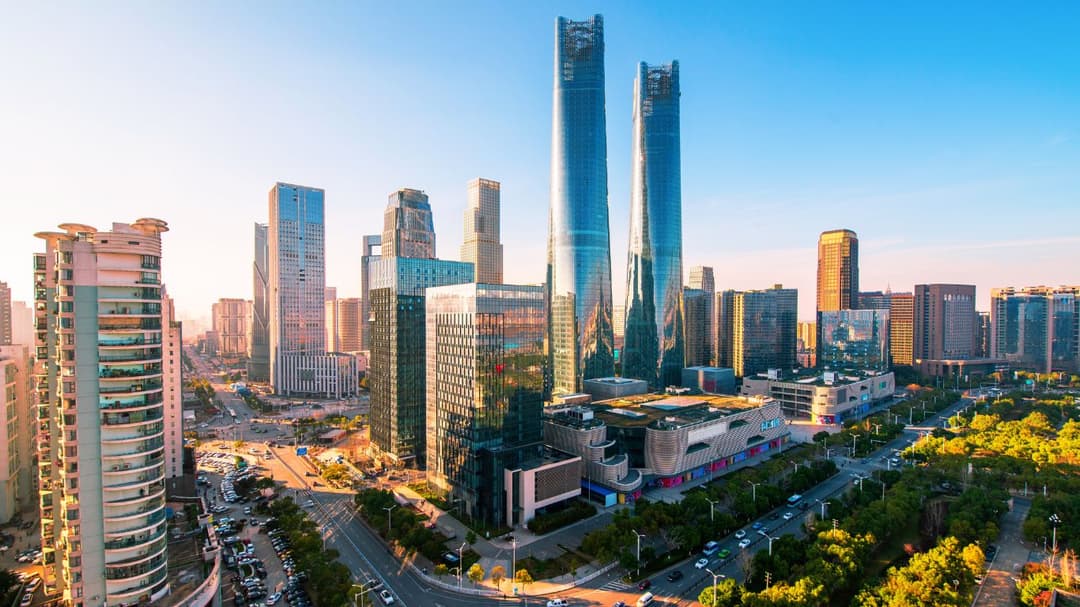
India
India has transformed itself into one of the world’s most exciting startup environments, and the scale of that transformation is hard to overstate. As of 2026, the country is home to over 100,000 recognized startups, with a growing roster of companies that have crossed the billion-dollar valuation threshold.
A youthful workforce, a booming digital economy, and government programs designed to actively support founders have combined to make India a market that serious investors can no longer afford to overlook. Investors exploring how to access high-growth markets are increasingly turning their attention to India’s startup sector.
India’s ecosystem draws its strength from several sources at once. Rising internet penetration, rapid adoption of digital technologies, and a domestic market of extraordinary scale all work in the same direction. Cities like Bangalore, Hyderabad, Mumbai, and Delhi-NCR have each carved out distinct identities as startup hubs, offering founders different combinations of talent, capital, and industry expertise.
- Bangalore: Known as the “Silicon Valley of India,” Bangalore is home to tech giants, software firms, and thousands of startups specializing in AI, FinTech, and SaaS (Software as a Service).
- Hyderabad: Famous for its IT parks and tech zones like HITEC City, Hyderabad is becoming a significant player in Biotech, HealthTech, and EdTech startups.
- Delhi-NCR: The region boasts a mix of startups in e-commerce, logistics, and financial technology, with companies like Paytm and Ola emerging as global brands.
- Mumbai: As the financial capital of India, Mumbai is a hotspot for FinTech, MediaTech, and entertainment startups.
What ties all of these cities together is the access they provide to affordable operating environments and a diverse pool of skilled professionals. For early-stage companies watching their burn rate, that combination is genuinely valuable.
The Indian government has introduced a series of flagship programs that have meaningfully changed the environment for founders. Startup India, Digital India, and Make in India have collectively reduced bureaucratic friction, created financial incentives, and built a framework that gives new ventures a real chance to find their footing before the market forces them to compete at full intensity.
- Startup India: Launched in 2016, this initiative provides tax exemptions, funding opportunities, and simplified regulatory compliance for startups.
- Digital India: Focuses on improving digital infrastructure, promoting internet connectivity, and enhancing tech literacy across the country.
- Make in India: Encourages domestic manufacturing and foreign investments, creating opportunities for industrial startups.
- Atal Innovation Mission (AIM): Supports innovation through incubators, research labs, and funding for early-stage startups.
The result is an ecosystem where the structural barriers that used to slow startups down have been steadily dismantled, and founders can focus on building rather than navigating red tape.
India’s venture capital market is one of the most active in the world. In 2023 alone, Indian startups raised over $20 billion in funding, with fintech, edtech, health technology, and SaaS drawing the most significant investment. Reuters has tracked India’s funding growth as one of the defining trends in global venture capital over the past several years.
- Sequoia Capital India: Focuses on early-stage and growth-stage funding.
- Tiger Global: Known for high-value investments in unicorn startups.
- Accel Partners: Specializes in tech and consumer-focused investments.
Angel investors and crowdfunding platforms have added another dimension to the funding landscape, opening up access to capital for smaller startups that might not yet be on the radar of the big VC firms.
India’s talent pipeline is one of its most compelling structural advantages. The country produces over 1.5 million engineers every year, and institutions like the IITs and IIMs have a global reputation for producing professionals who can compete at the highest level. That depth of talent gives Indian startups a workforce advantage that is extremely difficult to replicate in higher-cost markets.
- India is a global leader in sectors such as FinTech, HealthTech, e-commerce, and AI-driven solutions.
- Startups like Zerodha, BYJU’S, Zomato, and Swiggy have become household names, revolutionizing their respective industries.
The focus on artificial intelligence, blockchain, cybersecurity, and big data within these institutions means that the talent entering the startup ecosystem is already oriented toward the technologies that matter most right now.
India’s domestic market is another factor that gives startups here a built-in edge. With a middle-class population exceeding 400 million people spread across urban and rural areas, founders have access to a consumer base that is both massive and increasingly sophisticated in its digital habits.
- The rise of e-commerce platforms has transformed consumer habits, with companies like Flipkart and Amazon India dominating the market.
- FinTech startups like PhonePe and Paytm have driven financial inclusion, even in remote regions.
That breadth of market creates opportunity across retail, logistics, financial services, and digital entertainment in ways that are hard to find anywhere else at this scale.
India also has a well-developed network of incubators and accelerators that give early-stage companies access to mentorship, funding, and the kind of connections that can accelerate a startup’s trajectory by years.
- T-Hub (Hyderabad): One of Asia’s largest startup incubators.
- IIT Incubation Centers: Provide tech-focused mentoring and resources.
- NSRCEL (IIM Bangalore): Supports early-stage startups across industries.
These programs create a nurturing environment where founders can test their ideas, sharpen their business models, and build the confidence to scale before they face the full pressure of the open market.
Why India is a Top Startup-Friendly Country
- Massive Consumer Market: A growing middle class and increasing digital adoption fuel demand.
- Government Support: Initiatives like Startup India and Digital India reduce regulatory challenges.
- Robust Talent Pool: A skilled workforce driven by technical expertise and entrepreneurial zeal.
- Thriving VC Ecosystem: Strong investor confidence with billions in annual funding.
- Tech Innovation: A hub for FinTech, EdTech, AI, and HealthTech innovation.
- Strategic Cities: Startup-friendly hubs like Bangalore, Hyderabad, and Mumbai foster innovation.
India’s combination of rapid economic growth, a supportive regulatory environment, deep tech talent, and an enormous domestic market makes it one of the most compelling startup destinations in the world. For entrepreneurs and investors looking for exposure to a market where the fundamentals are strong and the upside is real, India offers opportunities for growth and innovation that are genuinely exciting.
Emerging Startup Hubs in 2025
The global startup world keeps evolving, and the most interesting opportunities aren’t always in the places you’d expect. In 2025, countries like Poland, Malaysia, Sweden, and Denmark are making serious moves as emerging centers of innovation. Strong government backing, growing R&D investment, and entrepreneurial communities that are hungry to compete on a global stage are driving this shift.
Poland
Poland has been building momentum as a startup hub, and in 2025 it’s hard to ignore. A growing pool of tech talent and robust government support have created conditions in Warsaw and Kraków that are genuinely attractive for early-stage ventures.
The Polish Development Fund has launched programs like the Polish Investment Zone and Poland Prize specifically to pull in foreign startups and investors, offering financial incentives, tax advantages, and streamlined business setup processes that make Poland a smart choice for founders looking at Central Europe.
Key Highlights
- Tech Talent: Poland is home to a highly skilled workforce, particularly in IT and engineering, with over 400,000 professionals in these fields.
- Government Support: Initiatives like the Polish Investment Zone and Poland Prize offer financial incentives and support for startups.
- R&D Investment: Poland’s expenditure on R&D has been steadily increasing, reaching 1.32% of GDP in 2021, fostering innovation.
Malaysia
Malaysia’s appeal as a startup destination comes from a smart combination of geographic position and policy. Sitting at the heart of Southeast Asia, it gives startups direct access to one of the world’s fastest-growing regional markets. The Malaysian Digital Economy Corporation plays an active role in supporting the tech ecosystem through grants, incentives, and practical resources for founders.
Add well-connected infrastructure and a genuinely business-friendly climate, and you have a country that is earning its place among the emerging startup hubs of 2025.
Key Highlights
- Strategic Location: Malaysia’s proximity to major Southeast Asian markets offers startups easy access to a large and growing consumer base.
- Government Initiatives: Programs like the Malaysia Digital Hub and the Digital Economy Blueprint aim to enhance the startup ecosystem.
- Tech Innovation: Malaysia’s focus on digital transformation and tech innovation is supported by substantial government funding and private investment.

Sweden
Sweden has long understood that investing in technology and innovation pays off, and its startup ecosystem reflects that philosophy. Stockholm keeps punching above its weight on the global startup stage, and Sweden’s commitment to fostering new ventures runs through everything from government funding agencies like Vinnova to an overall quality of life that attracts and retains top talent.
In 2025, Sweden’s strong emphasis on sustainability gives it a particular edge as founders and investors increasingly prioritize businesses that align profit with purpose.
Key Highlights
- Innovation and Creativity: Sweden ranks high in the Global Innovation Index, thanks to its strong emphasis on R&D and creative industries.
- Supportive Ecosystem: Government agencies like Vinnova provide grants and support to startups, fostering a vibrant entrepreneurial culture.
- Sustainability Focus: Sweden’s commitment to sustainability and green technologies attracts startups in these sectors.
Denmark
Denmark has carved out a distinctive identity in the global startup scene by leaning into something the world is increasingly willing to pay for: sustainability. Clean technology and renewable energy startups find an exceptionally supportive environment here, backed by a progressive regulatory framework and a government that puts real money behind green innovation. Copenhagen is widely recognized as a hub for startups working on the problems that matter most over the next several decades.
Initiatives like the Green Development and Demonstration Programme provide direct funding for projects that move the needle on sustainable development.
Key Highlights
- Sustainability and Green Tech: Denmark is a global leader in sustainability, with a strong focus on green technology and renewable energy startups.
- Government Support: Initiatives like GUDP and the Innovation Fund Denmark offer financial support and resources for sustainable projects.
- Startup Ecosystem: Copenhagen hosts numerous incubators, accelerators, and co-working spaces that support the growth of innovative startups.
We last reviewed this analysis in May 2026.


Savvas Agathangelou
Savvas Agathangelou co-founded The Luxury Playbook and has spent years reporting from the prime postcodes the magazine covers — Mayfair, Knightsbridge, the Athens Riviera, Dubai's Palm crescents, and the southern Mediterranean coastlines where the world's wealthy keep coming back. His background is in international hospitality, and that frame shapes how he writes about property: the developer's choices, the architect's signature, the agency's bench of named brokers, the building's service standard once the buyer moves in. He files developer spotlights, agency profiles, and the seasonal "Properties That Defined" listicles, and he hosts the magazine's founder-and-leadership interviews on the Voices side.