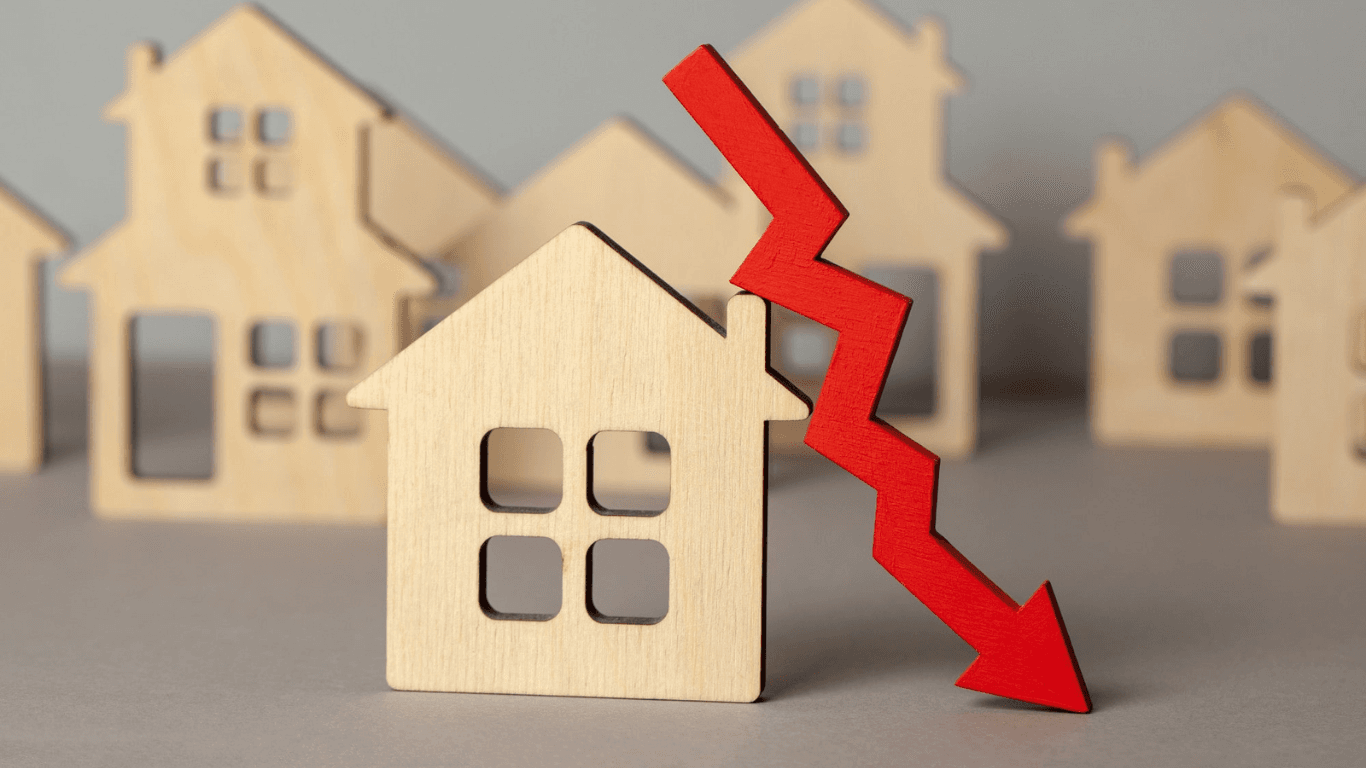
Avoiding property depreciation comes down to a handful of core habits you need to build into your ownership routine. Regular upkeep, timely repairs, and smart improvements all pull in the same direction. Think modernized kitchens and bathrooms, updated appliances, clean landscaping, and strong curb appeal.
These aren’t optional extras for a luxury asset. They’re the baseline. Stay on top of local market trends and your property won’t just hold its value.
It will grow.
But protecting your investment goes deeper than maintenance. You need a real strategy, one that factors in tax implications and long-term wealth planning. Tools like 1031 exchanges, capital gains deferral, and inheritance structures can help you sidestep punishing recapture taxes.
Working with the right financial experts and staying sharp on evolving strategies is what separates smart property owners from those who get caught off guard. The goal isn’t just preservation. It’s making sure depreciation works for you, not against you.
- Property depreciation typically stems from deferred maintenance, neighbourhood deterioration, regulatory shifts and the broader market cycle rather than any single avoidable cause.
- We see disciplined preventive maintenance, including roofing, mechanical systems and exterior envelope care, as the single most cost-effective protection against avoidable depreciation.
- Location-level depreciation is often outside owner control, which is why initial location selection matters more than any post-acquisition intervention can credibly compensate for.
- Renovation timing matters, with kitchen and bathroom updates every fifteen to twenty years protecting more value than allowing systems to age past their useful life.
- Energy efficiency upgrades have moved from optional to defensive, with non-compliant stock facing both insurance pricing and resale liquidity headwinds across major markets.
- For long-hold owners we view an explicit capex reserve and a written maintenance schedule as the foundation of depreciation resistance across the ownership cycle.
- Who is this for?
- Property owners focused on long-term value preservation, alongside advisers, property managers and family office staff structuring asset management programmes.
- What is happening?
- A practical guide to avoiding property depreciation, covering maintenance discipline, location selection, renovation timing, energy upgrades and the capex reserve approach.
- When did this emerge?
- The article reflects current maintenance and renovation practice through 2025 and 2026, including the latest energy efficiency regulations affecting major markets.
- Where is this happening?
- The reasoning translates across the major Anglophone and continental European property markets, with adjustments for local maintenance cost structures and regulatory frameworks.
- Why does it matter?
- Depreciation that could have been prevented quietly destroys more property wealth than any market downturn, which is why structured maintenance discipline pays back across every cycle.
The Importance of Regular Property Maintenance
The data on which property attributes hold value best is one of the more closely tracked corners of the industry. Zillow and Redfin both publish research on long-run appreciation by city, neighbourhood, and property type that lets owners pressure-test their own assumptions.
The institutional view sharpens the picture. Knight Frank's prime-residential indexes and Savills world-cities reports both track which categories of property have historically resisted depreciation through full cycles, and the picture is more nuanced than the headline figures suggest.
Regular maintenance is your first line of defense against value erosion. Skip it, and small problems compound into expensive ones fast. Stay ahead of it, and your tenants stay happy, your turnover stays low, and your asset holds its position in the market.
The time and money you put into upkeep now pays you back many times over later.
Preventative Maintenance Tips
Preventative maintenance is where serious property owners separate themselves from the rest. Getting ahead of problems before they become costly emergencies is the smartest move you can make. A few critical actions go a long way toward protecting what you’ve built.
| Task | Description | Frequency | Cost Considerations |
|---|---|---|---|
| Cleaning Gutters | Removes debris to prevent water damage | Twice a year | Moderate; DIY or hire a professional |
| HVAC System Maintenance | Ensures heating and cooling systems work efficiently | Annually | Higher; professional service recommended |
| Pest Control | Prevents infestations that can cause structural damage | Quarterly | Variable; professional service often required |
| Inspecting and Cleaning Chimneys | Avoids fire hazards and maintains efficiency | Annually | Moderate; professional service recommended |
Seasonal Maintenance Checklist
Breaking your maintenance into a seasonal rhythm makes the whole process manageable. Each season brings its own set of priorities, and a clear checklist keeps you from missing anything that could quietly chip away at your property’s condition and value.
| Season | Maintenance Tasks |
|---|---|
| Spring | Inspect roofing, clean gutters, HVAC system maintenance, landscaping |
| Summer | Exterior paint touch-up, window cleaning, pest control |
| Fall | Inspect and clean chimneys, HVAC check, drain exterior pipes |
| Winter | Check insulation, review fire safety measures, inspect for ice dams |
Sticking to a year-round maintenance plan does two things at once. It keeps your property looking and functioning at its best, and it protects the long-term value you’ve worked to build. Whether you handle it yourself or bring in professionals, consistent attention to upkeep cuts emergency costs, prevents avoidable damage, and keeps your asset where it belongs on the market.

Strategic Home Improvements
For deeper context, the breakdown in why luxury property stays a cornerstone of serious buyer portfolios is worth reading alongside this analysis.
The right home improvements don’t just slow depreciation. They actively push your property’s value upward. Investing in areas with strong return potential lifts both the appeal and the functionality of what you own.
Done well, these upgrades make your property more competitive and more desirable in any market condition.
renovations">Value-Adding Renovations
Kitchens and bathrooms are where your renovation dollars work hardest. Updating these spaces lifts the quality of daily living and sends a strong signal to any future buyer or tenant. Think modernized fixtures, refreshed tiles, and energy-efficient appliances.
These aren’t cosmetic touches. They’re targeted investments that protect and grow what your property is worth. If you want to understand how working with the right real estate agent fits into your broader property strategy, that knowledge compounds your renovation decisions too.
Cost-Effective Upgrades
You don’t always need a full renovation to make a meaningful difference. A fresh coat of paint, new light fixtures, or updated cabinet hardware can dramatically change how a space feels and how a buyer perceives its value. These smaller moves are budget-friendly, fast to execute, and genuinely effective at making your property easier to sell when the time comes.
Smart renovations, focused on high-return projects that align with what the market wants, protect your asset while maximizing what you get back. The best investors know that visual appeal and financial discipline aren’t in conflict. They go hand in hand.
That balance is what keeps a property appreciating while others around it stagnate.
Understanding Property Valuation
Knowing how your property is valued gives you a real edge. Location, physical condition, and market dynamics all feed into the number an appraiser or buyer puts on your asset. For investors, understanding how these forces interact shapes every major decision, from when to acquire to when to renovate to when to sell. How double taxation treaties affect real estate investments is another layer worth understanding if you hold property across multiple jurisdictions.
Back in 2019, IRS data showed around 10.6 million U.S. tax filers reported rental income, a number that underlines just how central property investment has become to personal wealth strategies. One of the biggest advantages available to rental property owners is depreciation, which lets you deduct a portion of the property’s cost each year as a tax benefit. Under the General Depreciation System, residential rental properties and their structural components typically depreciate over 27.5 years.
The sales comparison approach is a cornerstone of property valuation. It requires at least three comparable properties and makes careful adjustments for condition, age, and location to arrive at an accurate figure. Beyond that, the cost approach assesses properties with improvements while the income capitalization approach ties value directly to net income and the returns an investor expects.
Each method tells a different part of the story.
Effective management of rental property depreciation means tracking diligently and applying these valuation methods with intention. When you factor in market trends, available tax benefits, and a consistent maintenance routine, you’re not just protecting your investment. You’re actively building its market value over time.
| Valuation Method | Description | Factors Considered |
|---|---|---|
| Sales Comparison | Used for valuing single-family homes and land | Age, condition, sale terms, location, physical features |
| Cost Approach | Estimates value of improved properties | Building and land estimates, depreciation |
| Income Capitalization | Estimates value based on property’s net income | Gross income, vacancy and rent losses, operating expenses |
| Gross Income Multiplier (GIM) | Calculates relationship between sales price and rental income | Sales price, expected rental income |
The Benefits of Energy-Efficient Upgrades
Energy-efficient upgrades do more than make a home comfortable. They deliver real financial upside. From tax incentives to measurable gains in property value, these investments earn their place in any serious renovation plan.
You get a better-performing property and a stronger return. That’s a rare combination.
Installing Energy-Efficient Windows
Upgrading to energy-efficient windows is one of the smartest moves you can make for both comfort and cost. In cities like Los Angeles, window replacement has become part of broader decarbonization requirements. But the practical payoff is clear regardless of regulation.
These windows keep interiors warm in winter and cool in summer, slashing your utility bills across the year. Many installations also qualify for rebates and tax credits, which softens the upfront cost considerably.
- Reduce energy consumption and bills
- Potential rebates and tax incentives
- Enhanced property value and marketability
Upgrading Insulation
Better insulation is one of those upgrades that quietly pays dividends for years. In Berkeley, renovations exceeding $50,000 now require alignment with current energy standards, a sign of where the broader market is heading. Proper insulation cuts heating and cooling costs sharply, keeps your home comfortable through every season, and may qualify you for property tax discounts at both the state and local level. The savings add up fast.
- Decrease energy consumption and costs
- Adhere to local energy standards
- Qualify for tax deductions
Choosing High-Quality Building Materials
The materials you choose during a renovation shape how much you spend on maintenance for the next decade. High-quality building materials cost more upfront, but they dramatically reduce repair frequency and extend your property’s useful life. That trade-off almost always favors the premium option when you run the long-term numbers.
Long-Lasting Exterior Materials
Your exterior materials take the full force of weather, time, and environmental wear. Choosing right here is non-negotiable. Fiber cement siding, metal roofing, and brick all offer outstanding durability while enhancing how your property looks from the street.
These materials keep repair costs down and hold your property’s value in place, even through rough market cycles. Robb Report’s coverage of luxury property design consistently highlights durable exterior choices as a hallmark of quality construction.
| Material | Average Lifespan | Key Features |
|---|---|---|
| Fiber Cement Siding | 50 years | Fire-resistant, Pest-resistant |
| Metal Roofing | 40-70 years | Durable, Low Maintenance |
| Brick | 100+ years | Weather-resistant, Low Maintenance |
Durable Interior Finishes
High-traffic interior spaces need finishes that can take daily punishment without losing their appeal. Porcelain tiles, engineered wood flooring, and quartz countertops check both boxes, offering durability and a look that holds up well over time. These choices push your renovation cycles further apart and keep your long-term construction costs in check.
That’s exactly where you want to be.
| Material | Average Lifespan | Key Features |
|---|---|---|
| Porcelain Tiles | 50-75 years | Water-resistant, Durable |
| Engineered Wood Flooring | 20-30 years | Stability, Aesthetic Appeal |
| Quartz Countertops | 25-30 years | Heat-resistant, Low Maintenance |
Prioritizing quality materials across every renovation keeps your property in peak condition for years longer than budget alternatives ever could. The result is a cleaner asset that costs less to manage and holds more value when it counts.
The Role of Location in Property Value
Location isn’t just a cliché in real estate. It’s the single most powerful driver of long-term value. Properties near highways, public transit, and major employment centers consistently command higher prices.
Proximity to amenities like parks, restaurants, and retail adds another layer of desirability that holds up even when broader markets soften. London’s luxury real estate shifts offer a sharp example of how neighborhood dynamics can reshape values almost overnight.
Land supply is finite, which is why well-located properties tend to appreciate over time while others stagnate. Investing in areas with clear development momentum gives your asset a natural tailwind against market volatility. The neighborhood’s age profile is worth reading too.
Areas attracting younger families tend to see stronger appreciation trajectories, as demand builds steadily from a growing base of buyers.
School zones are a force multiplier for property values. Homes in top-rated districts command premium prices and tend to weather economic downturns better than those outside them. Safety and community strength amplify this effect.
Low crime rates and a tight-knit neighborhood culture draw more buyers, which keeps demand healthy and values elevated. Bloomberg’s real estate coverage has tracked this pattern consistently across major U.S. markets.
Condo developments, zoning changes, and future growth potential all ripple through single-family home values in ways that aren’t always obvious at first. Tracking these neighborhood dynamics, alongside school zone strength and demographic trends, gives you the full picture you need to make decisions that protect and grow your asset over the long term.
We last reviewed this analysis in May 2026.


Savvas Agathangelou
Savvas Agathangelou co-founded The Luxury Playbook and has spent years reporting from the prime postcodes the magazine covers — Mayfair, Knightsbridge, the Athens Riviera, Dubai's Palm crescents, and the southern Mediterranean coastlines where the world's wealthy keep coming back. His background is in international hospitality, and that frame shapes how he writes about property: the developer's choices, the architect's signature, the agency's bench of named brokers, the building's service standard once the buyer moves in. He files developer spotlights, agency profiles, and the seasonal "Properties That Defined" listicles, and he hosts the magazine's founder-and-leadership interviews on the Voices side.