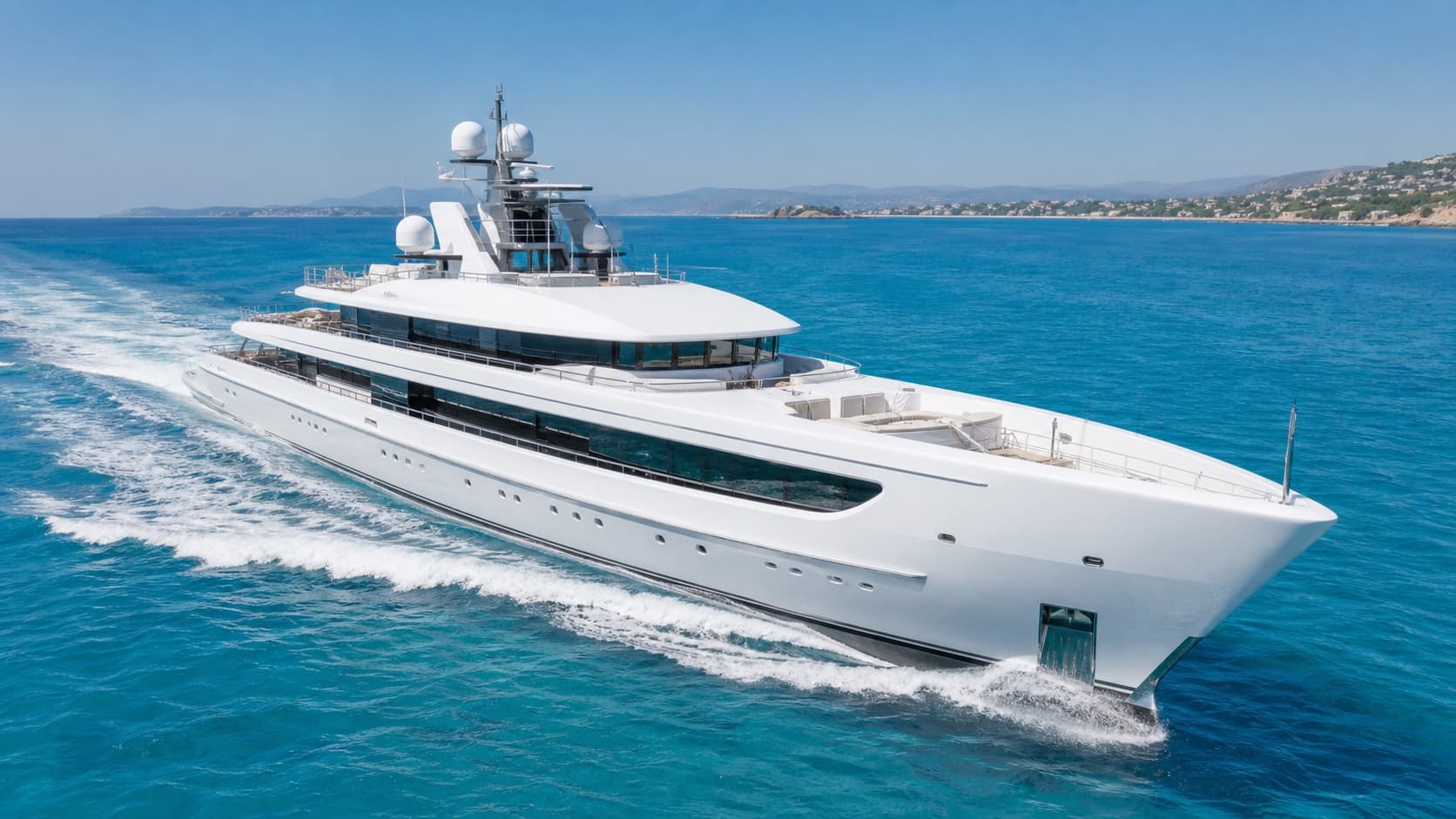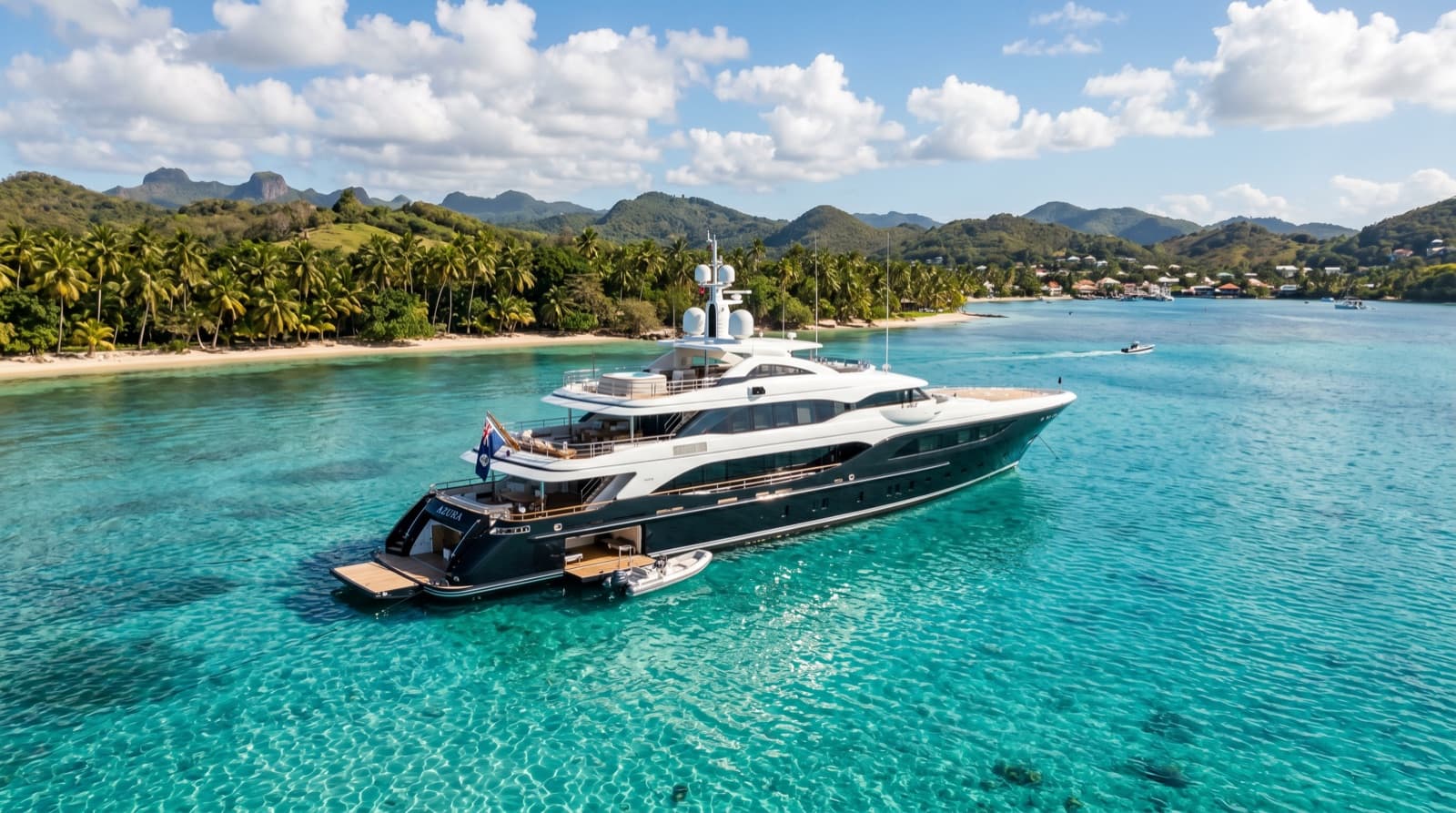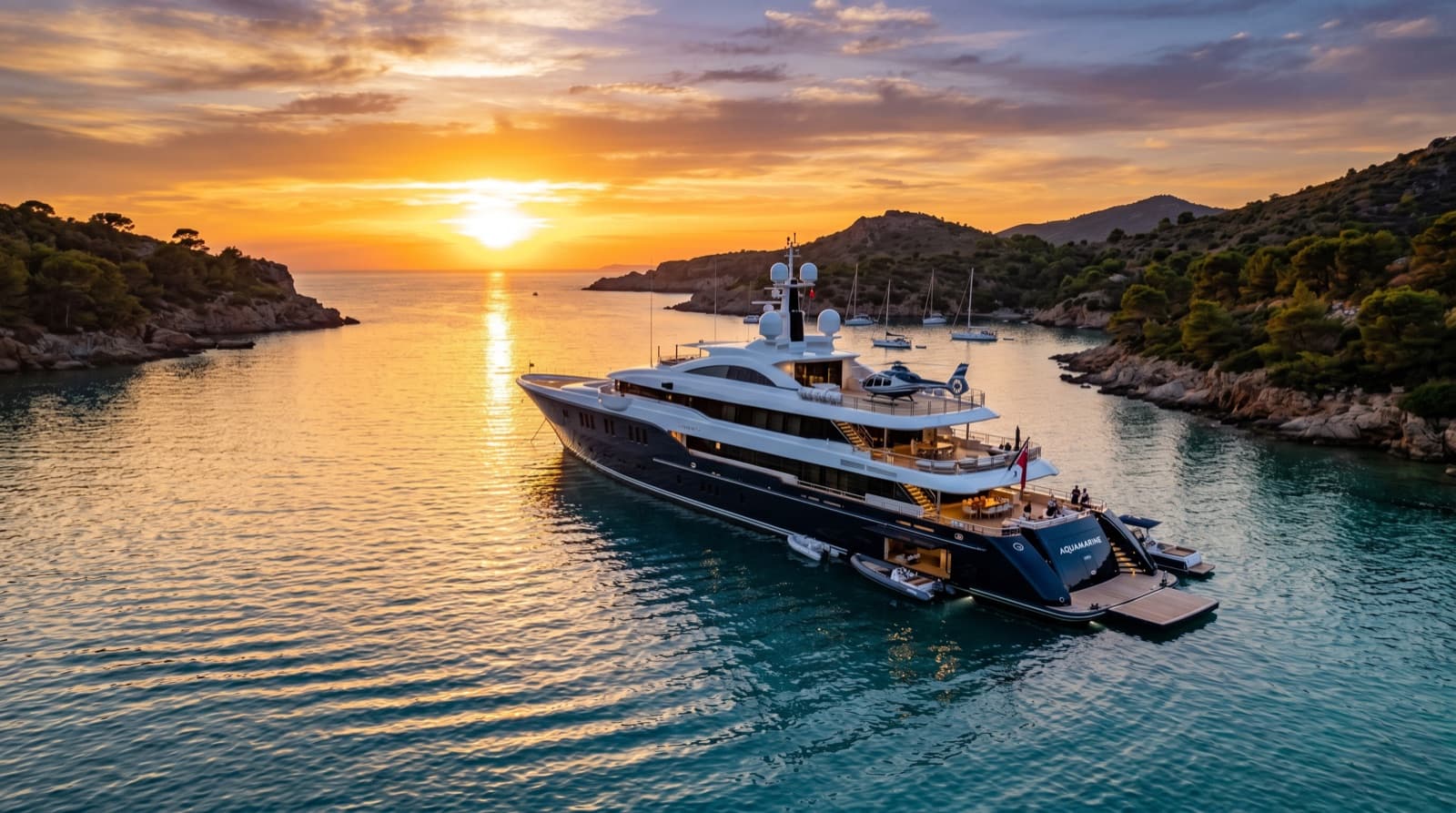
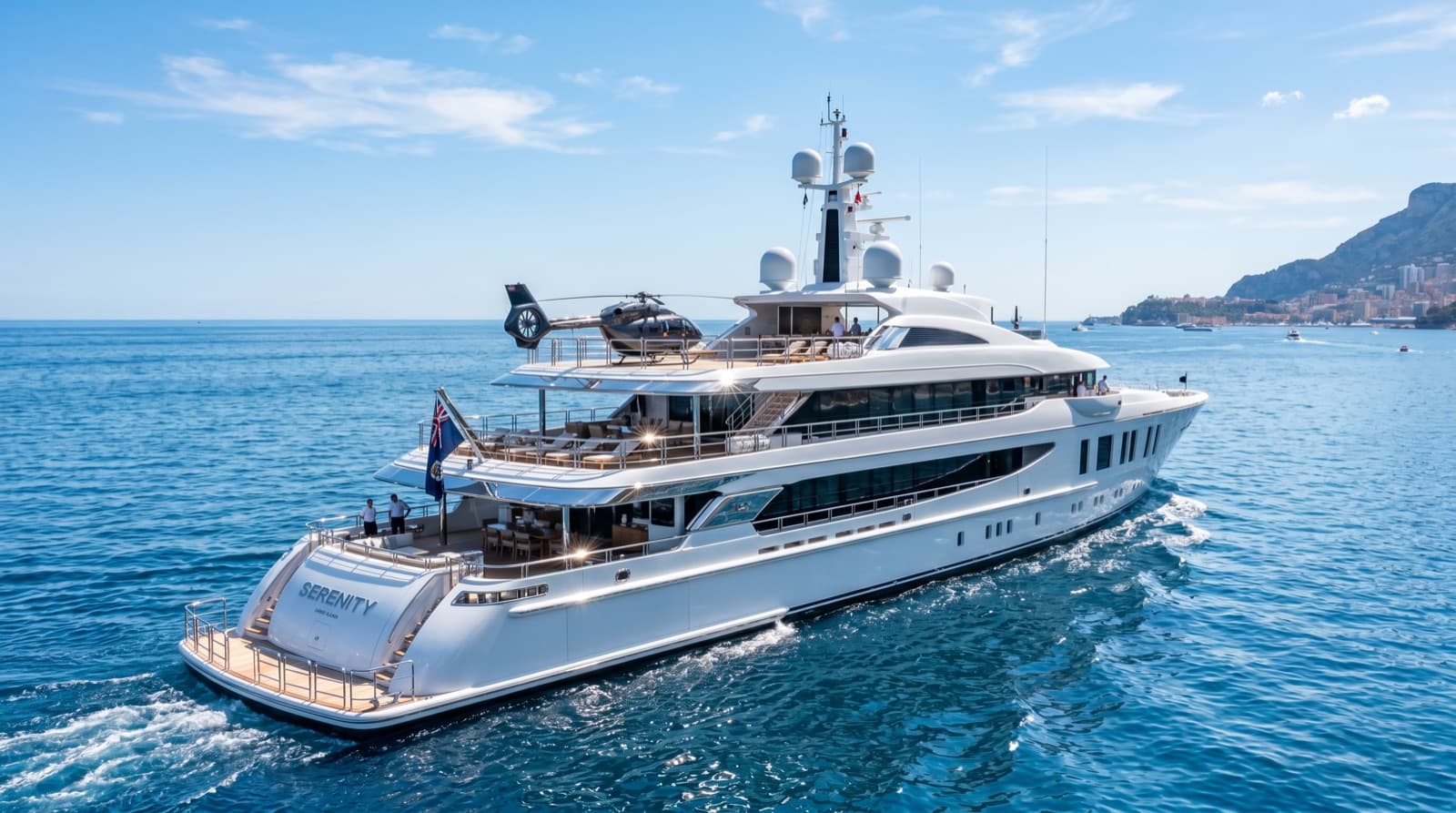
There is a point at which a superyacht runs out of room for the life its owner wants to live on board. The garage cannot hold the submarine, the helicopter, the dive team and five tenders all at once, and squeezing them onto the main deck spoils the very thing you bought the yacht for. The answer that has taken hold among the largest owners is a second boat. A shadow vessel, also called a support yacht, runs alongside the mothership and carries everything that will not fit, and it has become one of the clearest status signals in modern yachting.

Key Takeaways & The 5Ws
- A shadow vessel travels with a superyacht and carries the helicopter, submarine, tenders and extra fuel.
- Damen created the modern category, with a Yacht Support range from about 46 to 75 metres on its Sea Axe hull.
- Real support vessels carry submarines, helicopters, jet skis and decompression chambers the main yacht cannot hold.
- A yacht plus a support vessel can cost less than a single much larger yacht with the same capability.
- Commercial supply ships are often converted into support yachts, as with the 63 metre Voyager.
- Who is this for?
- Owners whose cruising has outgrown a single hull and who travel far from port.
- What is it?
- An explanation of support vessels, what they carry and why owners buy a second boat.
- When does it matter most?
- When the garage runs out of room for the helicopter, submarine and tenders.
- Where does it apply?
- Worldwide, with the category led by Dutch builder Damen.
- Why consider it?
- A support vessel adds range and capability while keeping the main yacht uncompromised.
What a Shadow Vessel Actually Does
A yacht support vessel is a purpose built or converted ship that travels with a superyacht and carries the tenders, toys, chase boats, helicopter, dive kit, submersible, spare fuel and extra crew that the main yacht cannot hold, as Wikipedia describes. The logic is straightforward. By moving the bulky, noisy and dirty equipment onto a separate hull, you keep the main yacht clean, quiet and uncluttered, while gaining range and capability you could never fit on one boat.
The support vessel also acts as a forward scout. It can reach an anchorage ahead of the mothership, launch the toys, refuel the helicopter and have everything ready before the owner arrives. For owners who cruise far from marinas, that independence is the whole point.
How Damen Turned Supply Ships Into Support Yachts
The category has a clear origin story. The Dutch builder Damen entered the business after Roman Abramovich's fleet manager ordered two 50 metre offshore supply vessels to accompany the 163 metre Eclipse, and Damen then showed a yacht adapted concept at the 2009 Monaco Yacht Show, according to BOAT International. What began as repurposed commercial ships became a designed product.
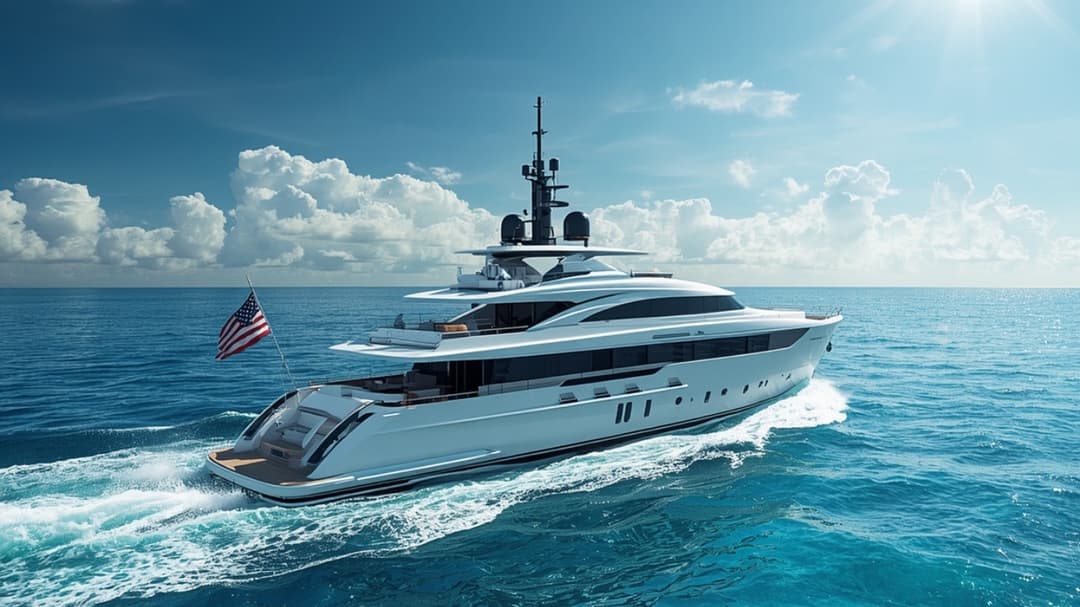
Damen's Yacht Support range now spans roughly 46 to 75 metres, with the 55 metre proving the most popular size. The vessels use the patented Sea Axe hull, which cuts resistance by up to 15 percent and vertical accelerations by up to 75 percent, letting the ship hold more than 20 knots in rough seas, as Ship Technology details. That speed matters, because a support vessel is useless if it cannot keep pace with the yacht it serves.
What These Vessels Carry
The numbers explain why owners want them. The Damen YS 6911 offers a 250 square metre open deck, a knuckle boom crane rated to 12 tonnes and around 110 square metres of below deck storage for marine and aviation fuel, plus a certified helideck with a weather protected hangar that handles a 5 tonne helicopter, according to Ship Technology.
Real boats carry remarkable inventories. Hodor, a 66 metre catamaran support vessel built by Incat Crowther that follows the 87 metre Feadship Lonian, runs at 22.5 knots and carries five tenders, four jet skis, four quad bikes, a five person submarine, a decompression chamber and a helicopter, as BOAT International reports. The 67.15 metre Garçon, a Damen Sea Axe delivered in 2012, offers 360 square metres of deck and can carry five tenders, a submarine, four jet skis and a helicopter, per BOAT International. No single yacht garage comes close to that.
The Economics That Make Owners Buy Two Boats
Buying a second boat sounds like pure extravagance until you look at the building cost. A support vessel needs no marble bathrooms, no grand staircase and no owner's suite, so it is far cheaper per metre than a yacht. Industry figures suggest a 100 metre superyacht can cost more than a 60 metre yacht and a 40 metre support vessel combined, as Wikipedia notes, because the luxury fit out is what drives the price.
Split across two hulls, the same money buys more usable capability. You get the polished, comfortable yacht you actually live on, plus a working ship that carries the helicopter and the heavy toys without compromise. For owners who would otherwise need to step up to a much larger and far more expensive single yacht, the pair can be the more rational choice, which is part of why the category keeps growing.
When a Commercial Hull Becomes a Support Yacht
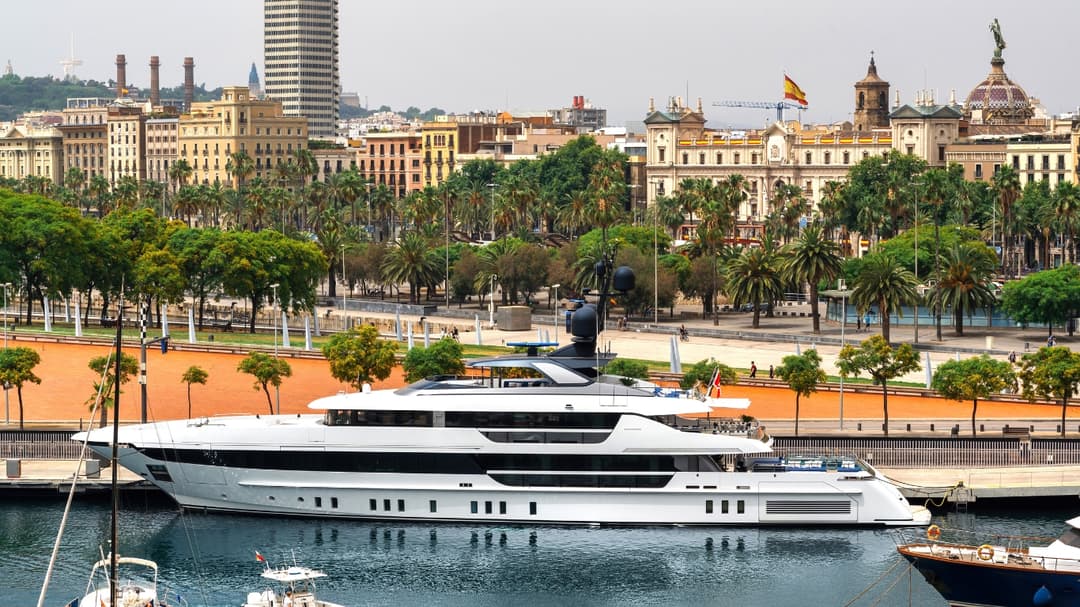
Not every support vessel is built from scratch. Converting an existing commercial ship is common and can be quicker than a new build. The 63 metre Voyager began life in 1997 as the offshore supply vessel Candy Trader before a multi year conversion turned it into a yacht support vessel, as Offshore Energy records, and it is far from the only example. A robust commercial hull already has the deck space, the cranes and the sea keeping that a support role demands, so the conversion adds the yacht systems rather than rebuilding the ship.
Specialist yards have grown up around the demand. Lynx Yachts, founded in 2011 in the Netherlands and merged with Outer Reef Yachts in late 2024, builds the Yacht Extender series, with its 33.8 metre model offering submarine capability, according to BOAT International. The market now offers everything from a compact extender to a 75 metre flagship support ship.
Is a Shadow Vessel Right for You
A support vessel earns its keep when your cruising outgrows a single hull. If you fly by helicopter, dive seriously, carry a submarine or cruise far from the marina chain, a shadow vessel turns ambition into capability and keeps your main yacht uncompromised. If you mainly cruise close to port and entertain at anchor in established grounds, the money is better spent elsewhere. The decision, as with most things in yachting, comes down to how far from the dock you actually want to go.
For more on yachts as distinctive holdings, read why rare yachts are the new trophy pursuit, see the latest large builds in the best new luxury yachts of 2025, and browse the full yachting section.

Stefanos Moschopoulos
Stefanos Moschopoulos founded The Luxury Playbook in Athens and has spent the better part of a decade following the auction calendar, the en primeur releases, and the watchmakers, gallerists, and shipyards the magazine covers. He writes the field guides and listicles that anchor the Connoisseur section — pieces built on Phillips and Christie's results, Liv-ex movements, and conversations with collectors he has met across Geneva, Bordeaux, Basel, and Monaco. His own collecting habits sit closer to watches and wine than art, and it shows in the level of detail in the magazine's coverage of those categories. Under his direction, The Luxury Playbook now publishes long-form field guides, market-defining year-end listicles, and the Voices interview series with the founders behind the houses and the brands.