
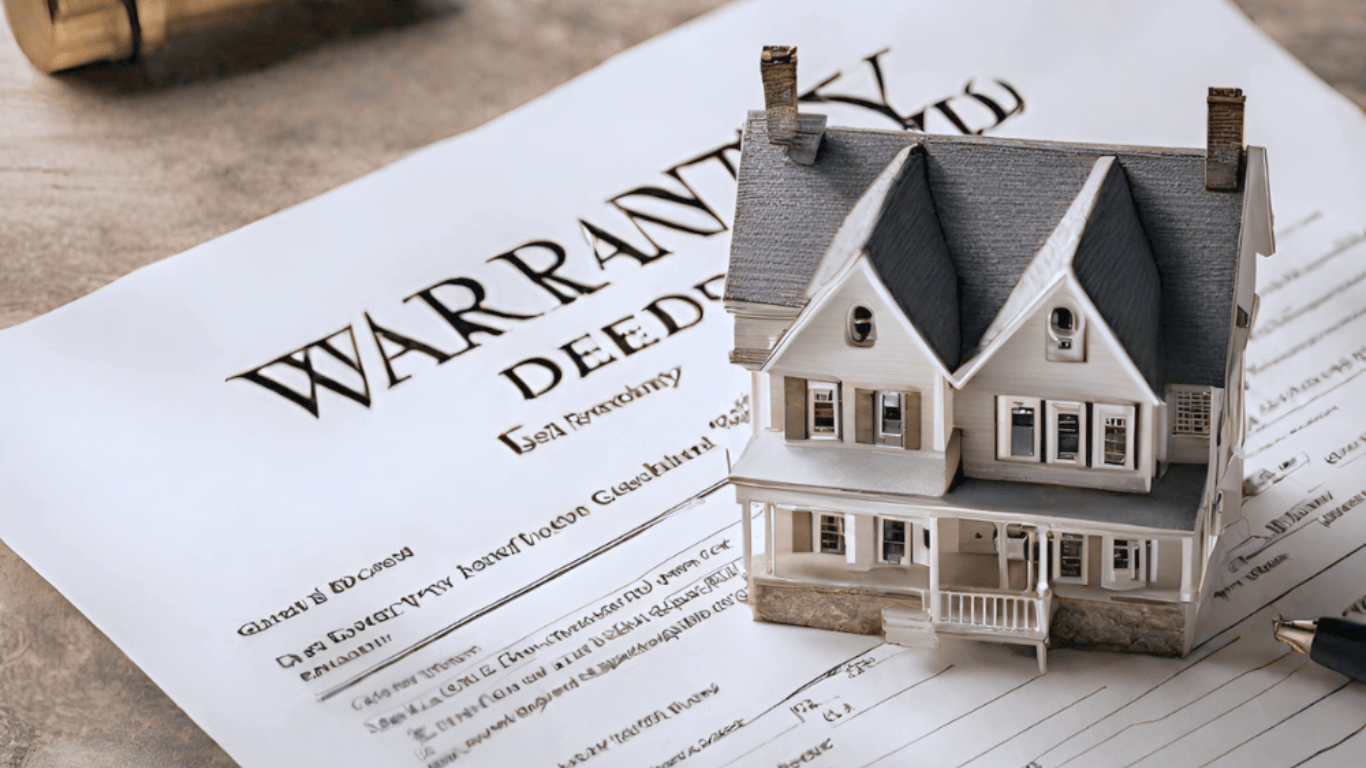
Most lenders will flat-out require a warranty deed before financing a property. That single requirement tells you everything you need to know about how seriously these documents are taken in real estate transactions.
A warranty shields you as a buyer from undisclosed claims or encumbrances on a property. It gives both sides of the deal genuine confidence, protecting against hidden debts or legal problems that could surface after you’ve already signed.

- A real estate warranty is a contractual promise by the seller about the condition or characteristics of the property, with remedies if those promises turn out to be false.
- We see warranties most commonly used in new-build construction, where developer warranties cover structural, systems and finishing defects for defined periods.
- Home warranty products, distinct from seller warranties, are insurance-style contracts covering repair of major systems and appliances after closing.
- Express warranties are written into the contract, while implied warranties arise by law in many jurisdictions, particularly around habitability and structural soundness.
- Warranty terms typically run from one to ten years depending on the type of defect, with structural warranties on new-build often the longest-running protection.
- For both buyers and sellers we view warranty language as deserving careful reading at the contract stage, since its terms shape post-close dispute resolution.
- Who is this for?
- Buyers and sellers reviewing warranty provisions, alongside the lawyers, surveyors and brokers helping them structure the contractual protections in a transaction.
- What is happening?
- A practical read of warranties in real estate, covering seller warranties, developer warranties on new-build, home warranty products and the express-versus-implied distinction.
- When did this emerge?
- The article reflects warranty practice through 2025 and 2026, including current new-build warranty schemes and the latest home warranty product landscape.
- Where is this happening?
- The piece covers the United States and United Kingdom in most detail, with reference to broader Anglophone and continental European warranty conventions.
- Why does it matter?
- Warranty terms often shape the speed and cost of post-close dispute resolution, which is why reading the language at contract stage typically pays back many times over.
Introduction to Real Estate Warranties
Property warranties sit inside a regulated consumer-protection framework documented by the professional bodies. The Royal Institution of Chartered Surveyors publishes guidance on defect-warranty practice, and the National Association of Realtors tracks how home-warranty programs perform across the US market.
The mainstream financial press has documented the practical economics. The Wall Street Journal's real-estate desk and Reuters have both covered the patterns where warranty coverage either bridges the gap between sale and possession, or quietly fails to do so when claims actually come in.
Real estate warranties are what make property transactions feel secure rather than nerve-wracking. They offer assurances that protect both your interests and the seller’s, functioning a lot like insurance for your investment. At their core, they confirm the seller holds clear ownership of the property.
And that clarity is what builds real confidence when you’re putting serious money on the table.
Types of Real Estate Warranties
Two main types of warranty deeds exist in real estate, and knowing the difference matters. A general warranty deed gives you broad protection, covering every legal issue tied to the title regardless of when it originated. That kind of comprehensive coverage is genuinely hard to overvalue when you’re acquiring a high-worth asset.
A special warranty deed, by contrast, offers narrower assurances. It only covers issues that arose during the current seller’s ownership period, meaning any problems created by previous owners fall outside its scope. Still, it’s far better than no warranty at all.
Understanding where each one draws the line helps you make sharper decisions at the negotiating table.
Both warranty deed types work to ensure a clean title transfer and protect you against future claims. Whether you lean toward a general warranty deed for its all-encompassing coverage or a special warranty deed for its more targeted protection, these documents are non-negotiable. They secure your investment and set you up for a smooth ownership experience.
If you’re building out a broader real estate investment portfolio, understanding which deed type you’re getting on each acquisition is a foundational step.
Understanding Home Warranties
For deeper context, the breakdown in how warranty considerations interact with the diligence on older properties is worth reading alongside this analysis.
A home warranty picks up the cost of repairing or replacing major systems and appliances when they break down. That kind of financial cushion can save you from ugly surprise bills, making it a genuinely useful layer of protection for any homeowner. Unlike a builder’s warranty, which focuses on structural components, a home warranty is all about what’s inside the walls.
Definition of Home Warranties
A home warranty is essentially a service contract covering the maintenance, repair, or replacement of key home systems and appliances. It protects you from the financial shock of everyday wear and tear, which adds up fast. Most plans run for a year, though some top-tier companies now offer coverage stretching to three years.
And it’s worth knowing these plans work very differently from homeowners’ insurance, which kicks in for damage caused by events like floods or fires.
Typical Coverage of Home Warranties
A solid home warranty plan typically covers your electrical system, plumbing, and heating, plus major appliances like ovens, water heaters, and air conditioners. In the US, annual plan costs generally run between $600 and upward of $1,000, with per-service fees landing somewhere between $65 and $150. That pricing range gives you room to find a plan that fits your situation without overpaying.
Home warranties protect you when appliances and systems fail from normal use, acting as a financial buffer against sudden breakdowns. The catch is that anything still under a manufacturer’s warranty usually won’t be covered. And while you can’t deduct the cost on a personal residence, rental property owners and those with dedicated home offices may be able to write it off.
Worth a conversation with your accountant.

The Role of Builder Warranties
When you’re buying new construction, understanding exactly what the builder’s warranty covers is one of the first things you should nail down. Think of it as the builder’s promise to you that the work meets a certain standard. These warranties are designed to address specific defects and craftsmanship issues quickly before they become your problem to solve alone.
Coverage Provided by Builder Warranties
Builder warranties cover a range of home components, giving you meaningful peace of mind in those critical early years of ownership. Coverage for items like carpentry and electrical systems often spans six months to two years. For major structural issues, protection can extend up to 10 years, which is a serious safeguard for your long-term investment.
A builder warranty is not the same thing as a home warranty or homeowners’ insurance, and conflating them is an easy mistake. Home warranties handle appliance failures, insurance covers damage from incidents like theft or storms, and builder warranties are specifically about construction flaws. Each one fills a different gap.
Duration of Builder Warranty Periods
Builder warranty timelines vary by what’s being covered. Most standard elements carry one to two years of coverage, while the most critical structural components can be protected for up to a full decade. That extended window is what makes the structural portion especially worth scrutinizing before you sign anything.
Before you close, a thorough walk-through with your builder is absolutely essential. Use it to identify every item that falls under warranty protection. Ask pointed questions about what’s covered, what’s excluded, and exactly who you contact if you need to file a claim.
Getting those answers upfront saves you from very avoidable headaches later.
Take time to read your builder warranty terms carefully rather than just skimming them. Knowing what’s covered arms you to handle future issues proactively. It also confirms that your developer is standing behind the commitments they made when you agreed to buy. Developers like DAMAC Properties build their reputations in part on how well they back their projects after handover.
How to File a Warranty Claim
Filing a real estate warranty claim the right way takes a clear head and good preparation. Being organized and knowing the process upfront is what separates a quick resolution from a drawn-out dispute. Your property ownership rights depend on you handling this correctly from the start.
Steps in Filing a Claim
Start by formally notifying the warrantor, typically the seller or the builder, about the issue you’ve found. Be specific about the problem and clear about what outcome you’re expecting. Once you’ve done that, pull together all relevant warranty documents to support your claim.
Follow the process correctly and you dramatically improve your chances of a fast, clean resolution.
Documentation Needed for Warranty Claims
Good documentation is what makes or breaks a property warranty claim. You’ll want to have your warranty deed, proof of ownership, and any receipts or records tied to the defect in question. These materials validate your claim and build a compelling case throughout the process.
Keep everything organized and accessible so you’re not scrambling when it counts.
| Document Type | Purpose |
|---|---|
| Warranty Deed | Certifies the seller’s assurance of a clear title and legal right to transfer ownership. |
| Proof of Ownership | Provides evidence that you are the lawful owner of the property in question. |
| Evidence of Title Defects | Supports claims about defects or encumbrances discovered post-purchase. |
Knowing the steps and having the right documents ready makes the entire claim process far smoother. Solid preparation means you can tackle a real estate warranty claim with confidence, knowing your investment is protected. For context on how smart investors structure their property holdings to minimize risk, understanding current market dynamics is always worth your time.
Warranty Transfers: Ensuring Continuity
When a real estate ownership change happens, understanding how warranty transfers work is critical. You want your protection to carry over seamlessly to the new owner, not disappear at the moment of sale. A key thing to check early is whether the warranty is even transferable, because not all of them are. A seasoned agency like Engel and Völkers can help you navigate these details during a transaction.
| Aspect | Description | Impact |
|---|---|---|
| Transferable Warranties | A certain percentage of warranties may not be transferable. | Requires investigation before attempting to transfer. |
| Warranty Coverage Period | Specifies the time during which repairs or replacements are covered. | Typical coverage, such as 5 years for cars. |
| Legal Disputes | Potential for legal disputes if warranties are not transferred. | Impacts seller’s reputation, possibly leading to monetary claims. |
| Resale Value | Transfer of warranty can enhance product resale value. | Positive effect on investment recovery. |
| Customer Loyalty | Facilitates the maintenance of customer loyalty. | Beneficial for businesses through seamless warranty transfers. |
| Costs & Paperwork | Potential fees and additional paperwork involved in the transfer. | Increases overall cost of the transfer process. |
| Investment Protection | Helps to protect the original owner’s investment in the property. | Ensures the continuity of investment value. |
| Documentation | Requires proof of original ownership, transfer forms, and warranty certificates. | Essential for ensuring successful warranty transfer. |
| Completed Transfers | Measurement of successful warranty transfers. | Provides insights into industry practices and trends. |
The type of warranty deed in play also shapes how much protection the new owner actually gets. General warranty deeds offer the broadest coverage for the grantee, while special warranty deeds come with tighter limits. Six standard covenants typically govern these deeds, including the covenant of seisin and the covenant of quiet enjoyment, each providing its own layer of assurance.
Understanding the legal weight of these covenants, including what monetary remedies exist if they’re breached, is worth discussing with your real estate attorney before any transfer is finalized.
Managing a warranty transfer carefully protects your investment and keeps coverage running without a gap. That continuity is what secures your assets and preserves the rights of whoever is taking ownership next.
Common Warranty Exclusions
Before you commit to a home warranty plan, you need to understand exactly what it won’t cover. Exclusions and limitations can dramatically shrink what you thought you were getting. One thing to be aware of upfront is that most plans don’t activate until 30 days after your first payment clears.
Typical Warranty Exclusions in Real Estate
Real estate warranty exclusions are more specific than most buyers expect. Take Select Home Warranty as an example. Their plans cover single-family homes, individual condos, townhouses, and modular homes, but commercial properties and residential properties used for business purposes are off the table.
Common areas in condos and multi-family buildings fall outside coverage too. Beyond that, secondary damage like water damage or mold resulting from a covered repair is typically excluded. And failures tied to manufacturer defects, faulty installation, damage during construction, improper wiring, or missing parts usually won’t be covered either.
Reading the fine print before you buy a plan is the only way to know what you’re actually getting. For a broader look at how the US real estate market is shaping buyer protections and deal structures, it pays to stay informed.
We last reviewed this analysis in May 2026.