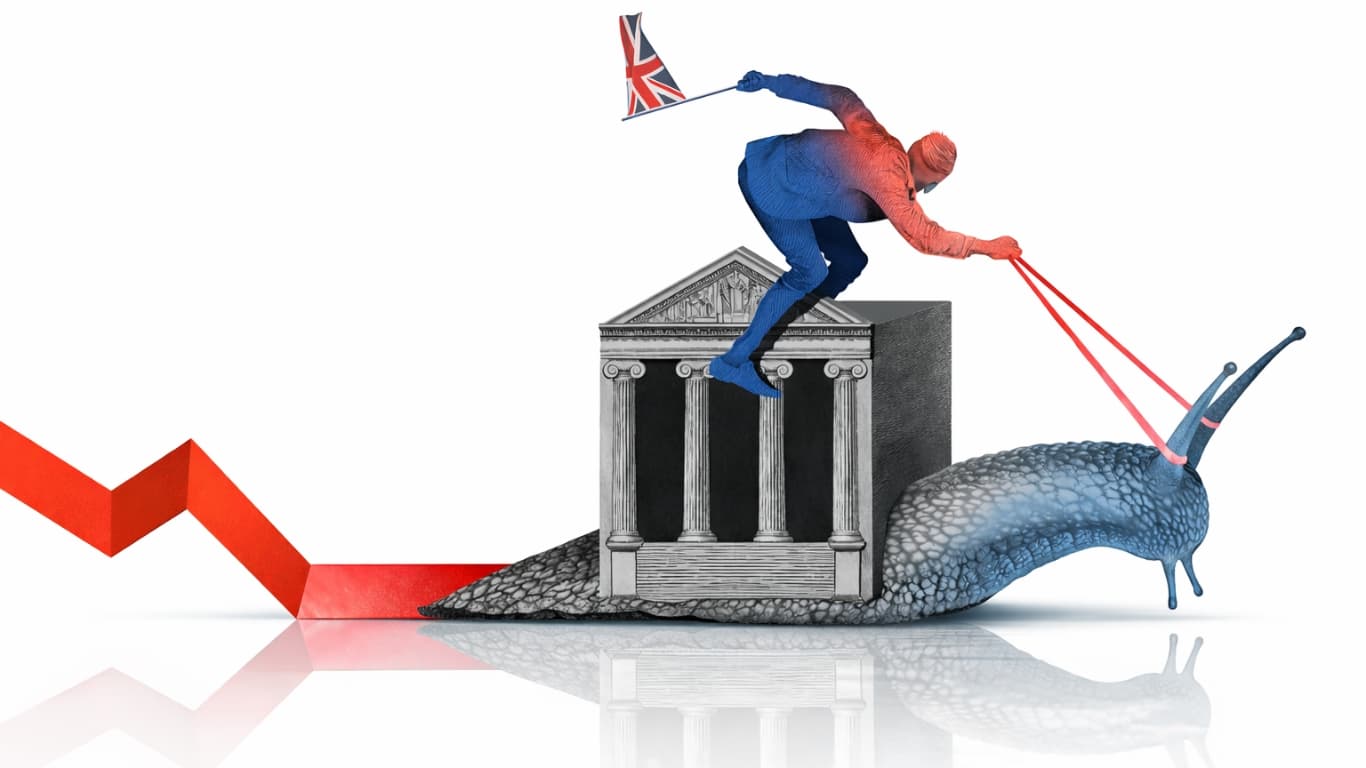

Predatory lending is a deceptive financial practice that takes advantage of borrowers, often zeroing in on people in vulnerable situations who have limited access to traditional credit.
This kind of unethical behavior can push you into financial distress, long-term debt, and even cost you major assets like your home or vehicle.
Plenty of lending institutions operate within ethical boundaries. But predatory lenders exploit loopholes or use aggressive tactics to trap you in agreements that were never designed to work in your favor.
According to the Federal Trade Commission, millions of Americans fall victim to predatory lending practices every year. The most common targets are low-income individuals, seniors, and people with poor credit histories.
These deceptive loans tend to come loaded with excessive fees, sky-high interest rates, and hidden terms that leave you financially squeezed from day one.
This guide will give you a thorough understanding of predatory lending, how it works, and the specific tactics unethical lenders use to reel you in.
You’ll learn about the different types of predatory loans, the newer digital-age versions of this practice, and the concrete steps you can take to protect yourself or report a bad actor.
With the right knowledge, you can spot red flags before they cost you, steer clear of financial traps, and find safer borrowing alternatives that actually serve your interests.
- Predatory lending refers to practices that impose unfair, deceptive or abusive loan terms on borrowers, often targeting vulnerable households.
- Common patterns include hidden fees, balloon payments, aggressive refinancing cycles and rates that bear no relationship to a borrower’s actual risk.
- Subprime mortgage abuses in the 2000s remain the most prominent example, with consequences that contributed to the global financial crisis.
- Regulation under bodies such as the CFPB in the US and the FCA in the UK has tightened disclosure rules and outlawed specific abusive products.
- Borrowers can protect themselves by comparing offers, understanding total cost of credit and avoiding lenders that resist documentation or transparency.
- For investors, exposure to lenders with predatory practices carries reputational, regulatory and ultimately financial risk that is increasingly hard to ignore.
- Who is this for?
- Borrowers, investors and policy observers who want a clear understanding of predatory lending, how to identify it and how to avoid it personally or institutionally.
- What is happening?
- An overview of predatory lending, covering typical abusive practices, historical case studies and the regulatory tools developed to limit them.
- When did this emerge?
- Most discussed during credit booms, after major lender failures and whenever new consumer-credit products are marketed aggressively to lower-income segments.
- Where is this happening?
- Most extensive case law and enforcement is in the US, with significant parallel activity in the UK, EU and selected emerging markets.
- Why does it matter?
- Predatory lending damages households, drags on the economy and creates real legal and reputational risk for investors with exposure to abusive lenders.
What is Predatory Lending?
The regulatory architecture around predatory lending is documented across the federal agencies. The Federal Reserve publishes regular research on consumer-credit behaviour, while the SEC covers the investor-facing side when predatory practices migrate into securities-linked lending products.
Mainstream financial coverage adds the practitioner record. Reuters and The Wall Street Journal have both traced how predatory-lending patterns reset across each credit cycle, often resurfacing in new wrappers once a previous variant gets curbed by enforcement.
Predatory lending refers to a set of unethical practices by lenders who impose unfair or abusive loan terms on borrowers.
These practices typically involve high fees, deceptive tactics, and loan structures engineered to benefit the lender at your direct expense.
Predatory lenders go after people who may not qualify for traditional loans, whether because of poor credit, low income, or gaps in financial literacy.
The Consumer Financial Protection Bureau (CFPB) defines predatory lending as any activity that misleads borrowers, blocks them from making informed decisions, or exploits their financial vulnerabilities.
These loans often lock you into a cycle of debt that makes repayment nearly impossible without serious financial pain.
Key Characteristics of Predatory Lending
- Unfair Loan Terms: Loans with excessive interest rates, hidden fees, or balloon payments that disproportionately burden borrowers.
- Deceptive Practices: Lenders often misrepresent loan terms, such as advertising low introductory rates that increase significantly over time.
- Targeting Vulnerable Groups: Low-income individuals, seniors, and those with limited financial education are frequent targets.
- High Risk of Default: Predatory loans are designed to increase the likelihood of default, allowing lenders to seize assets like homes or cars.
Real-World Example of Predatory Lending
The 2008 Subprime Mortgage Crisis is one of the most well-known examples of predatory lending in action. In the years leading up to the crash, lenders handed out subprime mortgages to borrowers with weak credit, often bundling in adjustable interest rates that shot up dramatically after a short introductory window.
Those loans triggered mass defaults, foreclosures, and a financial meltdown that shook the global economy.
But predatory lending goes well beyond mortgages. You’ll find it in personal loans, payday loans, auto loans, and even student loans, where the same unethical playbook can leave borrowers in genuinely dire situations.
Understanding the fundamentals of predatory lending is your first line of defense against becoming its next target.

How Predatory Lending Works
Predatory lending works by exploiting your financial vulnerabilities or gaps in your knowledge, pulling you into loan agreements that were structured from the start to benefit the lender, not you.
These loans are designed to look attractive on the surface. Dig deeper, and you’ll find hidden terms, excessive fees, and repayment structures that are nearly impossible to manage.
Key Elements of How Predatory Lending Operates
- Targeting Vulnerable Borrowers: Predatory lenders often focus on people with poor credit, limited income, or financial literacy. These individuals may feel they have no alternative but to accept unfavorable loan terms.
- Example: Seniors on fixed incomes are frequently targeted with reverse mortgage schemes that erode their home equity.
- Deceptive Marketing: Lenders may use aggressive advertising tactics to promote loans as “quick fixes” for financial problems. They often hide critical terms in the fine print, such as escalating interest rates or balloon payments.
- Example: Payday lenders may advertise loans with “low fees,” but the annual percentage rate (APR) often exceeds 400%.
- High-Interest Rates and Fees: Predatory loans often come with exorbitant interest rates and fees far above what is typical for similar loan products. These costs make repayment unaffordable, forcing borrowers to refinance or extend their loans, creating a cycle of debt.
- Statistic: Payday loan borrowers, on average, pay $520 in fees for borrowing $375, according to the Center for Responsible Lending.
- Hidden or Misrepresented Terms: Lenders may downplay or fail to disclose critical terms of the loan, such as prepayment penalties, mandatory insurance add-ons, or adjustable interest rates. Borrowers often only discover these terms when they’re already locked into the loan.
- Loan Flipping: Predatory lenders encourage borrowers to refinance repeatedly, often increasing the loan amount each time and charging additional fees. This tactic increases the borrower’s debt while generating more profit for the lender.
- Example: A homeowner refinances a predatory mortgage several times, losing equity with each transaction while incurring high fees.
- Asset Seizure as Collateral: Many predatory loans use homes, cars, or other valuable assets as collateral. When borrowers default due to the unsustainable loan terms, lenders seize these assets.
- Example: Auto title loans use vehicles as collateral, and failure to repay the loan often results in repossession.
Predatory lenders are skilled at exploiting urgency and desperation. When you need cash fast, the pressure to say yes can feel overwhelming. But that urgency is exactly what they’re counting on, and once you sign, you may find yourself caught in a cycle of unaffordable payments and mounting debt that’s very hard to escape.
The more you understand how predatory lending operates, the better equipped you are to spot the warning signs and make smarter financial decisions under pressure.
Predatory Lending Tactics to Watch Out For
Predatory lenders use a wide range of unethical tactics to deceive borrowers and extract maximum profit at your expense. Knowing what these tactics look like is one of the most powerful tools you have.
1. Excessively High Interest Rates and APRs
- What to Watch For: Predatory loans often come with interest rates significantly higher than market averages, sometimes exceeding 400% APR, especially in payday loans and auto title loans.
- Example: A payday loan advertised as a short-term solution may seem manageable with a low upfront fee, but the high APR can result in repayment amounts far exceeding the original loan.
2. Hidden Fees
- What to Watch For: Lenders may bury excessive fees in loan agreements, including origination fees, balloon payments, and prepayment penalties. These fees inflate the total cost of the loan.
- Example: A subprime mortgage might include thousands of dollars in hidden closing costs or penalties for early repayment.
3. Loan Flipping
- What to Watch For: Borrowers are encouraged to refinance repeatedly, with each refinancing adding fees and increasing the overall debt.
- Example: A homeowner refinances a loan multiple times, losing equity with each transaction while generating more revenue for the lender.
4. Bait-and-Switch Offers
- What to Watch For: Predatory lenders may advertise low-interest loans but change the terms at the last minute. Borrowers may only notice higher rates or unfavorable conditions after signing the agreement.
- Example: A borrower might apply for a loan advertised at 5% interest but receive a contract with a 15% interest rate due to “last-minute adjustments.”
5. Balloon Payments
- What to Watch For: Loans structured with low monthly payments that culminate in a large lump-sum payment at the end of the term, making repayment difficult or impossible.
- Example: A car loan with manageable monthly payments might include a final balloon payment that exceeds the car’s value, forcing borrowers to refinance or default.
6. Prepayment Penalties
- What to Watch For: Borrowers are penalized for paying off loans early, locking them into long repayment periods and preventing them from refinancing to better terms.
- Example: A borrower who secures funds to repay a loan ahead of schedule is hit with penalties that negate any financial benefit.
7. Mandatory Insurance or Add-Ons
- What to Watch For: Lenders require borrowers to purchase unnecessary insurance or services as part of the loan agreement.
- Example: A predatory auto lender might bundle expensive insurance policies into the loan, increasing the total cost without adding value.
8. Targeting Vulnerable Populations
- What to Watch For: Predatory lenders often target groups with limited financial resources or knowledge, such as low-income individuals, seniors, or those with poor credit.
- Example: Payday lenders frequently advertise in economically disadvantaged areas, exploiting borrowers’ urgent need for cash.
9. Pressure Tactics
- What to Watch For: Borrowers are pressured to sign agreements quickly without time to review or seek legal advice.
- Example: A lender might insist that an offer is “limited time only,” rushing borrowers into decisions without fully understanding the terms.
Staying alert to these tactics puts you in a much stronger position. When you know what to look for, you can evaluate any loan offer with clear eyes and walk away from anything that doesn’t add up.

Types of Predatory Loans
Predatory lending shows up across many different loan products, each designed to exploit borrowers in slightly different ways. Knowing these loan types is essential if you want to avoid the traps they set.
1. Payday Loans
- Description: Short-term loans designed to provide quick cash, often due by the borrower’s next payday.
- Predatory Features: Extremely high interest rates, often exceeding 400% APR, and hidden fees that make repayment challenging.
- Example: A $500 payday loan with a two-week repayment term might result in fees totaling $75, leading to an APR of over 390%. Borrowers often roll over the loan, creating a cycle of debt.
2. Auto Title Loans
- Description: Loans that use a vehicle’s title as collateral, typically with short repayment periods.
- Predatory Features: High interest rates (averaging 25% per month) and the risk of losing the vehicle if the loan isn’t repaid.
- Example: Borrowers who fail to repay a $1,000 auto title loan may face repossession, even if they’ve repaid a significant portion of the loan.
3. Subprime Mortgages
- Description: Mortgages offered to borrowers with poor credit, often featuring adjustable rates.
- Predatory Features: Hidden fees, balloon payments, and interest rate hikes that increase monthly payments dramatically.
- Example: Before the 2008 housing crisis, many borrowers received subprime mortgages with low introductory rates that later doubled or tripled, leading to widespread defaults and foreclosures.
4. Predatory Personal Loans
- Description: High-cost loans marketed to individuals with bad credit or urgent financial needs.
- Predatory Features: High interest rates, hidden fees, and terms that make it difficult to repay the loan in full.
- Example: A personal loan for $2,000 may come with an APR of 35%, significantly increasing the total cost of borrowing.
5. Rent-to-Own Agreements
- Description: Agreements that allow consumers to rent items like furniture or appliances with the option to purchase them later.
- Predatory Features: Total payments often exceed the item’s actual value due to inflated interest rates and fees.
- Example: Renting a $500 television may cost over $1,200 by the time the renter owns it outright.
6. Tax Refund Anticipation Loans
- Description: Short-term loans provided in anticipation of a borrower’s tax refund.
- Predatory Features: High fees and interest rates that reduce the borrower’s actual refund significantly.
- Example: A $2,000 refund loan with a 10% fee reduces the borrower’s refund by $200, plus interest if repayment is delayed.
7. Student Loan Scams
- Example: A student loan with a 15% interest rate could leave a borrower paying thousands more than necessary over the loan’s life.
- Description: Private student loans with high interest rates or deceptive terms targeting borrowers ineligible for federal aid.
- Predatory Features: Excessive interest rates, long repayment periods, and hidden fees that inflate total debt.
New Forms of Predatory Lending
Technology and the explosion of online financial services have given predatory lending a serious upgrade. New digital forms of these practices can be just as damaging as the traditional versions, and in some cases even harder to spot.
These modern tactics prey on the same vulnerable populations. The packaging just looks different.
1. Online Payday Loans. Online payday lenders target borrowers searching for quick cash through the internet.
These loans carry the same punishing interest rates and hidden fees as their brick-and-mortar counterparts but get marketed as a more convenient option. The ease of applying and renewing online makes it dangerously simple to slide into a cycle of debt without realizing how deep you’ve gone.
2. Buy Now, Pay Later (BNPL) Plans. BNPL services let you purchase goods and pay in installments.
Many providers operate ethically, but some use predatory tactics like charging excessive late fees or burying interest rates for missed payments in the fine print. Miss a few installments and your debt can quickly balloon well past the original price of what you bought.
3. Cryptocurrency Loans. As crypto has gone mainstream, some platforms now offer loans using digital assets as collateral.
Predatory crypto loans often come with exorbitant interest rates, hidden fees, or terms that let the lender seize your digital assets the moment market volatility works against you.
4. Peer-to-Peer Lending Scams. Peer-to-peer lending platforms connect borrowers with individual investors.
Legitimate platforms exist, but scams operate under the same P2P label, offering high-interest loans with deceptive terms or simply vanishing after collecting upfront payments from you.
5. Subscription-Based Loan Apps. Some loan apps pitch a “subscription” model where you pay a monthly fee for access to small, short-term loans.
They position themselves as payday loan alternatives, but the ongoing fees often mask costs that far exceed what a traditional loan would charge you in interest.
6. Predatory Refinancing Offers. Predatory lenders use digital platforms to aggressively push refinancing deals on mortgages, auto loans, and student loans.
The pitch promises lower payments, but buried in the terms you’ll often find high fees, balloon payments, or structures that quietly erode your equity or increase your total debt load.
7. Credit Repair and Debt Consolidation Scams. Some online credit repair and debt consolidation companies exploit your financial struggles by charging high fees for services that deliver little or nothing in return.
In the worst cases, they actively make your situation worse by mismanaging payments or failing to negotiate effectively with your creditors.
How to Protect Yourself
- Always research the lender thoroughly and read reviews from other borrowers.
- Look for clear and transparent terms and avoid loans with vague or hidden fees.
- Verify that the lender is licensed and regulated in your state or country.
- Be cautious of unsolicited loan offers, especially through email or social media.
These new forms of predatory lending make one thing clear: vigilance and financial education are not optional. They are your best protection when seeking financial help in the digital age.

Is Anything Being Done About Predatory Lending?
Governments, nonprofit groups, and international bodies are all pushing back against predatory lending through regulation, advocacy, financial education, and enforcement action.
Real progress has been made. But significant challenges remain in fully stamping out these practices.
Governments have introduced a range of laws designed to protect you from predatory lenders.
The Dodd-Frank Wall Street Reform and Consumer Protection Act established the CFPB, which enforces rules against unfair, deceptive, or abusive lending practices across the U.S. Several states have also moved to cap interest rates directly, cutting off one of the predatory lender’s most powerful tools.
Colorado, for example, capped payday loan APRs at 36%, which has brought meaningful cost relief to borrowers in the state. The Military Lending Act goes further for active-duty service members, capping APRs at 36% and banning practices like mandatory arbitration clauses.
Nonprofit organizations are also doing heavy lifting in this fight. Groups like the Center for Responsible Lending conduct research and lobby for stronger consumer protections, with a particular focus on payday loans and auto title loans.
The National Consumer Law Center provides legal assistance to borrowers and advocates for fair lending standards. Consumer Reports adds to that effort by educating people about financial products and helping them make more informed borrowing decisions.
Educating borrowers is another critical piece of the puzzle. Public awareness campaigns run by government agencies and nonprofits aim to help you recognize the red flags of predatory loans before you sign anything.
Some states have even embedded financial literacy into school curriculums, giving students a foundational understanding of credit, loans, and responsible borrowing from an early age.
Online platforms like NerdWallet and Bankrate support this effort by offering practical tools and guides that help you evaluate loan offers and avoid costly mistakes.
Enforcement actions have also sent a clear message to bad actors. In 2021, the CFPB fined a payday lender $10 million for hiding fees and misrepresenting loan terms to borrowers.
At the state level, New York and California regularly pursue legal action against unlicensed or unethical lenders. Those enforcement efforts create real consequences for predatory operators while providing some relief to the people they harmed.
That said, serious challenges persist. Many predatory lenders now operate entirely online, using digital infrastructure to sidestep state regulations by routing their operations overseas.
Limited awareness among the most vulnerable populations keeps them in the crosshairs. And the patchwork of state laws creates regulatory gaps that unethical lenders are very good at exploiting.
Predatory lending is a global problem, not just an American one. The European Union has enacted strict transparency rules and interest rate caps for consumer loans, while Australia’s National Consumer Credit Protection Act regulates payday lending by capping both fees and interest rates.
In developing countries, microfinance organizations are stepping in with ethical loan alternatives, offering fair terms and working to expand genuine financial inclusion.
Real progress has been made, but sustained vigilance, stronger enforcement, and widespread financial education are still essential to finishing the job.
The combination of smart regulation, nonprofit advocacy, and consumer education is what will ultimately protect vulnerable people and build a more ethical financial system for everyone.
Steps to Avoid Predatory Lending
- Educate Yourself About Loan Terms: Understand key terms like APR (Annual Percentage Rate), repayment schedules, fees, and penalties. Research predatory tactics like hidden fees, balloon payments, or loan flipping to spot red flags.
- Compare Lenders: Shop around and evaluate offers from multiple lenders. Reputable financial institutions, such as banks or credit unions, often provide clear and fair terms.
- Check the Lender’s Credentials: Verify that the lender is licensed in your state or country using online databases. Avoid lenders who pressure you to sign quickly or refuse to provide written terms.
- Avoid Loans With Exorbitant Interest Rates: Be cautious of loans with extremely high APRs, such as payday loans that often exceed 400%. Look for loans with interest rates below legal limits, typically under 36% APR in many U.S. states.
- Read the Fine Print: Review loan agreements for hidden fees, prepayment penalties, or unnecessary add-ons like insurance. If terms are unclear, consult a trusted advisor or attorney before signing.
- Don’t Borrow Under Pressure: Avoid lenders who use high-pressure tactics or rush you into a decision. Legitimate lenders allow time for evaluation and transparency.
- Use Credit Reports and Scores: Check your credit report and score before applying for loans to understand your financial standing. A better credit score can unlock safer and more favorable loan options.
- Explore Alternative Loan Options: Consider credit unions, which often offer lower interest rates and fair terms. Look into community assistance programs or nonprofit lending organizations for short-term financial needs.
- Avoid Loans That Require Collateral: Be cautious with loans requiring your home, car, or valuable assets as collateral unless the terms are clear and favorable. Understand the risk of losing assets if you default.
- Ask for a Loan Estimate: Legitimate lenders provide a detailed loan estimate outlining all costs, including interest rates, fees, and total repayment amounts. Refusal to provide this is a red flag.
- Use Online Loan Calculators: Utilize free tools to calculate the total cost of a loan, including fees and interest, to assess whether the terms are reasonable or predatory.
- Seek Financial Counseling: Work with nonprofit credit counseling agencies like the National Foundation for Credit Counseling (NFCC) to explore safe borrowing options and evaluate your financial situation.
Pro Tip: Trust your instincts. If a loan offer feels unclear, rushed, or exploitative in any way, walk away. Predatory lenders thrive on misinformation and desperation, and taking the time to carefully evaluate every offer before you commit can save you from serious financial hardship down the road.

What To Do If You Suspect Predatory Lending Practices
If you think you’re dealing with a predatory lender, or you’ve already been caught in one of their traps, you have options. There are real steps you can take to protect yourself and hold unethical lenders accountable.
Acting quickly matters. The faster you move, the better your chances of limiting the financial damage.
1. Review Your Loan Agreement
- Carefully review the terms and conditions of your loan to identify any predatory elements, such as hidden fees, excessively high-interest rates, or prepayment penalties.
- Look for inconsistencies or terms that were not disclosed when you signed the agreement.
2. Stop Making Payments Temporarily (If Safe)
- If possible, pause payments until you fully understand your rights and options. However, consult a financial advisor or attorney first to avoid worsening your situation.
- This step is especially critical if continuing payments could lead to asset loss, such as a car repossession or home foreclosure.
3. Contact Your Lender for Clarification
- Reach out to the lender to ask for clarification on unclear or deceptive terms. Document all interactions, including phone calls, emails, and written correspondence.
- If the lender refuses to cooperate or provide transparency, this could confirm predatory behavior.
4. Seek Legal Assistance
- Consult a lawyer who specializes in consumer protection or predatory lending cases. Many attorneys offer free consultations, and nonprofit legal aid organizations can provide affordable or pro bono support.
- Example: Contact organizations like the Legal Aid Society or your local consumer protection agency for assistance.
5. File a Complaint
- Submit a formal complaint to regulatory authorities. In the U.S., you can report predatory lending practices to the following organizations:
- Consumer Financial Protection Bureau (CFPB): File a complaint online at www.consumerfinance.gov.
- Federal Trade Commission (FTC): Report deceptive practices at www.ftc.gov/complaint.
- State Attorney General’s Office: Contact your state’s AG office to file a complaint or inquire about local protections.
- Document all evidence of predatory practices, including loan agreements, communications, and payment receipts.
6. Report to Better Business Bureau (BBB)
- File a complaint with the Better Business Bureau to alert other consumers about the lender’s unethical practices. While the BBB cannot enforce legal action, it can pressure businesses to address consumer concerns.
7. Refinance or Consolidate Your Loan
- Explore refinancing options with reputable lenders to replace your predatory loan with a safer alternative. Credit unions and nonprofit lending organizations often provide better terms for borrowers seeking relief.
- Loan consolidation can simplify payments and potentially reduce interest rates, but ensure the new terms are favorable.
8. Check for Local Assistance Programs
- Many states and nonprofit organizations offer assistance programs for borrowers dealing with predatory loans. These programs may provide temporary financial relief or help with loan restructuring.
9. Educate Yourself and Advocate
- Learn about your rights under consumer protection laws, such as the Truth in Lending Act (TILA) or state-level predatory lending laws.
- Share your experience with others to raise awareness and prevent similar situations in your community.
10. Consider Bankruptcy as a Last Resort
- If the predatory loan has created overwhelming debt, bankruptcy may be an option to discharge the loan or restructure your financial obligations. Consult a bankruptcy attorney to understand how this decision may impact your financial future.
Important Note: Speed is everything here. The sooner you identify and confront predatory lending practices, the better your chances of minimizing the financial damage and building a real case against the lender.
By taking these steps, you protect not just yourself but potentially others who might cross paths with the same lender. And you give yourself a genuine path toward recovering from the financial impact.
Loan Alternatives for People With Poor Credit
| Loan Alternative | Why It’s Better | Example | How to Access |
|---|---|---|---|
| Credit Unions | Nonprofit organizations offering personal loans with lower interest rates and flexible terms, even for borrowers with poor credit. | Small-dollar loans with interest rates capped at 18% APR, much lower than payday loans. | Join a local credit union and inquire about their loan programs tailored for individuals with poor credit. |
| Online Lenders with Transparent Terms | Reputable online lenders offer clear terms, competitive rates, and no hidden fees for borrowers with poor credit. | Companies like Upstart or LendingClub consider employment history alongside credit scores. | Compare offers from multiple lenders and use online calculators to understand the total repayment cost. |
| Payday Alternative Loans (PALs) | Short-term loans offered by federally chartered credit unions, with low fees and capped interest rates. | Loans up to $2,000 with terms ranging from 1 to 6 months, avoiding payday loan costs. | Contact your local credit union to find PAL options and check eligibility requirements. |
| Borrowing from Family or Friends | Loans from trusted family or friends often have little to no interest, making them cost-effective. | N/A | Approach loved ones with a clear repayment plan to maintain transparency and trust. |
| Employer-Sponsored Loan Programs | Some employers offer low-interest loans or paycheck advances to employees in financial emergencies. | Programs like Earned Wage Access (EWA) let employees access earned wages before payday without high fees. | Check with your HR department to see if your employer provides such financial assistance programs. |
| Community Assistance Programs | Nonprofits and community organizations provide financial aid or zero-interest loans to those in need. | Mission Asset Fund offers zero-interest loans to low-income borrowers, helping them build credit. | Research local nonprofit organizations or government programs in your area. |
| Secured Loans from Reputable Lenders | Require collateral but come with lower interest rates than unsecured loans. | A secured loan backed by a savings account might have a 6% interest rate compared to payday loans at 300%+ APR. | Speak to your bank or credit union about secured loan options with transparent terms. |
| Credit-Builder Loans | Allow borrowers to improve credit scores while saving money; loan payments are held in a savings account until fully repaid. | A $1,000 credit-builder loan with a 12-month repayment term helps build credit and access funds. | Many credit unions and online lenders offer credit-builder loans for individuals with no or poor credit. |
| Credit Card Cash Advances | More affordable than payday loans, despite high fees and interest rates. | A credit card cash advance with a 25% APR is cheaper than payday loans with a 400% APR. | Request a cash advance through your credit card provider and review fees and repayment terms. |
| Financial Counseling | Certified financial counselors help explore safe borrowing options, improve credit scores, and develop sustainable budgets. | Organizations like NFCC and GreenPath Financial Wellness offer free or low-cost financial counseling. | Reach out to nonprofit credit counseling services to receive guidance and support. |
If your credit isn’t where you want it to be, you still have real options that don’t involve handing yourself over to a predatory lender. Understanding how to manage and grow cash flow is one piece of the broader financial picture, but on the borrowing side, exploring alternatives like credit unions, community development financial institutions, or secured credit cards can help you access funds while building a stronger financial foundation rather than digging a deeper hole.

Impact of Predatory Lending on Communities
Predatory lending does not just hurt individuals. It hollows out entire communities. Across the U.S., these practices drive up foreclosure rates, drag down property values, and accelerate neighborhood deterioration.
The damage falls hardest on marginalized communities, widening the racial wealth gap and making it harder for families to build equity or escape cycles of poverty. Discriminatory lending in minority neighborhoods blocks access to homeownership, stifling economic progress for generations.
Foreclosure Rates and Property Values
When predatory lending surges in an area, foreclosure rates follow. That spike pulls down surrounding property values and sets off a wave of neighborhood blight. Falling property values erode the local tax base, cutting funding for schools, infrastructure, and public services that entire communities depend on.
Marginalized neighborhoods absorb the worst of this damage, where discriminatory lending practices are most entrenched and the cycle of economic decline is hardest to break.
Small Businesses and Economic Disparity
Small businesses feel the weight of predatory lending acutely, and those owned by Black and Latino Americans and women take the hardest hits. Predatory lenders target family businesses with high-interest loan agreements that look workable on paper but quickly become unsustainable. In New York alone, cash-advance companies secured over 25,000 judgments since 2012, a stark illustration of how systematic the exploitation has become.
A separate survey found that only 35% of small businesses with annual revenue between $100,000 and $1 million received bank funding over the past five years, pointing to how large the gap in fair credit access truly is.
Underbanked and Unbanked Households
According to 2021 FDIC data, Black and Latino households are disproportionately unbanked or underbanked. That lack of access to traditional banking pushes these households directly toward predatory lenders who charge exorbitant rates to fill the void. In South Carolina, for example, the average interest rate on payday loans in 2021 sat close to 400%.
And 46% of short-term loans in that state were flipped or renewed, trapping borrowers in a revolving cycle of debt with no clear exit.
Economic Strain and Community Development
Predatory lending drains liquidity from borrowers in ways that make it nearly impossible to manage daily operations or cover essential costs. Upfront fee deductions often mean you receive less than the face value of your loan, making your financial position worse from the moment you sign. The closure of bank branches in majority-minority communities deepens the problem by reducing access to fair financial services altogether.
Between 2017 and 2021, one-third of all bank branch closures in the U.S. occurred in these communities, which makes the case for equitable banking access more urgent than ever. If you’re thinking about building wealth through real estate, understanding the lending environment in underserved markets is a critical part of the due diligence process.
Broader Economic Impacts
The fallout from predatory lending stretches far beyond individual financial hardship. It poisons the economic environment of entire communities, stunting growth and locking people out of upward mobility. Addressing these issues is not optional if you care about building a more just and economically vibrant society.
The path forward runs through stronger regulatory enforcement, broader financial literacy programs, and guaranteed access to fair banking services in underserved areas. Those are not just policy goals. They are the building blocks of long-term economic stability for communities that have absorbed the damage of predatory lending for far too long.
You can see how broader market sentiment and financial pressure connect to the conditions that make predatory lending so persistent in economically stressed environments.
We last reviewed this analysis in May 2026.


Alex Tzoulis
Alex Tzoulis is Co-Owner and Markets Analyst at The Luxury Playbook, specializing in equities, crypto, forex, and global financial markets. His work focuses on analyzing macroeconomic trends, geopolitical developments, and monetary policy, translating them into actionable insights across both traditional and digital asset classes. He leads the platform's financial market coverage, providing structured analysis across stock market investing, trading strategies, and cryptocurrency markets. His expertise strengthens the publication's authority in financial markets and capital allocation, bridging traditional finance with emerging digital investment ecosystems.