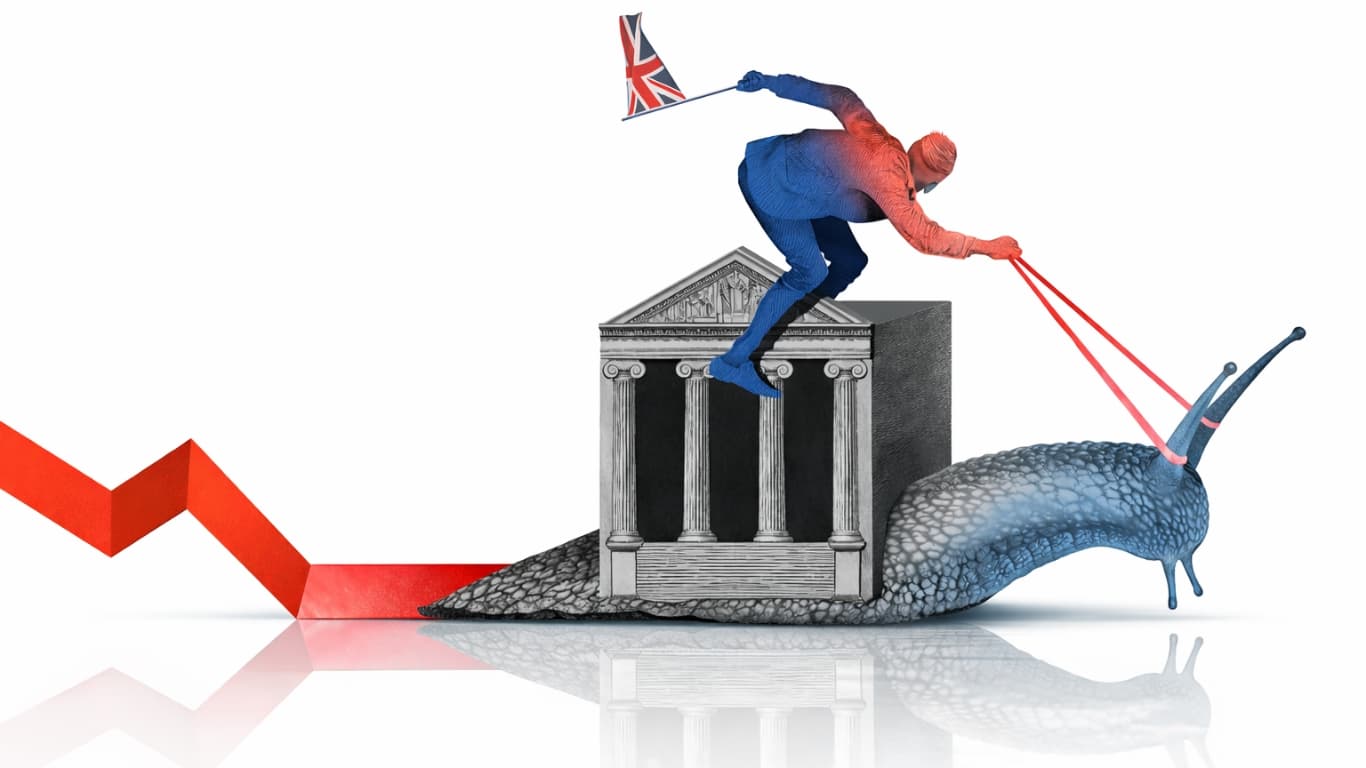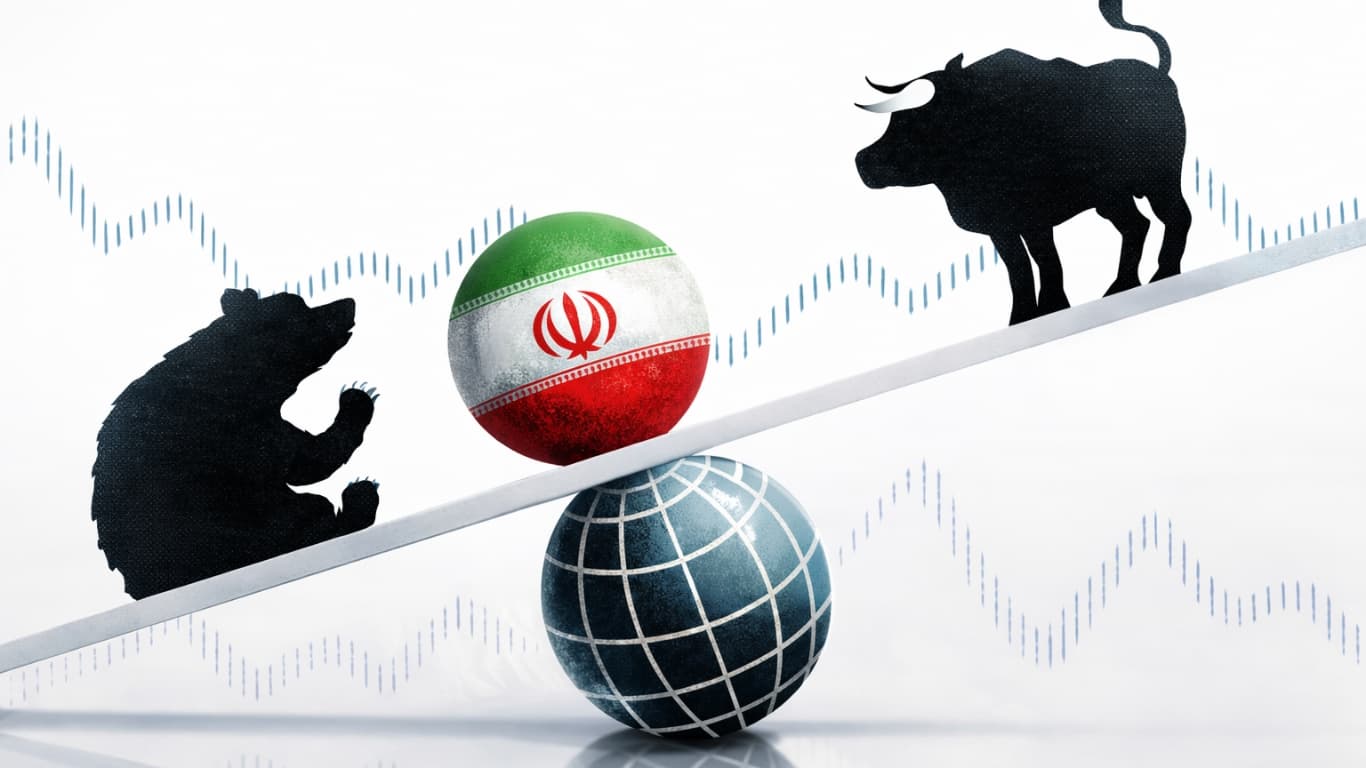
The global economy almost never prices in the worst case until it arrives. Right now, as tensions around Iran intensify heading into 2026, the question of Iran war emerging markets exposure is one you simply cannot afford to ignore, whether you are an investor, a policymaker, or someone with capital deployed across frontier economies.
A serious military conflict involving Iran would not stay contained to the Persian Gulf. It would ripple outward through oil markets, shipping lanes, remittance corridors, and bond markets with a speed that catches most governments completely flat-footed.
You need to understand which economies stand on the most fragile ground, which trade arteries face the greatest exposure, and, crucially, which markets might actually come out ahead when the dust settles.
Geopolitical risk in emerging markets is mapped in depth by the major institutions. The IMF publishes regular Regional Economic Outlooks covering the Middle East, and S&P Global tracks sovereign credit spreads through each phase of the cycle.
The institutional research desks layer in the equity-market view. JP Morgan's EM-strategy team and Morgan Stanley's EM debt and equity research desks both monitor how oil-price shocks transmit into vulnerable importers across the EM complex.
Key Takeaways & The 5Ws
For deeper context, the breakdown in why the Iran conflict is pushing capital into US tech as a hedge is worth reading alongside this analysis.
- You should monitor Pakistan, Egypt, Bangladesh, Kenya and Jordan most closely as they carry the highest composite vulnerability scores heading into 2026.
- You need to account for the fact that a 50 percent oil price spike could widen current account deficits by roughly 2.5 percent of GDP in oil importing emerging markets.
- You should recognize that even oil producing nations like Nigeria face supply shock risk due to limited domestic refining capacity for refined petroleum products.
- You can use the composite exposure score combining oil import share, reserve coverage ratio, remittance dependency and trade corridor reliance to prioritize your risk assessment.
- You should act now to review sovereign debt holdings in countries with fewer than three months of import reserve coverage before conflict risk fully reprices into bond markets.
- Who is this for?
- Investors, policymakers and financial analysts with exposure to emerging market assets are the primary audience for understanding Iran war emerging markets vulnerability.
- What is it?
- The main subject is identifying which emerging economies face the greatest financial and economic risk from a military conflict involving Iran in 2026.
- When does it matter most?
- This analysis is urgently relevant heading into 2026 as geopolitical tensions around Iran intensify and sovereign debt and commodity markets begin pricing in escalation scenarios.
- Where does it apply?
- The risks are most acute across South Asia, North Africa, Sub-Saharan Africa and the Middle East in countries that depend heavily on Gulf energy and Hormuz Strait shipping lanes.
- Why consider it?
- Understanding Iran war emerging markets exposure allows you to reposition portfolios, anticipate currency crises and avoid being caught unprepared by oil price shocks that history shows arrive faster than governments can respond.

Emerging Markets Most At Risk
Some economies are so structurally exposed to a Gulf conflict that even a moderate escalation could tip them into full crisis. You are looking at a cluster of countries that combine high oil import dependency, thin foreign exchange reserves, large current account deficits, and geographic proximity to the conflict zone.
Pakistan, Egypt, Sri Lanka, Bangladesh, and Kenya sit at the top of this vulnerability ranking. Pakistan imported roughly 30 percent of its energy needs from the Gulf region as of 2024, while Egypt carried a current account deficit exceeding 3.5 percent of GDP.
Sri Lanka, still recovering from its 2022 debt collapse, holds foreign reserves that cover fewer than three months of imports. These are not abstract figures. They translate directly into how quickly a government runs out of dollars to pay for food, fuel, and medicine.
A composite score built from oil import share, reserve coverage ratio, remittance dependency, and trade corridor reliance places Pakistan first among the most vulnerable, followed closely by Egypt, Bangladesh, Kenya, and Jordan. If you want to understand how ultra-high-net-worth investors are repositioning as Iran tensions escalate, the vulnerability of these economies is exactly the context you need.
Nigeria deserves a special mention because, despite being an oil producer, its domestic refining capacity is so limited that it imports refined petroleum products and therefore faces a supply shock even as crude revenues rise. Sri Lanka and Lebanon round out the most exposed tier.
Each of these countries enters 2026 with limited fiscal room and narrow policy options if global energy prices suddenly surge.
Oil Price Shocks Hit Vulnerable Economies Hard
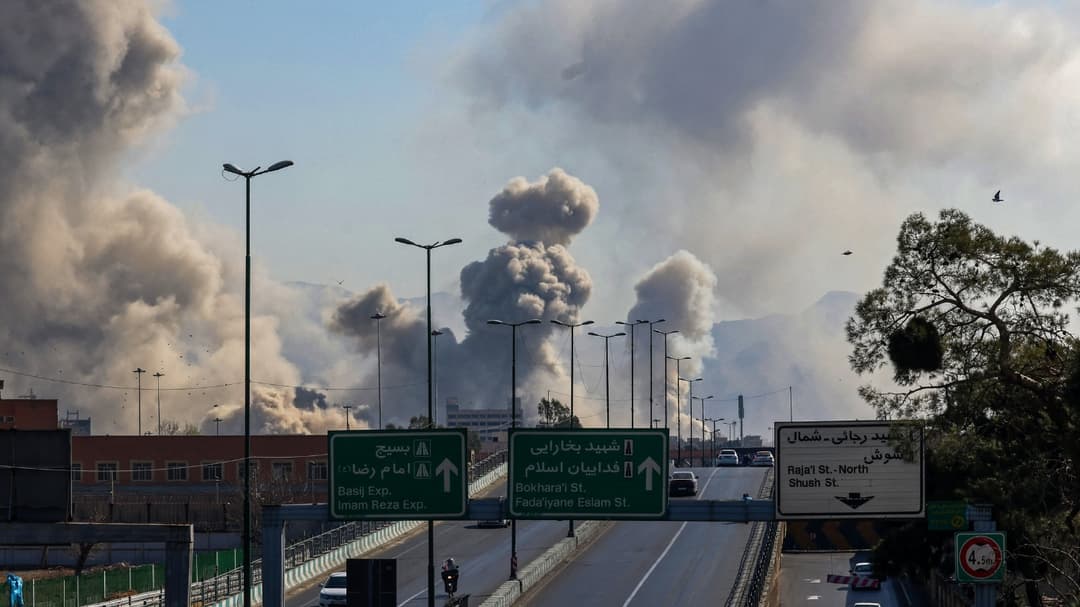
A conflict that closes or seriously disrupts the Strait of Hormuz would send oil prices into territory not seen since the 2008 peak. Think about what a 30 to 60 percent price surge actually means for a country like Pakistan or Kenya. The numbers get uncomfortable very quickly.
The Iran war oil prices scenario is not hypothetical at this point. It is a live risk that commodity traders and sovereign debt analysts are already modeling. According to analysis from the International Monetary Fund, every 10 percent sustained increase in oil prices widens the current account deficit of a typical oil-importing emerging market by approximately 0.5 percent of GDP.
A 50 percent spike would therefore punch a hole of around 2.5 percent of GDP into countries already running deficits. Currency depreciation follows almost immediately. Inflation then spirals upward as import costs pass through to food prices and transportation.
The 1973 oil embargo offers a stark historical parallel. Countries that entered that period with weak reserves and high import dependency faced currency crises within 18 months. The 2011 Libyan disruption, though smaller in scale, still pushed Brent crude above 120 dollars per barrel and triggered acute stress in Sub-Saharan African importers.
Egypt’s foreign currency reserves fell sharply during that episode. A 2026 Iran conflict would dwarf both precedents in terms of supply disruption potential.
Pakistan currently carries external debt obligations exceeding 130 billion dollars, and Bangladesh’s garment export earnings would face severe compression if shipping costs doubled overnight.
Middle East Conflict Economic Impact On Trade Routes
The Strait of Hormuz carries approximately 21 percent of global oil consumption every single day. Disrupt that chokepoint and you do not just raise energy prices. You shatter the supply chains of every economy that relies on Gulf energy, Gulf re-export trade, or the workers its citizens send to Gulf states.
The middle east conflict economic impact extends far beyond obvious oil importers. India receives over 40 billion dollars annually in remittances from Gulf workers, according to World Bank data on remittance flows. Bangladesh and the Philippines each depend on Gulf labor markets for a significant share of household income across millions of families.
Jordan is arguably the most exposed single country in the entire region, combining geographic proximity, zero domestic oil production, and deep dependence on Gulf aid flows.
You should understand that the double shock mechanism works like this. First, oil prices rise and widen the trade deficit. Second, Gulf host countries cut spending, which means migrant workers lose jobs and send less money home.
Both shocks arrive simultaneously and amplify each other.
The Red Sea disruption that began in late 2023 already showed you how quickly shipping insurance premiums can spike. Some container shipping routes between Asia and Europe saw freight costs rise by over 300 percent during the Houthi attack period. A full Iran war scenario would make that episode look modest.
And the compounding effect matters here. It is not just one shock you are absorbing. It is three or four arriving at the same time, with no buffer left to cushion any of them.
Geopolitical Risk In 2026 That Reshapes Investor Sentiment
Capital does not wait for confirmation. Emerging markets geopolitical risk in 2026 is already registering in sovereign bond spreads, currency volatility indices, and equity risk premiums across the most exposed markets. You have seen this pattern before, and it moves fast.
During the 2019 Abqaiq attack on Saudi oil infrastructure, currencies in Pakistan and Egypt both weakened within 48 hours despite no direct military threat to either country. Investors simply repriced the entire risk envelope for Gulf-adjacent economies. A prolonged Iran conflict would trigger capital flight on a scale that overwhelms thin reserve buffers.
Nigeria’s foreign exchange reserves, which hovered around 33 billion dollars in early 2024, would face severe pressure if oil price gains failed to compensate for investment outflows. Egypt and Pakistan have both drawn heavily on IMF support programs and have limited remaining headroom for additional borrowing.
Moody’s and Fitch have both indicated in recent sovereign outlook reports that geopolitical escalation in the Gulf is a key downside scenario for their ratings on Pakistan, Egypt, and several frontier African economies. A downgrade during a period of active conflict is not merely symbolic.
It raises borrowing costs, triggers covenant clauses in existing debt agreements, and accelerates the capital flight it was meant to warn against. You would find yourself watching a self-reinforcing cycle of rating cuts and reserve depletion that historically ends in IMF emergency programs. That is a brutal sequence once it starts.
Resilient Emerging Markets That Can Weather The Storm
Not every emerging market loses in this scenario. Saudi Arabia, the UAE, and Kuwait would receive a revenue windfall from elevated oil prices that strengthens their fiscal positions and their capacity to extend bilateral support to allies. If you are tracking Gulf real estate as part of a broader portfolio strategy, understanding how developers like DAMAC are positioned gives you useful context on where Gulf capital gets redeployed.
Among non-Gulf economies, commodity exporters in Latin America and Africa stand to gain meaningfully. Brazil, as both an oil producer and agricultural commodity powerhouse, would see its trade surplus widen substantially. Colombia and Ecuador would benefit from higher crude prices.
In Sub-Saharan Africa, Angola and Nigeria would see revenue gains despite domestic refining constraints.
You should also watch Indonesia, which sits in an interesting dual position as both a coal exporter and an oil importer. Net commodity export earnings could actually turn positive for Jakarta if coal and liquefied natural gas prices spike alongside crude.
Malaysia, as a net energy exporter with strong strategic reserve buffers and diversified manufacturing exports, enters this scenario from a position of relative strength. According to research published by the World Bank in its Commodity Markets Outlook, commodity exporting emerging markets outperform importers by an average of 4.2 percentage points of GDP growth during sustained oil price surges. That gap widens further when conflict drives prices above 120 dollars per barrel.
Knowing which side of that divide your portfolio sits on is, right now, one of the most important calls you can make. For a broader view on which countries offer the strongest foundations for wealth and business in 2026, that context pairs well with everything laid out here.
We last reviewed this analysis in May 2026.

Alex Tzoulis
Alex Tzoulis is Co-Owner and Markets Analyst at The Luxury Playbook, specializing in equities, crypto, forex, and global financial markets. His work focuses on analyzing macroeconomic trends, geopolitical developments, and monetary policy, translating them into actionable insights across both traditional and digital asset classes. He leads the platform's financial market coverage, providing structured analysis across stock market investing, trading strategies, and cryptocurrency markets. His expertise strengthens the publication's authority in financial markets and capital allocation, bridging traditional finance with emerging digital investment ecosystems.