
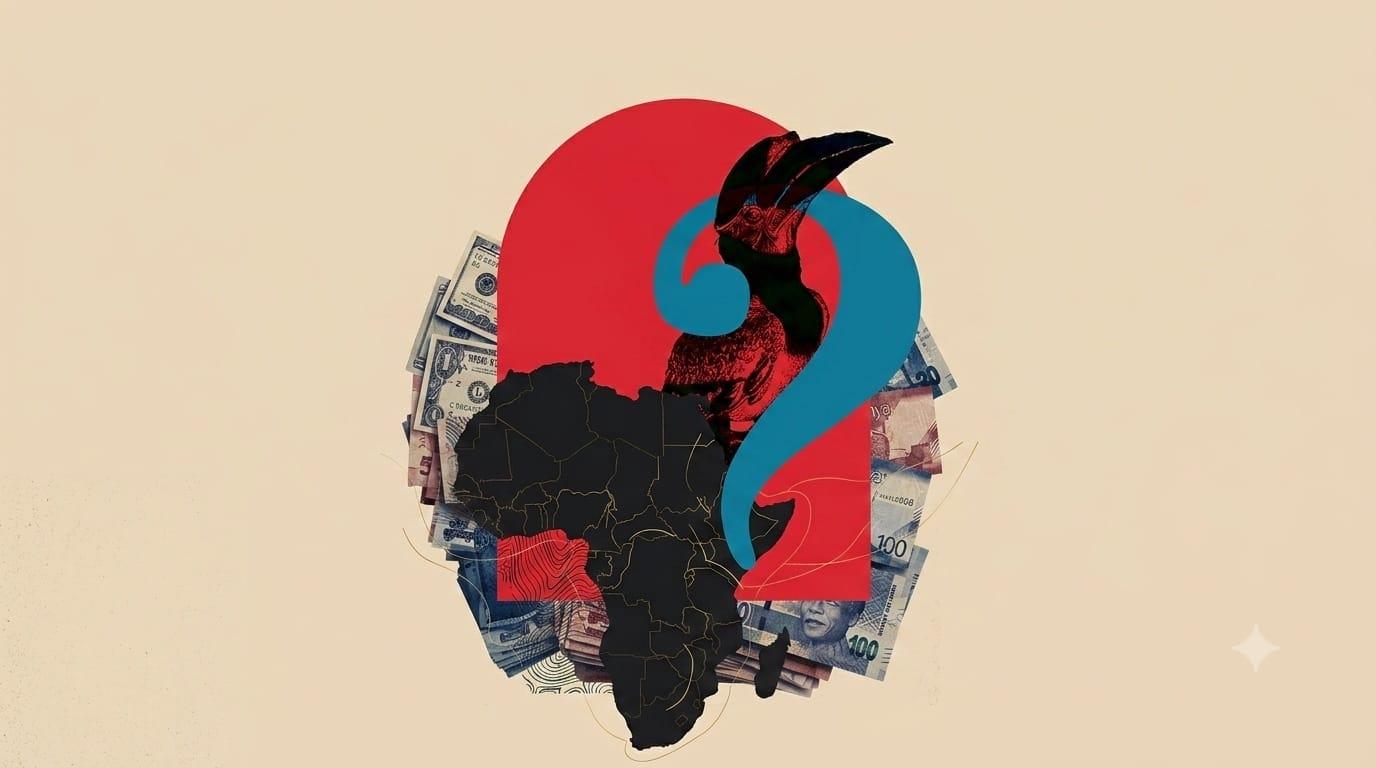
I have built the bulk of my career in the Middle East, with active work across Europe, Africa, and the Americas. From where I sit, no market in global finance is being misread more consistently right now than Africa.
Over the last decade, I have also worked extensively across sub-Saharan Africa, with concentrations in Nigeria and Zambia. Deals I have structured, deals I have advised on, and deals I have watched close from adjacent seats have brought Gulf money, European money, and increasingly North American money onto the continent. Almost none of it is showing up in the Western financial press.
The mainstream coverage of Africa runs in two registers. One is risk. The other is impact. Neither captures what is actually happening. Most Western investors are not reading the coverage anyway. They are operating on the ideas, biases, and misconceptions they have carried about Africa for decades, and those assumptions are keeping their money out of the market. Meanwhile, Middle Eastern and Far Eastern investors are moving in and consolidating position. The window for Western entry at the early stage is open right now. It will close within five years. Middle Eastern and Far Eastern investors are already claiming the ground.
You will not see this in the aggregate data. The UBS Global Family Office Report 2025 puts the global average allocation to Africa at less than one percent. That number averages every family office in the world, most of which are not paying attention. The families and sovereign vehicles that are paying attention are running much higher allocations, and they are the ones setting the market.
Key Takeaways
- The headline numbers hide the story. The UBS global average allocation to Africa of less than one percent averages in every family office that is not paying attention, while the families that are run much higher allocations and set the market.
- African private capital fundraising more than doubled to $4.0 billion in 2024, and Africa and Latin America were the only two regions in the world posting positive deal growth while the developed markets contracted.
- The capital that is moving knows what it is buying. Infrastructure and private equity each raised $1.2 billion while generalist fundraising fell to zero for the first time in thirteen years.
- Domestic African commitments to private capital funds grew 3.7 times in two years, the single most reliable signal that a private market is maturing.
- Agriculture is the underappreciated anchor position. It touches every sector, from petrochemicals to pharmaceuticals, and opens deal flow across a dozen adjacent industries.
- The deployments that endure enter through the Gulf corridor, hold horizons of fifteen to twenty five years, and invest in the native workforce alongside the operating assets.
- Who: Family office principals, executives and advisers weighing an allocation to Africa, alongside the Gulf and Far Eastern investors already consolidating position.
- What: A first person account of why sophisticated capital is quietly reallocating into African private markets, what the allocation percentages hide, and how to enter well.
- When: Now. The window for Western entry at the early stage is open and will close within five years.
- Where: Across sub-Saharan Africa, from Nigeria and Zambia to West African agriculture and East African minerals, entered fastest through the Gulf corridor.
- Why: Because food security, resources and workforce are structural, and the compounding available on Africa's longer curve is unavailable anywhere else over the same horizon.
Table of Contents
- What is actually happening
- What the allocation percentages hide
- Why now, and not five years ago
- The risks are real
- Investment that respects the ground beneath it
- What this means for family offices considering allocation
- The next fifty years
What is actually happening
The African Private Capital Association's 2024 Activity Report tells you a different story. Fundraising for African private capital more than doubled last year to $4.0 billion. That is the third-highest annual close on the continent in a decade. Deal volume grew eight percent, the second-highest on record. Africa and Latin America were the only two regions in the world posting positive deal growth. North America contracted four percent. Europe contracted two percent. Asia contracted twelve percent. Read that sequence one more time. The developed markets were pulling back while Africa was scaling up.
Source: AVCA 2024 African Private Capital Activity Report (April 2025).
Look at what the money is actually buying. Infrastructure and private equity funds each raised $1.2 billion, thirty percent of the year's total. Generalist fundraising fell to zero for the first time in thirteen years. Nobody is writing indiscriminate checks anymore. The capital that is moving knows exactly what it is buying.
African limited partners are showing up in force. Domestic African commitments to private capital funds grew from $171 million in 2022 to $639 million in 2024. That is a 3.7-times increase in two years. Local capital shows up when a private market is maturing. It is the single most reliable signal I know. The families closest to the ground and the international families deploying alongside them are looking at the same opportunity.
What the allocation percentages hide
The developed world has urban-sprawled itself out of global food security. Soil productivity across the American Midwest, the European breadbasket, and the Chinese lowlands is compressing under the same pressures every year: development, water stress, climate volatility, and aging farming populations. Most Western investors have not connected that to where they should be positioning capital.
Africa holds the largest reserve of uncultivated arable land on the planet, along with the youngest and fastest-growing workforce in the world. That is the structural answer to a question the developed world will be forced to answer within the next twenty years. Add the mineral, metal, and rare earth resources the energy transition depends on. Add the oil and gas reserves that still anchor the industrial economies. Add Nigeria's creative and entertainment industries, Nigerian infrastructure across power and telecommunications, East African minerals, Zambian copper feeding global electrification, and the digital infrastructure being built across the continent. Any one of those categories would be a story. All of them together are the story.
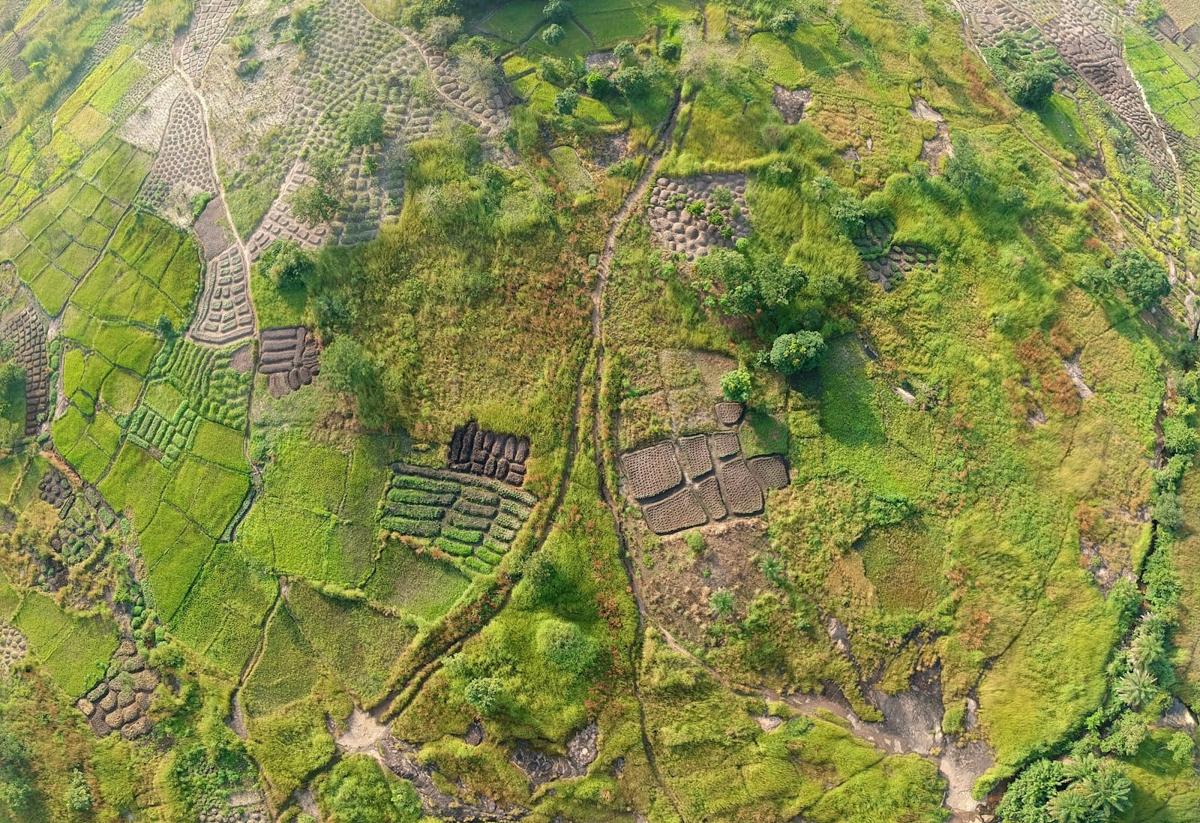
I have spent years working on food security investments across the Middle East and building models for the transformation of legacy agricultural systems in the United States. Agriculture in Africa is the piece of this story nobody is talking about, and it is the one I would tell any family office to study first.
When most Western investors picture Africa, they picture rare earths, minerals, oil and gas. Those matter. The deeper opportunity is in agriculture, because agriculture touches every sector. Every one. Petrochemicals and plastics trace back to agricultural inputs and byproducts. Apparel runs on cotton, wool, and bio-based fibers. Furniture depends on hardwoods and sustainable forestry. Pharmaceuticals draw on plant compounds. Bio-manufacturing depends on fermentation feedstocks. West African cocoa, cashew, rice, and cassava value chains feed global food markets. East African agriculture supplies specialty crops and increasingly sophisticated post-harvest processing. Anyone who thinks agriculture is a niche sector has not understood how modern industry actually works.
That interconnection is what makes African agriculture a multi-sector opportunity. It is also why the One Health framework matters here. Animal health, human health, and environmental health are one ecosystem. Africa is where that ecosystem is most visibly integrated. When you invest in African agriculture, you are also investing in public health, environmental resilience, industrial supply chains, and human capital development at the same time, whether you recognize it or not. The families that recognize it are underwriting agriculture as the anchor position that opens deal flow across a dozen adjacent industries.
Africa is the new frontier for investment and development, and the rules of the game are changing. The families positioning now understand that. The families waiting do not.
Why now, and not five years ago
Three things have changed. First, the deal architecture has matured. Ten years ago, a Western family office looking at African infrastructure was walking into a fragmented advisor landscape, weak co-investor networks, and legal structures that carried significant enforcement risk. Today the co-investment ecosystem is deeper, the local partners are more sophisticated, and the deal documentation is starting to look like what you would see in London or Dubai. Africa-focused fund managers were sitting on $10.3 billion in dry powder at the close of 2024. That is two years of deployment at current rates, and it tells you the pipeline is already there.
Second, the Gulf-Africa capital corridor has become one of the most important capital flows in global finance. This is the Silk Road of our era, and Western financial markets are not tracking its significance. If they do not start, they will be priced out. Gulf sovereign vehicles and family offices have been deploying into African infrastructure at scale for years now. They have brought with them the deal structures, the governance expectations, and the relationships that make international co-investment work. For a family office in Zurich or Boston, the fastest way into a well-structured African deal is often to walk in beside a Gulf co-investor. Direct entry is the harder path. That single shift changes how the whole continent should be approached.
Third, generational transfer inside African family businesses is producing a new class of partners that international family offices can actually work with. The second and third generations of major African families are educated in London, New York, and Paris. They think in the same governance language as the international families sitting across from them. This quiet transition has done more to unlock African deployment than any macro trend the press has been tracking.
The risks are real
None of this is a suggestion that African deployment is easy. Over the last decade I have watched deals fall apart on banking friction. I have watched governance issues surface after diligence had already cleared. I have watched Western investors come in expecting the market timing and ROI curves they know from developed economies and walk away frustrated when the returns take longer to materialize.
The risks are real. Banking infrastructure varies by country. Corruption exposure is uneven and demands country-specific diligence. Cultural and market understanding cannot be substituted with desk research. Return horizons are longer than what most Western LPs are structured for. Anyone who tells you otherwise has not deployed there.
The families deploying successfully have built the muscle to work through those risks. They have local partners with real operating credibility, relationships with the governments and ministries that matter, and horizons that run fifteen to twenty-five years rather than three to five. They have accepted that the ROI curve in Africa runs on a different timeline than developed markets produce, and they are underwriting for the compounding available on that longer curve. That is a trajectory unavailable anywhere else over the same horizon.
At Phoenix Global, this is why I work top-down, and only top-down. If I cannot reach the most senior levels of government in a country directly, I pass on working in that country. Paying your way up the ladder creates exposure at every rung, and it compromises everything built on top of it. When you enter at the top, there is nobody to pay off on the way there. That standard has cost me opportunities, and it has protected every client relationship I have. It is also why serious investors entering Africa work with advisors who already hold that access rather than trying to buy it.
Investment that respects the ground beneath it
Investment in Africa cannot be extractive, and it cannot try to become Little America, Little London, or Little Beijing. Capital that flows in without respect for the culture, the governance traditions, and the priorities of the country it enters will not last. It generates short-term returns, one or two political cycles of goodwill, and then it unwinds, often at a loss.
The families deploying successfully understand that the counterweight to capital deployment is investment in the native workforce. Vocational and technical training is a structural precondition for any operating investment that intends to hold value across generations. This has nothing to do with philanthropy. When investors put money into assets without also investing in the people who will run them, those assets fail. Maybe not in year one, but by year ten, when the operating talent was never developed and the community never had a stake in the outcome. The families that fund workforce development alongside their operating investments are the ones whose deals still work in year fifteen.
What this means for family offices considering allocation
Three practical points matter if you are reading this as a family office principal or executive.
First, the relationship layer is not something you can buy or shortcut. It takes years to build. The families deploying successfully today have been building those relationships since 2015 or earlier. If you are starting the conversation now, you are starting the relationship-building clock now. Do not confuse deal introductions with relationships. They are not the same thing.
Second, entry through the Gulf corridor is the fastest workable path for most international family offices. Co-investment alongside a Gulf sovereign or family office vehicle gives you deal quality, governance protection, and relationship credibility in one structure. It also gives you a partner with a longer time horizon than any developed-market co-investor.
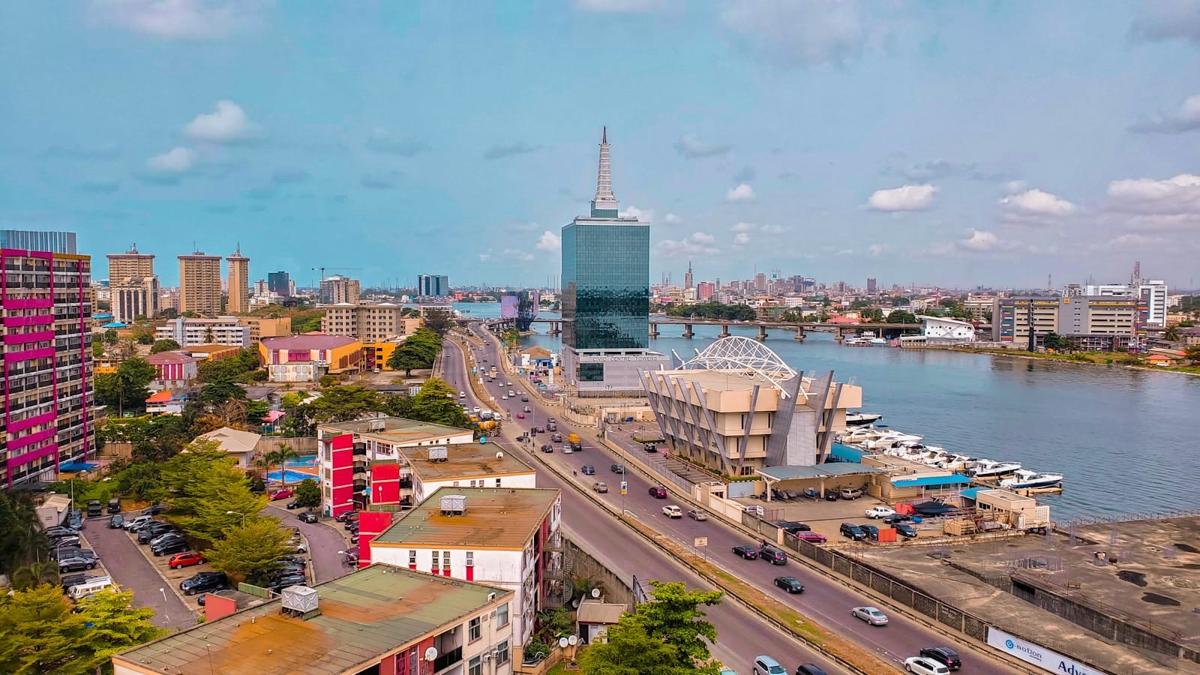
Third, the sectors matter, and the country-level detail matters just as much. Nigeria's creative and entertainment industries, oil and gas, and infrastructure needs across power, transport, and telecommunications sit alongside West African agriculture, East African minerals and agriculture, and Zambian copper central to global electrification. AVCA's multi-year infrastructure research shows that energy and digital infrastructure captured eighty-one percent of private capital infrastructure deal value between 2012 and 2023. Each of these opportunities requires country-specific structuring, real local partners, and horizons long enough to let the value actually compound. A broad-brush Africa allocation misses the point entirely. The play is sector selectivity, executed through structured co-investment, with workforce and cultural investment built into the deal from day one.
The next fifty years
The families positioning across generations rather than quarters know what they are doing. Food security is structural. Resources are structural. Workforce is structural. None of it will unwind, and all of it will accelerate.
The question for family offices is no longer whether Africa belongs in the allocation. That question has been answered by the capital already moving. The real question is whether you build the relationship architecture that lets you deploy well, whether you accept the horizon required to compound, and whether you have the discipline to invest respectfully in a continent that will not tolerate anything less. Africa will emerge as the most consequential investment destination of the next fifty years. The window to enter at the early stage is open right now. It will not stay open forever. The families positioning now know it.
They are not waiting.