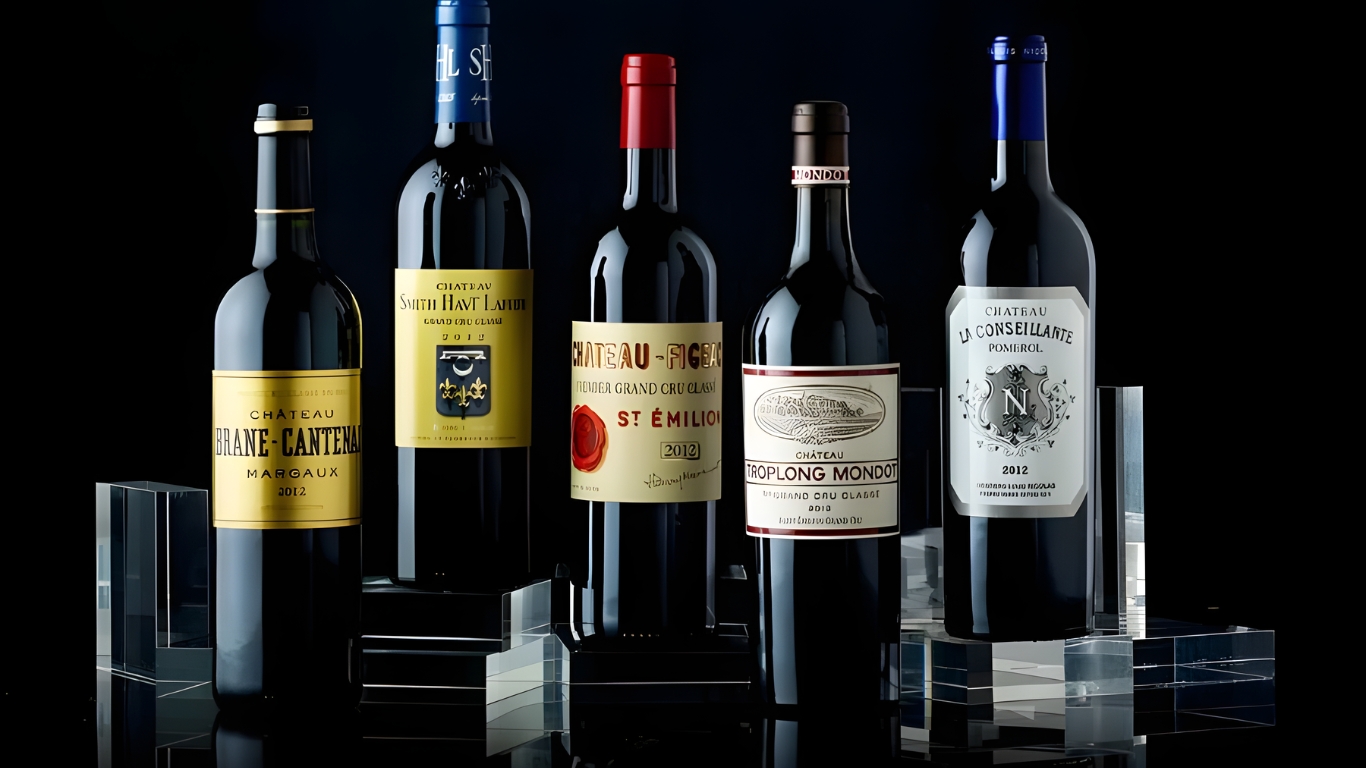

Global fine wine markets operate on a comfortable assumption: American consumer demand provides stable, predictable revenue streams. You produce premium French wine, Bordeaux, Burgundy, or Champagne, and wealthy U.S. buyers absorb it regardless of economic conditions.
This dependency has worked brilliantly for decades. It’s also created catastrophic vulnerability when geopolitical tensions, tariff threats, or policy shifts suddenly rewrite the rules of international trade.
As France’s third-largest contributor to trade surplus, the sector generated €14.3 billion ($17 billion) in exports during 2025. That seems robust until you examine the underlying structure.
Single-market exposure to the United States created conditions where a 21% collapse in one geography could devastate an entire national industry overnight.
This isn’t an imaginary scenario. It’s happening right now.
The question facing French wine producers isn’t whether American demand will recover. The question is whether India and Mercosur can replace that revenue before the industry contracts permanently.
The answer requires understanding both why the U.S. market collapsed so dramatically and whether emerging markets possess the structural capacity to absorb premium French wine at volumes and price points that actually matter.
Spoiler: the math doesn’t work the way French trade officials hope.
Table of Contents
Key Takeaways & The 5Ws
- French wine and spirits exports to the U.S. fell 21% in value and volumes dropped below 30 million cases, exposing dangerous overreliance on a single premium market.
- The collapse was driven by 200% tariff threats, end-2024 over-stocking, and a stronger euro, which together forced discounting and froze new U.S. orders.
- The damage is concentrated in premium tiers: affluent Americans cut back $50–$100 French bottles, trading down to domestic wines or cheaper imports.
- India and Mercosur offer long-term diversification but, given income levels, culture, and strong local producers, they cannot replace U.S. premium demand within the next 2–5 years.
- The industry faces a structural reset—consolidation, vine pull-outs, and capacity cuts—before new markets can grow enough to meaningfully offset the lost American revenue.
- Who is this about?
- French wine and spirits producers, exporters, and investors heavily exposed to U.S. demand and exploring diversification into India and Mercosur.
- What happened?
- A 21% drop in French wine and spirits exports to the U.S. and the limited ability of India and Mercosur to replace high-margin American sales.
- When did it hit?
- Pressure built from late 2024 stockpiling and peaked around the 2025–early 2026 period as tariff threats and weak U.S. confidence hit exports.
- Where is it playing out?
- French producers shipping into the U.S. market, while chasing new demand in India and the Mercosur bloc (Brazil, Argentina, Uruguay, Paraguay).
- Why does it matter?
- Because tariff risk, FX moves, and softer U.S. luxury spending exposed France’s overdependence on American buyers—and emerging markets cannot scale fast enough to fill the gap.

Why French Wine and Spirits Exports to America Plunged 21%
French wine and spirits exports to America plunged 21% in value terms while volume dropped below 30 million cases, a 9% decrease year-over-year.
We’re seeing both price compression and quantity reduction simultaneously. American buyers pulled back amid tariff uncertainty and economic headwinds affecting luxury spending.
The tariff threat timeline created market paralysis that any rational importer would recognize. Precautionary stockpiling at the end of 2024 temporarily inflated volumes as importers bought ahead of potential tariffs. Then the Trump administration threatened 200% tariffs on French wines and Champagnes in January 2026 following the Macron dispute over Gaza peace board composition.
The market froze instantly. No rational actor would import product facing potential triple-pricing. The result: inventory glut forcing fire-sale pricing as distributors desperately cleared stock purchased under different market assumptions.
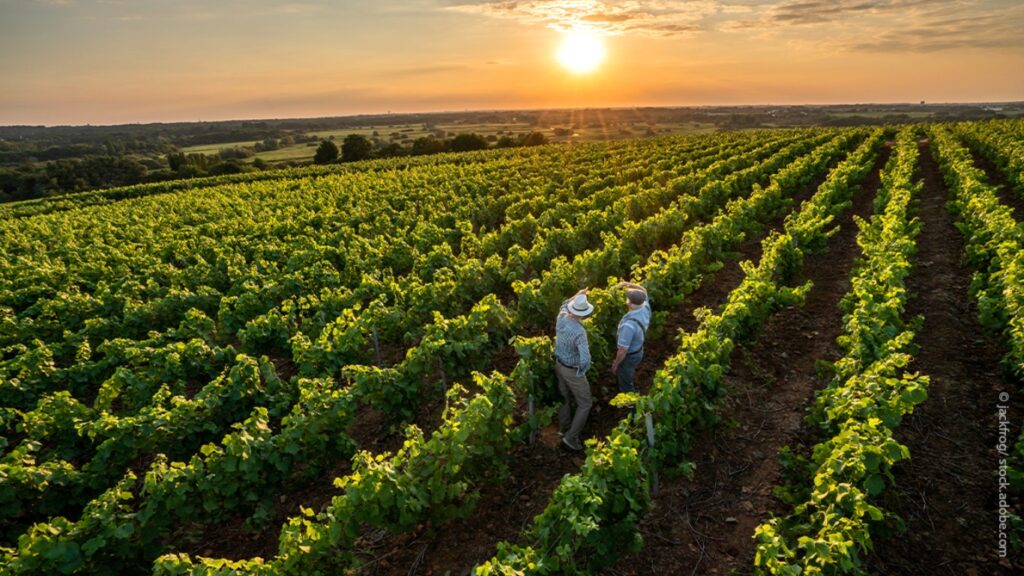
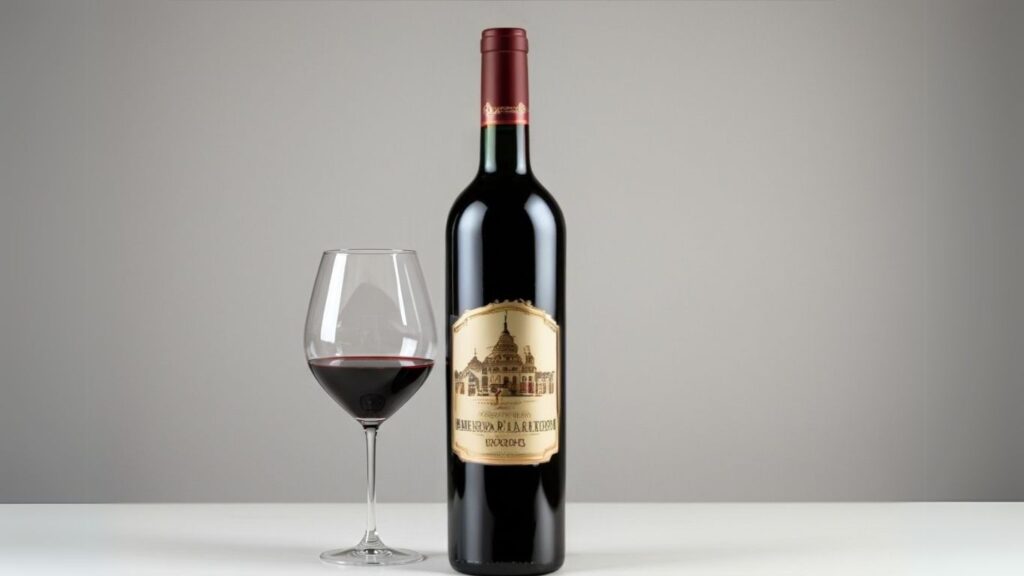
You can model the economics yourself. A container of Bordeaux purchased at $100 per bottle wholesale faces 200% tariff, immediately becoming $300 per bottle before distribution markup. Retail pricing would need to reach $450 to $500 to maintain normal margins.
At that price point, you’re competing with allocated Burgundy and cult California Cabernet. The entire value proposition collapses. Importers stopped ordering because they couldn’t price product competitively even if tariffs never materialized.
At the same time, exchange rate deterioration compounded tariff fears in ways that receive insufficient attention. Unfavorable dollar-euro dynamics made French products “less competitive” according to FEVS (Fédération des Exportateurs de Vins et Spiritueux).
The stronger euro effectively raised prices for U.S. consumers already facing inflation concerns and discretionary spending cutbacks. A $100 Bordeaux became $110 to $115 through currency movements alone before any tariff application. This pushed mid-tier French wines out of competitive range against domestic California, Australian, or Chilean alternatives.
The margin compression hits hardest in the $20 to $50 retail segment where most volume occurs. French producers in this category compete on quality and prestige, not price. But when currency shifts add 10% to 15% cost while tariffs loom and consumer confidence weakens, the prestige premium evaporates.
American buyers switch to domestic wines offering comparable quality at stable pricing. You lose not just individual sales but entire customer relationships as habits change and loyalty shifts to more reliable supply chains.
Consumer confidence collapse affected luxury discretionary purchases disproportionately, and this might be the most structurally concerning factor.
FEVS president Gabriel Picard cited “loss of household confidence” as a major export headwind.
This reflects broader economic uncertainty where American consumers facing recession fears, stock market volatility, or employment concerns cut expensive wine purchases first while maintaining necessity spending. The pain concentrates in premium French segments most dependent on U.S. affluent buyers.
When you’re uncertain about your job or your portfolio, you don’t stop buying groceries. You stop buying $75 bottles of Châteauneuf-du-Pape for Tuesday dinner. You trade down to $15 domestic alternatives or skip wine entirely.
For French producers relying on American affluence to absorb premium pricing, this demand destruction doesn’t reverse quickly even if tariff threats disappear. Consumer habits, once changed, persist long after the initial shock subsides.
Can India and Mercosur Replace American Affluence?
India market potential faces structural barriers that trade agreements cannot overcome through policy alone. You’re looking at 1.4 billion people and a growing affluent class, which sounds promising until you examine per capita wine consumption.
It remains negligible compared to Western markets. Religious and cultural traditions limit alcohol acceptance in many regions. Import duties have historically been high even with trade agreements. And price points for premium French wines—$50 to $500-plus per bottle—place them far beyond middle-class budgets in a nation where median income remains a fraction of U.S. levels despite billionaire growth.
The affluent Indian consumer exists, certainly. But you’re targeting perhaps 10 to 20 million households with both income and cultural openness to premium imported wine.
Compare that to 50-plus million U.S. households comfortably purchasing $30 to $100 bottles regularly. The addressable market shrinks by 60% to 70% before considering competition from other wine-producing nations equally eager to access India’s growth.
You’re fighting for a smaller pie with more competitors while navigating complex distribution systems and regulatory environments that favor domestic production.
Mercosur bloc countries—Brazil, Argentina, Uruguay, Paraguay—offer more immediate opportunity given existing wine culture and European heritage populations. But they face a competition paradox that undermines French export potential.

Argentina produces excellent Malbec domestically at lower prices than imported French equivalents. Brazil has a growing wine industry.
Regional consumers may actually prefer Spanish or Italian wines given closer cultural ties and lower shipping costs. French prestige resonates less strongly in South American context than it does in Asia or North America.
You’re asking Argentine consumers who drink outstanding local wine at $10 to $20 per bottle to switch to imported French alternatives at $40 to $80. The value proposition requires believing French terroir and techniques justify 3x to 4x price premium over domestic production they already enjoy and understand.
Some consumers make that leap. But you’re building a niche market, not replacing mass-market U.S. demand. The volume simply isn’t there at price points French producers need to maintain profitability.
The volume-value mismatch creates replacement impossibility that should concern anyone analyzing French wine industry prospects. The U.S. imported 30 million cases of French wine and spirits at premium average prices. You’re talking about affluent consumers buying $30 to $300 bottles regularly.
India and Mercosur markets, even if tripling French imports, would comprise mainly entry-level products in the $10 to $25 range given income disparities. France must sell three to five times the volume in emerging markets to replace a single case of lost U.S. premium sales.
The growth trajectory required is impossible within the two-to-five-year crisis window.
The mathematics are brutal. Losing $100 million in U.S. sales of $50 average-price bottles means losing 2 million bottles annually. Replacing that revenue in India at $15 average price requires selling 6.7 million bottles—more than tripling volume in a market that barely exists currently.
And you’re not just replacing volume. You’re rebuilding margin structure, distribution networks, and brand positioning simultaneously while competitors fight for the same growth. The compounding complexity makes successful replacement highly unlikely within timeframes that prevent permanent industry contraction.
Strategic repositioning requirements suggest multi-year pain regardless of new market development success. Even with perfect execution, you’re building brand awareness in India and Mercosur, establishing distribution networks, educating consumers on French wine regions and quality tiers, and cultivating an affluent buyer base that appreciates premium pricing.
This takes five to ten years minimum based on what we saw in China’s 20-year development. French producers face a 2026 to 2030 period of continued difficulties as Picard warned “unless market access improves.”
The realistic assessment is straightforward: India and Mercosur provide long-term diversification but cannot save French wine from near-term U.S. market collapse. The industry faces forced consolidation, vineyard removal—as seen in Bordeaux’s €130 million vine removal program—and permanent production capacity reduction before new markets mature sufficiently to absorb premium French output.
You’re witnessing structural adjustment in real time, not temporary disruption awaiting resolution through geographic diversification.