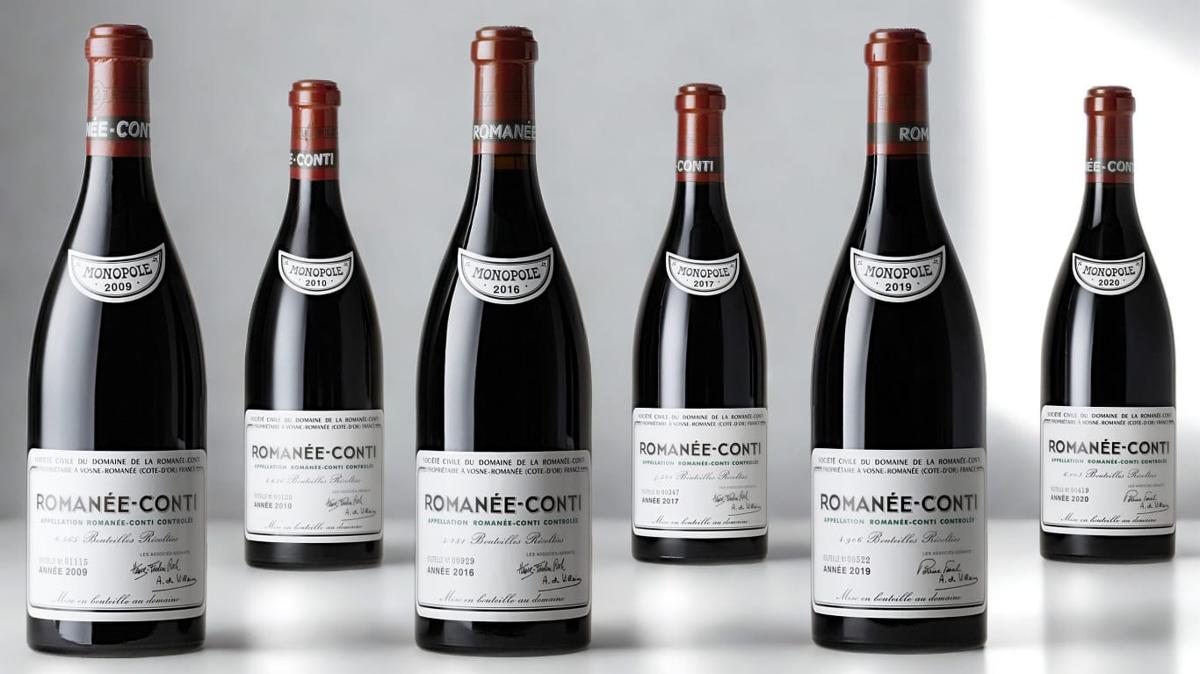
The global wine trade has always been sensitive to political and trade-policy shifts, and the tariffs imposed under the Trump administration on European imports (French, Italian, and Spanish wines in particular) have reshuffled competitive balance in the premium US wine segment more meaningfully than most observers expected.
- The Trump-era tariffs on European imports, particularly French, Italian, and Spanish wines, have reshuffled competitive balance in the premium US wine segment.
- Bottles that once dominated US restaurant lists and retail shelves now arrive at higher landed prices, forcing buyers to reconsider what serious domestic wine looks like.
- The conversation about Napa, Sonoma, Oregon, and Washington's premium tier has shifted from polite acknowledgement to genuine collector attention.
- Wine Spectator, Decanter, and Wine Advocate have all expanded their US premium coverage to reflect the structural shift across the past several years.
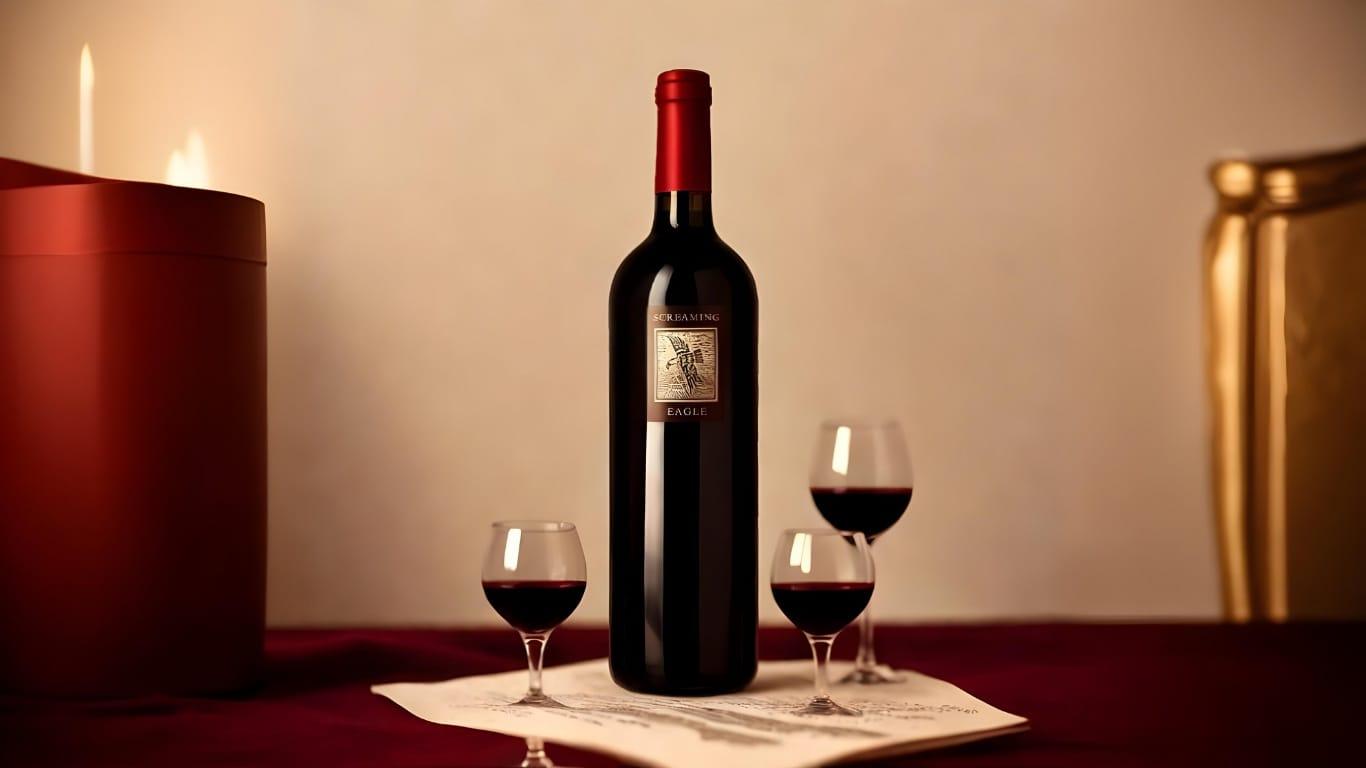
- Napa cult Cabernet has held its apex pricing through the tariff cycle, with Screaming Eagle, Harlan, and Bryant Family clearing at the structural top of the market.
- For collectors the tariff landscape has structurally widened the competitive case for premium US wine, particularly at the named-producer tier.
- Who is this for?
- Active collectors reading the contemporary US premium wine market, and cellar builders evaluating where domestic positions earn structural weight.
- What is happening?
- We read what the tariff landscape means for the premium US wine category, with the structural competitive dynamics and named-producer tier as live context.
- When did this emerge?
- The piece works from the post-Trump tariff cycle through the contemporary 2026 market, with the modern Napa and Oregon premium tier as live reference.
- Where is this happening?
- Napa, Sonoma, Oregon, and Washington as the structural premium US wine regions affected by the tariff competitive rebalance.
- Why does it matter?
- Tariff-driven competitive dynamics structurally favour the premium US wine tier, and understanding the shift matters for collectors building cellar breadth.
Bottles that once dominated US restaurant lists and retail shelves are now arriving at higher landed prices, forcing buyers and collectors to reconsider what serious domestic wine actually looks like.
The conversation about Napa, Sonoma, Oregon, and Washington's premium tier has shifted from polite acknowledgement to genuine collector attention. Wine Spectator, Decanter, and Wine Advocate have all expanded their US premium coverage to reflect the structural shift.
This is our editorial read on what the current tariff landscape means for the premium US wine category, and which producers have the structural credibility to absorb the longer-term shift in domestic-versus-import collecting patterns.
The tariff backdrop
The current US tariff structure on European wine imports has compounded across multiple rounds of trade-policy adjustments. The original tariffs imposed during the first Trump administration (October 2019, on still wines under 14% ABV from France, Germany, Spain, and the UK) were partially suspended in 2021. The subsequent rounds of broader trade-policy adjustments have kept European wine in the US market at meaningfully higher landed prices than the pre-2019 baseline.
Wine Spectator and Decanter have both documented the cumulative effect across the past five years. Serious European wine in the US market typically arrives at 15 to 30% higher prices than equivalent producers' wines in European or Asian markets.
The cumulative effect on collector buying behaviour has been quieter but meaningful. The shift hasn't been a wholesale rotation away from European wine. Serious cellars still anchor on Bordeaux, Burgundy, and Tuscany.
At the marginal-buying level (the new acquisitions added across each year), collectors have meaningfully increased the share of premium US wine in their buying patterns.
Where US premium wine has built credibility
The serious US premium wine tier has matured substantially over the past two decades, particularly across four structural categories.
Napa cult Cabernet, including Screaming Eagle, Harlan Estate, Bryant Family, Scarecrow, Schrader, Colgin Cellars, and Dalla Valle Maya, produces wines that anchor major auction calendars at Sotheby's, Christie's, Hart Davis Hart, and Acker. Current-release allocations clear $1,500 to $5,000+ per bottle.
Sonoma Coast Pinot Noir and Chardonnay from Hirsch Vineyards, Williams Selyem, Marcassin, Aubert, Kistler, and Peter Michael produces structurally serious cool-climate wines from named producers at meaningful collector recognition.
Willamette Valley Pinot Noir from Domaine Drouhin Oregon, Eyrie Vineyards, Beaux Frères, Domaine Serene, Bergström, Cristom, Soter, and Antica Terra produces Oregon Pinot at quality levels comparable to good premier-cru Burgundy.
Washington State Cabernet and Merlot from Quilceda Creek, Cayuse, Leonetti Cellar, Andrew Will, and Reynvaan produces serious wines from the Walla Walla and Red Mountain AVAs at workable price tiers.
Pricing dynamics
The pricing structure across US premium wine spans a wide range. Napa cult Cabernet anchors the top tier at $1,500 to $5,000+ per bottle for current releases (Screaming Eagle, Harlan, Bryant Family). The broader serious Napa Cabernet tier (Shafer Hillside Select, Caymus Special Selection, Diamond Creek, Continuum, Realm) runs $200 to $600 for current vintages.
Sonoma Coast Pinot Noir and Chardonnay from named producers runs $80 to $400. Willamette Valley Pinot from named producers runs $50 to $200. Washington State serious Cabernet and Merlot runs $80 to $300.
The structural pricing gap between US premium wine and the post-tariff European equivalents has narrowed meaningfully across the past five years. The collector calculation that once treated Napa Cabernet at $400 as expensive relative to a $250 Saint-Julien Super-Second now treats the comparison differently, as the tariff-adjusted Saint-Julien arrives at $300+ in the US market.
Production constraints and the longer view
The US premium wine category faces production constraints that complicate the longer-term picture. Napa Valley plantings are constrained by zoning laws (the Napa County Agricultural Preserve dating back to 1968 caps further conversion of non-vineyard land). Willamette Valley plantings continue to expand but at modest rates.
Sonoma Coast and Washington State have more room for expansion but the named producer tier is structurally constrained by site availability.
The pattern of Bordeaux's First Growths (small, fixed production volumes from defined sites) applies in different forms to the US premium tier. The compound effect over the next decade is likely to be a structural strengthening of the named US premium producers' positions in serious cellars globally.
Domestic US collectors have been the largest buyer base for US premium wine for decades. The tariff backdrop has accelerated the share of new buying patterns concentrated on the named US producers, with Wine Advocate and Antonio Galloni's Vinous both documenting the shift across multiple regional reports.
Which US producers serious cellars are deepening
The pattern in serious cellars across 2025 and 2026 has been a meaningful broadening of US premium positions below the cult Napa tier. Collectors have deepened Napa Cabernet positions in the broader serious tier (Shafer Hillside Select, Continuum, Realm, Bond Estates' single-vineyard bottlings). Willamette Valley Pinot Noir from named producers (Domaine Drouhin, Beaux Frères, Antica Terra) has built consistent collector recognition.
Sonoma Coast Pinot and Chardonnay from named producers (Hirsch, Williams Selyem, Aubert) anchor the top of the New World Pinot conversation. The better Washington State serious tier (Quilceda Creek, Cayuse, Leonetti) provides accessible structural depth.
The 2018 and 2019 vintages have been the most active recent purchase windows across these categories. The 2020 and 2021 vintages provide the most current allocation cycles for the named producers. The 2022 vintage has received strong early reviews from US wine critics including Antonio Galloni (Vinous), William Kelley (Wine Advocate), and Esther Mobley (San Francisco Chronicle).
What this means for collectors
The tariff backdrop hasn't replaced European wine in serious US cellars and probably won't. Bordeaux First Growths, Burgundy grand crus, Tuscan Super Tuscans, and the broader serious European categories still anchor the top of the calendar. What the tariff backdrop has done is accelerate a longer-term shift in the marginal-buying patterns of US-based collectors.
The new acquisitions added across each year have meaningfully shifted toward the named US premium producers, particularly across the four structural categories above.
The cellars that compound best across the next decade are likely to be the cellars treating US premium wine as a serious structural category alongside the canonical European positions rather than treating US wine as a fallback when imports get expensive.
The named US producers have built quality reputations that genuinely belong in serious cellars, and the longer-term direction of travel (regardless of where tariff policy moves from here) favours the producers working at the structural quality top of US premium wine.
We last reviewed this analysis in May 2026.