Malbec wine has come a long way from being just a popular choice at dinner tables. Today, it’s carving out a serious name for itself in the world of fine wine investment. For a long time, collectors mostly focused on classic regions like Bordeaux or Burgundy.
But over the last 20 years, the best Malbec wines, especially from Argentina, have started to command real attention, offering genuine opportunities for investors looking to diversify beyond the usual suspects.
Recent figures show that the global Malbec market has grown by over 18% since 2019, driven largely by high-quality bottles coming out of places like Mendoza. That kind of trajectory is hard to ignore.
The Liv-ex South American Fine Wine Index, which tracks top Argentinian wines, recorded a 7.3% average annual growth rate from 2015 to 2024. That’s actually better than many well-known European categories over the same period.
So why is Malbec getting so much attention? It’s not just the deep color, bold tannins, or rich flavors of plum and blackberry. It’s also about how powerfully it expresses the land it comes from.
Whether it’s the high-altitude vineyards in Argentina’s Uco Valley or the limestone soils of Cahors in France, Malbec picks up the unique character of each place. That sense of origin is exactly what serious investors and collectors are paying a premium for.
Table of Contents
Historical ROI & Market Performance of The Best Malbec Wines
Bordeaux reds and Napa Cabernets have long dominated fine wine portfolios. But top-tier Malbec, especially from Argentina, has quietly become one of the most compelling investment categories around. Iconic producers like Catena Zapata, Zuccardi, and Cobos have shown impressive appreciation, steady auction activity, and growing global demand, rivaling more established Old World wines in both ROI and scarcity.
Historical ROI of Malbec Wines
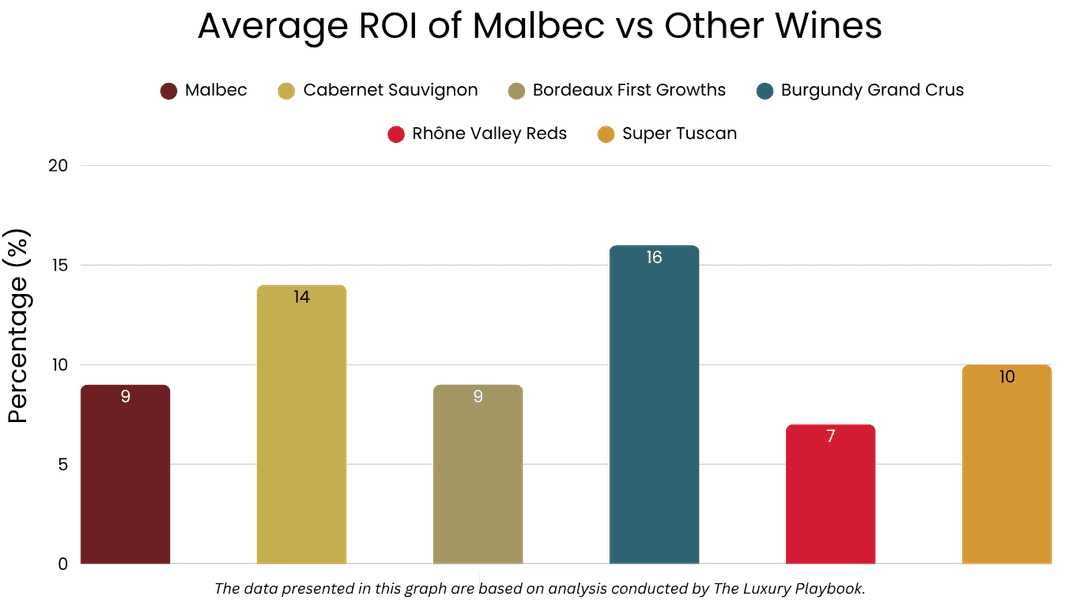
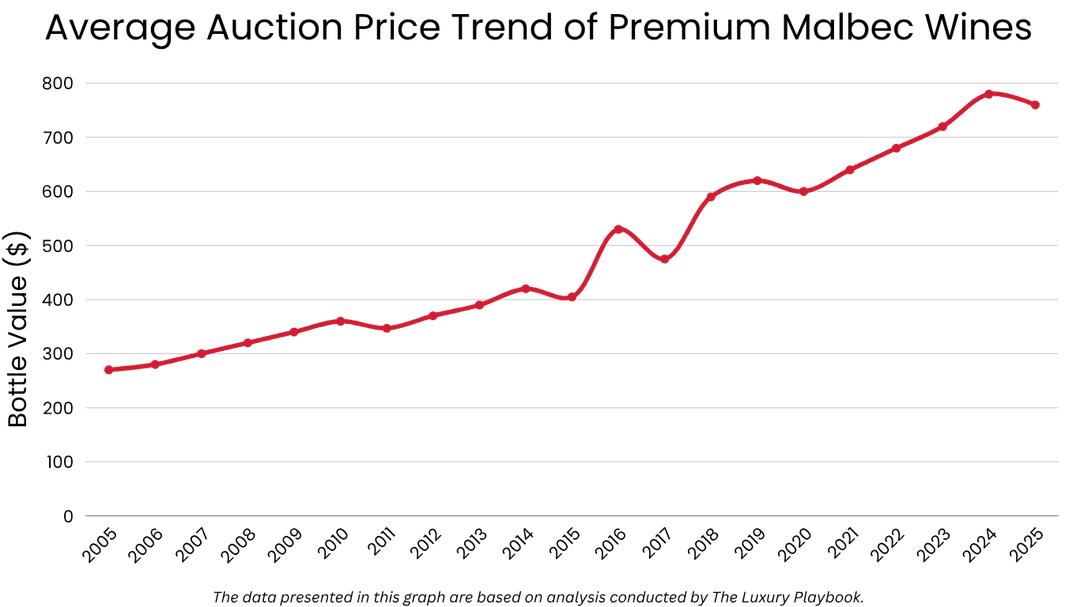
Over the past 15 years, premium Malbec wines from Argentina have delivered annualized returns ranging from 7% to 12%, outperforming several traditional European categories during select periods. Limited-production wines from high-altitude sites with consistent 95-plus scores have done especially well on the secondary market.
For example:
- Familia Zuccardi Finca Piedra Infinita Supercal 2013, first released around $90–$100, now trades between $280–$340, delivering an ROI of over 200% in just over a decade.
- Catena Zapata Malbec Argentino 2010, originally offered near $65, regularly fetches $200–$240, reflecting a 3.5x return in 15 years.
- Cobos Malbec 2007, released at $120, is now valued at $450–$500, more than quadrupling in price thanks to critical scores and limited allocations.
And these aren’t outliers. The Liv-ex South American Fine Wine Index, which tracks leading Argentinian producers, posted compound growth of 7.3% annually from 2015 to 2024, beating many segments of Bordeaux and matching Rhône reds across the same window.
Auction houses like Christie’s and Zachys also report increasingly competitive bidding on Argentinian Malbec verticals, with top lots exceeding estimates by 20 to 35% in late 2024.
Why Malbec Wines Perform Well as Investments
Malbec, particularly from Argentina, brings several key factors to the table that make it genuinely attractive for investment portfolios.
- High-Altitude Terroir and Low Yields: Vineyards like those in Mendoza’s Uco Valley sit at 3,000 to 5,000 feet, with intense sun, cool nights, and poor soils that naturally limit yields. Lower production equals more scarcity, driving up secondary market prices.
- Global Recognition and Rising Prestige: Over the past decade, Argentinian Malbec has gained prestige across the U.S., Europe, and increasingly Asia. Collectors in Seoul and Singapore have begun allocating more to premium South American wines, adding international pressure on supply.
- Strong Critical Scores and Moderate Holding Periods: Many of these wines receive 95–98 point ratings from critics like James Suckling and Tim Atkin. With an aging curve of roughly 10–20 years, Malbec offers quicker turnover than classic Bordeaux, fitting well into 5–10 year investment horizons.
Malbec vs Other Fine Wines
| Wine Category | 5-Year Avg ROI | Volatility | Market Liquidity |
|---|---|---|---|
| Argentinian Premium Malbec | 7–12% | Medium | Medium to High |
| Bordeaux First Growths | 8–10% | Medium-High | Very High |
| Napa Valley Cabernet Sauvignon | 13–16% | Medium | High |
| Burgundy Grand Crus | 14–18% | High | Medium |
| Rhône Valley Reds | 6–9% | Medium | Low to Medium |
Compared to Bordeaux, Malbec offers similar holding periods with faster early appreciation. It doesn’t reach the peak prices of Napa Cabernet or Burgundy, but it gives you excellent mid-tier diversification, especially if you’re targeting 5 to 15 year investment cycles.
Market Outlook for 2026 and Beyond
Analysts expect top Malbec wines from Argentina to appreciate 8 to 11% annually over the next three years. The drivers are clear, continued scarcity, export growth, and broader acceptance on global fine wine trading platforms.
Emerging investment trends worth watching include
- More participation from global wine funds, many of which are now allocating a portion specifically to South American wines.
- Tech-driven platforms offering blockchain-tracked provenance, boosting buyer confidence and reducing counterfeit risks.
- Increasing demand for vertical collections, with collectors paying premiums for full runs of producers like Zuccardi and Catena Zapata.
Auction houses such as Sotheby’s, Acker, and Bonhams are seeing higher international bidding on Malbec lots, with many exceeding top estimates by 25 to 40% as of late 2024.
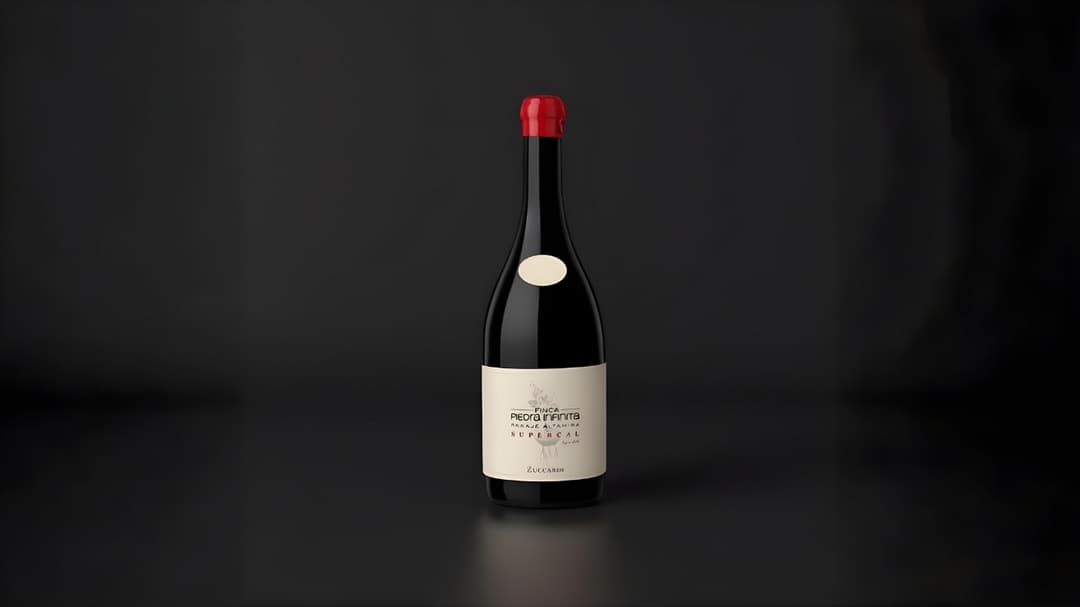
Familia Zuccardi ‘Finca Piedra Infinita’ Supercal, Argentina
The Finca Piedra Infinita Supercal Malbec comes from Argentina’s renowned Uco Valley in Mendoza, specifically the Altamira zone at around 3,600 feet above sea level. What sets this vineyard apart is its limestone and calcium carbonate-rich soils, which are genuinely rare in Mendoza.
Combined with intense daytime sunlight and very cool nights, these conditions create grapes with excellent acidity and structured tannins. Critics have often compared the terroir to some of the finest limestone sites in Burgundy, and that comparison is well earned.
Wine Characteristics
- Mineral-Driven Profile: This wine is famous for its graphite, chalk, and crushed stone notes that mirror its Supercal soils. It feels almost savory, offering a unique twist on typical plush Malbec.
- Vibrant Fruit: Expect flavors of wild blackberry, plum, and hints of fresh blueberry, balanced by floral touches like violets that add lift.
- Polished Tannins: The tannins are firm yet very smooth, giving the wine structure without harshness.
- Medium to Full Body: It carries good weight on the palate but avoids heaviness, thanks to bright acidity that keeps it fresh.
- Long, Salty Finish: Often described as having a slightly salty or saline edge, which makes the finish particularly mouthwatering and memorable.
Overall, this is a Malbec that prioritizes elegance and precision over sheer power. That’s exactly why it draws repeated praise from top critics, scoring 96 to 98 points across many vintages.
From an investment perspective, this wine has become one of the benchmarks of fine Argentinian Malbec. Early vintages like 2013 and 2014, which entered the market around $90 to $100 per bottle, now sell for $280 to $340, reflecting over 200% appreciation in roughly a decade.
Its limited production, often fewer than 5,000 bottles per year, combined with those high scores, drives steady demand at auctions across major markets like New York, London, and Hong Kong.
The wine typically shows its best between 10 and 20 years of age, giving you real flexibility on when to sell. Given increasing global interest in Argentina’s limestone-based wines, many analysts expect this label to maintain 8 to 11% annual growth over the next five years.
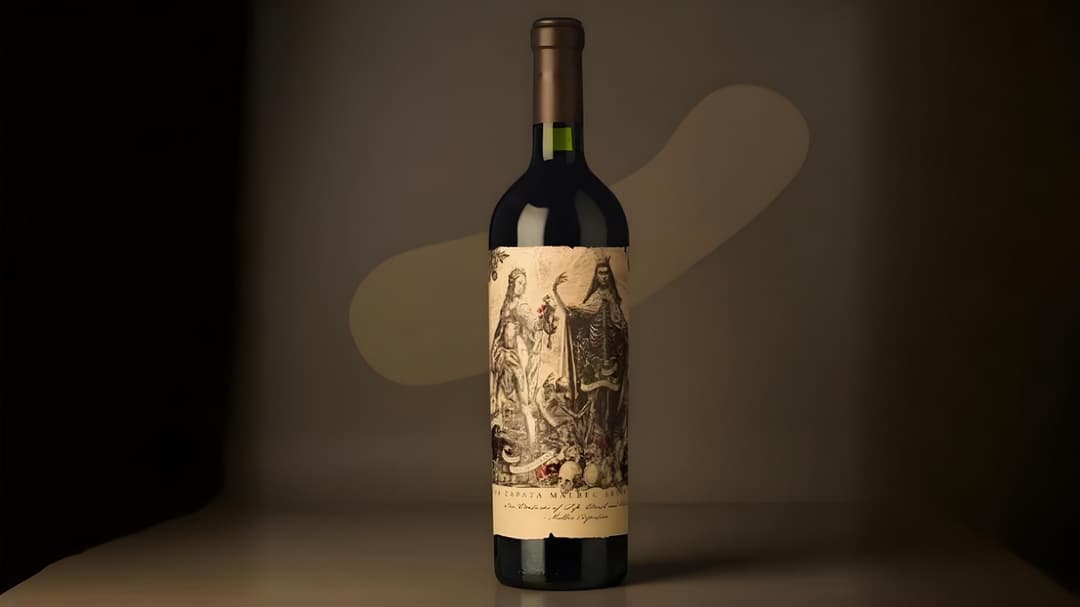
Catena Zapata Malbec Argentino, Mendoza, Argentina
The Catena Zapata Malbec Argentino draws from a selection of high-altitude vineyards in Mendoza, primarily in the Uco Valley and Luján de Cuyo, sitting between 3,000 and 5,000 feet above sea level.
The soils range from deep alluvial deposits to gravel and limestone patches, letting the winemakers build complexity from multiple micro-sites. Dramatic day-to-night temperature swings preserve natural acidity while slowly ripening the grapes, which is a key factor in building both flavor intensity and long-term aging potential.
Wine Characteristics
- Deep, Concentrated Fruit: Rich flavors of black cherry, plum, and ripe blueberry dominate, supported by secondary notes of cocoa and fig. This lush core fruit is what gives the wine its immediate appeal.
- Floral and Spice Notes: Hints of lavender, crushed rose petal, and warm baking spices like clove and nutmeg add depth and keep the wine from feeling overly dense.
- Velvety Tannins: The structure is firm but very silky, making the wine approachable even when young, yet robust enough to reward aging.
- Full Body: This is a weighty, mouth-coating Malbec with substantial extract, making it stand out in tastings and on critic scorecards.
- Lingering Finish: Ends with a blend of dark fruit and subtle mineral hints, showing off the high-altitude sites’ freshness.
This style has proven extremely popular with international critics, consistently earning 95 to 97 point scores and strong placements on annual Top 100 lists. That kind of recognition doesn’t go unnoticed by serious collectors.
From an investment standpoint, this is one of Argentina’s most recognizable Malbec labels and carries an extensive auction track record. The 2010 vintage, initially priced around $65, now trades at $200 to $240, delivering a 3.5x return over roughly 15 years.
Even more recent vintages, like 2015 and 2017, have appreciated by 40 to 60% since their release, driven by limited allocations and strong global demand.
The optimal drinking window typically runs 10 to 18 years, giving you a generous holding period to time your exit. With continued international interest in flagship Mendoza wines, most analysts project this label to maintain annual growth rates of 8 to 10% over at least the next three to five years.
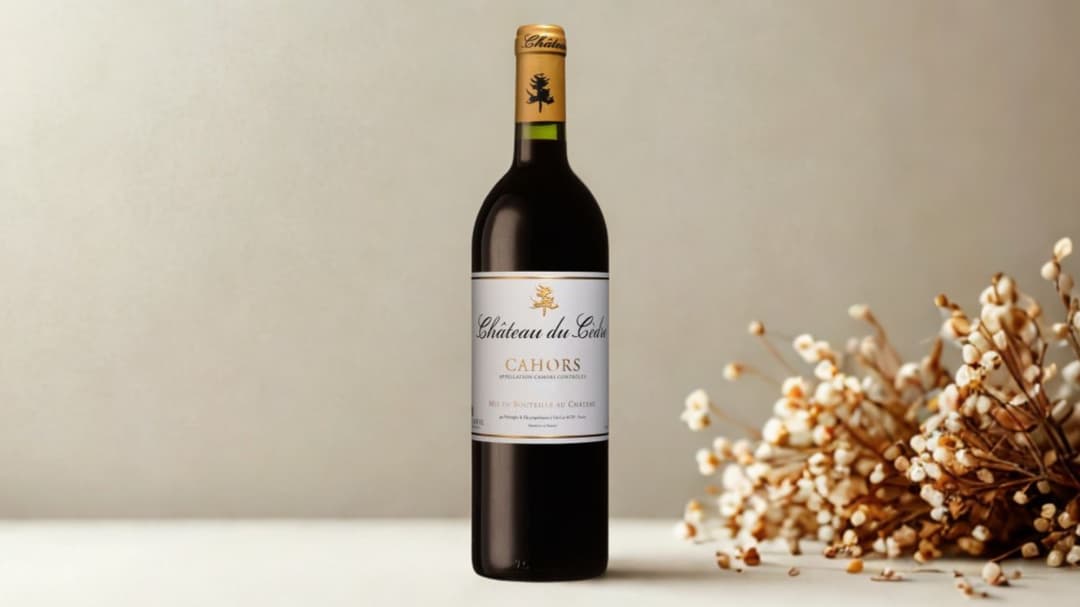
Chateau du Cedre ‘Le Cedre’, Cahors, France
The Chateau du Cedre ‘Le Cedre’ is crafted in Cahors, the historic birthplace of Malbec in southwest France. The estate’s vineyards are planted on the high terraces above the Lot River, with soils rich in limestone, clay, and gravel.
Those well-draining soils, combined with Cahors’ relatively mild climate and cool nights, create wines with intense structure, natural freshness, and distinct mineral notes. Unlike Mendoza’s high-altitude sunlight approach, Cahors relies on subtle ripening across a longer season, which develops the kind of nuanced flavors that age beautifully.
Wine Characteristics
- Earthy and Mineral Core: Expect prominent notes of graphite, crushed rocks, and subtle iron, reflecting the limestone-rich soils. This gives the wine an old-world profile that’s markedly different from Argentine Malbec.
- Dark Berry and Plum Fruit: Layers of blackcurrant, blackberry, and dark plum are typical, with less overt ripeness than new world styles—adding to its elegance.
- Hints of Tobacco and Spice: Subtle notes of dried herbs, tobacco leaf, and black pepper add savory complexity, enhancing its appeal to classic palates.
- Firm Tannins: This is a structured wine, with tannins that start out quite robust but integrate beautifully over time, supporting long aging.
- Medium to Full Body: Balanced by bright acidity, it avoids feeling heavy, making it an excellent pairing with rich foods and a wine that evolves gracefully in bottle.
This style routinely scores 93 to 95 points, with critics noting its ability to age like top Bordeaux blends. That often surprises buyers who are more accustomed to plusher South American Malbecs.
From an investment perspective, ‘Le Cedre’ stands out as one of the most reliable Malbec-based wines outside Argentina. The 2009 and 2010 vintages, which initially retailed around $45 to $50, now sell for $130 to $160, delivering roughly 200% appreciation over 15 years.
Even newer vintages like 2015 and 2016 have already appreciated 30 to 45%, reflecting growing international interest in premium Cahors wines.
The wine generally reaches its peak between 12 and 20 years, giving you ample time to capitalize on its aging curve.
With renewed global attention on classic French Malbec and the added benefit of lower initial entry prices, many analysts forecast annual growth of 7 to 9% over the coming years. If you’re looking for old-world diversification within your Malbec holdings, this is a smart place to start. You can also read more about why patience is the most profitable strategy when building a wine investment portfolio.
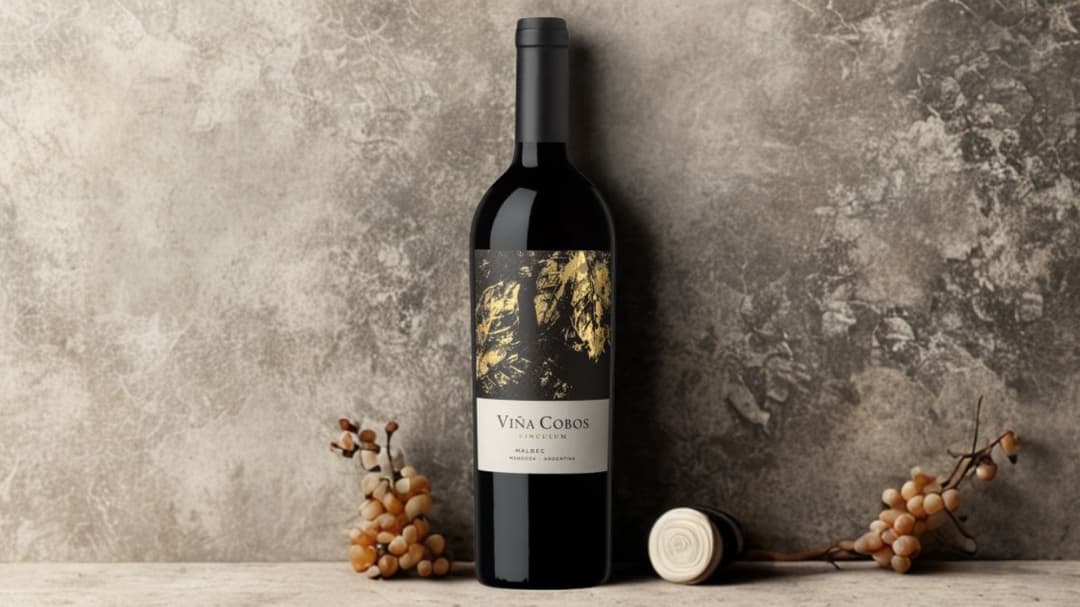
Cobos Malbec, Mendoza, Argentina
Cobos Malbec comes from Mendoza’s Luján de Cuyo and Uco Valley, regions sitting between 3,000 and 4,500 feet above sea level. The vineyards benefit from rocky, alluvial soils with a mix of sand and clay over stones, which provides excellent drainage.
Strong Andean sunlight paired with cool mountain nights allows the grapes to ripen fully while retaining bright acidity. That balance between ripeness and freshness is precisely why Cobos consistently produces some of Argentina’s most concentrated yet elegant Malbecs.
Wine Characteristics
- Rich, Dark Fruit Core: Expect intense flavors of black cherry, ripe plum, and blackberry that give this wine immediate appeal. The fruit is deep and plush without feeling jammy.
- Chocolate and Espresso Notes: Layers of dark chocolate, espresso bean, and a touch of vanilla come from careful oak aging, adding richness and polish.
- Velvety Tannins: Cobos is famous for its seamless mouthfeel—its tannins are dense yet incredibly smooth, creating a luxurious texture.
- Full Body: This is a bold, mouth-coating wine, typical of Mendoza’s top expressions, yet balanced by just enough acidity to keep it lively.
- Long, Complex Finish: Finishes with hints of licorice and mineral, showing off both the quality of the vineyard sites and the skill of the winemaking.
Many vintages regularly earn 96 to 98 point ratings, placing Cobos firmly among Argentina’s elite Malbec producers. That consistent critical acclaim is a key driver of its secondary market strength.
On the investment side, Cobos Malbec has become a modern benchmark for collectible South American wines. The 2007 vintage, which first sold at about $120 per bottle, now trades at $450 to $500, more than quadrupling in value over roughly 15 years.
Cobos typically reaches its best between 12 and 20 years of age, offering you a relatively broad window to capitalize on secondary market demand.
Many analysts expect this label to keep delivering 8 to 11% annual returns, especially as more high-net-worth buyers in Asia and North America look to diversify with premium Argentine Malbec. According to the Financial Times, appetite for South American fine wine among ultra-wealthy collectors has accelerated sharply since 2022.
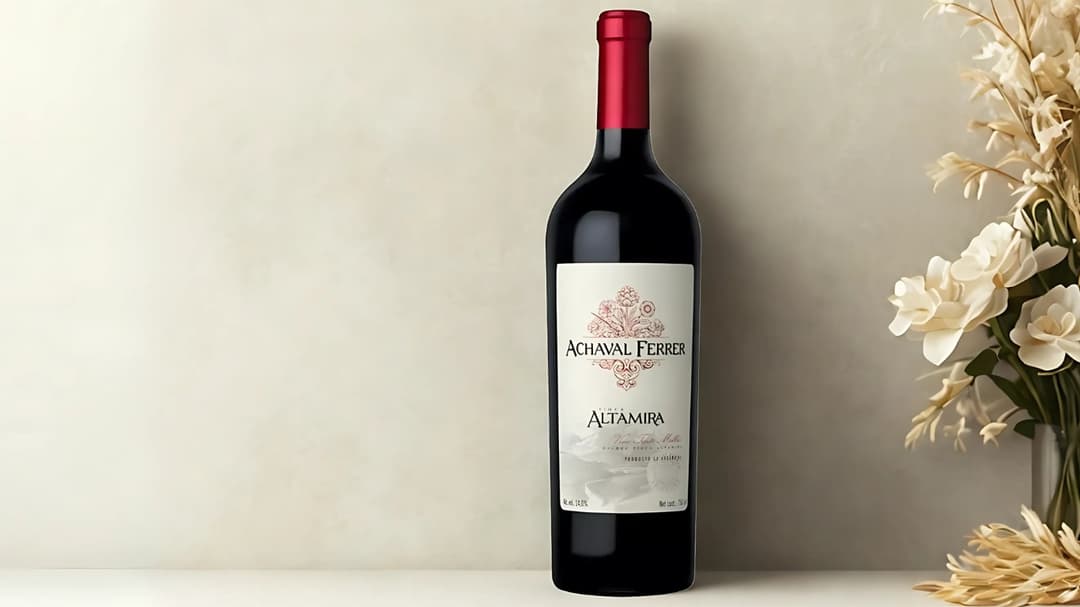
Achaval Ferrer Finca Altamira Malbec, Argentina
The Finca Altamira Malbec by Achaval Ferrer comes from a single vineyard in the Uco Valley’s La Consulta district, sitting at an altitude of around 3,600 feet above sea level.
The vineyard is known for its stony, alluvial soils laced with limestone, which drain well and stress the vines just enough to produce concentrated, complex fruit. Add the Uco Valley’s intense daytime sun and sharply cooler nights, and you get grapes with thick skins, vibrant acidity, and deeply layered flavors.
Wine Characteristics
- Dark, Concentrated Fruit: Layers of blackberry, plum, and black cherry form the heart of this wine, showing classic Uco Valley richness.
- Exotic Floral and Spice Notes: Hints of violets, star anise, and even a subtle earthy truffle character give it aromatic depth that sets it apart.
- Powerful Yet Polished Tannins: The tannins here are robust but finely textured, providing structure for long aging without feeling harsh.
- Full Body with Balanced Acidity: This wine has serious weight and depth, balanced by enough acidity to keep it lively and to drive a long finish.
- Mineral Edge: A faint salty or chalky quality on the finish highlights the vineyard’s limestone influence, adding a sophisticated layer.
Most vintages of Finca Altamira consistently earn 95 to 97 point ratings, praised by critics for how they combine concentration with genuine finesse.
For investors, Finca Altamira has become one of Argentina’s most sought-after single-vineyard Malbecs. The 2007 and 2009 vintages, initially released around $100 to $110, now trade at $350 to $400, reflecting roughly 3.5x appreciation in just over 15 years.
The wine typically hits its prime drinking window between 12 and 20 years, giving you real flexibility on when to enter or exit the secondary market.
With more collectors in Asia and Europe adding Argentinian single-vineyard Malbecs to their cellars, experts see 8 to 11% annual growth ahead for this wine. If you’re building a diversified portfolio of passion assets, understanding how limited-production assets deliver liquidity alongside returns is worth your time.
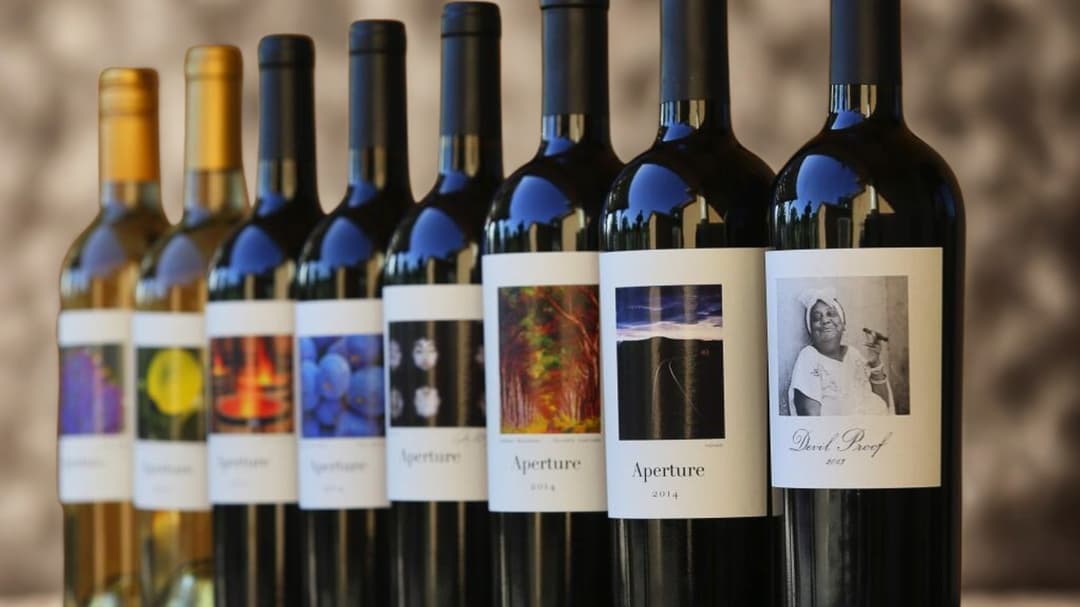
Devil Proof Malbec, Alexander Valley, USA
Devil Proof Malbec comes from Sonoma’s Alexander Valley in California, an area better known for Cabernet and Merlot. What makes this site different is its combination of rolling hills, diverse soils with gravelly loam, and warm days tempered by cool evening breezes rolling in from the Pacific.
That setup allows the grapes to reach full ripeness while still holding onto fresh acidity, a balance that’s critical for high-end Malbec. The microclimate here mirrors aspects of Mendoza’s altitude effect, producing a long growing season that develops layered flavors and supple tannins.
Wine Characteristics
- Ultra-Rich, Black Fruit Core: This wine is bursting with blackberry, black plum, and cassis flavors that feel almost decadent, reflecting the California sun.
- Chocolate, Mocha, and Sweet Spice: Oak aging brings notes of dark chocolate, espresso, and hints of cinnamon and clove, giving the wine a plush, hedonistic quality.
- Silky, Dense Tannins: Despite its sheer power, the tannins are remarkably polished, making the wine feel luxurious on the palate.
- Full Body and Velvety Texture: This is a seriously weighty wine that coats the mouth, yet thanks to well-integrated acidity, it never feels flat.
- Long, Opulent Finish: The finish lingers with a mix of dark fruit, toasty oak, and a subtle mineral undercurrent from the valley’s varied soils.
Critics often draw comparisons to Napa cult Cabernets for its scale and richness, with many vintages receiving 95 to 97 point scores from top reviewers. That puts Devil Proof in rare company for an American Malbec.
On the investment side, Devil Proof is among the very few American Malbecs that have broken into serious collector circles. Early releases like the 2012 vintage, initially offered at around $125, now trade between $380 and $450, delivering roughly 3.5x appreciation over just a decade.
Later releases like 2015 and 2017 have already increased 25 to 40%, fueled by extremely limited production, often under 400 cases per vintage, and the wine’s rising cult status.
This Malbec typically shows beautifully from 8 to 15 years, which appeals to investors looking for quicker portfolio rotation compared to longer-hold Bordeaux or Napa Cabernets.
With more high-end U.S. collectors turning to domestic alternatives beyond Cabernet, many analysts expect Devil Proof to maintain 8 to 10% annual growth. According to Robb Report’s wine coverage, American cult wines with production under 500 cases are seeing some of the strongest secondary market appreciation of any domestic category.
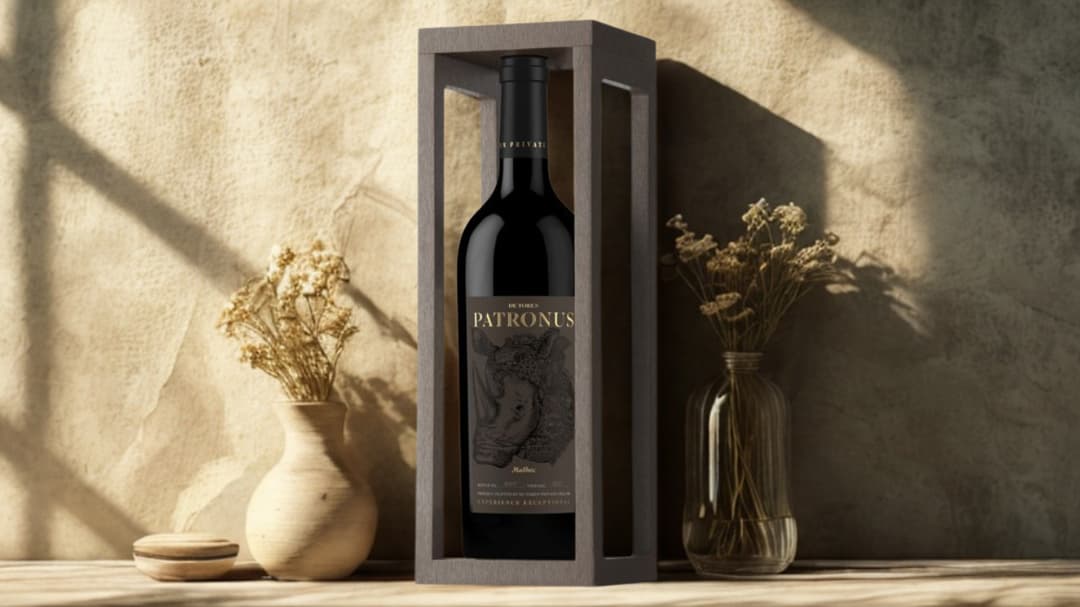
De Toren Patronus, Stellenbosch, South Africa
De Toren Patronus comes from the rolling hills of Stellenbosch, one of South Africa’s premier wine regions located just east of Cape Town. The vineyards sit on a mix of decomposed granite and clay soils, which are excellent for moisture retention while still offering good drainage.
The proximity to both the Atlantic and Indian Oceans creates cooling breezes that moderate the warm South African sun, leading to longer ripening periods and excellent natural acidity. That climate and soil combination produces Malbec with intense color, deep flavors, and a freshness that genuinely stands out.
Wine Characteristics
- Layered Dark Fruit: Expect a rich core of black plum, dark cherry, and mulberry, typical of Stellenbosch reds, but with extra juiciness that makes the wine feel vibrant.
- Notes of Violet and Sweet Spice: Subtle floral notes mix with hints of cinnamon and clove from careful oak aging, giving the wine a lifted, aromatic edge.
- Supple, Integrated Tannins: The tannins are silky yet substantial, offering enough grip to support aging without overwhelming the palate.
- Medium-Full Body with Bright Acidity: Unlike some heavier Argentine or Californian styles, Patronus maintains a lively line of acidity that keeps the wine refreshing.
- Refined, Mineral Finish: Finishes with gentle notes of crushed stone and cocoa, adding complexity and signaling its Stellenbosch origin.
Many vintages have scored 93 to 95 points, with critics consistently praising how De Toren manages to capture power and elegance in equal measure.
From an investment standpoint, De Toren Patronus is one of the few South African Malbecs to gain serious traction on international markets. The 2015 vintage, initially released around $75, now trades between $180 and $220, representing nearly 200% growth in under a decade.
Its prime drinking window sits between 8 and 15 years, making it attractive for investors who don’t want to wait decades to see peak value.
With South Africa’s fine wine sector earning more global respect, especially among buyers seeking alternatives to crowded Bordeaux and Napa, many analysts expect De Toren Patronus to maintain 7 to 9% annual growth. As Bloomberg Pursuits has noted, emerging-region fine wines are drawing serious capital from collectors who feel the traditional blue-chip categories are overpriced. It’s a smart way to diversify within the Malbec investment space.
FAQ
What is the best Malbec wine to invest in right now?
The top picks for 2025 are Cobos Malbec, Familia Zuccardi Finca Piedra Infinita Supercal, and Catena Zapata Malbec Argentino. They offer strong track records, high critic scores, and consistent auction demand.
Which country makes the best investment-grade Malbec?
Argentina leads the market, especially Mendoza and Patagonia. However, standout options from France (Cahors), the U.S. (Alexander Valley), and South Africa (Stellenbosch) also perform well.
How long should I hold Malbec wines before selling?
Most top Malbecs reach their best between 8 and 20 years, depending on producer and vintage. This window gives investors flexibility to time the market.
Are Malbec wines as profitable as Bordeaux or Napa wines?
While they don’t always reach the same peak prices, high-end Malbecs have shown 7–
12% annual growth, rivaling many Bordeaux and often outpacing Rhône reds.
Where can I sell investment-grade Malbec?
You can sell through auction houses like Sotheby’s, Christie’s, and Zachys, or on fine wine trading platforms like Liv-ex. Provenance and professional storage are key to getting top prices.
Are South African or American Malbecs good investments too?
Yes. Wines like Devil Proof (Alexander Valley) and De Toren Patronus (Stellenbosch) have shown strong returns and add geographic diversity to a wine portfolio.

Stefanos Moschopoulos
Stefanos Moschopoulos is the Founder and Head of Editorial at The Luxury Playbook, specializing in fine assets and alternative investments. His work focuses on analyzing luxury asset classes such as art, watches, collectibles, and yachting as structured investment vehicles, aligning them with broader wealth-building strategies. He leads the editorial direction of the publication, ensuring all content around alternative assets is data-driven, macro-aware, and investment-focused. His expertise lies in translating niche luxury markets into clear frameworks for portfolio diversification, long-term capital preservation, and asymmetric returns within non-traditional asset classes.