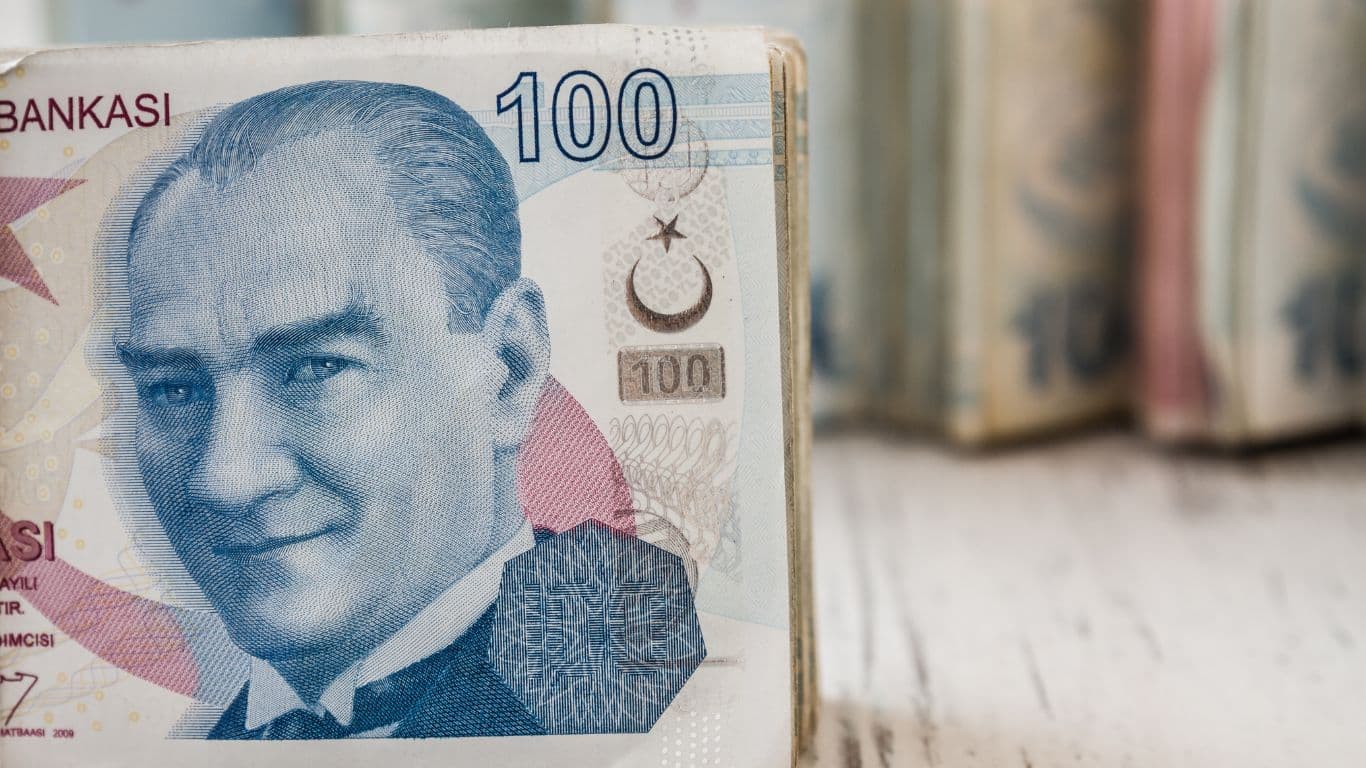
The Turkish lira has had a brutal run over the past decade and a half. The USD/TRY exchange rate climbed from around 1.1 in 2008 to over 34.95 by December 2024, a collapse that has wiped out enormous amounts of purchasing power and rattled the confidence of investors watching from the sidelines.
When inflation started spiraling out of control, the Central Bank of the Republic of Turkey (CBRT) responded with a series of aggressive interest rate hikes. The policy rate went from 8.5% in mid-2023 all the way to 50% by March 2024. The goal was straightforward: tighten monetary conditions, stabilize the economy, and squeeze out inflation.
By December 2024, the CBRT was widely expected to begin an easing cycle. A Reuters poll pointed to a rate cut on December 26, with economists forecasting a reduction somewhere between 100 and 250 basis points off the 50% rate. That shift signals a move toward supporting growth after months of austerity-level tightening.
Inflation is still the central problem. Turkey’s annual inflation rate came in at 47.09% in November 2024, and while that is trending down from earlier peaks, it still came in above what markets had expected. The pressure on ordinary Turks, and on investor confidence, has not let up.
The CBRT projects inflation will fall to around 21% by end of 2026, in line with its broader monetary policy targets. But while the central bank talks about cooling prices, the lira itself keeps sliding, with estimates pointing to a rate of 38 per US dollar by late 2024.
So where does all this leave you if you are watching the lira? The honest answer is that the picture is complicated. Monetary policy is shifting, inflation is slowly retreating, but the geopolitical noise and structural economic weaknesses mean the lira’s path forward is far from clear.
The currency’s future will hinge on economic fundamentals, political decisions, and forces well outside Ankara’s control.
Article Summary
The Turkish lira’s story over the past 15 years reads like a slow-motion crisis. The USD/TRY rate has surged from 1.1 in 2008 to over 30, all while Turkey weathered one of its worst cost-of-living emergencies in modern history. The Central Bank responded by hiking rates sharply from 8.5% to 50% between June and March, marking a decisive return to orthodox economic thinking under President Erdogan.
But inflation has proven stubborn, with rates forecast to close out 2024 near 43.9%.
If you ask different financial institutions where the lira is headed, you will get very different answers. S&P Global expects further weakness, forecasting the lira at 40.0 per USD by end of 2024. JP Morgan takes a more optimistic stance, flagging Turkey as a key emerging market opportunity and grouping it alongside Poland, South Africa, and Israel in its recovery trade thesis.
Commerzbank and ING, by contrast, both lean toward further depreciation, pointing to high inflation, budget deficits, and political uncertainty as the main headwinds. On the AI forecasting side, the range between investing conviction and pure speculation is wide, with some models projecting the lira as low as 95.0 to 100.0 per USD over five years, while platforms like Panda Forecast hold a more bullish view.
Geopolitical risk, political meddling with the central bank, and a volatile inflation environment all keep the lira’s future uncertain. Turkey’s central bank may be holding rates high, but the market is watching closely to see whether those policies stick, and whether the political will behind them is genuine.
Political interference with the central bank and persistent market skepticism cast a long shadow over Turkey’s monetary credibility. Until investors see consistent, independent policy decisions over time, serious doubts about the effectiveness of Turkey’s strict monetary strategy will linger.
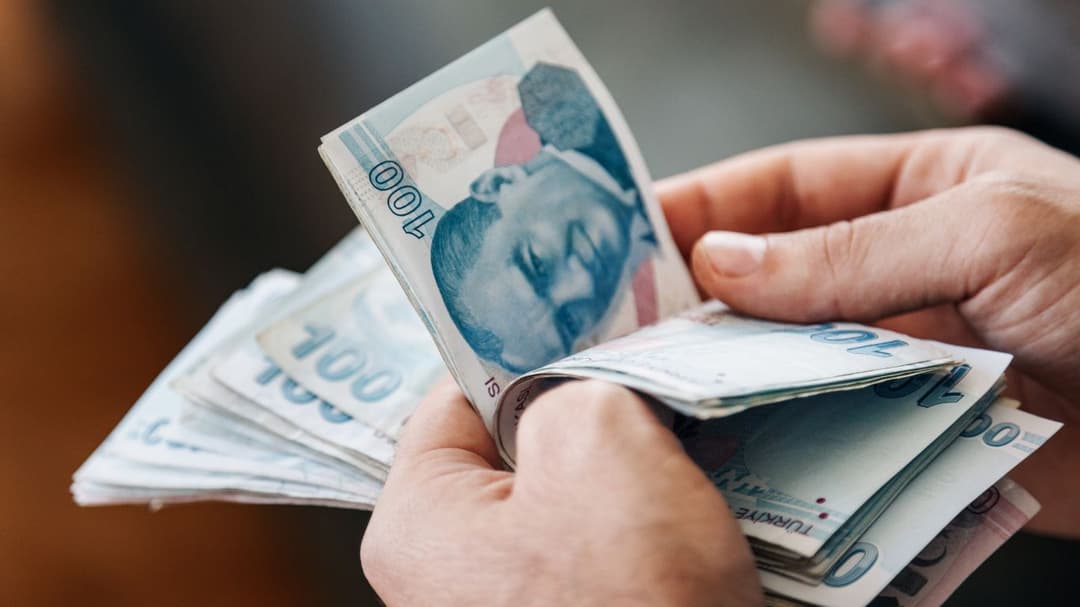
- The Turkish lira recovery question continues to depend on Turkish monetary policy credibility, structural reform progress and the broader geopolitical and trade relationship picture.
- We see persistent inflation pressure, current account deficit dynamics and selected geopolitical concerns continuing to weigh on lira sentiment through 2026.
- Central Bank of the Republic of Turkey policy choices including interest rate trajectory and selected unorthodox interventions shape the near-term lira direction.
- Foreign currency reserves dynamics, including the use of swap lines and selected emergency measures, factor into the broader stability picture.
- Geopolitical relationships including EU accession dynamics, Syrian conflict involvement and the broader NATO context affect lira sentiment.
- For most considered forex market observers we view sustained lira recovery as requiring credible policy reform alongside structural economic improvements rather than short-term technical adjustments alone.
- Who is this for?
- Forex traders and the institutional analysts, currency strategists and macro observers framing Turkish lira market analysis and trading discussions.
- What is happening?
- A read of will the Turkish lira recover, covering monetary policy dynamics, central bank intervention, foreign currency reserves and the geopolitical framework.
- When did this emerge?
- The article reflects current market conditions through 2025 and 2026, with reference to the multi-year Turkish economic and political evolution.
- Where is this happening?
- The piece focuses on Turkey, with reference to the broader emerging market currency complex and global forex market context.
- Why does it matter?
- Turkish lira dynamics affect emerging market sentiment broadly, which is why understanding the framework matters for serious forex market observers.
Turkish Lira’s Current Situation
The macro backdrop on the lira is well covered by the multilateral institutions. The International Monetary Fund publishes regular Article IV reviews on Türkiye, and the BIS tracks emerging-market currency stress as part of its quarterly review.
Mainstream financial outlets keep the narrative live. Reuters and Bloomberg both cover the central-bank rate-setting calendar in detail, while The Financial Times has documented the credibility issue that sits underneath the cycle.
As of December 2024, the Turkish lira is still under serious pressure, even with government interventions in play. President Recep Tayyip Erdoğan’s ongoing influence over the Central Bank of the Republic of Turkey (CBRT) has been a major factor in the currency’s long decline, and the market has not forgotten that history.
The central bank pushed rates to 50% to fight inflation, yet the lira has not found solid footing. Turkey’s annual inflation rate eased to 47.09% in November 2024, down from 48.58% in October. That marked the sixth straight month of slowing consumer price growth and the lowest reading since July 2023, which is progress, but it is far from a clean bill of health.
That persistent inflation has done real damage. It has hollowed out the purchasing power of Turkish citizens and made foreign investors think twice before committing capital to the country.
In 2023, sectors like services and construction showed growth, largely buoyed by post-disaster recovery spending. But the broader economic picture stayed shaky. Unemployment held at 9.1% through early 2024, and while the current account deficit showed some improvement by shrinking to $45.4 billion, fiscal imbalances and a volatile currency kept the near-term outlook difficult.
Even with the central bank stepping in, the lira’s continued slide points to deeper structural problems. The lack of genuine monetary policy independence and the shifting nature of Erdoğan’s economic strategy remain the core issues that no interest rate hike alone can fix.
Turkey brought in new central bank governor Hafize Gaye Erkan and pushed through tighter monetary policies in a bid to turn things around. Those moves did produce some results, pulling inflation down from its late 2022 peak above 85% to below 50% by November 2024. The government’s target of getting inflation to 33% by end of 2024 is ambitious given what is still working against it.
Analysts are keeping their expectations measured. Global commodity prices, further lira depreciation, and geopolitical turbulence could all knock these efforts off course before the targets are reached.
How Economic and Political Factors are Affecting the Turkish Lira
For deeper context, the breakdown in why the structural picture keeps the lira locked in decline is worth reading alongside this analysis.
Through December 2024, the Turkish lira has stayed under significant pressure despite the government and central bank pushing hard to stabilize things. Turkey’s annual inflation rate fell to 49.38% in September 2024, down from 51.97% in August, marking four straight months of decline and the lowest level since July 2023. Some of that improvement reflects base effects and a broad easing across most price sub-indexes rather than a fundamental shift in underlying dynamics.
The CBRT held its policy rate at 50% for a sixth consecutive month as of September 2024, staying committed to tight monetary conditions. The strategy is to squeeze out inflation and steady the currency, but the lira’s slide has tested those ambitions at every turn.
One bright spot came in November 2024 when S&P Global upgraded Turkey’s long-term sovereign credit rating from B+ to BB-, pointing to stronger reserve accumulation and meaningful disinflation driven by the central bank’s tight policy stance. That was Turkey’s second upgrade from S&P in a single year, which is worth noting.
Still, the challenges have not gone away. Unemployment sits at 9.1% as of early 2024, the current account deficit, while improved, still weighs on the economy, and the lira’s ongoing depreciation keeps raising questions about monetary policy independence and the durability of Turkey’s economic strategy.
The CBRT projects inflation falling to 38% by end of 2024 and down to 14% by end of 2026. But analysts are cautious. Global commodity swings, a weaker lira, and geopolitical risks all have the potential to push those targets out of reach.
Turkey has made real progress on inflation and earned a meaningful credit rating upgrade. But the lira’s depreciation and the structural vulnerabilities underneath the surface mean the road to genuine economic stability is still a long one.
| Indicator | 2023 Value | 2024 Forecast |
|---|---|---|
| GDP Growth | 4.5% | 3.0% |
| Inflation Rate | 57.7% in Jan | Peaking over 70% mid-year |
| Unemployment Rate | 9.1% | 10.4% |
| Current Account Deficit | $45.4 billion | $56.8 billion |
| Turkish Lira Exchange Rate | 28% depreciation in H1 2023 | 40% vs. the dollar |
Overview of Turkey’s Economy in 2024
By December 2024, Turkey’s economy was on track for a slowdown, with GDP growth projected to decelerate to 3.2%, compared to the 5.1% expansion recorded in 2023.
That moderation reflects a natural cooling after a period of strong, stimulus-driven growth.
Private consumption, one of the main engines of the Turkish economy, was forecast to grow by just 2.3% in 2024, a steep drop from the 12.8% surge seen in 2023. That pullback suggests consumers are feeling the squeeze, and confidence has cooled noticeably.
Government spending was projected to grow by 2.5% in 2024, down from 5.2% in 2023. The more restrained pace points to a deliberate effort to rein in fiscal spending and address the pressures of public debt.
On trade, exports rebounded strongly, with 4.5% growth forecast after a 2.7% contraction in 2023. That recovery could provide some support for the lira and give key export sectors a much-needed lift. Imports, which surged 11.7% in 2023, were expected to grow at a more modest 3.7% in 2024, though Turkey’s reliance on imported goods and energy continues to be a structural vulnerability.
Structural reforms to improve private sector efficiency are not optional at this point. They are essential if Turkey wants to build lasting economic resilience. Despite the near-term slowdown, the right reforms could set the foundation for more sustainable growth over the years ahead.
Turkey’s 2024 economic picture is one of adjustment. Growth is moderating, consumer spending is cooling, and the government is pulling back on stimulus. Whether that recalibration leads to a more stable foundation depends heavily on how well policy commitments hold.
Turkish Lira Forecast for 2026
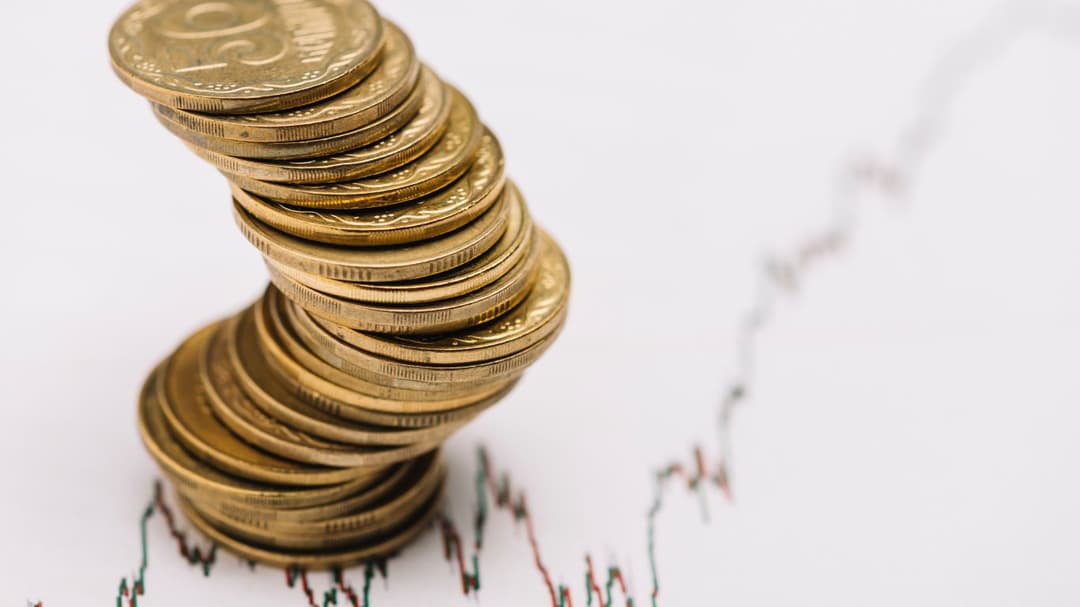
Financial analysts broadly expect the Turkish lira to weaken by roughly one-third against the US dollar through 2026, setting fresh historic lows in the process. That outlook persists even after aggressive interest rate hikes that have so far failed to meaningfully curb domestic inflation or convince Turks to keep their savings in a currency that keeps losing value.
Geopolitical tensions in Turkey’s neighborhood have always been a weight on the lira. Conflicts in Syria and Israel bring heightened security concerns, waves of refugees, and strained public finances, all of which push foreign investors toward the exits and put additional pressure on an already fragile currency.
Those regional risks look set to keep influencing the lira’s trajectory through 2026. Bloomberg has tracked Morgan Stanley’s forecast of the USD/TRY rate reaching 43 by end of 2026, which tells you the broad direction analysts are betting on.
The EUR/TRY trajectory points the same way, with projections showing an upward move to roughly 40.56 by late 2026 as the lira continues to lose ground against major European currencies.
These forecasts make one thing clear. Turkey faces a convergence of geopolitical uncertainty and domestic policy challenges that keeps the lira under sustained pressure. If you are positioning around Turkish assets, regional developments deserve as much attention as the inflation data coming out of Ankara.
The Turkish lira’s path through 2026 will be shaped by both regional conflicts and domestic economic policy. Staying on top of both is essential for anyone with exposure to Turkish assets or the broader emerging market space. And knowing how to separate real returns from hype matters more than ever in this kind of environment.
S&P Global’s Pessimistic Forecast for the Turkish Lira
S&P Global Ratings has revised its outlook on Turkey upward in recent months, reflecting the central bank’s tighter policy stance. On November 1, 2024, the agency upgraded Turkey’s long-term sovereign credit rating to BB- from B+, crediting the country with meaningful reserve accumulation and a genuine disinflationary push driven by monetary tightening.
S&P also lifted its GDP growth forecast for Turkey to 3% in 2024, up from an earlier call of 2.4%.
That revision reflects stronger-than-expected domestic demand and improving macroeconomic conditions, at least relative to where Turkey was a year ago.
On inflation, S&P Global expects prices to average close to 50% across 2024 before easing toward roughly 30% in 2026. The direction is right, but the levels are still uncomfortably high by any standard.
S&P stops short of publishing specific exchange rate forecasts, but the central bank’s ongoing tightening effort has clearly been a factor in earning the recent credit upgrade. How the lira actually performs will depend on whether those policies stay consistent.
S&P’s revised view on Turkey is cautiously constructive. Credit ratings are moving in the right direction, growth forecasts are improving, but inflation and currency stability remain genuine challenges that have not been solved yet.
Optimistic Outlook from JP Morgan for the Turkish Lira
JP Morgan holds one of the more optimistic views on the Turkish lira, positioning it as a meaningful investment opportunity within emerging markets. The bank groups Turkey alongside Poland, South Africa, and Israel in its recovery trades theme, anticipating short-term appreciation of the lira against the US dollar.
That optimism sits in contrast with S&P Global’s numbers, which project the lira trading at 40.0 per USD by end of 2024, moving to 42.0 by end of 2026, and reaching 43.0 by end of 2027.
The gap between JP Morgan’s bullish stance and S&P’s more conservative projections tells you something important. The lira’s future is genuinely uncertain, and how it plays out will depend on a mix of political decisions, economic conditions, and factors that no model can fully price in.
Commerzbank’s Cautious Turkish Lira Forecast
Commerzbank’s economists are holding their forecast of 35.00 for the USD/TRY rate by end of 2024. The bank acknowledges that Turkey’s new economic management team has made some headway with monetary tightening and financial sector reform, but inflation is still well above target. And the market has not fully bought in on President Erdogan’s commitment to staying the course on these reforms.
ING’s Conservative Turkish Lira Forecast
ING expects the lira to keep depreciating through 2024, though not as aggressively as current forward rates imply. The bank forecast the lira at 33.00 against the USD in the last quarter of 2024, slipping to 38.00 by year end. ING flags the budget deficit target of 6.4% of GDP as a complicating factor for the central bank’s fight against inflation, even as the underlying fiscal stance aims at narrowing that gap over time.
AI-Based Predictions for the Turkish Lira
Algorithm-driven platforms are all over the map on the lira. Trading Economics sees the USD/TRY rate pushing above 36.00 by end of quarter, settling around 34.47 within a year. WalletInvestor projects the lira at 36.00 by end of 2024 and forecasts a 20% decline over the year, with a long-term call of 62.00 by 2028.
Gov Capital goes further, putting the lira as high as 40.00 against the USD in 2024 and projecting a dramatic fall to 95.00 to 100.00 over five years. Panda Forecast is the outlier, carrying one of the few bullish views and expecting the lira to trade at 28.00 against the USD by end of 2024.
Euro and Pound Forecasts Against the Turkish Lira
For the euro, Trading Economics projects the EUR/TRY rate reaching 36.84 by end of quarter and pulling back to 33.70 by year end. For the British pound, the forecast sits at 42.76 for GBP/TRY by end of quarter and 42.97 over the following 12 months. Given how much uncertainty surrounds the lira, no major bank or AI platform has published a GBP/TRY forecast extending beyond 2030.
Factors Contributing to Turkish Lira Volatility
The Turkish lira’s volatility has become one of the defining features of Turkey’s economic story. Rampant inflation, political and geopolitical uncertainty, and sharp swings in monetary policy have all played a role in driving the currency’s erratic behavior. Understanding how major currency pairs work and what moves them is essential context for making sense of where the lira stands.
Inflation Rates
Turkey’s inflation has been anything but predictable. It fell from 57.7% in January 2023 to 38.2% by June 2023, then rocketed back to 68.5% by March 2024 as lira depreciation and economic pressure took hold. The trajectory pointed toward inflation topping 70% by late 2024, which would only deepen the lira’s instability and erode consumer purchasing power further.
Political and Geopolitical Risks
President Erdogan’s continued leadership and the outcomes of recent elections have kept political uncertainty elevated, and markets tend to price that risk into the lira. Beyond domestic politics, regional conflicts and strained international relationships add another layer of pressure on investor confidence, feeding directly into currency volatility.
Monetary Policy Shifts
Turkey’s Central Bank made dramatic moves, raising interest rates to 42.5% by December 2023 in a bid to control inflation and steady the lira. But the market’s faith in those policies has been inconsistent. Without a sustained, credible commitment to orthodox monetary policy, analysts broadly expect the lira could still shed 20 to 30% against the US dollar through 2024.
Here is a comparative table summarizing key economic indicators for Turkey across this period.
| Indicator | 2023 | 2024 (Forecast) |
|---|---|---|
| Inflation Rate (CPI) | 68.5% | 43.9% |
| GDP Growth | 4.5% | 3.0% |
| Current Account Balance (% of GDP) | -4.2% | -2.8% |
| USD/TRY Exchange Rate | ~30 | Projected decline by 20-30% |
Impact of High-Interest Rates on the Turkish Lira
Turkey’s worsening economic challenges pushed the central bank into decisive action on interest rates. With the USD/TRY rate soaring from 1.1 in 2008 to nearly 32, halting the lira’s depreciation became a genuine priority. The central bank’s response was to raise rates from 18.5% all the way to 42.5% by December 2023.
Current Interest Rate Levels
Pushing rates to 42.5% was meant to bring Turkey in line with the kind of high-rate environment that is supposed to attract capital and stabilize a currency. But despite those efforts, the lira came close to touching 30 against the US dollar by the end of 2023. The immediate impact of those hikes was minimal at best.
Lira forecasts suggest rates will keep fluctuating as the central bank battles what is expected to be around 43.9% inflation in 2024. Most analysts believe the lira could still lose 20 to 30% against the US dollar in 2024, with further declines possible further out. The long-term goal is stability, but getting there will require sustained discipline, not just short-term rate maneuvers.
Inflation Forecasts for Turkey in 2024
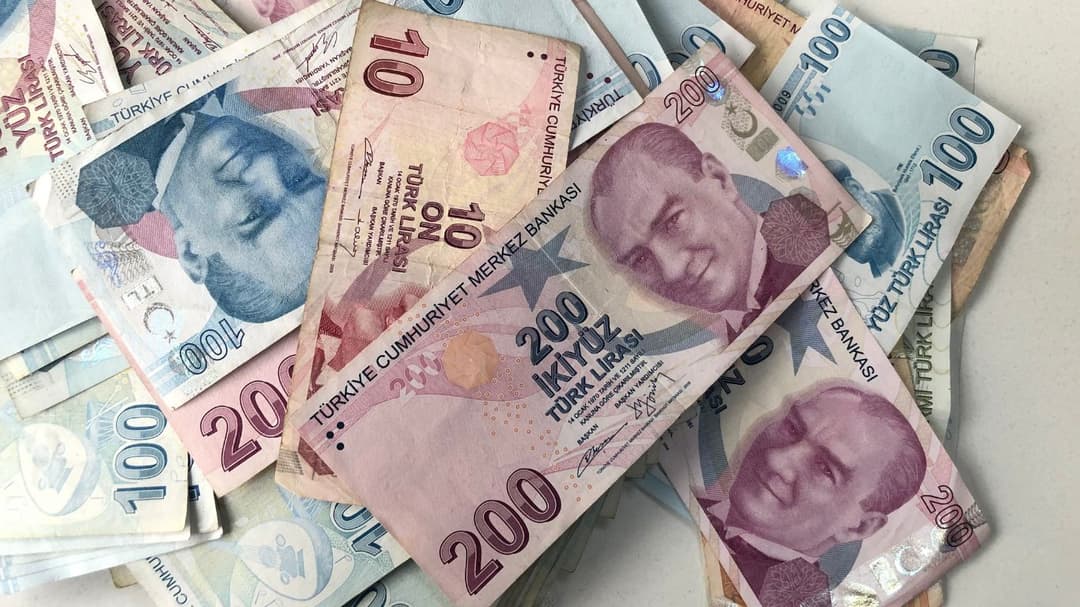
Turkey’s inflation outlook for 2024 is layered and difficult to predict with confidence. The expectation heading into the year was that inflation could surpass 70% by mid-2024, placing enormous pressure on the central bank to act fast and consistently.
Expected Inflation Rates
By end of 2024, inflation in Turkey was forecast to land around 36%, a meaningful drop from the 64.8% recorded at the close of 2023. The central bank’s surprise rate hike in March, combined with a range of macro-prudential measures, was designed to put inflation on a downward path through the second half of the year.
| Year | Inflation Rate |
|---|---|
| 2023 | 64.8% |
| Mid-2024 | 70% (Forecast) |
| End-2024 | 36% (Forecast) |
Factors Influencing Inflation
Several forces are shaping Turkey’s inflation trajectory. The lira’s ongoing depreciation is the most direct driver, pushing up prices for both consumers and businesses importing goods. Steep increases in the minimum wage have also added upward pressure on prices across the economy.
The central bank’s rate decisions sit at the center of the inflation picture. The current tightening cycle, paired with anticipated rate cuts later in the year, is designed to bring inflation down gradually. Whether those policy moves translate into real relief for Turkish consumers depends heavily on how global conditions evolve and whether the lira finds any stability.
GDP growth potentially dipping below 3% by year end adds another layer of complexity to inflation control, especially when paired with ongoing current account deficits. Short-term rebounds in industrial production and a 13.3% year-on-year jump in retail sales in January both pointed to resilient domestic demand, which makes the central bank’s job harder.
Geopolitical Risks and Their Influence on the Turkish Lira
Geopolitical risks have a direct and measurable effect on the Turkish lira. As regional tensions rise, so does investor caution, and the lira tends to bear the brunt of that sentiment shift. Turkey’s geographic position, sitting at the crossroads of multiple conflict zones, means geopolitical noise is a near-constant feature of the currency’s environment. Geopolitical shifts can reshape entire economic outlooks, and Turkey is no exception.
Regional Conflicts
Turkey’s location in a volatile region exposes it to risks that most other emerging markets do not face to the same degree. Conflicts in neighboring Syria and Israel affect Turkey’s economy directly, bringing refugee inflows, security costs, and diminished appetite for foreign investment.
Turkey’s own military operations beyond its borders add further complexity. Higher defense spending and rising public debt stretch the country’s fiscal position and weigh on the lira’s perceived stability in global markets.
Turkey’s International Relations
Turkey’s global relationships play a defining role in shaping economic conditions and, by extension, where the lira trades. The country’s ties with the EU, the US, and Russia are each strategically significant. In 2022, Germany, the US, and Iraq were among Turkey’s top export destinations, making those relationships economically critical.
Tensions with major import partners like Russia and China amplify Turkey’s geopolitical exposure. Any trade dispute or restrictive measure from those countries could land hard on Turkey’s economic growth and drag the lira lower in the process.
At the core of Turkey’s international positioning is the challenge of balancing competing strategic and political alliances. NATO’s posture toward Russia and the broader US-China rivalry put Turkey in a delicate spot, requiring careful foreign and economic policy to protect both investor trust and vital trade relationships.
Analysis of Turkey’s Monetary Policy
Under new leadership, Turkey’s central bank moved aggressively, hiking interest rates from 18.5% to 42.5% starting in June. The aim was to take the edge off inflation and restore some confidence in the economy. By year-end 2023, the lira was sitting just below 30 against the US dollar, a level that made clear just how difficult that task remains.
Market Reactions
The market’s response to Turkey’s policy pivot has been uneven. Over $1.1 billion flowed into Turkish equities and bonds by early December, pointing to pockets of genuine optimism. But forecasts for the lira itself are less encouraging, with most analysts expecting a 20 to 30% drop against the US dollar in 2024.
More pessimistic projections put the USD/TRY rate between 85 and 90 within five years. The Financial Times has covered ING’s forecast of inflation topping 70% by mid-2024, adding weight to the cautious end of the spectrum.
| Date | Policy Change | Inflation Rate | USD/TRY Exchange Rate |
|---|---|---|---|
| June 2023 | Interest Rate Hike from 18.5% to 42.5% | 42.5% | ~30 |
| End of 2023 | Stabilization Efforts | 43.9% (forecasted end of 2024) | 30 (closed 2023) |
| Mid-2024 (Forecast) | Further Rate Adjustments Expected | >70% (Seasonal Impact) | 20-30% Decline Expected |
These shifting dynamics demand close attention to how monetary policy decisions in Turkey interact with political pressures and real-world economic outcomes. For investors and policymakers alike, understanding those market reactions is not just useful, it is essential for navigating Turkey’s uncertain economic path. And for those considering exposure to European and emerging market bonds, Turkey’s story offers a pointed lesson in how quickly sovereign risk can evolve.
FAQ
Will the Turkish lira go up or down?
The Turkish lira is expected to continue declining against major currencies.
How much is $100 US in Turkish?
1,847.50 Turkish Lira
What is a good exchange rate for Turkish lira?
The current exchange rate for the Turkish lira is approximately 18.80 TRY to 1 USD.
We last reviewed this analysis in May 2026.


Alex Tzoulis
Alex Tzoulis is Co-Owner and Markets Analyst at The Luxury Playbook, specializing in equities, crypto, forex, and global financial markets. His work focuses on analyzing macroeconomic trends, geopolitical developments, and monetary policy, translating them into actionable insights across both traditional and digital asset classes. He leads the platform's financial market coverage, providing structured analysis across stock market investing, trading strategies, and cryptocurrency markets. His expertise strengthens the publication's authority in financial markets and capital allocation, bridging traditional finance with emerging digital investment ecosystems.