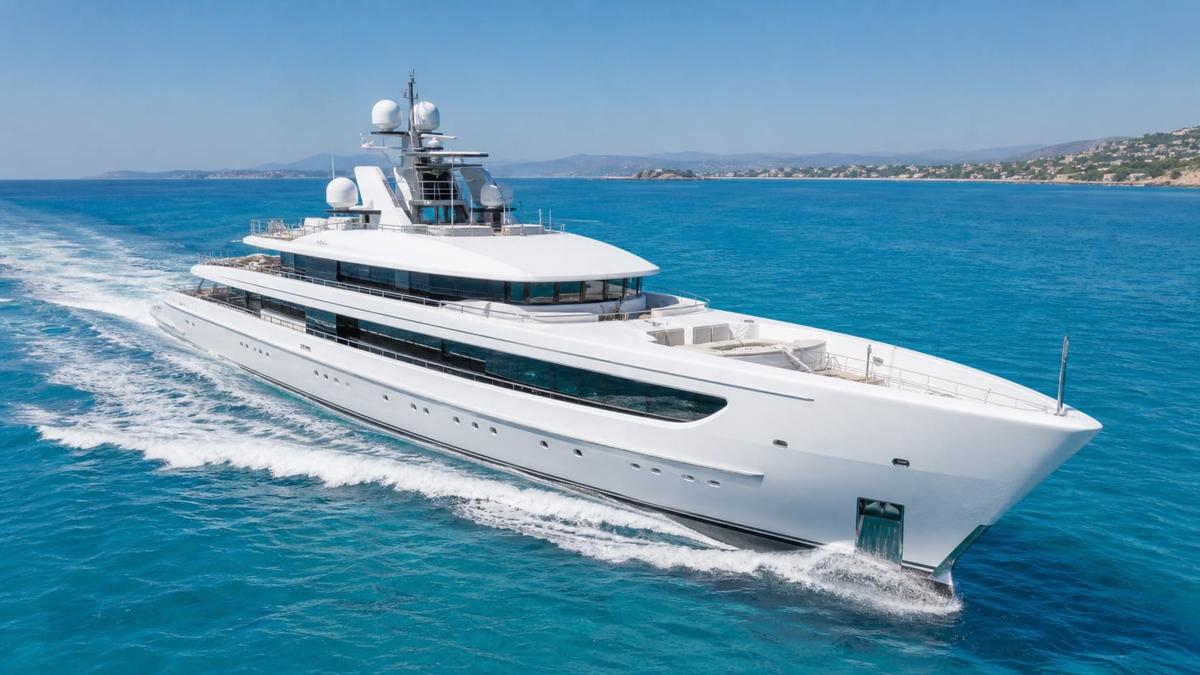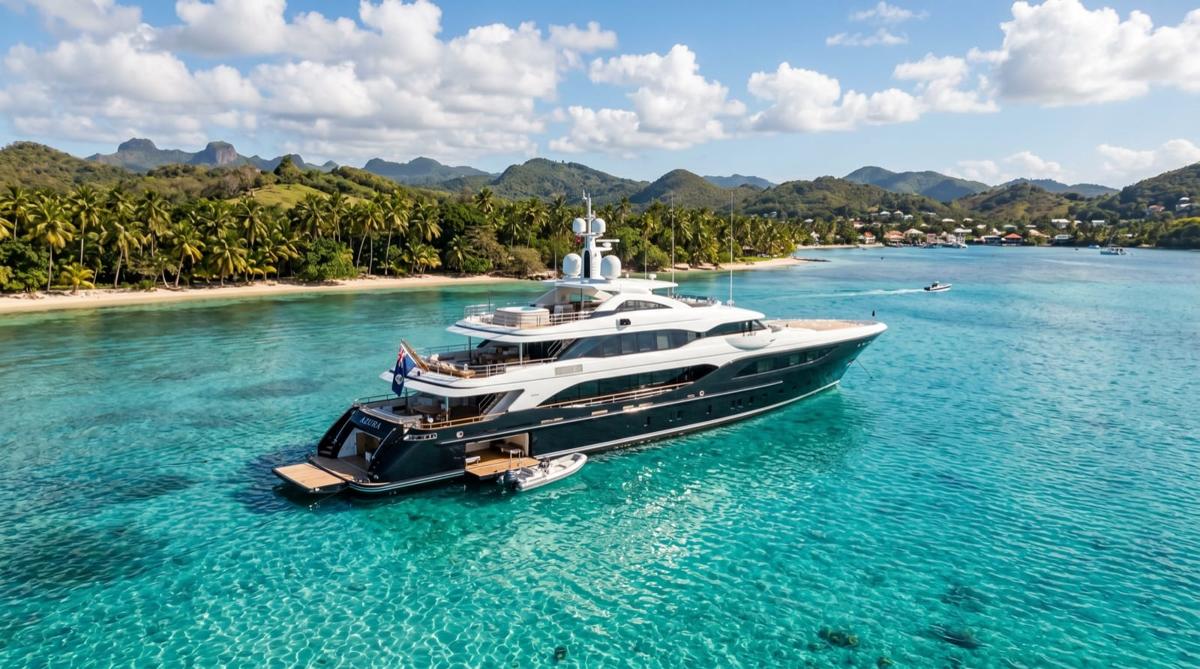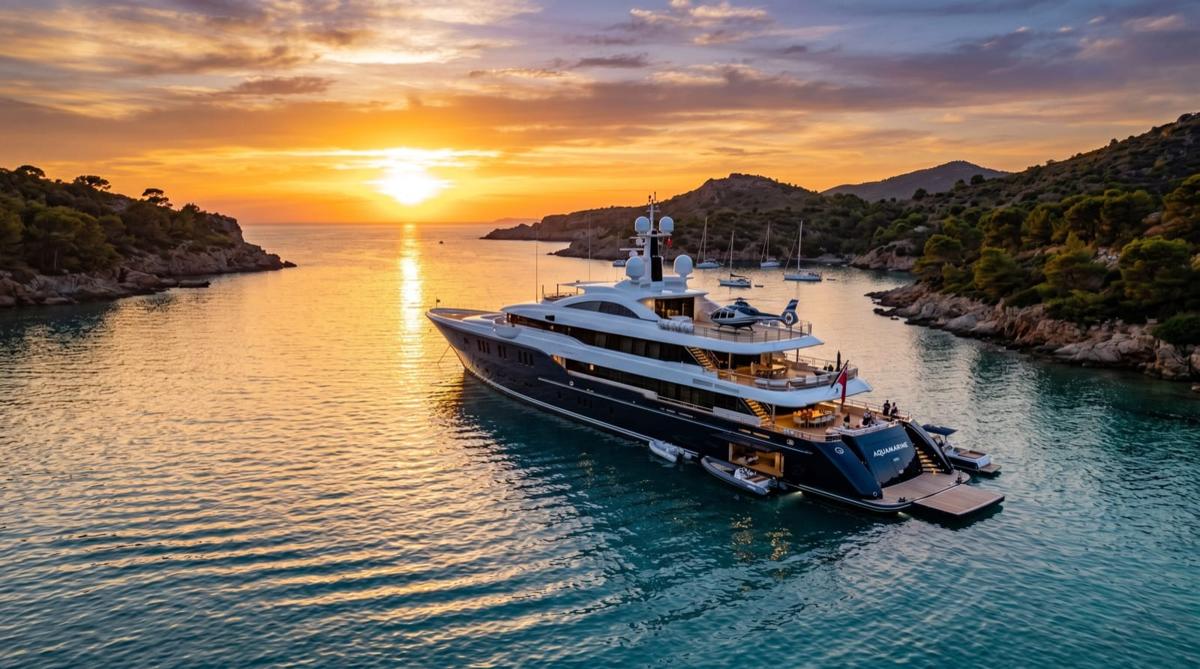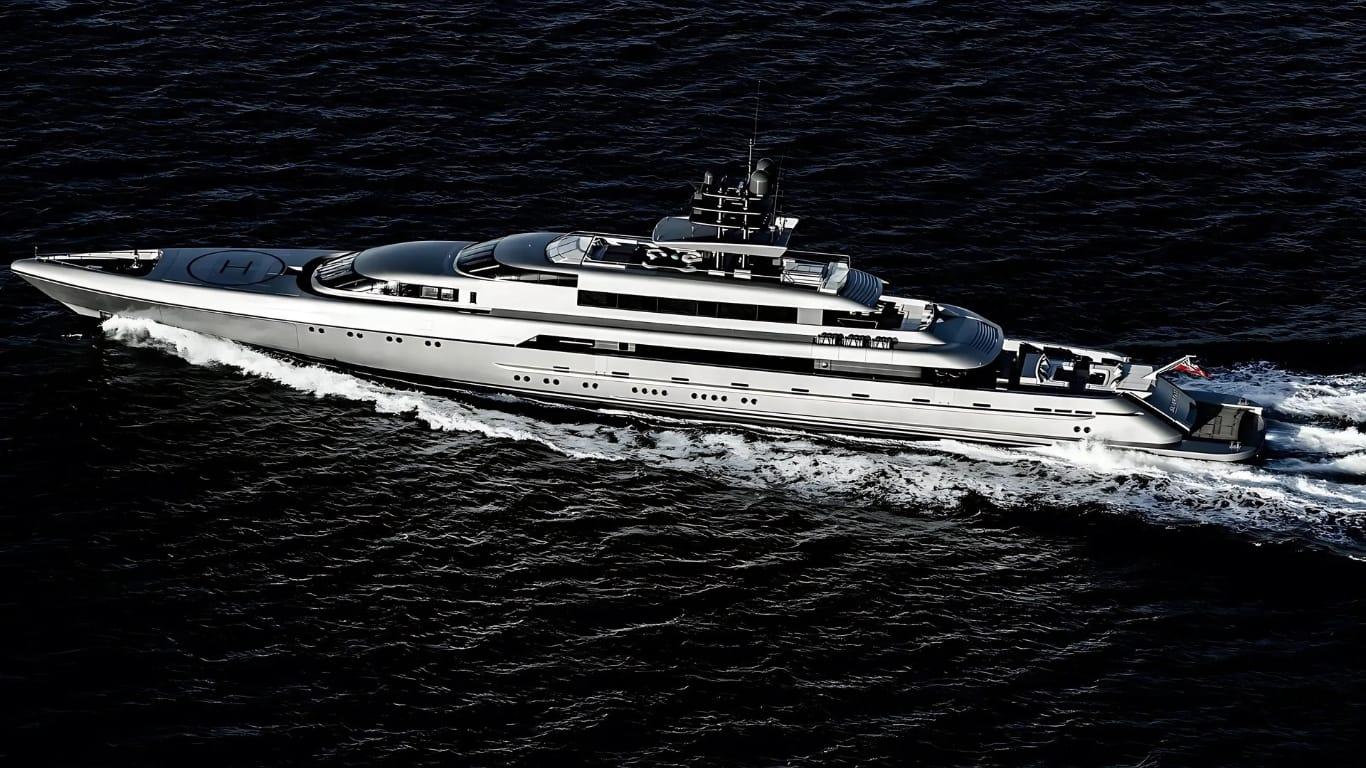
Yacht syndication has gone from niche workaround to mainstream conversation in the superyacht market across the past five years. SuperYacht Times reported syndicate formations on vessels above 30 metres up roughly 45 percent year on year through 2024, with the bulk of the growth in the 30-to-50 metre band. Brokers (Burgess, Edmiston, Camper & Nicholsons, Y.CO, Fraser Yachts) are running structured syndicate processes on a meaningful share of new builds and second-hand transactions.
The underlying logic is straightforward. A 35-metre Sanlorenzo costing €15 million to buy and €1. 5 million a year to run sits well within reach of four to six owners splitting the carrying cost.
The same boat is essentially out of reach for most single owners who would use it three or four weeks a year.
- Yacht syndicates have taken off as a credible model for sharing superyacht acquisition and operational costs across multiple principals, with structured operators supporting the broader fractional ownership landscape.
- We see SeaNet, Smartyacht, YachtZoo and selected boutique operators anchoring the contemporary yacht syndicate market across the upper-end fleet.
- Typical syndicate structures span 4 to 12 owners sharing a single vessel, with usage allocation, operational scheduling and cost-sharing protocols formalised through detailed legal agreements.
- Syndicate participation materially reduces all-in cost of access versus sole ownership, with operational management typically professionalised through the syndicate operator framework.
- Exit pathways including secondary share sales and structured wind-down arrangements support practical participation across multi-year horizons.
- For most considered yacht buyers we view syndicate structures as a meaningful alternative to sole ownership across the typical superyacht access decision.
- Who is this for?
- Yacht buyers evaluating fractional ownership and syndicate structures, alongside the operators, maritime lawyers and yacht management firms framing those decisions.
- What is happening?
- A read of yacht syndicates and how owners share superyacht costs, covering operator landscape, syndicate structures, cost-sharing protocols and exit pathways.
- When did this emerge?
- The article reflects current market conditions through 2025 and 2026, with reference to the multi-year evolution of yacht syndicate participation.
- Where is this happening?
- The piece covers the global yacht syndicate complex, including the Mediterranean and Caribbean primary operational areas.
- Why does it matter?
- Syndicate participation offers distinctive access economics, which is why understanding the framework matters before any superyacht acquisition decision.
What a yacht syndicate actually is
A yacht syndicate is a formal multi-owner structure on a single vessel, typically with four to eight participants. The owners share the purchase price, the annual operating costs, and the usage calendar. The vessel sits in a single-purpose holding company (often Cayman, Maltese, or Marshall Islands), with the syndicate agreement governing how the cap table, the usage rotation, and the exit work.
The model sits between full single ownership and the broker-led charter market. Owners get genuine ownership rights (the boat, the captain, the crew), the usage calendar (typically two to four weeks a year per share), and a real exit at a defined valuation point. They do not get the unlimited-use, fully bespoke ownership experience of a single-owner flagship.
Our companion piece on how the fractional-ownership model actually works covers the contractual and economic mechanics in detail. The two structures (syndicate and fractional) are close cousins, with the main difference being whether the participants jointly own the vessel directly (syndicate) or hold fractional interests in a managed pool (fractional).
Why the market has widened
Three things have moved the syndicate cohort from niche to mainstream. First, the carrying cost of a top-tier superyacht has continued to rise faster than wages in the relevant wealth bands. The 2024 SuperYacht Group annual cost report tracked operating expenses on a 40-metre motor yacht at roughly €1.
5 to €2 million a year before any major refit cycles.
Second, the analytical lens that new wealth applies to large purchases has hardened. The technology-and-finance cohort entering the yacht market is more inclined to run the math on cost per usage week than the previous generation. At four weeks of personal use on a 40-metre boat, single ownership lands the effective cost per week well above €400,000 once you account for capital lock-up and depreciation.
Third, the broker side has built genuine infrastructure around syndicate formation. Burgess, Edmiston, and Y.CO now run structured syndicate processes on new builds, with the broker leading partner introductions, due diligence on the cap table, and the syndicate-agreement drafting. The SeaNet model and the Smart Yacht Group framework have anchored the broker-aligned version of the conversation.
The wider buyer cohort is covered in more detail in our read on why luxury yachts are drawing a wider class of buyer.
How the economics actually work
The carrying-cost math is the easier half of the conversation. On a €15 million boat with €1. 5 million in annual operating costs, a six-owner syndicate splits the purchase at €2.
5 million per share and the running costs at €250,000 per share per year. Each owner gets roughly six weeks of usage and the option to charter their unused weeks through the syndicate's appointed broker.
Net charter income on the unused weeks typically covers 20 to 40 percent of each owner's share of operating costs, on a vessel that markets well to the charter cohort. The combination of personal use plus net charter on the unused weeks is what makes the model work financially. Our read on chartering versus owning covers the comparison in more detail.
The exit is the harder half. Syndicate agreements typically include either a right-of-first-refusal on share transfers (with cap-table approval from remaining owners) or a scheduled exit window at three or five years.
The right structure depends on whether the syndicate is built around the boat (long-term hold) or around the cohort (exit at the partner's convenience). The full cost picture is covered in our read on the real costs of yacht maintenance and operation.
The yacht-management layer
The yacht-management firm is where syndicates either work cleanly or collapse into disputes. The management company runs the captain, the crew, the maintenance calendar, the dockage, the provisioning, and the relationship with the broker on charter.
On a single-owner vessel, the owner can be as involved or as hands-off as they want. On a syndicate, the management firm needs to be tightly run, transparently communicating with all owners, and rigorous on the calendar.
The serious management firms running superyacht operations (Burgess Yacht Management, Camper & Nicholsons Yacht Management, Fraser Yacht Management, Y.CO Management, Northrop & Johnson Yacht Management, Engel & Völkers Yachting on the broker-aligned side) all run dedicated syndicate practices. The syndicate-agreement template they bring is one of the things to compare carefully early in the process.
Communication discipline matters more on a syndicate than on a single-owner boat. The management company should be running a quarterly accounting cycle, a transparent maintenance calendar, and a clear usage-rotation tool. The owners who do best on syndicates are the ones who pick a management firm with real syndicate experience rather than a friend with general yachting credibility.
What kind of vessel works in syndicate
The vessels that work in syndicate are usually motor yachts in the 30-to-50-metre band from established yards (Sanlorenzo, Benetti, Heesen, CRN, Princess, Sunseeker for the smaller end). The boat needs to be well-suited to the cruising grounds the cohort actually uses (typically the Western Mediterranean and the Caribbean), with a layout that works across families, friends, and charter rotation.
Bespoke single-owner flagships work less well in syndicate. A boat designed around one owner's specific taste in interiors, art, and amenities tends to be harder to share. The syndicates that work tend to start with a more neutral, broadly appealing vessel from one of the production-aligned yards rather than a custom Feadship or Lürssen build.
The naval-architect cohort behind the syndicate-friendly builds (Espen Øino, Reymond Langton, Tim Heywood, Andrew Winch) anchors most of the serious work on the 30-to-50-metre motor-yacht segment. The classification societies (Lloyd's Register, RINA, ABS, Bureau Veritas, DNV) verify the build to the standards the syndicate agreement requires for insurance and charter compliance.
Where the model fits in the wider market
Syndicates do not replace single ownership at the top of the market. The €100 million-plus flagship segment is still where single-owner builds with custom interiors and bespoke cruising calendars genuinely live. The Eclipse-class and Flying Fox-class builds sit at that tier and operate on their own logic entirely.
What syndicates have done is widen the door at the genuine entry point of serious superyacht ownership. The 30-to-50-metre band that runs through the mid-market broker calendar is where the cohort widening has actually happened.
The cohort buying syndicate shares is, broadly, the cohort that previously chartered three or four weeks a year and is now ready to commit to a longer-duration ownership position without single-owner economics. Our wider review of the best yacht brands to consider in 2026 sits alongside.
What this means for prospective owners
The syndicate model is now a serious option for the cohort entering the 30-to-50-metre superyacht segment. The broker-led infrastructure (Burgess, Edmiston, Y.CO, Camper & Nicholsons, Fraser Yachts) has matured to the point where partner introductions, syndicate-agreement drafting, and yacht-management oversight all run on industry-standard processes.
The honest read is that the syndicate model rewards owners who want genuine ownership rights without the full carrying cost and who are comfortable sharing the calendar and the captain. It does not reward owners who want fully bespoke single-owner control of every dimension of the vessel. For the right buyer with the right cohort, the model materially lowers the financial bar to serious superyacht ownership.
We last reviewed this analysis in May 2026.