

Buying your first home is one of the most exciting things you’ll ever do, and one of the most overwhelming. Having the right first-time homebuyer tips in your corner can make all the difference between a smooth process and a costly mistake. From understanding your financial health to navigating the mortgage process, getting prepared before you dive in means you make smart decisions at every turn.
This guide breaks down practical, actionable advice so you feel confident, informed, and ready to take that leap into homeownership.
- First-time homebuyers consistently benefit from running a structured fourteen-point process covering credit, savings, market research, financing, viewing and closing discipline.
- We see credit score optimisation in the six months before application as one of the highest-leverage early steps, with FICO improvements directly affecting available rates.
- Down payment savings should ideally cover twenty percent of price plus a closing cost reserve, although low-down-payment programmes work for buyers with strong income stability.
- Pre-approval rather than pre-qualification gives buyers genuine standing in competitive situations, with the underwritten letter taken far more seriously than the soft estimate alternative.
- Buyer agent representation, particularly post the recent NAR settlement changes, deserves explicit conversation about scope and compensation rather than informal arrangements.
- For all first-time buyers we view a written checklist running from credit through closing as the foundation of a low-stress purchase process, even if some items end up not applying.
- Who is this for?
- First-time homebuyers at any income level building their acquisition process, alongside the mortgage brokers, agents and family advisers supporting them through the transaction.
- What is happening?
- A practical guide to fourteen first-time homebuyer tips, covering credit preparation, savings, financing, market research, viewing discipline and the closing process from start to finish.
- When did this emerge?
- The article reflects current market practice through 2025 and 2026, including the post-NAR-settlement buyer agent environment and the latest mortgage product landscape.
- Where is this happening?
- The piece focuses on the United States in most detail, with cross-reference to United Kingdom, Canadian and Australian first-time buyer programmes where structural principles translate.
- Why does it matter?
- First-time buyer mistakes compound across the entire ownership period, which is why disciplined process at the outset typically saves more than the value of any single tactical decision.
1. Assess Your Financial Health
The first-time-buyer playbook is documented in depth by the major data providers. Zillow and Redfin both publish research on first-time-buyer cohorts, including affordability ratios and time-to-close trends that map onto each step of the process.
The financing layer sits at the mortgage giants. Freddie Mac and Fannie Mae publish quarterly research on the loan side, while the National Association of Realtors covers the buyer-experience side with the same rigor.
Before you browse a single listing or step foot in an open house, you need to take a hard, honest look at your financial health. This is the foundation everything else is built on. A clear picture of where you stand financially will determine what you can afford, what loans you qualify for, and how confidently you can move through the buying process.
According to the Federal Reserve, the average U.S. household carries about $96,000 in debt. That number alone should tell you why understanding your finances before committing to a home purchase is so critical. By mapping out your income, expenses, and existing debts, you’ll know exactly where you stand and what adjustments you need to make before you can comfortably afford a home.
Steps to Assess Your Financial Health
- Calculate Your Debt-to-Income Ratio (DTI): Lenders use your DTI to determine how much you can borrow. A lower DTI signals that you’re managing your debts responsibly and can handle mortgage payments. To calculate:
- Divide your total monthly debt payments by your gross monthly income.
- Multiply the result by 100 to get your DTI percentage.
For most lenders, a DTI under 36% is ideal, though some loan programs allow higher ratios.
- Review Your Monthly Budget: Analyze your spending habits to see how much you can allocate toward a mortgage. Consider:
- Fixed expenses like rent, car payments, and insurance.
- Variable expenses like dining out and entertainment.
Trim unnecessary spending and redirect those funds toward saving for your home.
- Determine Your Home Affordability: Use an affordability calculator to estimate what you can comfortably spend. A common rule of thumb is that your monthly housing costs (including mortgage, taxes, and insurance) should not exceed 28% of your gross income.
- Start Building an Emergency Fund: Beyond saving for a down payment, you’ll need a financial buffer for unexpected expenses like repairs or maintenance. Experts recommend having three to six months’ worth of living expenses saved in a separate account.
Common Mistakes to Avoid
- Ignoring Hidden Costs: Property taxes, homeowners insurance, and maintenance can add hundreds to your monthly expenses.
- Focusing Solely on the Mortgage: While the loan is the largest expense, budgeting for utilities, repairs, and move-in costs is equally important.
- Underestimating Your Debt Load: High credit card balances or student loans can affect how much a lender is willing to loan you.
Tools to Simplify the Process
- Budgeting Apps: Tools like Mint or YNAB (You Need A Budget) can track your spending and help identify areas to cut back.
- Affordability Calculators: Online calculators can estimate what you can afford based on your income, debt, and savings goals.
Assessing your financial health is the cornerstone of a successful home-buying journey. Once you understand your income, expenses, and debt, you can make informed decisions that align with your budget and long-term goals. A realistic financial foundation doesn’t just help you afford your first home. It helps you actually enjoy it without the constant weight of financial stress.
2. Check and Improve Your Credit Score
For deeper context, the breakdown in how to choose the right home loan as a first-time buyer is worth reading alongside this analysis.
Your credit score is one of the most powerful numbers in the home-buying process. It shapes your mortgage eligibility, determines the interest rate you’ll pay, and influences which loan options are even on the table. Improving your score before you apply can save you thousands of dollars over the life of your loan, so this deserves real attention.
Lenders treat your credit score as a window into your financial responsibility. According to Experian, the average credit score for approved mortgage applicants was 716. While many loan programs accept scores as low as 580, a higher score unlocks better interest rates and more favorable terms.
That gap in rates can translate to a significant difference in what you pay every single month.
For example:
- A borrower with a 740 score may qualify for a 6.5% interest rate.
- A borrower with a 620 score might face a 7.5% rate. On a $300,000 loan, that 1% difference could mean paying nearly $70,000 more in interest over 30 years.
Steps to Check and Improve Your Credit Score
- Get Your Free Credit Report: Start by pulling your credit report from all three major bureaus—Experian, Equifax, and TransUnion. You can access these for free annually at AnnualCreditReport.com. Review the reports carefully for:
- Errors, like incorrect balances or late payments.
- Old accounts that should have been removed.
- Fraudulent activity or accounts you don’t recognize.
- Dispute any inaccuracies immediately, as they can drag down your score.
- Pay Down Outstanding Debt: Credit utilization, the percentage of your available credit that you’re using, is a major factor in your score. Aim to keep your utilization below 30%, though under 10% is ideal. If possible:
- Pay off high-interest credit card balances first.
- Avoid adding new charges to your cards while saving for a home.
- Make Every Payment on Time: Payment history accounts for 35% of your credit score, making it the single largest factor. Set up automatic payments or calendar reminders to ensure you never miss a due date.
- Avoid Opening or Closing Accounts: During the home-buying process, avoid any actions that could impact your credit, such as:
- Opening New Accounts: Each hard inquiry can lower your score by a few points.
- Closing Old Accounts: This reduces your total available credit, which can increase your utilization ratio and hurt your score.
- Consider a Secured Credit Card: If your credit score is low, using a secured credit card responsibly can help you build credit. Pay off the balance in full each month to show lenders you’re financially responsible.
How Long Does It Take to Improve Your Score?
Improving your credit score isn’t an overnight process, but small, consistent changes can move the needle more than you’d expect. According to FICO
- Resolving inaccuracies can boost your score within 30 to 60 days.
- Paying down balances may reflect improvements in 1 to 2 months.
- Building a strong payment history takes at least 6 months of consistent effort.
Common Credit Score Myths
- Closing Paid-Off Accounts Helps Your Score: This can actually lower your score by reducing your credit history length and available credit.
- Checking Your Credit Hurts Your Score: A personal credit inquiry (also called a soft pull) does not affect your score.
- You Need to Carry a Balance to Build Credit: Paying off your balance in full each month is the best strategy for maintaining a healthy score.
3. Save for a Down Payment and Closing Costs
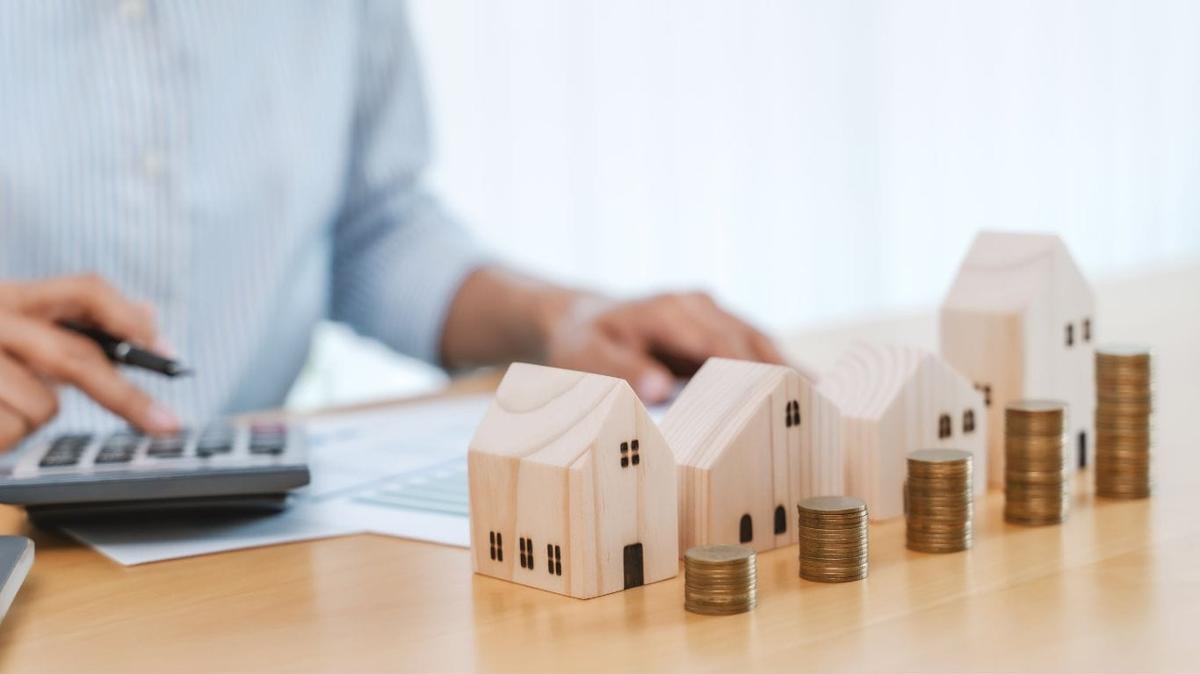
Saving for a home is one of the biggest financial hurdles for first-time buyers, but it’s also the most essential. Your down payment and closing costs lay the financial groundwork for your entire purchase and directly affect how much you’ll pay over the life of your mortgage.
The size of your down payment matters more than most people realize. A larger down payment shrinks your monthly mortgage payments, can help you lock in a better interest rate, and may eliminate the need for private mortgage insurance, commonly known as PMI. PMI typically runs between 0.5% and 1% of the loan amount annually.
On a $300,000 loan, that’s up to $3,000 per year going out the door before you’ve bought a single piece of furniture.
Some loan programs let you put down as little as 3%, but aiming for 20% is the smart play if you want to avoid PMI. On a $300,000 home, a 20% down payment works out to $60,000. It’s a substantial goal, but one that pays off over time in ways that go well beyond just avoiding that monthly insurance charge.
Closing costs catch a lot of first-time buyers off guard. They typically run between 2% and 5% of the home’s purchase price. On that same $300,000 home, you could be looking at an additional $6,000 to $15,000 on top of your down payment.
These fees cover things like loan origination, home appraisals, title insurance, and attorney services.
Planning for these costs in advance prevents last-minute financial panic, which is why budgeting for closing costs is one of the most important first-time homebuyer tips you’ll find. Some lenders offer programs to help cover closing costs, but those deals often come with trade-offs like higher interest rates over the life of the loan.
Start Saving Early
Building a substantial down payment and having enough left over for closing costs requires a real strategy. According to a Bankrate survey, 26% of millennials cited saving for a down payment as the single biggest barrier to homeownership. To get ahead of that challenge
- Set a Clear Goal: Calculate how much you’ll need for both the down payment and closing costs. Break that total into smaller monthly savings goals to make it manageable.
- Automate Your Savings: Create a dedicated savings account for your home fund and set up automatic transfers to ensure consistent contributions.
- Cut Back on Non-Essentials: Evaluate your spending habits. Redirect money spent on dining out, streaming services, or other non-essentials into your savings account. Cutting back $200 per month adds up to $2,400 in just one year.
Take Advantage of First-Time Buyer Programs
A range of programs exist specifically to ease the financial burden for first-time homebuyers. For example
- FHA Loans: Require as little as 3.5% down.
- VA Loans: Offer zero-down-payment options for veterans and active-duty service members.
- State-Sponsored Assistance Programs: Many states offer grants or low-interest loans to assist with down payments or closing costs.
Researching and using these programs can reduce the amount you need to save yourself and accelerate your path to ownership. If you want to understand how affordable real estate markets with high ROI could work in your favor as a first-time buyer, that’s worth exploring too.
Increase Income to Accelerate Savings
Boosting your income can fast-track your savings timeline. Consider picking up freelance work, selling unused items, or taking on a part-time gig. Even modest increases add up quickly.
An extra $500 per month means $6,000 in a year, which is a meaningful contribution toward your down payment goal.
Account for Hidden Costs
Beyond the down payment and closing costs, you’ll need to budget for immediate expenses after you move in. New homeowners spend an average of $3,500 on repairs and upgrades within the first year. Common costs include
- Replacing locks or rekeying doors.
- Purchasing essential appliances.
- Minor renovations like painting or flooring.
Having a buffer fund in place means you can handle those surprises without any financial stress.
How Saving Smarter Pays Off
Here’s a practical example worth running through. Suppose you save $30,000 for a down payment on a $300,000 home. At a 6.5% interest rate on a 30-year mortgage, your monthly payment sits around $1,708.
If you instead put down $60,000 (that 20% threshold), your monthly payment drops to $1,438. That’s a savings of $270 per month. Over 30 years, you’re looking at $97,200 saved, and that’s before you factor in eliminating PMI costs entirely.
Saving for your down payment and closing costs can feel like a long road, but with careful planning, consistent effort, and smart use of available resources, it’s absolutely achievable. Taking these steps now builds the financial stability that lets you enjoy homeownership rather than just survive it.
4. Explore Mortgage Options
Understanding your mortgage options is one of the most critical steps in the entire home-buying process. Not all loans are built the same, and choosing the right one can save you tens of thousands of dollars over the life of your loan. Here’s a breakdown of the key mortgage types and what makes each one worth considering for first-time buyers.
Conventional Loans
Conventional loans are not backed by the government, making them a popular choice for buyers with solid financial profiles. They typically require
- Credit Score: A score of at least 620, though higher scores (700+) secure better rates.
- Down Payment: 3% to 20% of the home’s price, depending on the lender.
- Loan Limits: As of 2024, conforming loan limits are $726,200 in most areas (higher in high-cost regions).
Why go the conventional route? They offer competitive interest rates and the flexibility to drop PMI entirely once you put down 20% or more.
FHA Loans
First-time buyers with less-than-perfect credit or smaller down payments often turn to Federal Housing Administration (FHA) loans. These government-backed loans come with
- Credit Score Requirements: As low as 580 with a 3.5% down payment; scores between 500-579 may qualify with a 10% down payment.
- PMI Requirement: Unlike conventional loans, FHA loans require PMI regardless of the down payment size, but premiums are often lower.
- Loan Limits: Vary by region but are generally lower than conventional loans.
FHA loans make homeownership accessible for those who might otherwise struggle to qualify, though the added PMI costs are worth factoring into your long-term budget.
VA Loans
If you’re a veteran, active-duty service member, or a qualifying spouse, a VA loan is one of the best options available to you. These loans, backed by the Department of Veterans Affairs, offer
- Zero Down Payment: No need for a hefty upfront investment.
- No PMI: A major cost-saving feature.
- Flexible Credit Requirements: While there’s no official minimum credit score, most lenders look for scores above 620.
VA loans are an outstanding benefit for those who qualify. Affordable homeownership with minimal upfront costs is a combination that’s hard to beat.
USDA Loans
If you’re buying in a rural or certain suburban area, the United States Department of Agriculture offers loans with
- Zero Down Payment: Like VA loans, USDA loans don’t require a down payment.
- Income Limits: These loans are designed for low- to moderate-income households.
- Location Restrictions: Eligibility depends on the property’s location. Use the USDA’s online tool to check.
These loans are ideal if you meet the income and location criteria, delivering real affordability in less densely populated areas.
Fixed-Rate vs. Adjustable-Rate Mortgages
Once you’ve identified the right loan type, you’ll also need to choose between a fixed-rate mortgage and an adjustable-rate mortgage (ARM).
- Fixed-Rate Mortgages: The interest rate remains the same for the life of the loan (typically 15 or 30 years). This is the most popular choice for first-time buyers, as it offers stability and predictable payments.
- Adjustable-Rate Mortgages (ARMs): The interest rate starts lower but adjusts periodically based on market conditions. ARMs can be advantageous if you plan to move or refinance within a few years but carry the risk of rate increases over time.
According to Freddie Mac, even a 1% difference in your interest rate can translate to tens of thousands of dollars in savings or extra costs over the life of your loan. On a $300,000 loan, the gap between a 6% and a 7% rate is $200 per month, or $72,000 over 30 years. That’s real money.
Once you understand your options, getting pre-approved is the logical next step. Pre-approval
- Helps you lock in an interest rate, protecting you from potential rate increases.
- Shows sellers you’re a serious buyer.
- Gives you a clear picture of how much you can borrow.
5. Hire a Knowledgeable Real Estate Agent
A skilled real estate agent is far more than someone who books showings. They’re your advocate, your negotiator, and your guide through every twist of the home-buying process. For first-time buyers especially, having an experienced agent in your corner can be the difference between a smooth experience and an exhausting one.
According to the National Association of Realtors, 87% of buyers worked with a real estate agent during their home search. That figure speaks to how valuable professional guidance is, particularly for first-timers navigating a complex and often competitive housing market.
An experienced agent can help you with
- Market Knowledge: They understand local market trends, pricing, and which neighborhoods align with your budget and lifestyle.
- Home Search Efficiency: Agents often have access to listings that aren’t yet public, giving you a competitive edge.
- Negotiation Expertise: They know how to craft a compelling offer and negotiate on your behalf, whether it’s for price reductions, contingencies, or closing costs.
- Legal and Procedural Guidance: From offer letters to closing paperwork, agents ensure every step is compliant and nothing gets overlooked.
How to Find the Right Agent
Not all real estate agents bring the same level of skill or commitment, so it’s worth taking the time to vet your options properly. Here’s how
- Seek Recommendations: Ask friends, family, or coworkers who recently bought homes for referrals. Personal experiences often provide the best insights.
- Check Online Reviews: Platforms like Zillow, Realtor.com, or Google Reviews can give you a sense of an agent’s reputation and track record.
- Interview Multiple Agents: Treat this process like hiring for a job. Ask questions about their experience, local knowledge, and approach to first-time buyers.
- Look for Certification: Agents with certifications like Accredited Buyer’s Representative (ABR) specialize in working with buyers and may offer added value.
Questions to Ask When Interviewing Agents
When you sit down with potential agents, consider asking
- How many buyers have you helped purchase homes in this area?
- How do you handle competitive bidding situations?
- What’s your availability for showings and consultations?
- Can you provide references from recent clients?
While most agents genuinely prioritize their clients, there are warning signs worth watching for
- Lack of Communication: If they’re slow to respond or unclear in their answers, that could signal future frustrations.
- Pressure to Overspend: A good agent should respect your budget and help you stay within it.
- Inexperience in Your Market: An agent who isn’t familiar with your desired area may struggle to provide valuable insights or negotiate effectively.
Most real estate agents earn their pay through a commission that typically runs 5% to 6% of the home’s sale price, split between the buyer’s and seller’s agents. The good news for you is that as the buyer, you typically don’t pay this fee. The seller covers it.
Buying your first home is both an emotional and financial investment. You need someone who genuinely has your back. A great agent won’t just show you properties.
They’ll educate you on the process, advocate for your best interests, and help you sidestep the mistakes that trip up so many first-time buyers.
6. Identify Your Needs and Wants
Before you dive headfirst into house hunting, get clear on what you actually need versus what you’d simply like to have. Without that clarity, the process can spiral into overwhelm fast. Knowing your true priorities helps streamline your search and keeps buyer’s remorse at bay once you’ve signed on the dotted line.
According to the National Association of Realtors, 56% of first-time homebuyers wished they had given more thought to all aspects of their purchase, with location, size, and layout ranking as the most common regrets. Building a clear distinction between your must-haves and your nice-to-haves keeps you anchored to choices that actually serve your long-term goals.
The right home isn’t just about square footage or curb appeal. It should genuinely work for your lifestyle. Ask yourself
- How close do I need to be to work, schools, or other daily destinations?
- Do I plan to entertain often, or is a quiet retreat more important?
- Will I need extra space for hobbies, a home office, or a growing family?
Defining those factors early will help you filter out properties that look great in photos but don’t fit the way you actually live.
Create a Needs vs. Wants Checklist
Divide your home criteria into two clear categories
Needs (Non-Negotiables)
- Number of bedrooms and bathrooms.
- Proximity to public transportation, schools, or work.
- Specific layout features (e.g., single-story vs. multi-story).
- Safety and walkability of the neighborhood.
Wants (Would Be Nice)
- A spacious backyard or outdoor area.
- High-end finishes like granite countertops or hardwood floors.
- Smart home technology or built-in appliances.
- Proximity to restaurants or nightlife.
A written checklist keeps you focused during property tours and stops emotions from driving decisions that your budget or logic wouldn’t otherwise support.
Think beyond where you are today. The average first-time homebuyer stays in their home for about 13 years, according to the U.S. Census Bureau. Your needs right now might center around a short commute or an accessible price point, but consider how your life could look five or ten years from now.
Will you need
- More bedrooms for children?
- A home office for remote work?
- A yard for pets or gardening?
Buying a home that can accommodate your future self can save you from the cost and disruption of moving sooner than you planned.
Research the Neighborhood
Your home doesn’t exist in a vacuum. The surrounding neighborhood shapes your daily quality of life in ways that matter just as much as what’s inside the walls. Spend time researching potential areas for
- School Districts: Even if you don’t have kids, homes in good school districts often have higher resale values.
- Safety: Check local crime rates through resources like NeighborhoodScout or City-Data.
- Amenities: Look for nearby grocery stores, parks, gyms, and other essentials.
- Noise Levels and Traffic: Visit the area at different times of the day to get a sense of its vibe.
Stay Realistic About Your Budget
While it’s tempting to chase perfection, every extra feature carries a price tag. Avoid stretching your budget for wants that won’t genuinely improve your day-to-day life. A gourmet kitchen looks stunning, but if you rarely cook, it’s money better directed elsewhere.
If you’re buying with a partner, family member, or friend, make sure everyone is aligned on priorities before you start viewing properties. Disagreements mid-search cause delays and, worse, lead to compromises that leave no one fully satisfied. Sit down together and rank your top three needs and wants so expectations are clear from day one.

7. Research Neighborhoods Thoroughly
Finding the right home isn’t only about what’s inside those four walls. It’s about the community you’re joining. A neighborhood can shape your quality of life and determine the long-term value of your investment in ways that square footage and finishes simply can’t.
Taking the time to research potential areas thoroughly means you find a location that works for you now and still makes sense years down the road.
Why the Neighborhood Matters
According to a Zillow survey, 63% of homebuyers said the neighborhood mattered more to them than the home itself. From safety to school districts, your surroundings play a huge role in shaping your everyday experience and the future resale potential of your property.
Here’s why it’s worth making neighborhood research a priority
- Convenience: Proximity to work, schools, public transportation, and amenities reduces daily stress.
- Safety: Feeling secure in your home and community is invaluable.
- Lifestyle Fit: Whether you’re seeking a bustling urban vibe or a quiet suburban retreat, the right neighborhood can enhance your happiness.
- Resale Value: A well-located property is more likely to retain or increase its value over time.
A neighborhood can look completely different depending on the time of day or the day of the week. Visit potential areas in the morning, afternoon, and evening to get a well-rounded read on things like
- Traffic patterns and commute times.
- Noise levels, especially on weekends.
- Parking availability.
- Foot traffic or community activity.
An area might feel perfectly quiet on a Tuesday afternoon but transform into something entirely different on a Friday night.
Evaluate Proximity to Essentials
Build a list of must-have amenities and measure how each neighborhood stacks up. Consider
- Grocery Stores: How close are the nearest supermarkets or specialty stores?
- Healthcare: Is there quick access to hospitals, clinics, or pharmacies?
- Recreational Spaces: Are there parks, gyms, or community centers nearby?
- Dining and Entertainment: How far are your favorite restaurants, cafes, or theaters?
Even if you don’t have children, a strong school district can work in your favor at resale. Homes in highly rated school zones tend to attract more buyers and hold their value better over time. Tools like GreatSchools.org make it easy to explore ratings and community reviews.
Check Crime Rates and Safety
Safety ranks as a top priority for most buyers. Websites like NeighborhoodScout or local police department crime maps give you a detailed, data-driven look at what’s happening in any given area. Look for
- Trends in violent and property crimes.
- Community initiatives or watch programs.
- Street lighting and visible security measures.
Understand Future Development Plans
A neighborhood’s current state tells part of the story. Its future potential tells the rest. Research city or county planning websites for
- Proposed developments (e.g., new schools, shopping centers, or public transit expansions).
- Zoning changes that might impact the area’s character.
- Construction projects that could increase noise or traffic.
A planned light rail station, for example, could push property values up significantly. A new industrial zone nearby might have the opposite effect. Knowing what’s coming before you buy puts you in a much stronger position.
Talk to Locals
No source of insight beats the people who already live there. Strike up conversations with residents or browse local online forums to learn
- What they like most about the community.
- Any common complaints or issues.
- Tips on hidden gems like local cafes or services.
Explore Walkability and Commute Options
If walkability matters to you, check scores on platforms like WalkScore.com and see how easy it is to run errands, use public transit, or simply take a walk without getting in the car. If you commute to work, test the actual route during peak hours before you fall in love with a property. Traffic stress is real, and it’s daily.
Assess Property Trends
Pull up real estate data and look at how the neighborhood’s market has been performing. Key metrics to look at include
- Rental vs. Ownership Rates: A high percentage of owner-occupied homes often reflects a stable, invested community.
- Median Home Prices: Are they trending upward or downward?
- Time on Market: Homes that sell quickly indicate strong demand.
8. Attend Open Houses and Schedule Showings
Once you’ve narrowed down your neighborhoods and identified some promising properties, the exciting part begins. Stepping inside and seeing homes in person gives you something photos and listing descriptions simply can’t. Open houses and private showings let you feel the layout, assess the condition, and get a genuine sense of whether a place could actually be your home.
According to a National Association of Realtors report, 42% of buyers said visiting open houses directly influenced their decision to make an offer. Here’s why showing up in person matters so much
- Visualize the Space: Walking through a home allows you to picture how your furniture and belongings might fit.
- Spot Issues Early: Photos can hide flaws like uneven floors, odors, or poor natural lighting.
- Gauge Interest: A crowded open house could signal high demand, helping you prepare for competition.
How to Prepare for Open Houses
- Bring a Checklist: Use a checklist to evaluate key aspects of each home, such as:
- Condition of walls, floors, and ceilings.
- Quality of windows and doors.
- Storage space in closets and cabinets.
- Functionality of fixtures (e.g., faucets, light switches).
- Wear Comfortable Shoes: You’ll likely be walking around a lot, so dress practically.
- Ask Questions: Use the opportunity to speak with the listing agent and inquire about:
- The home’s history and why it’s on the market.
- Any recent renovations or repairs.
- Utility costs and property taxes.
- Take Notes and Photos: After a few visits, homes can blur together. Write down your impressions and snap photos (if allowed) to review later.
Scheduling Private Showings
If an open house doesn’t fit your schedule, or you simply want a more personal experience, a private showing with your real estate agent is the way to go. Here’s how to make the most of those visits
- Request Flexible Times: Visiting at different times (e.g., morning vs. evening) can reveal details like natural lighting or neighborhood activity.
- Focus on Functionality: Test things you might not notice at first glance:
- Open and close windows, cabinets, and doors.
- Check water pressure by turning on faucets and flushing toilets.
- Inspect electrical outlets and appliances.
- Bring a Measuring Tape: Ensure your furniture, especially larger pieces like couches or beds, will fit comfortably.
What to Look For During Visits
- Structural Integrity: Look for signs of wear or damage, such as cracks in walls, sagging floors, or water stains.
- Natural Lighting: Notice how much sunlight each room receives and whether it fits your preferences.
- Noise Levels: Pay attention to sounds from neighbors, traffic, or nearby businesses.
- Storage Space: Walk through closets, pantries, and storage areas to ensure they meet your needs.
- Neighborhood Vibe: Observe the surrounding streets, nearby homes, and overall atmosphere.
Be Wary of Red Flags
While you’re walking through properties, stay alert to potential deal breakers such as
- Strong odors (e.g., mold, mildew, or pet smells).
- Fresh paint in random areas, which could be hiding damage.
- Overgrown yards or poorly maintained exteriors, signaling neglect.
Virtual Open Houses
Virtual tours and online open houses have become a genuine first step for many buyers, especially if you’re exploring properties from a distance. That said, virtual tours can leave out details that matter, so always try to schedule an in-person visit before putting an offer on the table.
Whether it’s a partner, a trusted friend, or a family member, having a second set of eyes on a property is genuinely valuable. They’ll notice things you might miss in the excitement of the moment and can offer a grounded perspective on whether a home truly fits your needs.
9. Make a Competitive Offer
Once you’ve found the home that checks your most important boxes, it’s time to put together an offer that stands out. In a competitive market, the way you structure your offer can be the deciding factor between getting the keys and watching someone else walk away with the property. A strategic, well-researched approach gives you the best shot at success while keeping your financial interests protected.
Before you write a single number down, understand the market you’re operating in. Is it a buyer’s market where inventory is plentiful, or a seller’s market where demand far outpaces supply?
- Buyer’s Market: You may have room to negotiate the price or request additional concessions, such as covering closing costs.
- Seller’s Market: Be prepared to offer close to or above the asking price and potentially waive certain contingencies to remain competitive.
In competitive markets, 32% of homes sold above their listing price, according to a Redfin market report. Knowing that context shapes how boldly you need to move.
Work Closely with Your Agent
A great real estate agent brings data to the table when it counts most. They’ll pull comparable sales in the area to anchor your offer to a defensible number. If similar homes recently sold for $400,000 but the asking price is $450,000, your agent can advise you on what the numbers actually support, taking into account the property’s condition and current demand.
A strong offer is about more than price. Key terms can make your bid far more attractive to the seller
- Purchase Price: Aim for a figure based on comparable sales and market conditions. Avoid overextending your budget simply to win a bidding war.
- Earnest Money Deposit: This is a good-faith deposit showing your commitment to the purchase. Offering a larger deposit can signal seriousness to the seller.
- Contingencies: These are conditions that must be met for the sale to proceed. Common contingencies include:
- Home inspection.
- Appraisal.
- Financing approval. While waiving certain contingencies might strengthen your offer, it’s crucial to weigh the risks carefully.
- Closing Date: Be flexible with the seller’s preferred timeline. For instance, offering a quick close might appeal to sellers eager to move, while a delayed close could help those transitioning to another home.
In competitive markets, a short, personalized letter to the seller can occasionally tip things in your favor. Share what you love about the home and how you picture yourself living there. It’s not always a deciding factor, but an emotional connection sometimes matters more than you’d expect.
When multiple offers are on the table, you need to think strategically. A few ways to strengthen your position
- Escalation Clauses: This clause automatically increases your offer up to a set limit if other bids come in higher.
- Pre-Approval Letter: Attach a letter from your lender showing you’re pre-approved for the mortgage amount. This reassures the seller that financing won’t be an issue.
- All-Cash Offers: If possible, an all-cash offer eliminates the risk of financing falling through, making it incredibly attractive to sellers.
Don’t Let Emotions Take Over
Buying a home is an emotional process, and that’s completely natural. But staying clear-headed when making an offer is critical. Avoid bidding beyond your budget or waiving essential protections out of desperation. Walking away from the wrong deal is always better than locking yourself into one that doesn’t make financial sense.
Even if your initial offer isn’t accepted, the negotiation isn’t necessarily over. Your agent can help you counteroffer by adjusting terms, increasing earnest money, or modifying contingencies in ways that bring the deal closer without blowing past your budget.
If your offer gets rejected, don’t take it personally. Use it as a learning moment. Was the price too low?
Were there terms that didn’t align with what the seller needed? Refining your approach based on that feedback puts you in a stronger position the next time around.

10. Conduct Thorough Inspections
Once your offer is accepted, the real due diligence begins. A thorough home inspection is your opportunity to uncover anything the listing didn’t mention and make sure you’re making a sound investment. Skipping this step or rushing through it can set you up for expensive surprises that no one wants to deal with after the keys are in your hand.
According to the American Society of Home Inspectors, 86% of homebuyers opted for an inspection before finalizing their purchase. That’s the right move. Discovering structural damage, faulty wiring, or plumbing issues before closing gives you real leverage and can save you from significant financial headaches down the road.
You should also understand what a warranty in real estate actually covers so you know where your protection begins and ends.
What a Home Inspection Covers
A standard inspection typically includes a thorough evaluation of
- Foundation and Structure: Check for cracks, uneven floors, or other signs of instability.
- Roof and Gutters: Look for missing shingles, leaks, or drainage issues.
- Plumbing Systems: Test water pressure, check for leaks, and ensure proper drainage.
- Electrical Systems: Inspect outlets, wiring, and circuit breakers to confirm they meet safety standards.
- HVAC Systems: Assess the heating, ventilation, and air conditioning systems for functionality and efficiency.
- Windows and Doors: Check for drafts, proper sealing, and signs of damage.
- Pest Issues: Look for evidence of termites, rodents, or other infestations.
Hire a Qualified Home Inspector
Choosing the right inspector is as important as doing the inspection itself. Here’s how to make sure you’re working with someone reliable
- Research Credentials: Verify that the inspector is licensed or certified by a recognized organization, such as ASHI or the International Association of Certified Home Inspectors (InterNACHI).
- Check Reviews and References: Look for online reviews and ask for referrals from friends, family, or your real estate agent.
- Attend the Inspection: Be present during the inspection to ask questions and see potential issues firsthand. This also helps you understand the home’s condition better.
Depending on the property’s location and age, you may need additional inspections beyond the standard walkthrough
- Radon Testing: Particularly important in areas with high radon levels, as this gas can pose serious health risks.
- Mold Inspection: Crucial if there are signs of water damage or if the home is in a humid climate.
- Asbestos Testing: Necessary for older homes, especially those built before the 1980s.
- Sewer Scope Inspection: Ideal for homes with older plumbing to check for clogs or damage in the sewer line.
11. Understand the Closing Process
The closing process is the final stretch, the point where all the financial, legal, and logistical pieces come together to officially transfer ownership of the home to you. It’s exciting, but it can also feel like a lot. There’s paperwork, deadlines, and fees coming at you from multiple directions. Knowing what to expect ahead of time means you navigate it with confidence instead of confusion.
Closing, also known as settlement, is the formal process where buyer and seller finalize the real estate transaction. During this phase you’ll
- Review and sign all necessary documents.
- Pay closing costs and any remaining down payment.
- Receive the keys to your new home.
The whole process typically takes 30 to 45 days from the time your offer is accepted, though timelines can shift depending on market conditions and lender requirements.
Key Steps in the Closing Process
- Open an Escrow Account After your offer is accepted, an escrow account is set up to hold funds like your earnest money deposit and ensure all financial transactions are secure. A neutral third party manages this account to protect both buyer and seller.
- Secure Your Financing During closing, your lender will finalize your mortgage. Be prepared to:
- Provide additional documents if requested, such as updated bank statements or pay stubs.
- Avoid making major financial changes, like taking out new loans or credit cards, which could jeopardize your loan approval.
- Order a Home Appraisal Your lender will require an appraisal to confirm the home’s market value matches the purchase price. If the appraisal comes in lower than expected, you may need to renegotiate with the seller or cover the difference yourself.
- Conduct a Title Search A title company will review the home’s ownership history to ensure there are no legal issues, such as liens or disputes, that could affect your ownership. You’ll also purchase title insurance to protect yourself from future claims.
- Review the Closing Disclosure At least three days before closing, you’ll receive the Closing Disclosure from your lender. This document outlines the final terms of your loan, including:
- Loan amount, interest rate, and monthly payment.
- Closing costs and any prepaid expenses.
- Total amount of money you’ll need to bring to the closing table. Compare this document to your Loan Estimate to ensure everything aligns. Contact your lender immediately if you notice any discrepancies.
- Complete a Final Walkthrough A day or two before closing, you’ll conduct a final walkthrough of the property. This is your chance to ensure the home is in the agreed-upon condition and any repairs requested after the inspection have been completed.
What Are Closing Costs?
Closing costs are fees paid at the end of the transaction. They typically range from 2% to 5% of the home’s purchase price. On a $300,000 home, that’s $6,000 to $15,000. These costs may include
- Loan origination fees
- Appraisal and inspection fees
- Title insurance and recording fees
- Prepaid property taxes and homeowners insurance
Some lenders offer to roll closing costs into your mortgage. Just know that doing so increases your loan amount and your monthly payments, so it’s a trade-off worth thinking through carefully.
To make closing day as smooth as possible, come prepared with
- A government-issued photo ID.
- Proof of homeowners insurance.
- A cashier’s check or proof of wire transfer for closing costs and down payment.
- The Closing Disclosure and any other paperwork provided by your lender.
What Happens on Closing Day?
On the big day, you’ll sit down with your real estate agent, lender, title company representative, and possibly the seller. Here’s what to expect
- Sign Documents: You’ll sign a stack of documents, including the mortgage agreement, promissory note, and deed of trust.
- Pay Closing Costs: Provide your cashier’s check or wire transfer to cover any remaining fees.
- Receive the Keys: Once all documents are signed and funds are transferred, the home is officially yours!
Common Closing Delays
Most closings go smoothly, but issues do come up. Common delays include
- Loan approval taking longer than expected.
- Title disputes or unresolved liens.
- Repairs from the inspection not being completed on time.
To minimize delays, stay in close communication with your lender and agent, and be proactive about submitting any documents they request.
12. Budget for Move-In Expenses
Closing on your home is a huge milestone, but the financial journey doesn’t stop there. Moving in brings its own wave of expenses, some expected and some that will catch you off guard. Budgeting for these costs in advance means a smoother transition and lets you settle into your new space without unnecessary financial pressure.
New homeowners typically spend between $3,500 and $5,000 on move-in costs during their first year. These expenses run the range from hiring movers to buying essential furniture and addressing immediate repairs. Without a plan, they add up fast and can leave you feeling stretched right when you should be enjoying your new home.
Key Move-In Costs to Consider
- Hiring Movers or Renting Equipment: Moving costs depend on whether you opt for professional movers or a DIY approach:
- Professional Movers: Expect to pay between $800 and $2,500, depending on the distance and volume of belongings.
- Truck Rentals: Renting a moving truck for a DIY move can cost $100 to $300 per day, plus fuel.
- Supplies: Don’t forget expenses like boxes, tape, and packing materials, which can total $200 or more.
- Essential Furniture and Appliances: Your new home might require furnishings or appliances you didn’t need before. Common purchases include:
- Refrigerators, Washers, and Dryers: These can cost $500 to $2,000 each.
- Beds, Sofas, and Dining Sets: Budget $3,000 to $5,000 for basic furniture if starting from scratch.
- Utility Set-Up and Deposits: Setting up utilities, like electricity, water, internet, and gas, often requires deposits or activation fees. Budget $200 to $500 for these initial costs.
- Repairs and Maintenance: Even with a clean inspection report, unexpected issues can arise once you move in. Common first-year expenses include:
- Plumbing Repairs: Fixing leaks or clogs can cost $150 to $500.
- HVAC Servicing: A tune-up might set you back $100 to $300.
- Landscaping: Basic yard cleanup or equipment purchases can range from $200 to $1,000.
- Decorating and Upgrades: Making your house feel like home often involves personal touches, such as:
- Painting: Professional interior painting costs $2 to $6 per square foot.
- Lighting and Fixtures: Swapping out dated fixtures can cost $100 to $500 per room.
- Window Treatments: Curtains, blinds, or shades can add up quickly, averaging $150 to $300 per window.
How to Budget Effectively for Move-In Costs
- Start Saving Early: Open a separate savings account dedicated to move-in expenses. Aim to set aside at least 2% to 4% of your home’s purchase price. For a $300,000 home, that’s $6,000 to $12,000.
- Prioritize Needs Over Wants: Focus on essentials first. For example:
- Replace broken appliances before splurging on high-end furniture.
- Address safety issues like faulty locks or damaged stairs before cosmetic upgrades.
- Shop Smart: Take advantage of sales, secondhand stores, and online marketplaces to stretch your budget. Sites like Facebook Marketplace and Craigslist often have high-quality items at a fraction of the cost.
- Plan for Ongoing Maintenance: The U.S. Department of Housing and Urban Development (HUD) recommends budgeting 1% of your home’s purchase price annually for maintenance. For a $300,000 home, that’s $3,000 per year, or $250 per month.

13. Consider Resale Value
When you’re buying your first home, it’s easy to focus entirely on whether it fits your life right now. But thinking about how the property will hold its value over time is just as important. Your home is not only a place to live. It’s likely the single biggest investment you’ll ever make. Factoring in resale value from the start ensures your purchase holds up as a sound financial decision, not just a personal one. If you want to go deeper on how to frame a property as a financial asset, learning how to build a real estate investment proposal can sharpen your thinking considerably.
The average homeowner stays in their home for about 13 years, according to the National Association of Realtors. Whether you plan to move sooner or later, buying a property with strong resale potential protects your investment and maximizes your profit when the time eventually comes to sell.
Factors That Influence Resale Value
- Location: Real estate experts often say location is the most critical factor in determining a home’s value. Homes in desirable neighborhoods tend to appreciate more consistently. Key location factors include:
- Proximity to Schools: Even if you don’t have children, homes near highly rated schools tend to attract more buyers.
- Access to Amenities: Nearby parks, shopping centers, and restaurants increase a home’s appeal.
- Commutability: Easy access to major highways or public transportation adds convenience and value.
- Size and Layout: While unique layouts may feel charming, they can limit your pool of potential buyers. Homes with:
- 3+ Bedrooms: Typically appeal to families, a large segment of the market.
- Open Floor Plans: Are consistently in high demand.
- Functional Spaces: Homes with multipurpose rooms, like a home office or gym, are increasingly valuable post-pandemic.
- Condition and Maintenance: Buyers are willing to pay a premium for homes that are well-maintained and move-in ready. Keep these considerations in mind:
- Major Systems: Roofs, HVAC systems, and plumbing that are in good condition signal fewer future expenses for buyers.
- Energy Efficiency: Features like updated windows, insulation, or solar panels can increase appeal and reduce costs for the next owner.
- Neighborhood Trends Research whether the neighborhood is up-and-coming or stagnating. Indicators of growth include:
- New construction or revitalization projects.
- Increasing home prices in the area.
- Expanding local businesses or job opportunities.
How to Assess a Home’s Resale Value
- Review Comparable Sales (Comps) Your real estate agent can provide data on similar homes that have recently sold in the area. Look for trends in pricing, time on the market, and any price reductions to understand demand.
- Evaluate Future Market Trends Check local government websites for planned infrastructure improvements, such as new schools, transit systems, or commercial developments. These projects can positively impact property values.
- Understand Market Cycles Real estate markets fluctuate based on broader economic conditions. Buying during a downturn or in an undervalued area can position you for higher appreciation later.
- Seek Broad Appeal Avoid homes with highly specific or niche features that may deter future buyers. For example, a house with a large pool may not appeal to buyers in colder climates or those concerned about maintenance costs.
Smart Improvements for Resale Value
If you’re weighing two similar properties, prioritize the one that gives you room to make cost-effective improvements over time. Renovations that tend to yield strong returns include
- Kitchen Upgrades: According to Remodeling Magazine, a minor kitchen remodel offers an average return of 81% on investment.
- Curb Appeal Enhancements: Simple landscaping or repainting the exterior can boost value by 5-10%.
- Bathroom Updates: Adding modern fixtures or retiling can make a significant impact on buyers.
- Energy Efficiency Improvements: Replacing old appliances or adding solar panels can attract eco-conscious buyers.
Avoid Common Pitfalls
- Overpaying in a Hot Market: While it’s tempting to outbid competitors, paying significantly above market value can limit your resale profit later.
- Ignoring Neighborhood Trends: Even a stunning home can struggle to sell if the area is declining.
- Buying Too Much House: Large homes may have higher resale values, but they also have fewer potential buyers.
14. Be Patient and Stay Flexible
Buying your first home is one of the most significant decisions you’ll ever make, and the process can genuinely feel like a whirlwind. From finding the right property to working through the financial complexities, it’s easy to get swept up in the urgency of it all. But patience and flexibility are two of the most valuable tools you have, and leaning on both protects you from making decisions you’ll regret.
According to a Zillow study, 49% of first-time buyers said they felt rushed during their home-buying journey, and that pressure led to compromises they later wished they hadn’t made. Taking your time means you
- Fully evaluate your financial readiness.
- Compare multiple properties to find the best fit.
- Avoid impulsive decisions driven by emotions or fear of missing out.
Remember, buying a home isn’t just about finding somewhere to live. It’s about making a sound investment that works for you for years to come.
Having a clear list of priorities is smart, but being too rigid can close doors you’d otherwise want open. You might dream of a modern kitchen or a sprawling backyard, but the right property might check fewer boxes than you expected. Stay open to compromises on things that can be changed or improved after you move in, like
- Cosmetic updates (e.g., paint colors, flooring).
- Landscaping or outdoor features.
- Appliances and fixtures.
That said, don’t bend on your true non-negotiables. Location, safety, and structural integrity are not areas where compromise makes sense.
Prepare for Bidding Wars
In competitive markets, bidding wars are a real possibility, and staying patient through them is essential to avoid overpaying or blowing past your budget. Strategies that help in those situations include
- Setting a maximum bid in advance and sticking to it.
- Adding attractive terms to your offer, such as a flexible closing date or fewer contingencies, instead of simply increasing the price.
- Being prepared to walk away if the price exceeds your comfort level.
The home-buying process rarely runs in a straight line. Common setbacks include
- Appraisals coming in lower than expected.
- Loan approvals taking longer than anticipated.
- Sellers changing their terms or timelines.
Rather than letting those moments discourage you, treat them as checkpoints to pause and make sure you’re still on the right path. A temporary delay is a far better outcome than rushing into a purchase that leads to long-term regret.
The search for your first home can be mentally and emotionally draining, especially in a hot market with tight inventory. If frustration or overwhelm starts to creep in, give yourself permission to step back. Use that time to
- Revisit your budget and priorities.
- Research new neighborhoods or expand your search radius.
- Talk with your agent about adjusting your strategy.
A short break often brings renewed energy and a much clearer perspective. The right home is out there, and approaching the search with a calm, focused mindset is what gets you there without burning out along the way.
FAQ
What is the best advice for first-time home buyers?
Before purchasing your first home, ensure you’re financially prepared by saving for a down payment, understanding your credit score, and securing mortgage preapproval.
How much do most first-time home buyers put down?
8%
We last reviewed this analysis in May 2026.