

Stock market crashes get a bad reputation, and honestly, the fear is understandable. Watching your portfolio bleed red while headlines scream about economic collapse is uncomfortable at best, devastating at worst. But here’s the thing, crashes also hand prepared investors some of the most powerful buying opportunities they’ll ever see.
If you know where to look and how to move, a market downturn can quietly become one of the most productive chapters of your financial life. What follows are the strategies that turn panic into position, and uncertainty into long-term advantage.
- A market crash creates rare opportunities to acquire high-quality assets at significant discounts to their long-term intrinsic value for patient buyers.
- Dollar-cost averaging into broad-market index funds during crashes historically has produced strong long-term returns for investors who maintain disciplined contributions.
- Defensive sectors including consumer staples, healthcare and utilities often outperform during the steepest declines, providing relative shelter during the crisis.
- Cash reserves accumulated before the crash provide essential optionality to buy aggressively when others are forced to sell at distressed prices in the market.
- Tax-loss harvesting during crashes can offset realised gains and reduce future tax bills, adding incremental returns without changing core investment strategy.
- A written crash playbook prepared in calmer times protects investors from emotional reactions and ensures disciplined buying when fear dominates market sentiment.
- Who is this for?
- Long-term investors and tactical allocators who want a structured framework for benefiting from market crashes rather than simply enduring them as passive holders of declining positions.
- What is happening?
- A practical playbook covering fifteen specific ways investors can benefit from a stock market crash, including dollar-cost averaging, defensive rotation, cash deployment and tax-efficient strategies.
- When did this emerge?
- Most relevant during the depths of market crashes themselves, but most effective when planned and prepared during calmer periods when the discipline can be built without emotional pressure.
- Where is this happening?
- Applicable across global equity markets, with the deepest historical case studies of crash-to-recovery dynamics drawn from US and European markets across multiple cycles over decades.
- Why does it matter?
- Crashes create some of the best long-term entry points available to investors, and the discipline to act decisively when others panic is what separates wealth builders from forced sellers.
Understanding Stock Market Crashes
Crash playbooks are best informed by the long-run market record. Federal Reserve Economic Data publishes the underlying drawdown and recovery series, and the S&P Global index history shows how every major bear market has eventually given way to a new high.
The asset-management majors lay out the practical implementation. Vanguard and Fidelity both publish research on disciplined buying during drawdowns, which is the boring-but-effective discipline that quietly compounds for the patient investor.
First, you need to know exactly what you’re dealing with. A stock market crash is a sudden, sharp drop in market value, typically defined as a fall of 20% or more in a broad index like the S&P 500 within a matter of days or weeks. These events don’t happen in a vacuum.
They’re usually triggered by a mix of rising interest rates, geopolitical shocks, disappointing corporate earnings, or the kind of mass panic that becomes self-fulfilling once it takes hold.
History gives you plenty of examples to study. The Great Depression of 1929, Black Monday in 1987, the dot-com collapse in 2000, and the financial crisis of 2008 all wiped out enormous amounts of wealth in short order. But every single one of those crashes was eventually followed by recovery and growth.
The investors who understood that pattern, and acted on it, came out ahead. You can too, if you go in with a clear strategy.
1. Buy the Dip
For deeper context, the breakdown in how to invest through a bear market without freezing up is worth reading alongside this analysis.
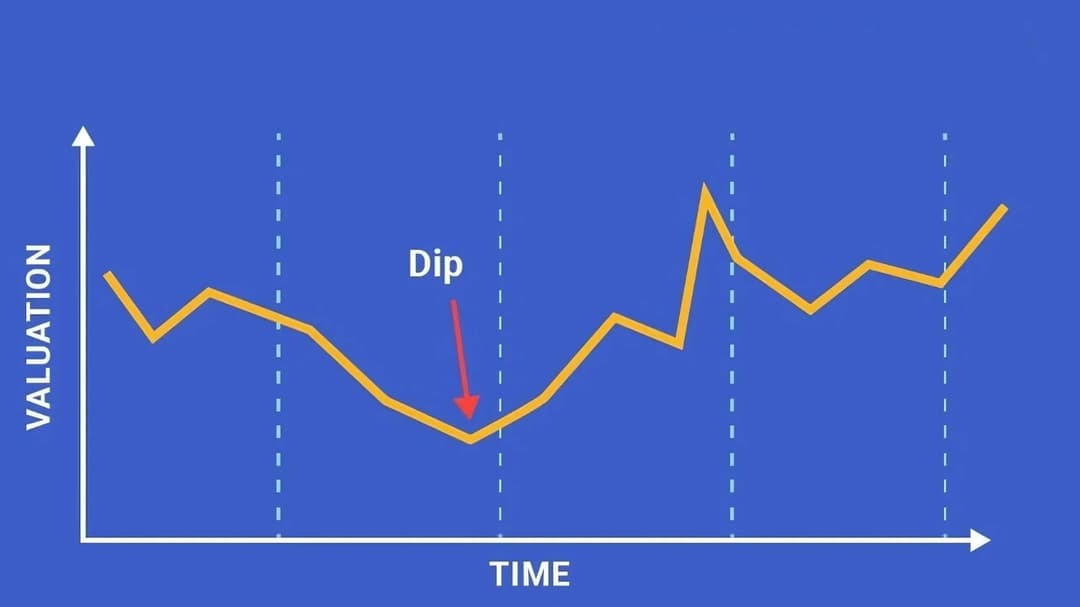
One of the most straightforward moves you can make during a crash is buying the dip. When prices fall hard and fast, plenty of genuinely strong companies get caught in the selloff and end up trading well below their real value. That gap between price and value is your opportunity.
Buy quality assets at a discount, hold on through the recovery, and let the market do the work of closing that gap over time.
The historical case for this approach is hard to argue with. After the 2008 financial crisis, the S&P 500 more than tripled from its low in March 2009 through the end of 2019. Investors who bought during the panic and held their positions collected those gains.
The key is being selective. Focus on companies with solid balance sheets, consistent earnings, and a real competitive edge. Those are the businesses most likely to come out of a downturn stronger than before.
You can read more about bottom-up investing and how it works to sharpen your stock-picking approach before the next selloff hits.
2. Dollar-Cost Average
Dollar-cost averaging, or DCA, is the practice of investing a fixed amount at regular intervals regardless of what the market is doing. No timing the bottom, no waiting for the perfect entry point. You invest consistently, and the math works in your favor over time.
During a crash, DCA becomes especially powerful. When prices are low, your fixed investment buys more shares. When prices recover, those extra shares are worth more.
An investor who put $500 per month into an S&P 500 index fund over the past 20 years, including straight through the 2008 crisis, came out in a very strong position. The volatility that terrified everyone else was quietly working in their favor the whole time.
3. Focus on Dividend-Paying Stocks
Dividend-paying stocks give you something most investments can’t during a crash, income. Companies with a long track record of paying dividends tend to have stable cash flows and proven business models. They’re not bulletproof, but they’re built to weather rough conditions better than most.
During a downturn, that dividend keeps arriving in your account while you wait for prices to recover.
The 2008 crisis showed this dynamic clearly. Many dividend stocks dropped in price, but the dividends kept coming. Investors who reinvested those payments bought more shares at lower prices, setting themselves up for stronger returns on the way back up.
Sectors like utilities, consumer staples, and healthcare tend to hold up particularly well here, since people need those services no matter what the economy is doing.
4. Invest in Bonds and Fixed-Income Securities
When stocks fall, bonds often move in the opposite direction. U.S. Treasury bonds especially tend to attract capital during a crash as investors look for somewhere safe to park their money. Adding bonds to your portfolio gives you a cushion against equity volatility and keeps income flowing even when stock dividends get cut.
During the 2008 crisis, the flight to safety drove Treasury bond prices up sharply, delivering real capital gains to investors who were already positioned there. Fixed-income securities also pay regular interest, which becomes a lifeline when the stock side of your portfolio goes quiet. Understanding how inflation and economic stress interact with different asset classes helps you decide how much of your portfolio deserves this kind of protection.

5. Utilize Options and Hedging Strategies
Options give investors a direct way to profit from falling prices. A put option gives you the right to sell a stock at a set price before a specific date. If the stock drops below that price, your put option gains value.
You’re essentially getting paid as the market falls.
Protective puts work as insurance for positions you already hold. If you own a large stake in a stock or index and want to guard against a big drop, buying puts on that position offsets potential losses. These strategies require a solid understanding of how options work, but when used properly, they can do far more than just limit your downside.
According to Bloomberg, institutional investors routinely use options overlays to protect portfolios during periods of elevated volatility, and there’s no reason you can’t do the same.
6. Take Advantage of Tax-Loss Harvesting
A crash hands you a gift that most investors overlook entirely, the chance to cut your tax bill. Tax-loss harvesting means selling investments that are sitting at a loss to offset capital gains you’ve made elsewhere. The result is a lower taxable income, which means more money stays with you.
Say you’ve locked in $10,000 in gains from one investment and you’re sitting on a $10,000 loss in another. Selling the losing position wipes out your tax liability on those gains. You then reinvest the proceeds into similar assets to maintain your market exposure.
You’ve kept your strategy intact and reduced what you owe. As Forbes has noted, tax-loss harvesting during market downturns is one of the most underused tools available to individual investors.
7. Consider Real Estate Investment Trusts (REITs)
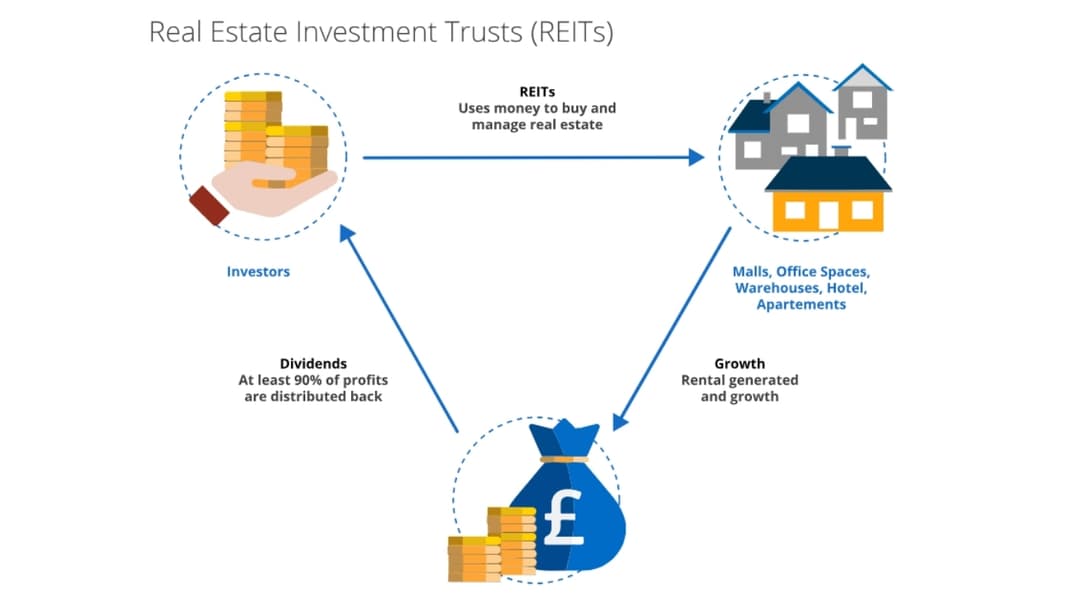
REITs give you exposure to income-producing real estate without the hassle of buying and managing property directly. By law, they must distribute at least 90% of their taxable income to shareholders as dividends. During a market downturn, that income stream keeps flowing, and if you’re buying REITs when prices are depressed, you’re also setting up for solid capital appreciation when property values recover.
The 2008 crisis hit many REITs hard in the short term, but those focused on premium properties in strong markets bounced back quickly and rewarded patient investors handsomely. REITs also add genuine diversification to your portfolio since their performance doesn’t move in perfect lockstep with equities. If you’re thinking about real estate as part of your crash strategy, it’s worth exploring how to structure real estate investments through an LLC for added protection and tax efficiency.
8. Invest in Gold and Precious Metals
Gold has earned its reputation as a crisis asset. When stock markets crash and confidence collapses, money flows into gold. It’s a store of value that holds up when paper assets don’t.
Allocating a portion of your portfolio to gold, whether through physical metal, gold ETFs, or mining stocks, gives you a hedge that tends to move against the grain of equity markets.
During the 2008 crisis, gold prices surged by nearly 25% while stocks were collapsing. It doesn’t pay dividends or generate cash flows, but that’s not the point. Gold is your portfolio’s shock absorber.
When everything else is falling, it tends to hold or rise, giving you a counterweight that can make the overall picture far less painful. The Financial Times has covered extensively how gold allocations of even 5% to 10% can meaningfully reduce portfolio drawdowns during market stress.
9. Rebalance Your Portfolio
Crashes create drift. What started as a balanced portfolio gets thrown out of alignment when one asset class falls sharply while another holds steady. Rebalancing is the process of selling what’s become overweight and buying what’s become underweight to get back to your target allocation.
After a stock selloff, your portfolio may have too much sitting in bonds or cash relative to your original plan. Rebalancing means trimming those positions and using the proceeds to buy equities at depressed prices. You’re essentially forcing yourself to buy low and sell relatively high, which is exactly what you want to be doing but almost impossible to do purely on emotion.
10. Take Advantage of Lower Interest Rates
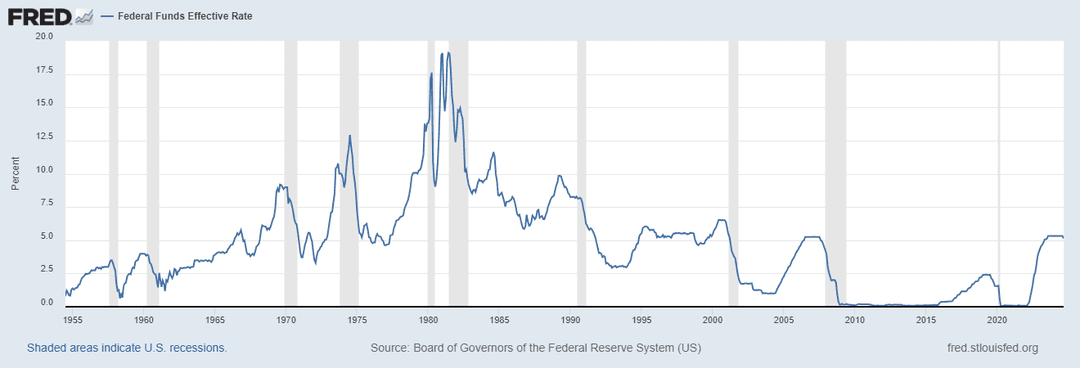
Central banks almost always cut interest rates in response to a market crash. It’s their primary tool for stimulating the economy and restoring confidence. For you as an investor, that rate environment opens up real opportunities to refinance debt at better terms, borrow cheaply to invest, or buy real estate before prices recover.
When the Federal Reserve cut rates to near zero following the 2008 crisis, investors who moved quickly into real estate or refinanced existing loans locked in dramatically lower costs. Those lower borrowing costs also flowed through to corporate earnings over time, helping to fuel the long bull market that followed. Lower rates reduce the cost of capital for businesses, which eventually lifts valuations across the board.
Keeping an eye on real estate markets like Dallas during low-rate environments can show you where value is emerging fastest.
11. Focus on Long-Term Investment Horizons
The single biggest mistake most investors make during a crash is selling. The urge to stop the bleeding is understandable, but locking in losses and sitting in cash means you miss the recovery. Every major crash in history has eventually reversed.
The market always comes back. The question is whether you’re still invested when it does.
Investors who stayed the course through 2008 and kept adding to their positions through the downturn saw the S&P 500 fall more than 50% from its 2007 peak and then more than triple over the following decade. The math rewards patience. Your job during a crash is not to panic.
It’s to stay positioned, keep your time horizon long, and let compounding do its work.
12. Capitalize on Panic Selling
Fear drives the market to irrational places during a crash. Investors dump quality holdings at any price just to feel like they’re doing something. That panic creates a disconnect between price and value, and that’s your opening.
Warren Buffett built much of his wealth by leaning into this dynamic. His advice to be fearful when others are greedy and greedy when others are fearful isn’t just a quotable line, it’s a blueprint. When fear is peaking and selling is indiscriminate, the best businesses in the world go on sale. Reuters has documented repeatedly how the investors who moved into equities during peak fear periods in past crashes generated outsized long-term returns.
Staying calm while everyone else panics is genuinely one of the most valuable edges you can have.
13. Look for Opportunities in Distressed Assets
Beyond the stock market, crashes tend to shake loose a whole category of distressed assets, things that have lost value due to financial stress on the underlying business or owner. Distressed bonds, troubled real estate, and shares in struggling companies can all trade at levels far below their intrinsic worth when forced selling takes over.
The upside potential is real, but so is the risk. You need to do your homework on the underlying value before you commit. During the 2008 crisis, investors who bought distressed corporate bonds and beaten-down real estate at deeply discounted prices generated extraordinary returns as the economy recovered and values normalized.
The strategy rewards those who can separate temporary distress from permanent impairment.
14. Benefit from Stock Buybacks
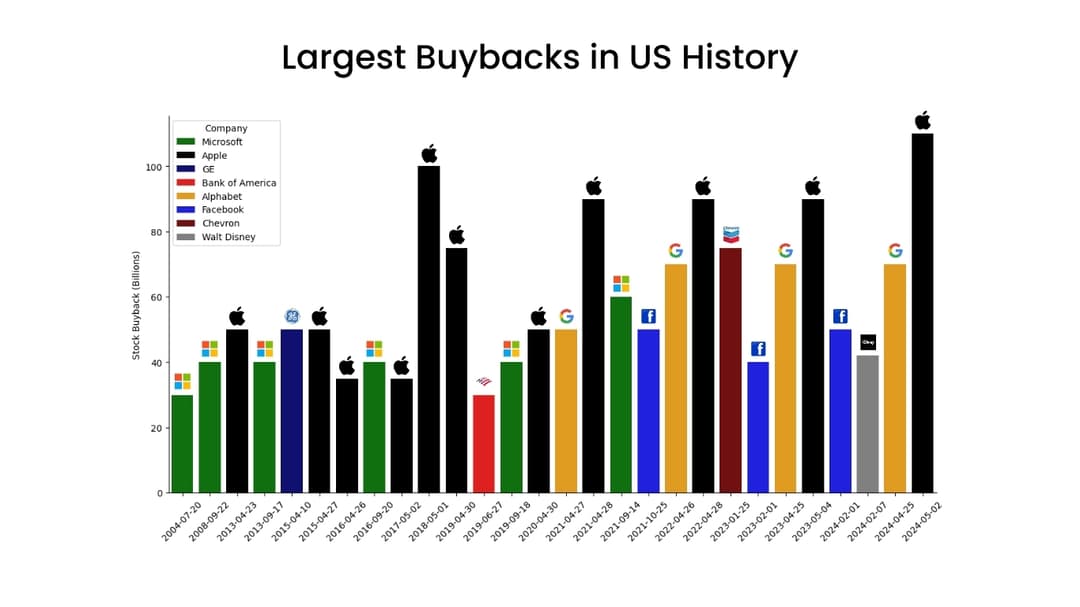
Companies with strong balance sheets and excess cash often use market crashes to buy back their own shares at depressed prices. From your perspective as a shareholder, that’s a good thing. Buybacks reduce the number of shares outstanding, which increases earnings per share and supports the stock price over time.
Apple is the textbook example. The company has consistently repurchased shares during market weakness, and those buybacks have been a meaningful contributor to its long-term stock price growth. If you’re investing during a crash, look for companies with the cash flow and financial strength to run buyback programs.
They’re signaling confidence in their own business at the exact moment the market is most uncertain, and that confidence has historically proven justified. You might also want to explore whether now is the right time to buy equities again before making your next move.
15. Keep Cash on Hand for Bargain Hunting
Cash is boring in a bull market. During a crash, it becomes one of the most powerful things you can hold. When prices are falling and everyone else is frozen or selling, cash gives you the ability to act.
You can buy what you want, when the opportunity is at its best, without having to liquidate other positions at a loss to fund the purchase.
Investors who entered 2008 with meaningful cash reserves were able to pick up high-quality stocks, real estate, and other assets at prices that looked extraordinary in hindsight. Those positions delivered substantial returns as the recovery took hold. Keeping 10% to 20% of your portfolio in cash or short-term equivalents means you’re never caught flat-footed when the market hands you its best deals.
Conclusion
Stock market crashes are part of the investing cycle. They’re uncomfortable, sometimes frightening, and always temporary. But for the investor who goes in prepared, they’re also some of the richest opportunity sets you’ll ever encounter.
Whether you’re buying undervalued stocks, diversifying into bonds and precious metals, harvesting tax losses, or hunting distressed assets, the tools are there. You just need the discipline to use them.
The investors who come out of crashes in the best shape share a few common traits. They stay informed. They stay patient.
And they refuse to let fear make their decisions for them. With the right strategies in place before the next downturn hits, you won’t just survive it. You’ll be set up to look back on it as one of the best things that ever happened to your portfolio.
We last reviewed this analysis in May 2026.


Alex Tzoulis
Alex Tzoulis is Co-Owner and Markets Analyst at The Luxury Playbook, specializing in equities, crypto, forex, and global financial markets. His work focuses on analyzing macroeconomic trends, geopolitical developments, and monetary policy, translating them into actionable insights across both traditional and digital asset classes. He leads the platform's financial market coverage, providing structured analysis across stock market investing, trading strategies, and cryptocurrency markets. His expertise strengthens the publication's authority in financial markets and capital allocation, bridging traditional finance with emerging digital investment ecosystems.