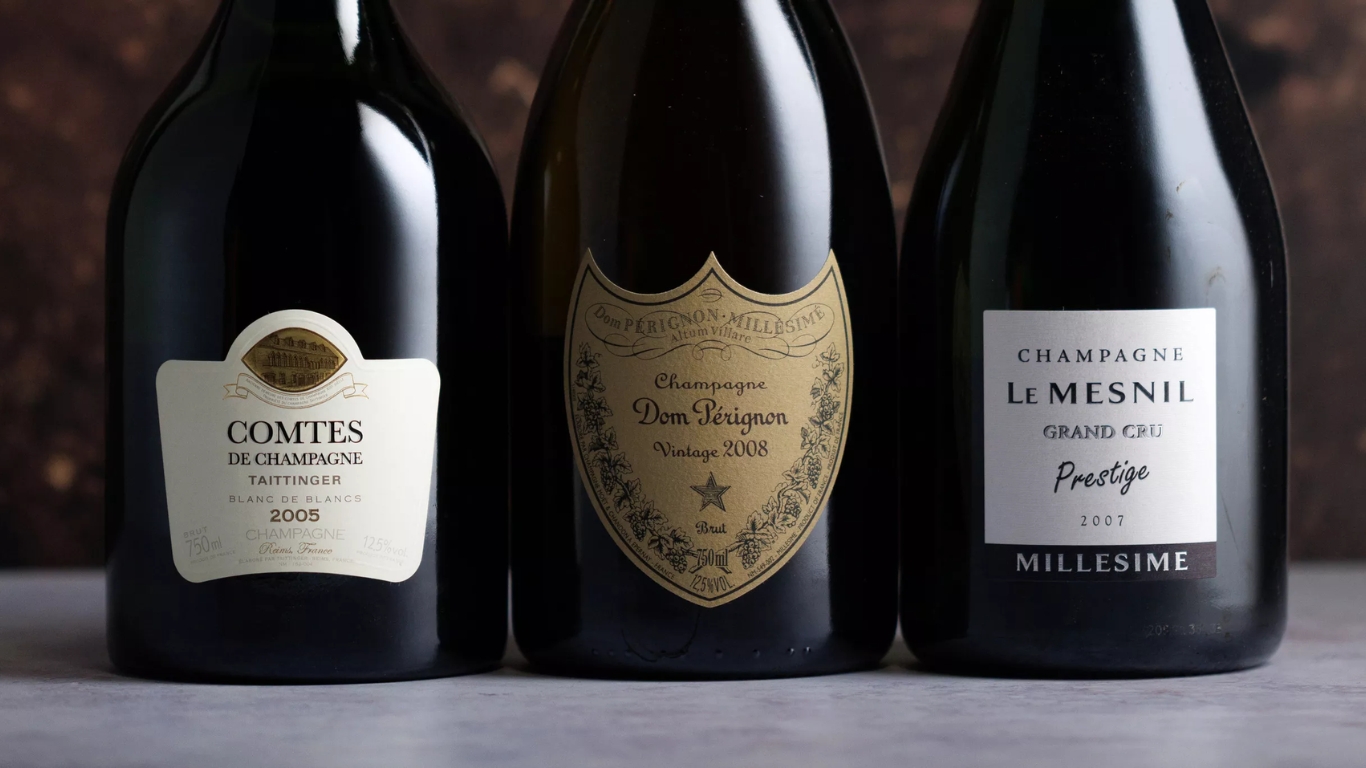


Buying and selling fine wine at auction has grown into a sophisticated art form, one that opens doors to rare vintages, exclusive collections, and pricing you simply won’t find on any retail shelf. Whether you’re a collector hunting for hidden gems or an investor looking to maximize what’s sitting in your cellar, knowing how the process works gives you a serious edge. This guide walks you through everything, from choosing the right auction house to mastering the bidding tactics that separate savvy buyers from the rest.
Table of Contents
Why Buy Wine At Auction?
Wine auctions give you access to bottles that never show up in stores. Collectors and investors keep coming back for a handful of compelling reasons.
Access to Rare Wines. Auctions put iconic vintages within reach, think Bordeaux First Growths, Burgundy Grand Crus, and limited-edition Champagnes. These bottles typically surface from private cellars or estate collections, and there’s simply no other reliable way to find them.
Competitive Pricing. Yes, trophy wines command serious money. But plenty of auctions offer genuine value, especially on lesser-known labels or mixed lots. Bid smart and you can walk away with exceptional bottles at well below retail.
Provenance and Authenticity. Reputable auction houses vet every bottle they sell. That means rigorous authentication checks and full provenance records, so you’re bidding with real confidence rather than crossing your fingers.
Investment Potential. For investors, fine wine auctions are one of the most direct routes to building a serious portfolio. Iconic vintages with strong track records of appreciation, like Château Lafite Rothschild 2010, appear regularly at auction and have delivered compelling long-term returns for those who know what to look for.
Unique Experiences. There’s nothing quite like the energy of a live auction, whether you’re in the room or bidding online. The back-and-forth of a bidding war and the rush of landing a bottle you’ve been chasing make the whole process genuinely exciting.

Why Sell Wine At Auction?
If you’re sitting on a serious collection, auctions give you a global stage and real pricing power. Here’s why seasoned collectors choose this route.
Maximizing Value. Auction rooms attract collectors and investors who are prepared to pay premium prices for the right bottles. Burgundy Grand Crus and vintage Champagnes routinely hit record-breaking figures when the bidding gets competitive.
Global Reach. The top auction houses pull in international buyers from across Europe, Asia, and the Americas. Online auctions have pushed that reach even further, connecting your collection with serious bidders on the other side of the world.
Provenance Verification. Auction houses provide detailed evaluations and provenance certification that can lift a wine’s market value considerably. Verified storage conditions and confirmed authenticity give buyers the confidence to bid higher.
Liquidity for Collectors. Selling at auction lets you turn bottles into cash efficiently. Whether you’re downsizing, making room for new acquisitions, or capitalizing on a peak in the market, auctions offer a reliable and relatively fast sales channel.
Showcasing Rare Lots. If you’re holding verticals (multiple vintages of the same wine) or large formats like magnums and jeroboams, auctions are where those lots can truly shine. Unique offerings attract competitive bidding and regularly achieve prices that private sales simply can’t match.
How Wine Auctions Work (Step-by-Step)
Wine auctions follow a structured, transparent process built to work smoothly for both buyers and sellers. Whether you’re going live or online, understanding each stage keeps you in control and helps you get the most out of every sale.
Step 1: Consignment
Everything starts with the seller. You submit detailed information about your bottles to the auction house, and their team verifies what you’ve got before anything moves forward.
- Wine Selection: Auction houses typically accept high-quality, collectible wines. These may include prestigious Bordeaux vintages, Grand Crus from Burgundy, or limited-edition Champagnes. Sellers with unique formats (e.g., magnums or jeroboams) or verticals (several vintages of the same wine) often attract heightened buyer interest.
- Provenance Verification: Provenance is critical to a wine’s value. Auction houses investigate the wine’s history, including where it was purchased, how it was stored, and whether it has been professionally inspected. Bottles with impeccable provenance can command significantly higher prices.
- Pre-Sale Valuation: Experts at the auction house assess the potential market value of each wine, considering factors like vintage ratings, critical reviews, and recent sales trends. A reserve price is then set, ensuring the seller receives a minimum return if the wine sells.
Step 2: Cataloging
Once your wines clear the consignment process, the auction house puts together a detailed catalog. This is both a buyer’s reference guide and the primary marketing tool for the entire sale.
- Lot Descriptions: Each wine or group of wines is listed as a “lot.” Descriptions include the producer, vintage, bottle condition, and storage history. For example, a description might highlight a bottle of 2010 Château Margaux with a 98-point score from Wine Spectator and notes on its aging potential.
- Photography: High-quality images of the bottles, labels, and packaging are included to provide buyers with a clear view of the wine’s condition.
- Tasting Notes: Expert commentary on flavor profiles, aging potential, and market trends adds value for buyers, helping them make confident purchasing decisions.
Step 3: Marketing and Promotion
The auction house then goes to work promoting the sale. That means online advertising, targeted email campaigns, and social media outreach. For high-value lots, some houses go a step further, hosting pre-auction tastings or private viewings to generate real buzz before bidding opens.
- Global Audience: Online platforms enable auction houses to reach international buyers, significantly expanding the potential bidder pool.
- Exclusive Previews: High-profile wines or collections are often showcased in private previews to build anticipation among serious collectors and investors.
Step 4: The Auction Event
The auction itself is where everything comes together. Sales run live in person, fully online, or as hybrid events blending both formats, and each approach has its own distinct advantages depending on what you’re buying or selling.
- Live Auctions: Held in prestigious venues, live auctions are conducted by professional auctioneers who set the pace of the bidding. Participants can bid in person, via telephone, or through online platforms in real-time. The energy of a live auction often leads to competitive bidding wars, particularly for rare or high-demand wines.
- Online Auctions: These provide flexibility and accessibility, allowing buyers to participate from anywhere. Online auctions typically run over several days, giving bidders time to research and place thoughtful bids.
- Hybrid Auctions: Combining live and online elements, hybrid auctions allow for both in-person and virtual participation, ensuring maximum exposure for the lots on offer.
During the auction, the auctioneer presents each lot, opening bids are placed, and the competition drives the price toward its final hammer figure.
- Opening Bid: The auctioneer announces the opening bid, usually based on the reserve price. For example, a bottle of 2005 Château Lafite Rothschild might start at $500.
- Bidding Increments: Bids increase by predetermined increments, which may vary depending on the lot’s value. For example, increments might range from $50 for lower-value lots to $1,000 or more for rare, high-value wines.
- Final Bid and Hammer Price: When bidding concludes, the highest bid becomes the hammer price, signifying the amount the winning bidder agrees to pay.
Step 5: Payment and Settlement
Once the hammer falls, buyers typically have 7 to 14 days to complete payment. That total includes the hammer price plus the buyer’s premium and any applicable taxes or fees.
- Hammer Price: The final bid amount.
- Buyer’s Premium: A fee charged by the auction house, usually 15–25% of the hammer price. For example, a $1,000 hammer price with a 20% buyer’s premium would result in a total payment of $1,200.
- Taxes and Fees: Depending on the buyer’s location, additional taxes or shipping fees may apply.
Sellers receive their proceeds after the auction house takes its commission, which generally runs between 10% and 15% of the final hammer price.
Step 6: Shipping and Delivery
After payment clears, you arrange for shipping or storage. Most reputable auction houses have established partnerships with specialist logistics companies that handle temperature-controlled transportation, so your bottles arrive in the same condition they left.
- Storage Options: Some buyers opt to keep their wines in professional bonded warehouses, preserving optimal conditions and deferring taxes.
- Customs and Insurance: International buyers must navigate customs regulations and arrange for insurance to protect their purchases during transit.
Step 7: Post-Auction Reports
Both sides receive detailed post-auction documentation. Sellers get a breakdown of final sale prices for their lots. Buyers receive full provenance records and paperwork useful for insurance purposes.
Work through these steps and you’ll find the process far less daunting than it looks from the outside. Whether you’re chasing rare bottles or converting your cellar into returns, knowing the mechanics puts you firmly in the driver’s seat.
What Are The Most Reputable Auction Houses
A handful of auction houses dominate the fine wine market, and they’ve earned their positions through decades of expertise, rigorous authentication, and an ability to connect the world’s best collections with the buyers willing to pay for them.
Sotheby’s
Sotheby’s is one of the most recognized names in the auction world, with roots going back to 1744. Its wine division launched in 1970 and has built a reputation for handling high-value collections and genuinely rare vintages.
Sotheby’s is the go-to for iconic labels, Bordeaux First Growths, Burgundy Grand Crus, Champagne prestige cuvées. Every lot goes through a rigorous provenance verification process, and buyers get detailed tasting notes and cellar condition reports alongside each listing.
In 2021, Sotheby’s set a record with a single-owner collection sale that fetched over $26 million. The star lots included Domaine de la Romanée-Conti and Château Mouton Rothschild, a result that made very clear why serious collectors treat Sotheby’s as a benchmark.
Christie’s
Christie’s has been a powerhouse in fine wine since 1766. Its wine department operates globally, with dedicated sales running out of London, New York, and Hong Kong.
Christie’s specializes in rare and distinctive lots, verticals spanning multiple vintages from a single producer, oversized formats, and wines from prestigious estates like Château Margaux and Domaine Leflaive.
In 2018, Christie’s hosted a landmark sale drawing from the private collection of former French President Nicolas Sarkozy, achieving exceptional prices across Burgundy and Bordeaux that generated headlines well beyond the wine world.
Bonhams
Bonhams occupies a strong position in the market, known for curated sales that appeal equally to seasoned collectors and first-time auction buyers. The house places real emphasis on accessibility, which makes it a smart starting point if you’re new to the process.
Their expert team offers personalized advice to both buyers and sellers, taking the friction out of what can otherwise feel like a complicated process. The range of price points across their lots means you don’t need a limitless budget to participate.
Bonhams has built a solid track record with vintage Champagne and Rhône wines, with several sales delivering record-breaking results on rare lots that other houses might overlook.
Acker Merrall & Condit
Founded in 1820, Acker Merrall & Condit holds the title of America’s oldest wine auction house. It blends deep tradition with modern innovation, running both in-person events and a seamless online bidding platform.
Acker’s flagship events in New York and Hong Kong are known for their energy and atmosphere. The house has a particular strength in Napa Valley cult wines alongside classic Bordeaux and Burgundy, which gives it a distinctive profile among its peers.
Acker’s 2020 Hong Kong auction set records for several Napa Valley cult labels, a result that reflected just how far its influence had extended into the Asian collector market.
Zachys
Zachys is a family-run operation with a strong footprint across the United States and Asia. Its reputation is built on personal relationships and a focus on boutique lots sourced directly from private collections.
The team at Zachys goes out of its way to work closely with both buyers and sellers, offering a level of personalized service that larger houses sometimes struggle to match. Their auctions regularly feature exclusive lots with impeccable provenance that simply don’t surface anywhere else.
In 2022, Zachys hosted a single-owner collection sale that put rare vintages of Château Petrus and Screaming Eagle in front of eager bidders. The results were outstanding.
Hart Davis Hart
Hart Davis Hart, based in Chicago, has carved out a leading position in the fine and rare wine space. The house is particularly respected for its transparent bidding process and the quality of its customer service.
Every bottle that goes through HDH comes with a provenance guarantee and a detailed condition report. Buyers appreciate that level of accountability, and it shows in the house’s consistently high sell-through rates, among the best in the industry.
In 2023, HDH achieved record prices for Burgundy wines from Domaine Armand Rousseau, cementing its status as the preferred destination for serious Burgundy collectors.
Other Notable Auction Houses
- Cavex: Known for online-only wine auctions, offering convenience and accessibility for global buyers.
- iDealwine: A France-based platform specializing in online wine auctions with a focus on European wines.
- WineBid: A U.S.-based online marketplace offering weekly auctions of fine wines, making it a great entry point for new investors.

Pricing Strategies & Bidding Tactics
Getting the price right, whether you’re buying or selling, is where most people either make their money or leave it on the table. A clear strategy going in makes all the difference.
Pricing Strategies for Sellers
Setting the right price is a balancing act. You want to attract competitive bidding without leaving money on the table, and the best auction houses will guide you through this using live market data and historical sale records to calibrate your reserve and estimate range.
- Reserve Price: This is the minimum price at which a lot can be sold. Setting a reserve price ensures the seller receives a baseline return, but it should be competitive enough to stimulate bidding. Reserve prices are often set at 70–80% of the estimated value.
- Low Starting Bids: Sellers often agree to start bidding well below market value to generate excitement. For example, a bottle worth $5,000 might start at $3,000. The strategy encourages participation and creates momentum, potentially leading to higher final prices.
- Grouping Lots: Combining bottles into themed lots—such as verticals (several vintages of the same wine) or mixed cases—can attract specific buyer segments and increase perceived value.
- Highlighting Provenance: Sellers who emphasize impeccable provenance and proper storage conditions can justify higher pricing, as buyers are more confident in the quality of the wines.
Bidding Tactics for Buyers
A clear bidding strategy separates confident buyers from reactive ones. Know your ceiling before the auction opens, stick to it, and don’t let the energy of the room push you past what the bottle is actually worth to you.
- Set a Budget: Determine your maximum bid in advance and stick to it. Factor in the buyer’s premium (typically 15–25%) and additional costs like taxes and shipping. For example, a $10,000 hammer price with a 20% premium will cost $12,000.
- Start Low: Begin bidding conservatively to gauge interest from other participants. If competition is high, gradually increase your bids within your predetermined limit.
- Monitor Lot Activity: Pay attention to lots with fewer bids, as these may represent opportunities for better value. Lesser-known producers or mixed lots often attract less competition.
- Know Your Competitors: In live auctions, observe the behavior of other bidders. Hesitation may signal their limits, while aggressive bidding often indicates a willingness to go higher.
- Use Proxy Bidding for Online Auctions: Many online platforms allow proxy bidding, where you set your maximum bid, and the system automatically increases your bid incrementally until your limit is reached. This tactic is useful for maintaining discipline and avoiding overbidding.
- Timing Your Bids: In live auctions, bidding early can set the pace, while bidding late might secure the lot without a prolonged battle. Online auctions, on the other hand, often see intense bidding in the final moments, so staying active near the deadline is essential.
Market demand shapes prices more than most buyers realize. Burgundy and Champagne have seen demand surge over the past decade, which has pushed prices for top vintages to new heights. Bordeaux, by contrast, has held relatively steady, which actually makes it more accessible if you’re just starting to build a collection. As the Financial Times has tracked, these regional shifts in collector appetite can move prices fast.
Example of Pricing Strategies in Action
At a recent live auction, a vertical lot of Château Margaux spanning five vintages (2000 to 2005) was listed with a reserve of $15,000. Bidding opened at $12,000. Collectors quickly recognized the rarity and provenance of what was on offer, and the competitive momentum drove the hammer price to $22,000, well above the reserve. The lesson here is that a well-calibrated low opening bid can generate exactly the kind of energy that pushes final prices higher.
Online vs. Live Wine Auctions
The wine auction world has changed dramatically over the past decade. Online platforms have gained serious ground alongside traditional live events, and both formats have real advantages worth understanding before you decide where to place your bets.
Live Wine Auctions
Live auctions are the classic format, held in person at prestigious venues or via telephone bidding handled through an auctioneer. These events tend to attract the most serious collectors and the highest-value lots.
The advantages of going live are real. You feel the energy of the room, you can read the competition, and the experience of bidding in person on a bottle you’ve been hunting carries its own kind of satisfaction.
- Atmosphere and Engagement: The energy of a live auction can be thrilling, with real-time bidding wars creating excitement and competitive dynamics.
- Exclusive Lots: Live auctions often feature marquee collections and unique items, such as verticals or large-format bottles, that may not be available elsewhere.
- Networking Opportunities: Attending a live auction allows buyers and sellers to connect with other enthusiasts, industry experts, and auction house representatives.
The challenges are just as real. You need to be present, either physically or by phone, which means working around auction schedules. Travel costs add up, and the intensity of a live room can push you into bids you hadn’t planned to make.
- Geographic Limitations: Participation may require travel to specific locations, which can be inconvenient for some buyers or sellers.
- Time-Sensitive: The fast-paced nature of live bidding leaves little room for extended research or deliberation.
A 2018 live auction at Sotheby’s New York featured a rare collection of Domaine de la Romanée-Conti that sold for a record-breaking $3.7 million. The lot pulled in international attention and fierce competition, the kind of moment that only happens in a room.
Online Wine Auctions
Online auctions have opened the wine market to a global audience in a way that live events simply can’t match. Sales typically run for several days, giving you time to research, reflect, and bid on your own schedule.
The advantages are accessibility and convenience. You can participate from anywhere, browse full catalogs at your own pace, and set automated bids so you never miss a lot because of a time zone difference.
- Global Reach: Buyers and sellers from around the world can participate, expanding the pool of potential bidders and lots available.
- Convenience: Participants can bid from the comfort of their homes, eliminating the need for travel.
- Longer Timeframes: Online auctions often span several days, providing buyers with ample time to research and strategize their bids.
The trade-off is that you lose the live room energy, and without the ability to physically inspect lots, you’re relying entirely on the auction house’s condition reports and provenance documentation. That makes choosing a reputable platform non-negotiable.
- Lack of Atmosphere: Online auctions lack the excitement and immediacy of live events, which some participants find less engaging.
- Limited Transparency: Buyers cannot inspect bottles in person, relying instead on photographs and condition reports provided by the auction house.
WineBid runs weekly online sales covering everything from entry-level collectibles to serious high-value vintages. In 2022, a single-owner collection sale on the platform hit record prices for Napa Valley cult wines, proving that online auctions can generate the same competitive heat as a live room.
Key Differences Between Online and Live Auctions
- Participation:
- Live auctions require in-person or phone participation, while online auctions allow remote bidding.
- Online platforms often attract a broader audience due to their accessibility.
- Timeframe:
- Live auctions occur over a few hours, requiring quick decision-making.
- Online auctions extend over several days, giving bidders more time to evaluate lots.
- Cost:
- Live auctions may involve travel expenses and higher buyer premiums.
- Online auctions often feature lower entry costs, though shipping fees may apply.
- Engagement:
- Live auctions offer the excitement of competitive bidding in real-time.
- Online auctions provide a more relaxed and flexible experience.
Choosing the Right Format
Think about what you’re after before committing to a format. If you’re chasing a specific high-value lot and want to feel the room, a live auction is worth the effort. If you’re building a collection steadily over time and value flexibility, online auctions give you far more options without the logistical overhead.
- For buyers seeking rare or high-value lots, live auctions may offer more exclusive opportunities.
- For sellers looking to reach a broad audience and optimize convenience, online auctions are an excellent choice.
Hybrid auctions, which blend live and online bidding, are growing fast precisely because they solve for both. You get the prestige and energy of a live event combined with the accessibility of an online platform, and that combination tends to drive the strongest results for sellers.
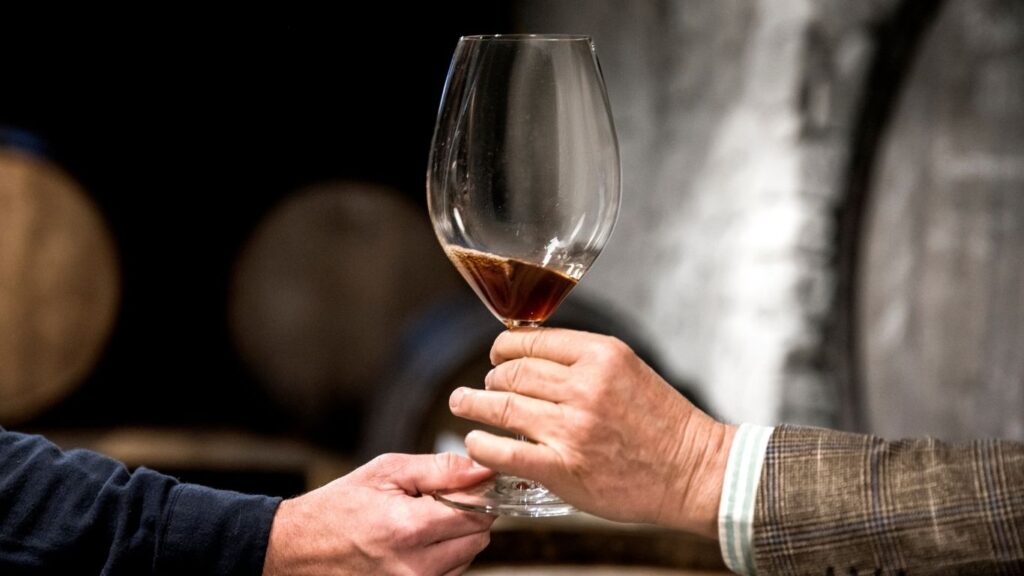
Tips for Buying or Selling Wine at Auction
Wine auctions reward preparation. Whether you’re buying or selling, walking in with a clear plan separates the people who get what they want from those who walk away with regrets.
Tips for Buyers
- Set a Budget: Before bidding, determine your maximum budget, including the buyer’s premium (usually 15–25%) and additional costs like taxes and shipping. Having a clear financial limit ensures you don’t overspend in the heat of bidding.
- Research Thoroughly: Study the auction catalog carefully, focusing on key details such as vintage, producer, provenance, and critic scores. Compare the catalog’s estimates with recent market data from indices like Liv-ex to ensure you’re getting a fair deal.
- Prioritize Provenance and Condition: Only bid on wines with verified provenance and storage history. Look for clear documentation showing that the wine has been stored under optimal conditions, such as in bonded warehouses or professional cellars.
- Understand the Buyer’s Premium: Calculate the total cost of the wine, factoring in the hammer price and buyer’s premium. For example, a winning bid of $1,000 with a 20% buyer’s premium will cost $1,200.
- Bid Strategically
- Start Conservatively: Place initial bids to gauge interest from other participants.
- Avoid Over-Bidding Early: Save aggressive bids for the final rounds to avoid driving up prices prematurely.
- Use Proxy Bidding: Many online platforms allow you to set a maximum bid in advance, automatically increasing your bid incrementally until your limit is reached.
- Focus on Under-the-Radar Lots: Explore lesser-known producers or mixed lots, which often attract less competition and can deliver excellent value.
- Inspect Lots in Person (if possible): For live auctions, attend previews to inspect the wines. Pay close attention to label condition, fill levels, and any signs of damage that may impact value.
- Monitor Bidding Trends: Watch how others bid, particularly in live auctions. Hesitation or abrupt stops may signal limits, giving you an edge in timing your bids.
Tips for Sellers
- Choose the Right Auction House: Select an auction house with expertise in the wines you’re selling. Reputable houses like Sotheby’s or Christie’s are ideal for iconic collections, while specialized platforms like WineBid cater to smaller lots.
- Emphasize Provenance: Authenticity and storage history are critical to achieving high prices. Ensure your collection is accompanied by documentation proving proper storage and original purchase details.
- Group Wines Thoughtfully: Combine bottles into strategic lots, such as verticals (several vintages from one producer) or themed collections, to appeal to specific buyer segments.
- Set Realistic Reserve Prices: Work with auction house experts to set competitive reserve prices. While it’s tempting to aim high, overly ambitious reserves can discourage bidding and leave lots unsold.
- Time Your Sale Strategically: Auction trends and seasonal demand can impact prices. For instance, Burgundy and Champagne perform well during the holiday season, while Bordeaux sees increased interest in spring.
- Highlight Unique Features: Showcase rare attributes like limited production runs, unique packaging, or high critic scores. Such details can significantly enhance buyer interest and drive up bids.
- Engage in Pre-Sale Marketing: Partner with the auction house to promote your lots through tastings, exclusive previews, and targeted outreach to collectors.
- Be Transparent About Condition: Honesty about imperfections, such as label damage or low fill levels, builds trust with buyers and prevents disputes post-sale.
- Monitor Market Trends: Stay informed about market demand for specific regions, vintages, or producers. Selling during peak demand can result in significantly higher returns.
- Leverage Post-Auction Insights: Review post-auction reports to understand bidding behavior and market dynamics. This information is valuable for future sales.
General Tips for Both Buyers and Sellers
- Work with Experts: Collaborate with auction house specialists for guidance on pricing, lot presentation, and market trends.
- Be Patient: Auctions are competitive, and success often requires time and persistence. Whether buying or selling, avoid rushing decisions.
- Build Relationships: Establish connections with auction house representatives and fellow participants. These relationships can lead to exclusive opportunities and valuable insights.
Approach every auction with preparation, patience, and a clear sense of what you’re trying to achieve. Do that consistently and you’ll find that wine auctions become one of the most reliable and rewarding ways to grow or monetize a serious collection. If you’re thinking about how fine wine stacks up against other alternative investments like blue-chip art, it’s worth understanding the full picture before committing capital.
Shipping, Storage & Insurance
Winning a lot is only half the job. What happens next, how your wine gets to you, where it lives once it arrives, and how it’s protected if something goes wrong, is just as important as the bid itself. Fine wine is a delicate and valuable asset, and handling this phase well is what separates serious collectors from casual buyers.
Shipping Fine Wines
Shipping wine, especially across borders, brings real logistical complexity. Temperature control is non-negotiable. Reputable auction houses either offer their own shipping services or work with specialist logistics partners who understand exactly what a case of first-growth Bordeaux needs to arrive in perfect condition.
- Temperature-Controlled Shipping: Fine wines are highly sensitive to temperature fluctuations. Professional wine shipping services use temperature-controlled vehicles or insulated packaging to maintain stable conditions, typically between 12°C and 16°C (54°F to 61°F).
- Customs and Duties: For international buyers, customs regulations and duties must be addressed. Some countries have strict rules regarding alcohol imports, and buyers may need to pay additional taxes or provide documentation. Reputable auction houses guide buyers through this process to ensure compliance.
- Specialized Packaging: Bottles are packed securely in custom-designed materials to prevent breakage. For high-value lots, additional padding and shock-resistant packaging are used.
- Delivery Timelines: Shipping times can vary based on location and customs clearance. Buyers should account for these timelines when planning storage or consumption of the wine.
Storage of Fine Wines
Proper storage is what keeps your investment intact over time. Professional wine storage facilities maintain the precise humidity and temperature conditions that fine wine demands. If you’re buying at auction with any intention of holding for the long term, this is not an area to cut corners on.
- Optimal Storage Conditions
- Temperature: Maintain a consistent temperature between 10°C and 15°C (50°F to 59°F). Fluctuations can damage the wine’s integrity.
- Humidity: Ideal humidity levels range from 60% to 70% to prevent corks from drying out or mold developing on labels.
- Light: Wines should be stored in a dark environment to protect them from harmful UV rays.
- Bonded Warehouses: Many auction houses and logistics companies offer bonded storage facilities. These professional cellars are temperature-controlled and secure, ensuring optimal conditions for aging wines. Additionally, bonded storage can defer taxes and duties until the wine is removed, benefiting investors.
- Home Storage Options: For collectors storing wine at home, investing in a wine fridge or custom cellar is essential. High-quality wine fridges are designed to maintain stable temperatures and humidity levels, mimicking professional storage conditions.
- Long-Term Storage Benefits: Proper storage not only preserves the wine’s quality but also enhances its value over time. A well-stored bottle of 1982 Château Latour, for instance, can fetch significantly higher prices than one with compromised provenance.
Insurance for Fine Wines
Given what you’ve paid, insurance isn’t optional. Specialist insurance providers cover fine wine for transit damage, storage incidents, and accidental breakage. Most reputable auction houses can point you toward providers who understand the collectibles space.
- Comprehensive Coverage: Insurance policies should cover risks such as theft, fire, water damage, and breakage during shipping or storage. High-value collections may require tailored coverage.
- Valuation Documentation: Accurate valuations are crucial for insurance purposes. Buyers should retain receipts, provenance records, and auction house certifications to substantiate claims.
- Worldwide Coverage: For international collections, opt for policies that provide worldwide coverage. This ensures protection regardless of where the wine is stored or transported.
- Premium Costs: Insurance premiums are typically calculated as a percentage of the wine’s total value. For example, a $100,000 collection might incur an annual premium of $500–$1,000, depending on the policy.
Case Study
Here’s a real scenario worth keeping in mind. A collector purchased a rare magnum of 1990 Domaine de la Romanée-Conti at auction for $50,000. During transit, improper shipping conditions exposed the wine to excessive heat, compromising its quality. Without insurance, the buyer absorbed the full financial loss. That one oversight wiped out the entire value of the purchase. Professional shipping, secure storage, and proper insurance aren’t luxuries in this world, they’re the baseline.
Best Practices for Buyers and Sellers
- For Buyers: Arrange for bonded storage immediately after purchase to ensure optimal conditions. Discuss shipping and insurance options with the auction house before finalizing your transaction.
- For Sellers: Store wines professionally before the auction to enhance their market value. Providing detailed storage records reassures buyers and can justify premium pricing.
Handle the post-auction logistics with the same care you brought to the bidding itself. Protect your investment at every stage and you’ll preserve both the quality and the long-term value of what’s in your cellar. For those treating wine as part of a broader portfolio, understanding how elite investors protect and grow their capital can sharpen your thinking on risk management across asset classes.
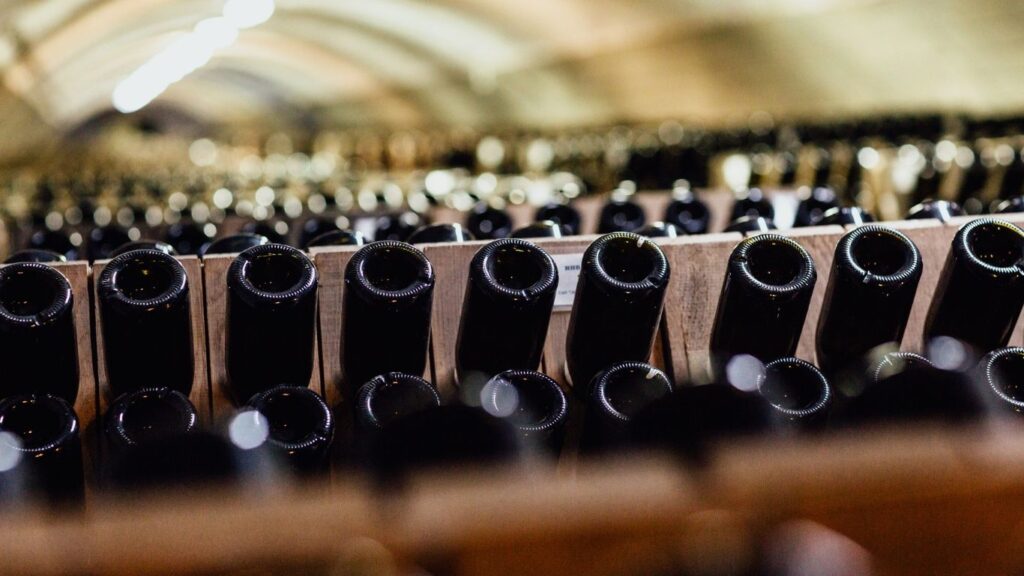
How to Choose the Right Auction House for Buying and/or Selling Your Wine
Not all auction houses are built the same. The right one for you depends on what you’re buying or selling, the level of service you expect, and how much access you want to serious international buyers. Take the time to evaluate your options properly and it will pay off.
Key Factors to Consider
- Specialization: Different auction houses specialize in various wine regions, vintages, or collection types. For example:
Sotheby’s and Christie’s are ideal for high-value collections and rare vintages from regions like Bordeaux and Burgundy.
Zachys and Hart Davis Hart excel in boutique and cult wines from Napa Valley and Champagne.
Online platforms like WineBid cater to a wider range of buyers and sellers, including those new to auctions.
Sellers should choose an auction house that aligns with the strengths of their collection, while buyers should look for houses offering lots that match their preferences. - Global Reach: Reputable auction houses with international reach attract a broad pool of buyers, increasing the chances of competitive bidding. Houses with strong networks in key markets like Asia, the U.S., and Europe are especially advantageous for sellers.
- Provenance and Authentication Processes: Ensure the auction house has rigorous procedures for verifying provenance and authenticating wines. Buyers benefit from greater confidence, while sellers can command higher prices by showcasing their wines’ verified history.
- Marketing and Promotion: The quality of pre-sale marketing can significantly impact auction results. Top-tier auction houses offer comprehensive marketing strategies, including:
Exclusive previews for high-value lots.Partnerships with wine critics and influencers.Detailed auction catalogs with professional photography and expert commentary.
Sellers should inquire about the auction house’s promotional efforts to ensure their wines receive maximum exposure. - Fee Structure: Auction houses charge fees for both buyers and sellers. These include:
Buyer’s Premium: Typically 15–25% of the hammer price, paid by the buyer.
Seller’s Commission: Usually 10–15% of the hammer price, deducted from the seller’s proceeds.Compare fee structures across auction houses to find the best value for your transaction. - Customer Support: Exceptional customer service is essential for a smooth experience. Look for auction houses with responsive representatives who can guide you through the process, answer questions, and resolve any issues.
- Reputation and Track Record: Research the auction house’s history and past sales to gauge its reliability and performance. Positive reviews, strong sale results, and long-standing industry presence are indicators of a trustworthy auction house.
For Buyers: Selecting the Best Auction House
- Inventory Variety: Choose an auction house with a diverse catalog that matches your interests, whether you’re seeking Bordeaux classics, Burgundy Grand Crus, or New World cult wines.
- Transparency: Look for houses that provide detailed condition reports, tasting notes, and provenance records. Transparency ensures you’re making informed purchases.
- Accessibility: Online platforms like iDealwine and WineBid are excellent for buyers looking to bid conveniently from home. For those seeking the thrill of live bidding, consider attending auctions at prestigious houses like Christie’s or Bonhams.
For Sellers: Finding the Right Partner
- Expertise in Your Collection: If you’re selling a collection heavy on Burgundy, select an auction house with strong Burgundy sales. Houses like Sotheby’s, with a proven track record in this category, will attract the right audience.
- Tailored Valuation: Choose an auction house that offers personalized valuation services to ensure your wines are priced competitively while reflecting their true market potential.
- Post-Sale Services: Ensure the house provides detailed post-auction reports, timely payments, and assistance with shipping unsold lots back to your cellar if needed.
FAQ
What is the difference between a reserve price and the hammer price?
The reserve price is the minimum price set by the seller, below which the lot cannot be sold. The hammer price is the final bid accepted during the auction, which determines the amount the buyer agrees to pay (excluding the buyer’s premium and other fees).
How do I know if the wine I’m buying is authentic?
Reputable auction houses verify the provenance (origin and storage history) of all wines they list. Look for detailed condition reports, original purchase records, and certifications from trusted sources. Some auction houses, like Sotheby’s and Christie’s, provide guarantees of authenticity.
What fees should I expect when buying wine at auction?
Buyers typically pay a buyer’s premium, which ranges from 15–25% of the hammer price. Additional costs may include shipping fees, taxes, and insurance. Always review the auction house’s terms and conditions to understand all applicable fees.