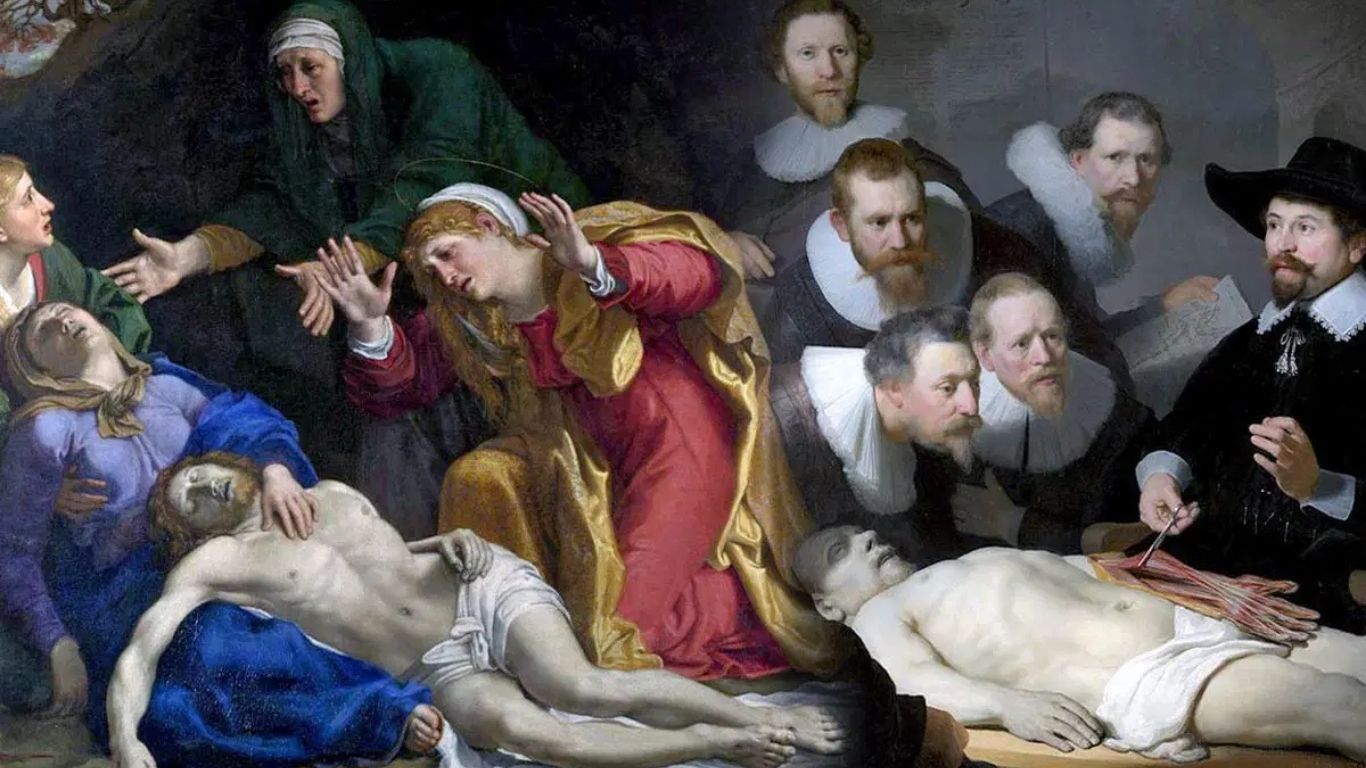

Baroque Art, with its theatrical intensity and lavish visual style, stands as one of the most emotionally charged and visually powerful movements in Western art history. Emerging in the early 17th century and flourishing well into the 18th, it captured a world in transformation, marked by religious upheaval, monarchical power, and the rise of new patronage systems.
The movement reflected a period when art served not only aesthetic purposes but also political, religious, and cultural ones, shaping perception and inspiring awe through bold contrasts, dynamic forms, and deeply immersive narratives.
Today, Baroque Art commands serious attention from historians, collectors, and investors alike. Its enduring cultural relevance, museum-quality masterpieces, and affiliation with names like Caravaggio, Rubens, and Rembrandt position it as both a legacy-defining asset and a niche opportunity within the alternative art investment market.
With increasing global interest in Old Masters and a limited supply of authenticated Baroque works, the market surrounding this art form has shown real resilience, strong value retention, and, when conditions align, meaningful appreciation.
Table of Contents
History of Baroque Art
The history of Baroque Art begins in the early 1600s in Rome, a city then positioned at the cultural and religious heart of Europe. Its emergence was deeply intertwined with the Counter-Reformation, the Catholic Church’s strategic response to the Protestant Reformation. In an effort to reclaim spiritual authority and rekindle faith among believers, the Church commissioned artworks designed to inspire reverence and awe.
Those commissions set the tone for the Baroque aesthetic — bold, dramatic, and emotionally immersive. Every brushstroke had a purpose.
From Italy, the style quickly spread across the continent, adapting to regional tastes and political contexts. In Italy, artists like Caravaggio and Bernini led the movement with works that fused classical themes with visceral realism and theatrical staging. Their mastery of light and shadow, especially Caravaggio’s chiaroscuro, set a new precedent for visual storytelling in religious and mythological art.
As Baroque principles traveled north, they evolved into distinct regional forms. In Flanders, the movement took on a richly decorative character under Peter Paul Rubens, whose dynamic compositions and vibrant palettes catered to both courtly patrons and the Catholic elite.
Spain, under the influence of a strict Catholic monarchy, embraced a more austere yet emotionally charged version of Baroque, exemplified by Diego Velázquez, whose paintings displayed exceptional psychological depth and realism.
Meanwhile, the Dutch Republic developed a parallel movement sometimes called the Dutch Golden Age. Though stylistically aligned with Baroque, this school diverged sharply in content, favoring secular scenes, portraits, and still lifes over religious imagery. Artists like Rembrandt and Vermeer elevated everyday subjects through masterful lighting, intimate detail, and psychological nuance.
By the late 17th and early 18th centuries, Baroque Art had become the dominant visual language of Europe. It adorned churches, palaces, and public spaces, reflecting the power of institutions and the tastes of the aristocracy. But as the Enlightenment approached, its ornate grandeur gradually gave way to the clarity and restraint of Neoclassicism, marking the close of the Baroque period.
And yet, centuries later, Baroque Art still captivates modern audiences. Its influence runs through contemporary culture, and its masterpieces are prized by collectors and institutions around the world.
For investors, this historical trajectory underscores the movement’s lasting cultural capital, which is one of the most critical factors when assessing the long-term value of Baroque works in today’s fine art market.
Characteristics of Baroque Art
Baroque Art is defined by its unmistakable visual richness, theatrical dynamism, and emotional depth. Unlike the balanced harmony of the Renaissance or the intellectual clarity of Neoclassicism, Baroque works aim to stir the senses and pull the viewer into a moment of heightened experience.
That ambition, to move the soul and captivate the eye, plays out through several defining characteristics that set the Baroque aesthetic apart from anything that came before or after.
First and foremost is its sense of motion and drama. Baroque compositions rarely sit still. Figures twist, gestures unfold mid-action, and scenes seem to spill beyond the canvas or sculptural form. Whether you’re looking at a religious painting by Caravaggio or a monumental sculpture by Bernini, the energy is palpable. This dynamic quality allowed artists to tell stories with visceral immediacy, drawing you directly into the narrative.
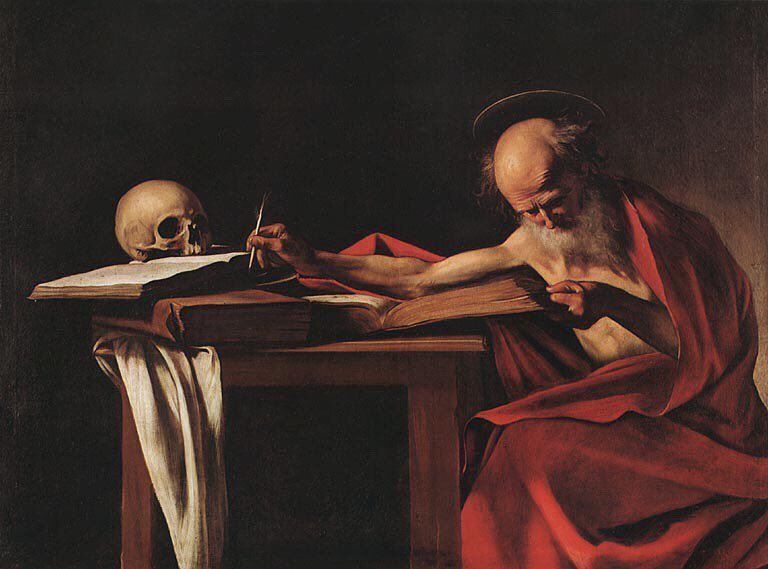
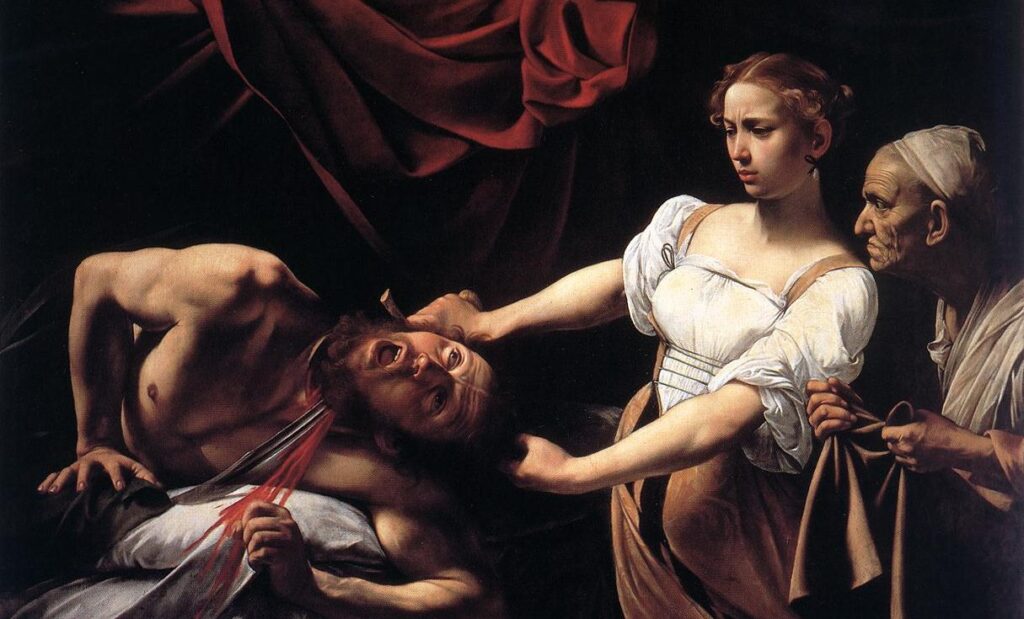
Another hallmark is the use of chiaroscuro, a dramatic interplay of light and shadow. Caravaggio, in particular, revolutionized this technique by plunging parts of his subjects into deep shadow while illuminating others with intense, directional light. The result was a heightened sense of realism and emotional tension, an innovation that defined the visual language of Baroque painting and spread rapidly throughout Europe.
Emotional intensity also sits at the core of Baroque expression. Artists prioritized dramatic facial expressions, physical gestures, and psychological realism to convey deep human experience, from joy and suffering to ecstasy and awe. This made Baroque Art an ideal vehicle for religious messaging, especially in the context of the Counter-Reformation, where emotional engagement was a key strategy for rekindling faith.
Baroque Art is also renowned for its ornate detail and grandeur. Paintings, sculptures, and architectural elements often feature lavish textures, flowing drapery, gilded embellishments, and intricately rendered surfaces. This visual opulence was not simply decorative. It symbolized divine glory, royal authority, or civic pride, depending on the context in which it appeared.
Another key feature is illusionism. Baroque artists sought to dissolve the boundary between art and viewer. Ceiling frescoes would open to the heavens, walls would seem to recede through trompe-l’œil techniques, and sculptures were posed to interact with the surrounding space. You, as the viewer, became an essential participant in the work, often placed at the emotional or spiritual center of the experience.
And then there is the integration of multiple disciplines, painting, sculpture, architecture, and even theatrical staging, all working together. Artists and patrons viewed these as complementary tools to achieve the grandest possible effect.
Collectively, these characteristics forged an aesthetic that was both sensory and symbolic, offering you an experience of awe, reverence, and emotional truth all at once.
For collectors and investors, understanding these traits is essential, not only to identifying genuine Baroque works but also to appreciating the cultural and market value embedded in their enduring appeal. If you want a broader view of where art investment stands today, the latest art market trends are worth your time.
Most Important Art Movements of Baroque Art
Baroque Art was not a single monolithic style. Think of it more as a constellation of regional movements, each shaped by the religious, political, and cultural contexts of 17th and early 18th century Europe. Every region adopted the core elements of the Baroque aesthetic, drama, movement, emotion, and grandeur, yet expressed them through distinct visual languages.
Understanding these movements gives you real insight into the diversity of Baroque expression and helps you navigate the varied stylistic and market values within the genre.
The Italian Baroque is widely regarded as the origin and spiritual nucleus of the movement. Rooted in Rome and driven by the Catholic Church’s Counter-Reformation agenda, this variant emphasized theological themes rendered with emotional urgency and dramatic staging.
Artists like Caravaggio introduced intense realism and chiaroscuro to religious scenes, while Gian Lorenzo Bernini infused sculpture and architecture with dynamic forms and theatrical presence. The Italian Baroque laid the groundwork for what would become a pan-European phenomenon, blending classical influence with fervent spirituality.
In Flanders, the Baroque style flourished under a Catholic monarchy that enthusiastically supported the arts. The Flemish Baroque, championed by Peter Paul Rubens, was defined by rich color palettes, voluptuous figures, and complex allegorical compositions. Flemish Baroque art catered to both ecclesiastical and aristocratic patrons, making it a cornerstone of the era’s visual culture and a stronghold of investment-grade works today.
The Dutch Golden Age offers a contrasting interpretation. In the Protestant-dominated Netherlands, religious iconography gave way to secular subjects, portraits, still lifes, landscapes, and scenes of daily life. While stylistically linked to Baroque in its use of light, realism, and intimacy, Dutch art prioritized moral introspection and domestic narrative over theatrical spectacle.
Artists like Rembrandt, Vermeer, and Frans Hals brought psychological complexity and technical brilliance to the canvas, creating a body of work that remains highly sought after in modern auction markets.
Meanwhile, Spanish Baroque developed under the strict religiosity of the Habsburg monarchy. It merged the dramatic intensity of Italian models with the ascetic sensibilities of Spanish spirituality. Artists like Diego Velázquez and Francisco de Zurbarán produced works that were both visually compelling and theologically profound.
Velázquez, in particular, earned international renown for his court portraits and complex narrative compositions, most famously Las Meninas, which is still studied today for its compositional mastery and psychological depth.
Other notable variations include the French Baroque, which evolved into a more classical and ordered style under royal patronage, especially during the reign of Louis XIV, and the Central European Baroque, which took root in Austria and Bavaria and is notable for its architectural splendor and ornate ecclesiastical decoration.
Each of these movements contributed something unique to the richness and longevity of the Baroque tradition. From an investment standpoint, regional variations influence valuation, with Italian, Flemish, and Dutch works generally commanding higher premiums due to their historical significance, artist recognition, and institutional demand.
Influential Artists in Baroque Art
The enduring legacy of Baroque Art owes much to a select group of master artists whose innovations defined the period and whose works still shape the global art market today. These artists not only pioneered new visual techniques but also elevated the role of the artist to that of cultural influencer, court chronicler, and spiritual messenger.
Their output spans genres, regions, and media, yet each contributed to the bold, emotive, and immersive aesthetic that defines the Baroque period.
Michelangelo Merisi da Caravaggio stands at the genesis of the Baroque era. Active in Rome during the early 1600s, Caravaggio transformed religious painting with his radical naturalism and dramatic use of light and shadow, known as tenebrism. His figures, often modeled after ordinary people, emerged from dark, shallow backgrounds with startling realism and psychological depth. Works like The Calling of Saint Matthew and Judith Beheading Holofernes shocked and captivated audiences, influencing generations of painters across Europe.
Peter Paul Rubens, the Flemish giant of Baroque painting, brought a distinctly exuberant style to the movement. Known for his large-scale canvases filled with motion, flesh, and allegory, Rubens mastered both religious and secular themes. His diplomatic career allowed him to travel extensively, integrating Italian and Northern European traditions into a richly hybrid visual language.
His influence extended well beyond his own studio, which produced hundreds of works, many of which still command multi-million-dollar valuations at major auction houses today.
Rembrandt van Rijn, one of the central figures of the Dutch Golden Age, revolutionized portraiture and historical painting through his introspective use of light, psychological insight, and complex composition. While his work aligned with Baroque sensibilities in technique, his themes often centered on human vulnerability, spirituality, and moral depth. Paintings like The Night Watch and The Jewish Bride exemplify his mastery of light and emotional realism, making him a perennial favorite among collectors and institutions.
Gian Lorenzo Bernini redefined sculpture during the Baroque period. Working almost exclusively in Rome, Bernini’s marble works such as Ecstasy of Saint Teresa and Apollo and Daphne introduced unprecedented movement and expressiveness into three-dimensional form. His ability to animate stone and infuse it with drama solidified his role as both sculptor and architect of the Counter-Reformation. His architectural contributions, including St. Peter’s Square in the Vatican, further cemented his legacy as a leading figure of Baroque classicism.
Diego Velázquez, court painter to King Philip IV of Spain, combined rigorous technique with penetrating psychological observation. His masterpiece Las Meninas not only captures the complexities of court life but also engages you through spatial play and subtle commentary on the nature of art itself.
Velázquez’s influence extended well into the modern era, inspiring artists from Édouard Manet to Pablo Picasso, and his works count among the most highly valued of the entire Baroque period.
Each of these artists, in their own right, elevated Baroque Art into a transcendent form that blended realism with grandeur and personal insight with universal themes. Their works are the pillars of major museum collections and still drive demand in the global art market. As the Financial Times has noted, Old Masters remain a compelling and enduring category for serious collectors.
For collectors and investors, understanding the contributions of these figures is vital when assessing the historical and monetary value of Baroque-era pieces.
Historical ROI Performance of Baroque Art
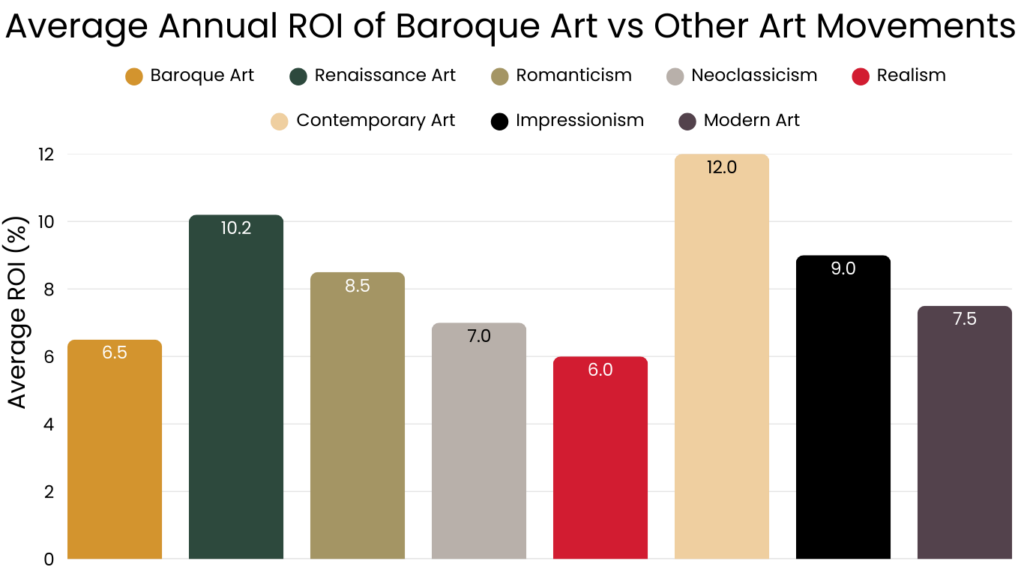
Baroque Art is primarily appreciated for its aesthetic mastery and cultural significance. But it also holds measurable value in the world of financial investment. As an asset class within the broader Old Masters category, Baroque works have shown a consistent ability to retain value over time, with occasional periods of real appreciation, particularly for blue-chip artists whose reputations are firmly established.
Over the last few decades, academic studies and auction data have shown that Old Master paintings, including those from the Baroque period, have yielded real annualized returns averaging around 4% to 7%. That may sound modest compared to contemporary art or equities in boom cycles, but this return profile reflects lower volatility and a high degree of capital preservation, especially when you focus on authenticated works with clear provenance. For a deeper look at how art stacks up as an investment, this guide on investing in art breaks it down well.
The numbers tell a compelling story at the top end. In 2002, Rubens’ Massacre of the Innocents sold at Sotheby’s for over $76 million, a testament to the enduring demand for museum-quality Baroque works. Velázquez’s rare paintings are held in equally high regard, with so few changing hands publicly or privately that any available work instantly becomes a focal point of market interest.
That said, the market for Baroque art differs from that of modern and contemporary pieces. It is illiquid and specialist-driven, with relatively fewer transactions and a buyer base composed primarily of institutions, seasoned collectors, and legacy-focused investors. This dynamic creates pricing resilience but also demands deep expertise and patience when you enter the market. Provenance, restoration history, and documentation are key value drivers. Even minor doubts over authenticity can dramatically affect pricing and resale potential.
Another critical aspect is supply scarcity. Unlike contemporary markets that can be saturated with new work, the Baroque canon is fixed. As time progresses, fewer museum-quality pieces remain in private hands, and those that do become increasingly difficult to acquire. This scarcity supports long-term price appreciation and underscores the unique investment profile of Baroque works. You can see similar scarcity dynamics explored in our look at how limited edition prints deliver liquidity without sacrificing returns.
The non-correlation of Old Master art with traditional financial markets also adds a strategic diversification benefit. During periods of market uncertainty or inflationary pressure, tangible assets like fine art often act as stores of value. Baroque pieces, in particular, appeal to investors with long-term horizons who value cultural capital alongside financial return. Bloomberg Markets has covered this dynamic extensively in the context of alternative asset allocation.
The historical ROI of Baroque Art is best understood not through speculative short-term gains but through its role as a stable, prestige-oriented asset class. Returns may be modest in purely numerical terms, but they are compounded by legacy value, enduring demand, and the irreplaceability of the artworks themselves, making them a compelling component in any diversified portfolio of alternative investments.
FAQ
What is Baroque Art?
Baroque Art is a highly expressive and dramatic visual style that emerged in 17th-century Europe, characterized by movement, emotional intensity, rich detail, and strong contrasts of light and shadow.
What are the main characteristics of Baroque Art?
Baroque Art features dynamic compositions, deep chiaroscuro (light-dark contrast), ornate detailing, emotional realism, and theatrical storytelling across painting, sculpture, and architecture.
Who are the most important Baroque artists?
Key Baroque artists include Caravaggio, Peter Paul Rubens, Rembrandt, Gian Lorenzo Bernini, Diego Velázquez, and Vermeer. Each made transformative contributions to the visual language of the period.
Is Baroque Art a good investment?
Yes, Baroque Art offers stable long-term value, particularly for works with clear provenance by major artists. While returns are modest (2–3% annually), the category is valued for its rarity and cultural prestige.
What makes Baroque Art different from Renaissance Art?
Baroque Art emphasizes drama, movement, and emotion, while Renaissance Art is more focused on balance, clarity, and classical harmony. Baroque works often engage the viewer with theatrical immediacy.
How do regional styles within Baroque differ?
Italian Baroque centers on religious drama and theatrical realism. Flemish Baroque emphasizes grandeur and sensuality. Dutch Baroque focuses on realism and daily life, while Spanish Baroque favors spiritual austerity.