
Twenty years ago, suggesting Texas wine as an investment would have drawn skeptical looks from just about everyone in the room.
Today, that skepticism is giving way to serious interest. The Lone Star State’s wine industry now generates over $20.35 billion in economic impact and ranks fifth nationally for wine production.
What makes this so compelling from an investment standpoint is the scarcity dynamic at play. Texas produces less than 4% of the wine needed to satisfy demand from its own residents, creating a supply-demand imbalance that savvy investors are starting to recognize and act on.
The investment thesis for Texas wine hinges on three critical factors. Explosive regional growth, limited production volumes relative to demand, and the state’s unique position as both a tourism destination and an emerging viticultural force all point in the same direction.
Traditional wine investment regions like Bordeaux and Napa command premium prices, yes. But Texas presents an early-stage opportunity where price appreciation potential has barely been touched by mainstream collectors. Think of it as getting in before the crowd arrives.
Table of Contents
Overview of the Texas Wine Industry
The transformation of Texas wine has been nothing short of remarkable, and the economic impact figures tell a story of growth that’s hard to ignore.
The industry’s contribution has jumped from $13 billion in prior years to $20.35 billion, while the number of wineries has grown to nearly 900. That’s one of the fastest growth rates among major wine-producing states, positioning Texas as a serious player in American wine despite its relatively recent entry into serious winemaking.
Behind those impressive numbers sits a geographic reality that shapes both the opportunity and the challenge. The Texas High Plains AVA covers over 8 million acres and produces about 85% of the state’s wine grapes across approximately 4,000 planted acres, with elevations ranging from 3,300 to 3,700 feet that create ideal growing conditions.
The Texas Hill Country AVA, meanwhile, claims the distinction of being the third largest in the United States, covering 9,000,000 acres, though vineyard plantings stay relatively modest compared to the region’s vast potential.
That disparity between potential and current production becomes even more striking when you look at consumption patterns.
As of 2024, the state had over 9,300 acres planted with Vitis vinifera, yet this falls far short of what Texans actually drink. The state consumes over 60 million gallons annually but produces only about 2 million gallons. That gap is your opportunity.
For investors, this supply-demand mismatch creates potential upward pressure on prices, particularly for premium Texas wines that establish strong reputations and limited production runs.
Texas Wine Prices and Market Trends
Unlike established wine regions with decades of pricing data behind them, investing in Texas wine means reading emerging trends and early signals carefully. The premium segment shows the most promise, with estate wineries focusing on single-AVA wines already commanding higher prices. If you want to understand what drives fine wine values more broadly, the key factors affecting fine wine prices and quality offer useful context here.
The increasing number of AVAs is a strong signal for the state’s wine industry. By designating more specific wine-growing regions, the industry is embracing the depth of Texas terroirs and communicating that story directly to wine drinkers who care about provenance.
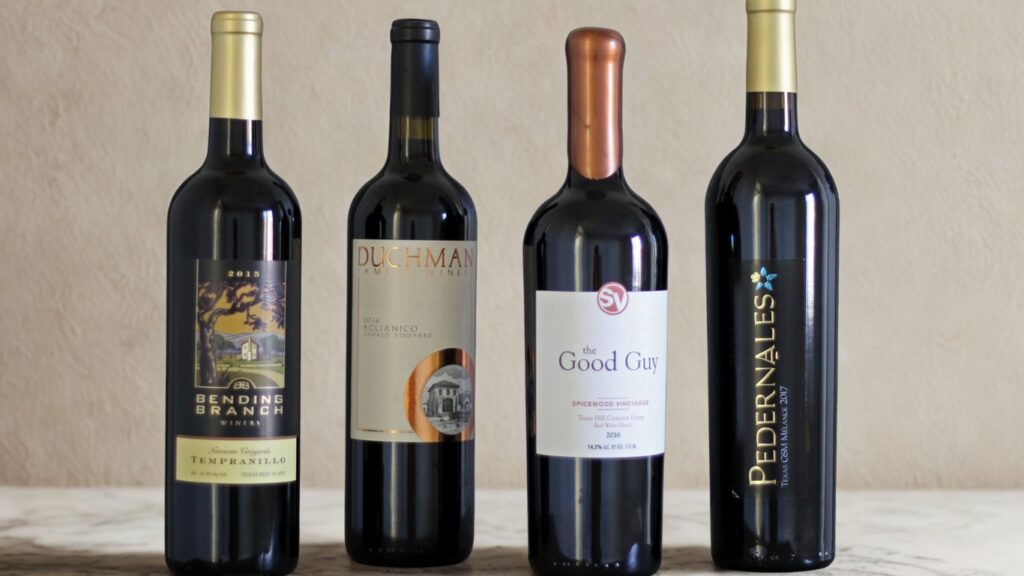
Current retail prices for premium Texas wines typically run from $25 to $75 per bottle, with exceptional releases reaching $100 to $150. That pricing sits well below comparable quality wines from Napa Valley or established European regions, which strongly suggests room for appreciation as Texas wines earn wider recognition.
The state’s auction market is still finding its footing. The Texas Wine Auction Foundation hosted its fourth annual Texas Wine Auction on April 25 and 26, 2026, expanding to a two-night event for the first time.
Historical price appreciation data stays limited given the industry’s youth, but early indicators point to steady growth. Wineries report increasing demand from both local and out-of-state collectors, with some limited-production releases selling out the moment they drop.
Secondary market activity is still mostly regional, but that’s exactly the point. Early investors can establish positions now, before national recognition pushes prices to a new level entirely.
ROI Potential of Texas Wine
Since 1988, investment-grade wines have delivered a compound annual growth rate of around 10 to 11 percent, outperforming many traditional asset classes. But those returns come almost entirely from established regions with proven track records behind them.
Texas wine investment operates in a fundamentally different paradigm, one that calls for a different way of thinking about risk and reward.
Rather than competing directly with Bordeaux first growths or Napa cult wines, Texas plays the emerging market angle. The setup closely resembles early-stage California wine investment from the 1970s and 1980s, when prescient collectors quietly acquired wines that would later achieve international recognition and deliver spectacular returns.
The timeline for Texas wine investments reflects this emerging market status. You should expect to hold positions for 10 to 20 years to allow enough time for industry maturation and reputation building. This is a long game, and it rewards patience.
The risk profile also differs from established regions in a meaningful way. You get higher potential upside, but also greater uncertainty about long-term demand and how the market ultimately develops.
Early success stories already exist. Limited releases from pioneering producers have appreciated 50 to 100% in secondary markets, though the number of data points is still small enough that you shouldn’t extrapolate too broadly from isolated examples.
Scarcity and Production Characteristics
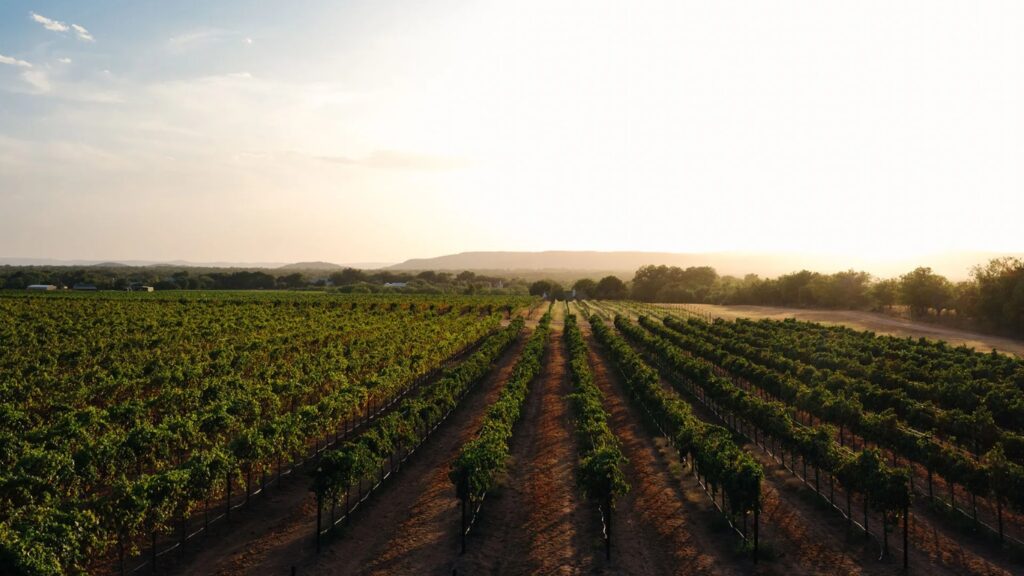
The scarcity factor in Texas wine operates on multiple levels, and each one strengthens the investment case. Texas produces less than 4% of the wine needed to satisfy demand from residents alone, before you even factor in out-of-state appetite.
That fundamental supply-demand imbalance affects every price point, but it benefits premium producers with limited production the most.
Production constraints come from several reinforcing factors that highlight just how early-stage this industry still is.
Texas wineries had to buy more than 51,000 gallons of juice and bulk wine—about 23 percent of their total need—from outside the state, creating dependency that undermines terroir-driven positioning and limits profit margins.
Geography compounds the challenge in interesting ways. The Texas High Plains is nearly four times the size of the state’s next largest American Viticultural Area, yet the Texas Hill Country hosts over 50 wineries while the Texas High Plains produces 85% of the entire state’s wine grapes. Scale and prestige don’t always travel together.
These geographic realities also create terroir differentiation that adds another layer to investment scarcity. Texas High Plains fruit produces more subtle red wines with soft tannins and a well-rounded mouthfeel. Texas Hill Country fruit, by contrast, creates more powerful and tannic reds with distinct chalky characteristics drawn from limestone formations beneath the soil.
That diversity lets different producers develop unique styles and positioning. You could eventually see multiple investment categories emerge within the state, much like how Bordeaux’s Left Bank and Right Bank command very different price points and collector loyalty. For a deeper look at how regional classification shapes wine investment value, the Burgundy classification system offers a fascinating parallel.
Climate challenges limit production while simultaneously pushing quality in ways that could drive long-term investment value. Extreme weather conditions force growers to innovate, and those techniques often result in more concentrated, distinctive wines with stronger terroir expression.
Weather variability also creates vintage variation that can ignite collector interest and price appreciation for standout years, especially as the industry builds the track record needed to identify truly outstanding vintages. That’s when the real price premiums start to form.
Collector and Investor Demand
The current collector base for Texas wines is predominantly regional, which is both a limitation and an opening. The Texas Hill Country alone attracts over 1 million visitors annually, building a substantial local market. But this regional focus means Texas wines haven’t yet captured serious attention from national or international collectors, and that’s where the upside lives.
The demographic profile of Texas wine buyers skews toward affluent professionals in major Texas metro areas, wine tourists passing through, and a growing number of sophisticated collectors who’ve spotted the value opportunity before the broader market wakes up.
Unlike established regions where critic scores and celebrity endorsements drive demand, Texas wine collecting runs on direct consumer experience and word of mouth. That dynamic keeps prices accessible today but won’t last forever.
Sommelier and restaurant adoption is becoming a real demand driver. Texas restaurants are featuring local wines with increasing confidence, building professional credibility and exposing new consumers to the category. Wine competition wins are also building collector confidence, though Texas wines haven’t yet achieved the kind of consistent recognition that unlocks investment-grade premiums.
International demand stays minimal for now, but early signals are worth watching. Some Texas producers report interest from collectors in traditional wine-investing countries, particularly those seeking diversification beyond established regions. With several European wine markets showing signs of decline, the timing for a credible alternative couldn’t be better.
Texas Wine vs Traditional Investment Regions
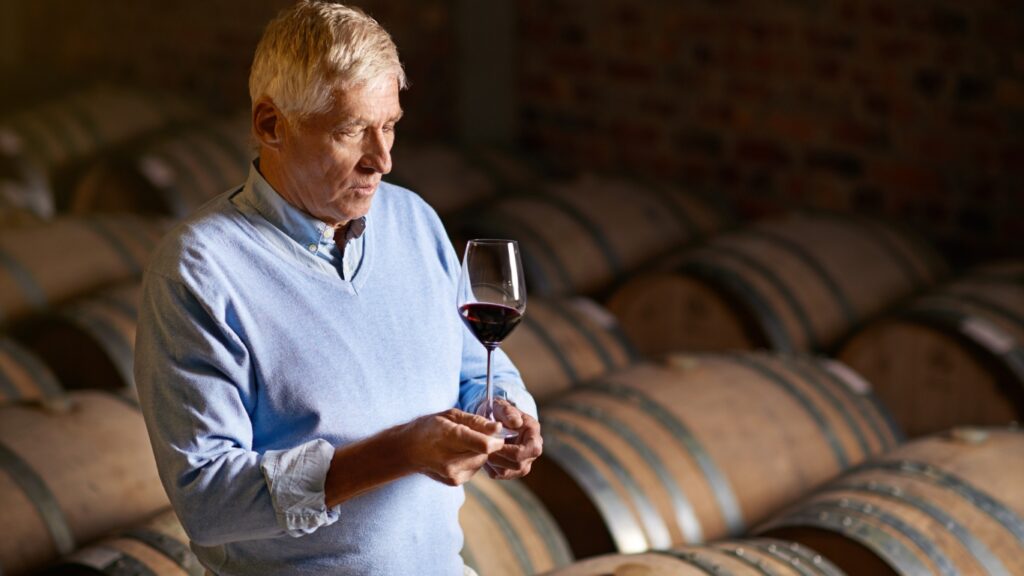
Putting Texas wine next to established investment regions makes the opportunity and the challenge equally clear. Napa Valley cult wines typically start at $200 to $500 per bottle on release, with established producers commanding instant collector premiums the moment a new vintage drops.
Texas wines enter the market at a much lower price point, which gives you accessibility but also signals a prestige gap that still needs closing.
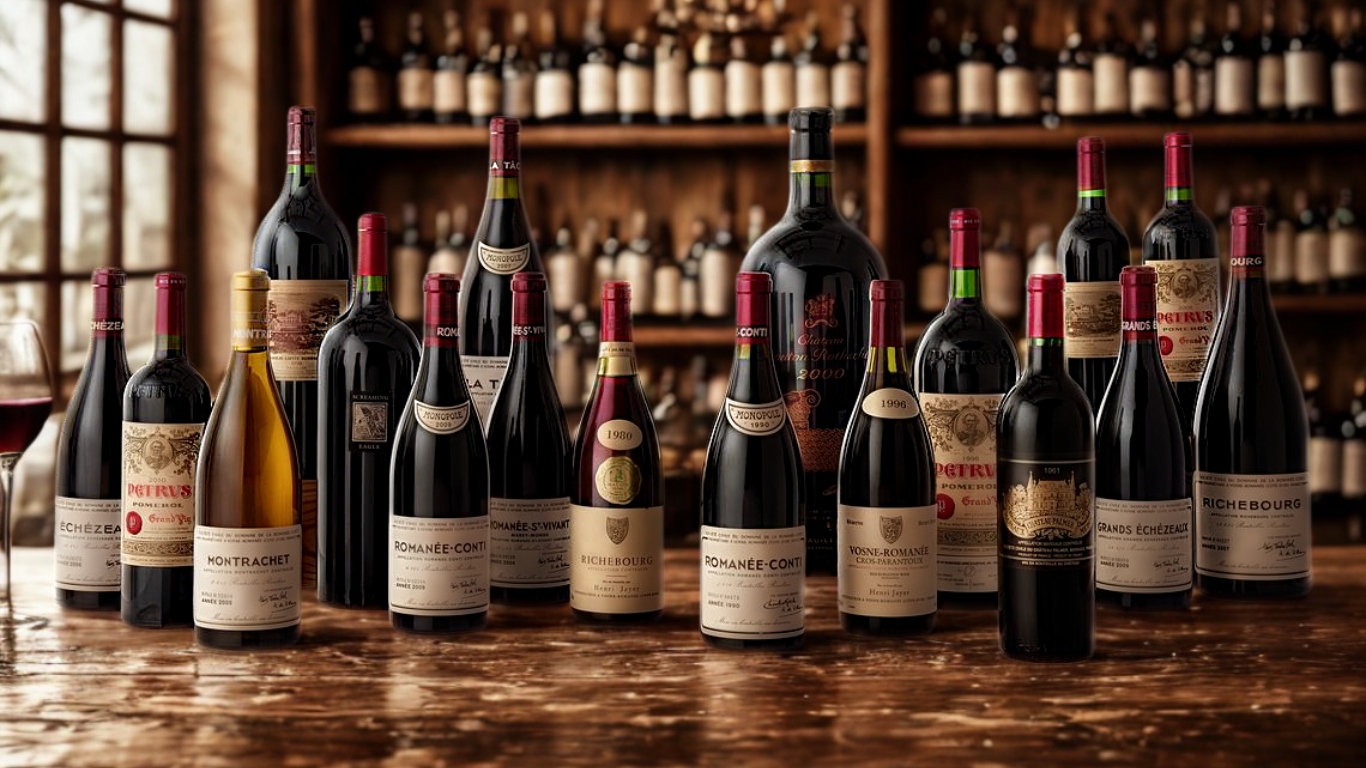
Bordeaux first growths bring centuries of reputation and deep secondary markets. Château Haut-Brion has delivered annual returns of roughly 8% to 10%, driven by limited production and sustained global demand. Texas doesn’t have that history, but it offers something Bordeaux can’t: a ground-floor entry into a potentially transformative regional story.
Texas wines lack that historical context, but you’re not paying for a century of reputation either. You’re buying a position in what could become one of the world’s more interesting emerging wine regions.
The pricing advantage cuts both ways. Lower entry costs let you build a diversified Texas wine position with modest capital, spreading risk across multiple producers and vintages without betting everything on one name.
That said, those same low prices signal limited near-term appreciation compared to established regions where scarcity and reputation create immediate premiums. Patience is the strategy here.
This dynamic creates opportunity for significant percentage-based gains as recognition develops, but requires longer holding periods and greater risk tolerance than established wine investments.
Quality comparisons stay subjective and keep evolving as Texas producers gain experience and sharpen their techniques. Texas wines may not yet match the complexity and aging potential of the world’s greatest bottles, but the quality gap is narrowing faster than most outside observers realize, as vineyard management improves and winemaking grows more sophisticated across the state.
Some Texas wines already show impressive aging characteristics and distinctive terroir expression that could eventually command premium prices. Climate change is also reshaping traditional wine regions in ways that could open doors for emerging areas like Texas sooner than most expect.
Future Outlook for Texas Wine Investment
Market forecasts for Texas wine show cautious optimism grounded in realistic timelines. The next 5 to 10 years likely form the critical window for the industry’s investment potential. Continued growth in production, tourism, and quality recognition could establish Texas as a legitimate investment region. The question is whether the industry capitalizes on the momentum it’s already built.
Fail to achieve broader recognition and appreciation potential stays limited. The path forward isn’t guaranteed, which is exactly why the entry prices still make sense today.
Early investor opportunities center on identifying producers with the potential to become Texas’s first growths. Those are likely estate wineries with distinctive terroir, consistent quality, and limited production. Your focus should land on single-vineyard wines from established AVAs, particularly those with characteristics that set them apart from generic Texas offerings flooding the lower end of the market.
Climate challenges bring both risk and opportunity into the same frame. Rising weather volatility could limit production while also creating the vintage variation that drives collector interest. Successful adaptation to climate change could position Texas as a model for sustainable viticulture, adding another compelling angle to the investment story.
The industry’s maturation also depends on generational change among Texas winemakers. Many current producers are first-generation vintners still building their reputations from scratch. Second-generation winemakers with formal training and global experience are likely the ones who will drive the quality improvements needed for true investment-grade recognition.
Potential challenges include maintaining quality during rapid expansion, building sustainable export markets, and competing with established regions for collector attention. The industry also needs to navigate Texas’s complex regulatory environment and build the infrastructure required to support premium wine production and distribution at scale. Wine Spectator has tracked how fast the regulatory and production picture is shifting across the state.
However, the fundamental drivers remain compelling: growing demand, limited supply, improving quality, and increasing recognition.
For investors willing to take positions in quality producers and hold for an extended period, Texas wine offers genuine potential for appreciation as the industry moves from regional curiosity to national and potentially international recognition.
The window for ground-floor positions may be narrowing as awareness builds, but opportunities still exist for investors who understand the unique dynamics of emerging wine regions and can identify the producers most likely to earn lasting success and collector status. The early movers in California wine in the 1970s didn’t regret their patience. You probably won’t either.