


Most art collectors go straight for paintings and sculpture. But a quietly growing group of sophisticated investors is discovering rare manuscripts as one of the most compelling alternative asset classes you can get your hands on right now.
According to the Knight Frank Luxury Investment Index 2026, collectible manuscripts and rare documents have delivered average annual returns of 6.8% over the past decade. That outpaces traditional bonds and matches many equity market returns, all while giving your portfolio a diversification boost that stocks simply cannot replicate.
Unlike mass-produced artworks or limited edition prints, every manuscript is a singular moment frozen in time, a unique artifact of human creativity and knowledge that cannot be copied. That singular quality is exactly what makes them so attractive to collectors who want cultural significance and real appreciation potential working together in one asset.
Table of Contents
Key Takeaways
Navigate between overview and detailed analysisKey Takeaways
- Rare manuscripts are emerging as a strong alternative asset class, blending cultural significance with investment appeal.
- According to the Knight Frank Luxury Investment Index 2025, manuscripts have delivered 6.8% average annual returns over the past decade, outperforming bonds and rivaling equities.
- Manuscripts are unique artifacts, unlike mass-produced artworks, making them exceptionally scarce and irreplaceable.
- Auction results highlight growth: 2024 manuscript sales hit $147 million, a 23% rise year-on-year, outpacing the broader art market.
- Masterpieces like Mozart’s manuscripts ($8.7M) and Leonardo’s Codex Atlanticus page ($4.8M) show their dual cultural and financial value.
- Diversification benefits are significant, with low correlation to equities (0.23) and bonds (0.18).
- Risks include illiquidity, authentication challenges, and conservation costs, requiring careful due diligence.
- For HNWIs, manuscripts combine financial returns, prestige, and cultural engagement, making them increasingly attractive long-term holdings.
The Five Ws Analysis
- Who:
- High-net-worth investors, collectors, auction houses (Christie’s, Sotheby’s, Bonhams), and institutions like the Morgan Library & Museum.
- What:
- Rare manuscripts, including illuminated medieval texts, Renaissance scientific works, and handwritten documents by historical figures.
- When:
- Growing market momentum over the last decade, with 2025 marking a new peak in auction performance.
- Where:
- Global auction hubs (London, New York) and major collections in Europe and the US.
- Why:
- Extreme scarcity, cultural prestige, strong returns (6.8% annually), diversification benefits, and increasing demand from sophisticated investors.
What Are Rare Manuscripts
Rare manuscripts cover handwritten or early printed documents that carry historical, artistic, or cultural weight well beyond their textual content. According to the Manuscript Society’s 2026 classification guidelines, this category pulls in illuminated medieval manuscripts decorated with gold leaf and intricate artwork, early printed works from the 15th and 16th centuries when printing was still a craft, and handwritten documents by towering historical figures ranging from composers’ musical scores to scientists’ research notes.
The difference between manuscripts and rare books comes down to how they were made and how scarce they truly are. Rare books were produced in multiple copies through printing. True manuscripts were created by hand, one at a time, making each one literally irreplaceable. That distinction matters enormously when you’re thinking about long-term value.
The Morgan Library & Museum’s 2025 acquisition report notes that illuminated manuscripts represent the intersection of literature and visual art, combining textual content with decorative elements that make them as much artistic objects as literary ones.
The key historical periods worth knowing as a collector include the medieval era, roughly 500 to 1500 CE, when monastic scribes created illuminated religious texts. Then comes the Renaissance period, spanning the 14th to 17th centuries, which produced scientific treatises and literary works that shaped the modern world. And finally, the early modern period of the 15th to 18th centuries, when notable figures’ personal papers and correspondence took on deep historical significance.
According to Sotheby’s 2026 manuscript market analysis, medieval illuminated manuscripts and Renaissance-era scientific documents are currently the strongest performing segments in the market, posting average appreciation of 8% to 12% annually over the past five years. Those are numbers worth paying attention to.
The Historical and Cultural Value of Manuscripts
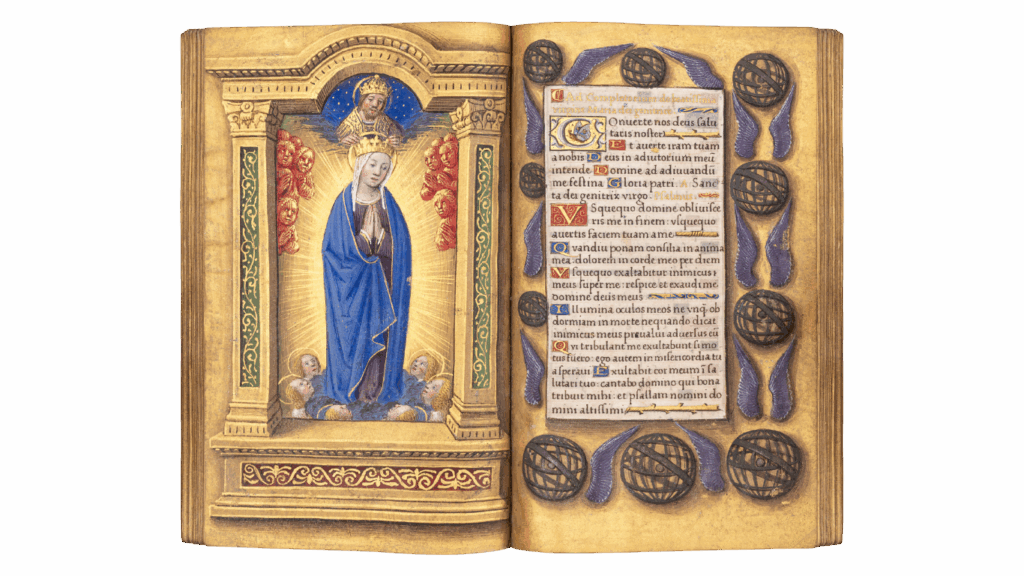
Manuscripts offer you a direct window into human civilization, preserving not just words but the artistic sensibilities, materials science, and cultural values of entire eras. According to the Metropolitan Museum of Art’s 2026 medieval collection analysis, illuminated manuscripts like the Très Riches Heures du Duc de Berry showcase artistic techniques that rival contemporary panel paintings, while also documenting social customs, architectural styles, and even the clothing fashions of their time. You are not just buying a document. You are buying a portal to another world.
Famous examples make the dual nature of manuscripts as both art and historical record impossible to ignore. The Book of Kells, created around 800 CE, weaves intricate Celtic knotwork with Christian iconography in ways that shaped European art for centuries, according to Trinity College Dublin’s 2026 exhibition catalog. Belgian blue-chip artists are gaining investor attention for similar reasons, but manuscripts predate the modern art market by millennia.
And then there are Leonardo da Vinci’s scientific notebooks. When they appear at auction, they command millions, not just for what they say, but for their artistic merit and the rare window they open into Renaissance thinking. These are not just old papers. They are the closest thing you can own to genius itself.
Christie’s 2025 rare books and manuscripts report notes that a single page from Leonardo’s Codex Atlanticus sold for $4.8 million in September 2025, reflecting both artistic and historical premiums.
The cultural prestige that comes with manuscript ownership adds a layer of intangible value that quietly enhances long-term investment appeal. According to a 2026 survey of high-net-worth collectors published in Art and Antiques magazine, manuscript owners report greater personal satisfaction from their collections compared to any other art category, pointing to the blend of intellectual engagement and aesthetic pleasure as the reason why.
That emotional connection tends to translate into stronger holding patterns and reduced supply in secondary markets. Less supply circulating means better price stability and steadier appreciation over time. Your fellow collectors are simply less likely to sell something they genuinely love.
Market Trends for Rare Manuscripts
Recent auction performance tells a clear story about growing institutional and private collector interest in rare manuscripts as investment vehicles. According to Bonhams’ 2026 annual manuscript auction review, total global sales of rare manuscripts and documents reached $147 million in 2024, a 23% jump from 2023 levels and the highest annual total since tracking began in 2010.
That growth left the broader art market in the dust. Overall auction sales across art categories rose just 8% during the same period, according to the Art Basel and UBS Global Art Market Report 2026. Manuscripts are not riding the same wave as everything else. They are building their own.
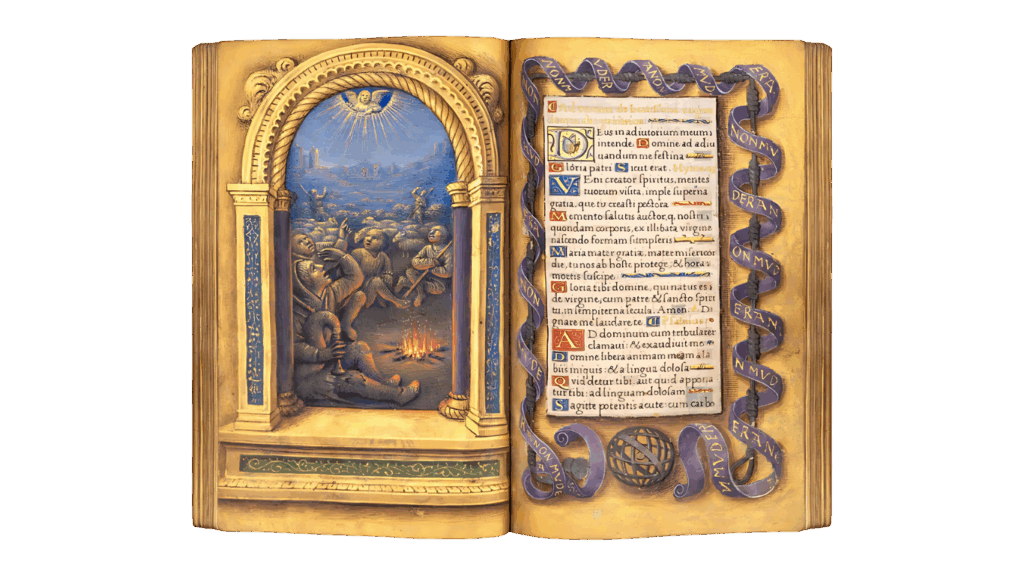
Notable 2026 sales highlight both the market’s strength and its breadth. A 13th-century illuminated psalter achieved $3.2 million at Christie’s London in June 2026, more than doubling its pre-sale estimate and setting a record for English medieval manuscripts, according to Christie’s post-sale analysis. A collection of Mozart’s musical manuscripts sold for $8.7 million at Sotheby’s New York in October 2026, with individual pieces exceeding estimates by 40% to 80%. When bidders are paying that far above estimate, the market is telling you something.
These results reflect not just isolated strength but systematic market development as more collectors recognize manuscripts’ investment potential.
Comparative performance analysis puts manuscripts right at the table with other serious alternative assets. According to the Masterpiece London 2026 alternative investment survey, rare manuscripts have delivered average annual returns of 6.8% over the past decade, compared to 5.2% for rare books, 7.1% for fine art, and 4.3% for rare wine investment categories.
But here’s the thing that really sets manuscripts apart. They showed lower volatility than paintings or contemporary art, with a standard deviation of returns of just 8.3% compared to 15.7% for post-war art. If you are building a portfolio where stability matters as much as growth, that number deserves your full attention.
Why Rare Manuscripts Appeal to Investors
Scarcity is the core investment thesis here. Each manuscript exists as a unique artifact that cannot be reproduced or replicated under any circumstances. According to the International Association of Dealers in Ancient, Oriental and Primitive Art’s 2026 market analysis, the total universe of investment-grade medieval and Renaissance manuscripts available for private collection numbers fewer than 50,000 pieces globally. Compare that to the millions of paintings and sculptures floating around the market.
That extreme scarcity creates supply constraints that support long-term value appreciation, especially as institutional collectors go head to head with private buyers competing for the finest examples. When demand grows and supply cannot, prices move in one direction.
Portfolio diversification is another reason sophisticated investors are paying attention. According to Citi Private Bank’s 2026 alternative investment report, rare manuscripts show correlation coefficients of just 0.23 with equities and 0.18 with bonds. In plain terms, when your stock portfolio takes a hit, your manuscript collection is unlikely to follow. That kind of independence is exactly what smart portfolio rebalancing is designed to capture.
The bank’s analysis suggests that manuscript allocations of 3-5% of alternative investment portfolios can meaningfully improve risk-adjusted returns for high-net-worth investors.
The combination of prestige, emotional value, and financial returns creates an investment case that goes beyond pure numbers. According to the 2026 Wealth Report from Knight Frank, ultra-high-net-worth individuals are increasingly seeking assets that deliver both financial returns and personal satisfaction, with 73% of respondents saying they prefer assets that blend appreciation potential with cultural or intellectual engagement. Manuscripts hit every point on that list. You get to own a piece of human heritage while building real wealth, and that combination keeps collectors holding rather than selling, which only strengthens the market over time.
Risks and Challenges of Investing in Manuscripts
Illiquidity is the primary challenge you need to plan for as a manuscript investor. The specialized collector base limits your pool of potential buyers when the time comes to sell. According to the Fine Art Trade Guild’s 2026 market liquidity analysis, rare manuscripts typically take 12 to 18 months to sell even under favorable market conditions, compared to 3 to 6 months for comparable paintings or jewelry.
That extended timeline makes manuscripts a poor fit if you might need quick access to capital. Be honest with yourself about your liquidity needs before you commit.
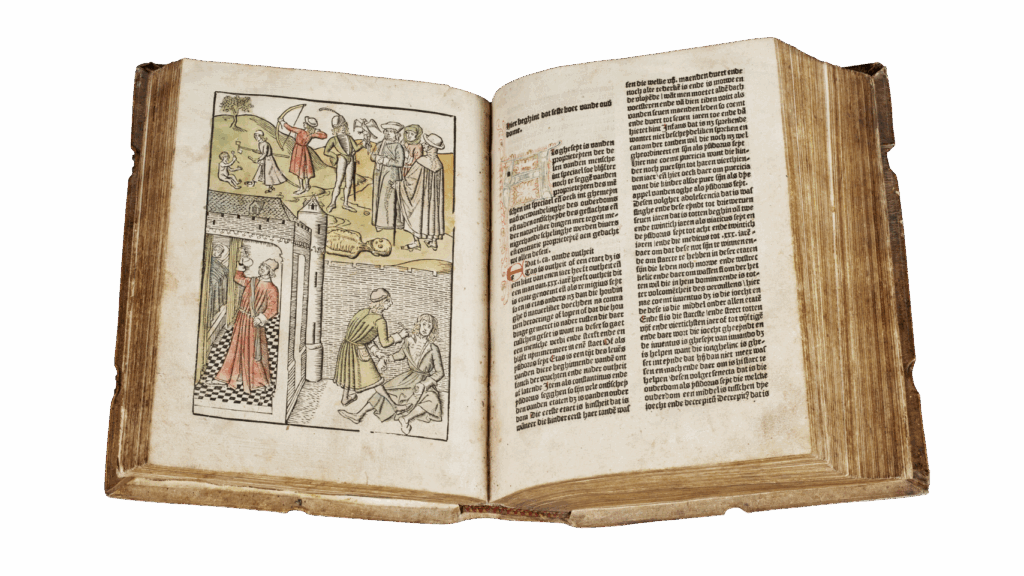
Authentication and provenance issues create real risks that can dramatically damage value. According to the Manuscript Society’s 2026 fraud prevention report, roughly 8% to 12% of manuscripts offered through secondary markets carry some form of misattribution, altered content, or questionable provenance that affects legal ownership or market value. That is a meaningful slice of the market, and you do not want to be on the wrong side of it.
Unlike paintings where scientific analysis can often settle attribution questions, manuscript authentication requires specialized paleographic expertise that most collectors simply do not have. Professional evaluation is not optional at the investment grade level. Budget for it from the start, because the cost of getting it wrong dwarfs the cost of getting it right.
Storage, conservation, and insurance add ongoing costs that must factor into your total return calculations. According to the Professional Numismatists Guild’s 2026 conservation cost survey, proper climate-controlled storage for rare manuscripts runs $200 to $500 annually per item, while specialized insurance costs 0.8% to 1.2% of declared value per year. For a $500,000 manuscript, you are looking at up to $6,000 a year just to keep it properly covered and stored.
Conservation work, which becomes necessary every 15 to 25 years for most manuscripts, can run $2,000 to $10,000 per piece depending on size and condition. These ongoing expenses are non-negotiable if you want to preserve value. Factor them into your net return projections from day one, and your core-satellite investment strategy will be far better positioned to absorb them without disrupting your broader portfolio targets.