Belgian blue-chip artists have been drawing collector attention quietly for the past several years, and the pattern says something about how the broader European modern and contemporary market is restructuring.
The country produced an unusually disproportionate share of major figures across the twentieth century (Magritte, Delvaux, Permeke, Khnopff, Ensor, Spilliaert, Broodthaers, Tuymans) and continues to anchor major contemporary positions in 2026 (Tuymans, Borremans, Van den Abbeele, Ann Veronica Janssens, De Bruyckere).
The work moves through Brussels, Antwerp, and Ghent gallery networks that have steadily built international weight, and the major-house secondary markets have priced the strongest material into the seven and eight figures.
For collectors building serious European modern and contemporary positions, the Belgian conversation has become one of the more interesting parts of the broader blue-chip cohort. The galleries are strong. The institutional record is deep.
The international collector base is broader than it was a decade ago. The work, in its own quiet way, has earned the attention it is now getting.
- Belgian blue-chip artists have been drawing serious collector attention through a combination of museum support, gallery programming and credible auction performance.
- Luc Tuymans anchors the contemporary Belgian canon, with major works held at Tate Modern, MoMA and a small group of senior private collections worldwide.
- Michael Borremans, Raoul De Keyser and Berlinde De Bruyckere round out the senior Belgian contemporary tier alongside Tuymans in serious museum collecting.
- A wave of younger Belgian painters has built credible primary-market positions through Antwerp, Brussels and the broader Northern European gallery network.
- Auction performance for top-tier Belgian work has steadied and deepened over the past decade, with selective evening-sale appearances at major houses.
- For serious contemporary collectors, Belgian blue-chip artists represent one of the most coherent regional segments in the broader European painting market today.
- Who is this for?
- Contemporary collectors, advisors and curators tracking the Belgian blue-chip tier as a coherent and increasingly important segment of the broader European painting market.
- What is happening?
- An editorial read on why Belgian blue-chip artists are drawing collector attention, covering Tuymans, Borremans, De Keyser, De Bruyckere and the wave of younger Belgian painters now emerging.
- When did this emerge?
- Most relevant around the major contemporary sales at Christie’s, Sotheby’s and Phillips and the Art Brussels, Independent and Art Basel fairs across the year.
- Where is this happening?
- Centred on the Antwerp and Brussels galleries historically, with growing presence in the New York, London, Paris and Hong Kong salesrooms and major fair circuits.
- Why does it matter?
- The Belgian blue-chip segment offers serious scholarly depth and credible market performance, and understanding the artists involved is essential for any disciplined contemporary collecting programme.
The historic depth: Magritte, Delvaux, and the Belgian Surrealist tradition
René Magritte (1898-1967) anchors the historic Belgian market. His Surrealist canvases (the bowler-hat figures, the floating apples, the pipe paintings, the cloud-window compositions) sit alongside the canonical French Surrealist work as some of the most coveted images in twentieth-century painting. The Magritte Foundation in Brussels and the Musée Magritte (part of the Royal Museums of Fine Arts of Belgium) anchor the institutional record.
The Magritte market has been one of the most active twentieth-century single-artist segments through the past two decades. "L'Empire des Lumières" canvases have made into the eight figures consistently; the strongest 1950s and 1960s paintings price in the high seven and eight figures. The Magritte catalogue raisonné scholarship is mature.
Paul Delvaux (1897-1994) sits alongside Magritte as the second canonical Belgian Surrealist. His Surrealist canvases (the figures in classical architecture, the nocturnal city scenes, the meditative female nudes) have built consistent secondary-market positions. Strong Delvaux works price in the high six and low seven figures.
The deeper historic tradition includes Constant Permeke (the Flemish Expressionist tradition), James Ensor (the late-nineteenth and early-twentieth-century painter whose "Christ's Entry into Brussels in 1889" is one of the foundational pre-Expressionist works), Léon Spilliaert (the Symbolist and quietly Modernist painter), and Fernand Khnopff (the Symbolist whose late-nineteenth-century work has had its own quiet revaluation).
The post-war contemporary line: Broodthaers and the conceptual tradition
Marcel Broodthaers (1924-1976) is the canonical post-war Belgian contemporary figure. His conceptual practice (the Musée d'Art Moderne, Département des Aigles installations of 1968-1972, the printed publications, the projections and films) defined a strand of European conceptual art that ran parallel to the American minimalist and conceptual movements of the same period.
The Broodthaers market is unusual. Most of his significant work exists in editions, installations, and printed publications rather than in single objects. The major Broodthaers retrospectives at the Musée d'Art Moderne in Brussels, MoMA (2016), the Reina Sofía, and other institutions have built the canonical record.
Strong individual Broodthaers pieces price in the high six and low seven figures; the major installations are largely in institutional collections.
The Broodthaers legacy shapes much of what came after in Belgian contemporary practice. The careful relationship between object, language, institution, and image that he established runs through the work of the major contemporary Belgian figures.
The contemporary blue-chip: Tuymans, Borremans, and the figurative painting line
Luc Tuymans is the dominant living Belgian artist. Born in 1958, based in Antwerp, with major-gallery representation at David Zwirner internationally, Tuymans's restrained figurative paintings have anchored a serious international secondary market for over two decades. Major retrospectives at Tate Modern (2004), MoMA, the SFMOMA, the Wexner, and the Bozar in Brussels have built the canonical position.
The Tuymans secondary market has placed strong canvases in the seven figures consistently. Christie's, Sotheby's, and Phillips contemporary evening sales handle the major-house secondary activity. The works on paper market and the broader catalogue work trade at related but lower tiers.
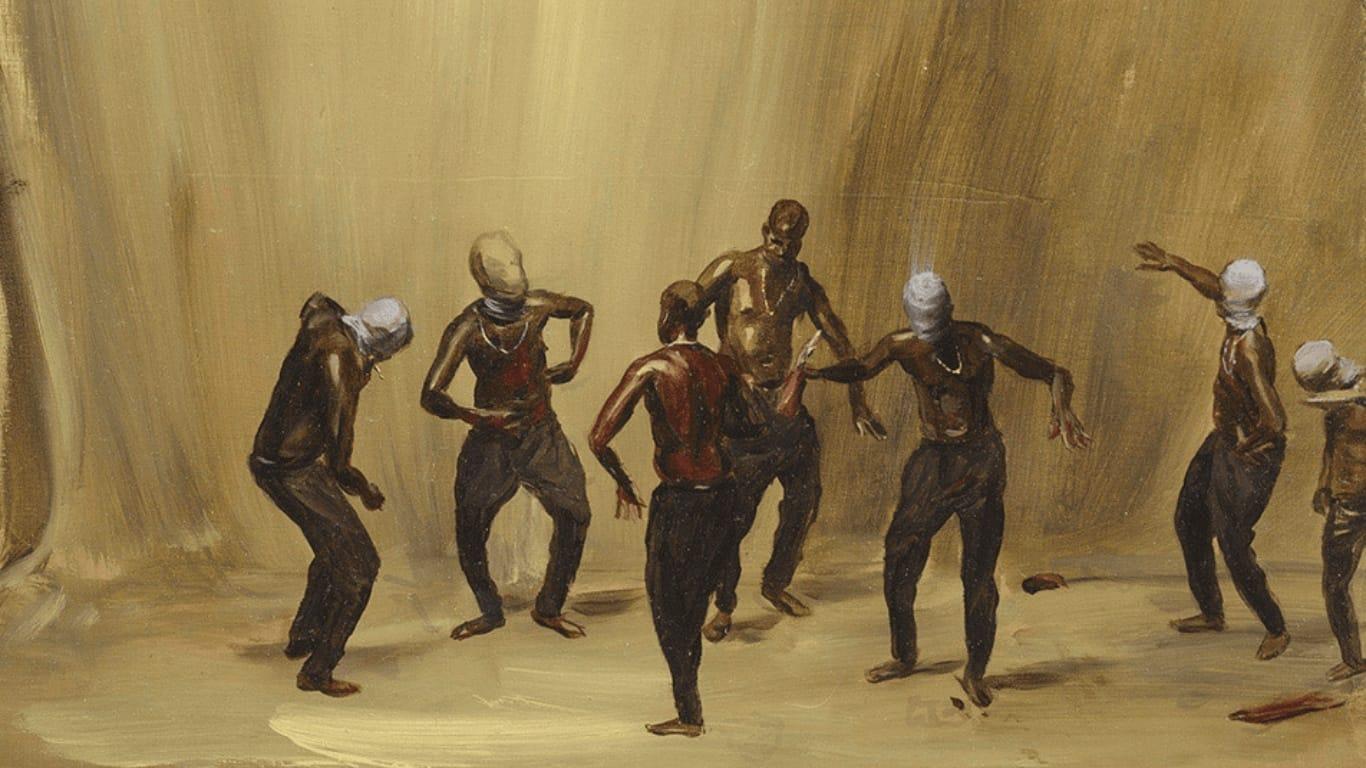
Michaël Borremans, born in Geraardsbergen in 1963, sits alongside Tuymans at the top of the contemporary Belgian conversation. His figurative paintings (frequently small-scale, deeply art-historical in their composition, narratively ambiguous) are represented by Zeno X Gallery in Antwerp and David Zwirner internationally. Strong Borremans works price in the high six and seven figures at major-house secondary sales.
Berlinde De Bruyckere's sculptural practice, working with wax, hair, and organic materials, has built deep institutional positions internationally. Hauser and Wirth represents her work internationally; major museum acquisitions through the past decade (MoMA, the Pompidou, the Centraal Museum in Utrecht) have consolidated her canonical position.
The Antwerp and Brussels gallery network
The Belgian primary-market infrastructure is unusually strong for the country's size. Zeno X Gallery in Antwerp anchors the contemporary scene. Dvir Gallery operates between Brussels and Tel Aviv.
Almine Rech Brussels carries international weight. Gladstone Gallery has a Brussels location. Xavier Hufkens in Brussels handles serious international contemporary work alongside Belgian artists.
Antwerp's Middelheim Museum (open-air sculpture) and the Royal Museum of Fine Arts anchor the institutional record alongside the Brussels institutional network (the Royal Museums of Fine Arts, the Musée Magritte, the WIELS contemporary art centre, the Bozar). The Mu.ZEE in Ostend and the SMAK in Ghent extend the institutional infrastructure further.
The Brussels art fair (BRAFA in January) and the Art Brussels fair (April) anchor the calendar. International collectors who follow the segment generally combine these fairs with the major Antwerp and Brussels gallery visits to read the year's contemporary positions.
Why the Belgian market has built international depth
Three structural reasons explain the pattern. First, the historic depth. Magritte and Delvaux give Belgium a foundational position in twentieth-century painting that few smaller European countries can match.
The institutional record built around these figures supports the broader contemporary conversation.
Second, the Antwerp and Brussels gallery infrastructure. The serious primary-market network in Belgium gives international collectors a credible access point to contemporary Belgian work without requiring direct studio relationships from outside the country.
Third, the relationship to the broader European modern conversation. Belgian contemporary work sits naturally alongside the broader European post-war and contemporary tradition, with overlapping buyer pools and overlapping institutional networks. Collectors building serious European positions can integrate Belgian work without working outside their established channels.
The collectors moving on the segment
The senior buyer pool for the Belgian market is broader than the country itself. American collectors with deep European contemporary positions have been increasingly active through the past decade. German, Dutch, French, and British collectors operate through the established gallery and major-house channels.
The Belgian collector base itself is unusually committed and well-informed. Several major private collections in Belgium (the Vanmoerkerke Collection in Ostend, the De Bruyne Collection, the Vanhaerents Art Collection) have built deep positions across Belgian and international contemporary work, and these collections have shaped the broader international perception of the Belgian segment.
Asian and Gulf institutional interest has grown selectively. The M+ in Hong Kong, the Mori Art Museum in Tokyo, and the Louvre Abu Dhabi have all engaged with the Belgian contemporary canon at varying levels.
What distinguishes serious Belgian collecting
The disciplined Belgian collector engages with the gallery infrastructure directly. Zeno X in Antwerp, Xavier Hufkens in Brussels, and the broader primary network shape access to contemporary work. The major-house secondary departments handle the resale conversation.
Engagement with the institutional record matters. The Magritte Foundation, the Royal Museums of Fine Arts in Brussels, the SMAK in Ghent, the WIELS, and the major Belgian artist foundations are part of the broader scholarly conversation. Catalogue raisonné scholarship across the major historic figures (Magritte, Delvaux, Permeke, Ensor) is mature; the contemporary figures (Tuymans, Borremans, De Bruyckere) have substantial monographic literature.
The works on paper and editions market is a serious entry point. Tuymans has produced significant works on paper alongside his painting. Magritte's drawings and printed editions trade at meaningful tiers below the painting.
Strong drawing collections across the Belgian tradition have built quiet international depth over the past two decades.
What this means for collectors
Belgian blue-chip artists in 2026 represent one of the more disciplined corners of the broader European modern and contemporary market. The historic depth (Magritte, Delvaux, the Surrealist tradition), the canonical post-war figure (Broodthaers), and the contemporary blue-chip line (Tuymans, Borremans, De Bruyckere) give serious collectors a coherent multi-decade conversation to engage with.
For collectors approaching the segment, the practical starting points are the Brussels and Antwerp gallery network, the major Belgian art fairs (BRAFA, Art Brussels), and engagement with the institutional record. The major-house contemporary and modern evening sales handle the secondary market for the strongest figures. Our broader survey of The Artists Defining the Market in 2026 places the Belgian conversation alongside the rest of the contemporary canon.
What we'll watch next
The Tuymans market remains the most active part of the contemporary Belgian conversation. The Borremans secondary market has been quietly building depth and we expect continued evening-sale activity through this cycle.
We are also watching the next generation of Belgian contemporary figures. Several artists at the mid-career level (Edith Dekyndt, Ann Veronica Janssens, the broader Antwerp and Brussels conceptual cohort) have built serious institutional positions over the past decade, and the transition from primary to secondary market for these figures will be one of the more interesting things to read across this and next year's contemporary cycle.
We last reviewed this analysis in May 2026.