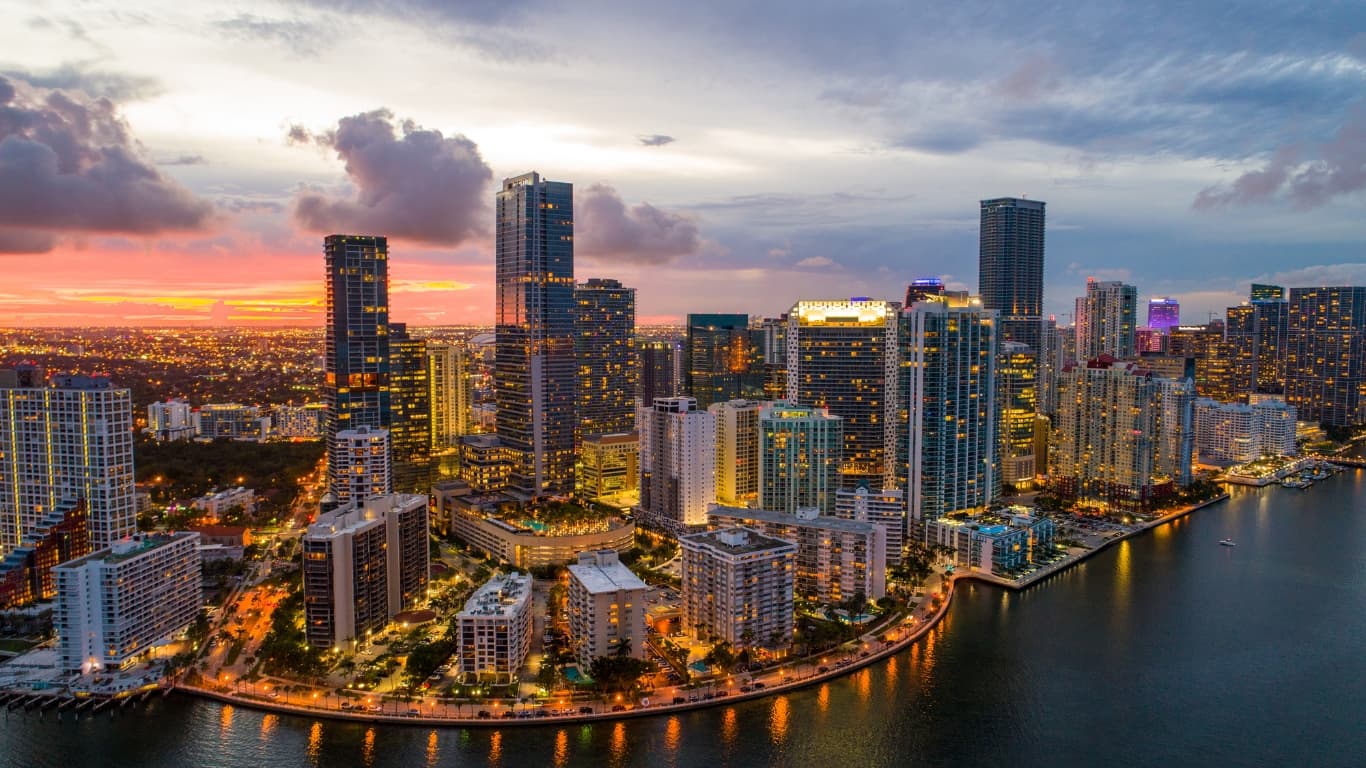

The 2026 El Paso real estate market is quietly becoming one of Texas's most affordable and stable housing destinations. While plenty of US cities are wrestling with price swings, El Paso offers a low-volatility entry point backed by a deep federal-employment base, a binational economic footprint and one of the lowest costs of living among large US metros. Knight Frank's 2026 US Cities Prime Index flags El Paso as the deepest US large-metro value play.
For context on balancing risk and reward in real estate investing across the US property landscape, El Paso reads as one of the more defensive options.
The Greater El Paso Association of Realtors data, alongside the brokerages tracking the prime side (Compass, Coldwell Banker, Better Homes and Gardens Real Estate, Keller Williams Realty), describes a market that has remained remarkably stable through the broader 2022-2024 rate cycle. The picture is one of measured, demand-driven absorption against a structurally cheap entry price.
The broader programming around the rise summit has flagged El Paso as one of the more capital-receptive US value metros, particularly for yield-focused buyers.
This analysis covers: Overview of The El Paso Housing Market | Neighborhood Analysis | El Paso Rental Market Overview | Factors Influencing the El Paso Housing Market | El Paso Housing Market Forecast for 2026 | Is It Worth Buying a Property in El Paso? | FAQ.
- El Paso remains one of the most affordable major Texas markets, with median prices well below the state average and continuing to attract value-focused buyer demand into 2026.
- We see Fort Bliss military presence, healthcare and the broader cross-border manufacturing logistics base providing employment stability that supports steady housing demand.
- Inventory has improved through 2025 and 2026, with months-of-supply moving toward balanced conditions across most price tiers in the metropolitan area.
- West side neighbourhoods and the Upper Valley continue to anchor the upper end of the local market, with newer build inventory expanding faster on the East and Northeast sides.
- Property tax structure carries the same general Texas profile, with combined rates warranting explicit underwriting attention despite the relatively low absolute property prices.
- For most considered buyers we view El Paso as a genuinely affordable Texas entry point with stable employment underpinning, particularly for buyers oriented toward primary residence.
- Who is this for?
- Buyers and investors evaluating El Paso for primary residence or income property, alongside relocation clients and the brokers, lenders and tax advisers supporting borderlands transactions.
- What is happening?
- A market overview and 2026 forecast for the El Paso real estate market, covering price levels, inventory dynamics, the Fort Bliss and cross-border employment drivers and the tax considerations.
- When did this emerge?
- The article covers conditions through 2025 and 2026, with reference to the post-pandemic inventory cycle and the latest Fort Bliss, healthcare and cross-border employment data.
- Where is this happening?
- The piece focuses on the El Paso metropolitan area, including the West side, Upper Valley, East and Northeast neighbourhoods and the broader El Paso County submarket landscape.
- Why does it matter?
- El Paso offers some of the most accessible Texas pricing in 2026 with stable employment underpinning, which is why the affordability case deserves consideration from value-focused buyers.
Overview of The El Paso Housing Market
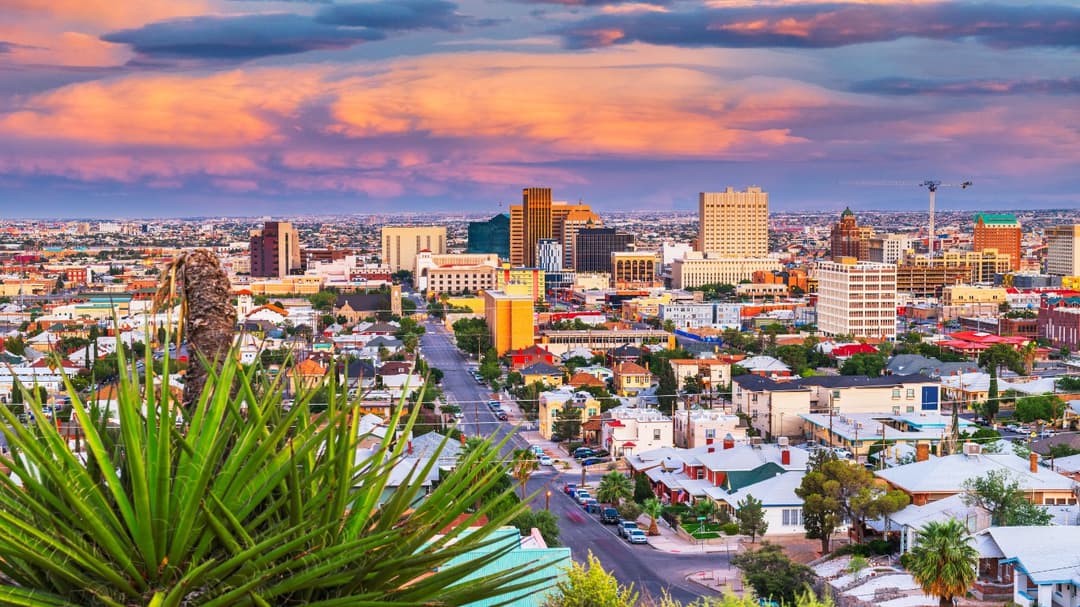
El Paso enters 2026 with a property market underpinned by sustained population growth, an unusually low cost of living, and a deep federal and binational employment base. The median home price sits at around $235,000, up roughly 3.8 percent year-on-year. U.S. Census Bureau data confirms El Paso's position as a top-25 US large metro by population.
Anchor employment (the Fort Bliss US Army installation, Customs and Border Protection, the El Paso International Airport logistics base, and the binational manufacturing corridor with Ciudad Juarez) anchors the demand floor.

Housing inventory is gradually rising. Active listings are up 4. 3 percent year-on-year.
Per Zillow Research, El Paso ranks among the most stable large-metro markets through the 2022-2024 rate cycle.
Bloomberg and the broader US tracker data suggest El Paso will continue to outperform the national Texas average on affordability. Median sale prices currently work out to roughly $145 per square foot, with average market time of 38 days.

Key Market Indicators, Q1 2026
- Median Sale Price: $235,000 (up 3.8 percent YoY)
- Price per Sq Ft: $145
- Days on Market: 38 days
- Active Listings: up 4.3 percent YoY
- Sale-to-List Ratio: 98.9 percent
El Paso's affordability outpaces peer Texas metros by a wide margin, while the deep federal-government and binational manufacturing employment base gives the market unusual resilience against single-sector shocks. Bureau of Labor Statistics data for Texas shows the metro running steady employment-growth rates through 2024-2025.
Neighborhood Analysis
El Paso operates as several distinct submarkets stacked across the metro. The prime Kern Place, Mission Hills and West Side corridors anchor the high end, while the design-driven downtown and Sunset Heights stories carry the mid-market. The brokers tracking the prime side flag five neighborhoods carrying the citywide narrative.
Kern Place
Kern Place remains one of El Paso's most coveted neighborhoods. Median home prices sit at approximately $495,000, up 4. 2 percent year-on-year.
Mature trees, restored mid-century housing stock and proximity to the University of Texas at El Paso anchor demand.
Mission Hills
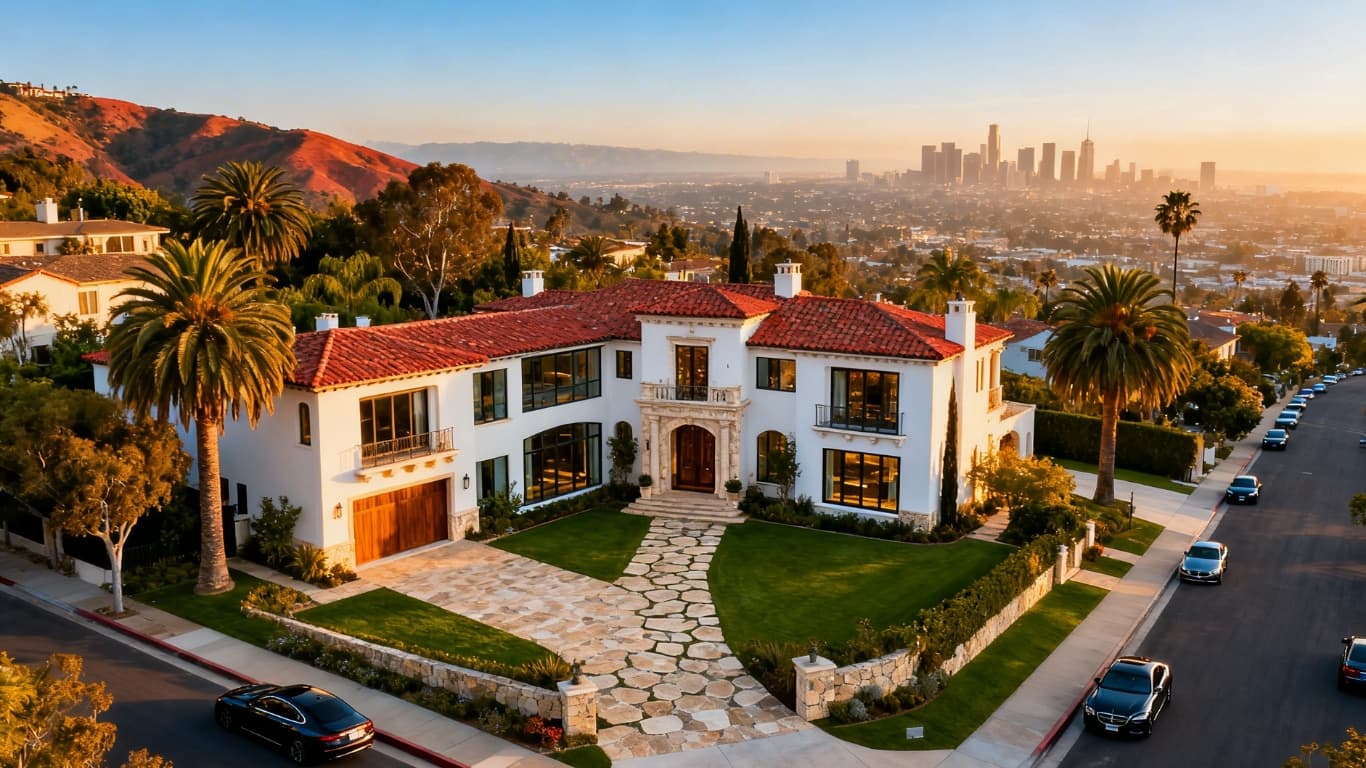
Mission Hills, the upscale corridor with Spanish-revival and Pueblo-revival architecture, runs similarly tight. Median home prices sit at $585,000, up 4. 1 percent year-on-year.
The combination of mature housing stock and limited inventory sustains the scarcity premium.
The West Side
The West Side, the broader affluent corridor extending west of UTEP, anchors the family-buyer prime tier. Median home prices sit at $385,000, up 3. 9 percent year-on-year.
Strong public schools, master-planned design and proximity to the broader Franklin Mountains sustain demand.
Sunset Heights
Sunset Heights, the historic urban-walkable district near downtown, anchors the design-driven mid-market. Median home prices sit at $325,000, up 4. 4 percent year-on-year.
Restored Victorian, craftsman and adobe stock dominates, with the buyer profile skewing toward design-oriented professionals.
Downtown El Paso
Downtown El Paso, the urban-redevelopment corridor anchored by the Plaza Theatre and the Union Plaza District, carries the most-watched walkable mid-market story. Median condo and loft prices sit at $285,000, with new construction and adaptive-reuse conversions continuing to deliver into the corridor.

El Paso Rental Market Overview
The El Paso rental market stays steady through 2026, driven by sustained population growth, the Fort Bliss installation, and rising homeownership costs. The El Paso tenant base skews toward Fort Bliss military families, Customs and Border Protection employees, UTEP students and faculty, and the broader binational logistics and manufacturing workforce.
Rental demand has grown across all property types as affordability challenges keep some would-be buyers on the sidelines. Texas property holders should note the tax benefits of real estate investing that apply to El Paso buy-to-let activity, particularly given the absence of a state income tax.
Average Rent Prices
- Studio Apartments: Approximately $785 per month
- One-Bedroom Apartments: Around $945 per month
- Two-Bedroom Apartments: About $1,195 per month
- Three-Bedroom Apartments: Approximately $1,495 per month
Sunset Heights, downtown and the corridor near Fort Bliss carry the tightest rental absorption. JLL's 2026 Texas Multifamily Outlook flags El Paso as one of the more disciplined large-metro rental markets through the second half of the decade.
Factors Influencing the El Paso Housing Market
Three structural forces drive El Paso demand. Population growth (the metro added roughly 5,000 residents in 2024) provides a steady demand floor. Anchor employment at Fort Bliss (one of the US Army's largest installations), Customs and Border Protection (the largest port of entry on the southern US border), and the binational manufacturing corridor with Ciudad Juarez sustains the inbound capital flow.
Texas's absence of a state income tax sharpens the affordability story further. Per Redfin’s housing market data center, El Paso sits in the most stable quintile of US large-metro markets through the 2022-2024 cycle. Applying maximizing real estate profits in this market typically means leaning into yield rather than appreciation.
Mortgage rates in the 6.5 to 7 percent range have rebalanced first-time buyer activity but not the prime tier. The Fort Bliss-driven demand cycle, particularly during deployment-cycle rotations, continues to provide a counter-cyclical buyer pool that smooths out broader market volatility.
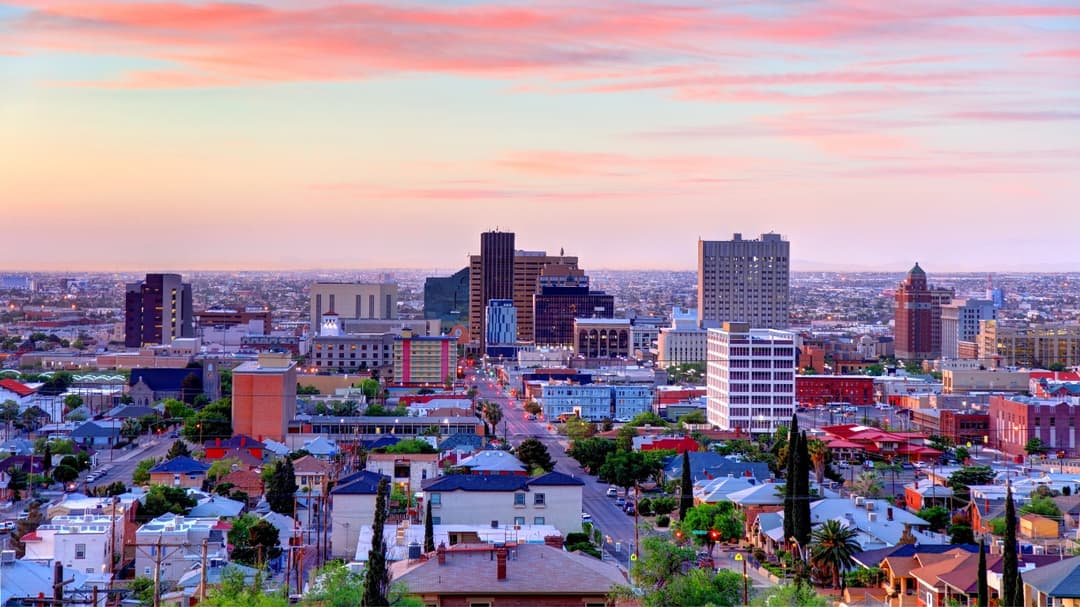
Lifestyle matters too. El Paso's combination of low cost of living, federal-employment stability, binational economic depth and Sun Belt climate attracts an unusually balanced mix of family buyers, military retirees and remote-working professionals.
El Paso Housing Market Forecast for 2026
The El Paso 2026 outlook is steady. Home prices are projected to rise 3 to 4 percent through 2026, with the strongest gains in the prime corridor (Kern Place, Mission Hills, the West Side) and the design-driven gentrification stories (Sunset Heights, downtown).
Rents are forecast to climb 2.5 to 4 percent across the metro. Inventory below $250,000 will stay competitive, keeping pressure on the entry tier.
Is It Worth Buying a Property in El Paso?
For yield-focused buyers and for buyers prioritizing stability over appreciation, yes. The structural tailwinds (Fort Bliss installation, federal-government employment, binational economic base, Texas tax structure, low cost of living) sustain price stability. El Paso's deep-value positioning gives buyers an unusually clean combination of affordability and economic fundamentals.
For appreciation-focused buyers, the picture is more nuanced. The post-2022 stabilization was achieved precisely because El Paso did not overshoot during the boom cycle. The trade-off is a structurally lower appreciation rate than peer Sun Belt metros, balanced against materially lower entry prices and lower cyclical risk.
We last reviewed this analysis in May 2026.
FAQ
Is El Paso a good real estate market in 2026?
Yes, particularly for yield-focused and stability-prioritizing buyers. Population growth, Fort Bliss installation depth, binational manufacturing employment, and Texas tax structure all sustain demand. Knight Frank's 2026 US Cities Prime Index flags El Paso as the deepest US large-metro value play.
Which El Paso neighborhoods are appreciating fastest?
Sunset Heights leads the citywide rate at 4. 4 percent, followed by Kern Place at 4. 2 percent and Mission Hills at 4.
1 percent. The West Side anchors the family-buyer prime tier per Compass and Coldwell Banker tracking.
How affordable is El Paso compared with other Texas markets?
El Paso offers materially lower entry prices than Houston, Dallas, Austin or San Antonio. The median sale price at $235,000 runs at roughly half the Texas large-metro average. The combination of Fort Bliss, Customs and Border Protection and binational manufacturing employment gives the market depth without the Sun Belt boom-cycle volatility.
Is El Paso a good rental market?
Yes. Average rents below the national large-metro median, combined with Fort Bliss-driven demand stability and vacancy around 6 percent in the prime corridors, give reasonable rent-to-price ratios. Sunset Heights, downtown and the Fort Bliss-adjacent corridor carry the tightest absorption.


Savvas Agathangelou
Savvas Agathangelou co-founded The Luxury Playbook and has spent years reporting from the prime postcodes the magazine covers — Mayfair, Knightsbridge, the Athens Riviera, Dubai's Palm crescents, and the southern Mediterranean coastlines where the world's wealthy keep coming back. His background is in international hospitality, and that frame shapes how he writes about property: the developer's choices, the architect's signature, the agency's bench of named brokers, the building's service standard once the buyer moves in. He files developer spotlights, agency profiles, and the seasonal "Properties That Defined" listicles, and he hosts the magazine's founder-and-leadership interviews on the Voices side.