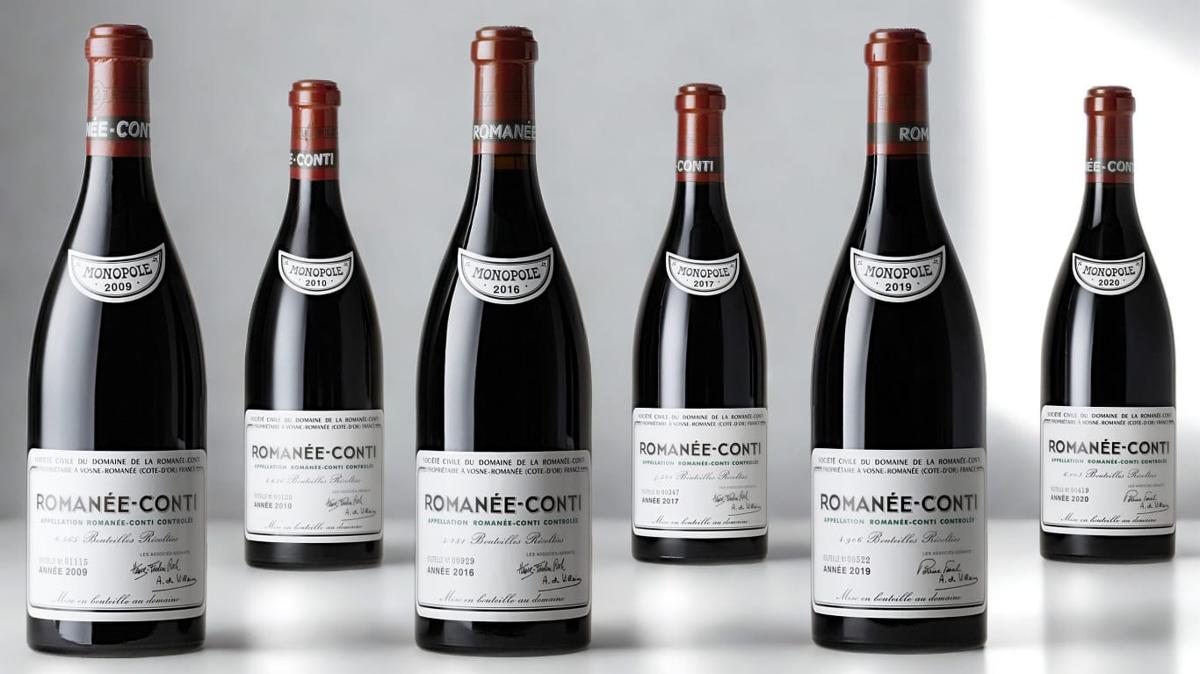
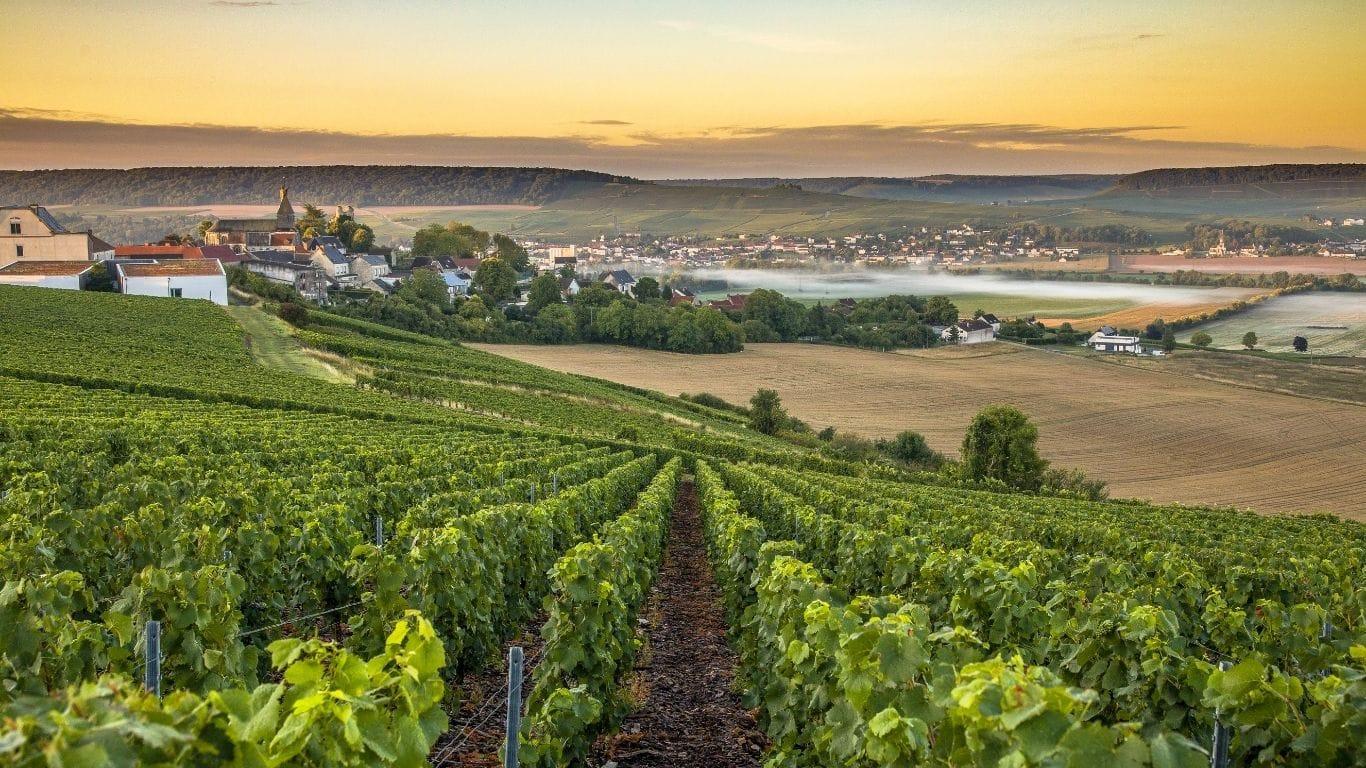
The serious cellar's regional canon (Bordeaux, Burgundy, Champagne, Tuscany, Piedmont, Napa) is the backbone, and it isn't going anywhere. But the wine-buying world has been quietly more interesting at the edges for the past decade than at any point we can remember. Producers in regions that didn't make any major buyer's radar twenty years ago are now showing up at Decanter's Wine of the Year shortlists, in Wine Spectator's Top 100, and at the major auction houses' specialist sales.
- The serious cellar canon remains anchored by Bordeaux, Burgundy, Champagne, Tuscany, Piedmont, and Napa, and that backbone is not going anywhere.
- English sparkling wine has quietly built collector credibility, with Nyetimber, Gusbourne, and Wiston now anchoring a credible category.
- Slovenian and Croatian whites, particularly orange wine producers like Movia and Gravner, have small but credible secondary-market activity.
- Greek wine has built genuine collector momentum, with Boutari, Domaine Sigalas, and the apex Santorini Assyrtiko producers leading the international tier.
- South African Cabernet from Stellenbosch, particularly Kanonkop and Boekenhoutskloof, has earned a place in serious international cellars.
- For collectors the emerging regions are not a substitute for the canon but a way to add cultural depth and selective long-haul positions.
- Who is this for?
- Cellar builders with the structural canon in place, looking for selective positions in regions that have built credibility over the past decade.
- What is happening?
- We work through the emerging wine regions that have built genuine collector credibility, with the producers and vintages that anchor each.
- When did this emerge?
- The piece reads the contemporary post-2020 market, where several emerging regions have built credible international secondary-market presence.
- Where is this happening?
- England, Slovenia, Croatia, Greece, South Africa, and the broader cluster of regions building genuine international collector momentum.
- Why does it matter?
- The emerging regions add cultural depth and selective long-haul exposure that the canon cannot provide, and missing them entirely narrows the cellar unnecessarily.
Some will become canonical; most won't; a small handful are already worth a serious collector's attention. This is our editorial read on the emerging wine regions worth keeping in the cellar's peripheral vision in 2026. We will look at what each contributes, who the producers worth knowing are, and where the early bottles are clearing through Sotheby's Wine and Acker.
Ningxia, China
Ningxia, in north-central China, has emerged as the country's most serious red-wine region. The high-altitude desert climate, with significant diurnal temperature shifts, has produced credible Cabernet Sauvignon-led wines from producers like Silver Heights, Helan Qingxue, and Kanaan Winery. Helan Qingxue's Jia Bei Lan won Decanter's International Trophy for Bordeaux Blend Over £10 in 2011, the moment Ningxia genuinely arrived on the international map.
Shandong, China
Shandong's coastal climate produces a different style of Chinese red. Softer, more Bordeaux-influenced, anchored by Château Junding and the broader Penglai region. The category is thinner than Ningxia in the international cellar conversation but worth tracking.
Xinjiang, China
Xinjiang's high-altitude continental climate has produced strong Cabernet Sauvignon from producers like Tiansai Vineyards and Citic Guoan. The region is one of the youngest in the Chinese fine-wine conversation but has drawn early attention from Chinese collectors, with isolated lots appearing at Sotheby's Wine Hong Kong sales over the past three years.
Kakheti, Georgia
Georgia's Kakheti region practises some of the oldest continuous winemaking in the world. The qvevri, the buried clay vessel used for fermentation, has been in use for 8,000 years. The region's signature grape, Saperavi, produces deep-coloured, tannic, age-worthy reds with a savoury character closer to Nebbiolo than to Bordeaux.
Pheasant's Tears, Lagvinari, and Schuchmann anchor the modern serious tier, with Jancis Robinson and Vinous both covering the category in recent years.
Imereti, Georgia
Imereti, in central-western Georgia, produces lighter-bodied wines from indigenous varieties like Tsolikouri (white) and Otskhanuri Sapere (red). The category is small in volume but distinctive in character, and one of the more interesting Georgian regions for collectors building depth in the country.
Kartli, Georgia
Kartli, surrounding Tbilisi, produces a broader range of styles. Chinuri and Goruli Mtsvane on the white side and Tavkveri and Shavkapito on the red. The region's wines remain underpriced relative to their quality and make a credible case for cellars wanting Georgian depth beyond Saperavi.
Istria, Croatia
The Istrian peninsula on the Adriatic produces Croatia's most internationally-recognised wines. Malvazija Istarska on the white side and Teran on the red are the indigenous varieties. Producers like Kabola, Coronica, and Kozlović have built credible international reputations over the past decade, with Decanter's annual Eastern European report covering them in detail.
Dalmatia, Croatia
Dalmatia's coastal climate produces Plavac Mali, a relative of California's Zinfandel, in distinctive bold and tannic expressions. Grgić Vina (the Croatian return of California's Mike Grgich) and Bibich are the producers worth knowing. The category is small but increasingly fixtures at central European wine fairs.
Nemea, Greece
Greece's Nemea region in the Peloponnese is the home of Agiorgitiko, an indigenous red grape producing wines of considerable depth and ageability. Domaine Skouras, Gaia Wines, and Domaine Spiropoulos lead the region's modern serious tier. Top examples now appear regularly at major European auctions.
Naoussa, Greece
Naoussa in northern Greece is the home of Xinomavro, the indigenous red grape increasingly being compared to Nebbiolo for its tannic structure, savoury character, and remarkable ageability. Kir-Yianni, Thymiopoulos, Boutari, and Domaine Karydas are the producers worth tracking. Mature Naoussa from a strong vintage can age comfortably 25–40 years, and Wine Spectator has carried the category in its top 100 across several recent years.
Mantinia, Greece
Mantinia produces Moschofilero, a perfumed white grape with notable acidity. Tselepos and Domaine Spiropoulos are the canonical producers. The category is small in international volume but increasingly recognised by sommeliers in the European fine-dining world.
Valle de Guadalupe, Mexico
Mexico's Valle de Guadalupe in Baja California has emerged as a credible serious region over the past decade. Monte Xanic, Casa de Piedra, and Vena Cava lead the modern producer roster. The Mediterranean climate produces wines with depth and ageability comparable to better Californian bottlings.
Querétaro, Mexico
Querétaro, at higher elevations in central Mexico, produces sparkling and still wines from European varietals. Freixenet's Mexican operation and Cavas Antonelli are the producers most often referenced.
Coahuila, Mexico
Coahuila, in the desert north, produces structured Cabernet Sauvignon and Tempranillo from producers like Casa Madero (the oldest continuously-operating winery in the Americas, founded 1597) and Don Leo. The region's wines are small in international volume but distinctive in character.
Canelones, Uruguay
Uruguay's Canelones region near Montevideo has built a credible Tannat programme over the past two decades. Bodega Garzón (built by the Pizzorno family with substantial recent investment) and Bouza lead the modern serious tier. Tannat's natural tannic density makes the wines distinctively age-worthy, and Vinous has covered the region in detail across the past five years.
Swartland, South Africa
The Swartland in South Africa's Western Cape has been the country's most exciting region for the past two decades. Eben Sadie, Mullineux, A.A. Badenhorst, and David & Nadia produce wines from old Chenin Blanc and Mediterranean varietals (Syrah, Grenache, Carignan, Mourvèdre, Cinsault) that have built substantial international collector followings. Eben Sadie's Columella and Palladius are now fixtures in serious South African cellar positions.
Hemel-en-Aarde, South Africa
The Hemel-en-Aarde Valley near Hermanus has built a credible Pinot Noir programme over the past two decades. Hamilton Russell Vineyards, Ataraxia, Bouchard Finlayson, and Storm Wines lead the producer roster. The cool maritime climate produces Pinot Noir with elegance and ageability that has drawn comparisons to Burgundy's lesser-known communes in the Wine Advocate's South Africa report.
Vale dos Vinhedos, Brazil
Brazil's Vale dos Vinhedos in Rio Grande do Sul has built a credible sparkling-wine programme. Casa Valduga and Miolo lead the producer roster. The region's still wines are improving but remain less internationally recognised than the sparkling category.
Campanha, Brazil
Campanha, near the Uruguayan border, produces structured Tannat and Cabernet Sauvignon. Almadén and Bodegas Ravanello are the producers most often referenced. Brazilian fine wine remains a small category internationally but is increasingly turning up at South American specialist auctions.
Melnik, Bulgaria
Bulgaria's Melnik region produces Shiroka Melnishka Loza (Broad-leafed Melnik vine), an indigenous grape with distinctive aromatic depth. Damianitza and Villa Melnik lead the modern producer roster. The category is small but distinctive enough to draw attention from collectors building Eastern European depth.
Thracian Valley, Bulgaria
The Thracian Valley produces Bulgaria's most internationally-recognised wines, particularly from Mavrud (an indigenous red) and international varietals. Bessa Valley (a French-Bulgarian collaboration) and Edoardo Miroglio are the producers worth knowing.
Dealu Mare, Romania
Romania's Dealu Mare in the south-east produces structured red wines from Fetească Neagră (an indigenous grape) and international varietals. Davino and Cramele Recaș lead the producer roster.
Murfatlar, Romania
Murfatlar near the Black Sea produces white wines from Fetească Albă and Tămâioasă Românească. The category is small but distinctive enough to draw early collector attention.
What this means for collectors thinking about emerging regions
None of these regions has yet built a deep secondary market, and several may never get there. The serious cellar's emerging-region position is therefore measured, typically a small allocation (5% or less of the total cellar) across two or three producers in the regions the collector finds personally compelling. Eben Sadie's Columella from the Swartland, Thymiopoulos's Naoussa Xinomavro, Pheasant's Tears Saperavi from Kakheti, Casa Madero from Coahuila.
The early bottles from named producers in each emerging region are increasingly worth the cellar's small allocation.
The category isn't a portfolio diversifier. It is a way for serious collectors to back the producers and regions they find genuinely interesting at the moment when those producers are still accessible. Some will mature into canonical regions over the next decade.
Most won't. The collector who buys early in two or three of them will have wines worth opening for decades, and in the small handful that do mature into the canon, will have built positions early. We last reviewed this analysis in May 2026.